Alexandrite: The Rarest and Most Valuable June Birthstone
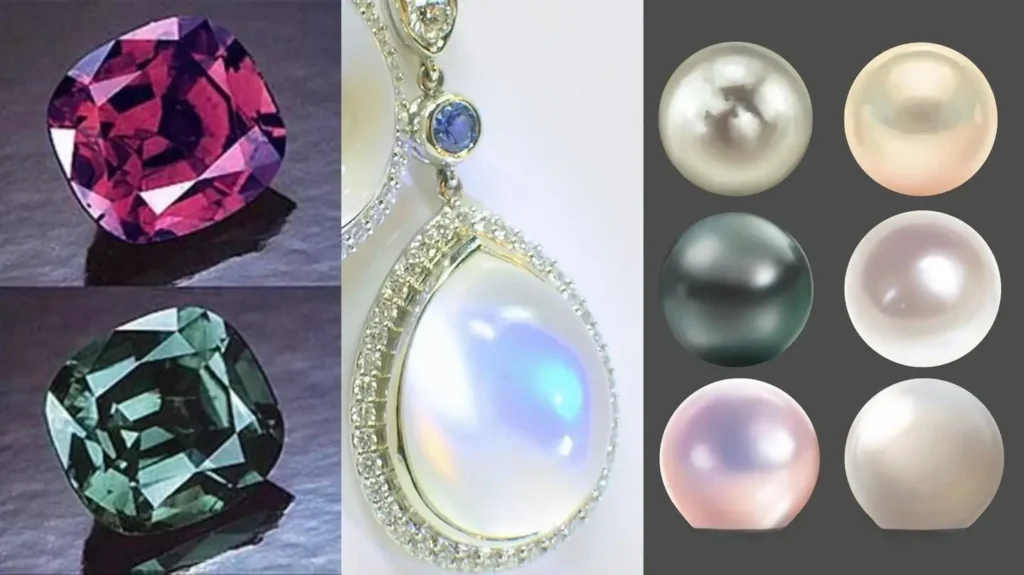
Among the June birthstones, pearls and moonstone are the most familiar choices. Yet one gemstone stands above the rest for its rarity and intrigue: the Alexandrite Birthstone. This extraordinary gem shifts color under different lighting, earning its famous nickname — “emerald by day, ruby by night.”
Alexandrite belongs to the chrysoberyl family and ranks as its rarest color-changing variety. Unlike pearls and moonstone, which offer gentle and accessible beauty, alexandrite captivates collectors with dramatic transformation and natural scarcity.
In this article, we explore what makes alexandrite unique, how it differs from other June birthstones, and why experts regard it as the most valuable June gemstone.
What Is Alexandrite?
Alexandrite is a rare variety of chrysoberyl distinguished by its natural color-changing effect. While several gemstones can shift color under different lighting conditions, the term “alexandrite” applies exclusively to chrysoberyl that displays a clear and dramatic color change. In Western gemology, chrysoberyl holds an elite status and traditionally ranks among the five precious gemstones, alongside diamond, ruby, sapphire, and emerald.
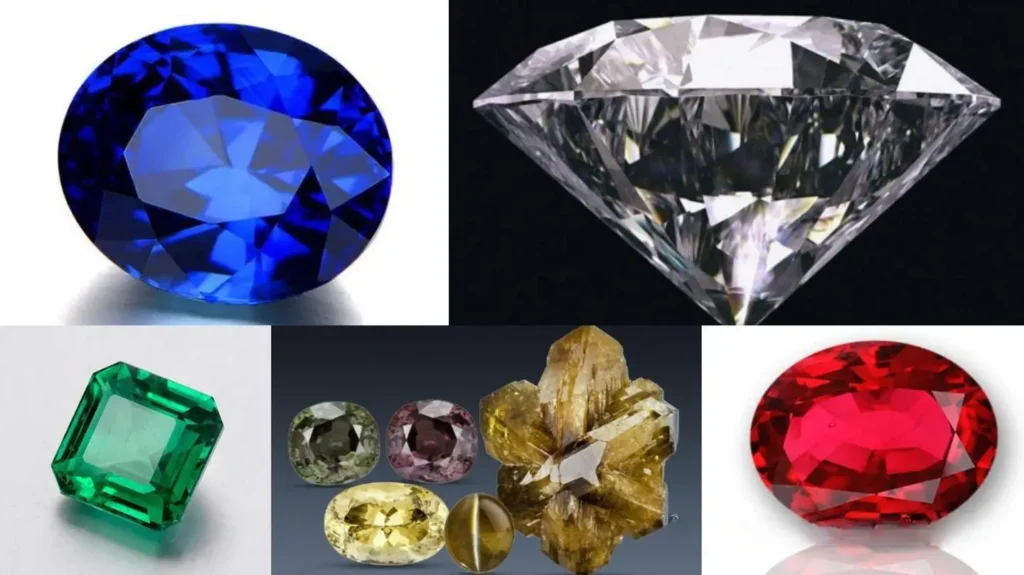
From a gemological perspective, alexandrite combines optical rarity with exceptional physical durability. Specifically, its key properties include:
- Chemical Composition: Beryllium aluminum oxide, with trace amounts of chromium responsible for its color-changing behavior
- Crystal System: Orthorhombic, typically forming short prismatic or tabular crystals
- Hardness: 8–8.5 on the Mohs scale, offering excellent resistance to daily wear
- Density: Approximately 3.73 g/cm³
Why Does Alexandrite Change Color?
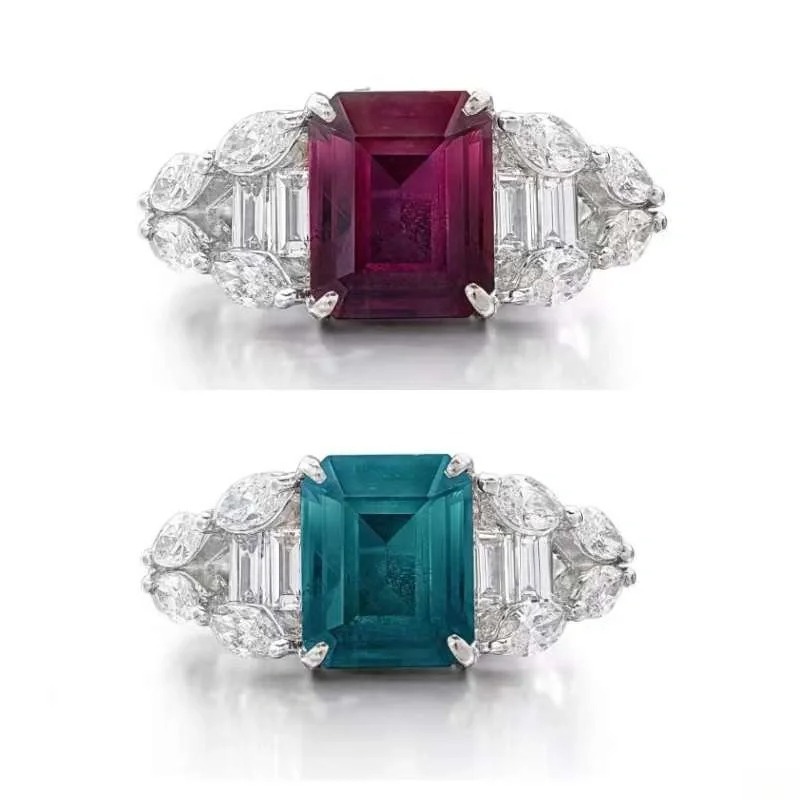
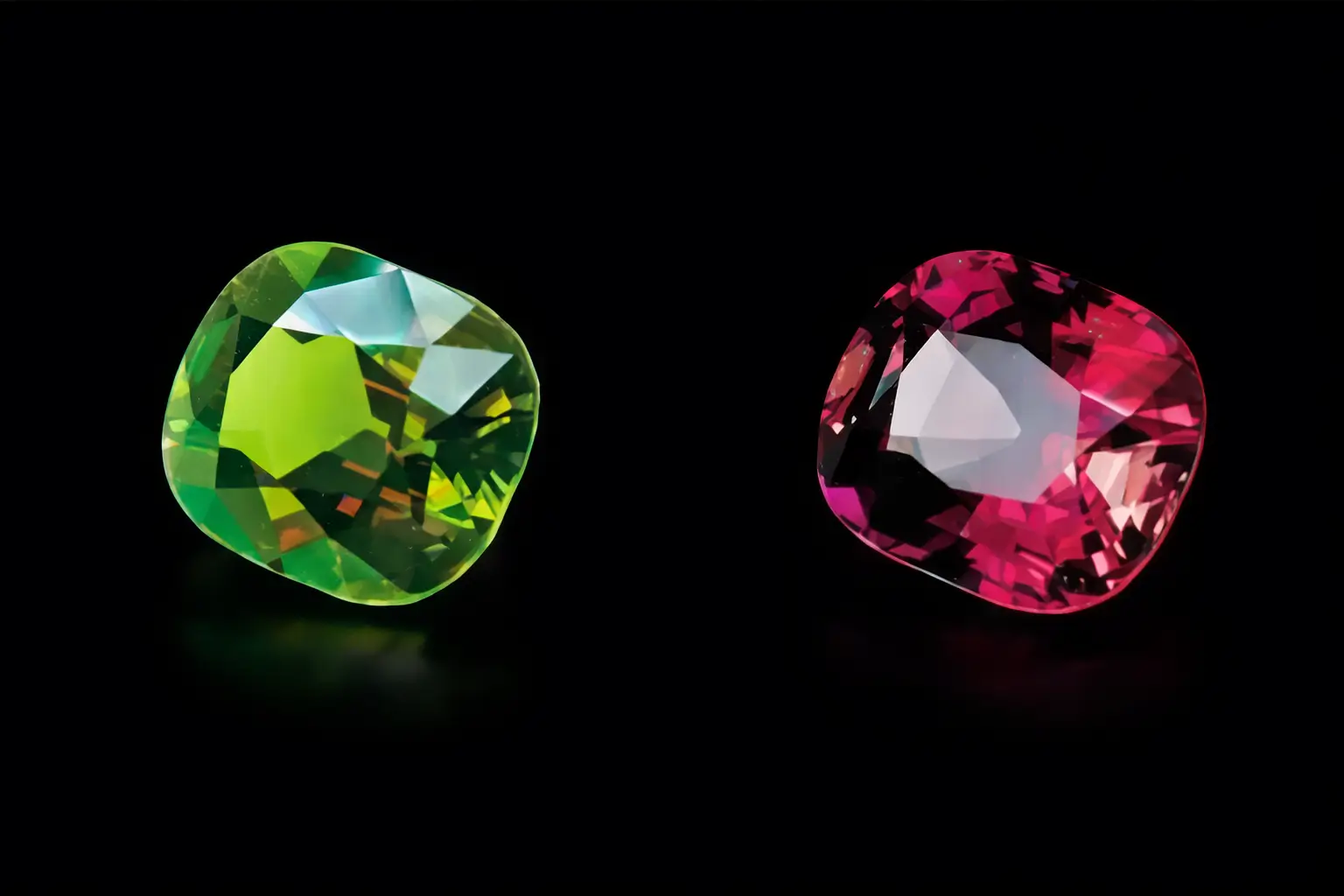
The mesmerizing “Alexandrite Effect” stems from the complex way the gemstone interacts with light. This optical phenomenon occurs because the crystal contains trace amounts of chromium (Cr) and vanadium (V). These elements cause the stone to selectively absorb specific wavelengths of the visible light spectrum.
To put it simply, the gemstone acts like a biological chameleon by reacting to the ambient light source:
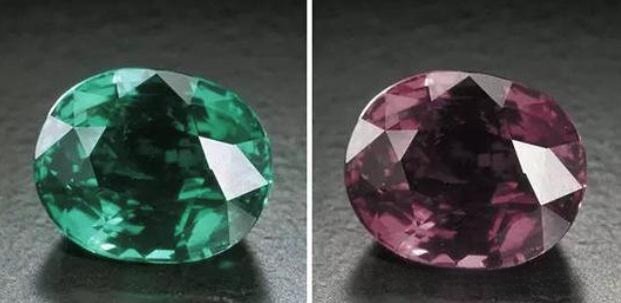
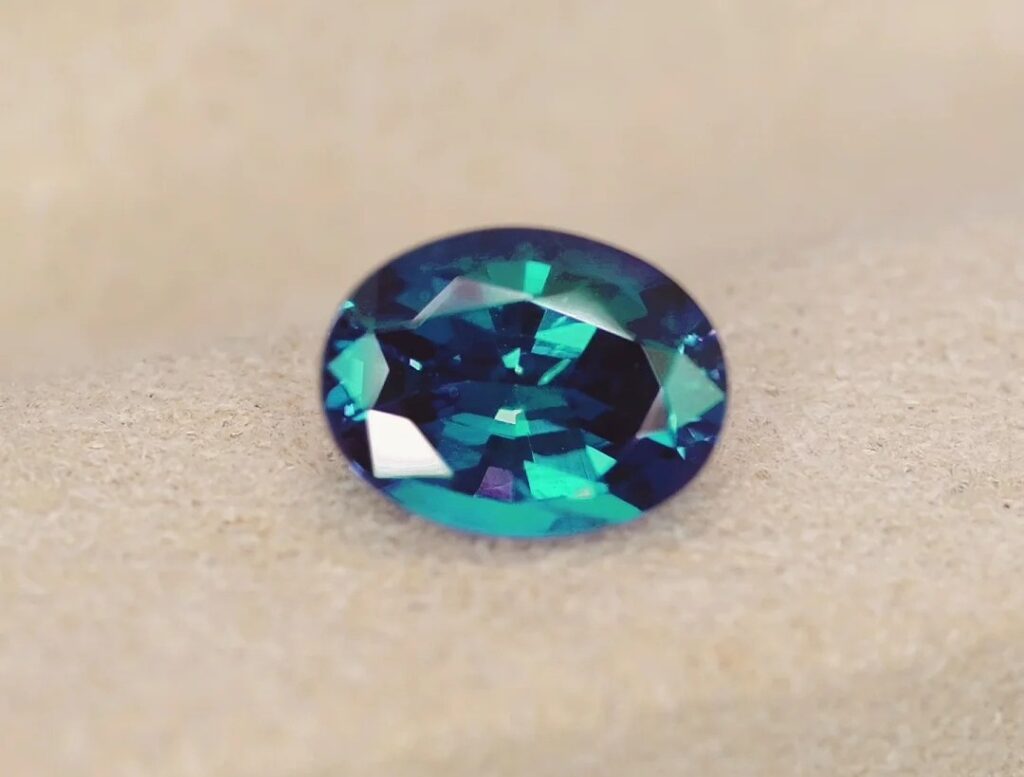
- Under Daylight: Natural sunlight is rich in green wavelengths. Because Alexandrite allows these wavelengths to pass through more easily, the stone typically displays shades of grayish-green, pale yellowish-green, or a striking bluish-green.
- Under Incandescent Light: In contrast, candlelight or tungsten bulbs are dominated by red wavelengths. The stone shifts its personality accordingly, transforming into a brownish-red or deep purplish-red.
This dramatic flip is why gem connoisseurs famously celebrate Alexandrite as “Emerald by day, Ruby by night.”
Gemology Pro-Tip: Alexandrite vs. Other Color-Change Stones
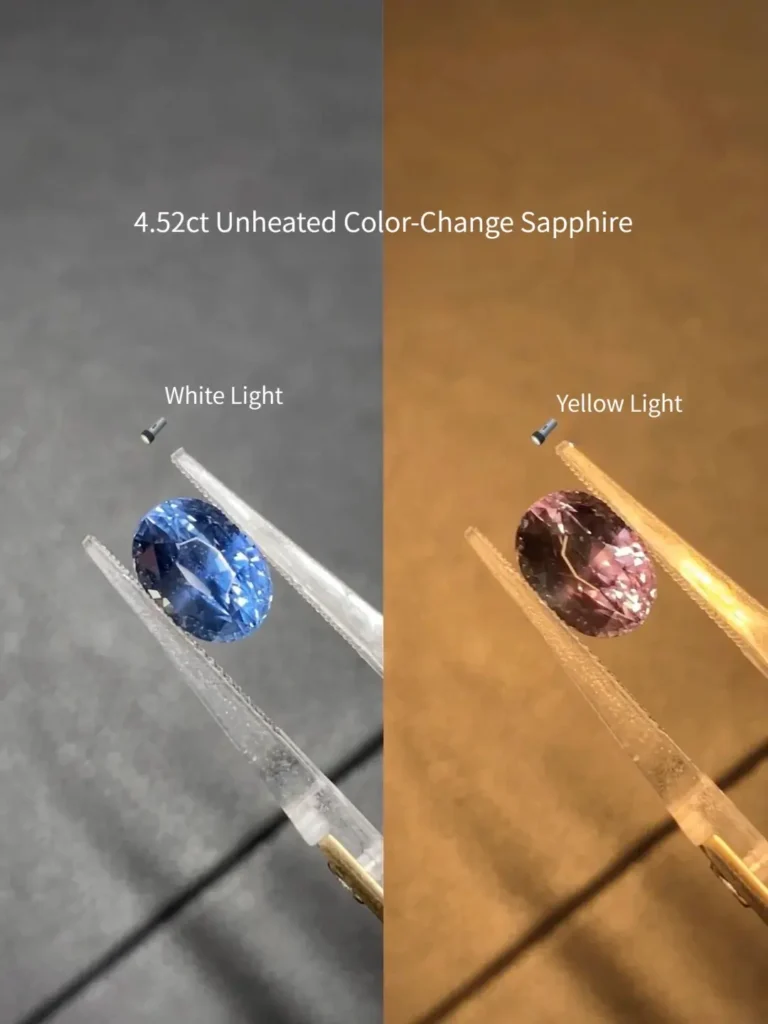
While Alexandrite is the most famous, it is not the only gemstone capable of a “wardrobe change.” Other minerals—including Sapphire, Garnet, Spinel, Diaspore (Zultanite), and Fluorite—can also exhibit color-changing properties.
However, nomenclature matters in the luxury market. To maintain professional standards, remember this rule:
The Exclusive Title: The name “Alexandrite” belongs only to color-changing Chrysoberyl.
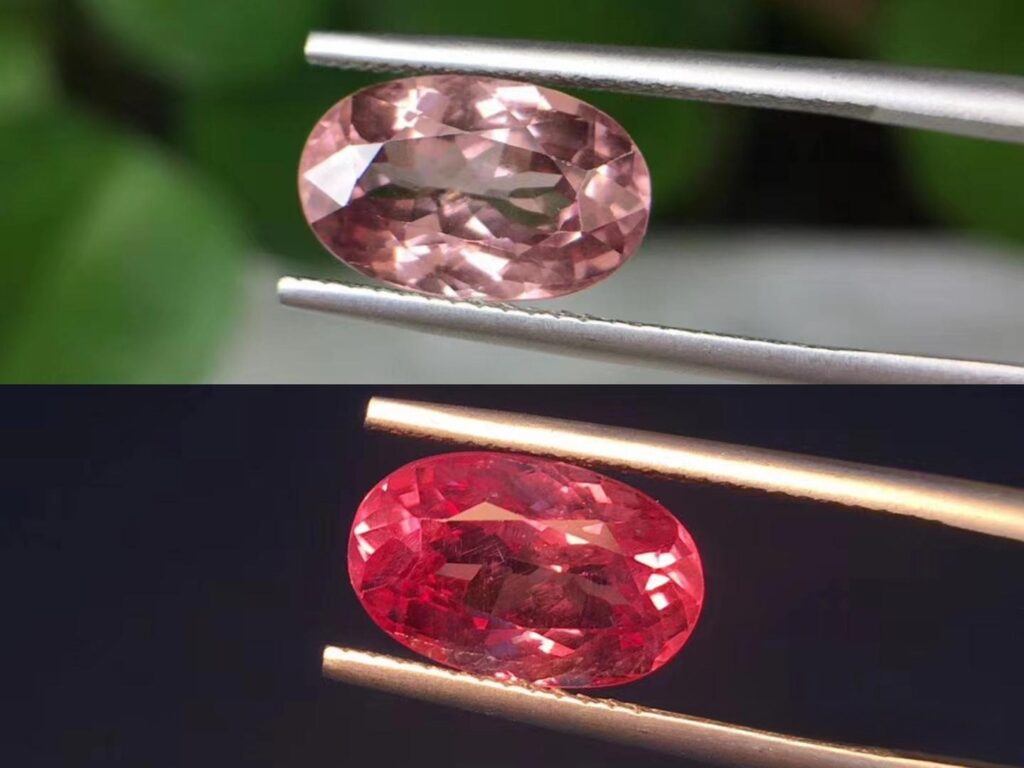
f any other mineral exhibits this effect, you must include the gemstone’s species name. For example, you would refer to them as “Color-Change Sapphire” or “Color-Change Garnet.” This distinction is vital because true Alexandrite remains significantly more rare and valuable than its color-changing counterparts.
The Major Varieties of Chrysoberyl: Beyond the June Birthstone
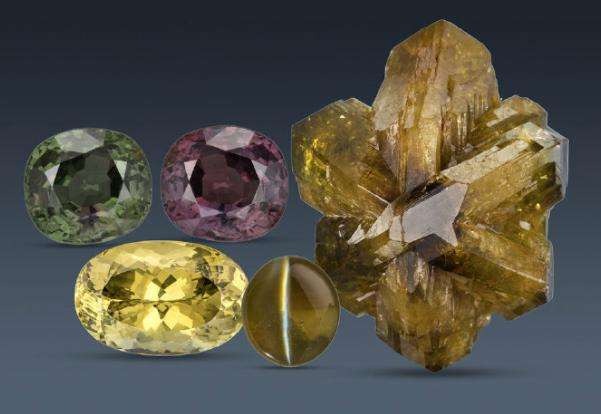
Chrysoberyl derives its name from its signature yellowish-green to golden-green appearance. However, the market categorizes this gemstone family into four distinct varieties based on the presence or absence of extraordinary optical phenomena.
1. Chrysoberyl Cat’s Eye (Cymophane)
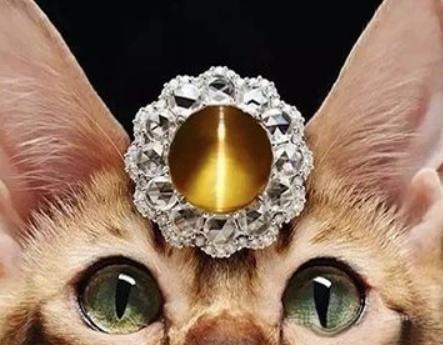
Chrysoberyl Cat’s Eye is arguably the most legendary variety in this family. It showcases a stunning optical effect known as chatoyancy. When master lapidaries cut the stone into a polished cabochon, a bright, singular band of light appears across its surface. As you rotate the gem, this band glides and flickers—mimicking the sharp slit of a feline eye.
While many minerals exhibit chatoyancy, the jewelry industry reserves the prestigious, standalone term “Cat’s Eye” exclusively for chrysoberyl. Any other stone must specify its species (e.g., “Quartz Cat’s Eye”).
- Top Origins: While miners find these gems in Brazil, India, and Myanmar, Sri Lanka remains the most world-renowned source for the finest quality Cat’s Eye.
Related Reading: Chrysoberyl Cat’s Eye: The Only True “Cat’s Eye” Guide – Discover how to identify genuine Chrysoberyl Cat’s Eye, its market value, and legendary chatoyancy.
2. Alexandrite: The Ultimate June Birthstone
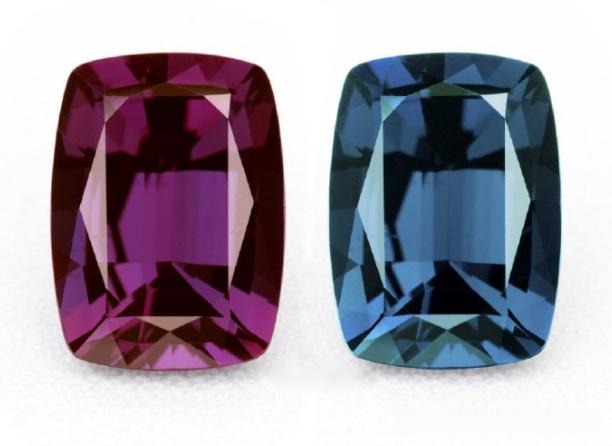
Often called the “chameleon of gemstones,” Alexandrite is the rare, color-change variety of chrysoberyl. It transitions from a vivid green under daylight to a deep raspberry red under incandescent light.
It is important to note a strict industry standard: only chrysoberyl displaying a distinct and significant color change earns the right to be called Alexandrite. This rarity makes it one of the most coveted June birthstones for collectors and investors alike.
3. Alexandrite Cat’s Eye
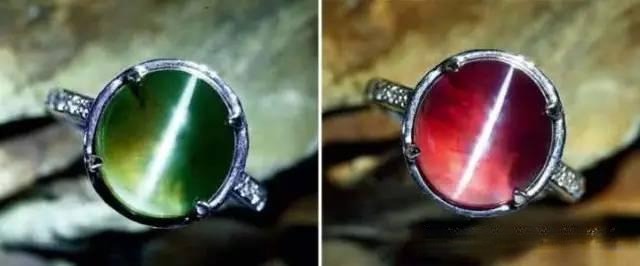
When nature’s rarest occurrences collide, we get the Alexandrite Cat’s Eye. This ultra-rare hybrid possesses both the “Alexandrite Effect” (color change) and “Chatoyancy” (the cat’s eye slit).
Creating such a masterpiece requires a perfect geological storm: the stone must contain trace chromium for color change and dense, parallel tube-like inclusions to reflect the light band. Because of this dual-phenomena, Alexandrite Cat’s Eye is a pinnacle of gemstone collecting.
If you are fascinated by this optical phenomenon, explore more breathtaking specimens in our dedicated guide to [Golden Beryl: Rare Gemstone Among the World’s Five Great Gems with Stunning Cat’s Eye Examples].
4. Transparent (Non-Phenomenal) Chrysoberyl
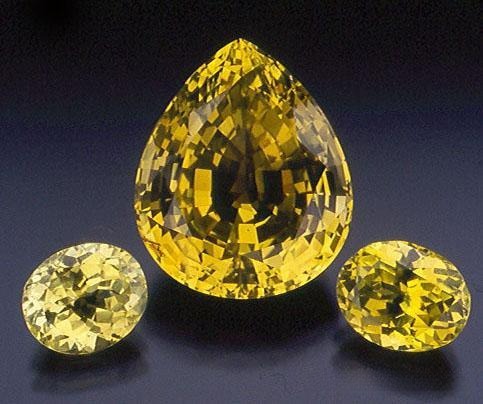
Gemologists refer to specimens that lack special optical effects simply as “Chrysoberyl.” While these stones do not change color or display a “cat’s eye,” they are highly prized for their exceptional brilliance and fire. Their high refractive index and superior hardness make them a durable and sophisticated choice for high-end jewelry designs.
The Royal History and Naming of Alexandrite: A Russian Legacy
Beyond its physical beauty, Alexandrite birthstone carries a rich, mystical heritage. In 19th-century Russia, people revered this gemstone as a powerful omen of good fortune. It held the unique distinction of being the only gemstone widely recognized as a protective talisman during that era.
The Discovery: A Birthday Gift for a Tsar

The story of Alexandrite began in 1830 in the Ural Mountains of Russia. Miners discovered the first deposits in an emerald mine near Yekaterinburg (now Sverdlovsk). As the story goes, the discovery occurred on the very day Tsar Alexander II reached his majority. To honor the future ruler, the Russian Empire named this remarkable color-change chrysoberyl “Alexandrite.”
“Emerald by Day, Ruby by Night”
Alexandrite quickly gained a reputation for its inherent mystery. Because it displays dramatically different hues under daylight versus candlelight, it earned the famous poetic moniker: “Emerald by day, Ruby by night.” This duality resonated deeply with the Russian soul for several reasons:

- Imperial Colors: The gem’s primary colors—vibrant green and deep red—perfectly matched the official military colors of the Russian Imperial Guard.
- National Symbol: Because of this striking coincidence, the Russian people embraced the stone as a symbol of national pride, eventually elevating it to the status of Russia’s national gemstone.
Today, while we source Alexandrite from various corners of the globe, its royal Russian origins remain the cornerstone of its identity as one of the world’s most mysterious and auspicious gemstones.
Global Origins and Scarcity: Where Is Alexandrite Mined?
The Ural Mountains of Russia remain the most legendary source for this June birthstone. However, as of 2026, the original Russian mines are nearly exhausted, making authentic Ural Alexandrite a true collector’s ghost. Today, the global market relies on several key regions, though each produces stones with distinct personalities.
Regional Characteristics and Color Profiles
Gemstone experts categorize Alexandrite quality based on the intensity of its color change. Historically, Russian stones set the “Gold Standard,” but other localities have stepped up to fill the void:

- Russia (The Ural Mountains): Renowned for the most vivid and dramatic contrast. These stones typically shift from a crisp vibrant green to a rich raspberry red or purplish-red.
The discovery of Alexandrite is just one chapter in Russia’s illustrious gemological history. Discover the full legacy of the region in our feature on [Russian Gemstones: 9 Extraordinary Treasures from the Urals to Siberia]. - Brazil: Currently the top contender for high-quality alternatives. Brazilian Alexandrite often mirrors the Russian profile, offering a sharp, clean color change that rivals the original 19th-century finds.
Explore more about why this region is a mineralogical marvel in our guide to [8 Treasured Brazilian Gemstones from the World’s Colored Gem Capital]. - Sri Lanka (Ceylon): While Sri Lanka produces larger specimens, the color change often leans toward yellowish-greens and brownish-reds, making them slightly less saturated than their Russian or Brazilian counterparts.
- Africa (Tanzania & Zimbabwe): African deposits provide a steady supply, though the quality varies significantly. Many stones from these newer regions exhibit a “muddy” or faint color shift.
The Rarity of Size and Quality
In the world of colored gemstones, size is a significant multiplier of value. Because the geological conditions required to form Alexandrite are so specific, large, gem-quality crystals are exceptionally rare.
While any high-clarity Alexandrite with a strong color change commands a premium price in today’s market, those with certified “Old Mine” Russian or premium Brazilian provenance see their value skyrocket. For an investor or jewelry lover, finding a clean stone surpassing the 1-carat mark with a 100% color shift is a rare triumph.
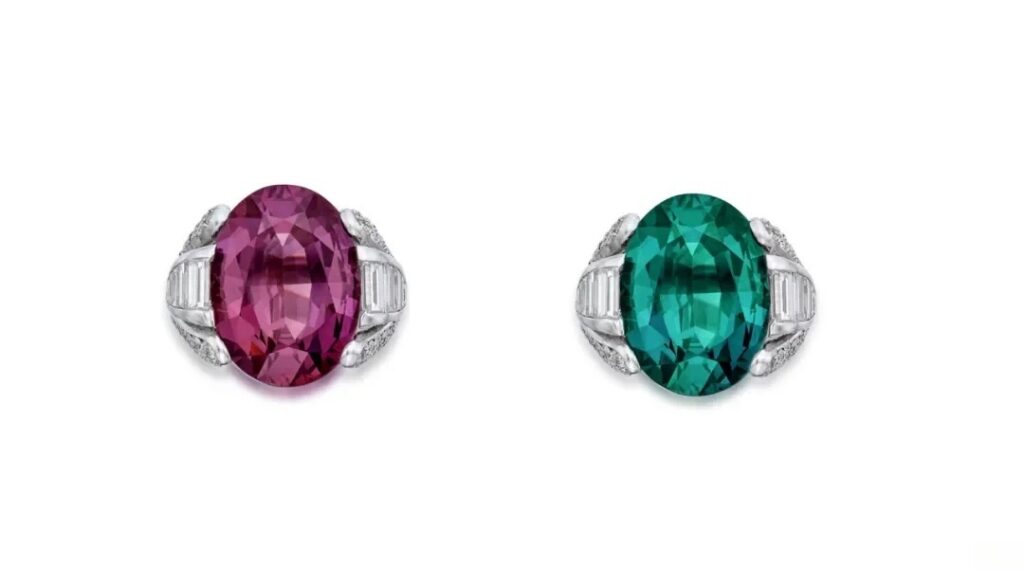
💡 Market Snapshot: The soaring demand for this June birthstone was solidified in December 2024 at Sotheby’s New York, where a 16-carat Alexandrite sold for $1.92 million. This landmark sale set a new world record for both total price and price-per-carat, proving that top-tier Alexandrite remains one of the most coveted assets for collectors.
Identifying Your Alexandrite Birthstone
Identifying a genuine Alexandrite requires a keen eye for its unique optical properties. Because high-quality specimens are so valuable, the market often sees look-alikes. Here is how to distinguish natural Alexandrite from other stones.
Natural Look-alikes: Garnet, Spinel, and Sapphire
While several gemstones exhibit color-change effects, their physical properties tell a different story:
- vs. Color-Change Garnet & Spinel: Unlike Garnet and Spinel, which are singly refractive (isometric), Alexandrite is strongly pleochroic. This means that in addition to changing color under different light sources, a single Alexandrite crystal can display different hues when viewed from different angles under the same light.
- vs. Color-Change Sapphire: These gems differ significantly in their refractive index (RI) and specific hues. Sapphire typically shifts from blue-violet to reddish-purple, and its RI is consistently higher than that of Alexandrite.
Natural vs. Synthetic Alexandrite
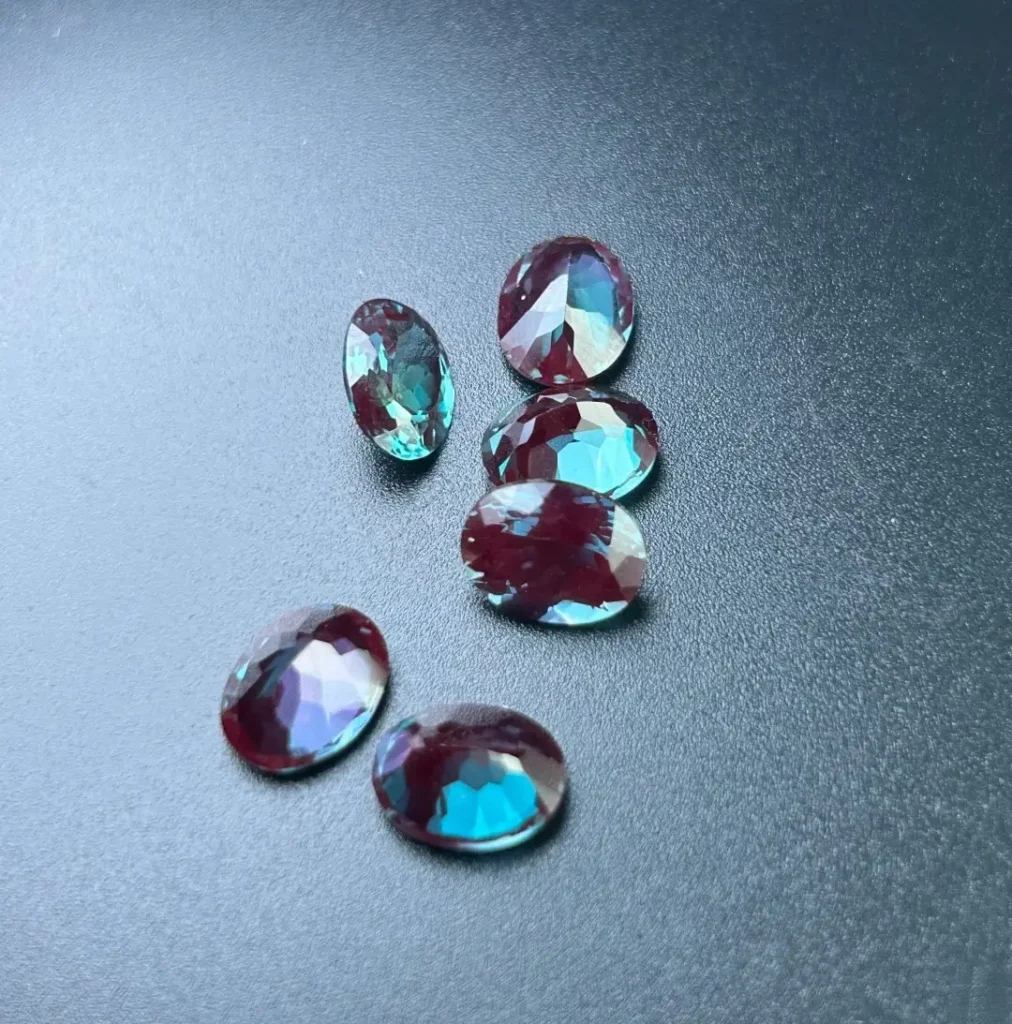
The market contains various lab-grown alternatives, such as synthetic corundum or synthetic spinel “simulants.” To spot a natural stone, professional gemologists look for three key markers:
- Pleochroism: Natural Alexandrite is trichroic (showing three colors), whereas synthetic corundum simulants only show two (dichroic), and synthetic spinels show none.
- Inclusions: Under high magnification, natural Alexandrite often reveals delicate, needle-like or silk-like inclusions, along with two-phase (gas/liquid) inclusions. In contrast, synthetic stones often show curved growth lines or overly “clean” internal structures.
- Size: Nature rarely produces large, flawless Alexandrite crystals. Most natural specimens remain under 1 centimeter (or 1–2 carats). If you find a massive, perfectly clean stone at a low price, it is almost certainly a synthetic.
Expert Tip: While visual inspection is helpful, the most reliable way to confirm a stone’s identity is by testing its Refractive Index (RI: 1.741–1.759) and Specific Gravity (Density: 3.73).
Expert Tips for Selecting Your Alexandrite Birthstone
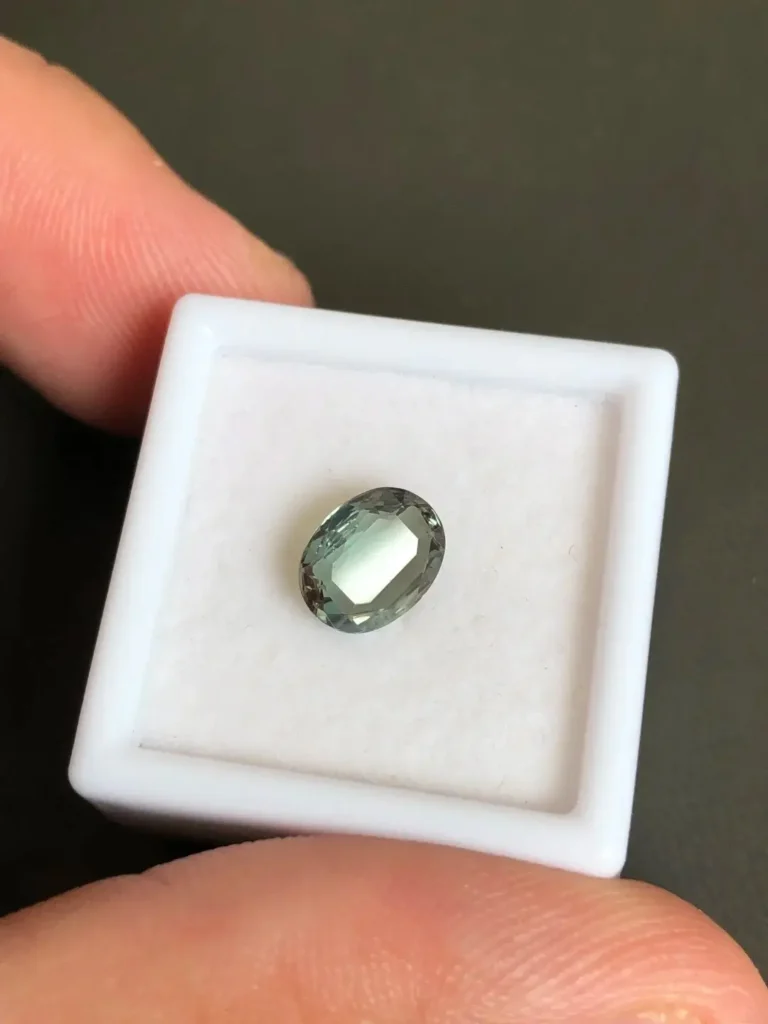
When investing in an Alexandrite birthstone, beauty and value are determined by a few critical factors. To ensure you select a high-quality gem, keep these three professional criteria in mind:
1. Prioritize the “Color Swing” (Percentage of Change)
The most vital factor in an Alexandrite’s value is the intensity and uniformity of its color change.
- The Goal: Look for a “100% color shift”—a dramatic, complete transition from one distinct hue to another.
- What to Avoid: Steer clear of stones that show “bleeding” colors (where you see green and red at the same time) or shifts that are faint and muddy. A clean, decisive “switch” is the hallmark of a premium gem.
2. Focus on Clarity and Cut Precision
Because Alexandrite is a rare variety of chrysoberyl, its brilliance (fire) depends heavily on how it interacts with light.
- Clarity: Seek “eye-clean” stones where inclusions do not obstruct light return.
- Cut: Ensure the gemstone features a symmetrical cut. A well-proportioned cut not only enhances the color-change effect but also maximizes the stone’s natural sparkle, making the “optical magic” even more vibrant.
3. Consider Size and Scarcity
In the world of rare gemstones, size significantly impacts the price-per-carat. Large, high-quality Alexandrite crystals are geological miracles. While small accent stones are beautiful, specimens reaching or exceeding the 1-carat mark are exceptionally rare and hold much higher long-term investment value.
💡 Best Jewelry Styles for Alexandrite
Alexandrite’s “chameleon” nature makes it a versatile center stone for high-end jewelry. To truly highlight its color-changing miracle, consider these classic settings:
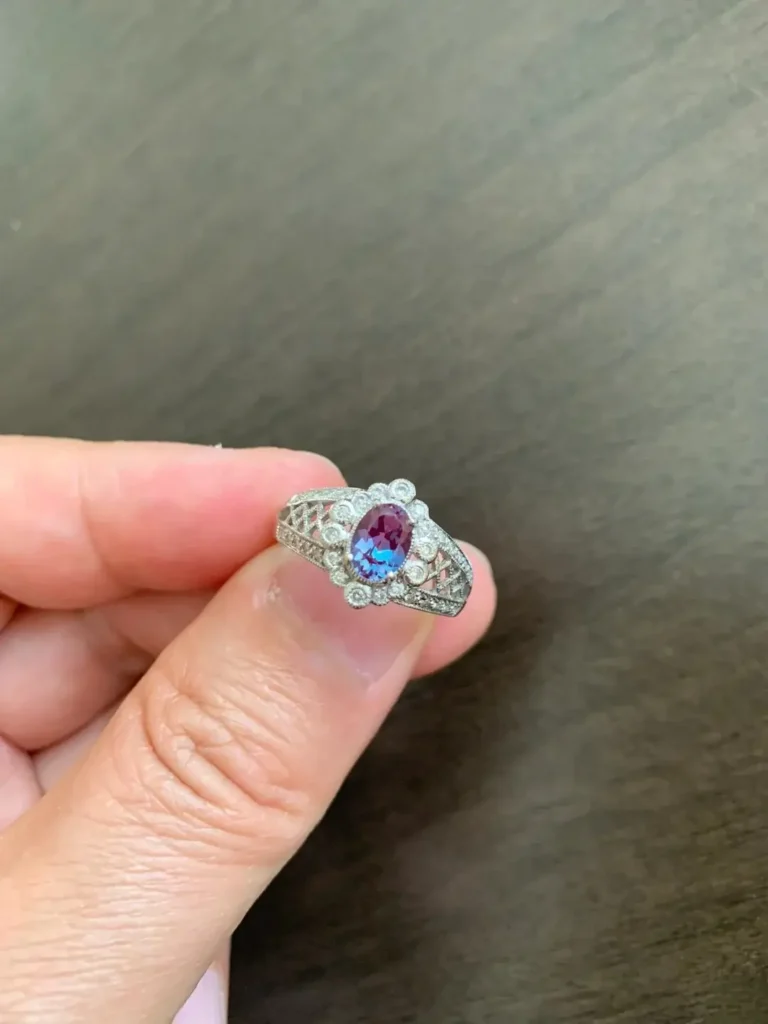
- Statement Rings: A solitaire setting or a “halo” of colorless diamonds provides the perfect contrast to show off the color shift as the hand moves between different light sources.
- Elegant Pendants: A necklace allows the stone to sit prominently, catching various angles of ambient light throughout the day and evening.
- Timeless Earrings: Perfect for the June birthstone, earrings frame the face with shifting hues of emerald green and ruby red.
Pro Tip: We recommend mounting Alexandrite in platinum or 18k white gold to allow the cool green tones to pop, or rose gold to enhance its warm, incandescent red hues.
A Final Thought from Jewea
For our June-born friends, you truly have an embarrassment of riches when it comes to birthstone choices. Whether you are drawn to the ethereal glow of Moonstone, the timeless elegance of Freshwater Pearls, or the mesmerizing “optical magic” of Alexandrite, there is a stone for every style and budget.
If you are looking for approachable luxury, Moonstones and Pearls are fantastic, budget-friendly options. However, if you are ready to invest in a true miracle of nature, the dual-natured Alexandrite is an unparalleled choice.
A word of advice from the heart: In the world of fine gems, you truly get what you pay for. Avoid the temptation of “cheap” synthetic Alexandrite; the depth and soul of a natural stone simply cannot be replicated by a machine.
Discover the Magic at Jewea
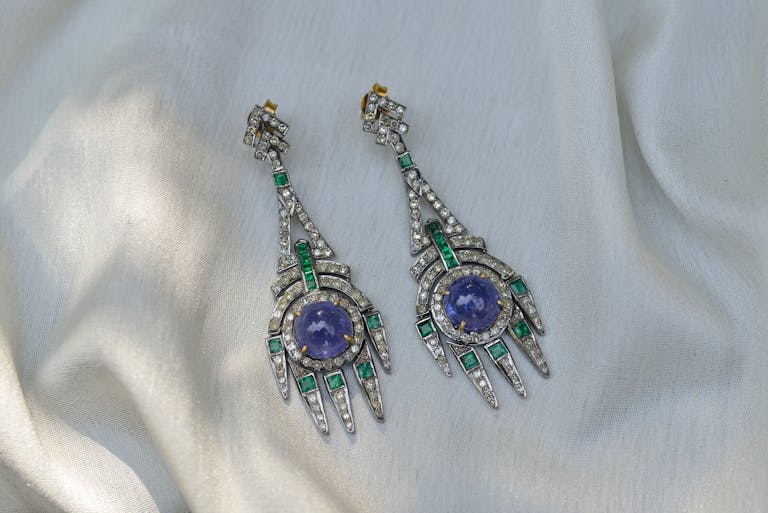
At Jewea, we celebrate the unique spirit of the June birthstone through our Original Handmade Vintage Earrings. Our designs blend the romantic aesthetics of the past with the vibrant energy of carefully selected gemstones. Each pair is handcrafted to tell a story—much like the shifting colors of an Alexandrite.
So, between the mystical Moonstone, the classic Pearl, and the enchanting Alexandrite, which one captures your heart?