The Allure of Aquamarine: From the Serene Seas to Your Jewelry Box

Have you ever gazed upon the breathtaking, cerulean waters of Boracay, Philippines? Aquamarine, the gemstone, captures that very essence of serene, crystal-clear beauty. Known for its refreshing, cool blue tones, aquamarine has become a powerful symbol of tranquility and elegance, much like the ocean from which it takes its name.
What Makes Aquamarine So Special?
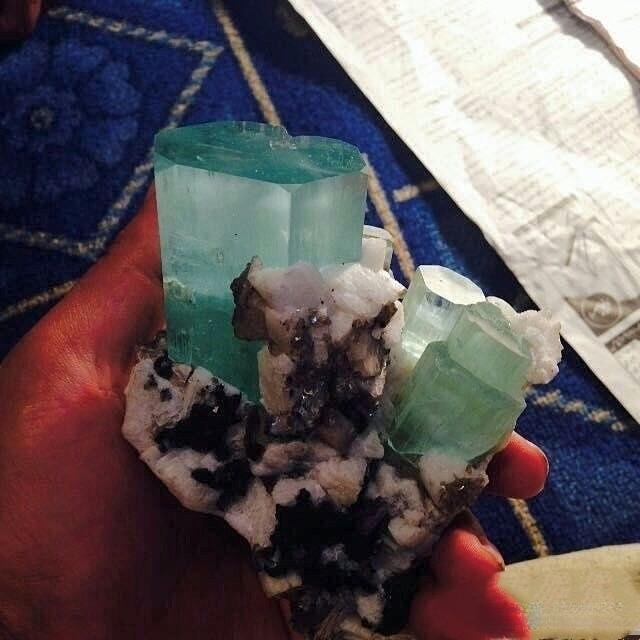
Aquamarine is a variety of the Beryl family, sharing its lineage with the illustrious emerald. Trace amounts of iron within the crystal structure give the gem its distinctive blue-to-bluish-green hue. While emeralds owe their vivid green to chromium, both stones share the same fundamental mineral composition.
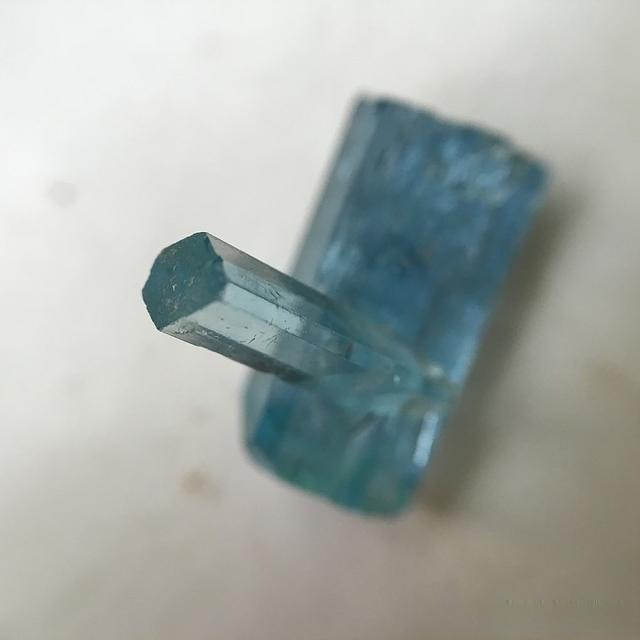
- Crystal System: It belongs to the hexagonal crystal system, commonly forming as prismatic columns or sometimes with a hexagonal bipyramidal structure.
- Hardness & Wearability: With a Mohs hardness of 7.5, aquamarine is highly durable and ideal for daily wear.
- Market Appeal: Its exceptional optical clarity and stability secure its position as a highly sought-after gem in the international market.
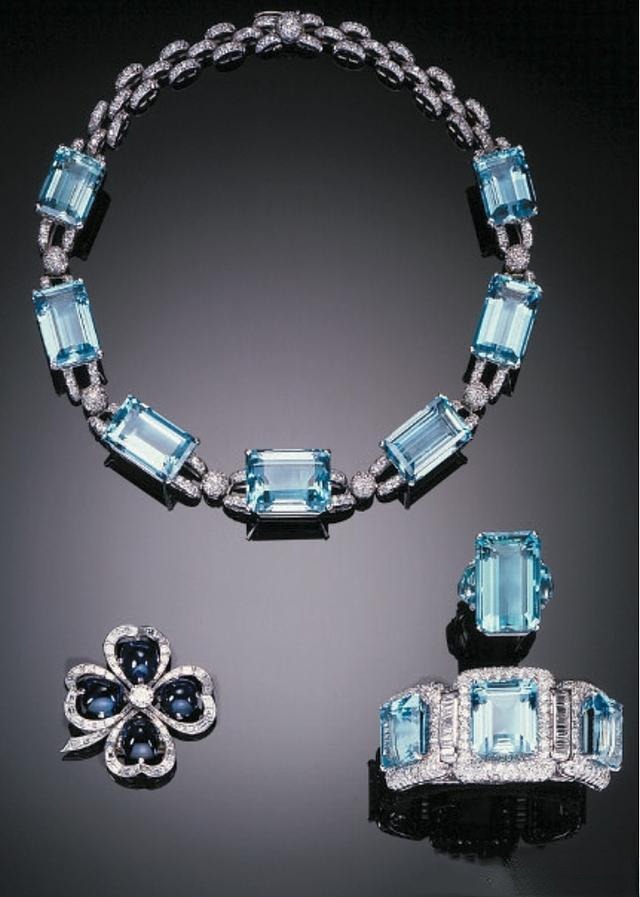
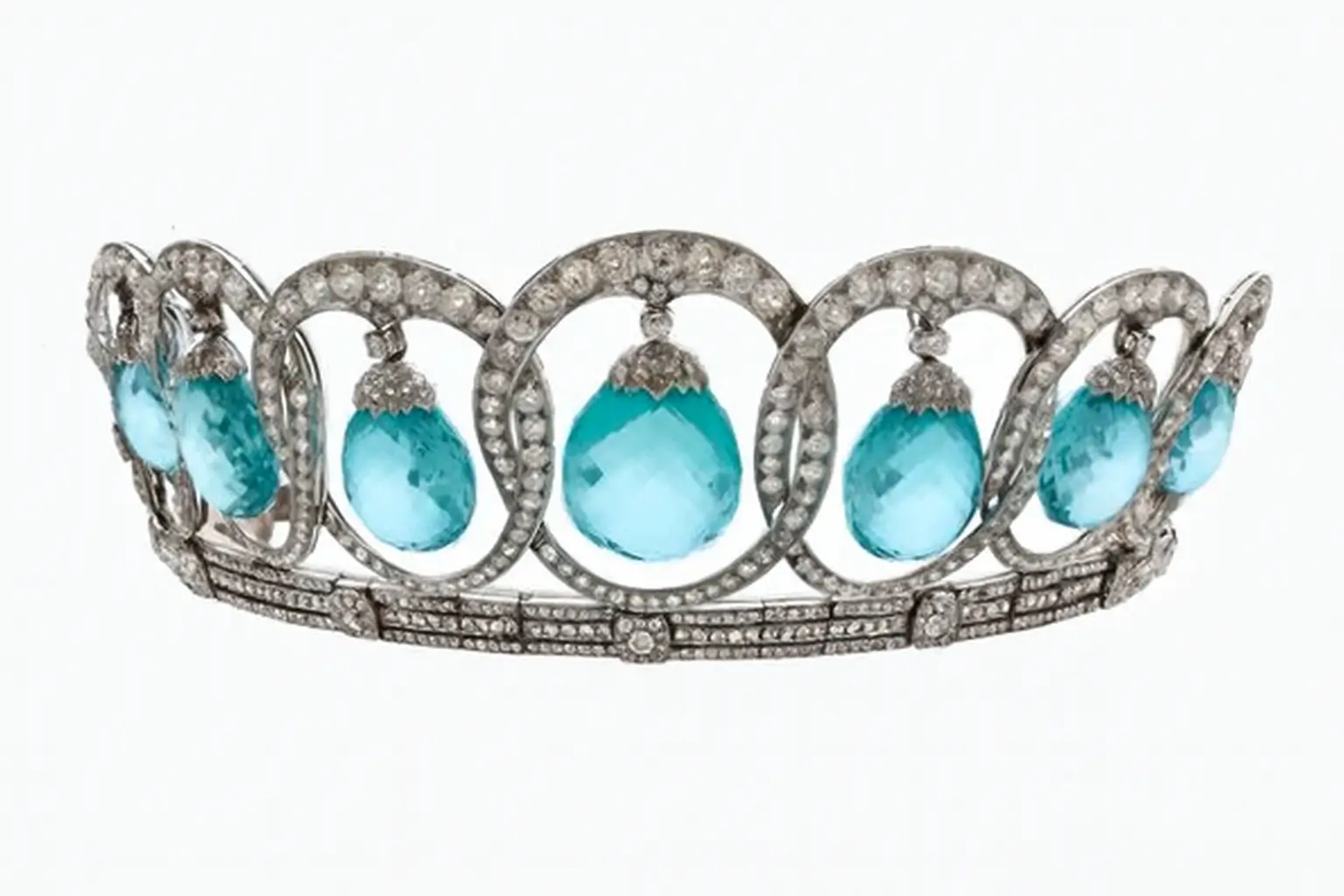
Aquamarine’s exceptional clarity and timeless beauty have made it a favorite among gem enthusiasts worldwide. In fact, its regal appeal has long captured the attention of royals. Curious about why Princess Diana and Queen Elizabeth favored this stunning gem? Discover more in PeonyJewels blog article: ‘Underrated’ Aquamarine? Why Princess Diana and Queen Elizabeth Wore It.
Understanding Color and Value
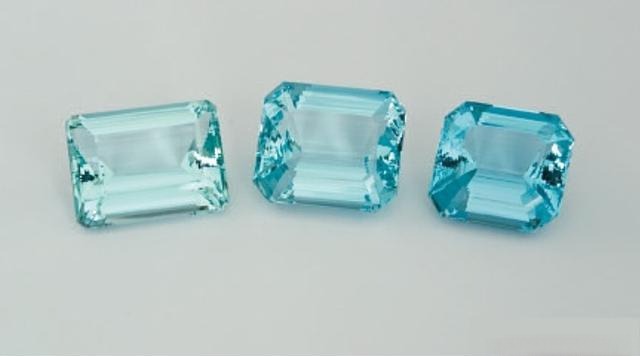
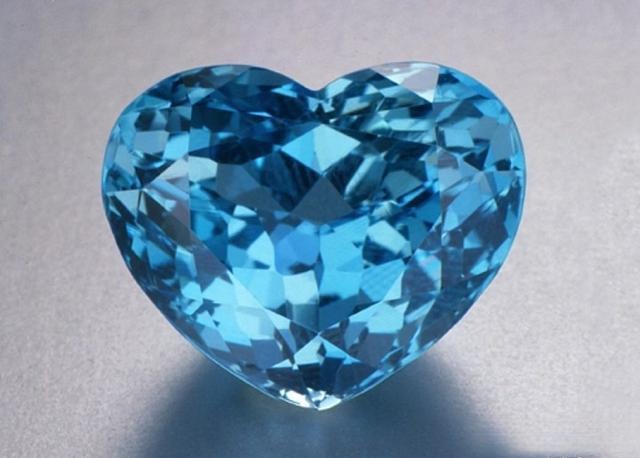
Aquamarine’s color range is relatively focused, extending from light blue and bluish-green to deep blue-green. The most valuable stones boast a rich, saturated, and pure blue color. Simply put, the deeper and more vivid the blue, the higher its market value. Naturally, lighter, common shades are more accessible and affordable.
- Value Contrast: The price difference can be substantial. For example, a high-quality, saturated 5-carat aquamarine may fetch up to $300 per carat (approx. 2000 RMB), whereas lighter stones could be priced as low as $7 per carat (approx. 50 RMB). Due to its rarity, a pure, deep blue aquamarine commands a significant premium.
🔥 Treatment: The Transformation to Pure Blue
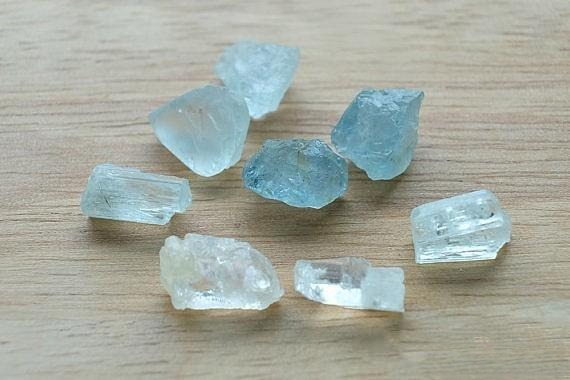
Naturally occurring aquamarine often exhibits a greenish or bluish-green tint; a pure blue stone is incredibly rare. Consequently, the vast majority of the stunning blue aquamarines you see on the market have undergone heat treatment to enhance their color.
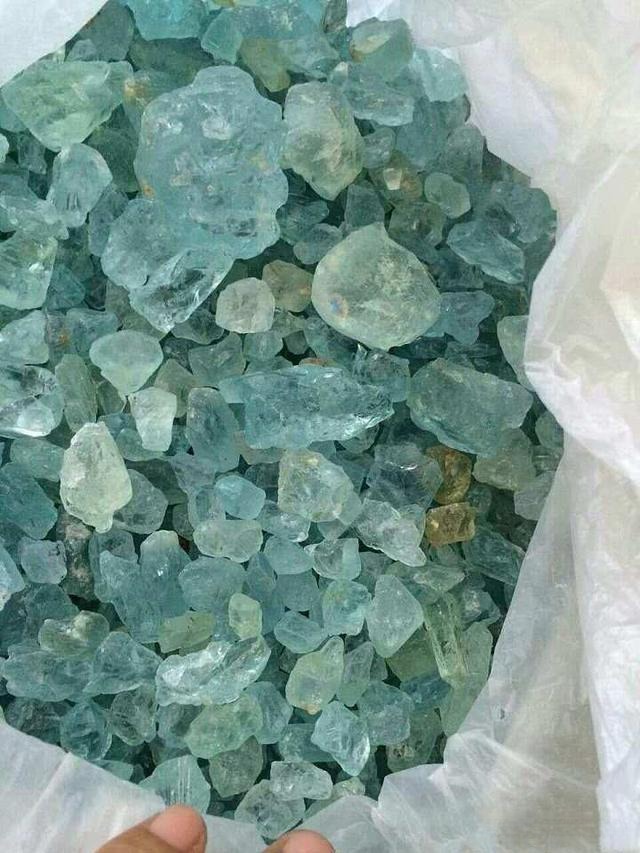
- The Heating Process: This treatment is standard industry practice. For instance, rough stones from regions like Xinjiang often appear a pale bluish-green before treatment. Heating the stones to temperatures between 250°C and 700°C effectively removes the yellow components, resulting in a cleaner, more intense blue color.
- Color Stability: Just like with sapphires, the color achieved through heat treatment is stable and will not fade over time. However, aquamarines treated with radiation to alter their color may be prone to fading, which is an important distinction for buyers.
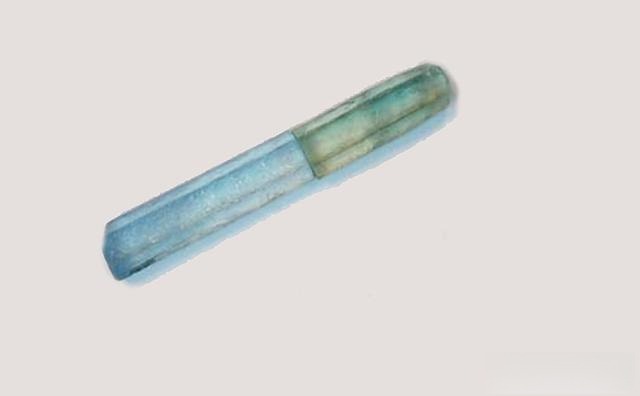
💡 Market Acceptance: While the demand for untreated gems is high, heat-treated aquamarine is widely accepted by buyers. Many collectors are willing to embrace these enhanced stones, believing that stunning beauty and a fair price are more important than the stone’s original color status.
🌍 Where Does Aquamarine Come From?
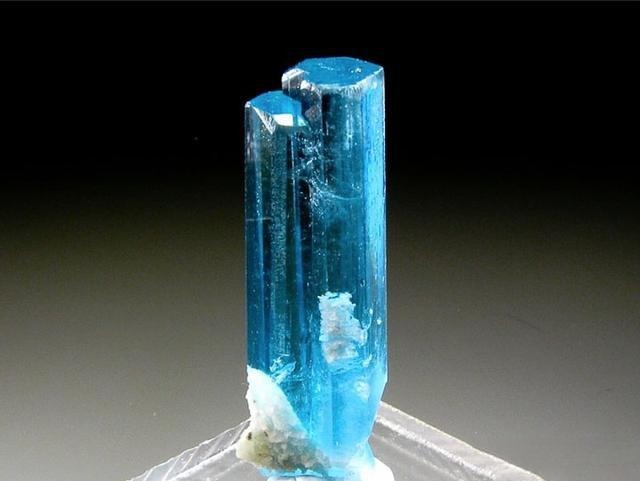
Key sources for aquamarine worldwide include:
- Brazil: Historically, Brazil has been the primary supplier of high-quality aquamarine.
- Africa: Countries like Madagascar, Nigeria, and Tanzania produce popular stones. Generally, stones larger than 5 carats from these regions tend to exhibit a richer, more saturated blue color.
- Vietnam: Though Vietnam (particularly Quang Nam province) yields impressive colors and large volumes, its aquamarine often struggles for full international acceptance due to less transparent sourcing information. Most Vietnamese aquamarines also require heat treatment.
Why the Enduring Popularity?
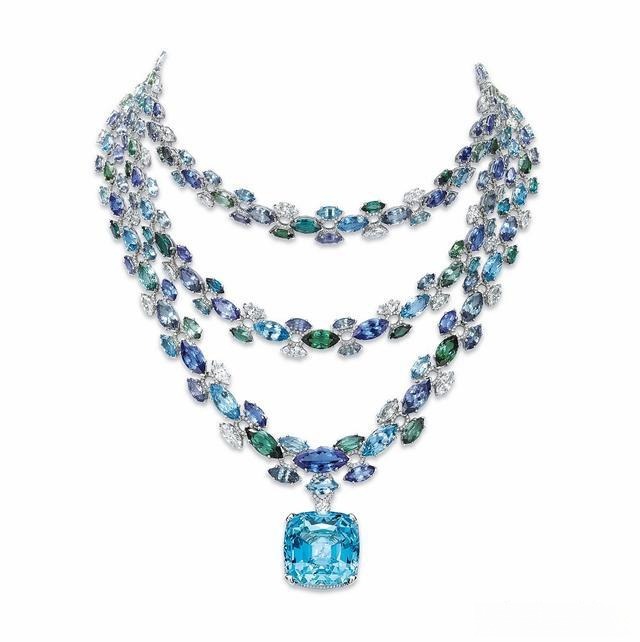
People love aquamarine because of its unique blue hue—it feels fresh, elegant, and deeply calming. Whether it’s the rare, untouched brilliance of a natural piece or the refined depth achieved through heat enhancement, its allure is undeniable.
At Peonyjewels, we understand that aquamarine’s appeal lies not only in its breathtaking color but also in its rich character and the story it holds.
We offer a diverse selection of aquamarine jewelry, from custom designs to finished pieces, ensuring every item tells your unique story while maximizing the gem’s inherent beauty.
Explore our collection today, and let us help you find that perfect original, handmade vintage earring—the signature piece that will add a touch of tranquil elegance to your life.