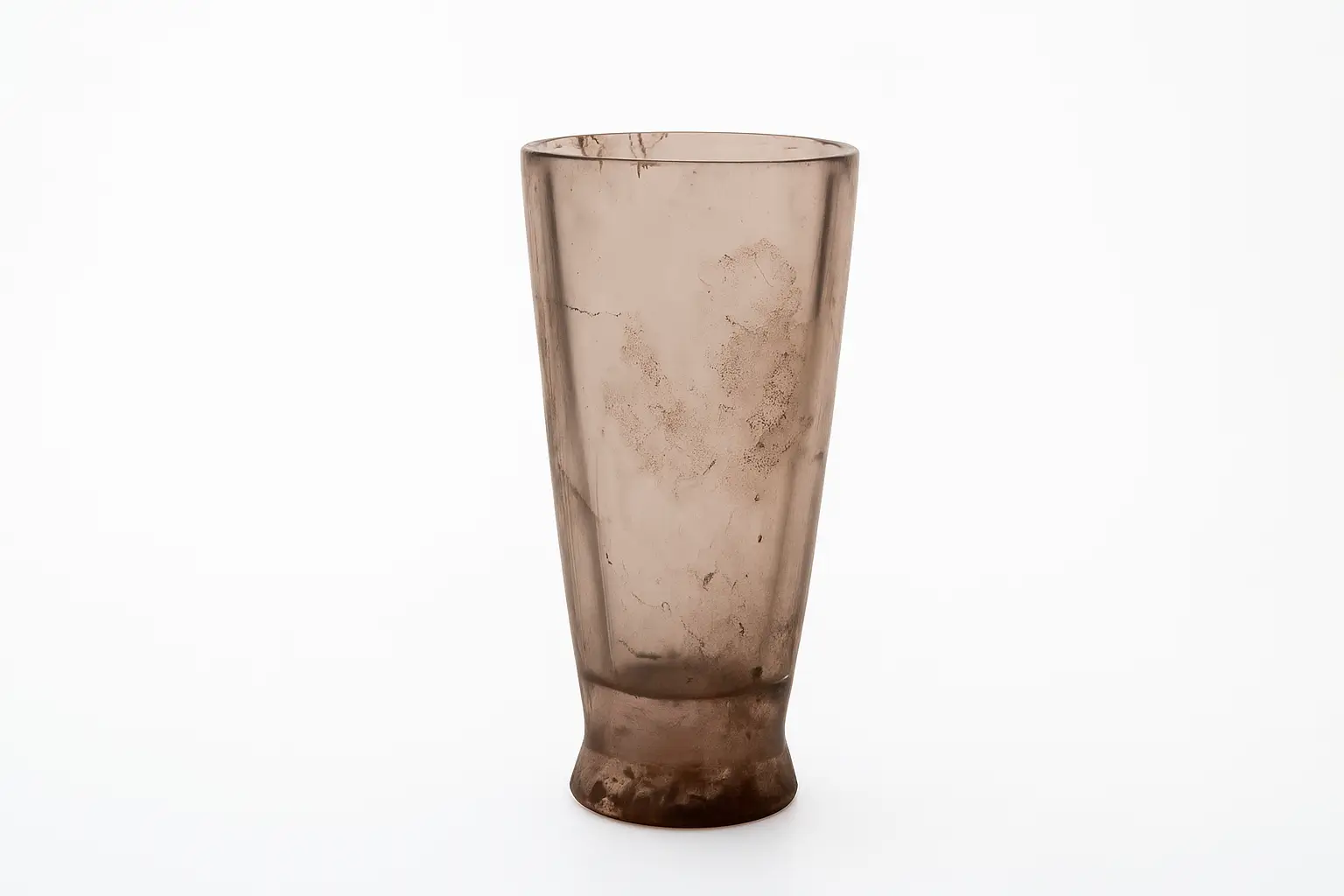
The 2,000-Year-Old Ancient Chinese Crystal Artifact: Unveiling Timeless Beauty
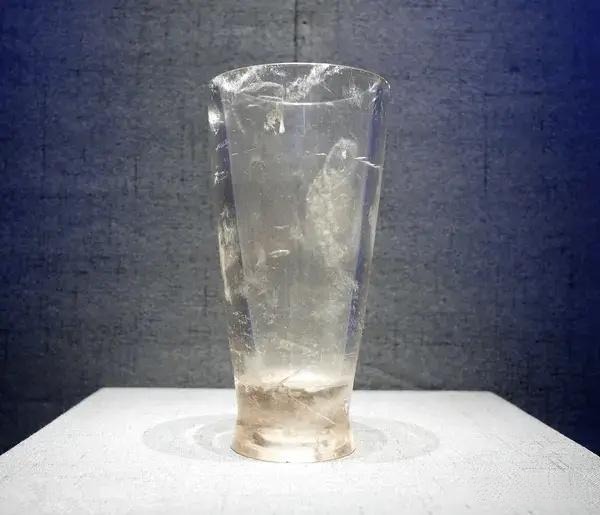
Ancient Chinese Crystal Artifact
Have you ever imagined that an ordinary-looking crystal glass could be over 2,000 years old?
It’s hard to believe, but this unassuming piece is actually an ancient Chinese crystal artifact unearthed from a Warring States–period (475–221 BCE) tomb — a genuine national treasure now housed in the Hangzhou Museum.
Compared to jade, a material deeply rooted in Chinese civilization, or jadeite, which dominated the Qing dynasty, crystal seems to play a quieter role in history. Many assume it to be a modern material, yet crystal—known in ancient China as shuijing —has adorned lives and poetry for millennia.
The Tang dynasty poet Li Bai once wrote,
“Water gleams with golden ripples, the mountains hold jade-green hues.
Beyond the crystal curtains, clouds float before mica screens.”
And the poet Wen Tingyun mentioned in Bodhisattva Barbarian,
“Within crystal curtains and pearl pillows, the warmth of fragrance stirs dreams upon silk.”
Clearly, crystal was not only a prized material but also a symbol of purity and refinement woven into daily life.
Today, Peonyjewels invites you to travel back in time and rediscover the mesmerizing beauty of ancient Chinese crystal craftsmanship.
For more insights into natural crystals and their fascinating features, explore our related articles on the Peonyjewels Blog:
- The Ultimate Guide to Natural Quartz Crystals: Types, Inclusions, and Authenticity
- Steel Wool, Eyelashes, and Feathers Inside Crystals? Yes, They’re All Natural!
The Origin and History of Crystal in China: Ancient Chinese Crystal Artifacts
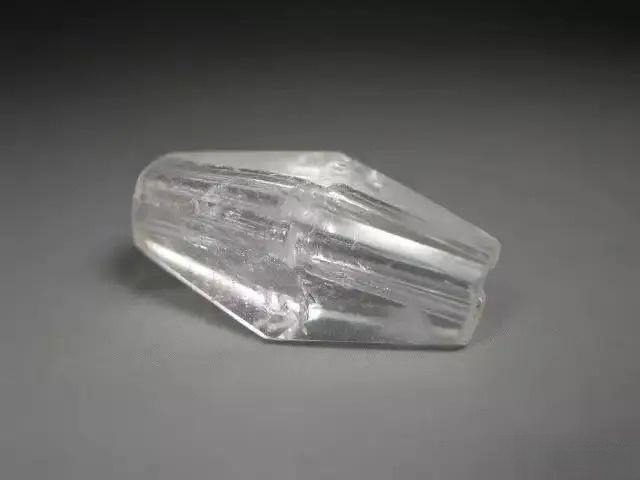
In ancient Chinese texts, crystal—often referred to as shuijing—was described as “clear as water, hard as jade.” The Book of Rare Things (《Yi Wu Zhi》) praises it as “pure and translucent like water, yet firm like jade,” a poetic image of frozen moonlight captured in solid form.
Neolithic Period: The Earliest ancient Chinese crystal artifact
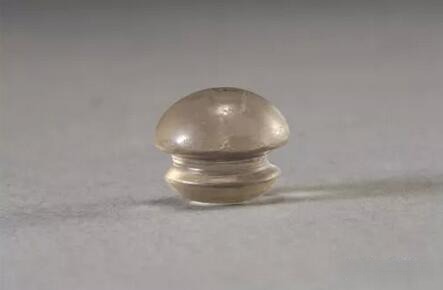
Archaeological findings reveal that the earliest crystal ornaments date back to the Neolithic period.
A single crystal ear pendant unearthed from the Liangzhu Ruins in Zhejiang, dating back over 5,000 years, still shimmers as if newly made.
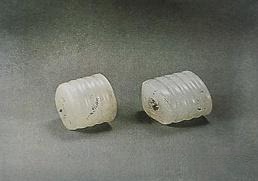
At the same time, agate beads of remarkable craftsmanship appeared, proving that ancient artisans had already mastered the challenge of carving materials as hard as crystal (Mohs hardness 7). Even in prehistoric China, artisans pursued beauty with astonishing technical skill and artistic sensibility.
Warring States Period: Crystal as a Symbol of Refinement
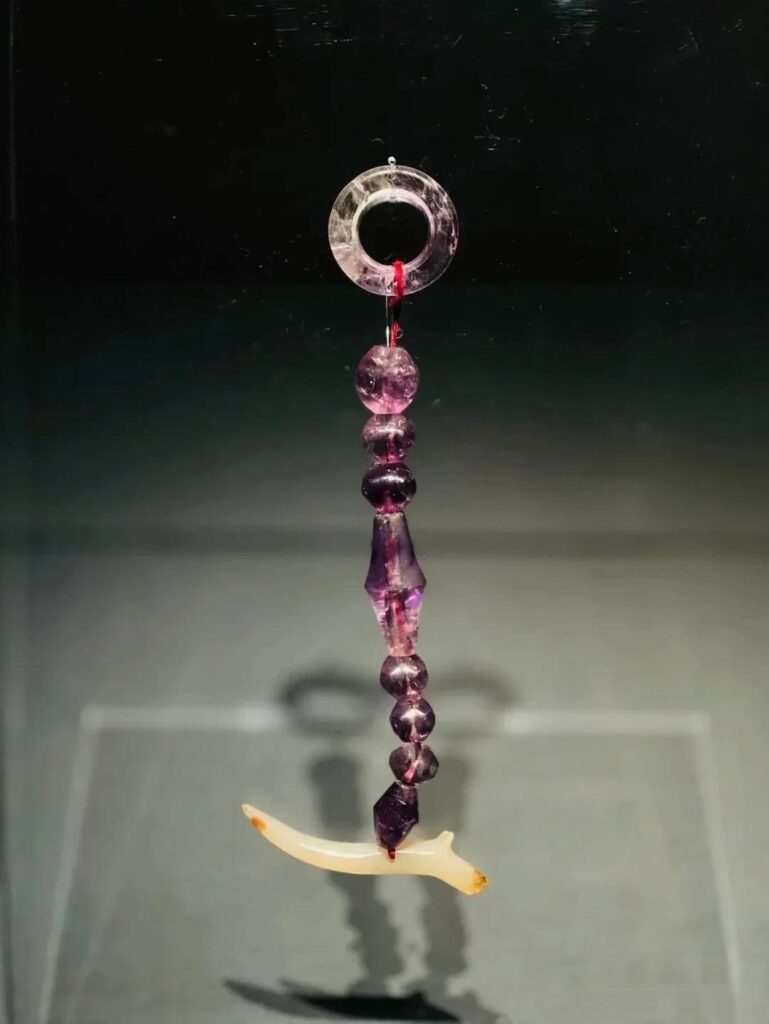
During the Warring States period (475–221 BCE), crystal craftsmanship reached new heights. Artisans produced crystal jewelry and ritual ornaments that were elegant, pure, and technically advanced.
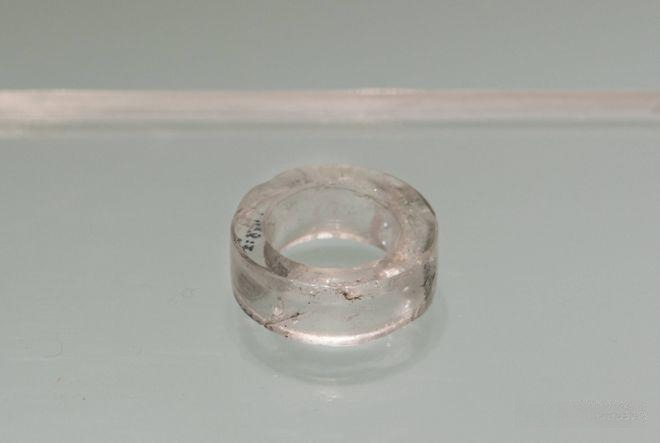
Craftsmen in this era often used colorless, transparent quartz to create crystal artifacts. They sometimes added amethyst or smoky quartz for decoration. Although the material was extremely hard to carve, artisans skillfully shaped it into delicate forms with brilliant finishes.
Northern Jiangsu and southeastern Shandong—once part of the ancient State of Qi—were famous for their rich crystal deposits. This region, centered around today’s Donghai, is still celebrated as the “Crystal Capital of China.”
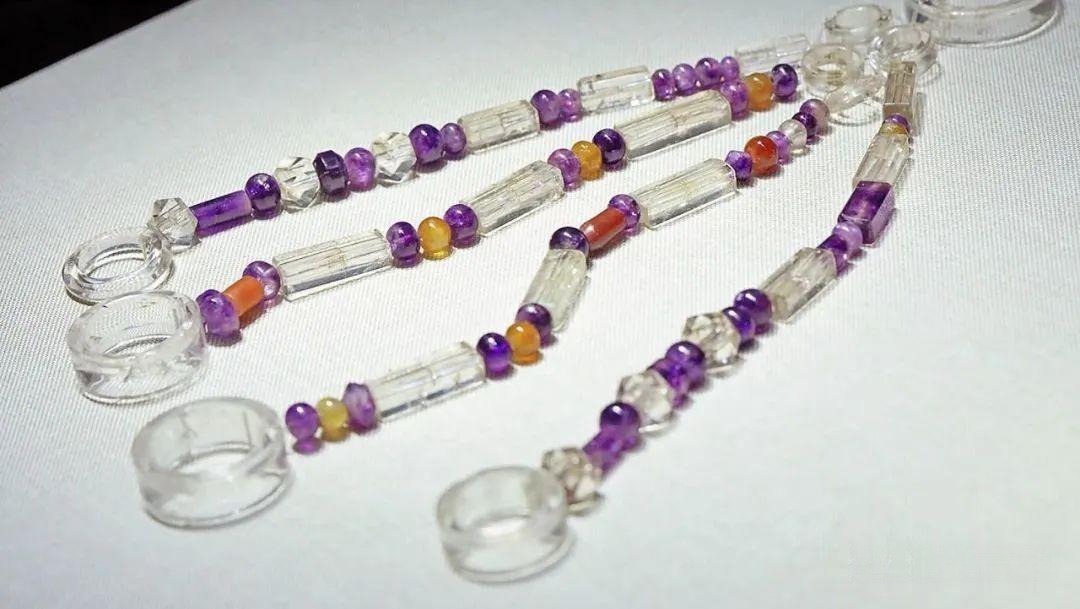
In this period, crystal began replacing jade in some noble ornaments. Qi craftsmen even developed a new decorative form—crystal and agate pendant sets—that abandoned the ornate carvings of jade and instead celebrated the pure, unembellished clarity of crystal itself.
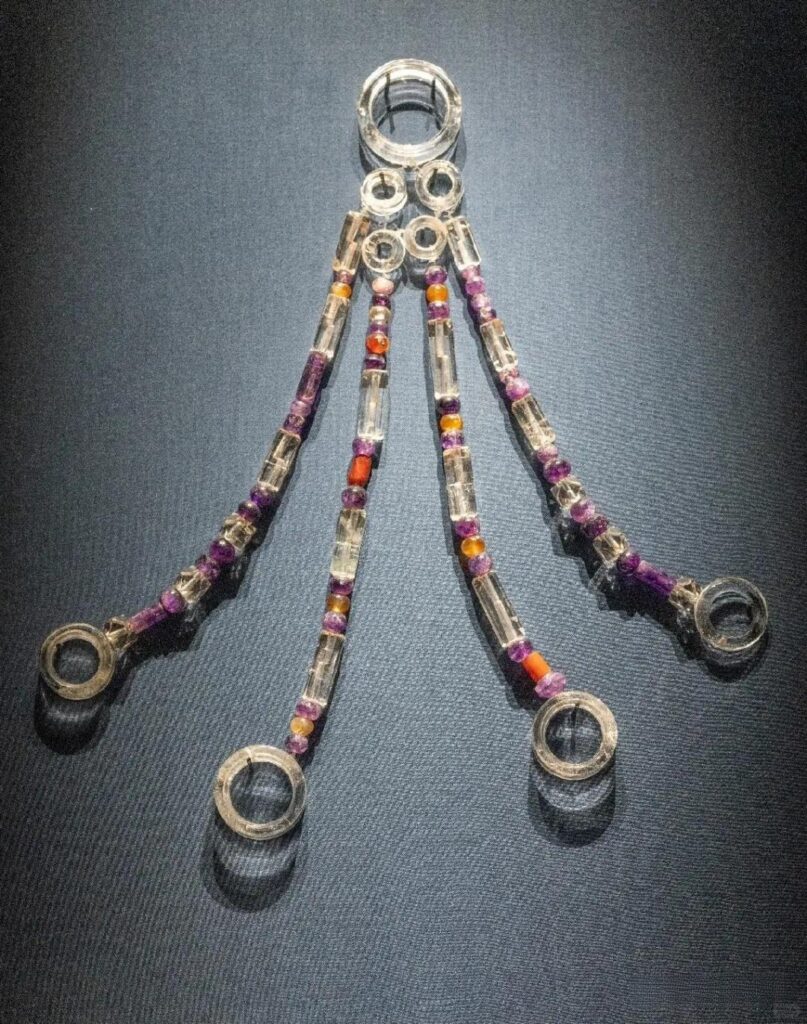
A famous example is the crystal ring excavated from the Tomb of Marquis Yi of Zeng in Hubei, now housed in the Hubei Provincial Museum.
Though it appears like a modern ring, such crystal pieces were actually amulets or ceremonial pendants, sometimes attached to clothing as weighted ornaments known as yajin .
Han Dynasty: The Age of Crystal Elegance
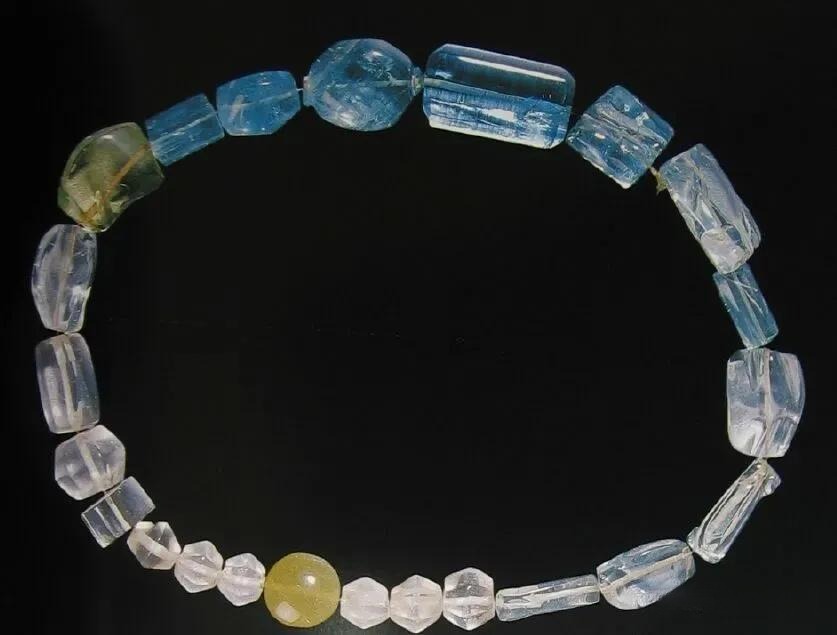
The Han dynasty continued the fascination with crystal, producing intricate small ornaments and jewelry.
Among the most remarkable is an Eastern Han aquamarine crystal bracelet, whose soft blue tones feel timelessly modern—a design that would not look out of place today.
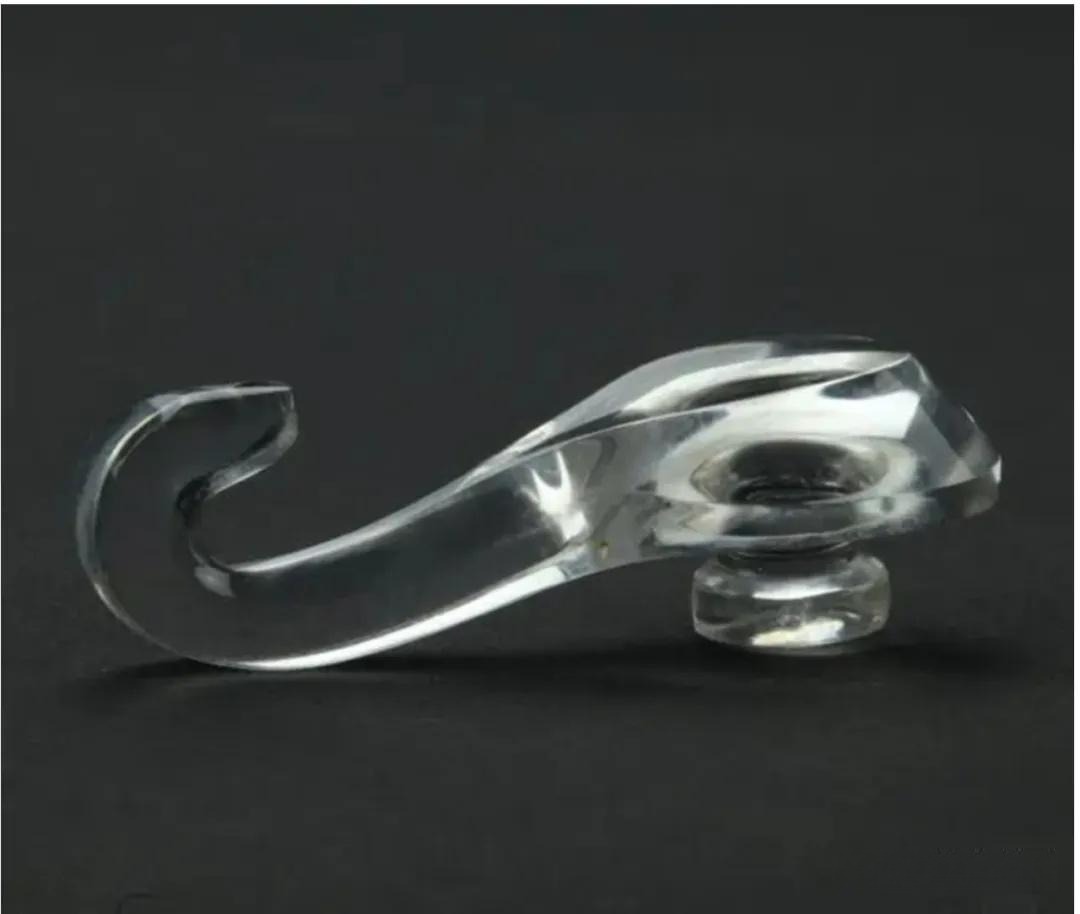
Another masterpiece, the crystal belt hook from the tomb of Liu Fei, was carved from a single flawless crystal block. It remains so smooth and luminous that it continues to captivate modern viewers with its pristine transparency.
Tang Dynasty: The Golden Age of Crystal Art
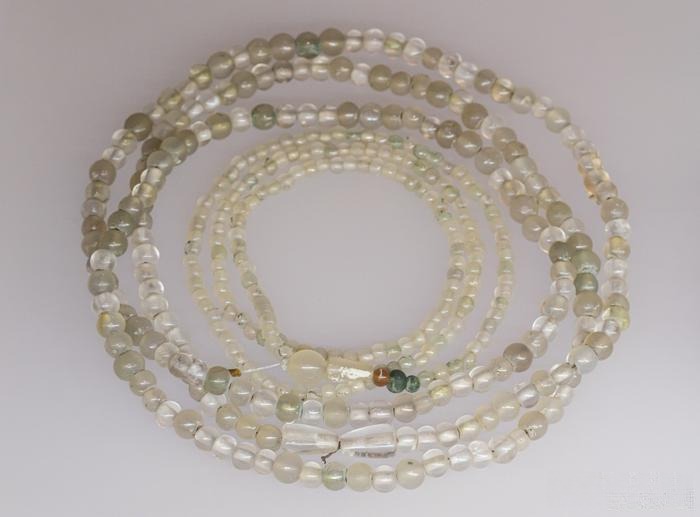
The Tang dynasty marked the golden age of crystal craftsmanship in China.
Poets like Wei Yingwu captured the material’s beauty in verse:
“The crystal curtain stirs in the breeze; the scent of roses fills the courtyard.”
One of the finest surviving pieces is the Tang crystal necklace excavated from the tomb of Lady Mi in Xi’an, now preserved in the Xi’an Museum.
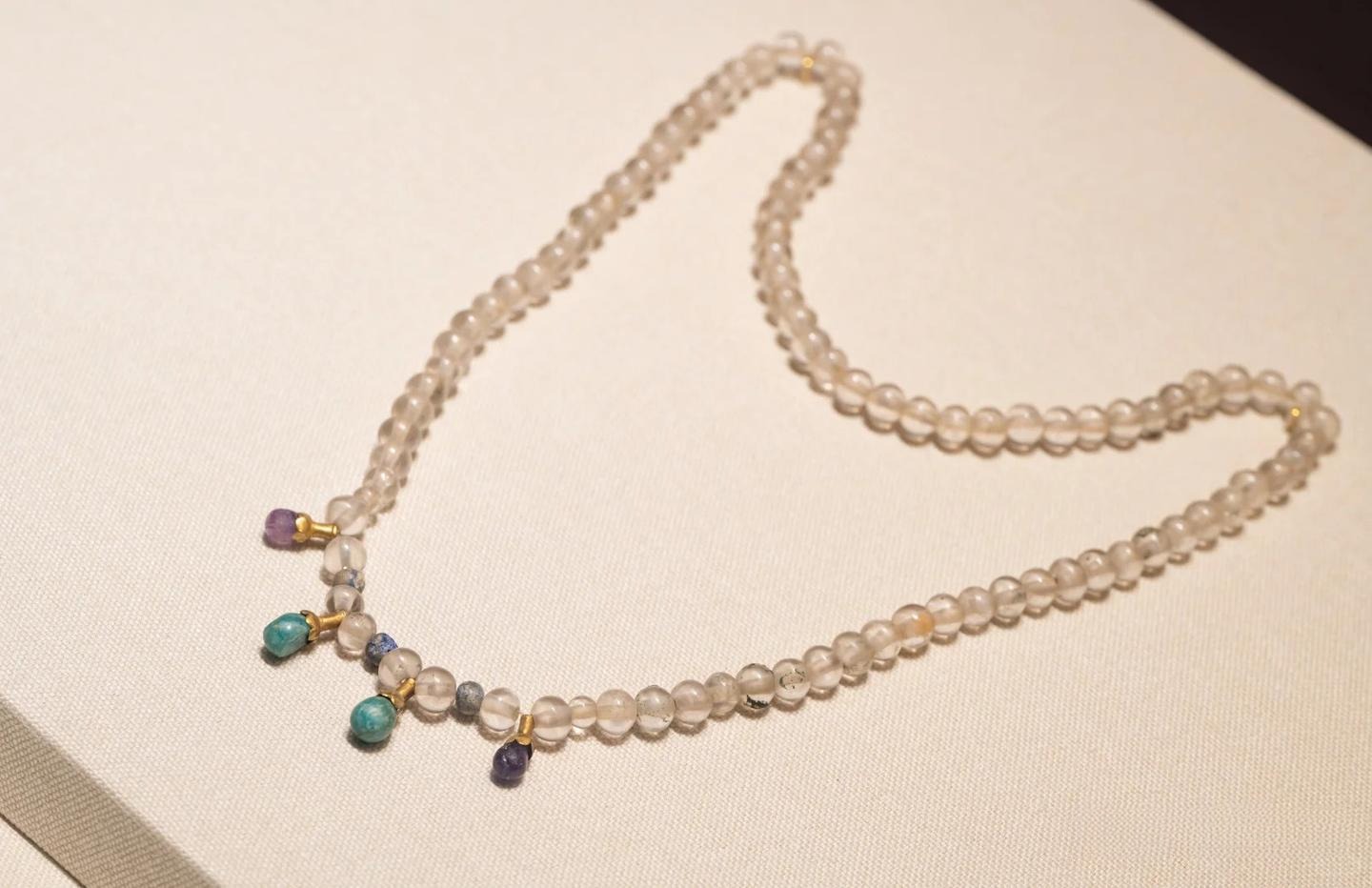
It consists of 92 crystal beads, 3 blue glass beads, 2 amethysts, 2 turquoise pendants, and 4 gold connectors—a luxurious combination reflecting the Tang pursuit of brilliance and grace.
Even after a thousand years, its polished surface still catches light like frozen moonlight, preserving the elegance of the Tang dynasty.
Song to Yuan Dynasties: Subtle Sophistication
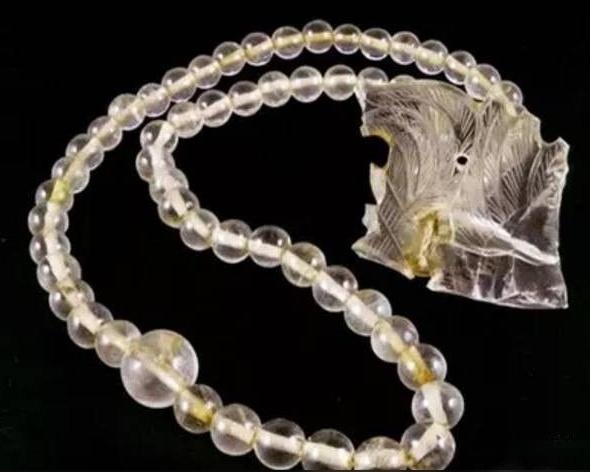
In the Song dynasty, crystal jewelry became more widespread across regions. Due to the shortage of high-quality jade, crystal and agate gained popularity as elegant alternatives.
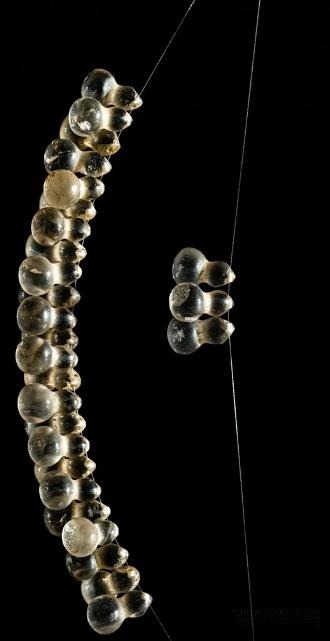
A Northern Song crystal necklace from the Jiangxi Provincial Museum features 66 beads and one large central bead. Although weathered by time, the piece retains faint feather-like patterns, an ethereal beauty beloved by Song aesthetics.
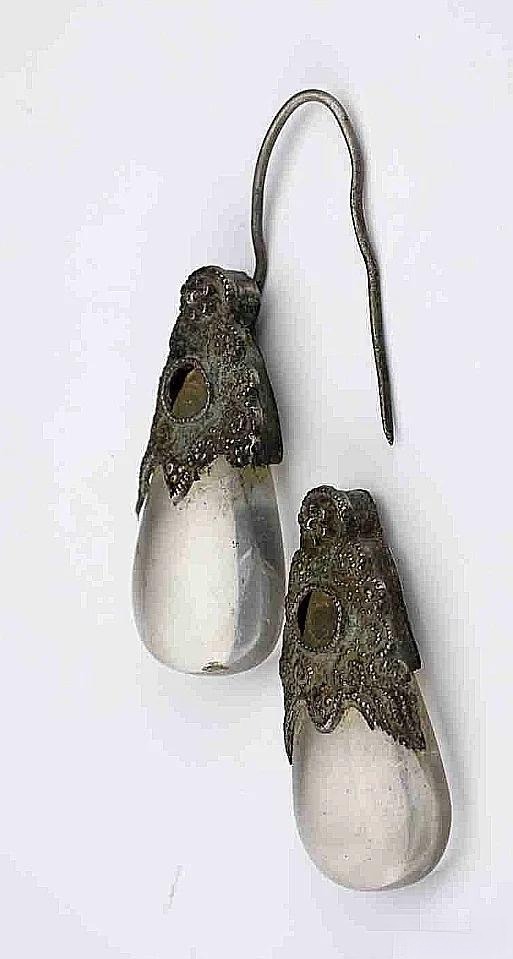
Moving forward to the Yuan dynasty, crystal artistry achieved near perfection.
A crystal necklace excavated from Qianyu’s tomb in Wuxi, Jiangsu, showcases flawless, spherical beads—clear, pure, and free of inclusions. Its precision-cut form and mirrorlike polish make it one of the finest examples of ancient crystal craftsmanship ever discovered.
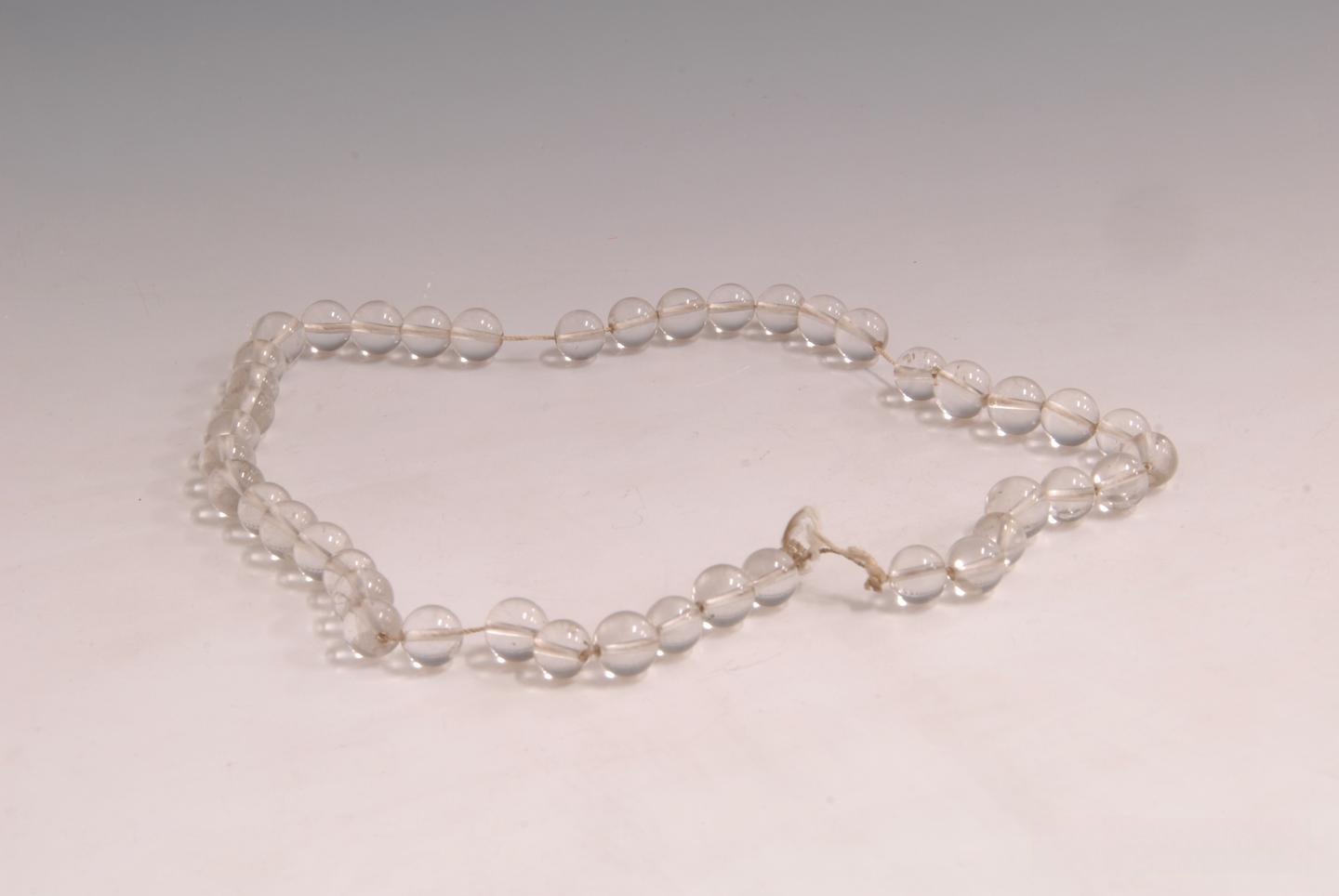
Collectors joke that if such a piece appeared on the market today, few would believe it was genuinely ancient—proof of how timeless and technically advanced Yuan crystal work truly was.
Qing Dynasty: The Imperial Grace of Crystal Beads
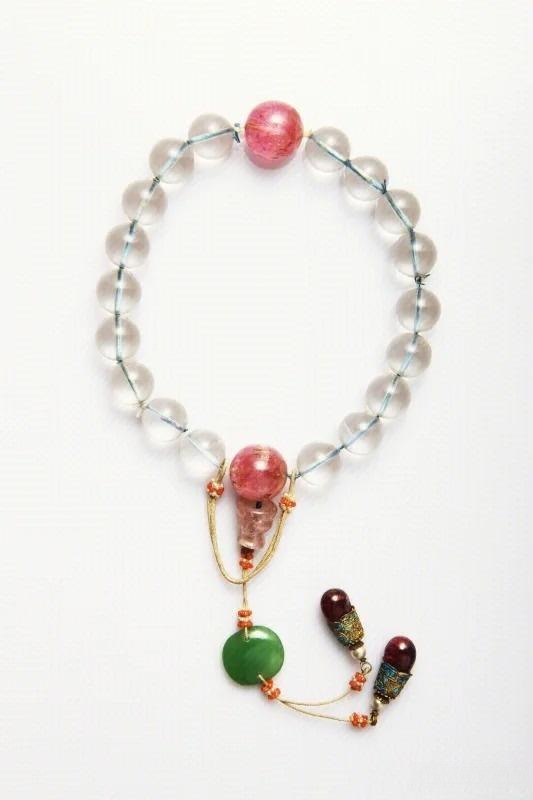
By the Qing dynasty, the popularity of Buddhist prayer beads (108 mala) and eighteen-bead bracelets brought crystal back into vogue.
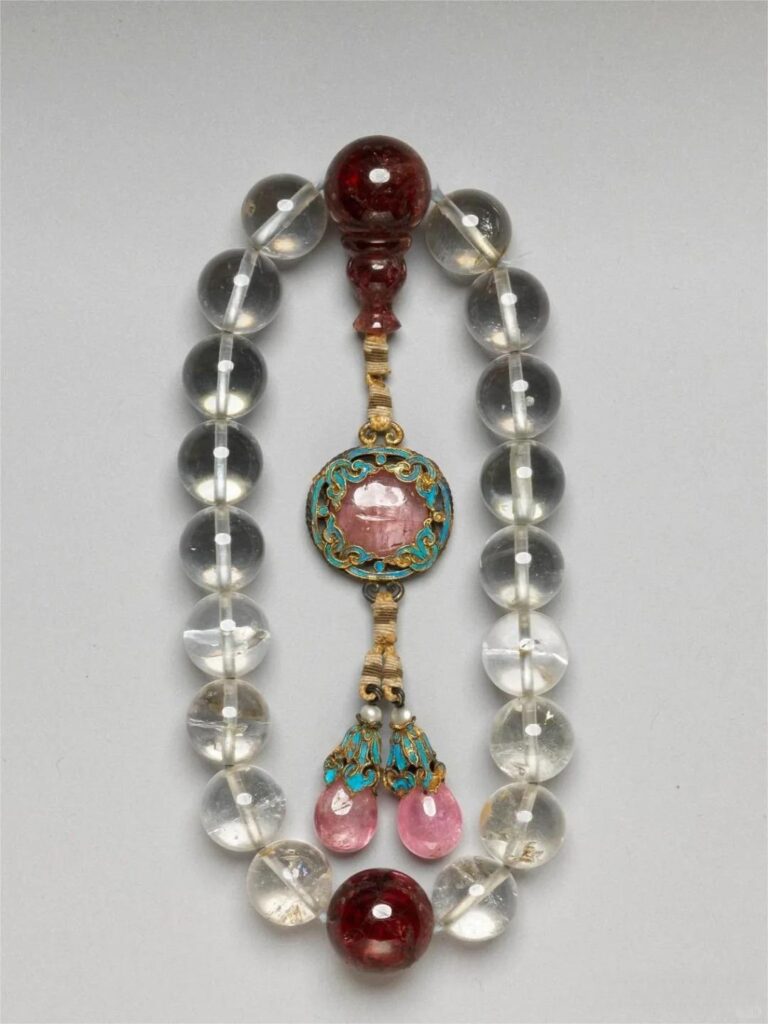
The Palace Museum in Beijing preserves a stunning white crystal and pink tourmaline bracelet, while the National Palace Museum in Taipei holds another with even more elaborate gold fittings and tassels.
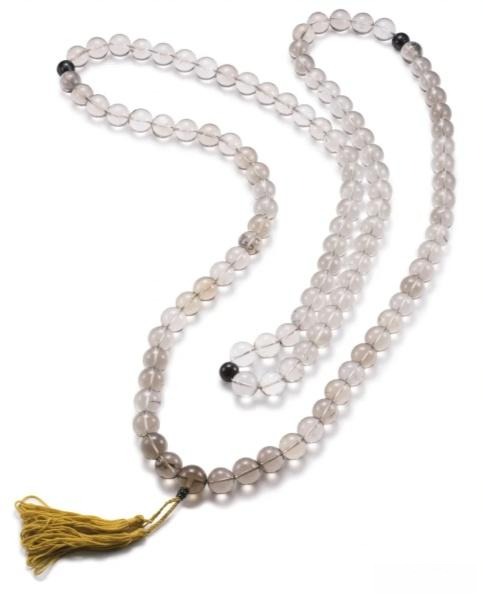
One remarkable example—an imperial 108-bead crystal rosary with four darker “Buddha head” beads and a golden gourd pendant—sold for HKD 32,500 at Sotheby’s.
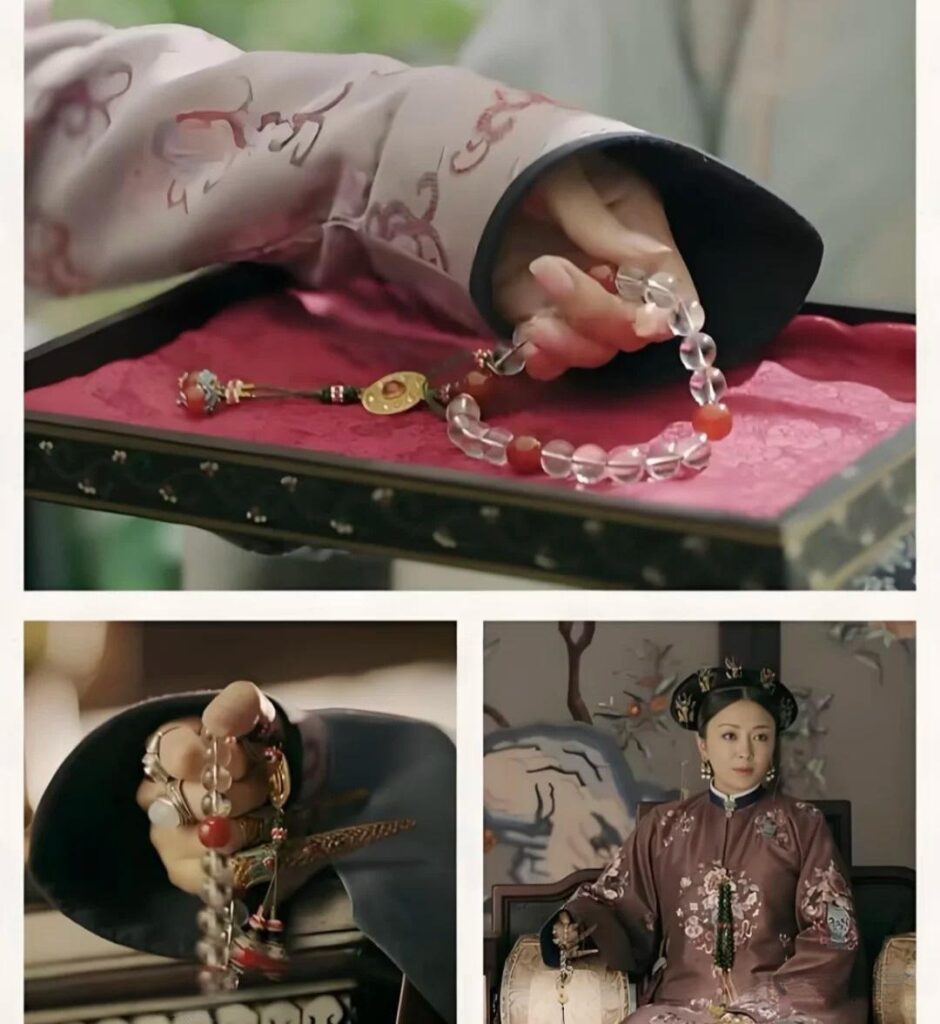
Even in popular culture, such as in Story of Yanxi Palace, the empress’s serene image, her fingers gently turning a string of crystal prayer beads, perfectly embodies the line “a heart as pure as crystal.”
Indeed, by the Qing dynasty, crystal had become an emblem of spiritual purity and imperial grace.
Timeless Brilliance of Crystal: From Antiquity to Today
From the Neolithic crystal earrings to the Warring States crystal cup,
from the Tang dynasty’s luminous necklaces to the Yuan dynasty’s flawless beads,
crystal has quietly witnessed the evolution of Chinese aesthetics across five millennia.
With its clarity like water and strength like jade, crystal has transcended time—reflecting the same human pursuit of beauty, craftsmanship, and serenity that continues to inspire us today.
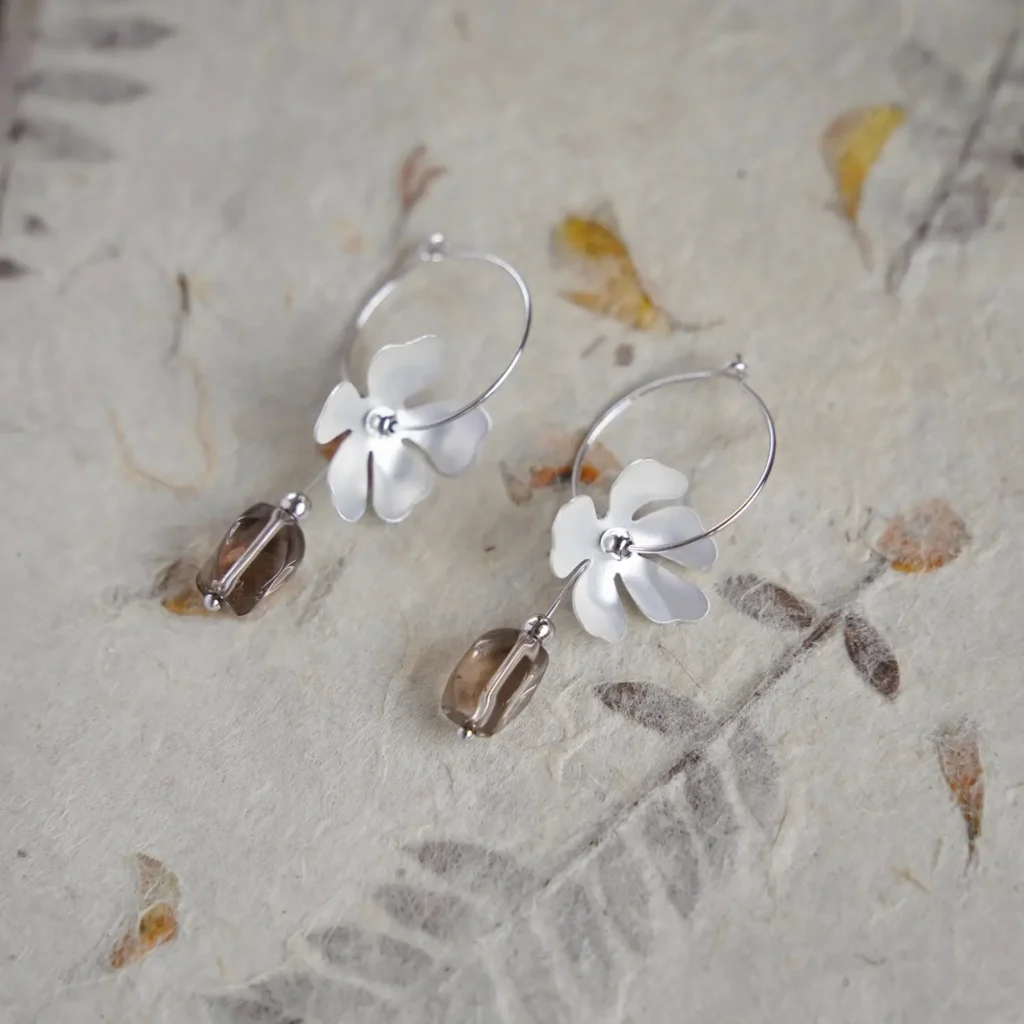
Handcrafted vintage smoky crystal hoop earrings by Peonyjewels
At Peonyjewels, we draw inspiration from this enduring legacy of light and purity.
Our handmade vintage earrings—celebrates the same artisanal spirit that once shaped the treasures of ancient China.
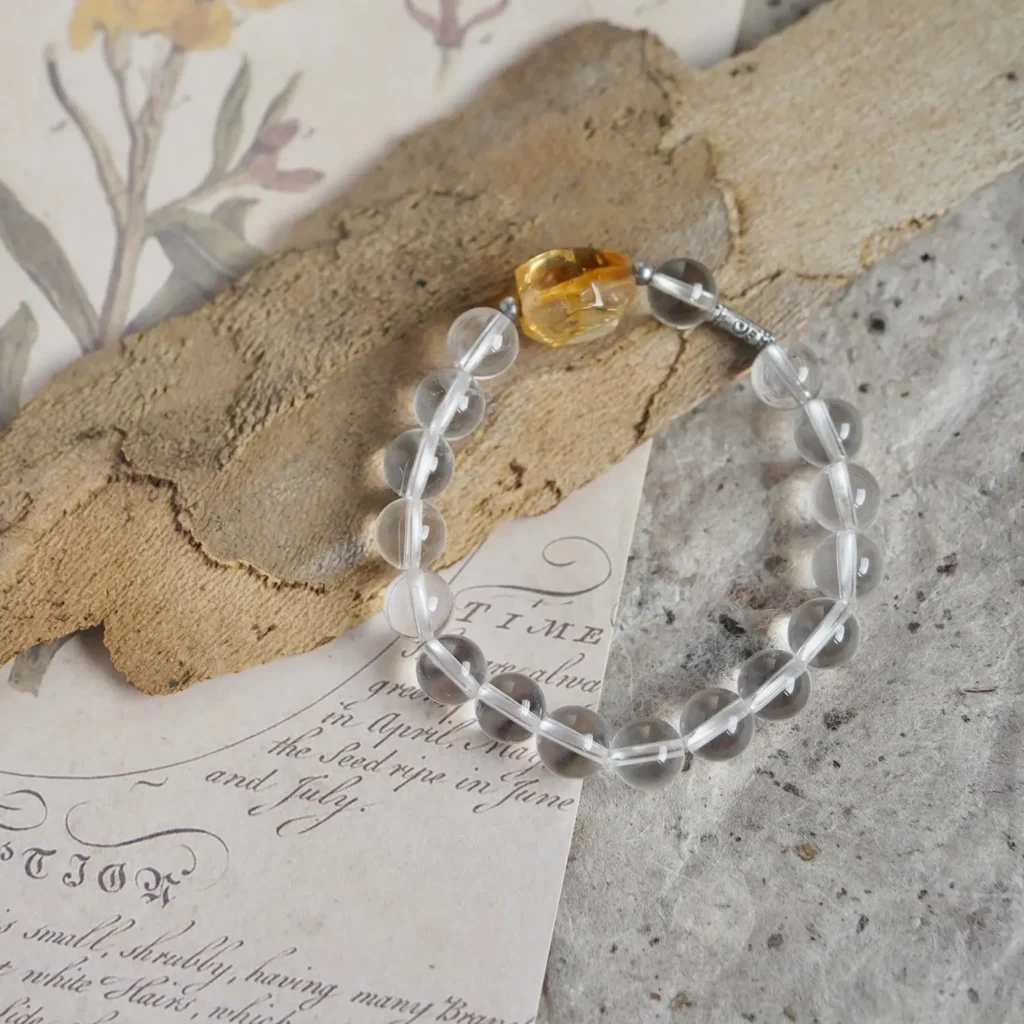
Handcrafted white crystal bracelet by Peonyjewels
✨ Discover the timeless artistry of crystal bracelat.
✨ Explore custom designs that blend history, craftsmanship, and modern elegance at Peonyjewels.com.