8 Treasured Brazilian Gemstones from the World’s Colored Gem Capital

When people think of Brazil, football often comes to mind first. Others may picture the vibrant rhythms of samba or the irresistible aroma of Brazilian barbecue. Yet beyond its cultural icons, Brazilian gemstones enjoy equal recognition worldwide.
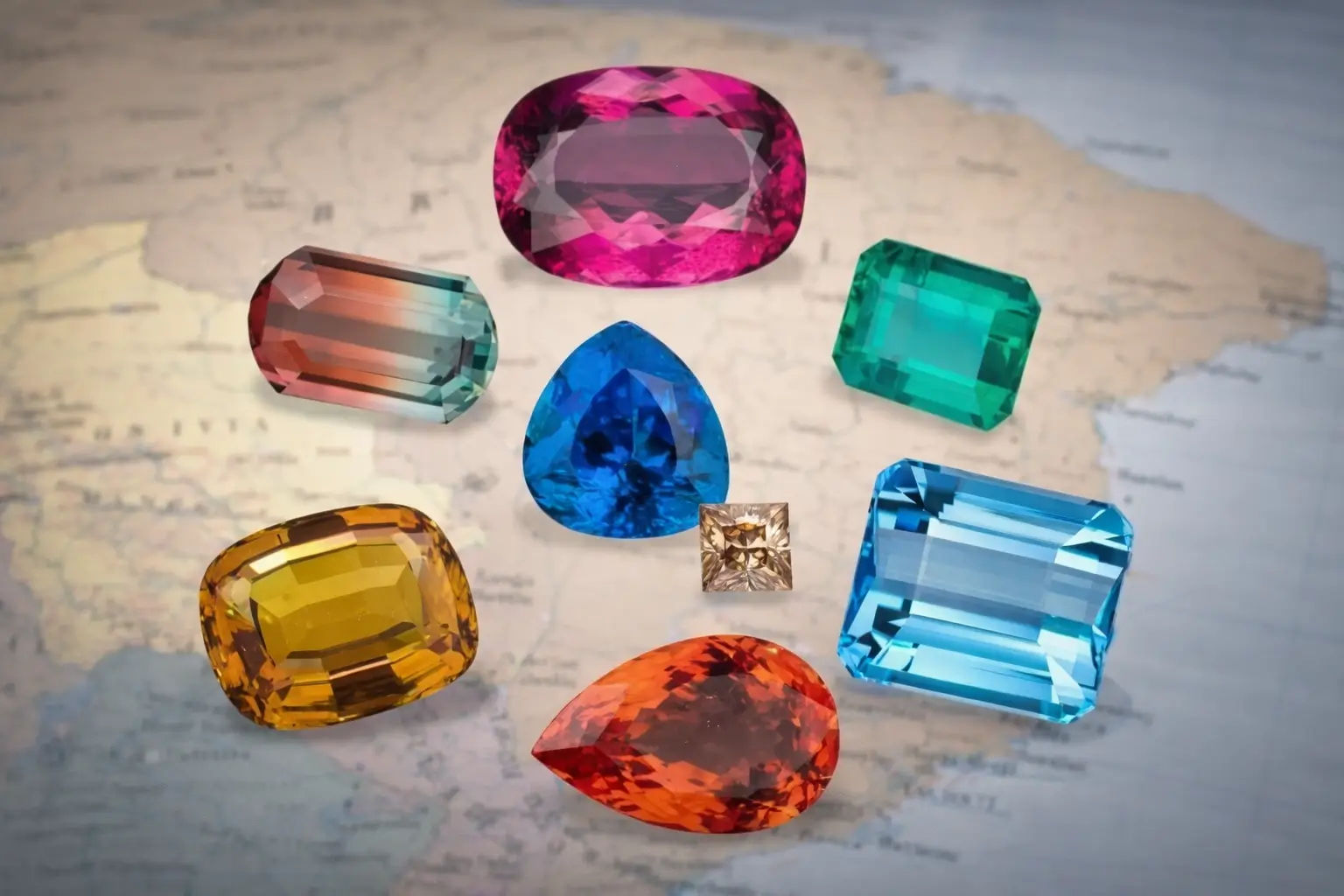
Roughly 65% of the world’s colored gemstones originate from Brazil. From emeralds and tourmalines to aquamarine, chrysoberyl, and a wide range of beryl varieties, the country’s mineral wealth spans an extraordinary spectrum of colors and crystal forms.
In this Gemstone Nation series, we travel to Brazil to explore the Brazilian gemstones that define its influence in the global jewelry and collector markets.
Brazilian Gemstones Directory
- Brazilian Emeralds: High-Transparency Gems
- Brazilian Tourmalines: Legendary Paraíba Treasures
- Brazilian Sapphires: Rare Corundum Gems
- Brazilian Aquamarine: Iconic Ocean-Hued Stones
- Brazilian Chrysoberyl: Rare Alexandrite Gems
- Imperial Topaz: Brazil’s Most Valuable Gem
- Brazilian Apatite: Neon-Colored Gemstones
- Brazilian Quartz: Amethyst and Agate Varieties
Brazilian Emeralds: High-Transparency Gems
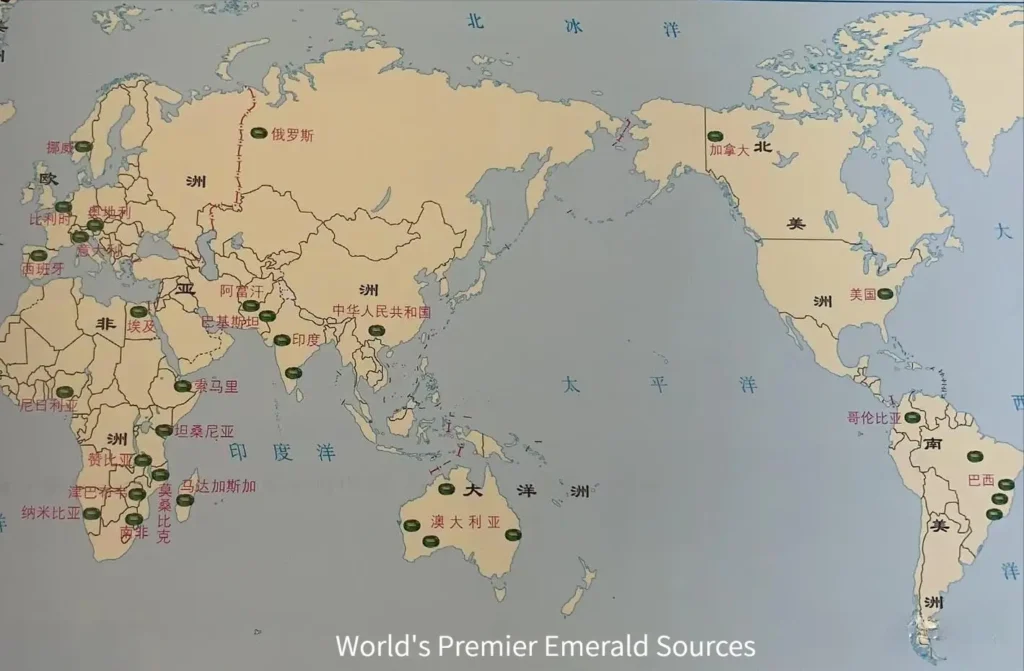
Brazil is one of the world’s key sources of emeralds, with discoveries dating back as early as 1554. Today, miners primarily extract Brazilian emeralds in Minas Gerais, Goiás, Bahia, and Ceará—regions whose complex geological environments produce emeralds with diverse characteristics.
Emerald Deposits and Geological Types in Brazil
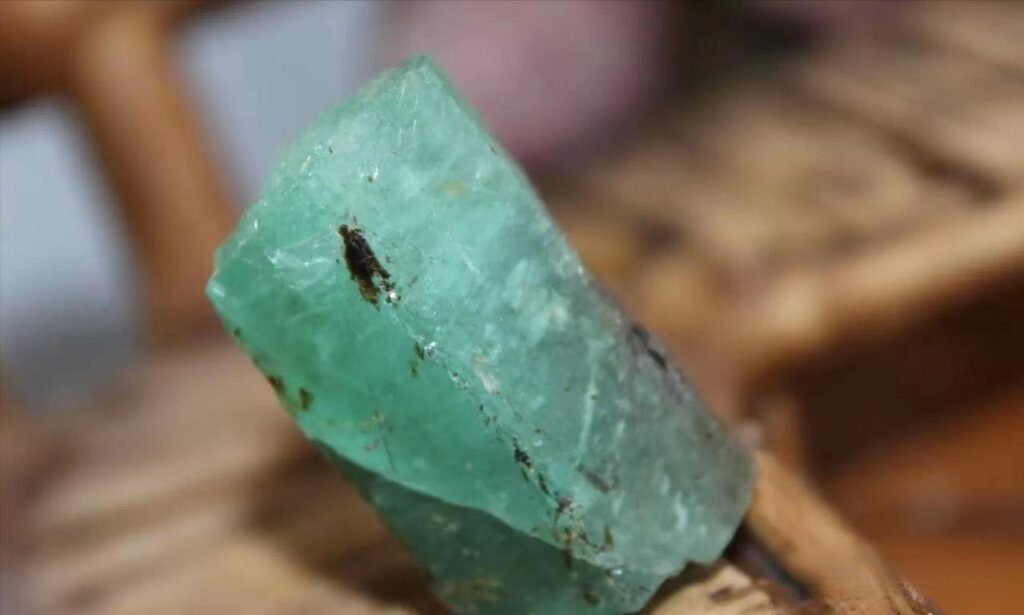
Brazilian emeralds occur mainly in two geological settings:
- Pegmatite-hosted emeralds
- Mica schist–hosted emeralds
Pegmatite-type Brazilian emeralds tend to display lighter green tones, often with a subtle bluish hue. These stones are usually highly transparent and relatively clean, sometimes appearing nearly inclusion-free when compared to emeralds from other origins.
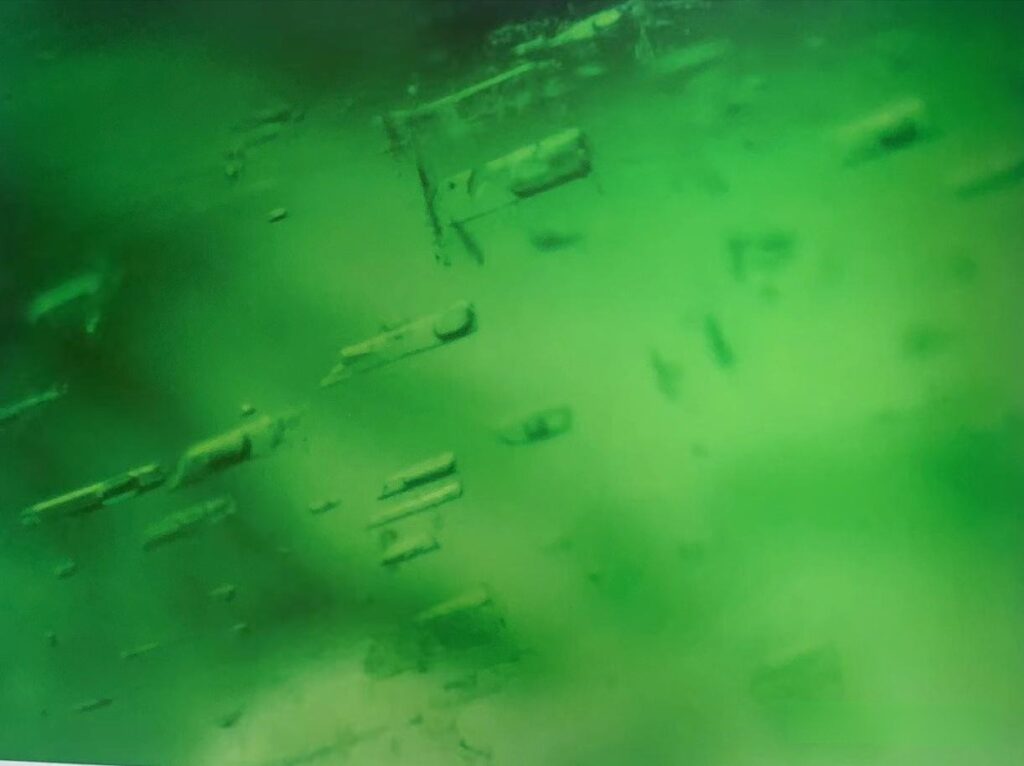
In contrast, emeralds formed in mica schist environments are known for their more vivid green coloration. However, they commonly contain two-phase inclusions, which often appear as rectangular shapes or fine “rain-like” patterns. Typical inclusions include quartz, tremolite, dolomite, apatite, and hematite, along with fractures and irregular cavities that can significantly affect clarity.
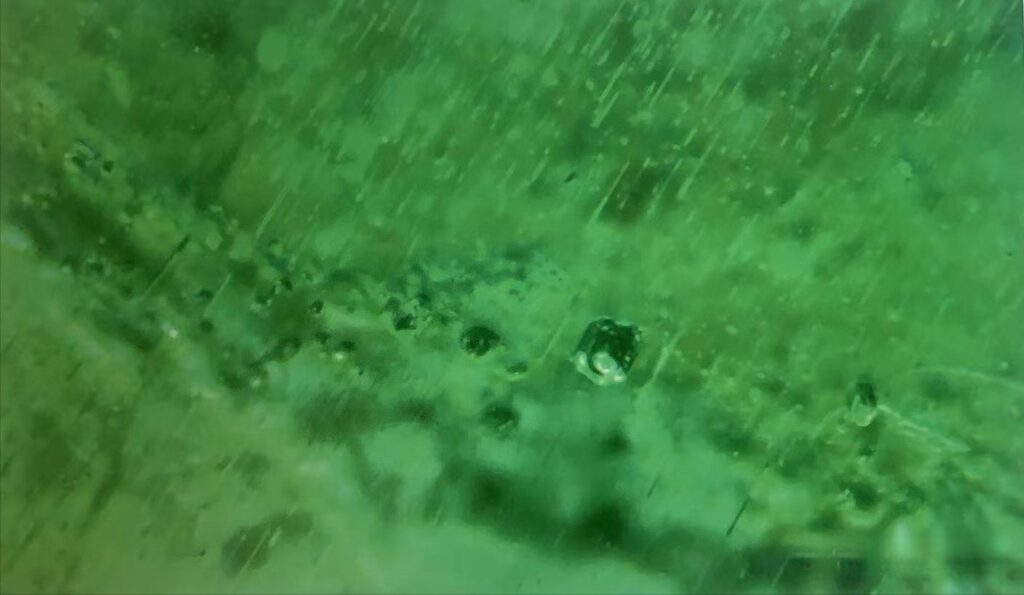
Brazilian Emeralds vs. Colombian Emeralds
| Feature | Brazilian Emerald | Colombian Emerald |
| Primary Color | Light to Medium Green (Bluish/Yellowish) | Vivid, Intense “Grass” Green |
| Clarity | Higher Transparency, fewer visible flaws | Rich in “Jardin” (internal gardens) |
| Common Inclusions | Rectangular/Rain-like two-phase | Three-phase inclusions |
Although Brazilian emeralds generally show lighter saturation compared to Colombian stones, some high-quality Brazilian emeralds display rich, vibrant green hues that closely rival Colombian emeralds. Overall, Brazilian emeralds tend to be cleaner, which makes them highly desirable in the market.
Quality Evolution and Notable Discoveries
Although Brazil hosts numerous emerald deposits, high-quality material remained relatively rare until 1962, when fine emeralds were discovered in Bahia. Since then, Brazil has made gemstone history more than once.
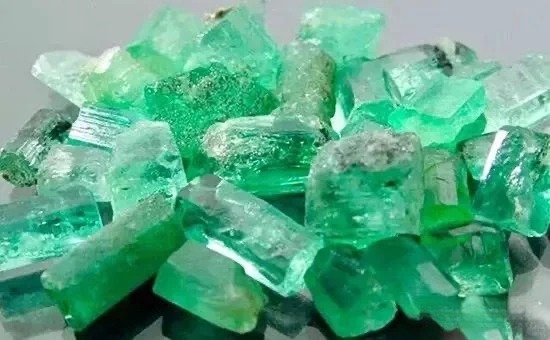
- In 2001, Brazil uncovered the largest emerald crystal ever recorded, weighing approximately 380 kilograms.
- In 2017, the country followed with the second-largest emerald discovery, weighing around 360 kilograms.
These finds reinforced Brazil’s position as not only a major emerald producer, but also a source capable of yielding truly exceptional specimens.
Diagnostic Characteristics of Brazilian Emeralds
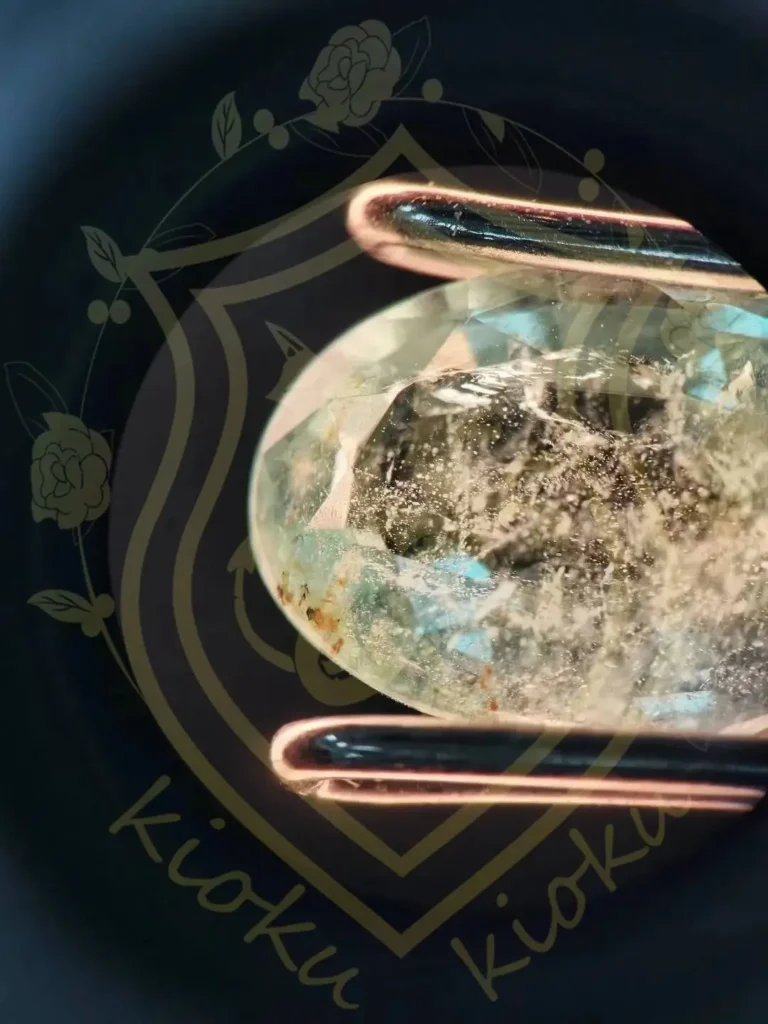
Brazilian emeralds display a set of internal features that help gemologists distinguish them from other origins. Common inclusions include chromium-bearing spinel, pyrite, magnetite, and calcite, often visible to the naked eye or under 10× magnification.
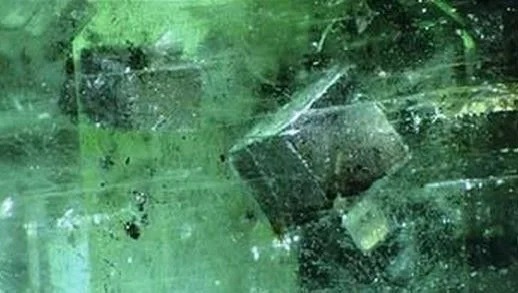
Typical microscopic features include white, cloud-like calcite and albite inclusions, along with black, flaky biotite plates and granular magnetite crystals. In addition, Brazilian emeralds frequently contain layered fluid inclusions, appearing as milky droplet-like structures distributed along growth planes.
A defining characteristic of Brazilian emeralds is the abundance of fluid inclusions, which commonly occur as star-like clusters of teardrop-shaped, rectangular, or elongated tubular forms. These inclusion patterns, while sometimes affecting clarity, serve as important diagnostic markers and reflect the complex geological conditions under which Brazilian emeralds form.
Brazilian Tourmalines: Legendary Paraíba Treasures
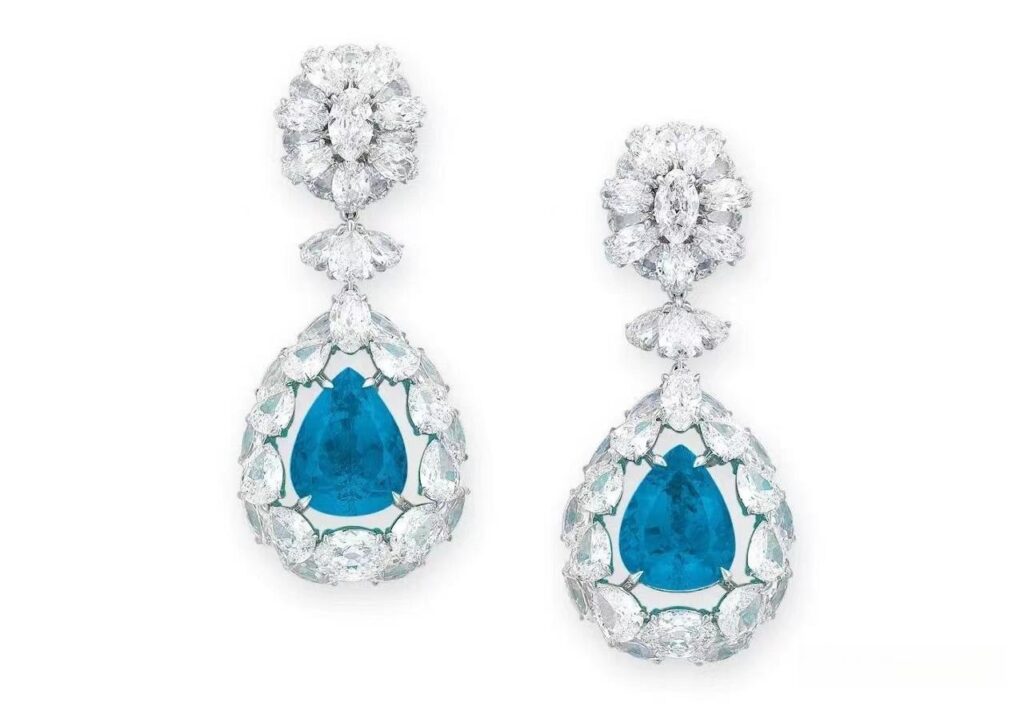
Tourmaline, known mineralogically as elbaite, belongs to a complex group of borosilicate crystals prized for their exceptional color diversity. Tourmalines occur in red, green, blue, and many other hues, with a Mohs hardness of around 7. However, clean, high-clarity tourmalines remain relatively rare, as most crystals contain gas bubbles, fluid inclusions, and internal fractures.
To better understand these complex characteristics and ensure you’re selecting a genuine stone, explore our comprehensive Tourmaline Gemstone Guide – Colors, Varieties, and How to Spot Fakes.
Brazil as a Global Source of Tourmaline
Since Portuguese explorers first discovered tourmaline in Brazil in the early 16th century, the country has emerged as the world’s most prolific source of this gemstone. To date, Brazil has produced more than 20 distinct tourmaline varieties, covering nearly the entire visible color spectrum.
Since Portuguese explorers first discovered tourmaline in Brazil in the early 16th century, the country has produced over 20 distinct tourmaline varieties, covering nearly the full spectrum of colors. Among them, Paraíba tourmaline—often hailed as the “King of Tourmalines”—remains the rarest and most valuable. (Paraiba Tourmaline: Why It Is Called the “King of Tourmalines”)
Among them, Paraíba tourmaline stands apart as the rarest and most valuable. Its vivid, electric colors have redefined market expectations for blue and green tourmalines and secured its status as one of the most sought-after colored gemstones in the world.
Paraíba Tourmaline Mining Regions and Color Characteristics
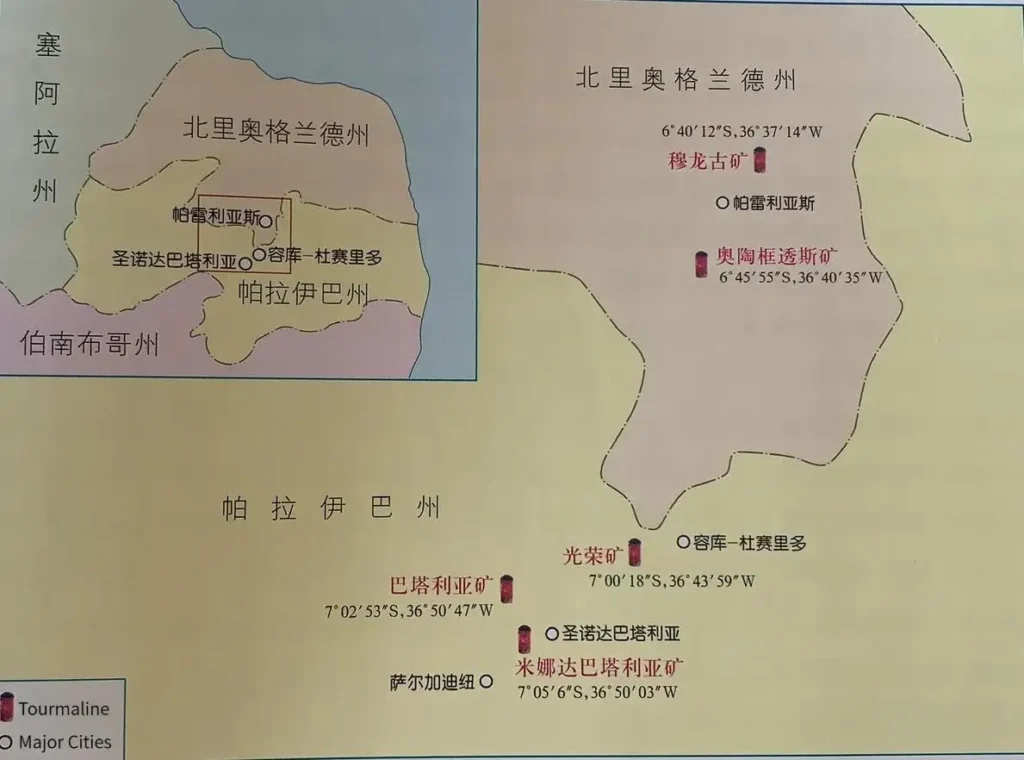
Brazilian Paraíba tourmaline primarily comes from three historic mining areas: Mina da Batalha, Mulungu, and Alto dos Quintos. Trace elements such as copper (Cu), zinc (Zn), and magnesium (Mg) give rise to its extraordinary coloration.
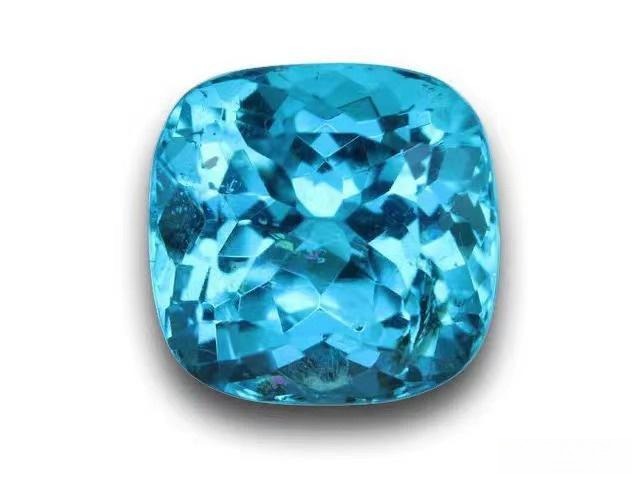
These chemical elements produce a range of hues, including light blue, turquoise blue, neon blue, and emerald-like green. Among them, the highly saturated “neon blue” remains the most prized and exceptionally rare.
Inclusions, Treatments, and Market Rarity
Paraíba tourmalines commonly display fluid inclusions, fingerprint-like patterns, and tubular inclusions, often accompanied by a subtle metallic luster. Among Paraíba tourmalines available on the market—especially smaller stones—around 80% undergo heat treatment to enhance their blue-to-green-blue coloration, a practice widely accepted within the trade.
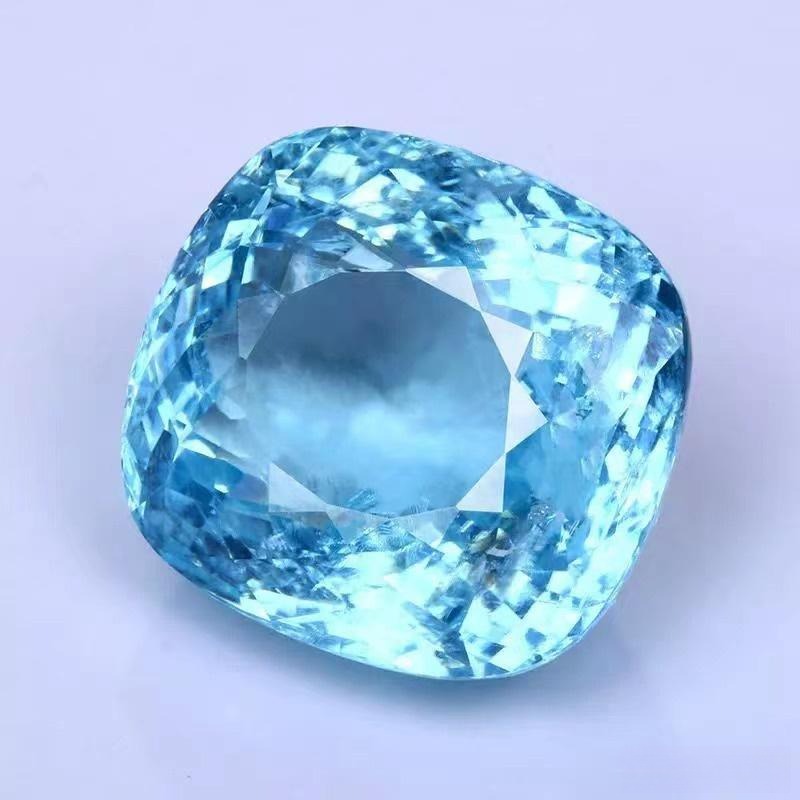
Due to their extreme rarity, Paraíba tourmalines over 5 carats are exceptionally scarce, placing them among the most coveted stones for serious collectors and high-end jewelry connoisseurs.
Brazilian Sapphires: Rare Corundum Gems
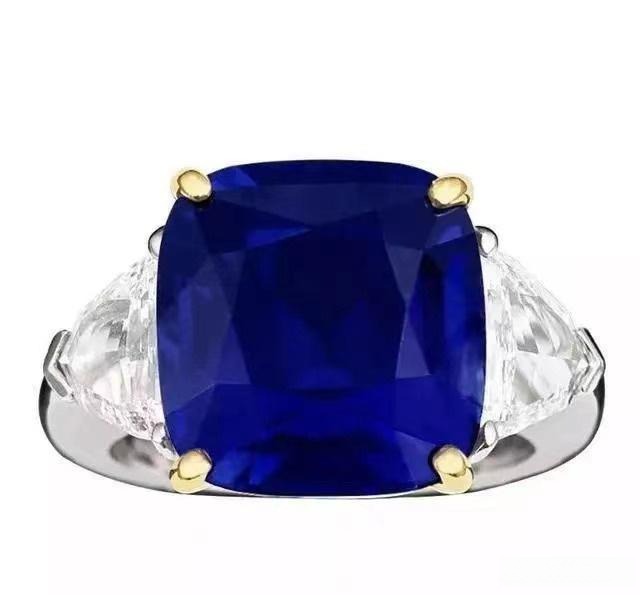
Sapphire, one of the world’s five precious gemstones, ranks among the hardest natural minerals on Earth, second only to diamond. When discussing sapphire origins, most people immediately think of Kashmir, Myanmar, or Sri Lanka. However, Brazil, Madagascar, China, Thailand, and Australia also produce sapphire, albeit in smaller quantities.
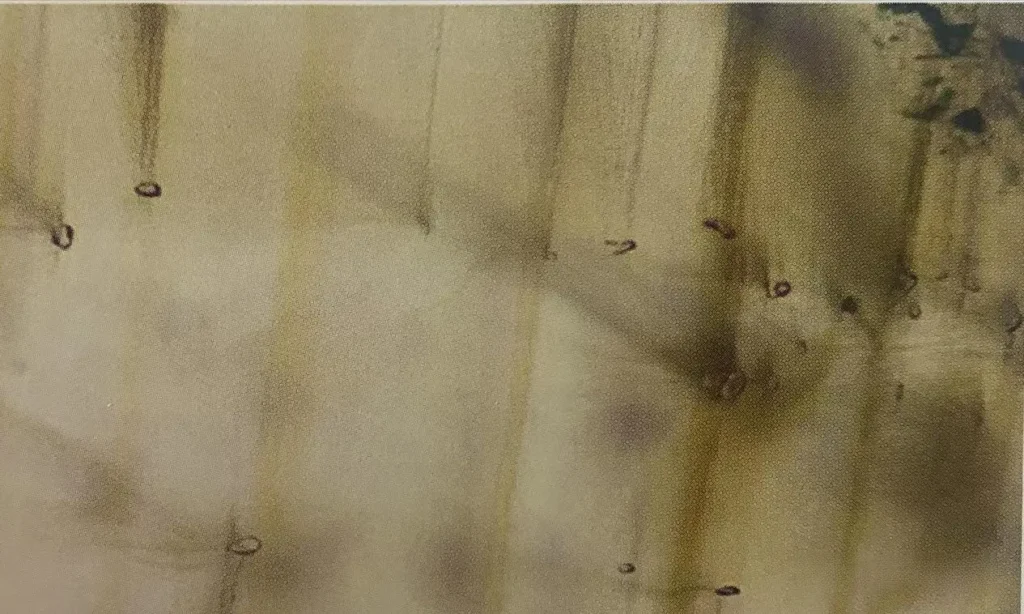
Despite Brazil’s abundant resources of tourmaline, emerald, and quartz, large-scale deposits of gem-quality sapphire remain undiscovered. Many states only host sporadic, small-scale corundum occurrences.
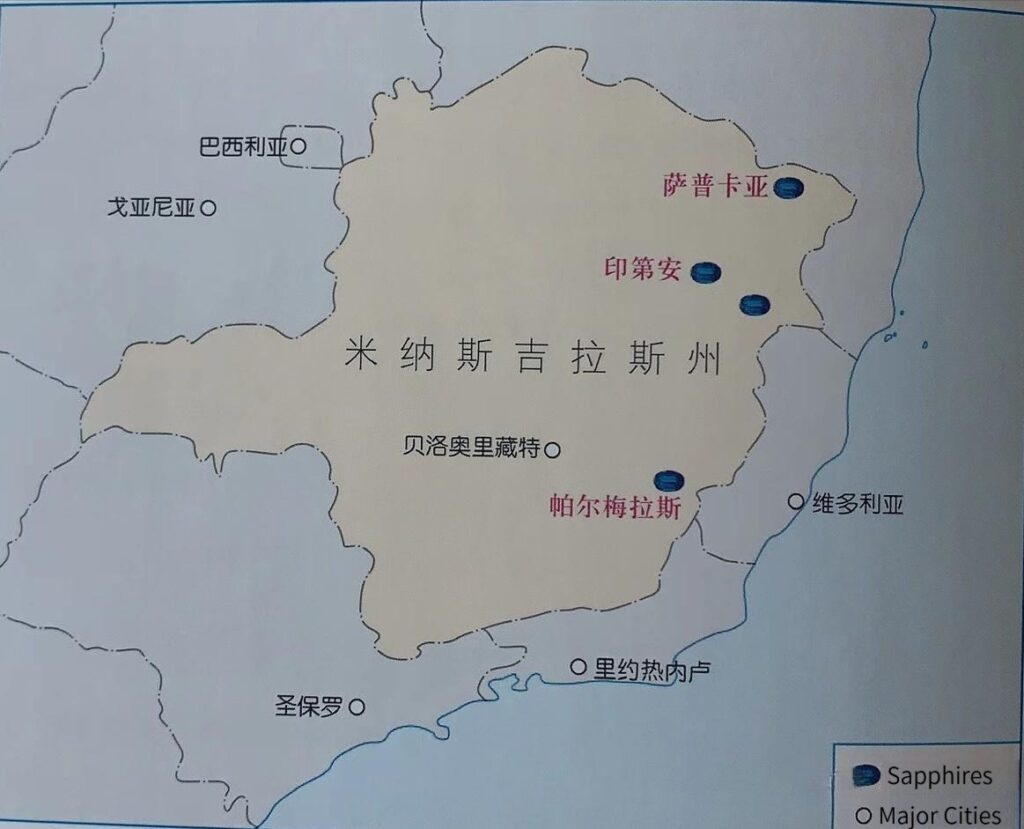
One notable area is the Indian District in Minas Gerais, where sapphires are primarily blue and commonly occur alongside quartz, kaolinite, biotite, and potassium feldspar. Additionally, the Tupassira region of Minas Gerais shows significant economic potential for high-quality sapphire production. Here, miners extract colorless and blue sapphires, occasionally finding bi-color stones, typically forming transparent crystals less than 1 cm in length. While rare, these sapphires add another layer of diversity to the collection of Brazilian gemstones.
Brazilian Aquamarine: Iconic Ocean-Hued Stones
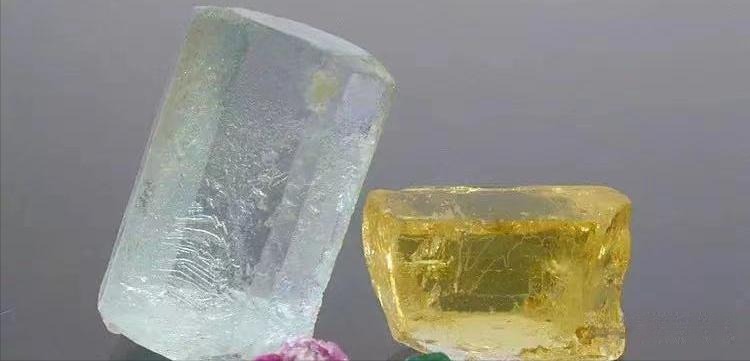
Aquamarine, also known as beryl, sky blue beryl, or blue crystal, belongs to the beryl family and serves as the birthstone for March, symbolizing calmness, courage, happiness, and longevity.
Color Origin and Global Appeal
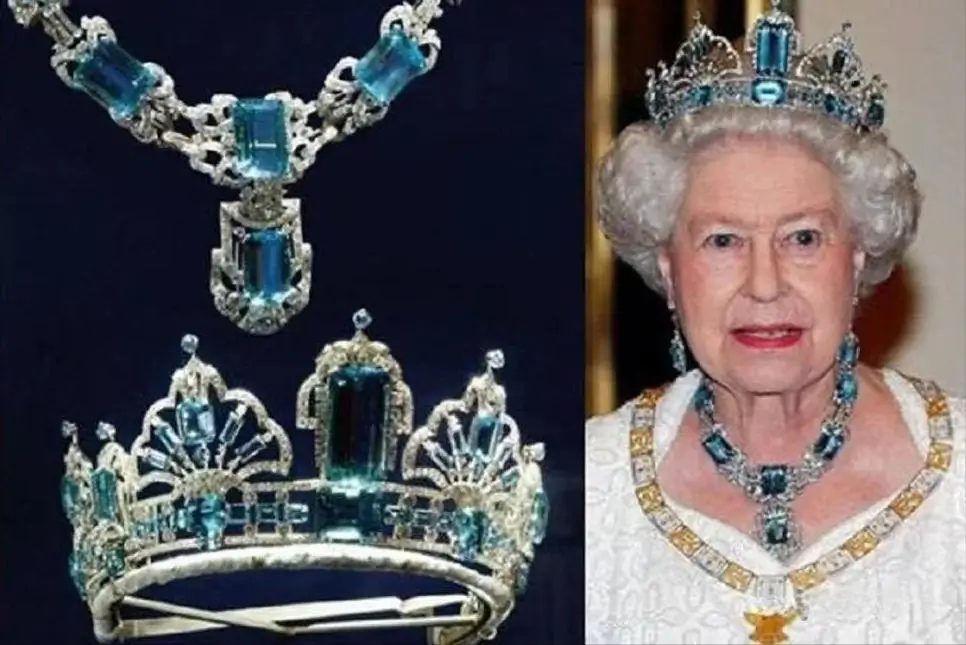
The gemstone’s deep, ocean-like blue comes from trace amounts of ferrous iron (Fe²⁺), which gives aquamarine its captivating hue. Its vivid color and clarity have historically made it a favorite among royalty and collectors worldwide.
For those seeking a deeper understanding of its gemological properties, evolving market value, and the reasons behind its enduring prestige, see our feature on “Underrated” Aquamarine? Why Princess Diana and Queen Elizabeth Wore It.
Brazilian Aquamarine Mining and Characteristics
Brazil is one of the world’s leading aquamarine producers, accounting for over 70% of global production. These gems range from light blue to medium blue, and most are heat-treated after mining to enhance their color—a practice widely accepted in the trade. They primarily extract Brazilian aquamarine in Minas Gerais, where it often occurs alongside topaz and other minerals.
Aquamarines from Brazil stand out for their intense color, large crystal size, and excellent clarity, commanding prices several times higher than stones from other regions.
Santa Maria Aquamarine — The Premium Variety
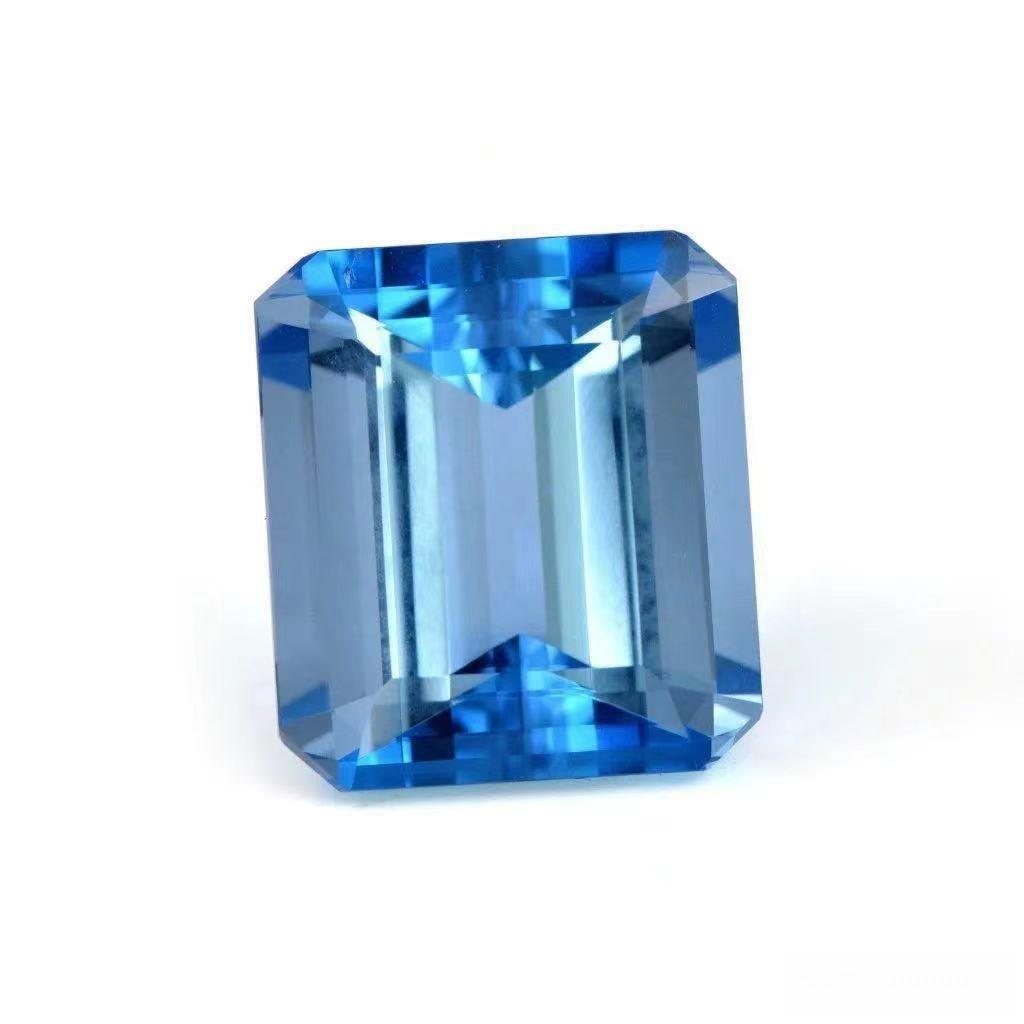
The Santa Maria de Itabira mine in Minas Gerais produces some of the finest aquamarines in the world, known as Santa Maria aquamarine. These stones exhibit a pure, deep blue without brown or yellow undertones, making them significantly more valuable than typical aquamarine. In recent years, overexploitation has gradually reduced production from this mine, further increasing rarity and market demand.
(Read more: [Santa Maria Aquamarine: A Precious Investment Gem for Collectors])
Maxixe Beryl — Not to Be Confused with Natural Aquamarine
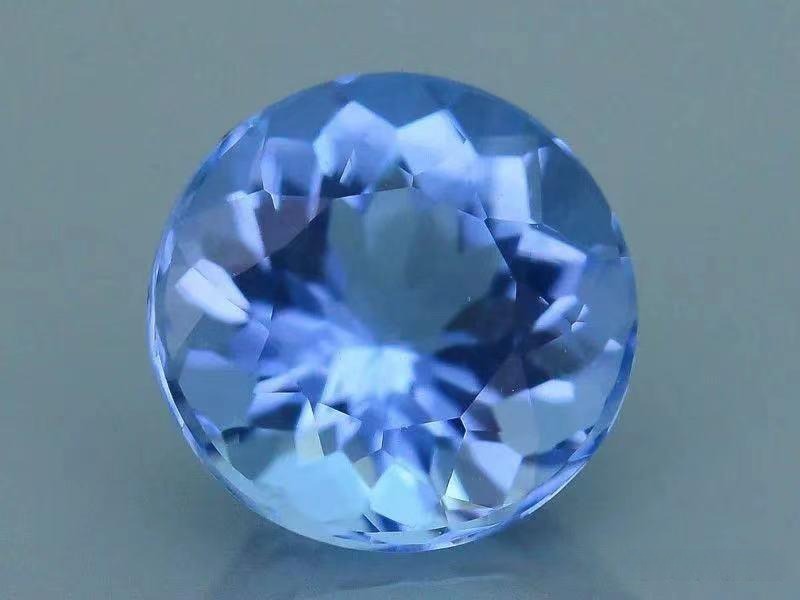
In addition to Santa Maria, deep blue beryl known as Maxixe occurs in southern Arassauahy, Minas Gerais. While visually similar to aquamarine, Maxixe’s color does not come from iron, but from color centers in the crystal structure. These color centers are highly unstable, requiring storage away from light.
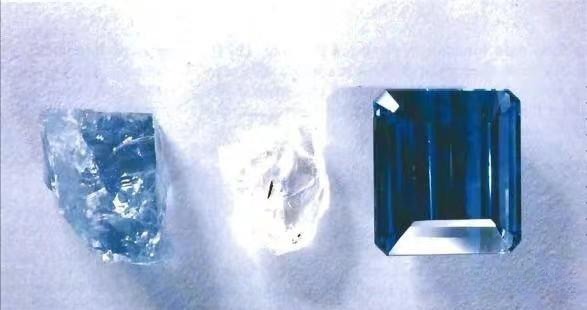
In 1973, gemologists discovered that artificial irradiation could reproduce Maxixe’s deep blue hue. To distinguish the two, gemologists now classify irradiated stones as Maxixe-type beryl. Unfortunately, Natural Maxixe beryl exists but is extremely rare in the trade because it fades too quickly; thus, what consumers encounter is almost exclusively the irradiated type.
Brazilian Chrysoberyl: Rare Alexandrite Gems
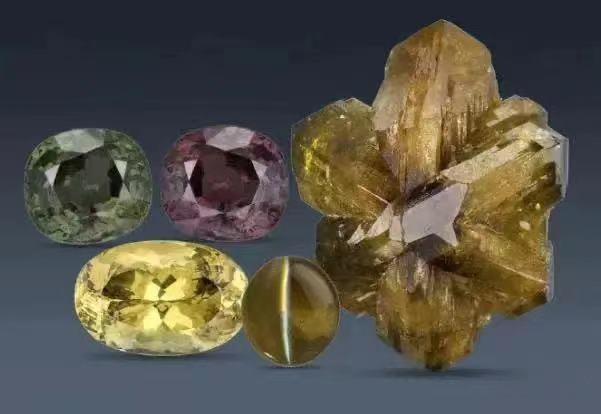
Chrysoberyl ranks among the five most valuable gemstones in Western gemology, celebrated for its unique optical properties. In the marketplace, the most common chrysoberyl varieties include cat’s eye, alexandrite, and standard chrysoberyl. (Related reading: Chrysoberyl Cat’s Eye: The Only True “Cat’s Eye” Guide)
Brazil stands as one of the primary sources of chrysoberyl, with large reserves and diverse varieties. The country produces transparent yellow and brown chrysoberyl, cat’s eye stones, and high-quality alexandrite.
Cat’s eye chrysoberyl in Brazil is primarily mined in Minas Gerais, Espírito Santo, and Bahia.
These stones display a wide range of colors—including yellow-green, blue-green, and olive-green—and typically range in size from 1 to 20 carats.
Because of its distinct chatoyancy and exceptional hardness, this variety is recognized in our study of [Golden Beryl: Rare Gemstone Among the World’s Five Great Gems with Stunning Cat’s Eye Examples] as a cornerstone of investment-grade jewelry.
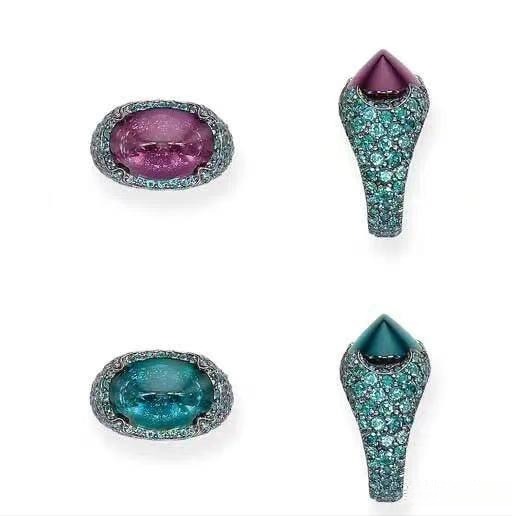
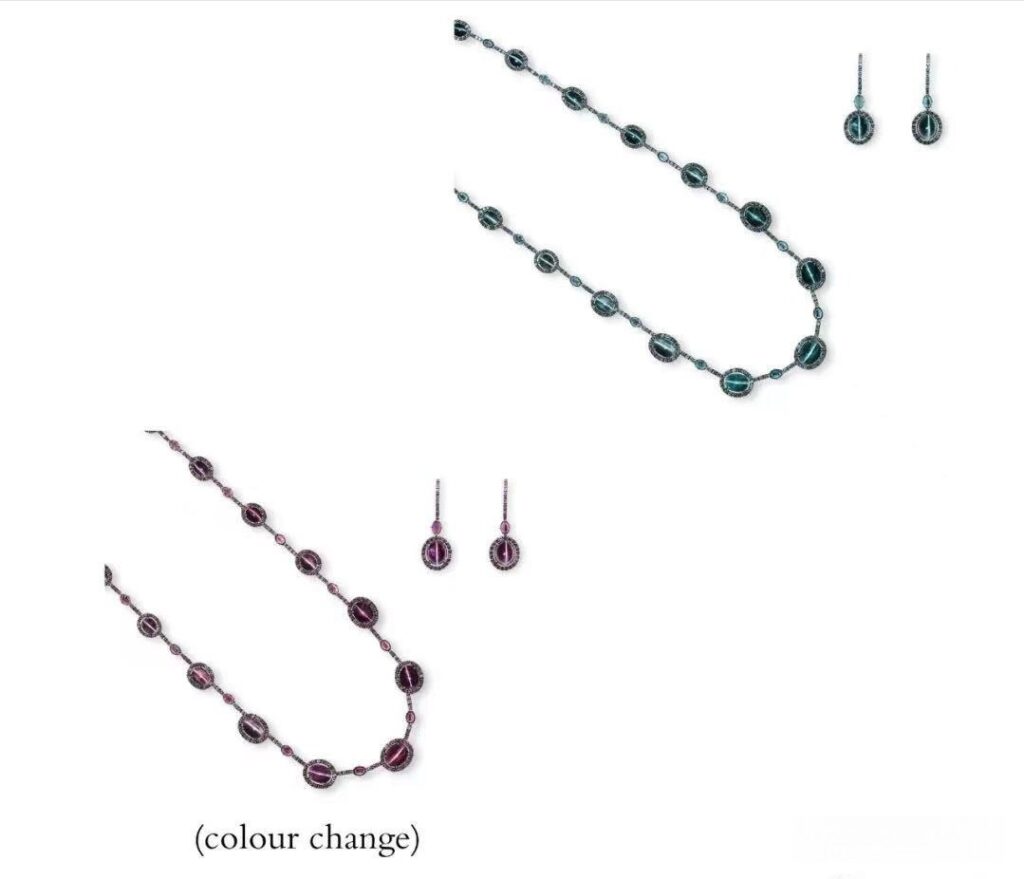
Brazilian alexandrite, on the other hand, forms larger crystals with high clarity and displays a remarkable color-change effect: appearing blue-green in daylight and shifting to purplish-red under incandescent light.
This dramatic “emerald by day, ruby by night” transformation is why [Alexandrite is celebrated as the Rarest and Most Valuable June Birthstone], making it a pinnacle asset for high-end collectors and jewelry enthusiasts.
Imperial Topaz: Brazil’s Most Valuable Gem
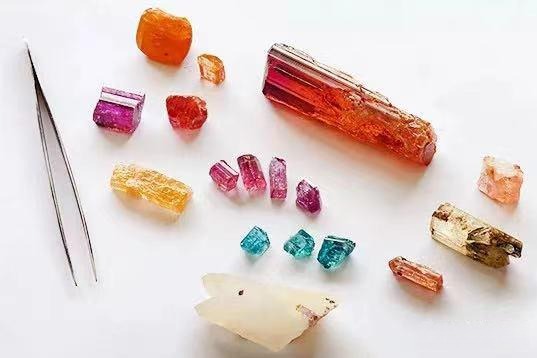
Topaz, known scientifically as topaz, serves as the birthstone for November and commemorates the 16th wedding anniversary, symbolizing friendship and happiness.
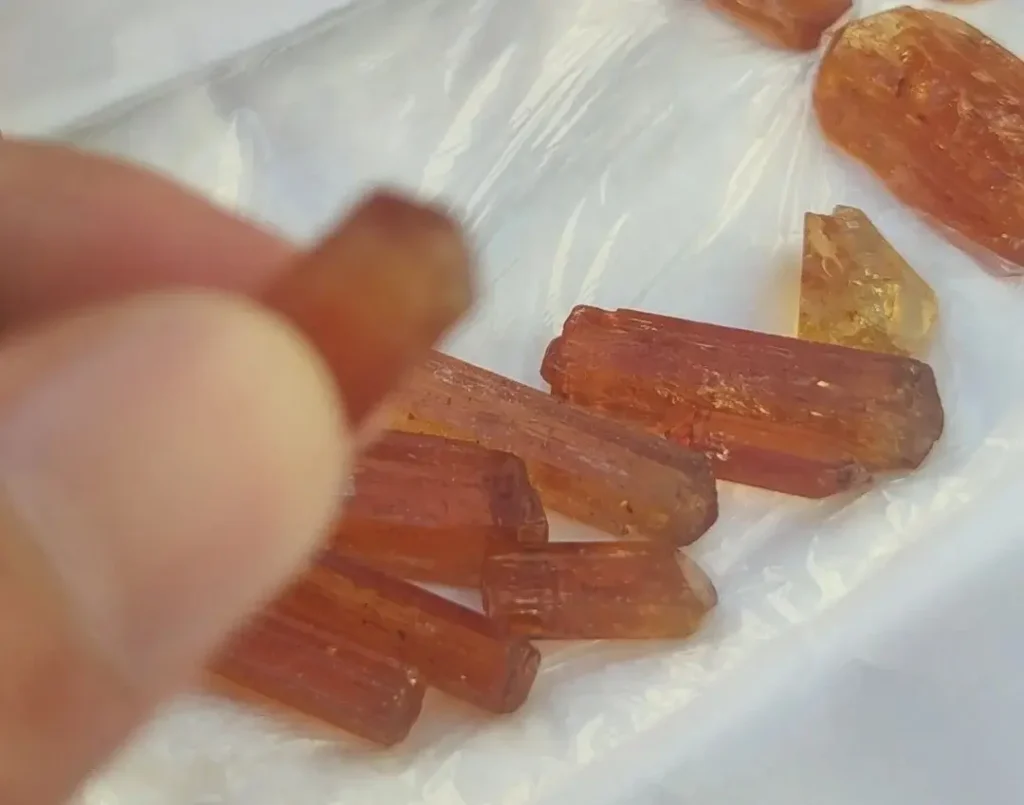
Brazil produces over 95% of the world’s topaz, mainly concentrated in Minas Gerais, where the mineral occurs in granitic pegmatite deposits. These mines yield blue, yellow, and colorless topaz, characterized by large, complete crystals and stable quality. Among them, the Imperial Topaz from Minas Gerais is the most famous and highly sought-after.
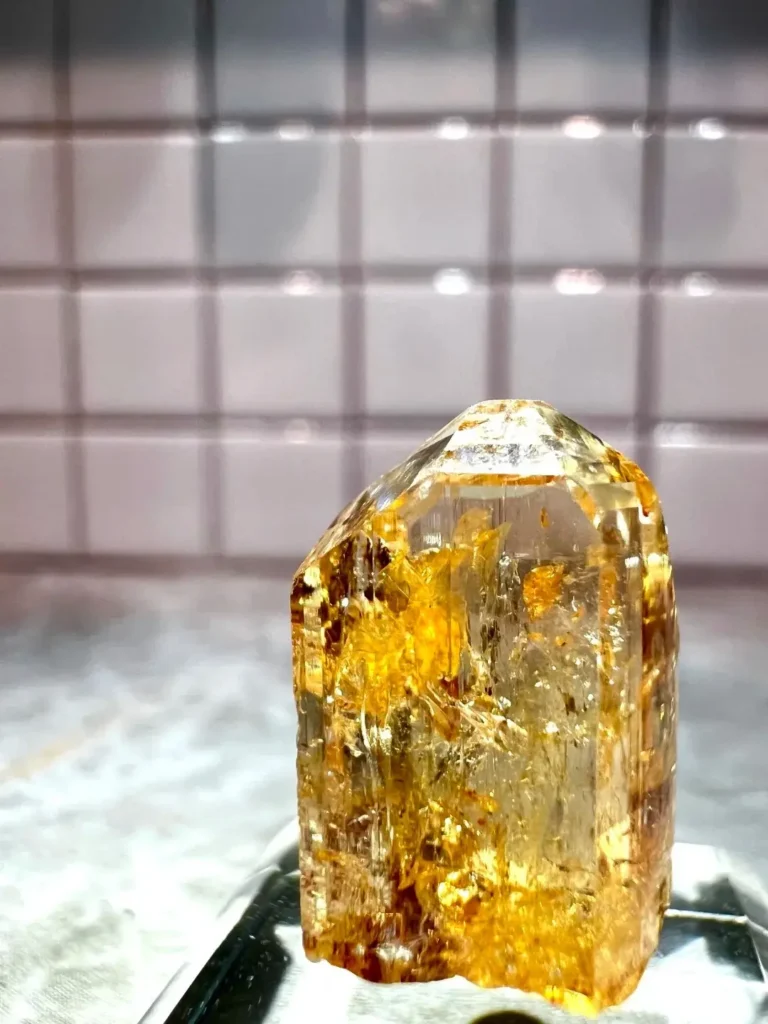
Imperial Topaz exhibits vivid, rich colors, including pink, reddish-orange, pink-orange, and red hues. However, these stones often contain fractures, so after cutting, the individual crystal sizes are usually smaller. (Related reading: The Hidden Royalty of Topaz: Why Imperial Topaz is a World-Class Rarity)
Brazilian Apatite: Neon-Colored Gemstones
In a previous article (Apatite: The Affordable Alternative to Paraiba Tourmaline), we introduced apatite, a calcium phosphate mineral often mistaken for Paraíba tourmaline due to its vivid, neon-like colors.
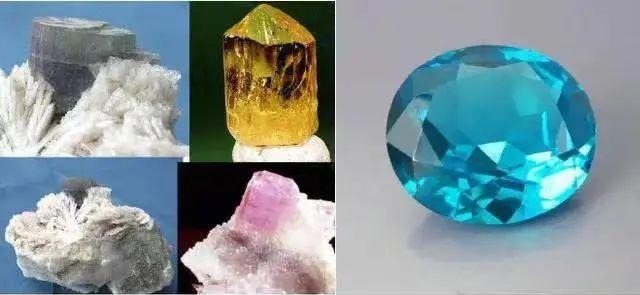
Apatite usually contains trace rare earth elements, exhibits a glass-like luster, and ranks 5 on the Mohs scale, making it relatively brittle. Its main varieties include blue, green, yellow, purple, brown, and cat’s eye apatite.
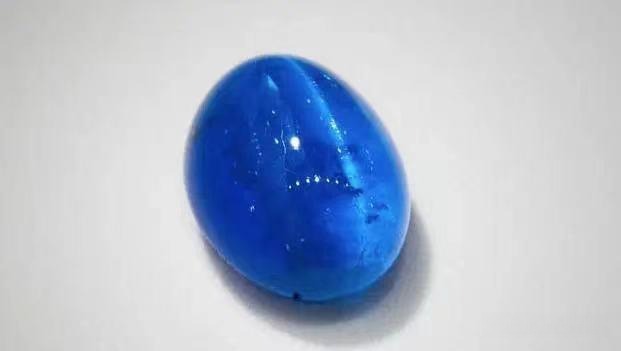
Gem-quality apatite occurs in multiple countries, including Myanmar, Sri Lanka, India, the United States, Brazil, Canada, Norway, Spain, and Portugal. In Brazil, apatite is primarily mined in Goiás, with colors ranging from blue, yellow, to green. Deep blue apatite often contains round fluid inclusions, considered remnants of the original magma.
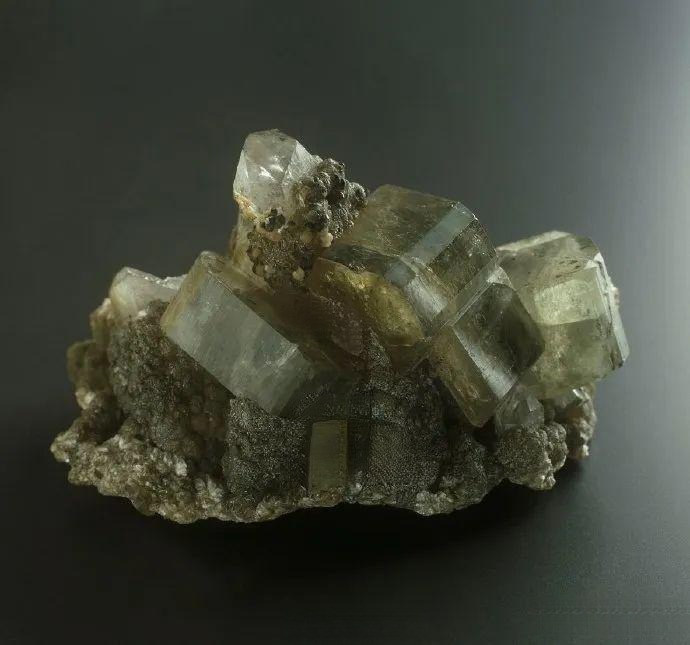
While Paraíba tourmaline is an investment-grade choice, apatite is ideal for buyers on a budget who want to own vibrant Brazilian gemstones with that sought-after neon blue-green hue.
Brazilian Quartz: Amethyst and Agate Varieties
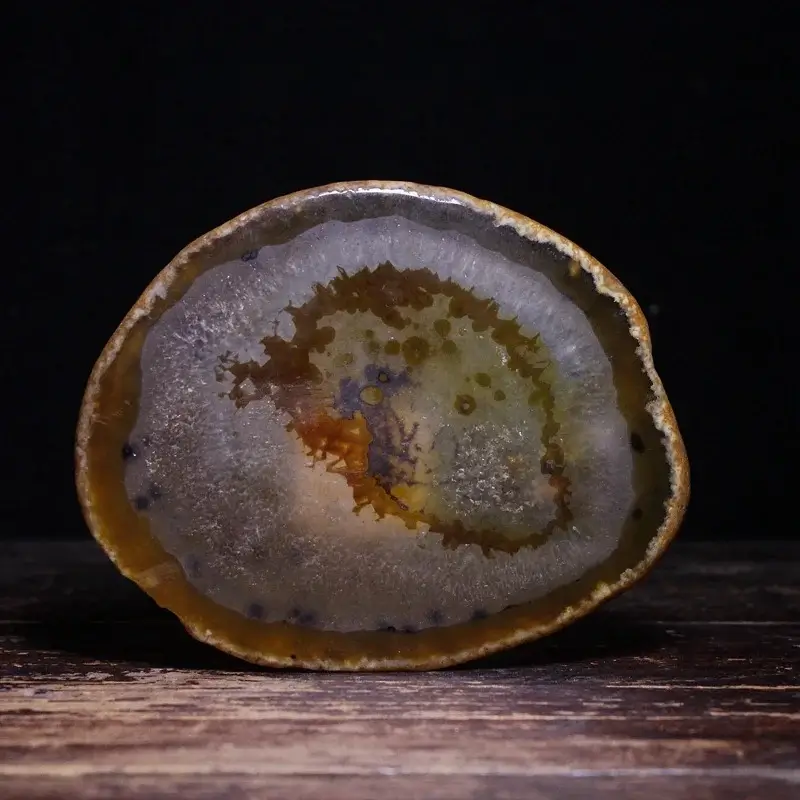
Quartz is one of the most familiar and abundant minerals in the Earth’s crust. Moreover, its gem varieties cover a remarkably wide range. For example, prominent forms include agate, chalcedony, tiger’s eye, aventurine, and clear crystal quartz. ([Related reading: 50 Quartz Varieties Explored — The Most Comprehensive Guide Online])
Brazil — A Global Leader in Quartz Production
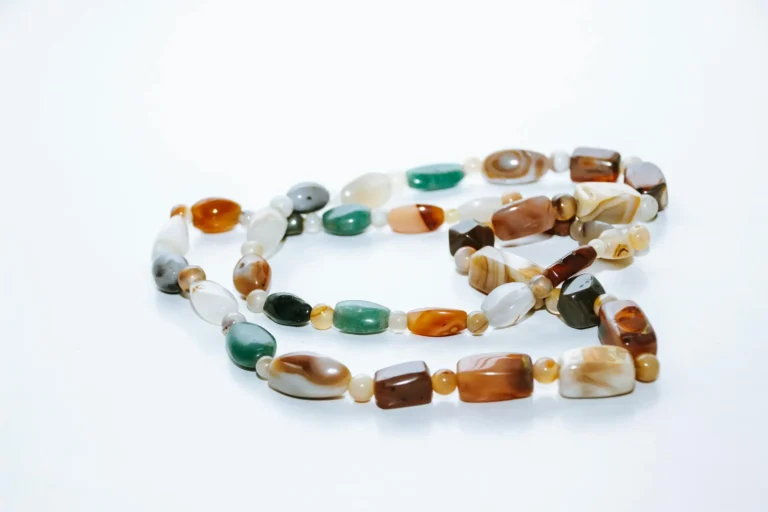
Brazil ranks among the world’s largest quartz producers. In addition, the country supplies a variety of gemstones, including amethyst, citrine, smoky quartz, rose quartz, phantom quartz, and agate. Brazilian agate stands out for its fine texture, high luster, vibrant colors, and clear banding patterns. As a result, it is considered one of the most stunning agates in the world.
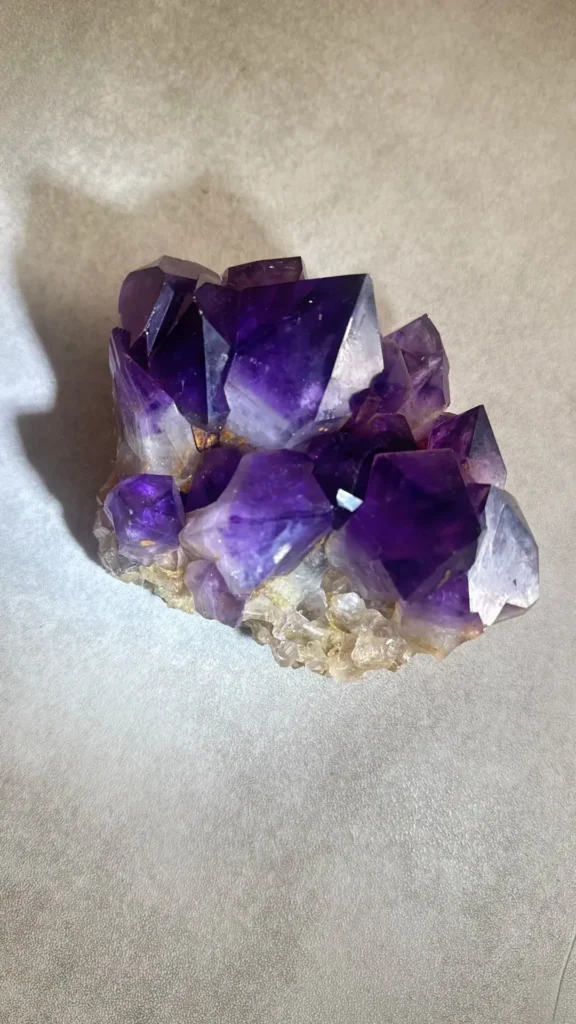
Brazilian amethyst dominates global production. Specifically, the main sources are Rio Grande do Sul and South Amethyst regions. Consequently, the mines produce crystals ranging from pale lilac to deep purple. These crystals often form clusters within volcanic rock agate nodules. Furthermore, many high-quality amethyst geodes seen in the market come from these Brazilian mines. Collectors prize them for their clarity and rich coloration.
If you’d like to explore how this royal gemstone transitions from geological wonder to wearable art, see our feature:
Amethyst: The Aristocratic Beauty in Everyday Life.
Explore Gemstone Treasures Around the World
While Brazilian gemstones command a remarkable 65% of the global market, the true beauty of the mineral world lies in its diversity. Indeed, as with all Brazilian gemstones, these treasures from South America reflect the distinctive geography, history, and culture of their origin.
In our “Gemstone Nation” series, we explore how a gem’s source impacts its value, rarity, and characteristics. Furthermore, if you want to learn about other major gemstone-producing countries, you can check out the following in-depth articles:
- Thailand
Thailand Gemstones: From Rubies and Sapphires to the Rising Star of Spinel - Russia
Russian Gemstones: 9 Extraordinary Treasures from the Urals to Siberia - India
Indian Specialty Gemstones: A Guide to Historic Diamonds, Kashmir Sapphires, and Investment Treasures - Colombia
Colombian Gemstones: Emeralds, Mining Regions, and Investment Value
Jewea: Bringing Gemstones Stories to Life
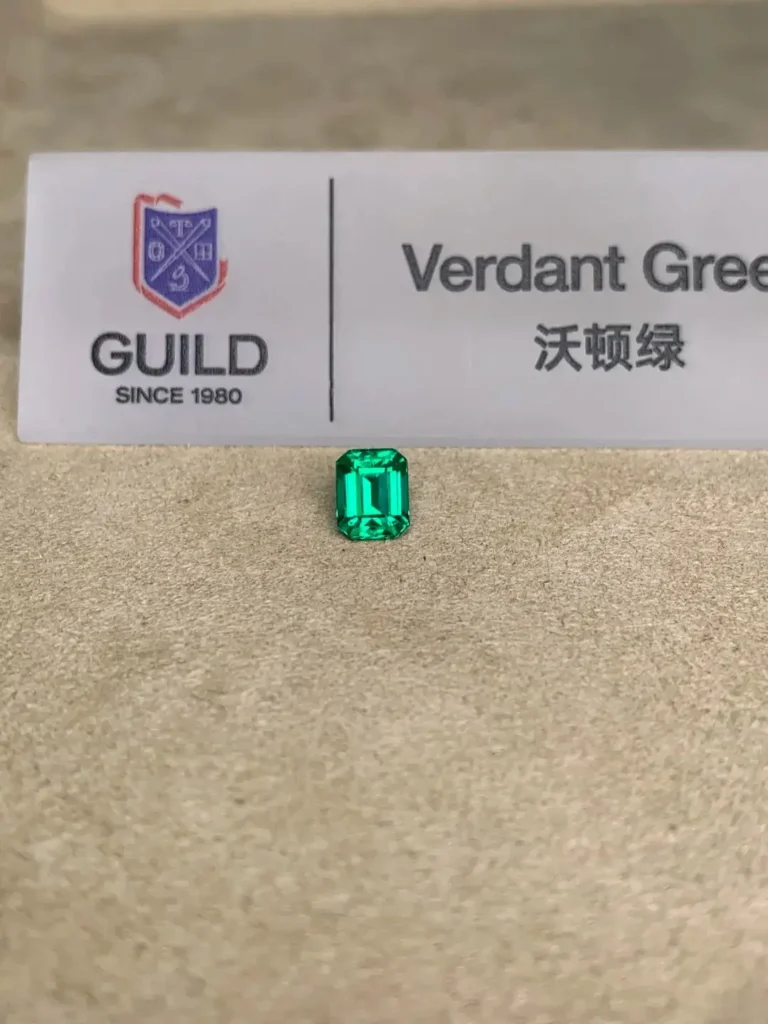
At Jewea, we believe that every gemstone tells a story as unique as the individual who wears it. From the vibrant, spirited hues of Brazilian gemstones to the world-class prestige of Colombian emeralds and the accessible beauty of Zambian gems, we celebrate the diverse character of nature’s treasures.
Our mission is to help you find a stone that resonates with your personal vision. We meticulously curate every piece, blending vintage inspiration with modern craftsmanship to create jewelry that is timeless, distinctive, and full of personality.
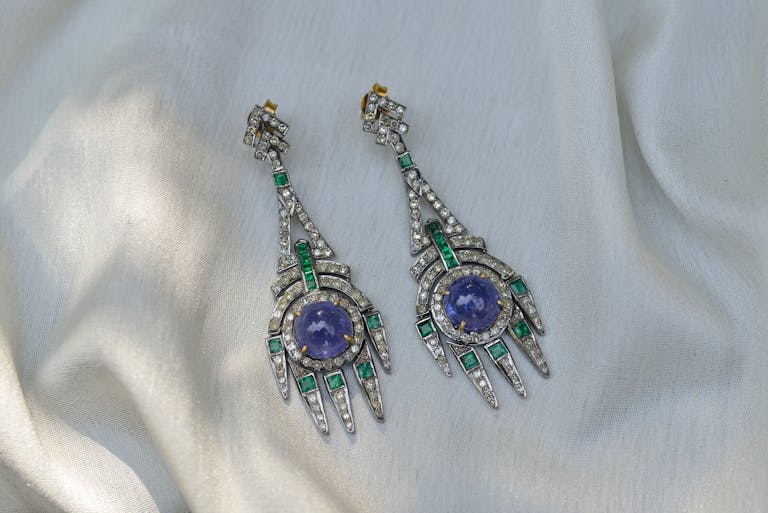
Whether you are seeking an investment-grade treasure, a touch of everyday elegance, or a truly eye-catching statement piece, we are here to guide your journey. Ready to explore our handmade vintage earrings and discover your perfect gem?