The Essential Ceylon Sapphire Buying Guide: Unlocking the Secrets of Sri Lanka’s Gemstone Market
💎 Chapter 1: Sri Lanka – The Land of Gems, Not Necessarily Low Prices

Sri Lanka is often dubbed the real-life “Gemstone Kingdom,” a place where you can find nearly every major gemstone variety known to the world. Given this abundance, many buyers, particularly international visitors, often wonder: Can you just walk in and pick up high-quality Ceylon Sapphire gems at rock-bottom prices?
As someone deeply involved in the Sri Lankan colored gemstone market for years, I can tell you the reality is far more complicated. Finding a truly great deal with excellent price-to-value here is a significant challenge. This Ceylon Sapphire Buying Guide provides a breakdown of why, revealing the secrets every buyer needs to know.
Production is Slowing Down
The market’s foundation—gemstone output—is facing increasing pressure. A combination of factors is slowing down production:
- Economic Downturn: International economic weakness dampens demand and investment.
- Weather Impediments: Unpredictable rainy weather significantly disrupts mining operations.
- Government Restrictions: Strict limitations on mining licenses have pushed much of the extraction underground.
- Illegal Mining: A large portion of mining is carried out illegally, which, despite its prevalence, carries severe penalties if caught.
These elements have contributed to the market running at a crawl, resulting in a steady decline in the overall supply of gemstones.
Why Ceylon Sapphire Quality is Scarce and Prices are Inflated
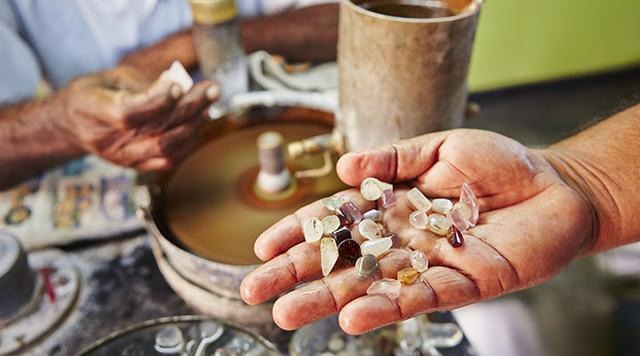
Lower production has a direct impact on the quality of available gems; the stones that truly meet high standards are becoming few and far between. Simultaneously, the influx of buyers—many of whom lack professional knowledge—has driven prices sky-high.
Why sell a $1,000 stone to a professional dealer for $1,200 when a tourist or a novice buyer is willing to pay $3,000? This simple commercial reality ensures that prices remain significantly inflated.
💰 Chapter 2: Unpacking the Gemstone Price Puzzle – Ceylon Sapphire Buying Guide
As a direct buyer close to the source, the question I hear most often is: “How much is a 1-carat sapphire?” Any veteran gem dealer will smile with weariness at this. The truth is, a gemstone’s price is never fixed.
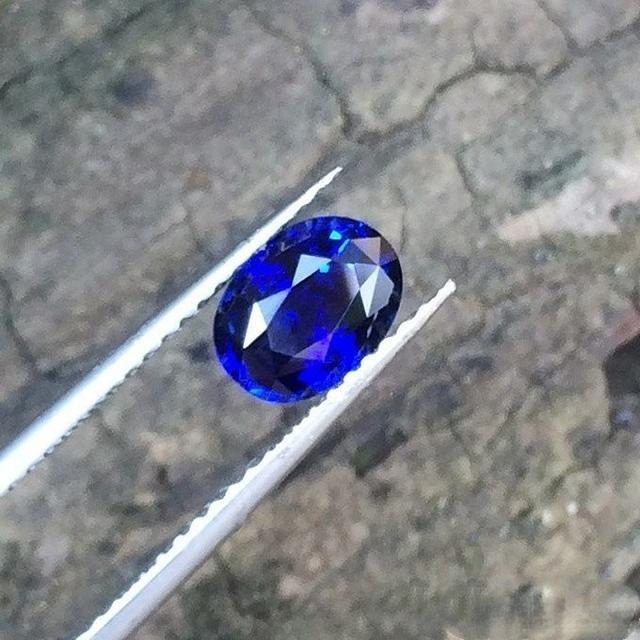
Just like diamonds, the 4 Cs (Color, Cut, Clarity, Carat Weight) are the most critical factors. However, colored gems, unlike diamonds, have no universal market reference price. Two seemingly similar stones can have price tags that differ by tens of thousands of dollars, varying dramatically across the supply chain.
Since the 4 Cs are the fundamental pillars of valuation, mastering these grading principles is essential. For a comprehensive look at how the 4 Cs—especially cut quality—affect the final price, refer to PeonyJewels blog detailed guide: How to Grade Gemstone Quality: Understanding the 4Cs and the Importance of Gemstone Cut Quality.
The Five-Layer Supply Chain Driving Up Costs: A Key Lesson in This Ceylon Sapphire Buying Guide
Gem prices are determined by a complex chain of specialized roles, each adding significant markup:
1. The Miners (The Source)
The initial price of a rough stone hinges entirely on the year’s yield. If the mine produces a strong harvest, smaller rough stones might be priced more leniently. Conversely, a poor year leads to sharply higher prices. Desperate financial situations, however, can occasionally trigger a “fire sale” to quickly monetize the remaining stock.
2. The Traders (The Middlemen)
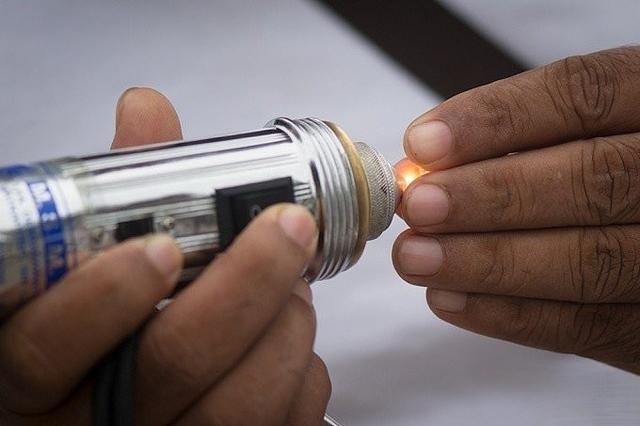
These individuals are the dedicated buyers of rough stones. They acquire material from various miners or take it to the major gem markets for sale. As the rough stones change hands multiple times, from the miner to the trader and then into the broader market, the price inevitably escalates.
3. The Gem Cutters and Manufacturers
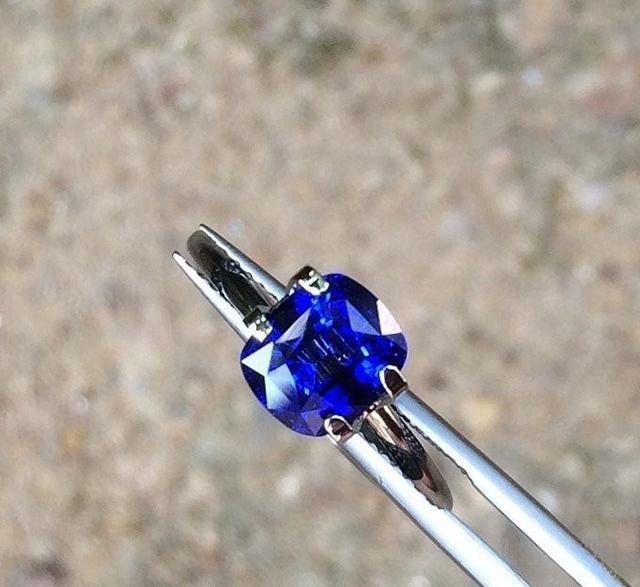
Cutters purchase rough stones, process them, and then sell the finished, polished gems. Their final price depends heavily on their acquisition channel. If they bought the rough from multiple traders, the cost basis is already high.
For a deeper dive into the fascinating process of gemstone cutting, from rough stones to the stunning, faceted gems you admire, check out PeonyJewels’ blog article: Gemstone Cutting: From Rough Stone to Radiant Faceted Gem.
A Note on Risk (The Gem Gambler): Judging the potential of a rough stone is a technical skill—it is an art form known locally as “gem gambling.” No one is immune to error. A misjudgment can result in the final cut stone being far smaller in carat weight than anticipated, leading to a much higher cost per carat. If anyone boasts about their infallible skill in judging rough, treat those claims with skepticism.
4. The Finished Gem Resellers
These are the businesses and individuals—from small online merchants to major jewelry brands at international trade shows—who buy polished stones (cut loose gems) and resell them. They are essentially buying and then marking up. Some exhibitors at major trade shows may even borrow inventory to display stones, naturally resulting in inflated retail prices.
5. The Agents (The Negotiators)

The most important transactions often happen outside the main gem market, involving larger dealers. Many miners, traders, or cutters do not sell their gems personally. Instead, they entrust the sales process to professional agents or “fixers,” giving them a floor price and freedom to negotiate upwards. At the source, negotiation is everything. You only get a chance at the best possible price if you demonstrate serious intent to buy and aggressively haggle.
🗣️ Chapter 3: Mastering the Art of the Bargain – A Ceylon Sapphire Buying Guide
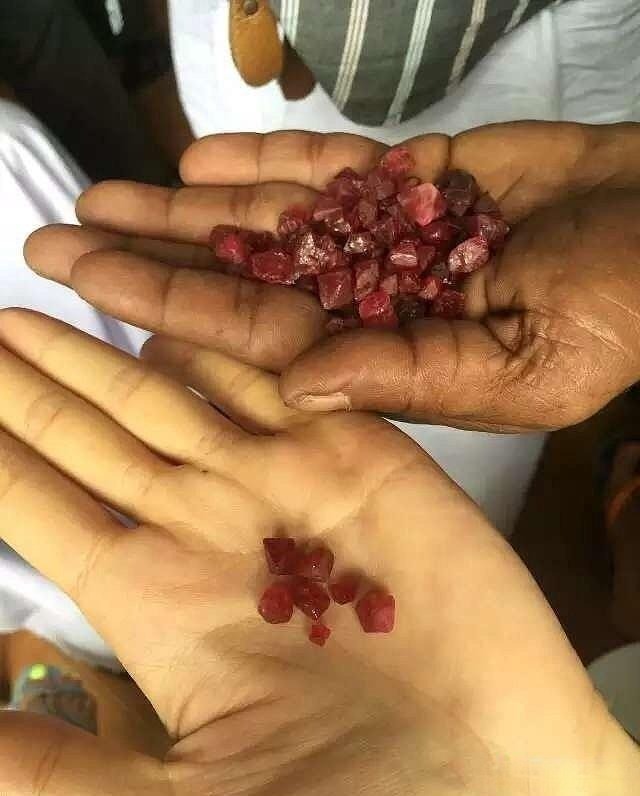
Many enthusiasts ask me to buy stones on their behalf: “Send me photos of good stones, and I’ll decide!”
This approach rarely works here. The Sri Lankan market is a fluid, high-stakes bazaar, not a fixed-price retail store.
Why Price Discovery Requires Commitment
- Prices are Wildly Inflated: A seller might price a $1,000 stone at $5,000. I cannot send you the $5,000 price; you would rightfully assume I was overcharging you.
- Haggling is Essential: I must first commit to purchasing and then haggle down to the real price. If I merely show interest for a photo, the seller will not budge from their absurdly high opening price. They know if I’m ready to buy, the leverage is theirs. A stone worth $1,000 could instantly become non-negotiable at $3,000.
The lesson is clear: Prepare to fight for the price if you want to buy. This market demands commitment and consequence.
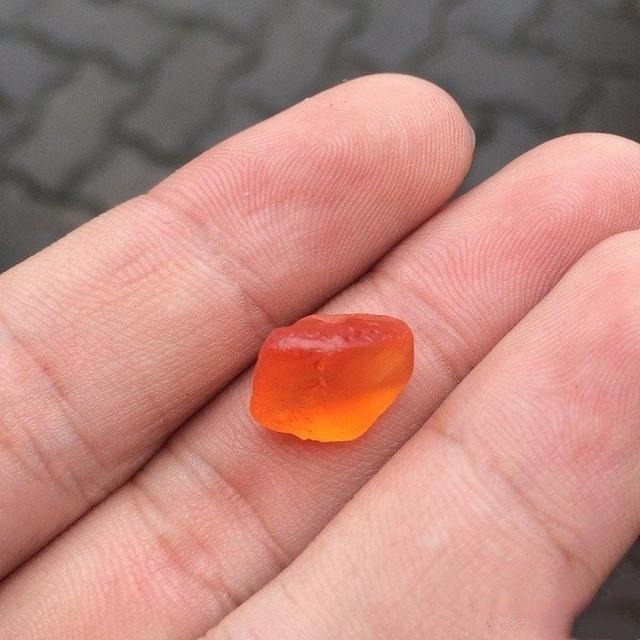
Furthermore, everything is in motion. A beautiful stone seen today might be sold and gone forever by tomorrow. When it comes to gems, you must seize the opportunity when you see it.
The Middleman Fallacy
As noted by industry voices like Peonyjewels, you will constantly hear sellers claim to offer “first-hand source with no middlemen.” The irony is that those who say this are almost always middlemen themselves.
Middlemen are not inherently bad; they are essential. They leverage their expertise to manage quality, authenticity, and logistics in the supply chain, earning a reasonable profit for their critical service. Miners focus on mining; cutters focus on cutting; salespeople focus on selling. This is the normal flow of commerce.
Your goal as a buyer should not be to eliminate the middleman, but to find a trustworthy vendor who:
- Clearly describes the gem’s quality.
- Provides accurate, unaltered photos.
- Offers a fair price relative to the current market.
Gems have no fixed price. If you approach the market with the sole mindset of finding the absolute lowest price, you will likely never buy anything. Be pragmatic: find the best stone you can afford and secure it.
For more detailed tips on purchasing gemstones, check out PeonyJewels’ blog article: Ultimate Ruby Buying Guide – Color, Carat, Clarity & Treatments Explained.
💖 Final Conclusion: Find Your Trustworthy Partner
The Sri Lankan sapphire market is complex, but mastering the 4Cs and understanding the supply chain empowers you to buy with confidence. The true secret is simple: find a trustworthy partner.
At PeonyJewels, we apply this rigorous, expert-level understanding of gemstone quality and valuation to every piece we offer. While we consult on sourcing the world’s finest sapphires, our passion lies in the creation of unique, enduring pieces.
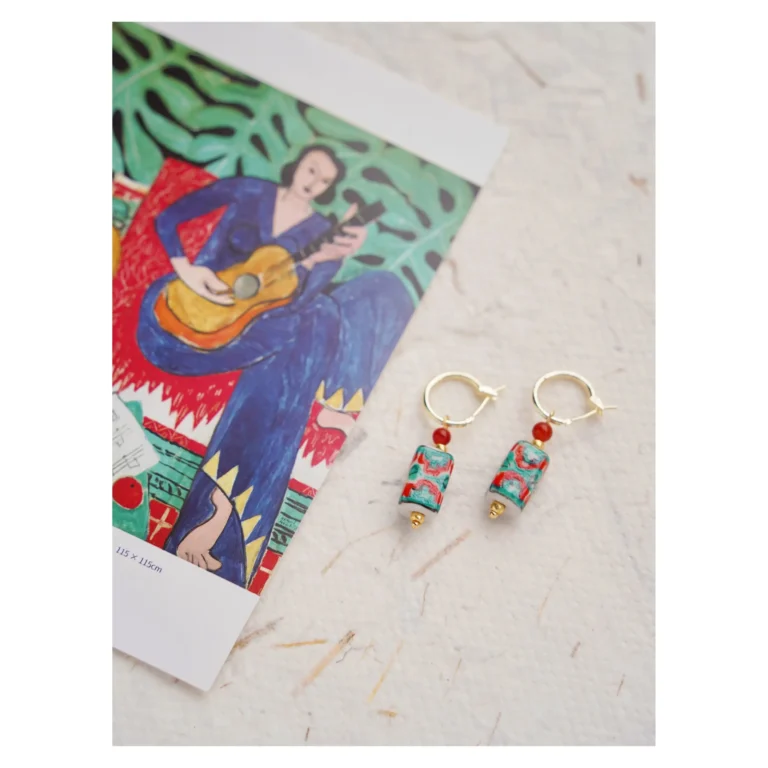
Explore our meticulously curated collection of Handmade Vintage Earrings. Each piece is designed for stable quality and enduring elegance, proving that you don’t need to gamble on rough stones to own a unique treasure.
➡️ Click here to secure your one-of-a-kind vintage earrings now! Handmade Vintage Earrings.