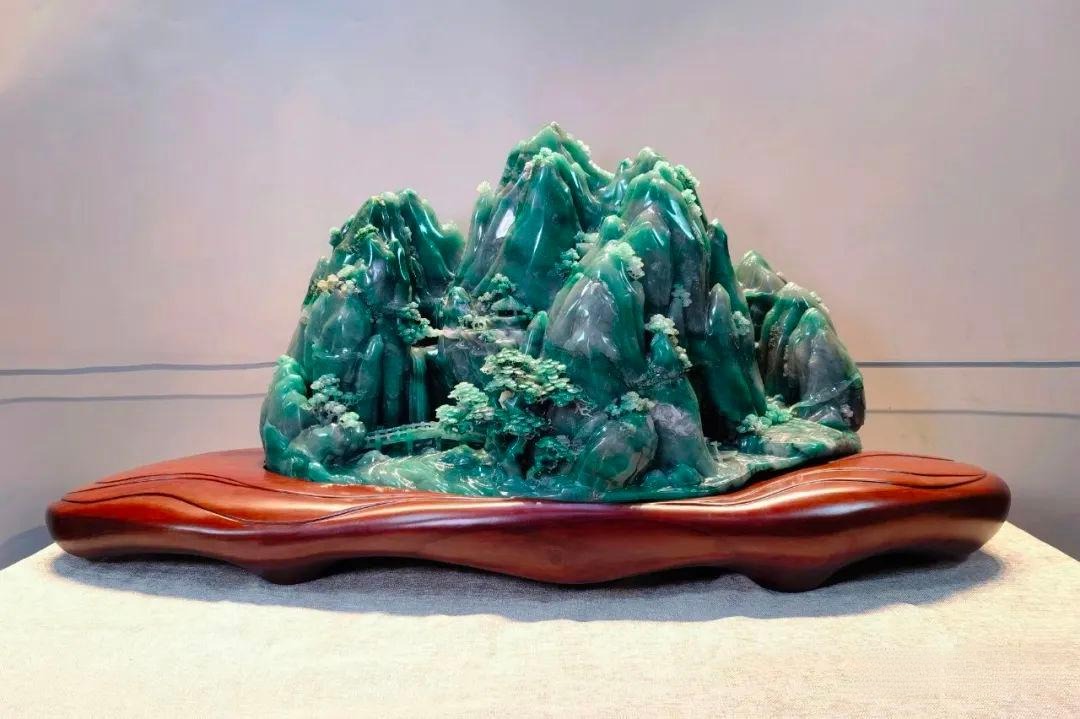
Dulong Jade: The Rising “Ice-Glutinous Green Jadeite Alternative” from China
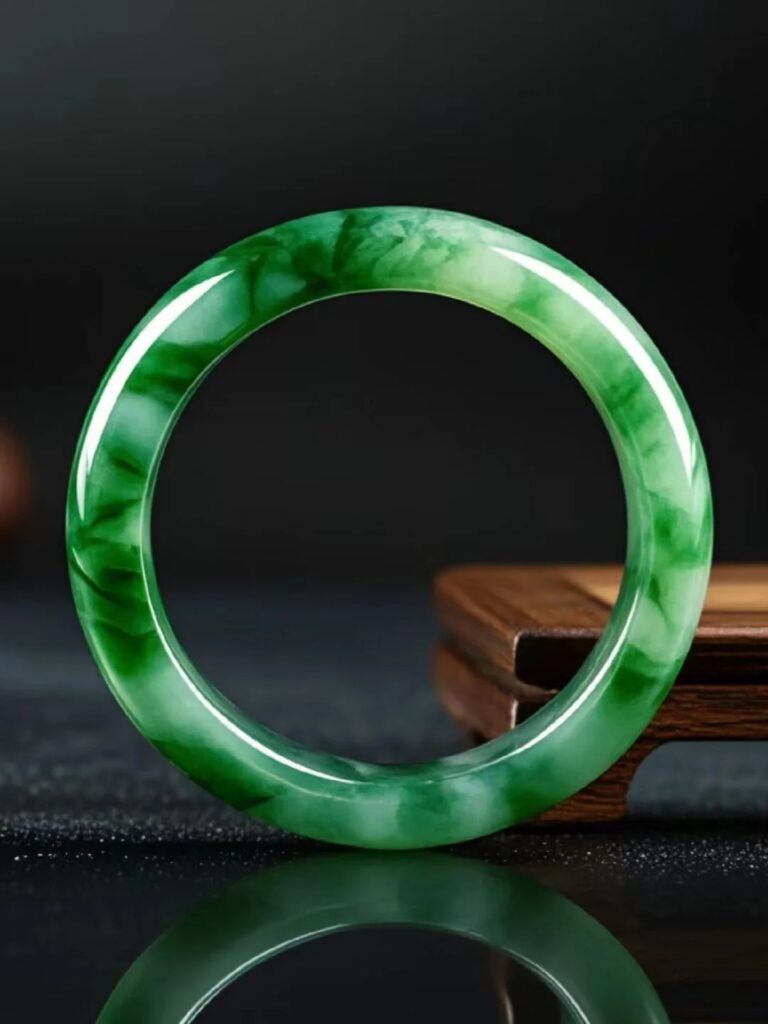
A few days ago, Peonyjewels introduced one of the most talked-about jadeite substitutes—African Jade.
If you missed that guide, you can learn more about common jadeite alternatives and how to identify them here:
- 👉 How to Identify Natural Jadeite: Color, Texture & Authenticity
- 👉The Rise of “African Jade”: The Glamorous Double of Jadeite
These differences make identification straightforward with simple magnification.
Today, we continue the conversation about popular jade alternatives and take a closer look at another newcomer that has drawn increasing attention in recent years: Dulong Jade.
Because of its white base and floating green patterns, many sellers market it as “China’s local jadeite” or even the “perfect lookalike of white-base icy jadeite.”
But what exactly is Dulong Jade—and can it truly replace jadeite? Let’s find out.
What Is Dulong Jade? A New Gemstone Discovered in Yunnan
Yunnan is one of China’s richest regions in mineral and gemstone resources:
- 143 types of minerals have been identified
- 86 have proven reserves
- 61 rank among China’s top ten
- And 25 rank in the national top three
From Baoshan red agate and Longling yellow dragon jade to Wenshan emerald, Ailao Mountain ruby, tourmaline, aquamarine, and more, Yunnan’s gemstone diversity is remarkable.
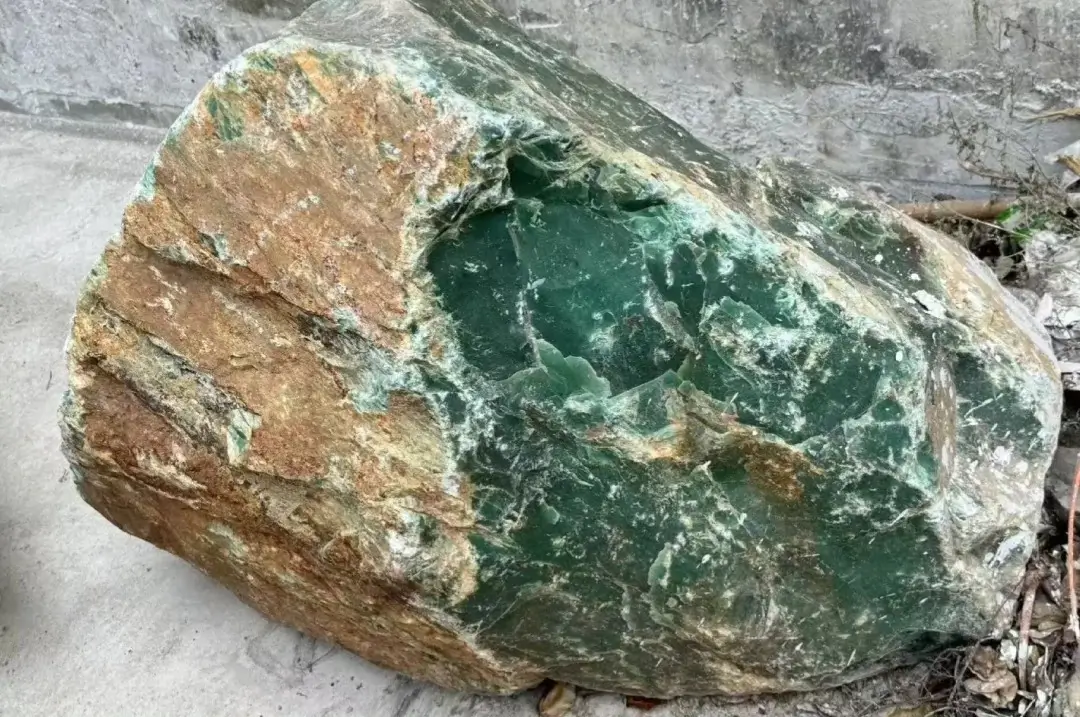
In recent years, another stone from the China–Myanmar border in Gongshan County, Nujiang Prefecture, has entered the market—Dulong Jade.
With its white base and floating green or grey-green patches, it often resembles certain types of icy or glutinous jadeite, yet it remains far more affordable. This combination quickly made it popular among collectors of niche Chinese gemstones.
The Truth About Dulong Jade: A Quartzite Gemstone
Despite its jadeite-like appearance, Dulong Jade is not jadeite.
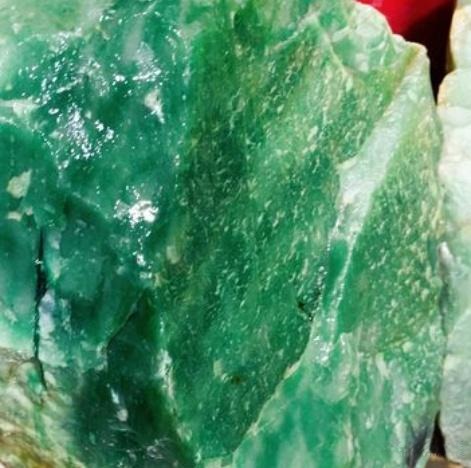
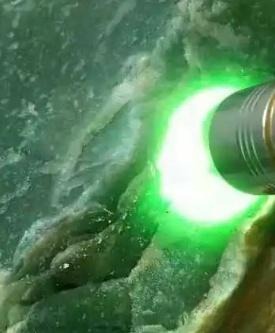
It is technically a quartzite jade (quartzite rock composed mainly of quartz and mica).
🟩 What Exactly Is Quartzite Jade?
- Single-crystal quartz = rock crystal (clear quartz)
- Quartz aggregates vary depending on crystal size:
- Coarse-grained (macrocrystalline): aventurine, “Xiu Yu,” etc.
- Fine-grained (cryptocrystalline): chalcedony, agate
Dulong Jade belongs to the coarse-grained quartzite group. Its grainy structure is visible to the naked eye.
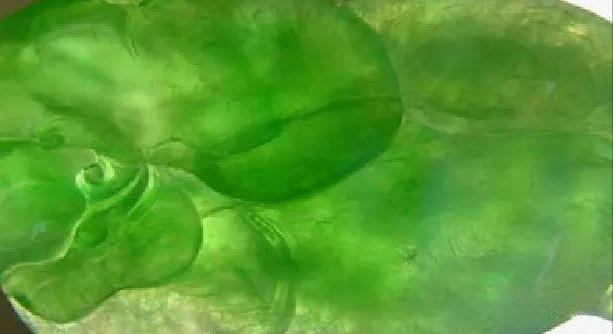
Its green color comes from chrome-rich fuchsite mica distributed between quartz grains.
This is why shades may range from fresh green to bluish-green or grey-green.
Gemological Properties
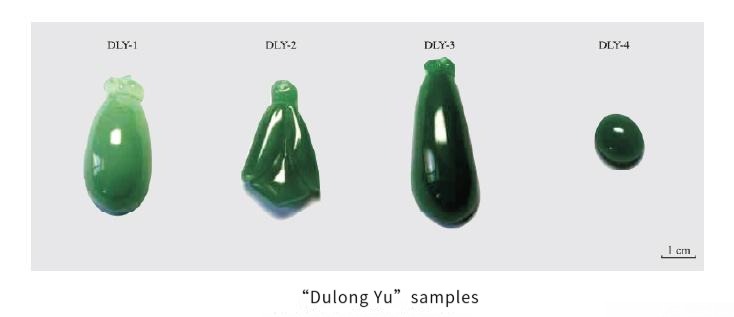
- Composition: >90% quartz + 5–10% fuchsite mica
- Refractive index: 1.54+
- Specific gravity: 2.60–2.80
- Hardness: 6.5–7
- Fracture: conchoidal
- Luster: glassy (not as bright as jadeite)
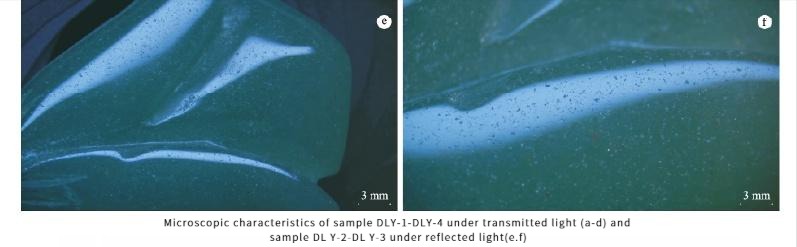
Under magnification, you may observe:
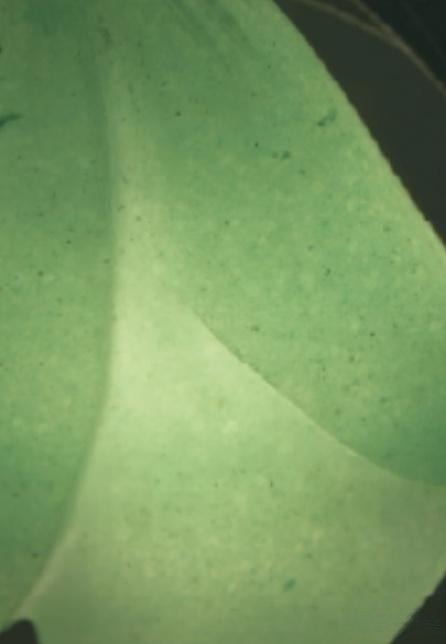
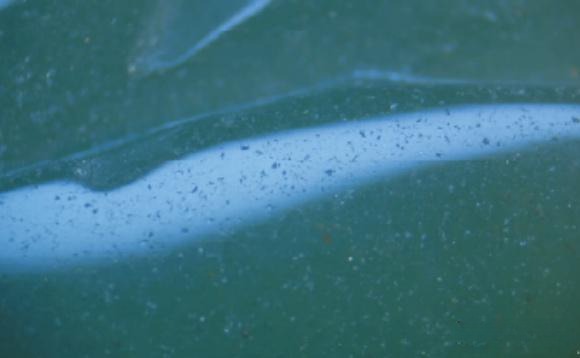
- “sandy” pits
- golden pyrite inclusions
- directional green mica streaks
- occasional aventurescence (shimmering effect)
Is Dulong Jade a Type of Aventurine Quartz?
Many people immediately think of aventurine quartz when they notice the sparkling golden inclusions in Dulong Jade.
In fact, Dulong Jade can indeed be classified within the broader family of aventurine quartz.
🟦 Understanding Aventurine Quartz
- Historically, it referred specifically to green quartzite from India containing chrome mica and visible aventurescence.
- Modern gemology uses a broader definition:
Any coarse-grained quartzite colored by accessory minerals can fall into the aventurine quartz category—regardless of color or origin (green, red, purple, blue, etc.).
Therefore:
When tested, Dulong Jade is typically identified as “quartzite jade,” with remarks such as Dulong Jade / aventurine quartz.
Seeing “aventurine” on a certificate is normal and correct.
Dulong Jade vs. Jadeite: Are They Really Similar?
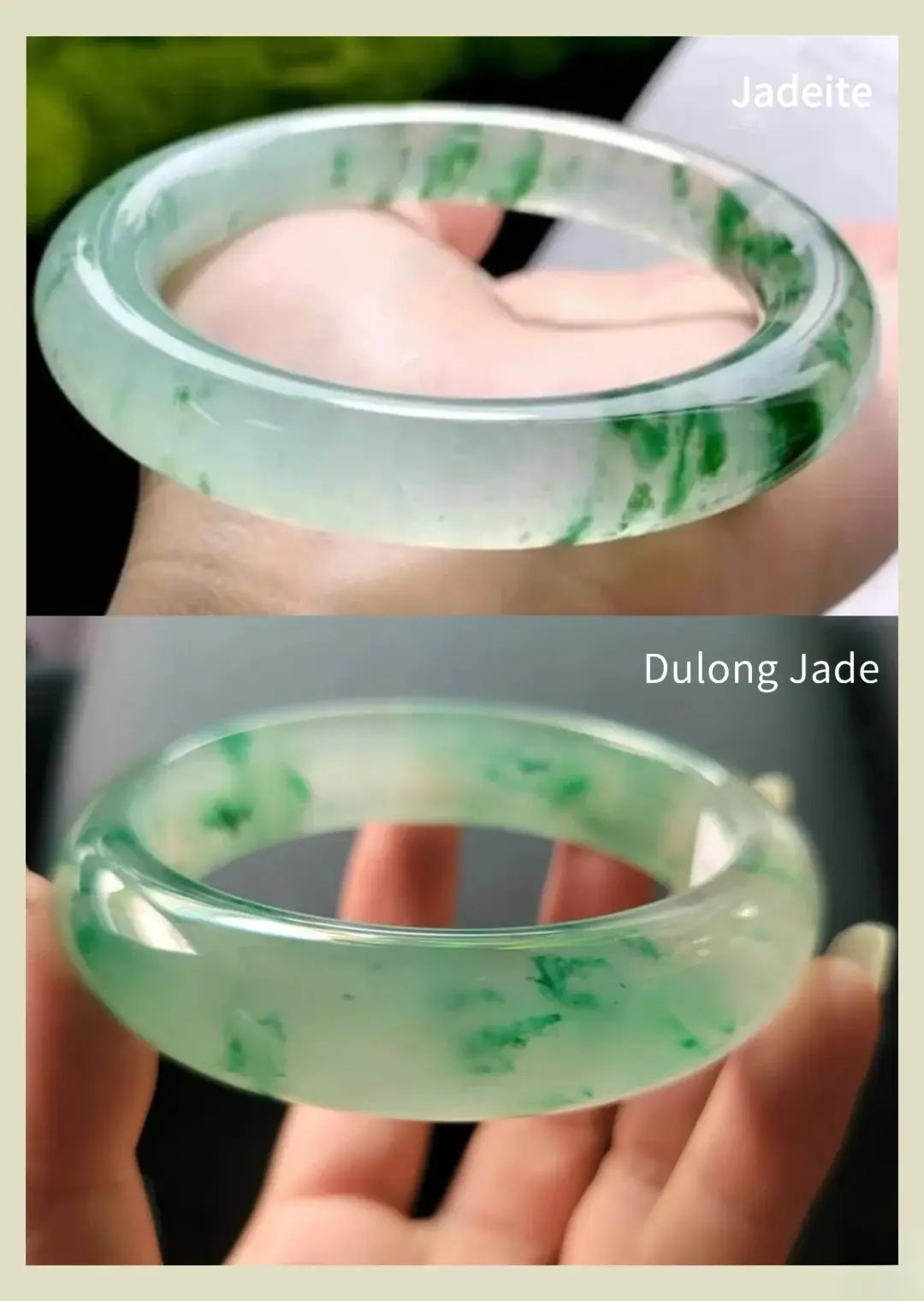
At first glance, the white-base green pattern does resemble icy or glutinous jadeite.
However, their internal structures and optical qualities are fundamentally different.
For a deeper understanding of jadeite and its unique qualities, check out our blog posts:
- 👉 Understanding Jadeite Color Foundation: What Is Huadi and How Does It Affect Jadeite Quality?
- 👉Does High-Quality Jadeite Have No “Cotton”? Understanding the True Beauty of Natural Jade.
These guides will help you better appreciate jadeite’s true beauty and how to identify its quality.
1. Color
- Jadeite: bright, vivid, saturated greens
- Dulong Jade: cooler tones—bluish-green, greyish-green, or dark green
2. Internal Structure (the main difference)
- Jadeite (glutinous/icy types): interlocking fibrous crystal structure
- Dulong Jade: granular quartzite with oriented fuchsite streaks + pyrite dots
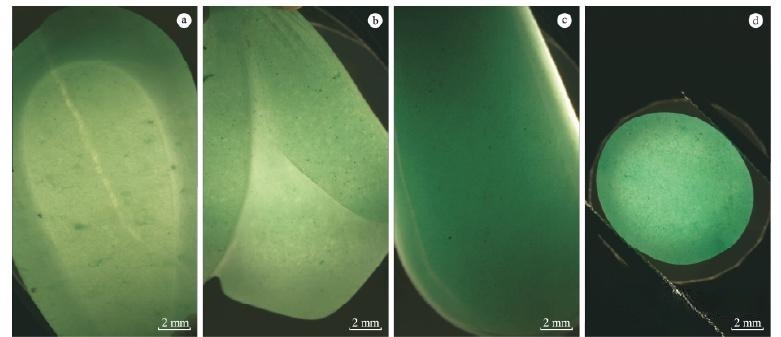
The difference under magnification is unmistakable.
3. Luster & Refractive Index
- Jadeite RI: 1.65–1.67 → stronger brilliance
- Dulong Jade RI: 1.54+ → softer shine
4. Density and “Feel”
- Jadeite SG: 3.30–3.36 → heavier, more solid
- Dulong Jade SG: 2.60–2.80 → noticeably lighter in larger pieces
5. Sound Test
- Dulong Jade: crisp, agate-like sound
- Jadeite: deeper, more mellow tone
Dulong Jade vs Dyed Quartzite
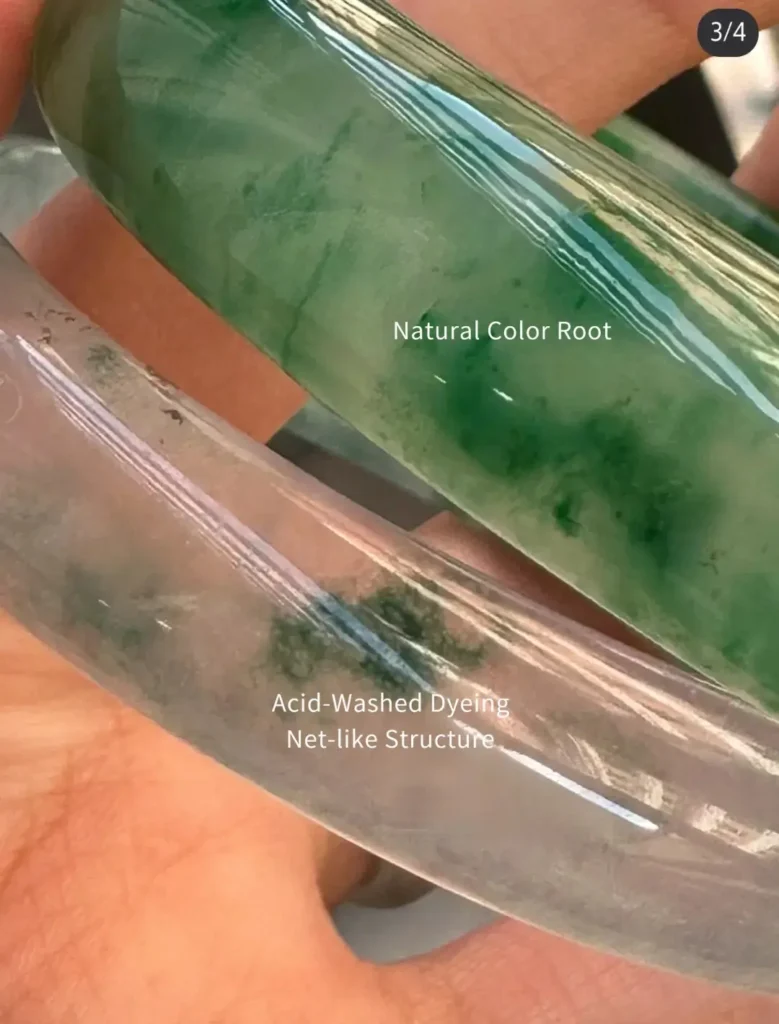
Because both are quartzite-based materials, Dulong Jade is sometimes confused with dyed quartzite—the common “Malaysia Jade.”
Features of Dyed Quartzite
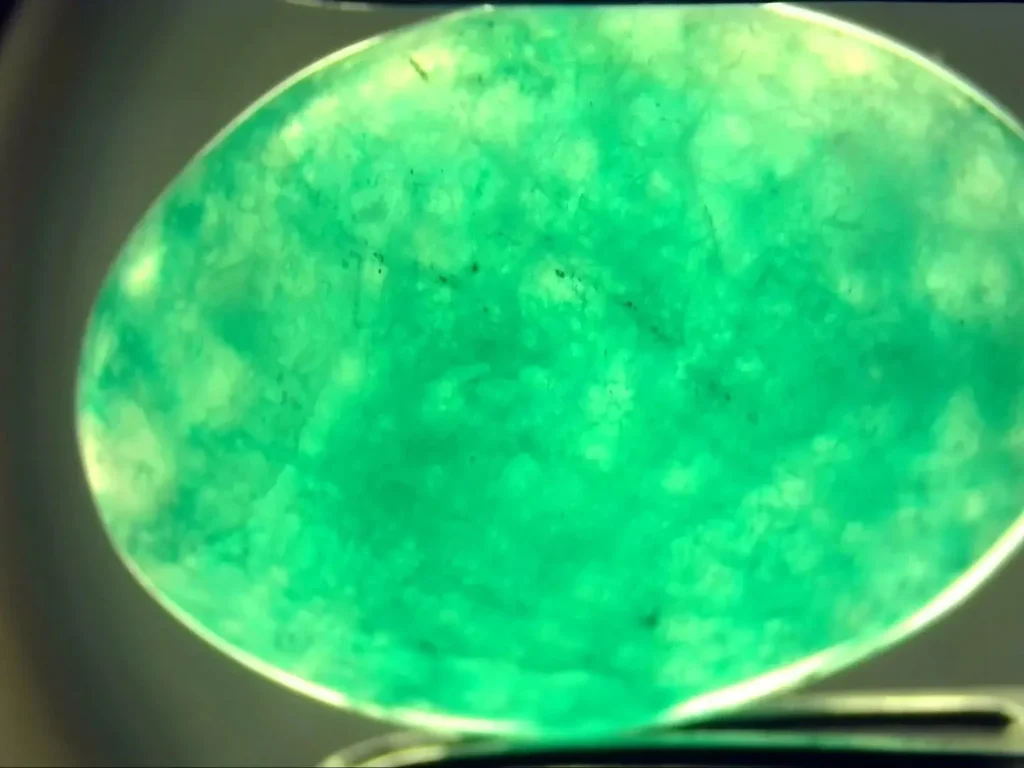
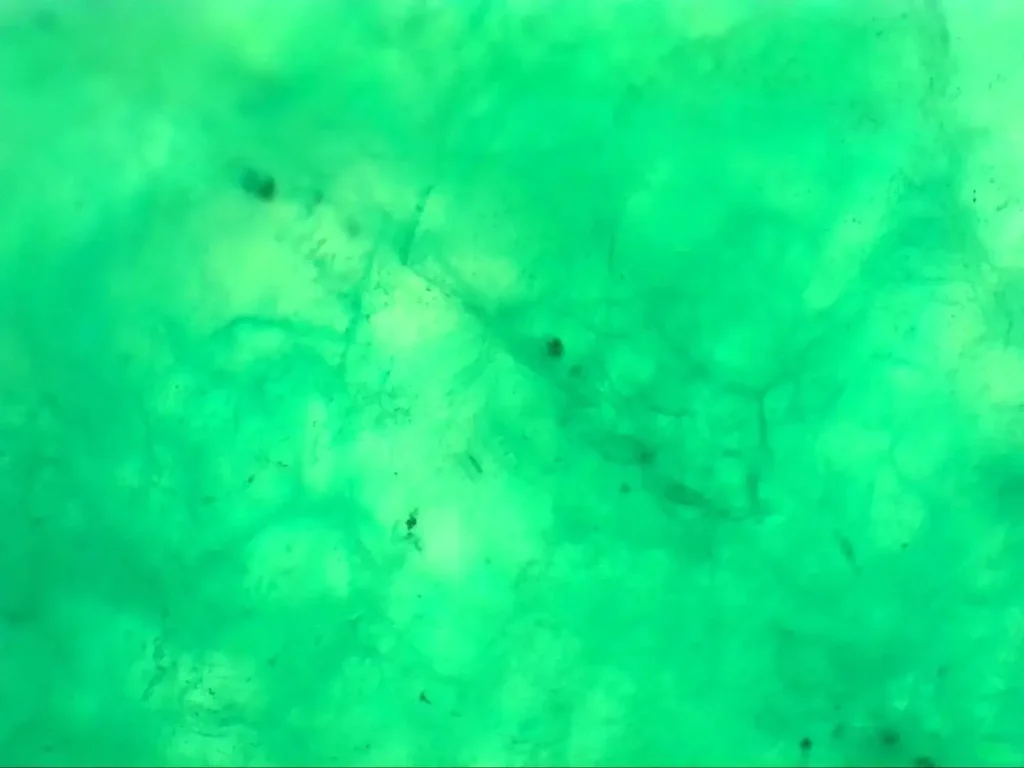
- Dye visible between grains under magnification
- “Net-like” or “loofah fiber” patterns
- Artificial, overly uniform color
Features of Natural Quartzite
- Natural color roots
- Layered color distribution
- Abundant natural inclusions
- No dye seepage
These differences make identification straightforward with simple magnification.
Is Dulong Jade Worth Buying?—Peonyjewels’ Perspective
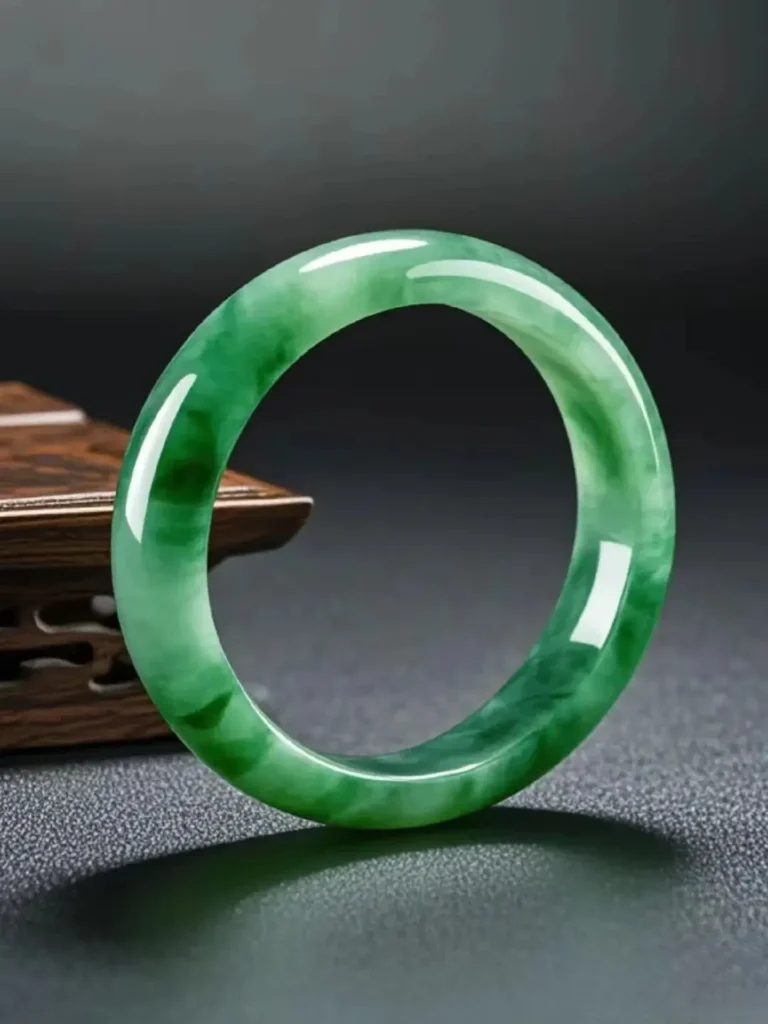
The quartzite remains a niche gemstone due to its remote origin and limited awareness.
High-quality bangles often fall in the mid-range price bracket—higher than typical quartzite jade but far lower than jadeite.
However, it is essential to remain rational:
Dulong Jade may resemble jadeite, but it is not jadeite—and should not be priced or judged as such.
Understanding the true nature of each gemstone allows buyers to appreciate their unique beauty without misconceptions.
For more on jadeite and navigating the jade market, check out PeonyJewels blog post: Jadeite Buying Guide: How to Understand Jade Trade Terms Before You Buy. It will help you make informed decisions and avoid common pitfalls.
Final Thoughts — and What We Offer at Peonyjewels
To summarize, Dulong Jade is a beautiful and intriguing gemstone—a natural quartzite with unique green patterns, shimmering inclusions, and a jade-like appearance. While it can be a visually appealing alternative to jadeite, it belongs to a completely different gemological category.
At Peonyjewels, we believe in celebrating each gemstone for what it truly is.
Alongside our educational content, we also offer:
✨ Custom jewelry services
✨ Handmade vintage earrings and artisan pieces
If you are looking for thoughtful craftsmanship, natural gems, or personalized designs, Peonyjewels is always here to help you create something meaningful and uniquely yours.