Understanding Emerald Color Grading: Your Guide to the World’s Most Captivating Green
Emeralds, one of the “Big Five” recognized precious gems in the international jewelry world, possess a distinct, captivating green that instantly draws the eye. While they boast a singular color, this green has many shades, and factors like color intensity, clarity, and the degree of oil treatment directly impact an emerald’s value. This complexity is why Emerald Color Grading is crucial.
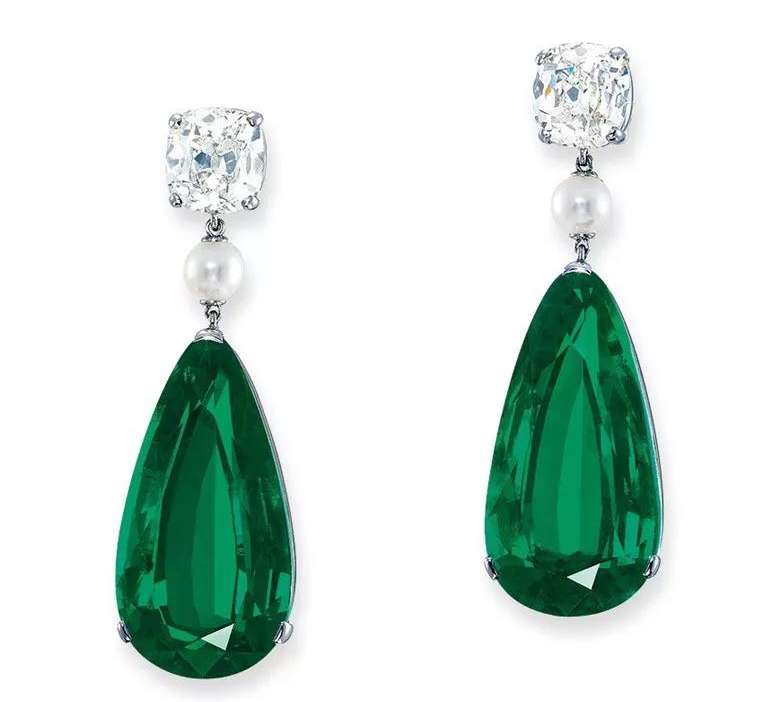
For example, this pair of 23.34/23.18 carat Colombian natural emerald earrings, known for their uniform, saturated color and rare un-oiled state, fetched $4.5 million at a Christie’s Hong Kong Spring Auction in 2019.
Just as with rubies (you may recall our guide on ruby color grading, such as our Pigeon’s Blood? Royal Red? Understanding Six Major Ruby Grading Systems), the lack of a single, universally mandated standard for colored gemstones means different laboratories employ their own unique grading systems for emerald color grading. To help you navigate this market confidently, let’s explore how the world’s leading labs classify the mesmerizing green of this treasured gem.
🔬 The Major Players in Emerald Color Grading
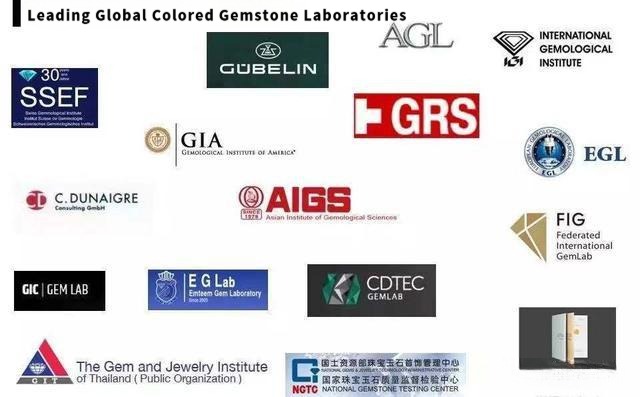
Understanding the specific systems used by top labs is crucial when evaluating an emerald’s certificate. Here is a breakdown of the leading international and national grading bodies.
1. Gübelin (Switzerland) – Simple Emerald Color Grading Approach
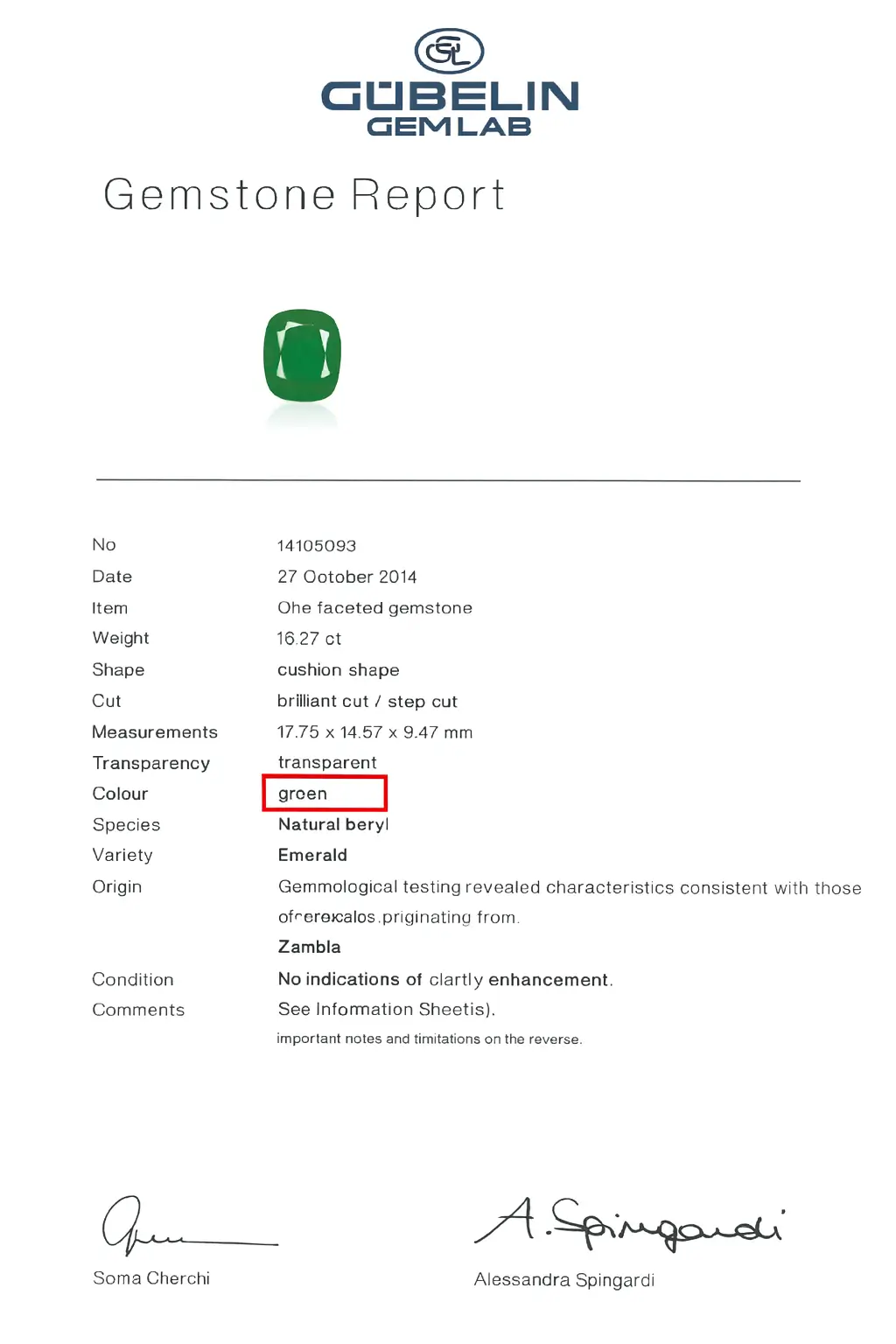
Founded in 1923, the Gübelin Gem Lab is one of the most respected institutions, known for its expertise, professionalism, and reliability. However, when it comes to emerald color grading, their approach is extremely straightforward:
- Color Designation: Simply “Green.”
- Key Takeaway: You cannot determine the emerald’s specific color grade from a Gübelin certificate alone.
It’s worth noting that Gübelin recently pioneered a “nano-DNA” implantation technology at the source to verify the origin of emeralds, a critical factor in their value, reinforcing market transparency.
2. GIA (Gemological Institute of America) – The Diamond Authority Also Grades Color Gems
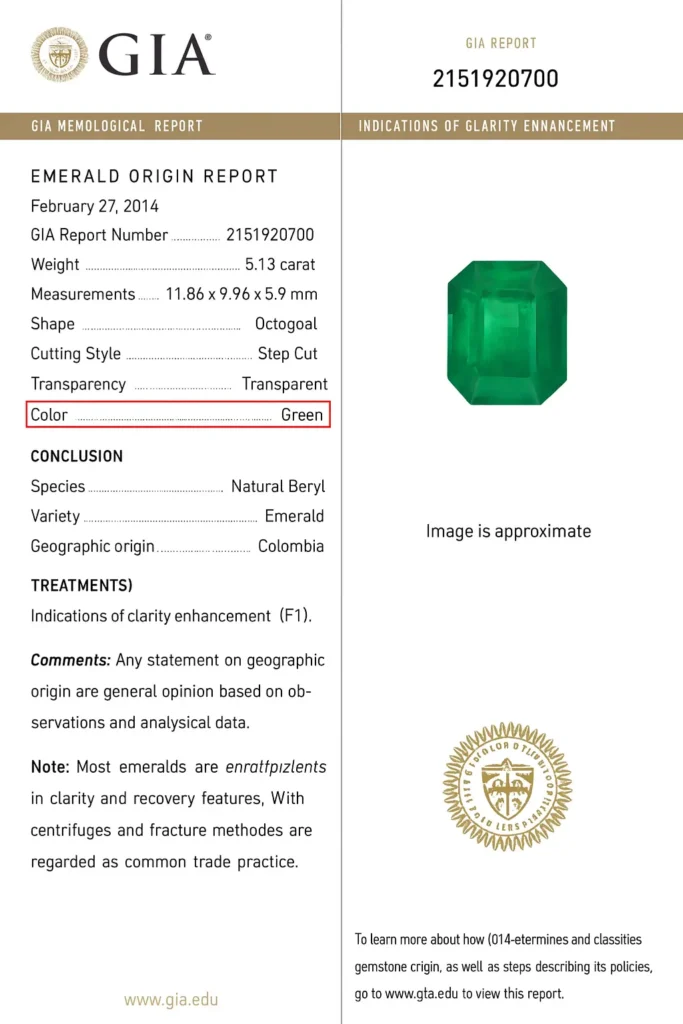
While best known for its globally recognized diamond certificates, the GIA is also a highly authoritative colored gemstone laboratory, utilizing advanced technology and an extensive database. Similar to Gübelin, the GIA maintains a simple standard for emerald color:
- Color Designation: Just “Green.”
- Key Takeaway: Like Gübelin, GIA’s reports do not provide further subdivision or commercial names for emerald color.
3. SSEF (Swiss Gemmological Institute) – Focusing on Saturation
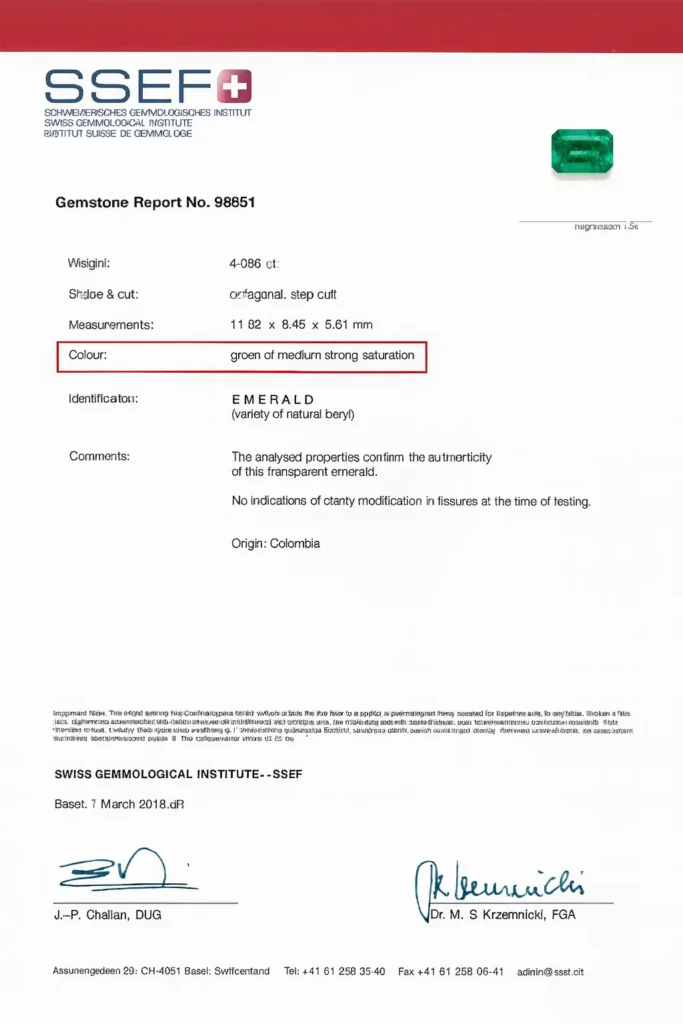
Established in 1974, SSEF is another major, highly-reputable Swiss institution. Their emerald color grading focuses primarily on saturation levels, avoiding commercial terminologies. They categorize the color into three main levels:
- Green of Medium Saturation
- Green of Medium Strong Saturation
- Green of Strong Saturation
🏆 Defining the “Best”: Commercial Names and Top Color Grades
When shopping for high-value emeralds, you will inevitably encounter specific commercial names, which represent the apex of the color spectrum. These are most commonly associated with GRS and GUILD.
4. GRS (GemResearch SwissLab) – The Pioneer of Commercial Color Names
GRS, founded by Dr. A. Peretti in 1996, gained immense popularity as the first lab to use market-recognized color names on its certificates, establishing its reputation particularly in the Asia-Pacific region.
4.1 GRS divides emerald colors into three categories:
| GRS Color Grade | Description |
| Green | Standard Green |
| Vivid Green | Highly saturated Green |
| Vivid Green* | The highest color rating |
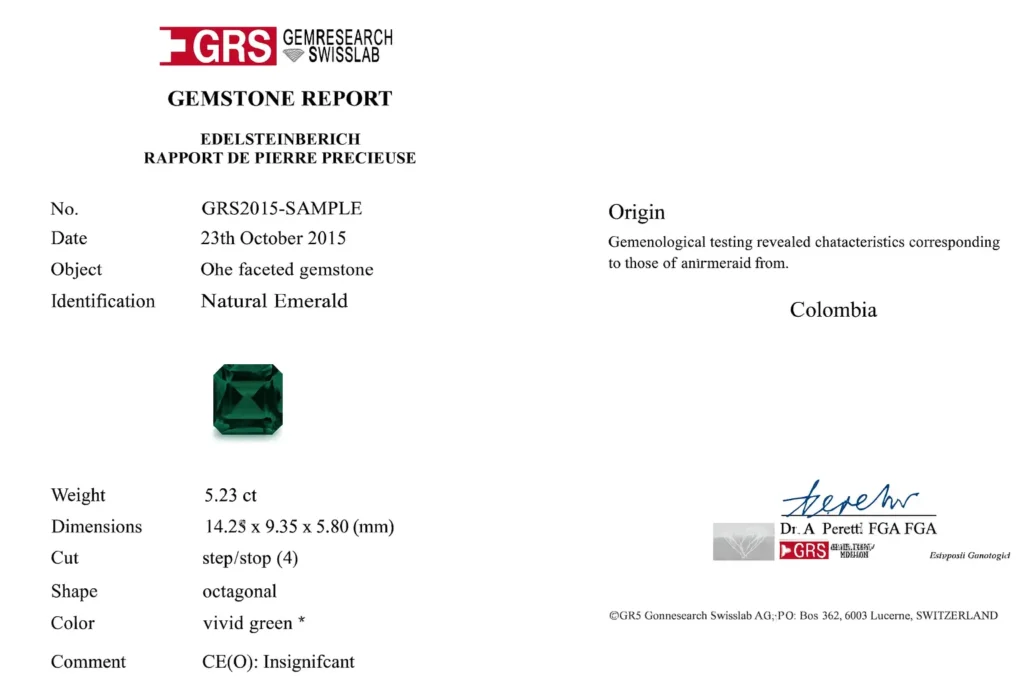
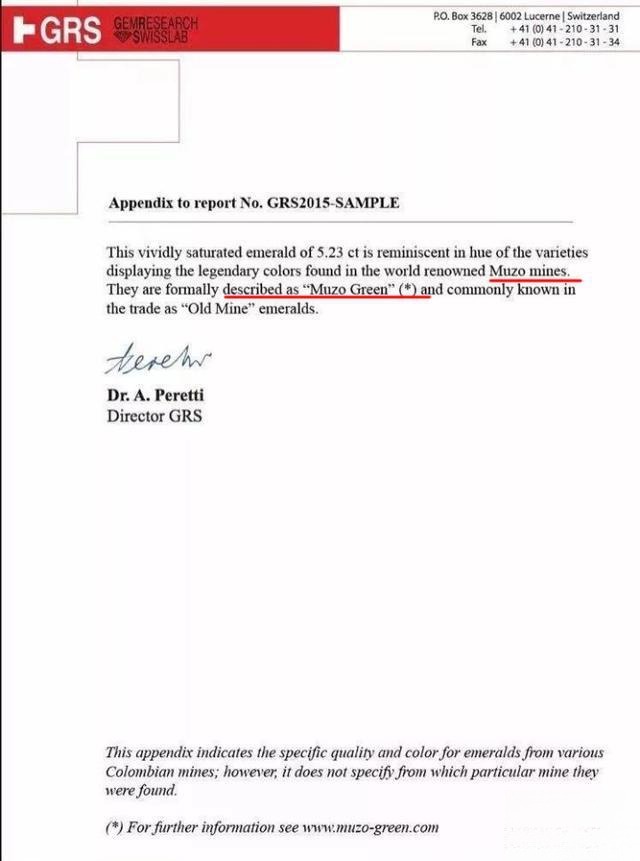
The Vivid Green* grade is GRS’s highest color rating. This tier is often noted with an asterisk (*) to denote the absolute top tier, and is sometimes equated with the commercial name Muzo Green for Colombian stones. When a stone achieves this rating, GRS may also include an appendix on the certificate noting it as Muzo Green (a highly sought-after commercial designation).
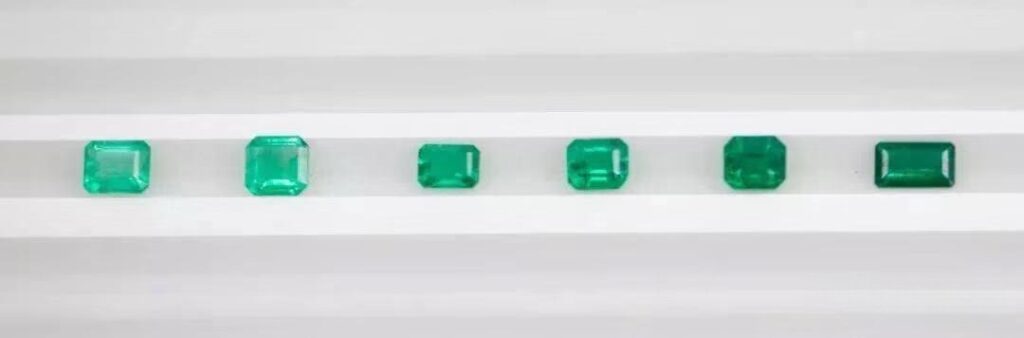
- What is Muzo Green? This term, a commercial moniker, refers to a Colombian emerald with strong “Vivid Green” saturation. Crucially, it does not have to originate from the Muzo mine itself. GRS defines it as a natural emerald that reaches the Vivid Green level, originating from one of Colombia’s four major mining areas (Muzo, Coscuez, Chivor, or Peñas Blancas).
- Important Caveat: Even if the color qualifies, an emerald with significant flaws, obvious color zoning, low-quality inclusions, noticeable surface fissures, or those treated with serious enhancement methods (like severe filling) cannot be designated as Muzo Green.
4.2 The Rarest Inclusion: The ‘Butterfly Effect’ Emerald
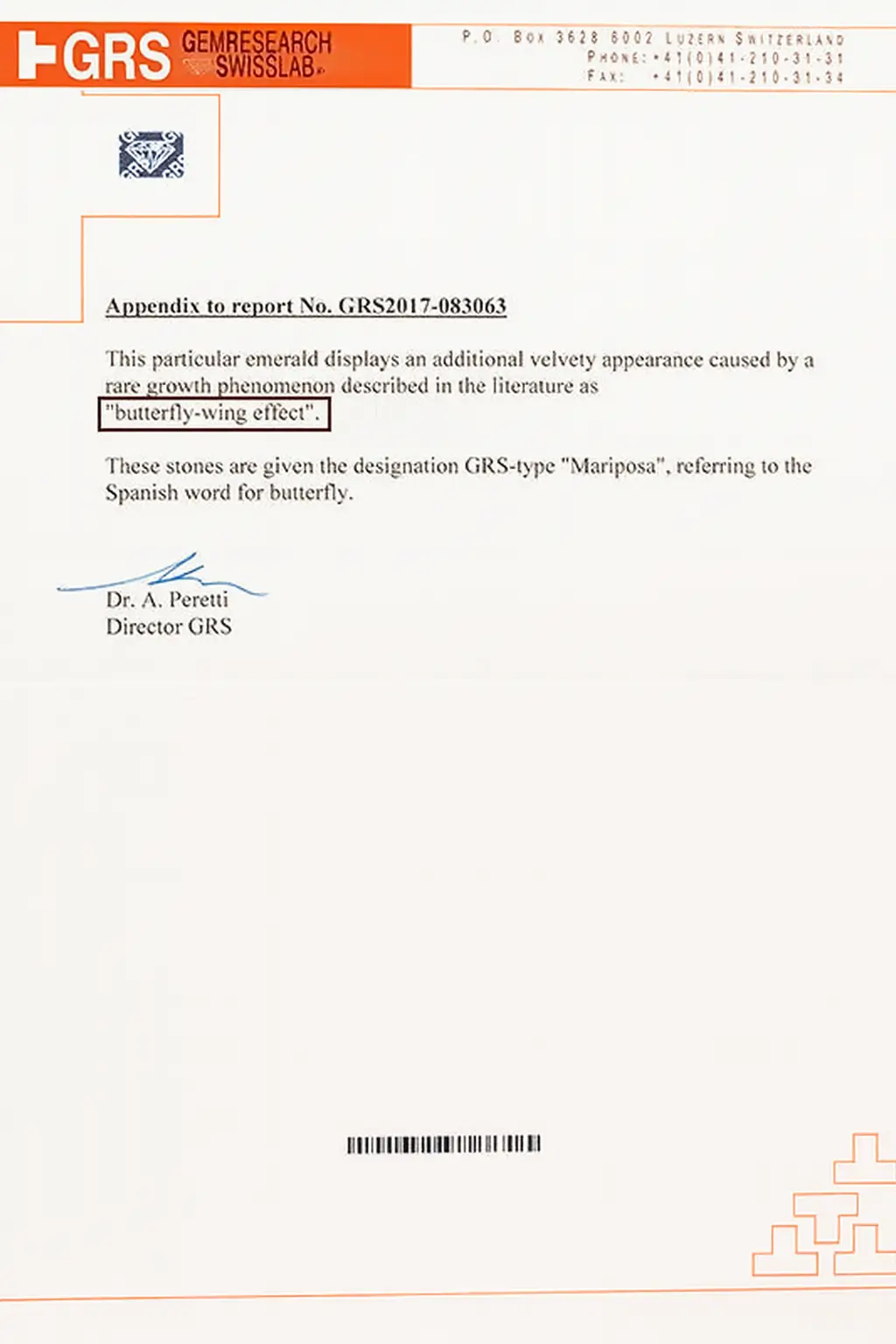
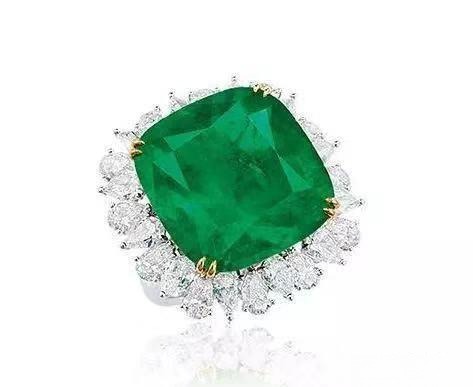
You might also see a special description on a GRS certificate: “The velvety appearance of this emerald is caused by the rare formation phenomenon mentioned in the literature (Butterfly Effect).” Also known as an “oil drop” emerald, this rare phenomenon gives the stone a unique, oily, or velvety appearance. A GIA gemologist once suggested that finding even one of these in 1,000 top-quality emeralds is a good outcome. A stone combining rich color, brilliant luster, and the “oil drop” effect is considered a true gemological prize.
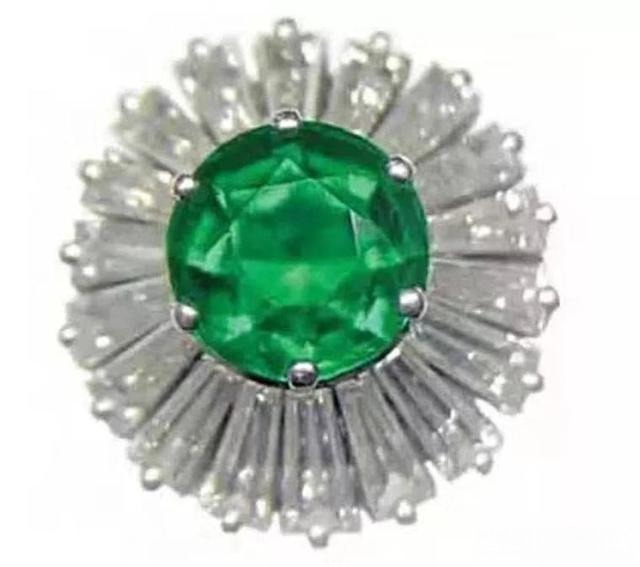
5. GUILD (Gemological Laboratory) – Focusing on Saturation and Brightness
GUILD, established in 1980 and known for its focus on colored gemstones, uses the Munsell color theory and a physical master stone set to classify emerald color into five primary levels:
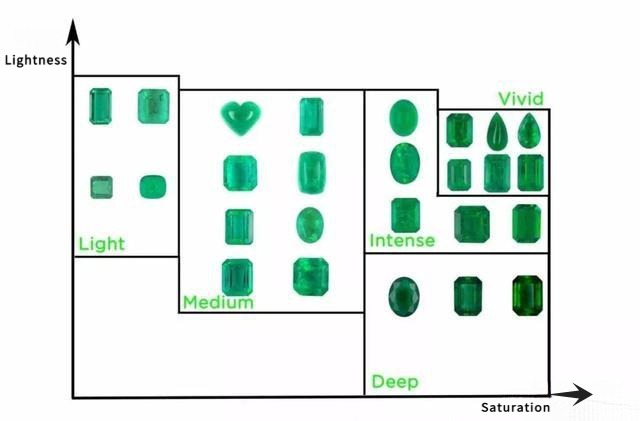
- Light
- Medium
- Intense
- Vivid
- Deep
Verdant Green is GUILD’s highest color grade, representing the part of the Vivid category with the highest brightness and saturation.
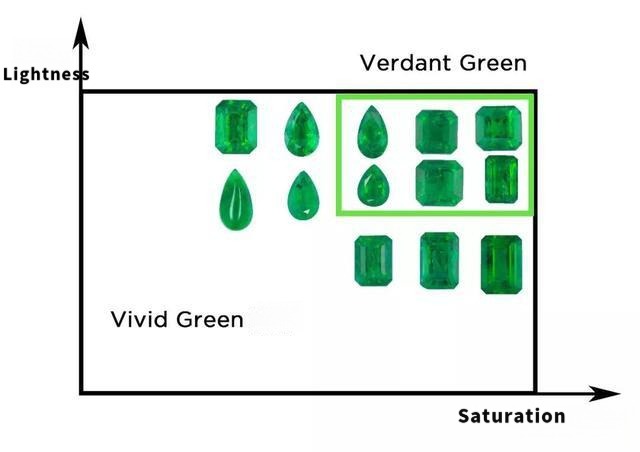
- What is Verdant Green? GUILD defines it as a natural emerald that reaches the Vivid Green level but possesses even higher brightness and saturation.
- GUILD’s Requirements: The stone must be natural, reach the necessary high saturation, and cannot have significant quality issues, obvious filler/fissures, or moderate to severe clarity enhancement.
- No Origin Restriction: Unlike Muzo Green, GUILD does not impose an origin requirement, believing that a stone’s color grade should be independent of its source.
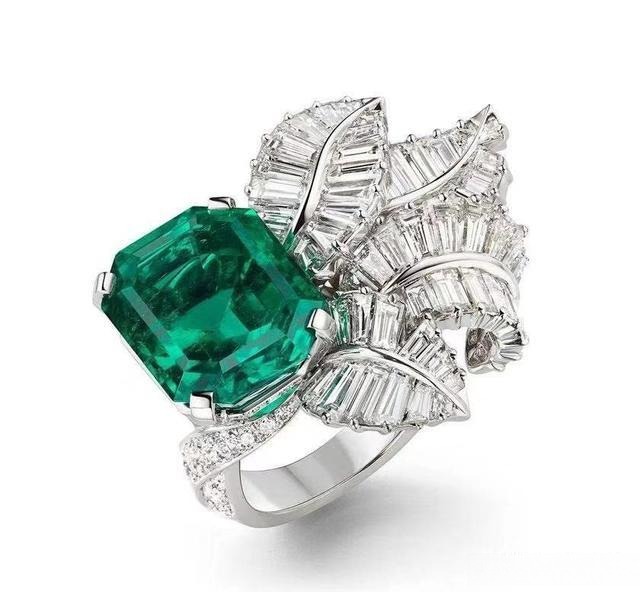
| Comparison | Muzo Green (GRS) | Verdant Green (GUILD) |
| Lab | GRS (GemResearch SwissLab) | GUILD Gemological Laboratory |
| Top Grade | Vivid Green* | Highest Saturation/Brightness within Vivid |
| Origin Restriction | Yes (Must be from Colombia’s four main mining areas) | No (Any origin that meets color criteria) |
6. NGTC (National Gemstone Testing Center) – China’s Standard
Finally, the NGTC (China’s national authority) classifies emerald color based on three hues and four saturation levels, mirroring their detailed approach to rubies.
The final color description uses a “Saturation + Hue” method (e.g., Very Vivid Yellowish Green). NGTC certificates typically do not include origin information or the commercial grade names.
6.1. Color Classification by Hue
NGTC classifies the primary color based on three core hues.
| English Hue | Abbreviation | Observation Characteristics | Hue Reference Value |
| Green | G | The dominant color is pure green, or green with an extremely slight, barely perceptible yellowish or bluish modifier. | ≈ 5G |
| Yellowish Green | yG | The dominant color is green, with a slightly perceptible yellowish modifying hue. | 2.5G – 5G |
| Bluish Green | bG | The dominant color is green, with a slightly perceptible bluish modifying hue. | 5G – 2.5bG |
Note: The Hue Reference Values (e.g., 5G, 2.5bG) are based on the Munsell color system, used here to provide a standardized reference for the color boundaries defined by NGTC.
6.2. Color Classification by Saturation (Chroma)
NGTC subdivides the green color based on four levels of saturation/vividness.
| English Grade | Abbreviation | Observation Characteristics |
| Very Vivid Green | VVG | Exhibits a vivid green color under reflected light; the color is bright and highly saturated. It appears relatively bright. |
| Intense Green | IG | Exhibits a deep green color under reflected light; the color is concentrated and full, appearing relatively dark. |
| Green | G | Exhibits a medium concentration of green color under reflected light; the color is moderate in depth. |
| Light Green | LG | Exhibits a light green color under reflected light; the color is weak and shallow. |
Note: For the NGTC system, the abbreviation for the top grade is often rendered as VVG (Very Vivid Green) in professional contexts to align with the “yan” (very vivid) aspect.
📊 PeonyJewels Summary: Comparative Emerald Color Grading Systems
Comparative Chart of Emerald Color Grading Systems Across Major Laboratories
| Lab/Tier | Gübelin | GIA | SSEF | GRS | GUILD | NGTC |
| Tier 1 | Green** | Green** | Medium Saturation Green | Green | Light | Green (G) |
| Tier 2 | Medium Strong Saturation Green | Vivid Green | Medium | Yellowish Green (yG) | ||
| Tier 3 | Strong Saturation Green** | Vivid Green** | Intense | Bluish Green (bG) | ||
| Tier 4 | Vivid | Very Vivid Green (VVG)** | ||||
| Tier 5 | Verdant Green** | Intense Green (IG) | ||||
| Tier 6 | Deep | Light Green (LG) | ||||
| Tier 7 | VVG Yellowish Green | |||||
| Tier 8 | VVG Bluish Green | |||||
| Tier 9 | IG Yellowish Green | |||||
| Tier 10 | IG Bluish Green | |||||
| Tier 11 | LG Yellowish Green | |||||
| Tier 12 | LG Bluish Green |
Note: Tiers marked with double asterisks (**) represent the highest color grade assigned by that particular laboratory.
While the grading standards from different institutions vary, leading to a complex market, it’s vital to remember a core principle: don’t overly rely on the certificate alone. Color perception is personal, and even labs have an element of subjectivity. Whether a gem is defined as Muzo Green or Verdant Green, the highest value lies in the stone that captures your heart. The best emerald is ultimately the one you love.
Ready to take the next step in your purchase journey? To ensure you make the most informed decision about cut, origin, treatments, and more, dive deeper with our comprehensive guide:
👉 PeonyJewels Blog Post: Emerald Buying Guide: 10 Essential Questions About Color, Origin, Cut, and Care.
💍 Let PeonyJewels Bring Your Ideal Emerald to Life
Navigating the world of emerald color grading ensures you are an informed buyer, but true luxury is having a piece designed uniquely for you.
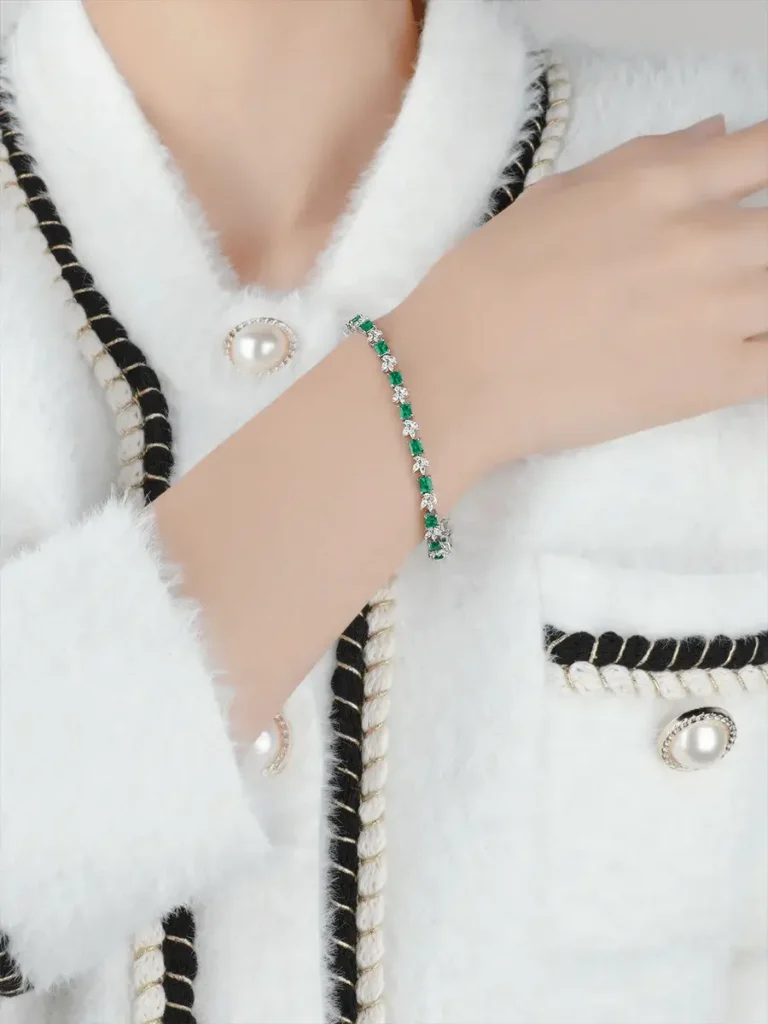
At PeonyJewels, we specialize in sourcing exceptional, certified emeralds and transforming them into timeless treasures. Whether you desire a bespoke engagement ring featuring a vivid, top-grade emerald or are searching for an exquisite, handmade vintage earring design, our customization service is ready to turn your vision into reality.
Discover the difference that expert sourcing and original design can make.
- Ready to design your perfect pair of handcrafted vintage emerald earrings or a bespoke jewelry piece?