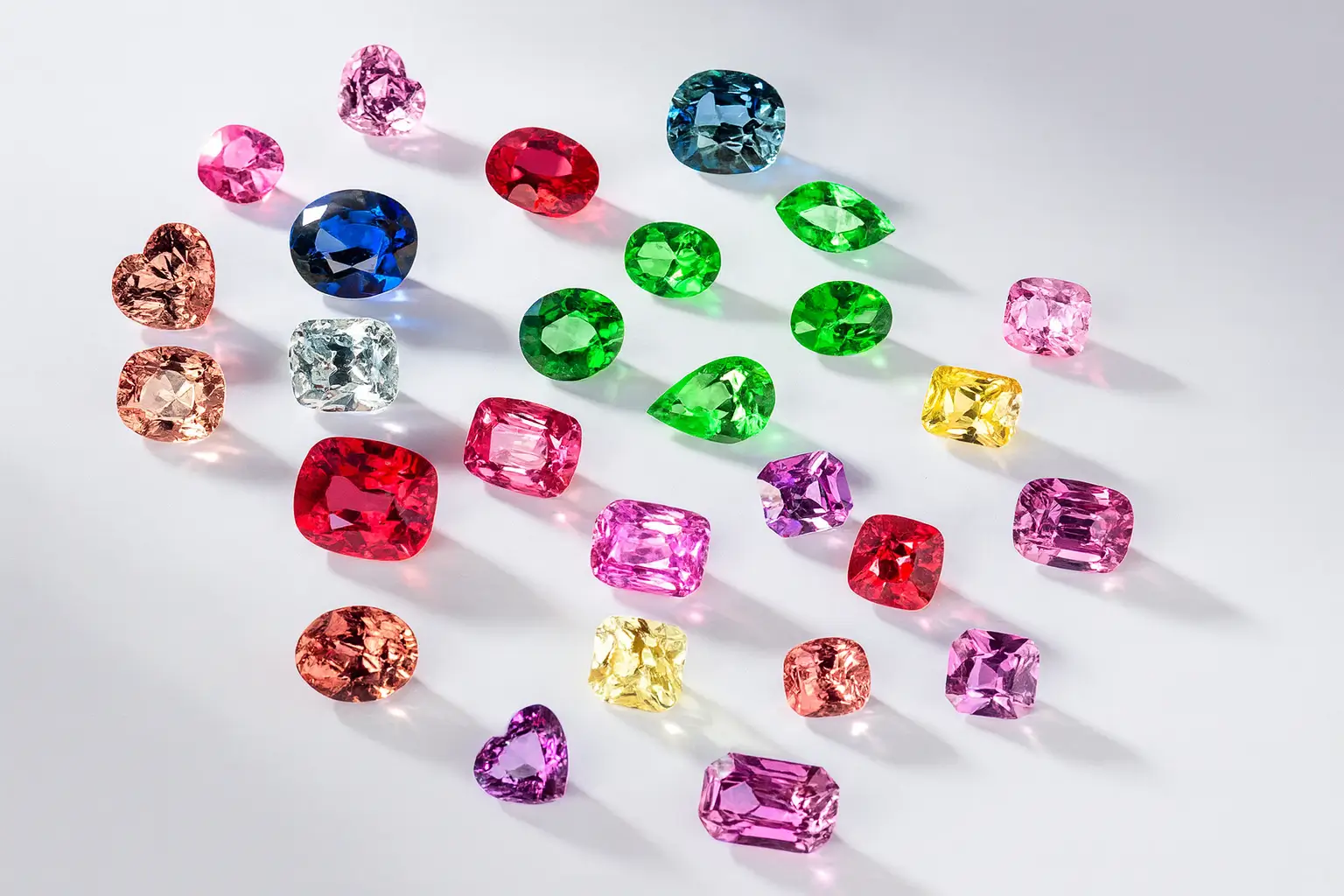
Fancy Colored Sapphires: A Complete Color Spectrum Guide to the Corundum
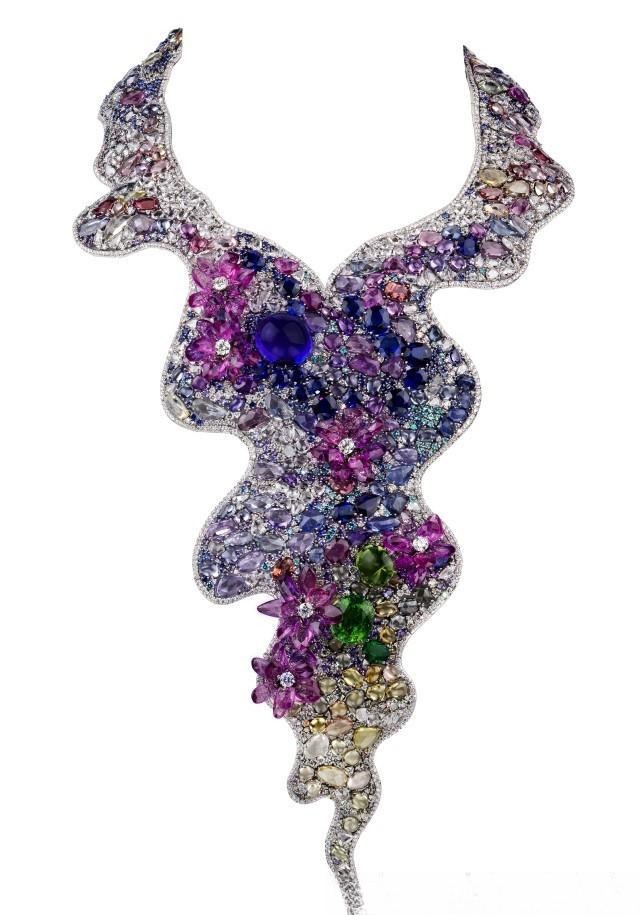
Why do designers, collectors, and everyday jewelry lovers alike turn to fancy colored sapphires?
Offering near-diamond hardness for daily wear, an extraordinary spectrum of natural colors, and unmatched design versatility, sapphire has become one of the most intelligent gemstone choices in modern fine jewelry.
This guide explores the full sapphire color spectrum—from timeless Royal Blue to the exceptionally rare Padparadscha—revealing why sapphire continues to reign supreme in the world of colored gemstones.
Defining Sapphire: Hardness and the Color Spectrum
Sapphire stands out as one of the most versatile and durable gemstones available today. Its remarkable hardness, high light dispersion, and vivid color saturation make it a favorite for fine jewelry and collectors alike.
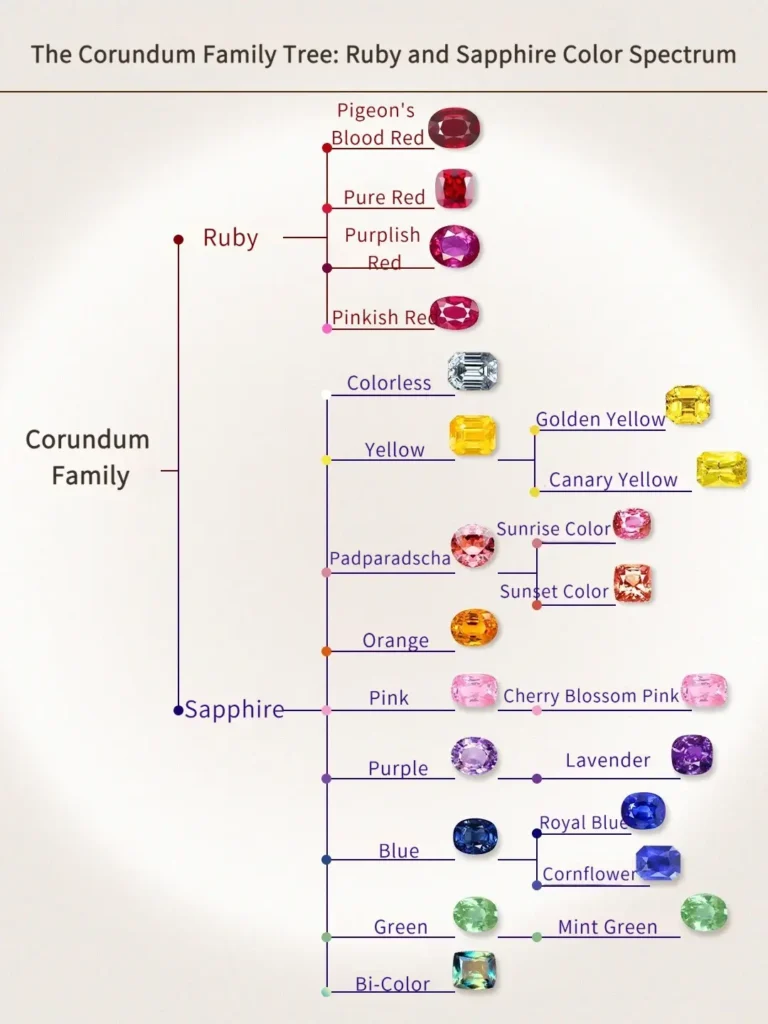
The term “sapphire” refers to all corundum minerals that are not red (which are classified as ruby). The classic blue hue is known as Blue Sapphire. However, all other non-blue corundum varieties are collectively known as Fancy Colored Sapphires, and they include a captivating range of colors:
- Pink – romantic and increasingly sought after
- Yellow – warm and vibrant
- Orange – rare and highly collectible
- Purple – elegant and dreamy
- Green – vibrant with remarkable luster
- Colorless (White) – the durable diamond alternative
We begin our exploration with the most iconic: Blue Sapphire, renowned for its royal elegance and enduring popularity.
Blue Sapphire: The Standard of Royal Elegance
Blue sapphire represents the benchmark of elegance, durability, and prestige in fine jewelry. Renowned for its timeless beauty and exceptional strength, it has long been the definitive reference point for all colored gemstones.
Its iconic blue color is created by the interaction of iron (Fe) and titanium (Ti) within the corundum crystal structure. Higher iron content typically produces deeper, sometimes nearly blackish-blue tones, while increased titanium results in brighter, lighter blue hues.
Color Grading and Prestige Shades
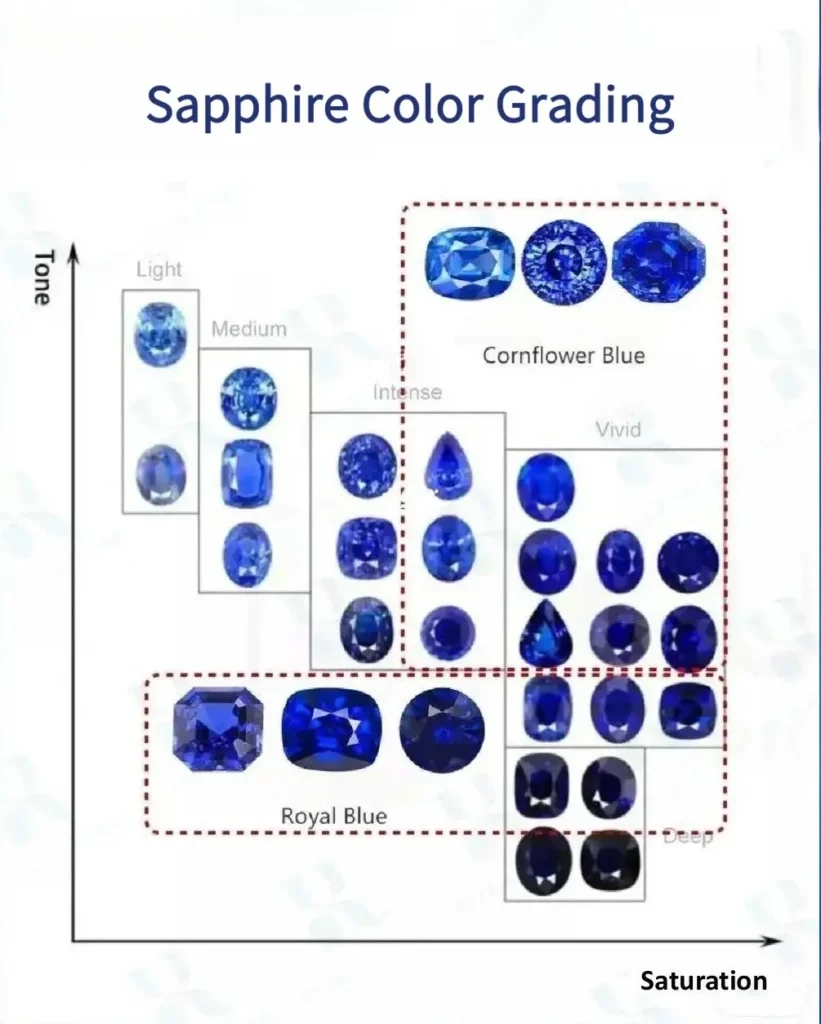
Gemologists classify blue sapphires by color tone, saturation, and brightness into five broad categories: light blue, medium blue, intense blue, vivid blue, and deep blue. Among these, two color grades command the highest prestige in the global market:
- Cornflower Blue
A velvety, slightly purplish intense blue with a soft, hazy appearance. This color is prized for its gentle diffusion of light and refined elegance. - Royal Blue
A deeper, purer blue with exceptional saturation and richness. Royal Blue sapphires display remarkable depth and intensity, making them highly sought after for high-end jewelry.
To fully appreciate the nuances that differentiate these prestigious hues and to learn about the complete spectrum of blue sapphire color classifications, including the seven key shades, read our comprehensive resource:
PeonyJewels Blog: Sapphire Color Classification: The Complete Guide to the Seven Shades of Blue.
Key Properties of Blue Sapphire
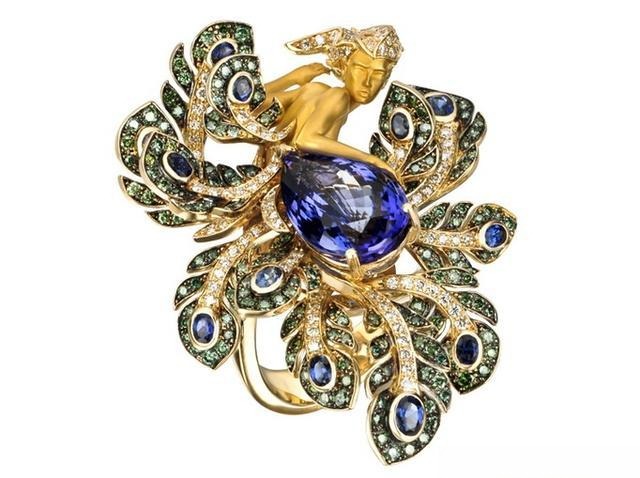
The gemological properties of corundum explain why sapphire is exceptionally suited for everyday fine jewelry, even in engagement rings and heirloom pieces.
| Characteristic | Specification |
|---|---|
| Crystal Structure | Trigonal system |
| Refractive Index (RI) | 1.762–1.770 |
| Birefringence | 0.008 (shows distinct pleochroism) |
| Density | Approx. 4.0–4.1 g/cm³ |
| Hardness (Mohs) | 9 (high wear resistance) |
| Luster | Vitreous to sub-adamantine, transparent to translucent |
With a Mohs hardness of 9, sapphire offers outstanding resistance to daily wear, ranking second only to diamond in durability. This combination of beauty and toughness is a key reason sapphire remains a favorite among designers and collectors alike.
Major Origins of Blue Sapphire
Each sapphire origin contributes distinct visual and value characteristics. Understanding these differences helps collectors and buyers set realistic expectations.
- Sri Lanka (Ceylon)
Known for bright, lively blues with excellent transparency and strong brilliance. Often considered the best balance of quality and value. - Madagascar
Produces a wide range of colors, including stones comparable to fine Ceylon sapphires, offering excellent availability and competitive pricing. - Myanmar (Burma)
Historically associated with classic Royal Blue sapphires. Stones show even color and strong saturation, but fine material is increasingly rare. - Kashmir
Legendary for its velvety Cornflower Blue hue with a subtle purplish tone. Deposits are nearly exhausted, making genuine Kashmir sapphires extremely scarce. - Montana, USA
Recognized for “steel blue” sapphires with clean clarity and even color distribution, often favored for modern jewelry designs.
While these are the major sources, the world of sapphire origins is vast. To delve deeper and discover more about the geology and unique features of lesser-known mining locations, please read the PeonyJewels Blog full article: The Hidden Secrets of Sapphire Origins: Discover the Lesser-Known Sources of September’s Birthstone.
The Star Effect (Asterism)
In some blue sapphires, fine silk-like rutile inclusions align within the crystal, creating a striking optical phenomenon known as asterism. When cut en cabochon, these inclusions reflect light as a star pattern, most commonly with six rays, though rare twelve-ray stars can also occur. Star sapphires are valued for their unique character and visual drama rather than traditional transparency.
The Alluring World of Fancy Colored Sapphires
The Fancy Colored Sapphires category presents an exciting palette, offering diverse choices for collectors.
1. Pink Sapphire: Chrome’s Signature Hue
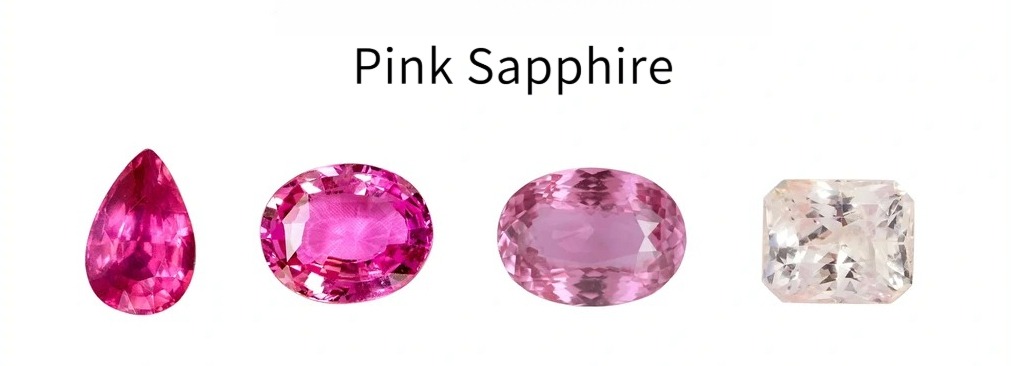
Pink sapphire owes its color to chromium (Cr), and its value is driven almost entirely by color intensity and clarity.
- Color Range
Hot pink, vivid pink, purplish pink, and vivid purplish pink. - Top Market Grades
Rare shades such as Cherry Blossom Pink and Neon Pink command significant premiums. - Value Factors
Higher saturation and cleaner clarity directly increase price, often placing fine pink sapphires just below Padparadscha in value. - Primary Origins
Myanmar, Sri Lanka, and Madagascar, with Burmese stones prized for strong fluorescence.
Distinguishing between the pink sapphires from these top sources can be challenging even for experts. For a detailed guide on the distinct characteristics and inclusions gemologists use to identify stones from Madagascar versus Sri Lanka, see PeonyJewels blog post: Madagascar vs Sri Lanka Pink Sapphires: How Experts Identify Real Gems by Origin and Inclusions.
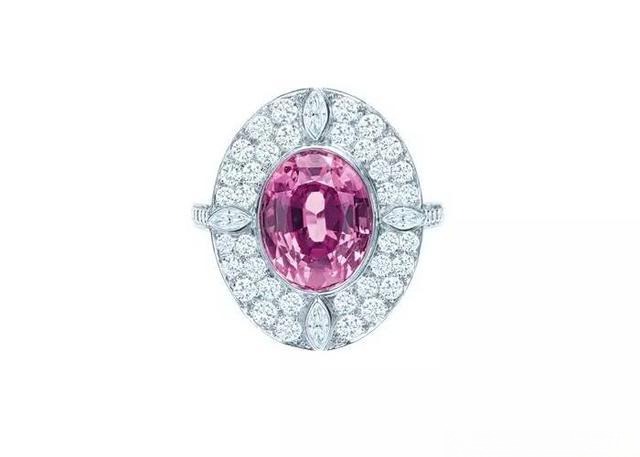
2.Yellow Sapphire: Golden Brilliance and Growing Value
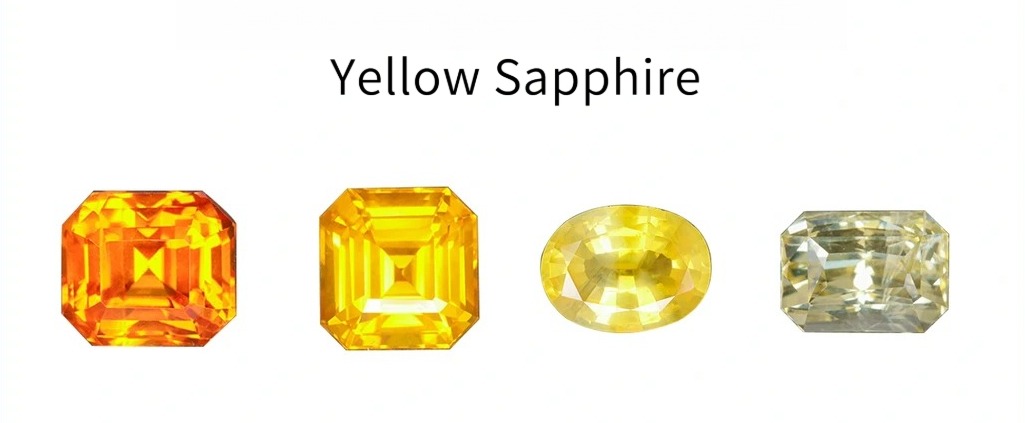
Yellow sapphire stands out for its warm glow and increasing market appeal. Ferric iron within the crystal structure creates its yellow coloration, producing a spectrum that ranges from pale lemon and canary yellow to rich golden and honey tones, as well as light brownish-yellow shades.
Among these, golden yellow represents the most desirable color. Stones with strong saturation and minimal brown or green undertones display superior brilliance and command the highest prices. In recent years, market demand for vivid golden yellow fancy colored sapphires—often referred to as Canary Sapphires—has grown steadily, positioning them as both elegant jewelry stones and increasingly collectible assets.
To learn more about Yellow Sapphire from a professional perspective, read the Peony Jewels blog article: Yellow Sapphire — The Golden Alternative to Yellow Diamonds.
The article examines Yellow Sapphire through the lens of real-world wearability and market dynamics, explaining why—despite its visual similarity to yellow diamonds—it offers more accessible pricing and greater design flexibility.
Origins of Yellow Sapphire
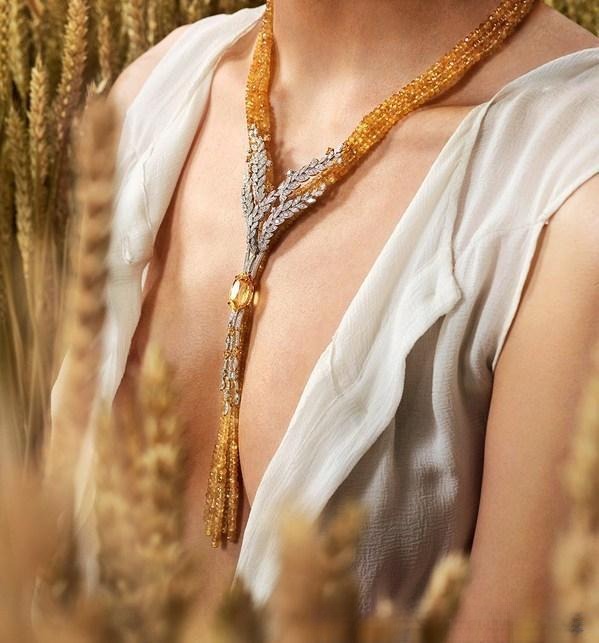
Although yellow sapphire appears less frequently than blue or pink varieties, a few regions consistently produce fine material.
- Australia
Supplies a significant portion of yellow sapphires, often with deeper golden tones and excellent durability. - Sri Lanka
Known for brighter, cleaner yellow sapphires with high transparency and refined brilliance. - Myanmar (Burma)
Produces limited quantities of yellow sapphire, but fine stones show attractive saturation and strong visual presence.
Overall, yellow sapphire deposits remain relatively scarce, and the limited supply—combined with rising appreciation for golden hues—continues to support long-term value growth.
3. Orange Sapphire: Vivid Warmth and Exceptional Rarity
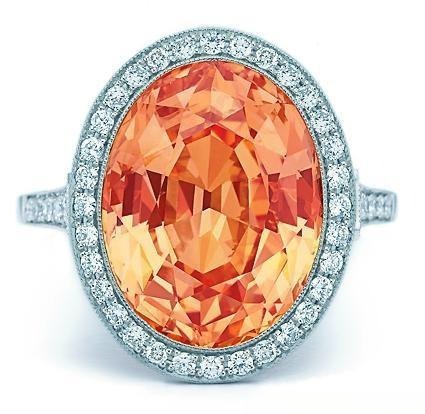
Orange sapphire captivates collectors with its warm, energetic glow, yet truly fine material remains uncommon. Pure, naturally saturated orange sapphires occur rarely in nature, and many stones available on the market have undergone heat treatment to enhance color. Even so, collectors prize vivid orange stones that display a subtle reddish undertone, as this balance creates the most visually striking appearance.
Color Grading and Quality Factors
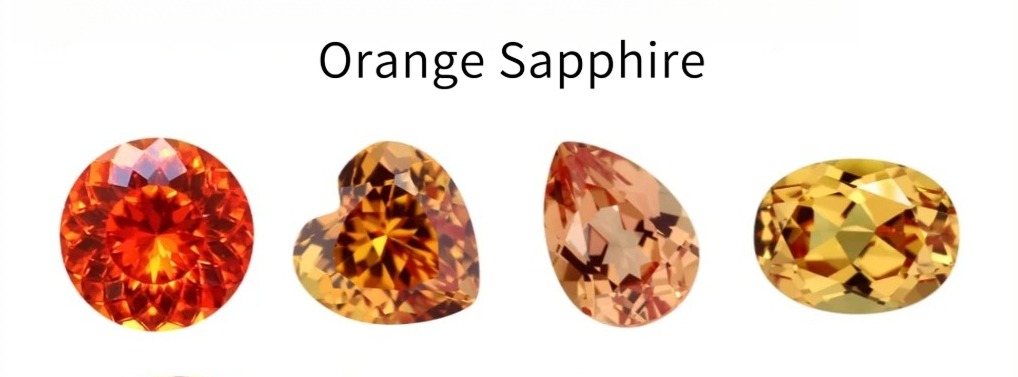
Gemologists classify orange sapphires into four primary color categories: orange-red, vivid orange, orange, and light orange. Among these, orange-red varieties with strong saturation and a gentle reddish glow represent the highest quality. In contrast, stones showing gray or brown modifiers appear dull and command significantly lower value.
Naturally occurring orange sapphires with high saturation and clean clarity are extremely rare worldwide, which directly contributes to their growing desirability among collectors and designers.
Origins of Orange Sapphire
Several regions produce orange sapphire, although fine-quality material remains limited.
- Sri Lanka
Produces highly transparent orange sapphires with bright, lively color and refined brilliance. - Madagascar
Known for distinctive pink-orange and red-orange sapphires, often displaying unique and expressive color combinations. - Tanzania and Australia
Supply smaller quantities of quality orange sapphires, adding diversity to the global market.
Overall, the combination of limited natural supply, strong visual impact, and increasing design demand continues to elevate orange sapphire’s status within the fancy colored sapphire family.
4. Padparadscha Sapphire: The Sacred Lotus of Fancy Colors
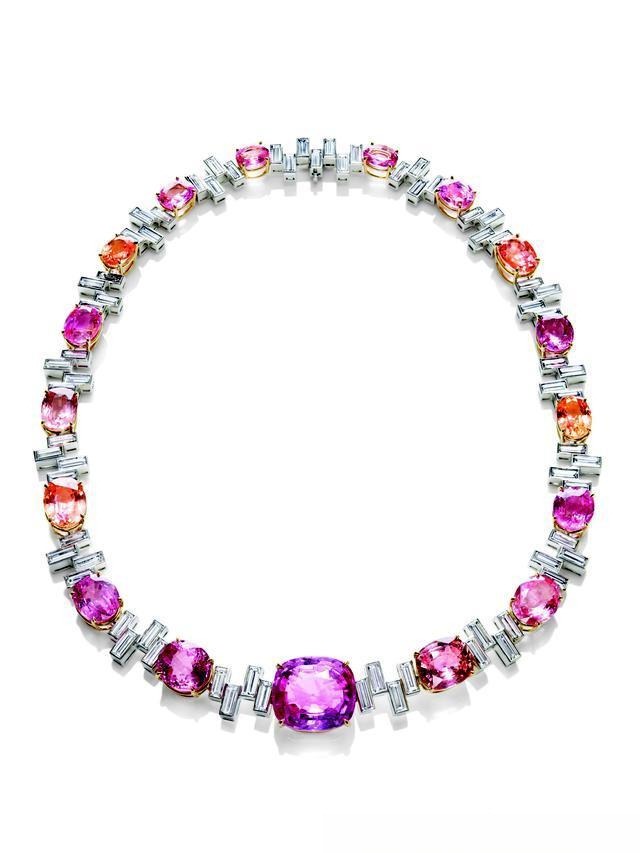
Padparadscha sapphire stands apart as the most precious member of the fancy colored sapphire family. It is the only corundum variety besides ruby that carries its own distinct name, highlighting its rarity and cultural significance.
Definition and Cultural Significance
The name “Padparadscha” comes from the Sinhalese word Padmaraga, meaning “lotus flower.” This gemstone embodies a sacred color in South Asian culture, symbolizing purity, life, and elegance. Its delicate pink-orange hue has captivated collectors and jewelers alike for centuries.
Color Standards and Quality
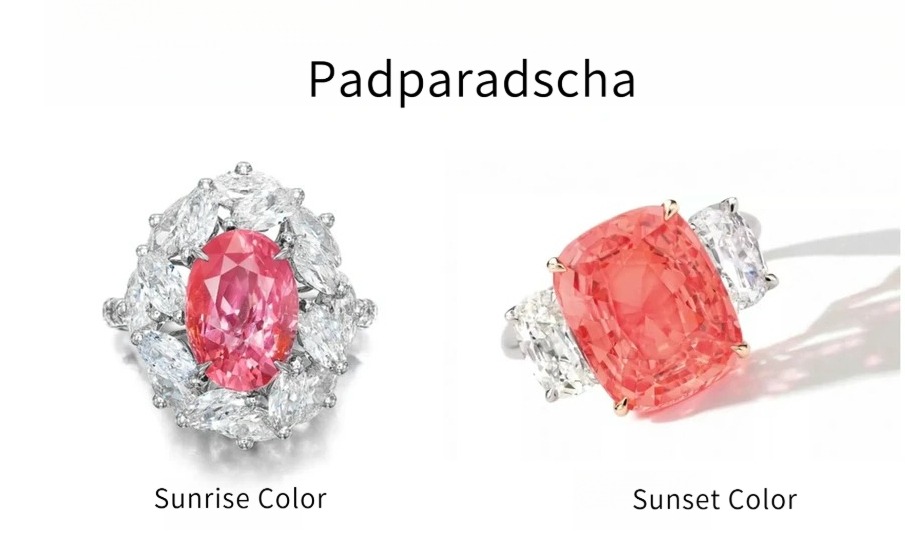
Padparadscha must display a precise balance of pink and orange tones, with each color occupying roughly 30%–70% of the gem. This delicate spectrum has led collectors and gemologists to recognize specific idealized hues:
- Sunrise Color: Characterized by a pink dominance, often described as approximately 70% Pink + 30% Orange.
- Sunset Color: Characterized by an orange dominance, often described as approximately 70% Orange + 30% Pink.
- Lotus Flower Color (The Ideal): Represents a perfect balance, typically near 50% Pink + 50% Orange.
Stones with additional modifying colors are classified as either pink or orange sapphires rather than true Padparadscha. Among collectors, top-quality specimens combine vivid saturation, clear color distinction, and minimal inclusions, resulting in stones that rival the finest blue sapphires in both beauty and market value.
Rarity and Market Value
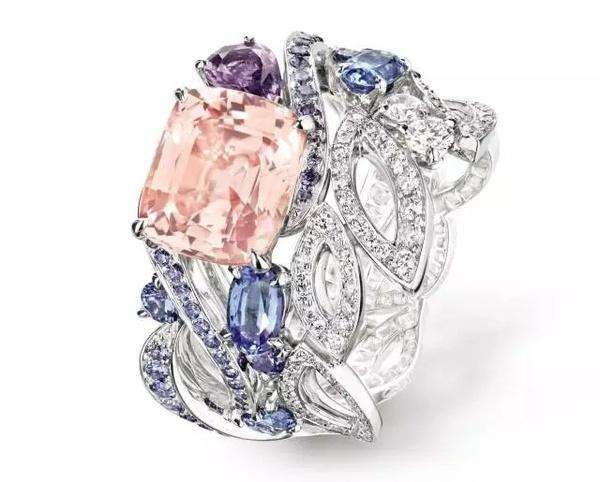
Natural Padparadscha sapphires are exceedingly rare, accounting for only about 1% of total ruby production. Stones larger than two carats are exceptionally scarce, making them highly coveted for high-end jewelry and investment purposes. As demand continues to rise among collectors and designers, top-quality Padparadscha consistently commands premium prices.
Origins of Padparadscha Sapphire
The finest Padparadscha sapphires primarily come from a few select regions:
- Sri Lanka – Renowned for vivid, well-balanced pink-orange hues with excellent transparency.
- Madagascar – Produces distinctive stones with unique color combinations and good clarity.
- Tanzania – Supplies limited quantities of high-quality material with intense saturation.
- Vietnam – Known for moderate saturation stones with soft, elegant hues.
Overall, the combination of extreme rarity, cultural significance, and exquisite color makes Padparadscha sapphire one of the most treasured gemstones in the world.
5. Purple Sapphire: Romantic and Rare Fancy Colored Sapphires
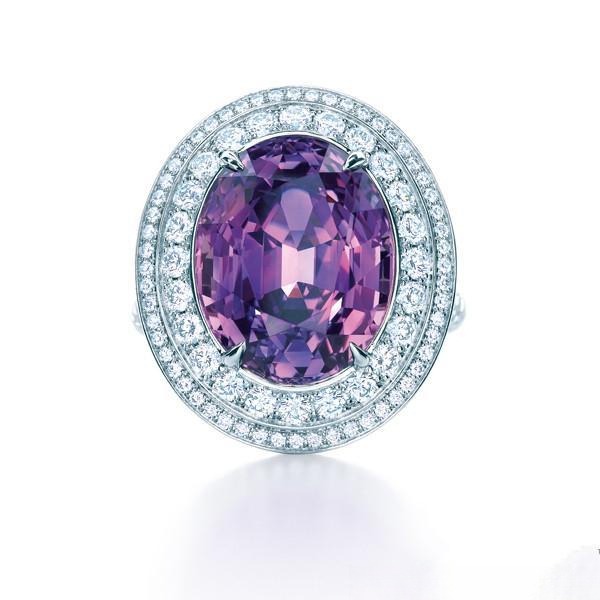
Purple sapphires captivate collectors with their romantic hues, which primarily result from trace elements of vanadium (V) and chromium (Cr). Natural stones exhibit a range from rich reddish-purple to soft purplish-pink. While irradiation can lighten the color, be aware that excessive heat may cause lighter shades to fade—a critical factor that makes truly untreated stones especially prized.
Color Characteristics and Value
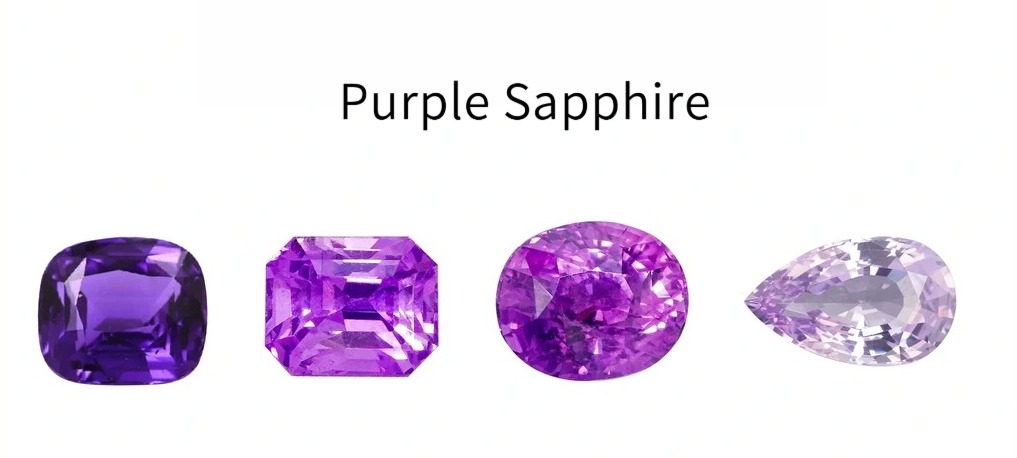
To accurately capture this broad spectrum, gemologists classify purple sapphire color into the following five primary grades, basing their assessment on Hue, Saturation, and Tone.
- Vivid Violet
- Violet
- Lavender
- Vivid Purple
- Purple
Collectors actively value purplish-pink stones with vivid saturation and minimal brown or gray modifiers. These intensely saturated, purplish-pink gems, which show virtually no secondary brown or gray undertones, become coveted treasures for discerning buyers. Significantly, international gemological laboratories assign the highest value to both the Vivid Violet and Lavender grades within this spectrum.
Origins of Purple Sapphire
- Sri Lanka – Produces small crystals (over 90% under 1 carat) with vivid reddish-purple and pink-purple tones.
- Madagascar – The world’s largest producer, though many stones lean toward brown or gray.
- Myanmar – Mostly yields reddish-purple stones, but crystal quality is generally poor.
- Vietnam – Known for moderately saturated purplish-pink stones with a soft, velvety appearance.
- Kashmir – Rare, high-quality stones with superior color and texture, commanding premium prices.
6. Green Sapphire: The ‘Asian Emerald’ Fancy Colored Sapphires”
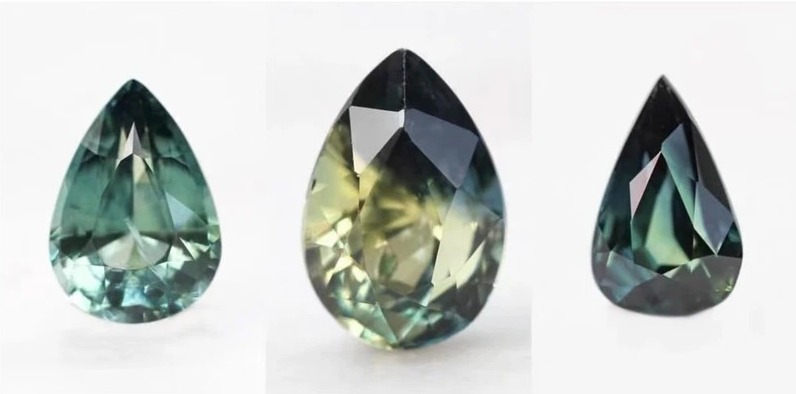
Green sapphires derive their color from iron (Fe), cobalt (Co), and vanadium (V). Early explorers often mistook them for emeralds, earning the nickname “Asian Emerald.” These stones commonly appear in blue-green or yellow-green shades and typically exhibit the finest luster among corundum varieties. Large, clean green sapphires over several carats remain extremely rare.
Origins of Green Sapphire
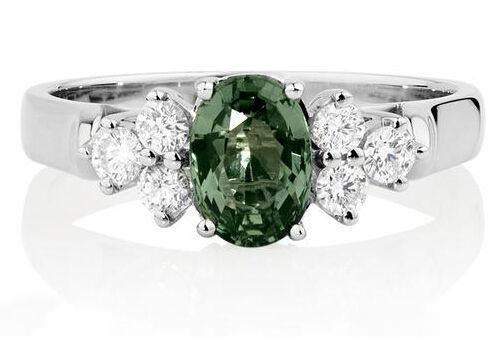
Major sources include the USA, Sri Lanka, Australia, Thailand, and Tanzania, with each region offering unique variations in hue and clarity.
7. White Sapphire: The Colorless Fancy Sapphires
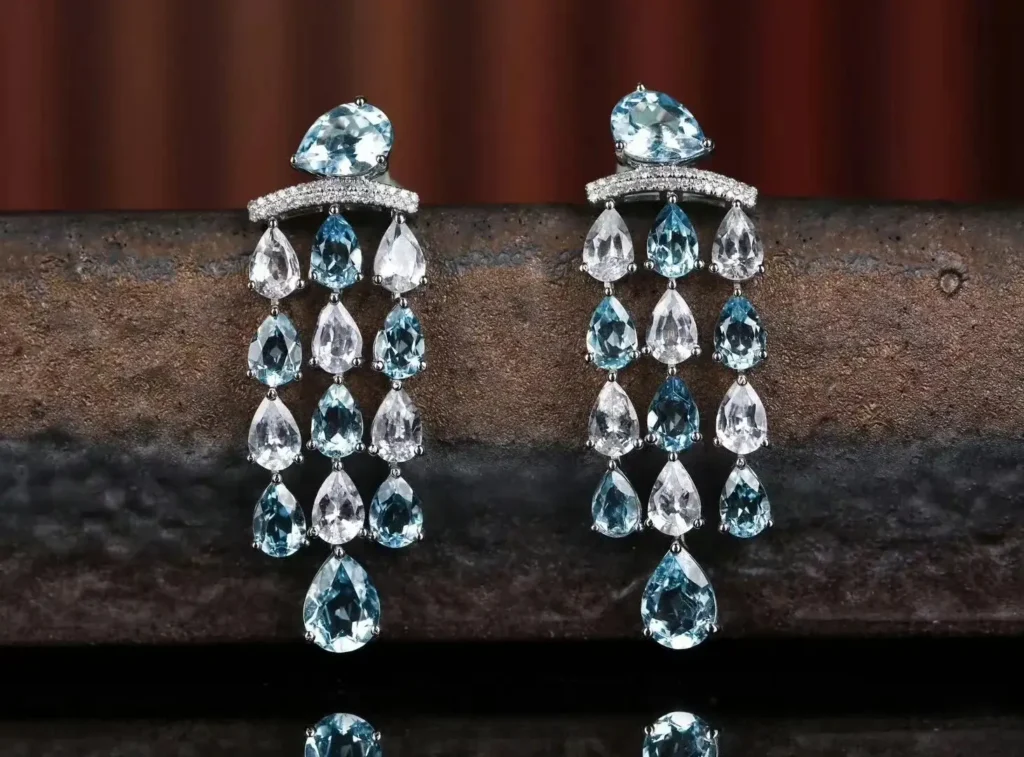
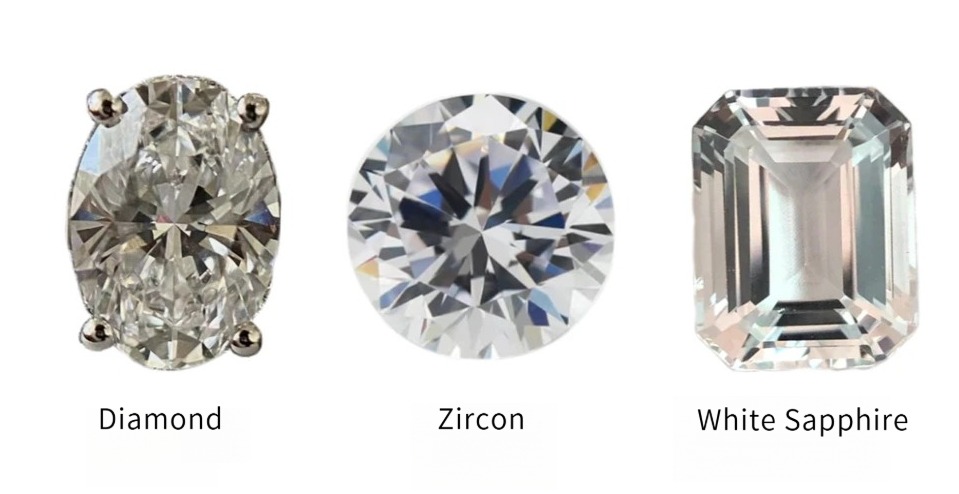
White sapphires contain virtually no chromogenic elements, and the fewer the impurities, the closer they approach true colorlessness. While these stones are durable (Mohs hardness 9) and often used as diamond melee or side stones, their refractive index (RI 1.76–1.78) does not match diamond’s brilliance (RI 2.42). This difference becomes noticeable in larger stones, reaffirming diamond’s status as the ultimate brilliant gem.
White Sapphire vs. Diamond: Key Property Comparison
| Property | White Sapphire | Diamond |
|---|---|---|
| Gem Type | Corundum | Carbon |
| Common Use | Diamond alternative | Engagement & fine jewelry |
| Hardness (Mohs) | 9 | 10 |
| Specific Gravity | 3.80–4.05 | 3.52 |
| Refractive Index (RI) | 1.76–1.78 | 2.42 |
| Birefringence | 0.008–0.009 | None (singly refractive) |
| Brilliance | Subtle, soft sparkle | Exceptional brilliance and fire |
| Fire (Dispersion) | Low | Very high |
| Visual Appearance | Clear to slightly milky | Crisp, high-contrast sparkle |
| Durability for Daily Wear | Very good | Excellent |
| Typical Price | More affordable | Significantly higher |
Origins and Market Prices of White Sapphire (USD Reference)
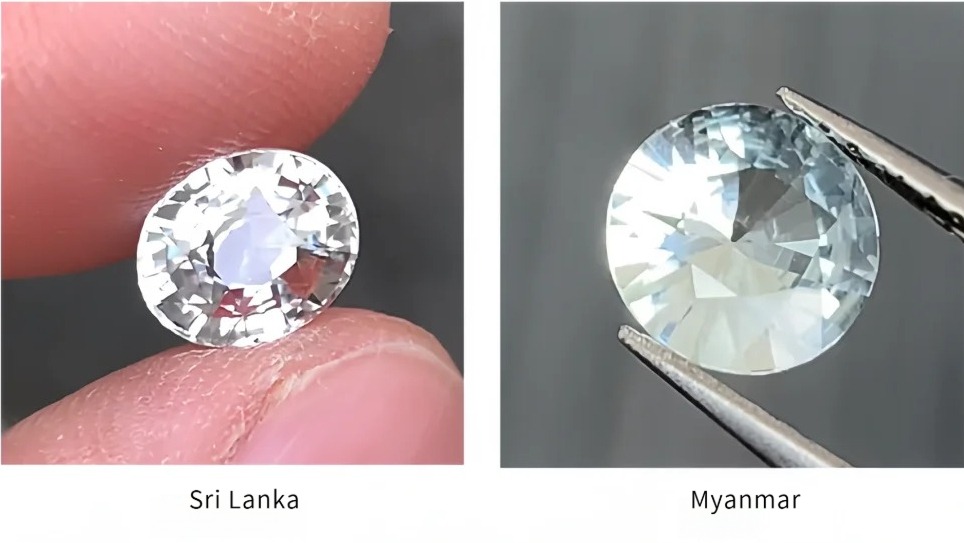
White sapphires are primarily sourced from Sri Lanka (Ceylon), Myanmar (Burma), and Australia. Stones with higher transparency, fewer inclusions, and a near-colorless appearance consistently command higher market prices.
All prices referenced reflect no brand premium, based on typical market transactions rather than luxury branding or designer markups.
| Origin | Typical Color Grade | Market Price (≈1 ct, USD) | Market Notes |
|---|---|---|---|
| Sri Lanka (Ceylon) | Near colorless (D–E) | $700 – $2,800 | Top-tier quality; high transparency and brightness |
| Myanmar (Burma) | Slight gray or blue tint (F–G) | $280 – $1,100 | Cooler undertone; softer visual performance |
Value insight:
The closer a white sapphire comes to true colorlessness—and the higher its clarity—the greater its value. Sri Lankan stones generally command higher than Burmese material due to superior visual performance.
Avoid pitfalls: Many stones marketed as “Australian snow white sapphire” are in fact lab-created corundum, not natural gemstones.
For a deeper dive into the specific advantages and quality metrics of Ceylonese (Sri Lankan) gems, we invite you to explore our PeonyJewels Blog detailed guide: The Essential Ceylon Sapphire Buying Guide: Unlocking the Secrets of Sri Lanka’s Gemstone Market.
Diamond Market Reference (USD)
For comparison, natural diamonds under 1 carat (≤1.00 ct) with good commercial quality typically trade within the following range. Because diamond pricing increases sharply with size, larger stones command a significantly higher price per carat.
Market reference (no brand premium):
- RMB ¥20,000 – ¥80,000 for diamonds under 1 carat
- ≈ USD $2,800 – $11,000 (based on typical market exchange rates)
This clear price gap explains why white sapphire remains a popular alternative for buyers seeking durability and a clean, elegant look at a more accessible cost—while still acknowledging diamond’s unmatched brilliance and fire.
8. Star Sapphire: The Mesmerizing Asterism
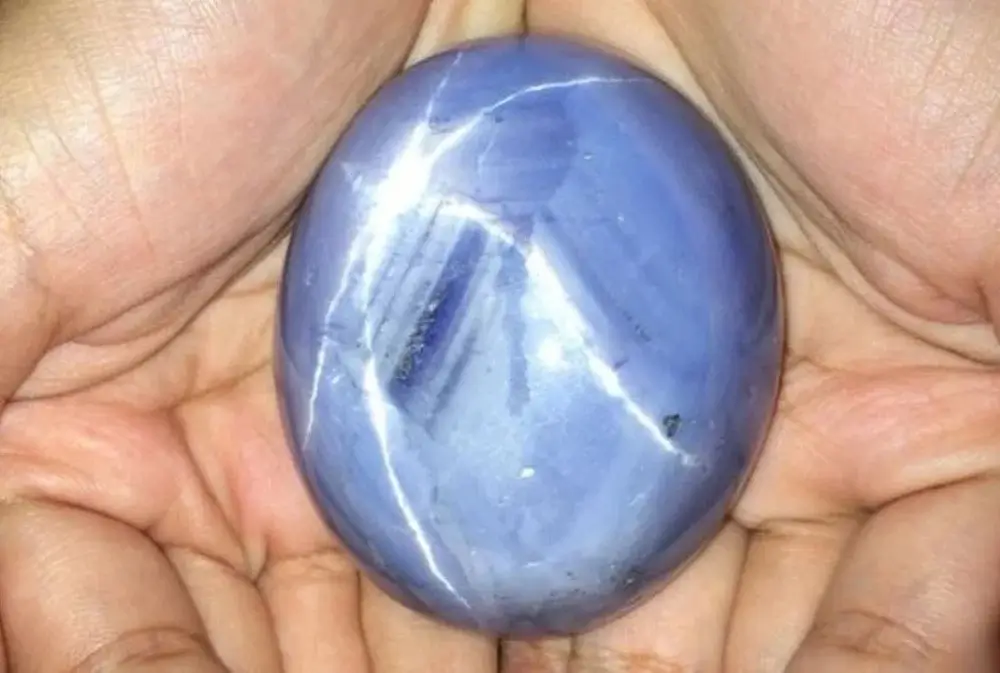
Star sapphires display a captivating optical effect known as asterism, which occurs when needle-like inclusions align perfectly within the stone. This effect is visible only when the gem is cut en cabochon. Star patterns typically form from two, three, or six intersecting bands, and rare twelve-ray stars occasionally appear.
Colors and Rarity
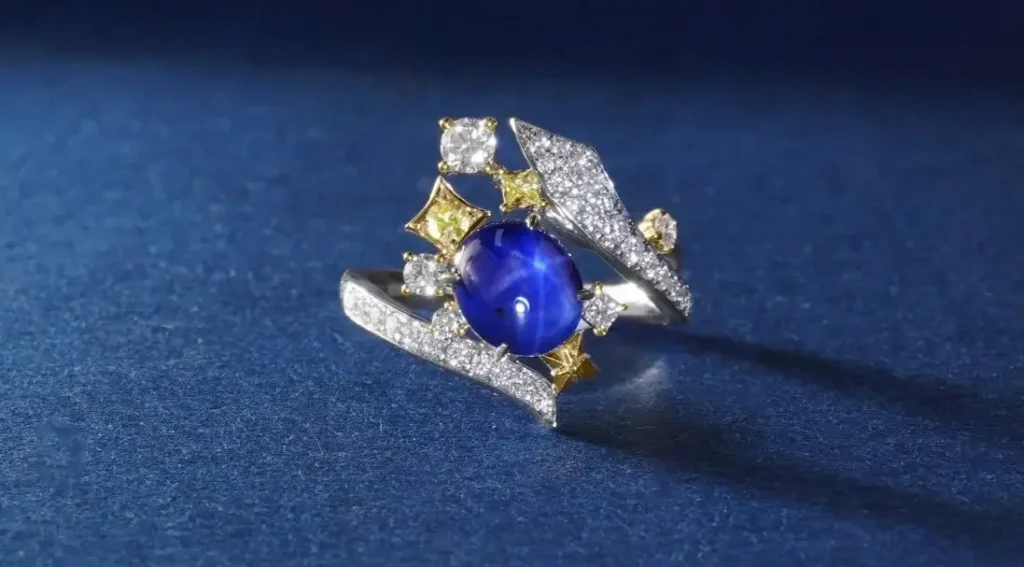
- Most star sapphires are found in blue (deep blue, black-blue, light blue, blue-gray) and purple tones.
- Orange and yellow star sapphires are extremely rare.
- Black star sapphires appear in very deep brown, purple, or green shades.
Origins of Star Sapphire
While star fancy colored sapphires occur worldwide, high-quality material primarily comes from Sri Lanka, Myanmar, Thailand, India, and Madagascar.
Conclusion: Building Your Personal Fancy Colored Sapphires
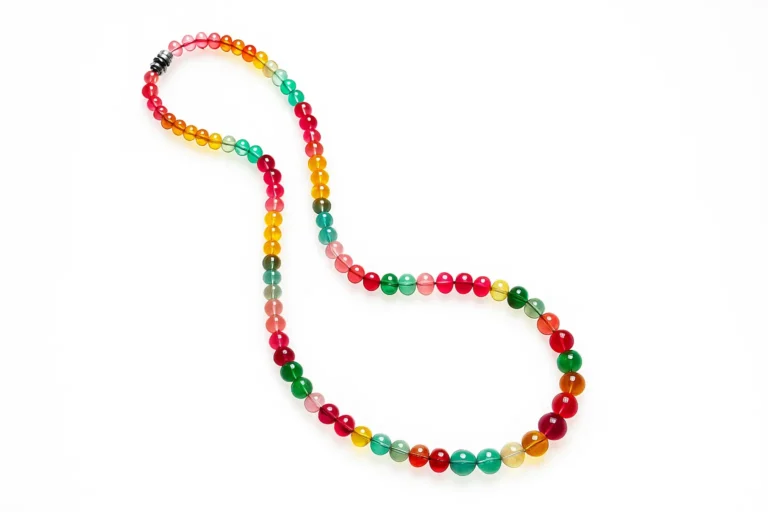
The sapphire family offers a breathtaking spectrum of colors, inspiring collectors and jewelry lovers to create their own personal “rainbow” of gemstones. Each hue tells a story, from the timeless elegance of blue sapphire to the rare allure of Padparadscha. While assembling a complete collection may be challenging, the result is a unique and unforgettable treasure.
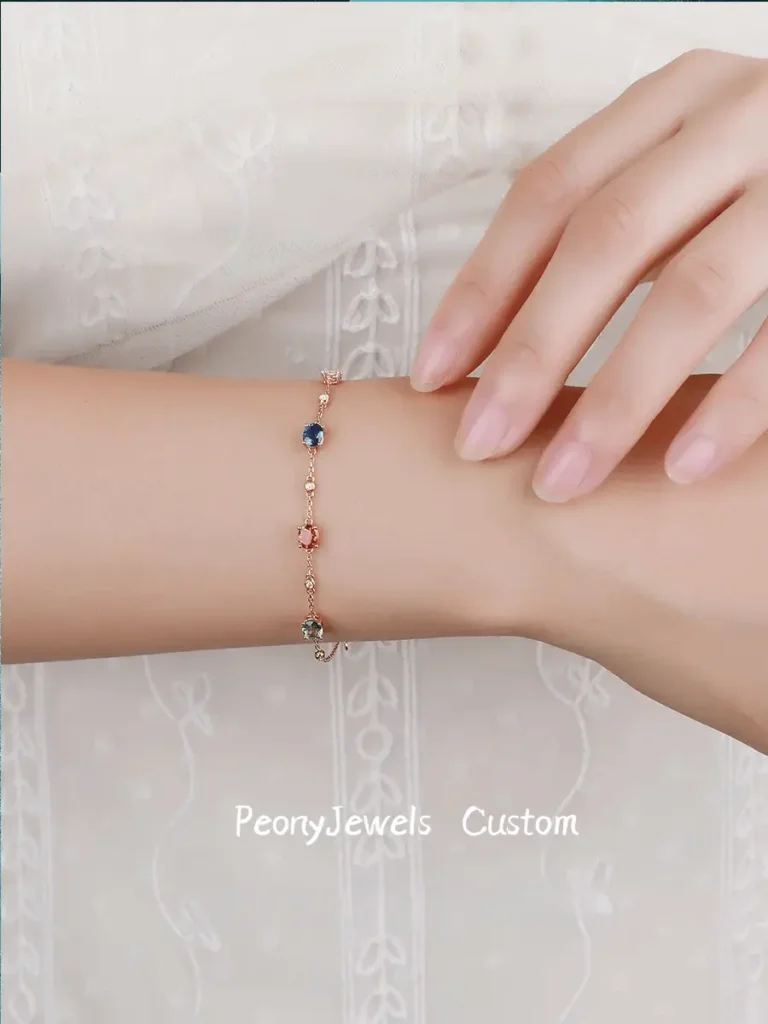
At PeonyJewels, we celebrate the individuality and rich history of every fine gemstone. Our custom sapphire jewelry service allows you to design a piece that reflects your personal style and vision. For those who appreciate artisanal craftsmanship, our handmade vintage earrings showcase these dazzling, durable, and highly coveted colored gemstones in ready-to-wear designs.
Whether designing your own masterpiece or exploring our curated collection, every piece of our original jewelry offers a chance to express creativity, elegance, and lasting beauty.