Gemstone Buying Authority Guide: 7 Industry Secrets and Identification Tricks to Avoid Being Fooled
Sub-headline: From fake color enhancements to hidden flaws, here are the essential tips to ensure you pay the right price for authentic gemstone jewelry.
Introduction
The world of fine gemstone jewelry is dazzling—but it can also be full of traps. Many pieces you admire—from vivid fancy diamonds to seemingly flawless pearls—have been subtly enhanced or cleverly set to look more valuable than they really are.
These manipulations are more common than you might think. In this guide, we’ll pull back the curtain on some of the tricks used for popular stones, so you can shop smart and avoid paying for illusions.
Part 1: Colored Diamonds – The Hidden Makeover
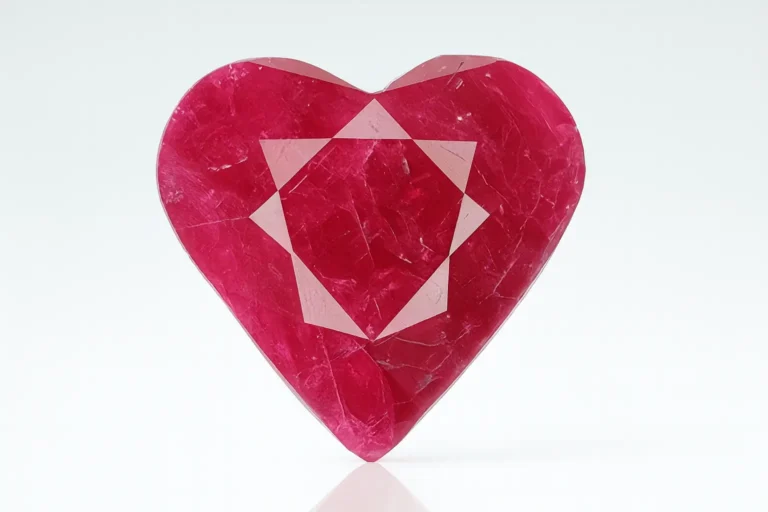
When a diamond is described as “fancy colored,” buyers expect a vivid, saturated tone. In reality, truly intense colors are extremely rare. To meet expectations, some jewelers give diamonds a “cosmetic makeover” right in the setting.
Color Enhancement Tricks
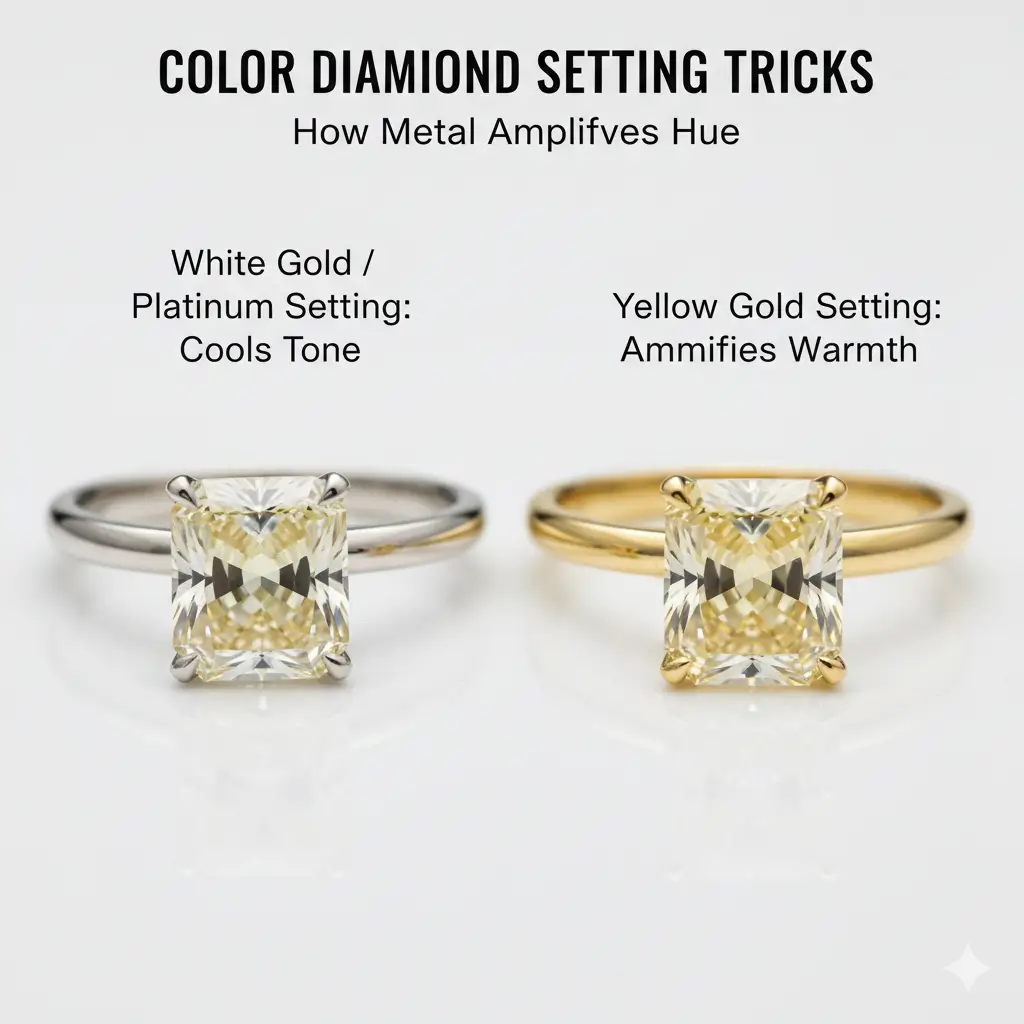
- Metal Setting Amplification: Jewelers often mount diamonds in metals that enhance their hue. Yellow diamonds in yellow gold look richer; pink diamonds in rose gold appear warmer. The metal subtly reflects light back into the stone, making the color pop.
- Foil or Enamel Backing: Some diamonds have colored foils, tinted enamel, or thin glass layers behind them. This tricks the eye, making pale diamonds look vividly colored—and can lead to inflated prices based on appearance alone.
Smart Tip
Always check the gem’s certificate to confirm its true color and origin (natural vs. treated). If you’re on a budget, pairing a lightly tinted diamond with a complementary metal can give a stunning look without the premium cost of a rare vivid stone.
Part 2: Blue Amber – The Deep Blue Illusion
Blue amber is coveted for its mysterious glow, but its true color is often misunderstood. In normal daylight, high-quality blue amber usually looks yellow, honey, or golden brown. Those intense blues you see in photos? Lighting and clever settings often play a big role.
Setting Secrets: The Black Backing
To make blue amber appear deeply blue, jewelers may use a black or dark base. The dark background absorbs ambient light, letting the stone’s natural blue fluorescence shine through—creating the illusion of a rich, pure color.
The Lighting Deception
The same piece can look dramatically different depending on the light:
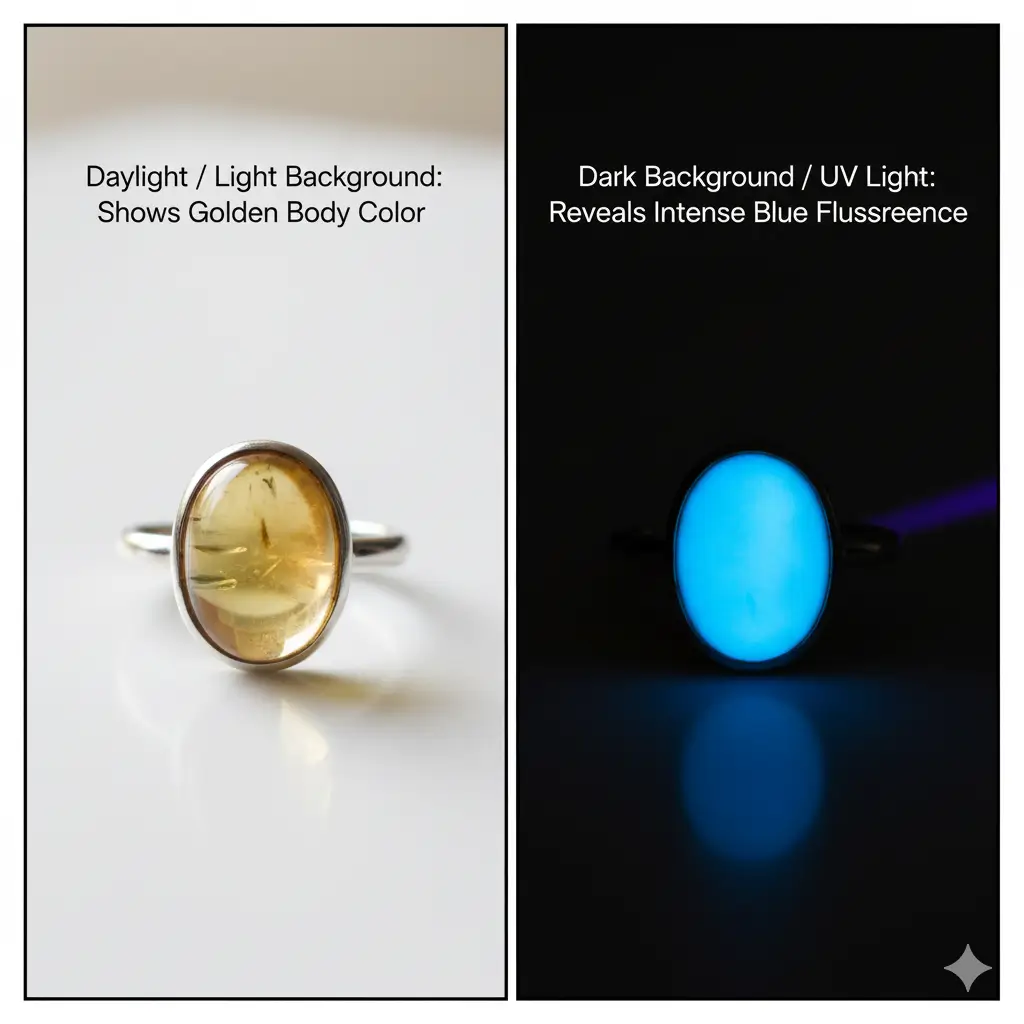
- Light backgrounds: The golden body color dominates.
- Dark backgrounds or UV light: The blue fluorescence pops.
Watch out: Sellers sometimes photograph blue amber under UV lamps and present those images as everyday color.
Smart Tip
Ask if the piece has a colored backing, and be wary of sellers who only show UV-lit photos. True Dominican blue amber should look appealing in natural light without tricks.
Part 3: Opal – Composite vs. Solid
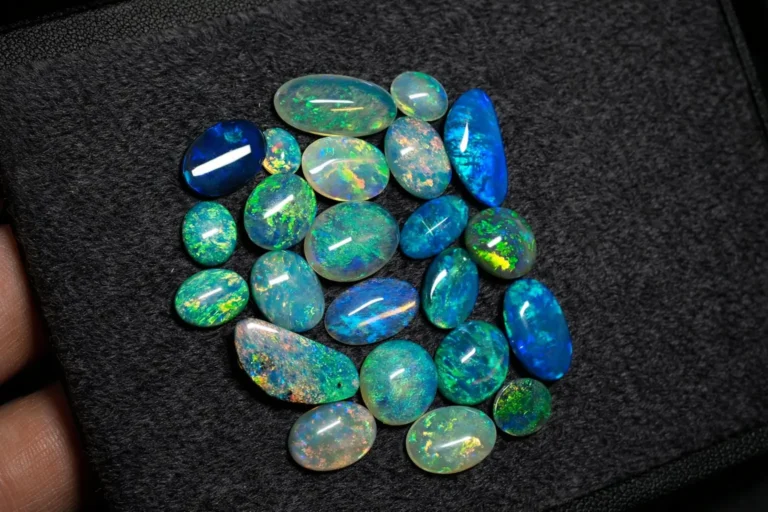
Black opals are prized for their dramatic play-of-color. But many “black opals” in jewelry are actually composites.
Understanding Composite Opals
Because natural opals are thin and fragile, jewelers often create layered pieces:
- Doublet: A thin slice of opal glued to a dark base.
- Triplet: An opal slice on a dark base, topped with a clear cap.
These look like solid opals, but are far less valuable. Unscrupulous sellers may market them as solid, especially if the edges are hidden by the setting.
How to Spot Them
Use a magnifying glass or jeweler’s loupe:
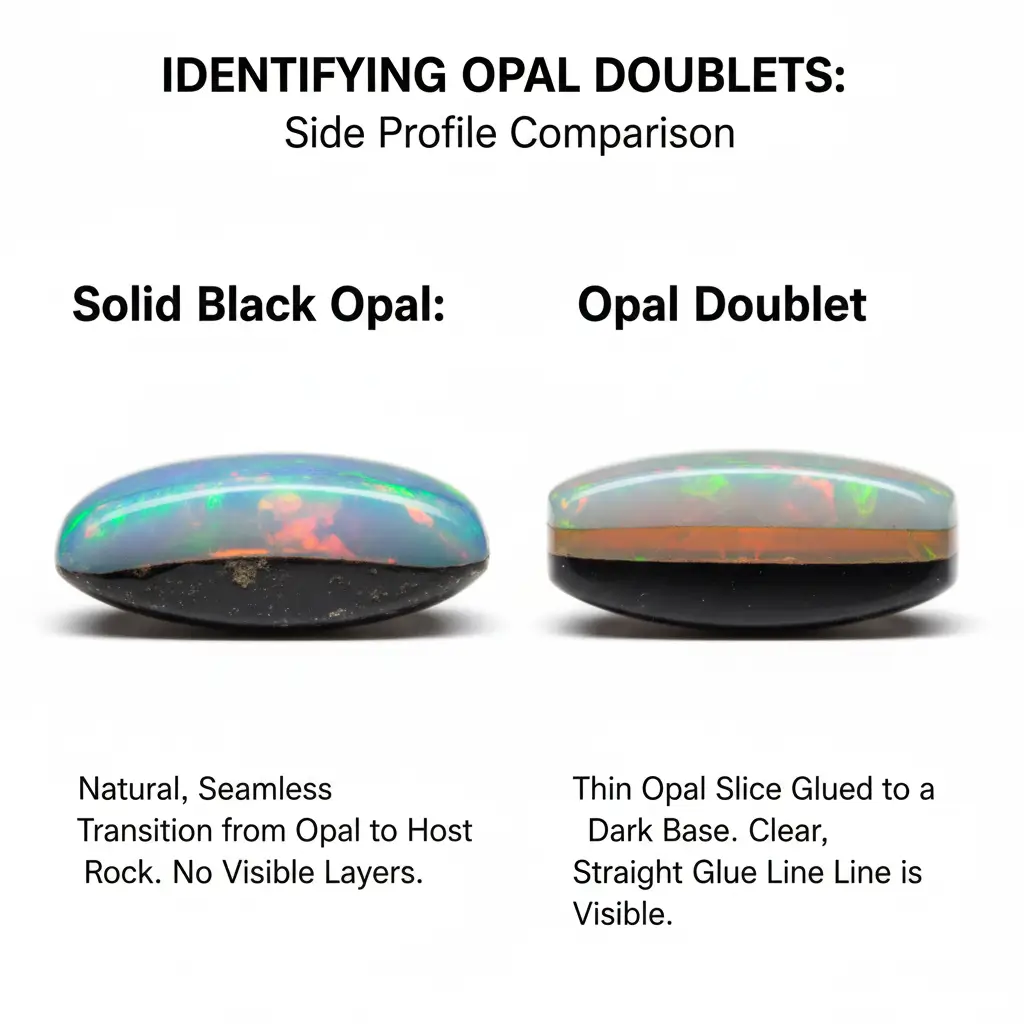
- Solid Opals: Smooth, gradual transition between opal and base.
- Doublets/Triplets: A visible straight line where the layers meet.
Smart Tip
Always ask the seller about the opal type. Doublets and triplets are fine, but must never be misrepresented as solid black opals.
Part 4: Moonstone – The Myth of Vivid Pink
Moonstone is famous for its mystical adularescence (the blue or rainbow sheen). But bright pink moonstone is extremely rare. If you see a vivid pink, it’s probably enhanced.
Pink Enhancement Techniques
- Color Backing: Pink cards, foils, or films behind the stone can give the illusion of color.
- Dyeing: Lower-quality stones may be dyed. Look under magnification—color buildup along cracks or fissures is a red flag.
Smart Tip
Ask if the moonstone is backed or dyed. Natural moonstones show only subtle pink or lavender flashes—anything more vibrant is likely artificial.
Part 5: Pearls and Jade – Concealment is Key
For pearls and jade, settings often hide surface imperfections rather than enhance color.
Concealment Techniques
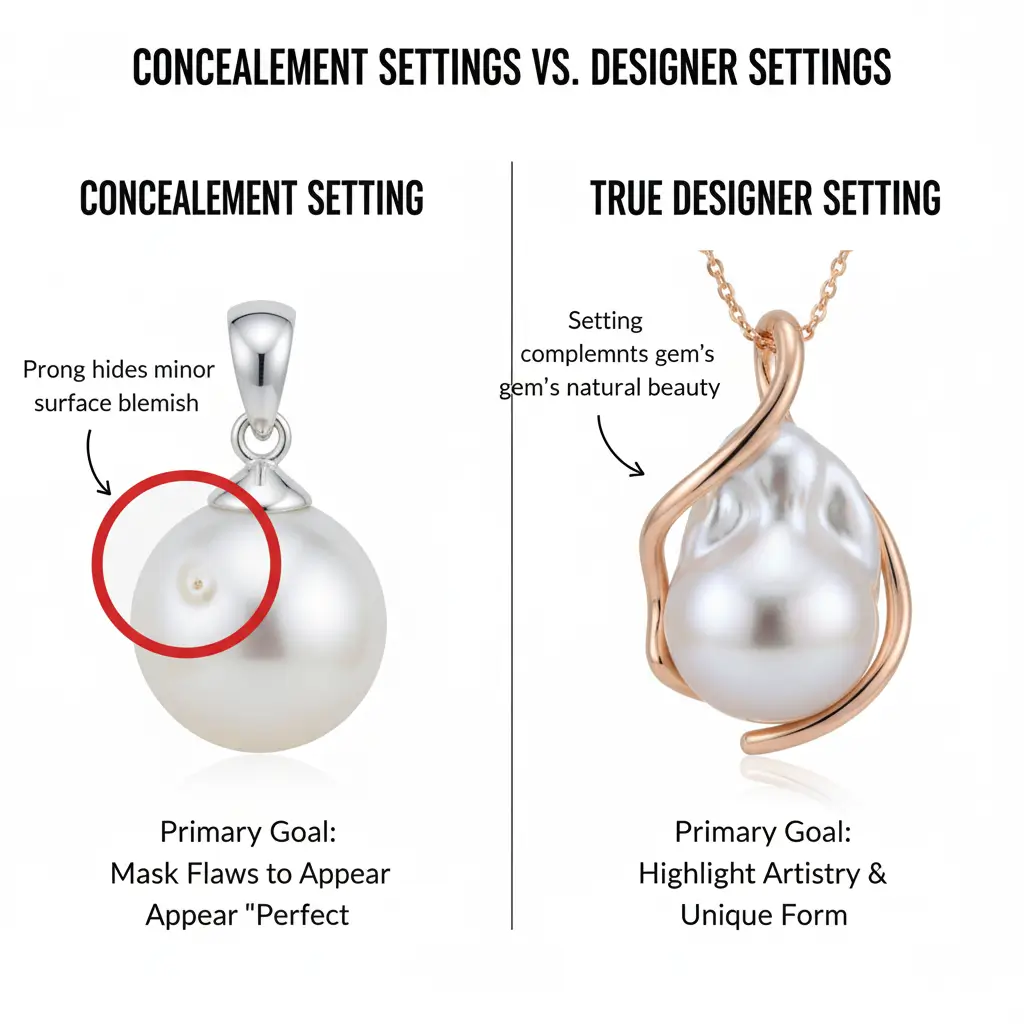
Jewelers can place prongs, caps, or mounting holes strategically to cover minor flaws. Some “designer settings” exist primarily to hide blemishes rather than highlight the gem’s natural beauty.
Smart Tip
Be cautious of premium prices for gems that only appear flawless after mounting. Inspect the surface quality carefully before buying.
Final Thoughts: Shop Smart, Appreciate Real Beauty
Knowing these hidden tricks means you can shop with confidence. Real beauty doesn’t need color foils or concealed flaws—it comes from honest craftsmanship and genuine gems.
By staying informed, you’ll pay fairly for what you actually get, avoid overpaying for illusions, and enjoy jewelry for the artistry it truly represents.
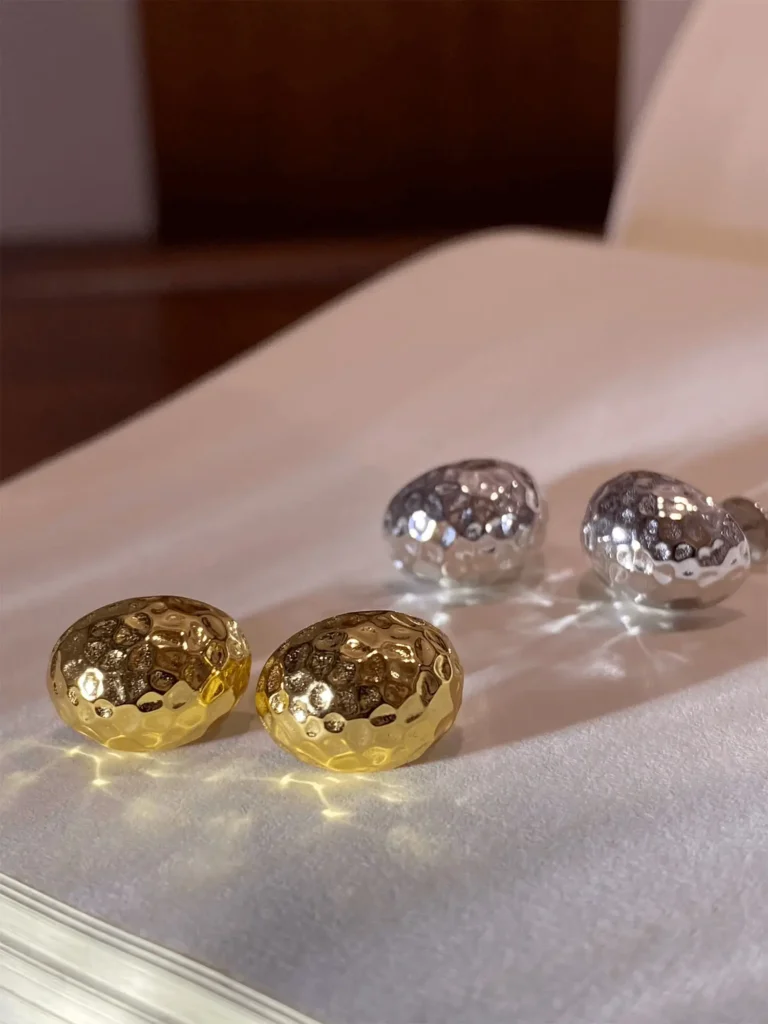
At Peonyjewels, the professional insights shared here are the foundation of our work. We insist on transparency and authenticity in every piece. Beyond offering reliable gemstone knowledge, we are proud to provide custom jewelry services and craft our signature handmade vintage earrings—designed with artistry and integrity. If you appreciate genuine materials and thoughtful, honest craftsmanship, our pieces are truly made for you.