Unmasking Gemstone Filling: What It Means for Your Precious Gems & Their Value
Live streaming has revolutionized the way we shop for jewelry. But many buyers are finding that ‘bargain’ gemstones, such as rubies, sapphires, and emeralds, often come with a catch: a certificate marked with ‘Filling‘. What does this mean for your gemstone investment, and how does gemstone filling affect the value and authenticity of your jewelry?
To answer these critical questions:
What does “Filling” mean? Filling: Is It an “Optimization” or a “Treatment”? Should You Buy a Filled Gemstone?
PeonyJewels is diving deep today to talk all things related to the gemstone filling treatment of jewelry and jade.
🧐 What is Gemstone “Filling”? A Deep Dive into Treatment
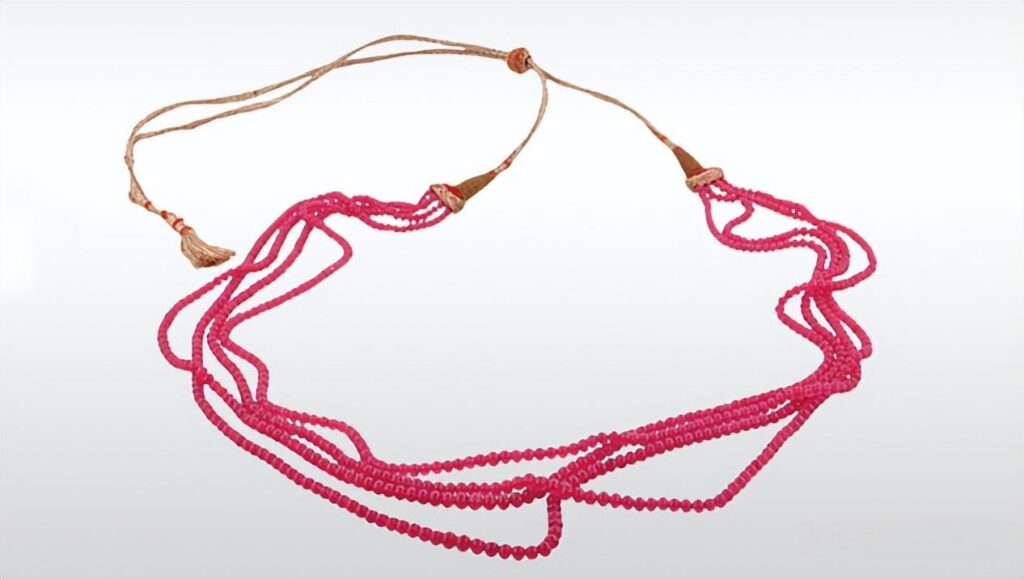
The jewelry industry widely uses “Filling” as a technique to optimize and treat jewelry and jade.
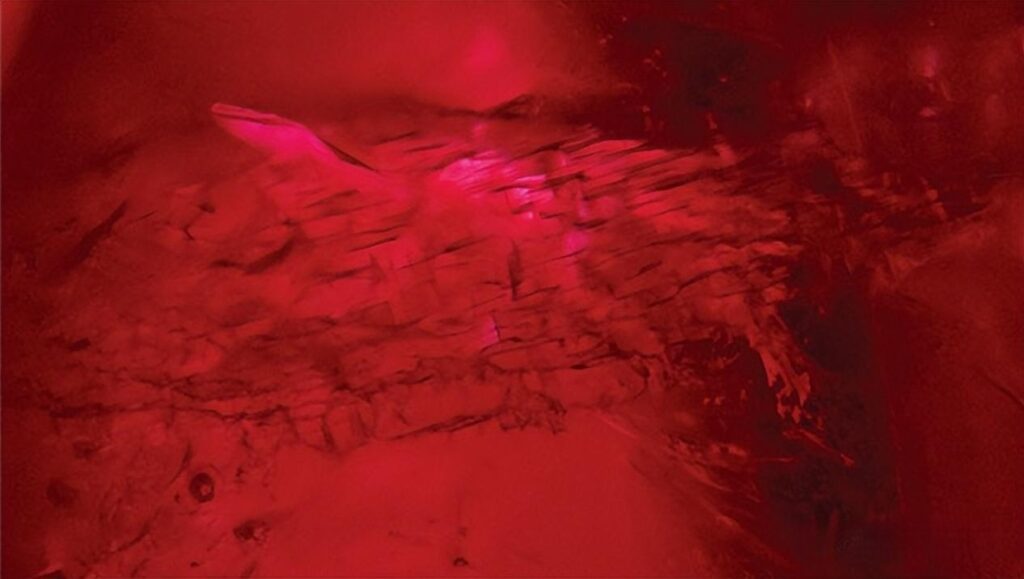
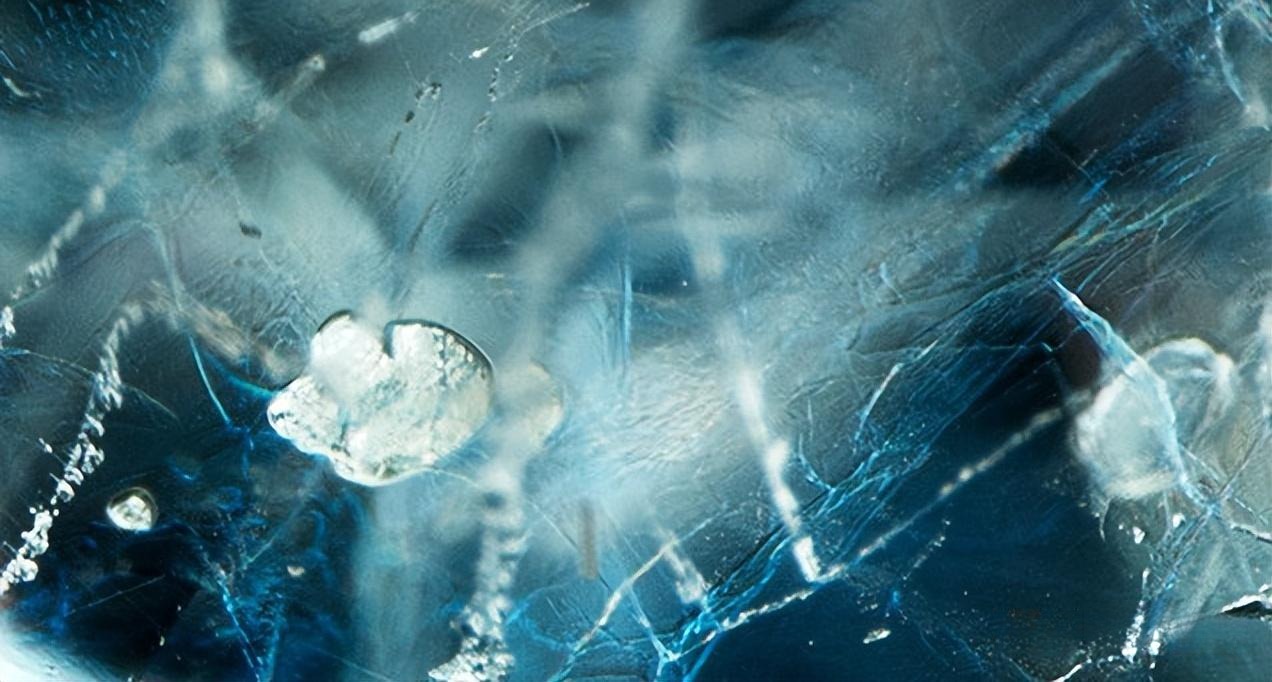
Under specific conditions (such as vacuum, high temperature, or high pressure), technicians inject various filling materials—including colorless or colored oils, wax, resin, plastic, or glass—into open fractures, pores, cavities, or intergranular gaps within the gemstone.The primary goals are to enhance the stone’s clarity, transparency, and durability.
The Current Reality of Gemstone Filling
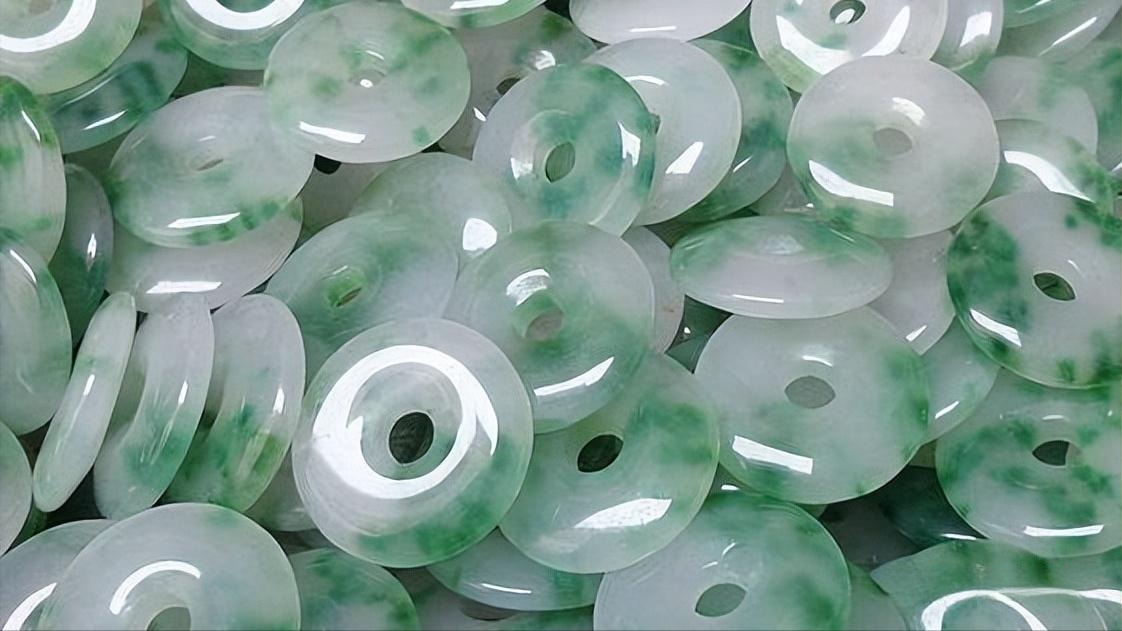
Gemstone filling practice isn’t confined to jade alone, like the well-known resin-filled jadeite (B-goods). It also extends extensively to colored gemstones. The impact on a gem’s value can vary dramatically: some fillings have a negligible effect, while others can slash the stone’s worth significantly. As technology advances, filling methods and materials are constantly improving. This means that they can treat more varieties of gems, improve the post-filling quality, and make distinguishing treated gems from natural ones increasingly challenging.
✨ The “Perks” of Gemstone Filling: Four Key Enhancements
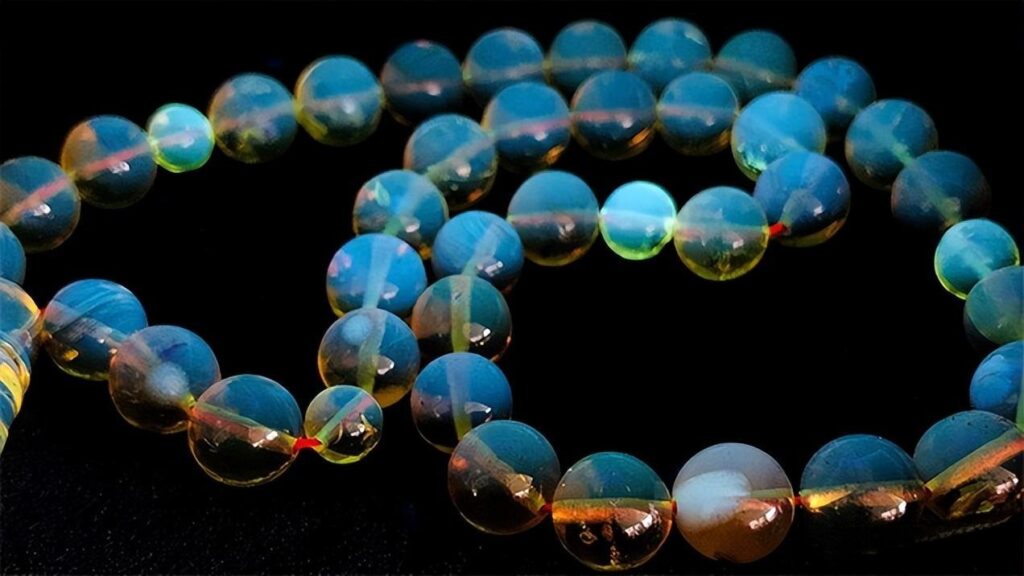
Think of filling as cosmetic surgery for a gemstone. It dramatically improves the gem’s appearance and enhances its longevity, consequently boosting the economic value of lower-quality stones.
In general, they fill gemstones for four main purposes:
1. Masking Imperfections and Flaws
Filling works like a camouflage, effectively concealing cracks and pores. This helps to “hide the ugly, reveal the good.”
- Common Example: Injecting colorless oil or wax into the fissures of an emerald makes the cracks much less noticeable.
➡️ Further Reading: Emerald Buying Guide: 10 Essential Questions About Color, Origin, Cut, and Care.
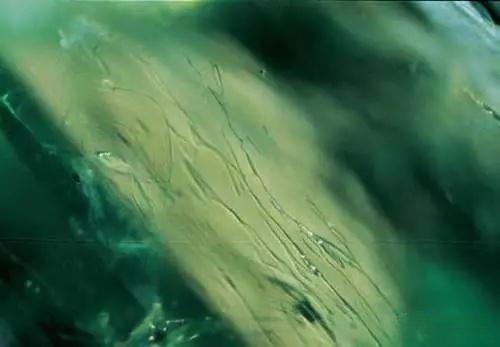
2. Enhancing Stability and Durability
Injecting a binding material into the cracks significantly improves the stone’s firmness, hardness, and overall durability.
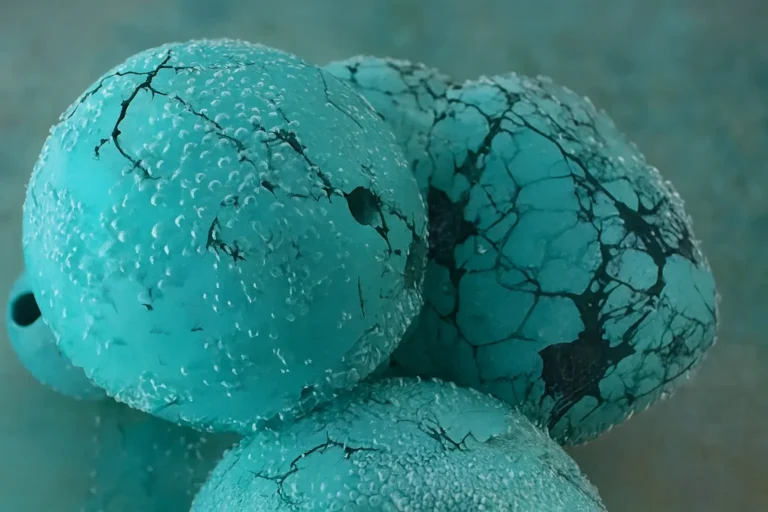
- Common Example: Injecting resin into porous gems like South Red Agate or Aquamarine drastically reduces the loss from breakage and chipping during cutting, grinding, and carving. Loose-textured Turquoise becomes harder and more durable after filling.
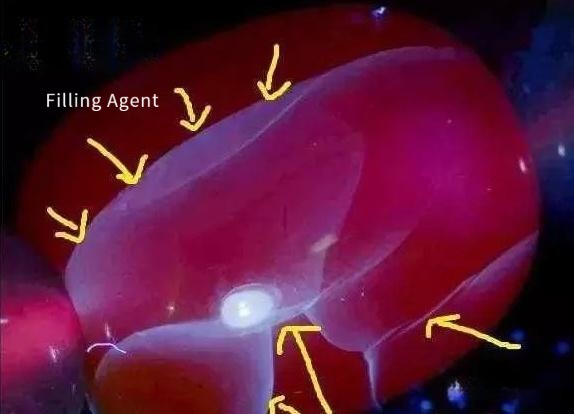
3. Boosting Clarity, Transparency, and Luster
Cracks and cavities in a gemstone directly impact its transparency and clarity. By effectively bridging these gaps, the filling material reduces light refraction and diffuse reflection, leading to a noticeable improvement in the stone’s aesthetic qualities.
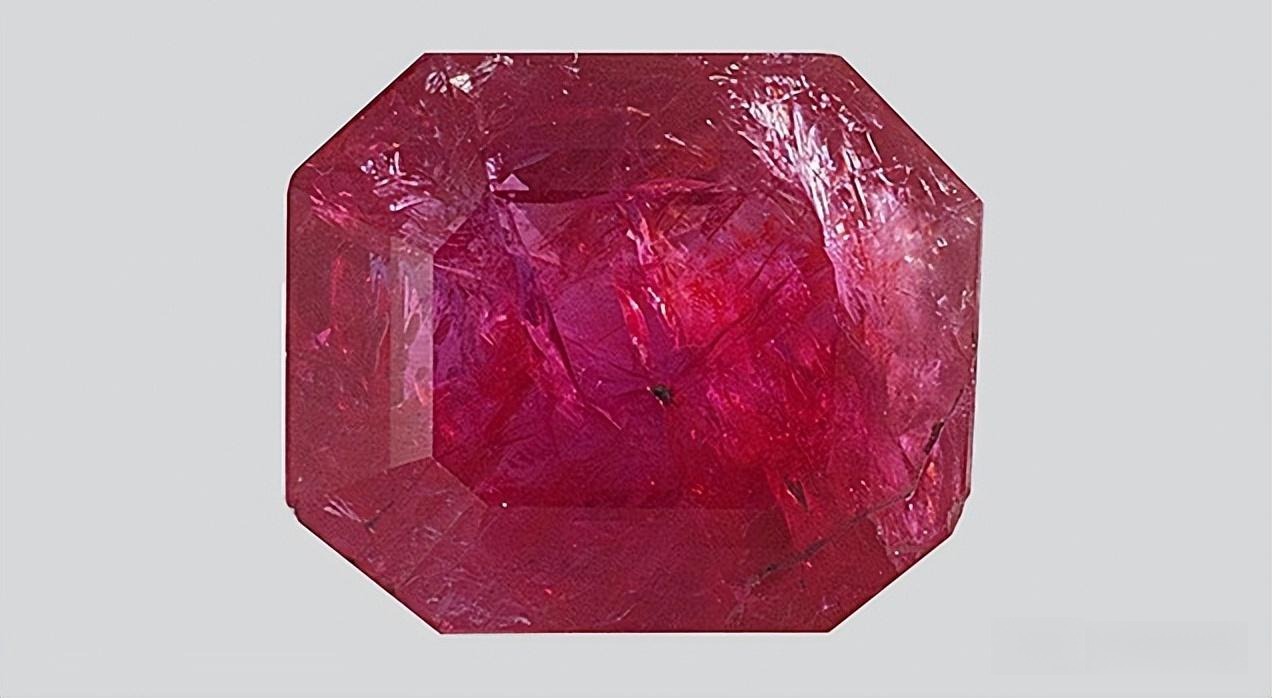
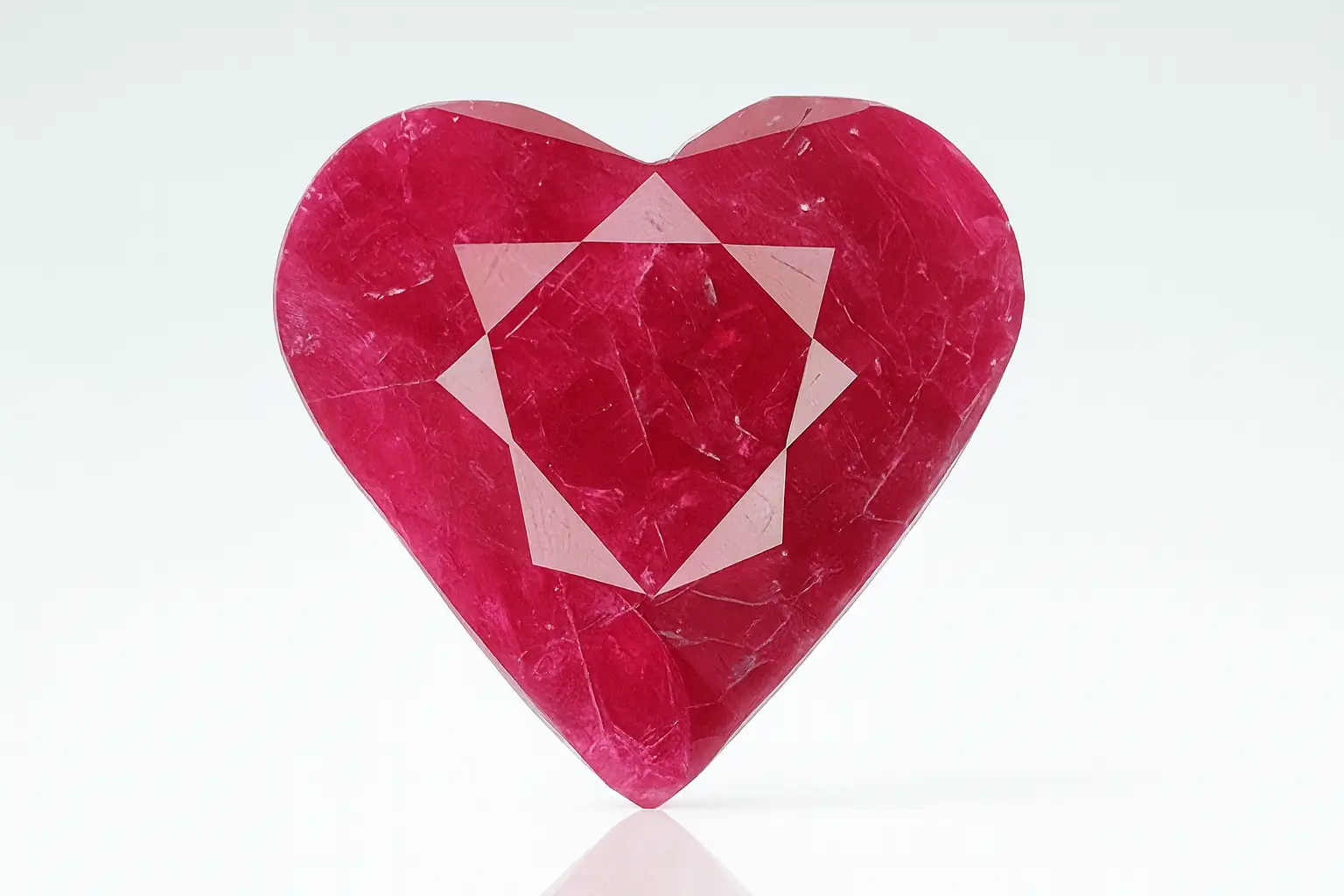
- Common Example: Filling significantly improves the clarity and transparency of some lower-quality rubies.
➡️ Further Reading: Ultimate Ruby Buying Guide – Color, Carat, Clarity & Treatments Explained.
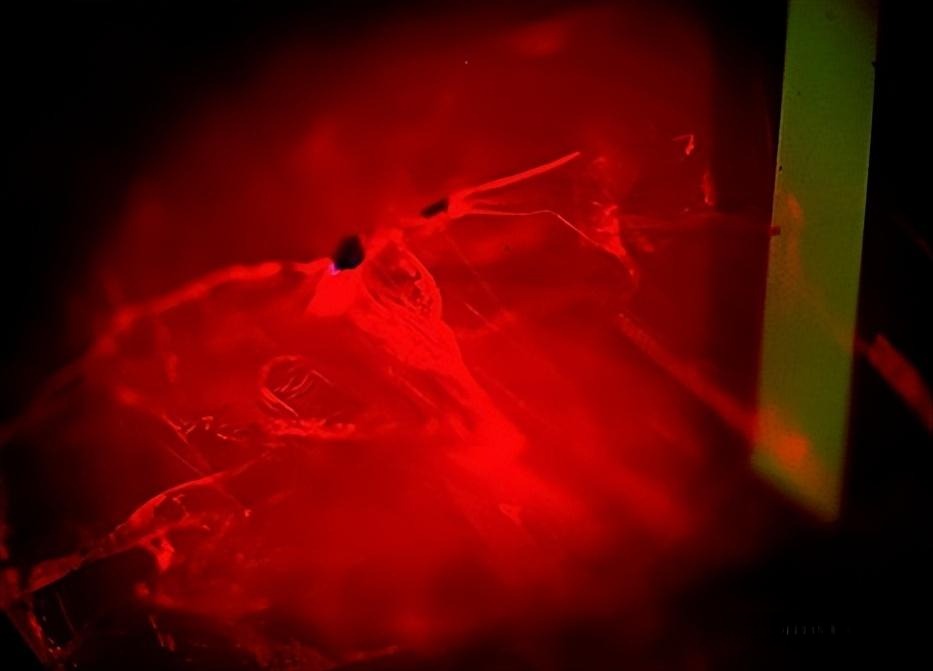
4. Improving or Changing the Gem’s Color
There are two main ways filling can affect color:
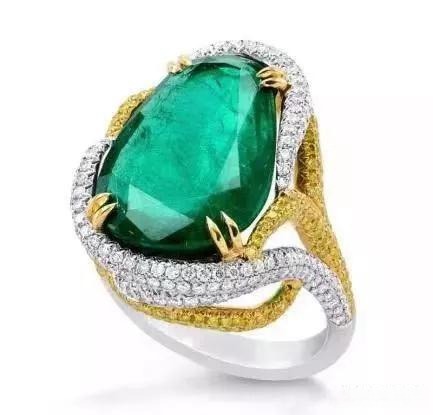
- Color Enhancement: Injecting a colorless or lightly colored oil into fissures can greatly improve a gem’s hue and vibrancy.
- Common Example: Injecting colorless or green-tinted oil into an emerald.
- Color Addition: The filling agent itself can be pre-mixed with a specific color before injection. This not only fills the structural gaps but also imparts the desired color to the gemstone.
- Common Example: The process for creating B+C-grade Jadeite, where low-grade jadeite is acid-washed and then filled with colored resin to achieve the target hue.
➡️ Further Reading: Jadeite Buying Guide: How to Understand Jade Trade Terms Before You Buy.
⚖️ Gemstone Filling: Is It an “Optimization” or a “Treatment”?
The distinction between “Optimization” (Enhancement) and “Treatment” is crucial, as it has a major impact on a gemstone’s value. Generally, a “Treated” gemstone is worth far less than a comparable natural stone, while “Optimization” has only a minor impact on value. Therefore, determining whether a specific filling is considered an Optimization or a Treatment is essential.
💎 GIA’s Gemology Class: Defining the Terms
The textbook Systematic Gemology defines Optimization (Enhancement) as any method, other than cutting and polishing, that improves a gemstone’s appearance (color, clarity, or special optical effects), durability, or usability.
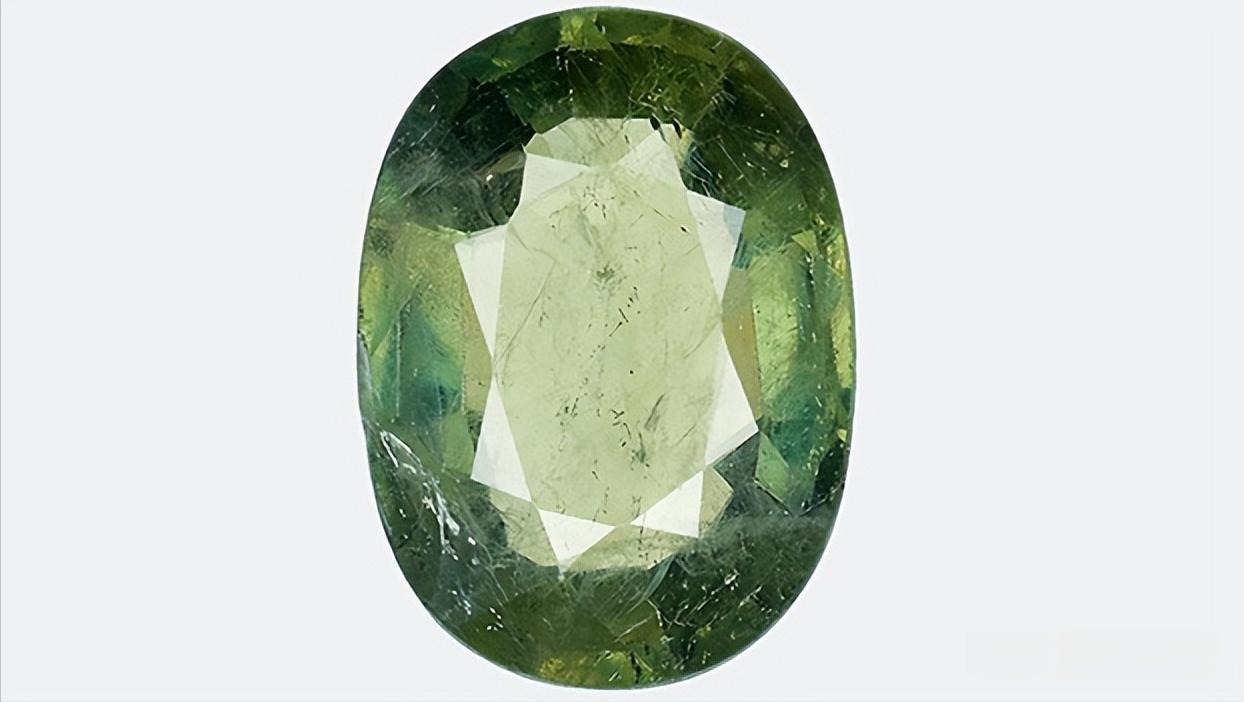
- Optimization (Enhancement): Refers to “traditional and widely accepted methods” that bring out a gem’s potential beauty, such as heat-treating rubies, immersing emeralds in colorless oil, or dyeing chalcedony and agate.
- Treatment: Refers to “non-traditional and generally less-accepted methods,” such as dyeing jadeite, irradiation of blue diamonds, surface-diffusion treatment of sapphires, or glass filling of rubies. Treated gems must be specifically disclosed when sold and on appraisal certificates, e.g., “Ruby (Treated)” or “Ruby (Glass Filled Treatment).”
📜 National Standards (GB/T 16552-2017) on Filling
The current Chinese National Standard for Gemstone Names (GB/T 16552-2017) defines filling methods as follows:
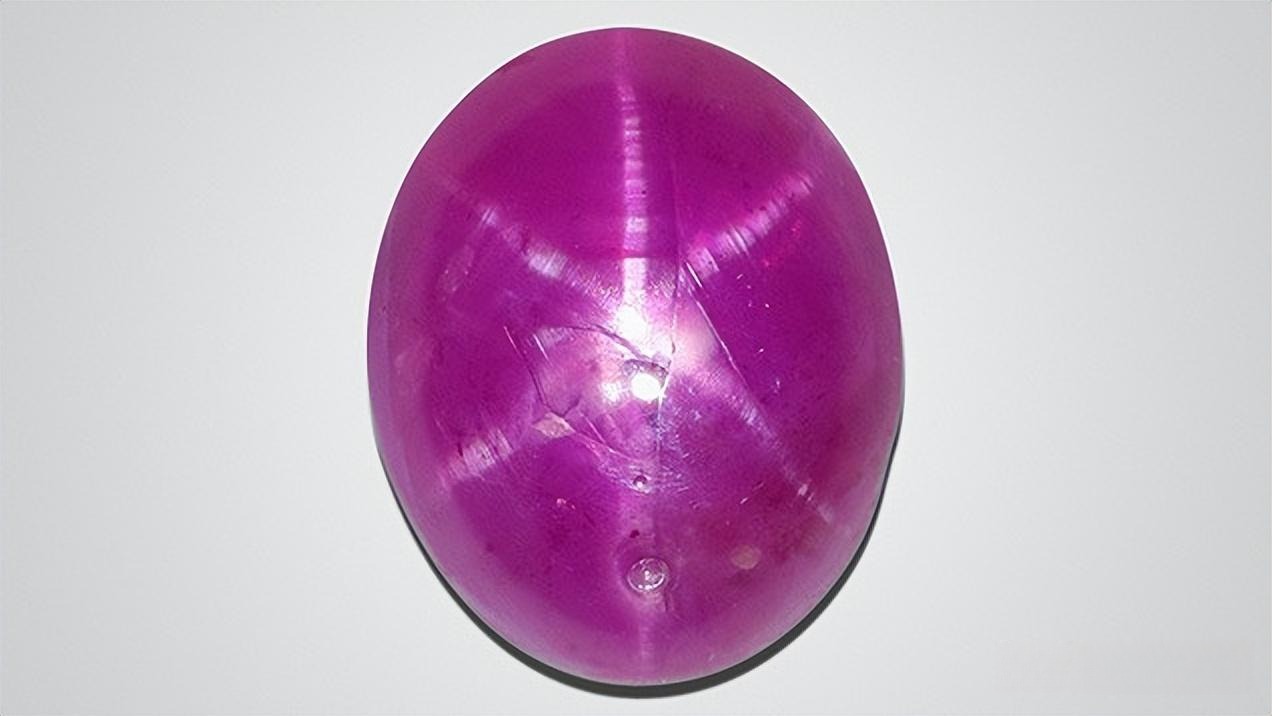
- Injection with colorless oil and wax impregnation are defined as Optimization.
- Jewelry makers define filling a small number of cracks and cavities in jewelry/jade with glass or synthetic resin to improve durability and appearance as Optimization, but they must disclose it in relevant quality documents.
- Filling with other materials (including glass containing Pb, Bi, and other solidified materials like synthetic resin) is classified as a Treatment.
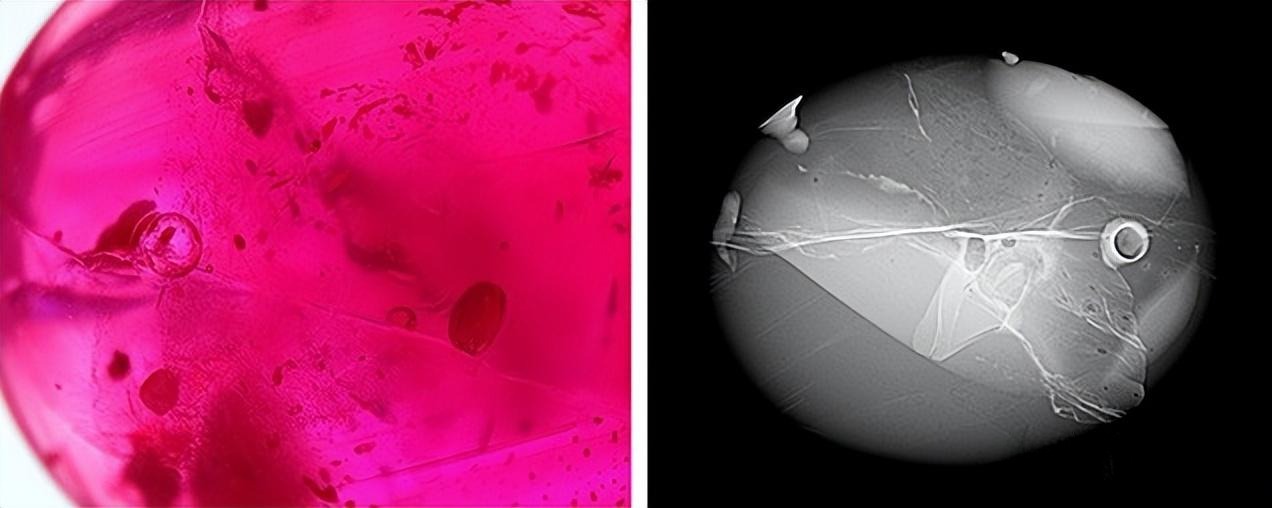
Common Gemstone Filling Categories: Optimization vs. Treatment
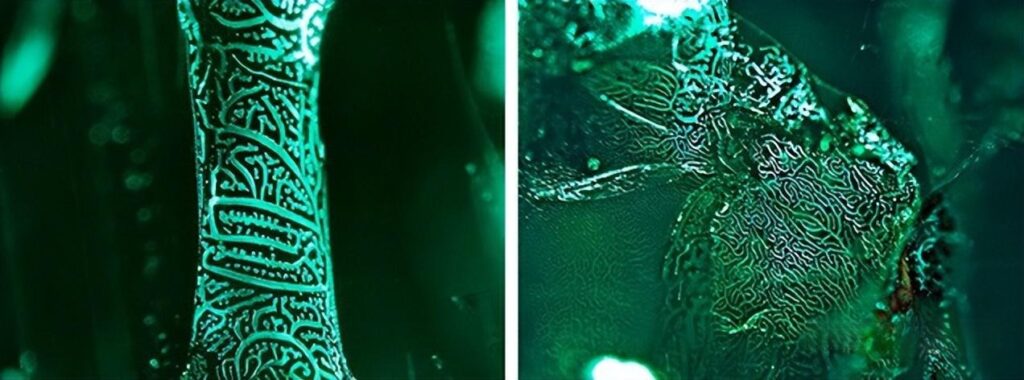
This table uses ✅ for Optimization (Enhancement), a practice the industry generally accepts, and uses ❌ for Treatment, which significantly lowers the gemstone’s inherent value.
| Gemstone | Treatment Method | Purpose | Category |
| Ruby | Heat Treatment | Improved Clarity | ✅ Optimization |
| Colored Oil Immersion | Color Enhancement | ❌ Treatment | |
| Dyeing | Color Enhancement | ❌ Treatment | |
| Filling | Increased Transparency | ❌ Treatment | |
| Diffusion | Produce Asterism (Star Effect) | ❌ Treatment | |
| Sapphire | Heat Treatment | Improved Color | ✅ Optimization |
| Surface Diffusion | Color Enhancement/Asterism | ❌ Treatment | |
| Irradiation | Improved Color | ❌ Treatment | |
| Emerald | Colorless Oil Immersion | Improved Appearance | ✅ Optimization |
| Colored Oil Immersion | Color Enhancement | ❌ Treatment | |
| Polymer Filling | Improved Color/Durability | ❌ Treatment | |
| Tourmaline | Heat Treatment | Improved Clarity | ✅ Optimization |
| Colorless Oil Immersion | Improved Color | ✅ Optimization | |
| Colored Oil Immersion | Improved Color | ❌ Treatment | |
| Filling | Improved Clarity | ❌ Treatment | |
| Irradiation | Improved Color | ❌ Treatment | |
| Dyeing | Improved Color | ❌ Treatment | |
| Tanzanite | Heat Treatment | Produce Violet-Blue | ✅ Optimization |
| Topaz | Heat Treatment | Produce Pink | ✅ Optimization |
| Irradiation | Produce Green, Yellow, Blue | ❌ Treatment | |
| Diffusion | Produce Blue, etc. | ❌ Treatment | |
| Opal | Colorless Oil Immersion | Improved Appearance | ✅ Optimization |
| Dyeing | Intensify Play-of-Color | ❌ Treatment | |
| Filling | Improved Appearance/Durability | ❌ Treatment | |
| Coating | Improve Play-of-Color | ❌ Treatment | |
| Natural Pearl | Bleaching | Improved Appearance | ✅ Optimization |
| Dyeing | Produce Black, Grey | ❌ Treatment | |
| Cultured Pearl | Bleaching | Improved Appearance | ✅ Optimization |
| Dyeing | Produce Pink, Blue, Black, Grey | ❌ Treatment | |
| Irradiation | Produce Blue, Black, Grey, etc. | ❌ Treatment | |
| Turquoise | Filling | Improved Color/Durability | ❌ Treatment |
| Dyeing | Darken Color | ❌ Treatment | |
| Waxing | Darken Color | ❌ Treatment | |
| Aquamarine | Heat Treatment | Produce Pure Blue | ✅ Optimization |
| Cat’s Eye | Irradiation | Improve Light and Color | ❌ Treatment |
| Jadeite | Resin Filling (B-Goods, B+C) | Improved Clarity/Color | ❌ Treatment |
| Diamond | Filling | Improved Clarity | ❌ Treatment |
🛒 Should You Buy a Filled Gemstone? Weighing the Pros and Cons
For consumers, the biggest concern is whether buying a filled piece of jewelry is detrimental to their interests.
💰 The Value Perspective
From a pure value standpoint, the worth of most filled gems is lower than that of a natural gem of comparable appearance, simply because scarcity drives value.
However, if the seller fully discloses the filling condition before purchase (informing the consumer) and the price reflects the treatment, then filled jewelry can become an excellent choice for a “beautiful and inexpensive” piece.
📈 The Investment & Collection Perspective
If you are looking for collection value, preservation, or appreciation:
- Optimization (Low-Level Filling): When the filler amount is minimal, fillings classified as Optimization generally maintain the stone’s inherent value and stable potential for preservation and appreciation. Examples: Micro-waxing on the surface of jade, minor colorless oil in emeralds. (Excessive filling will still impact the value.)
- Treatment (High-Level Filling): For fillings classified as Treatment, the stone’s inherent value is typically low to begin with, and there is virtually no room for appreciation. Example: New glass-filled rubies.
💚 The Health Perspective
Many people worry about the health risks of wearing filled gemstones, but this concern is often unnecessary.
Most widely used filling techniques are mature and have been employed for a long time. While the filling materials include substances like glue, glass, resin, oil, and wax, their chemical compositions are almost universally harmless to the human body. It’s much like wearing plastic shoes or having synthetic fabrics touch your skin every day.
Furthermore, being an “Ingredient Fundamentalist” without considering the dose is often misleading. Instead of worrying about a tiny, trace amount of material in a filled gemstone, you’d be better off focusing on more impactful life choices, like getting enough sleep and maintaining a healthy diet!
💡 PeonyJewels’ Final Thought About Gemstone Filling
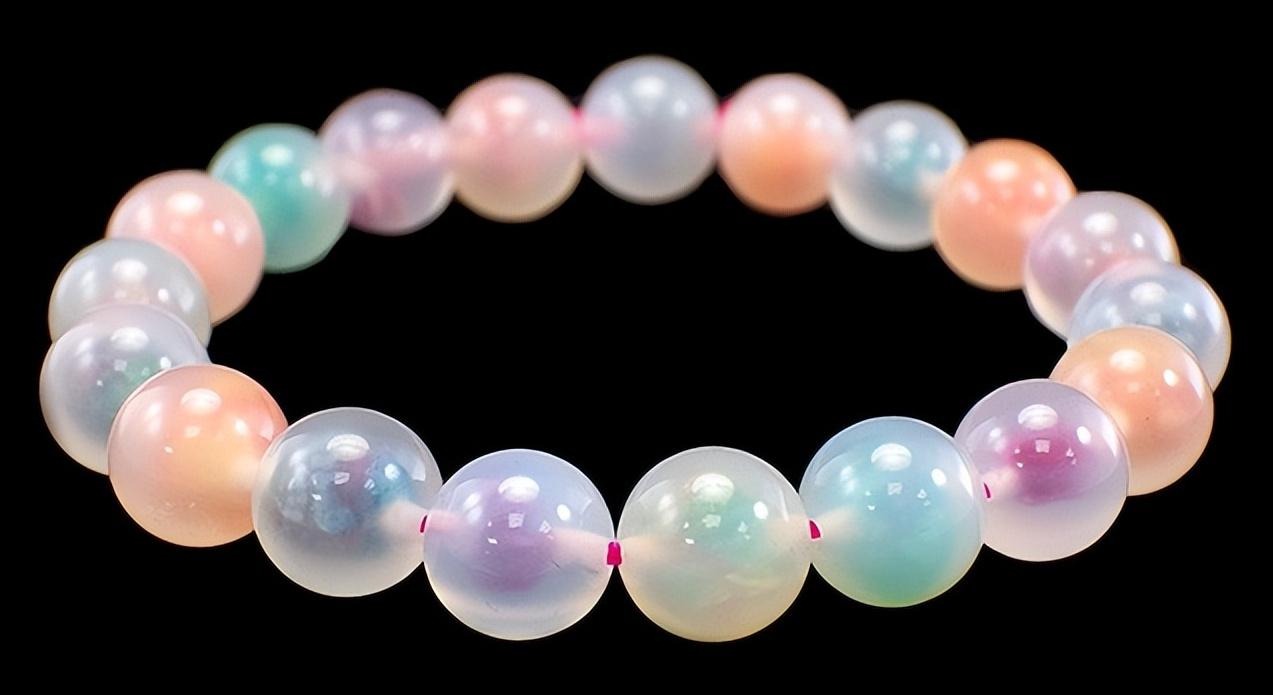
Gemstone filling is mostly found in mid-to-low-end merchandise. As long as consumers are informed and the price is fair, there is nothing inherently wrong with it.
However, it is disturbingly common for unscrupulous sellers to use “filled” gems while claiming they are natural, passing off inferior goods as high-quality items—a classic “selling a dog’s head while hanging up a sheep’s sign.”Unrealistically low-priced “bargains” most likely deceive the buyers who pursue them! The most crucial step is finding an honest and reliable jeweler and purchasing channel.
🛍️ Elevate Your Style with PeonyJewels
At PeonyJewels, we believe in complete transparency and the enduring beauty of both natural and ethically enhanced gemstones.Whether you seek the perfect statement piece or a delicate everyday accent, we provide you with exquisite, high-quality jewelry.
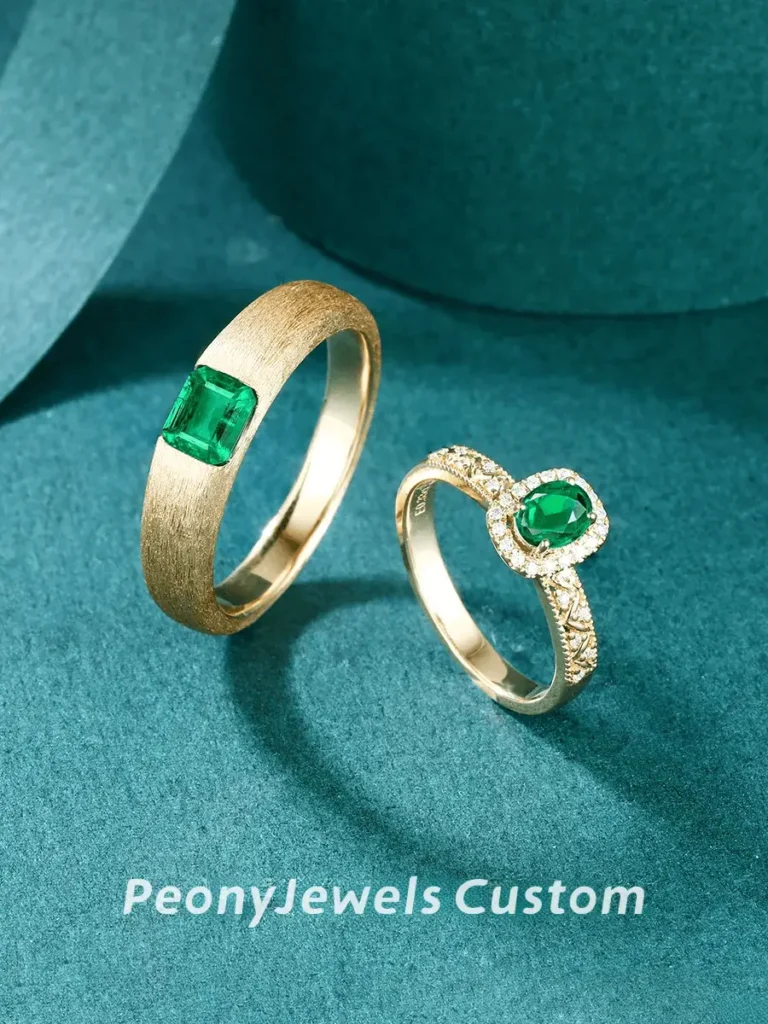
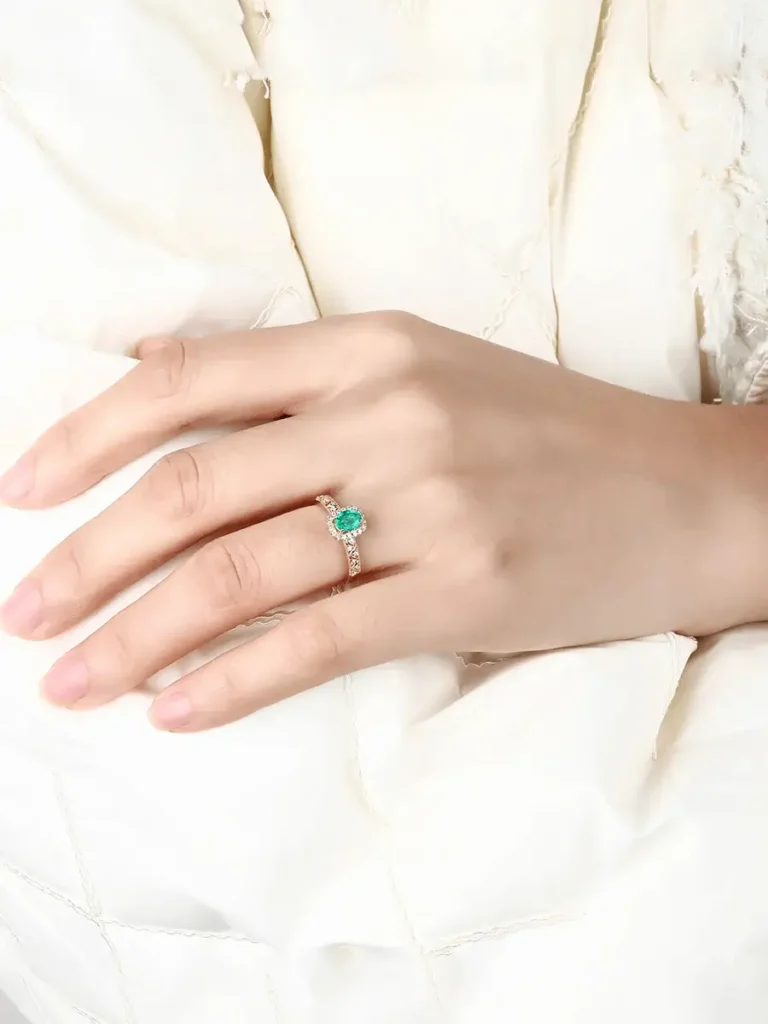
Looking for something truly unique? PeonyJewels specializes in bespoke custom design services, allowing you to create a piece of jewelry that tells your personal story. We also offer a stunning collection of handmade vintage earrings, blending classic elegance with modern craftsmanship.
Ready to find your next heirloom piece, or design a treasure of your own?