Glass Imitation Gemstones: How to Spot Fake Gem Glass Before You Buy
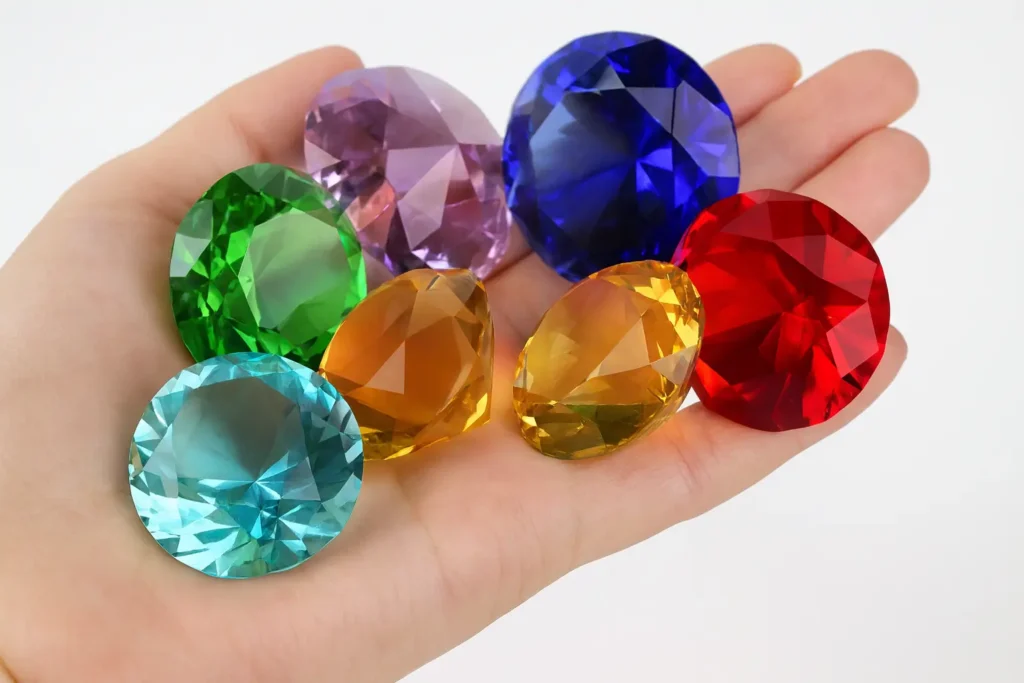
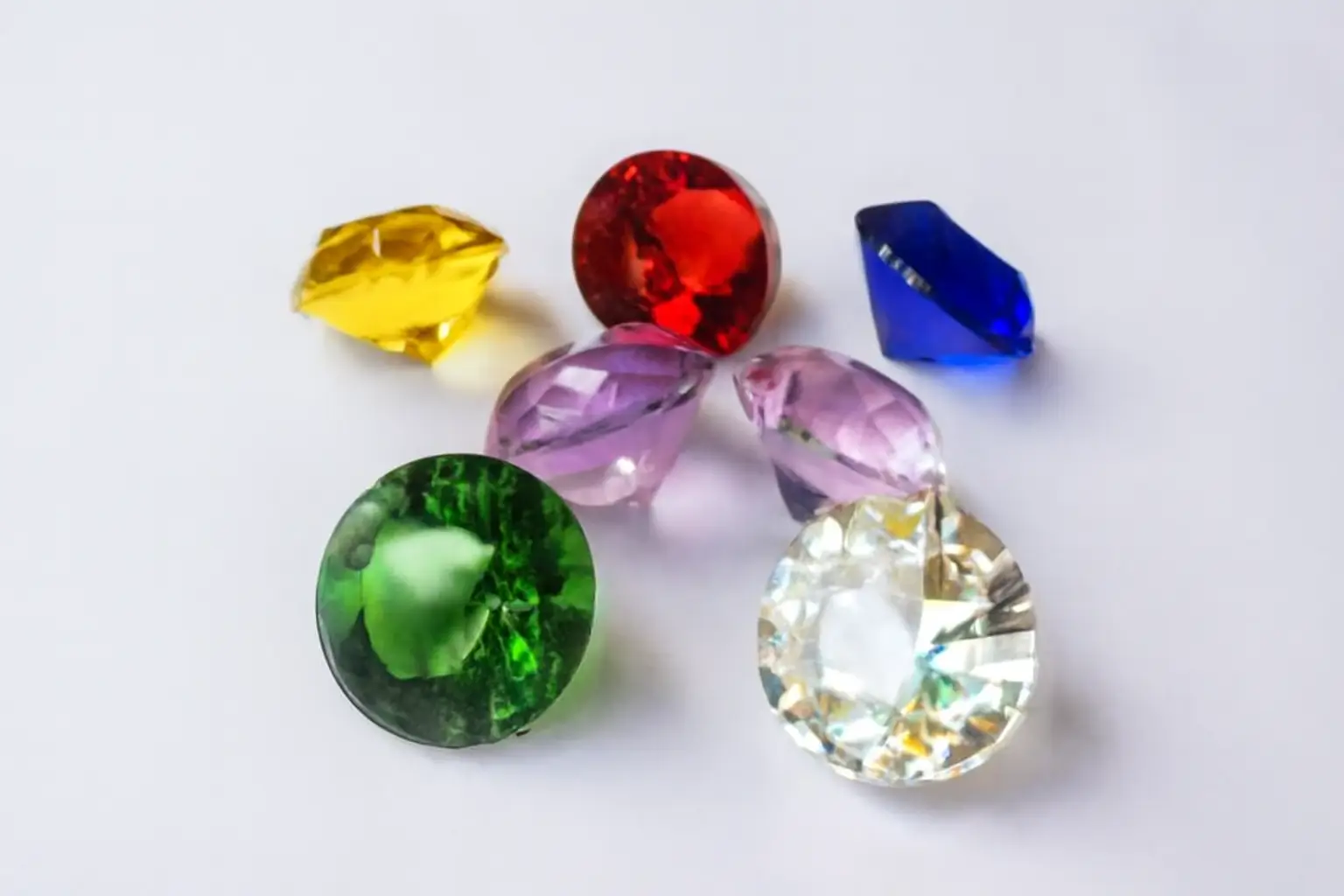
For many newcomers to gemstones, nothing hurts more than realizing you spent good money on a fake. The regret is instant — the “treasure” you bought is actually glass imitation gemstones or fake gem glass, a common trick in the jewelry market.
At Jewea, one of the most common items our clients ask us to identify online is glass. Known as the “ultimate chameleon” of glass imitation gemstones, it can mimic almost every natural gemstone on the market.But what exactly gives glass its power? And how can you tell if a piece of jewelry is made from glass rather than a real gemstone?
This guide walks you through everything you need to know.
A Brief History of Glass Imitation Gemstones in Jewelry
Glass has been used as a gem material for more than 3,500 years. Ancient civilizations crafted glass beads, ornaments, and imitation stones long before modern gemology existed.
Historic Examples:
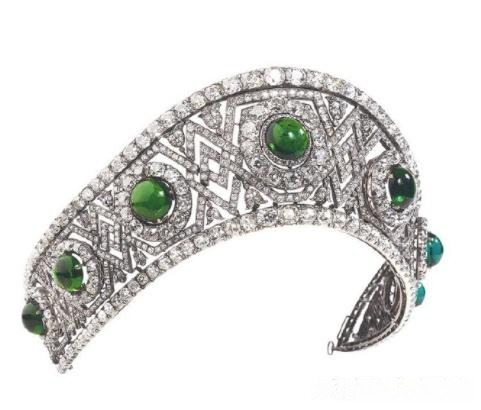
- 1884 Platinum Tiara
Crafted from platinum, silver, and diamonds, this tiara was set with green glass made to imitate emeralds. It was once owned by Elizabeth Feodorovna, a Russian grand duchess. - Chinese Ancient “Liuli”
In China, early forms of glass—known as liuli—date back to the Western Zhou dynasty. It was originally produced using by-products from bronze casting, refined and transformed into colorful, gem-like ornaments. Ancient texts even called liuli “the five-colored stone” because of its beautiful hues.
Compared with modern glass, traditional liuli used different raw materials and techniques and therefore varies in value and appearance.
Why Glass Can Imitate Almost Any Gemstones
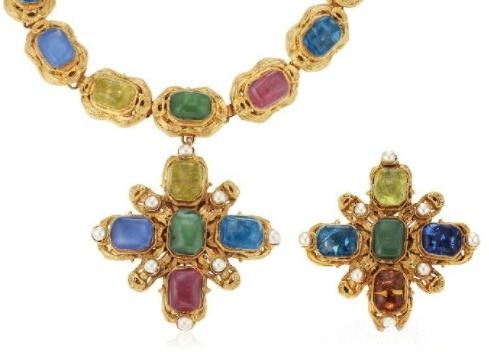
Among artificial gem materials, glass is the universal imitator. It can copy:
- any color
- different levels of transparency
- even certain optical effects seen in real gemstones
Below is a breakdown of the main types of glass used as imitation gemstones.
I. Glass Imitations With No Special Optical Effects
Most glass imitations focus on replicating a gem’s basic color and clarity, from transparent quartz to opaque jade. We detail how adding metallic oxides controls color and how treatments like emulsification mimic low-transparency gems and pearls.
1. Transparent Glass Imitation Gemstones
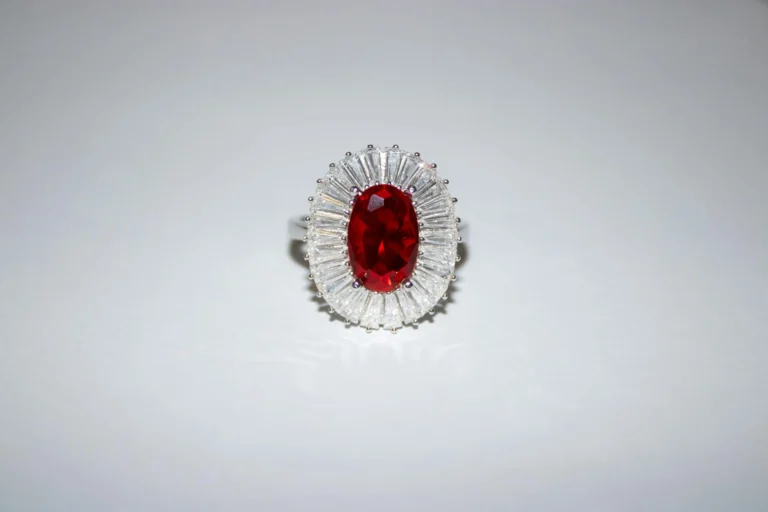
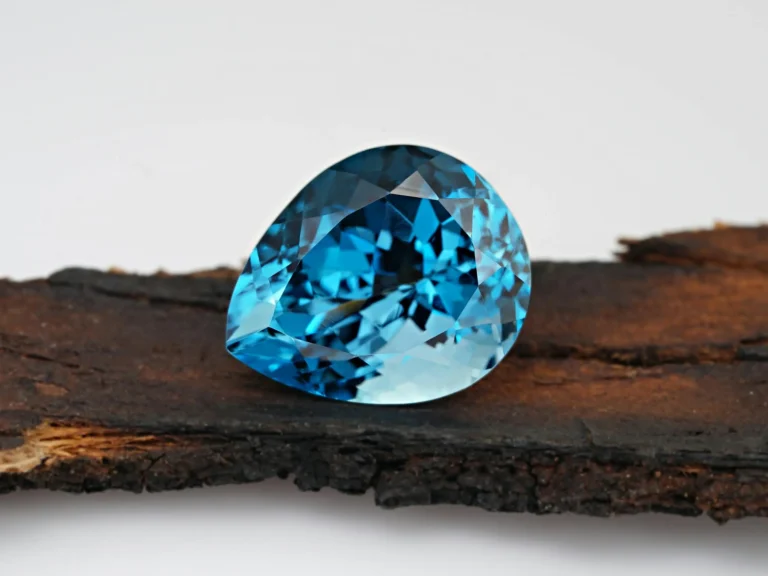
High-clarity glass is used to imitate stones such as emerald, aquamarine, ruby, topaz, quartz crystals, and more.
To achieve different colors, manufacturers add metallic oxides as coloring agents:
- Mn → purple
- Co → blue
- Se → red
- Fe → yellow & green
- Cu → red, green, blue
- Au → red
- Cr → green
- U → yellow-green
There is even “meteorite-style” glass, created by adding textured patterns to the surface to mimic natural meteorite fusion lines.
2. Low-Transparency or Opaque Glass
This category includes emulsified glass , notorious in the jewelry market.
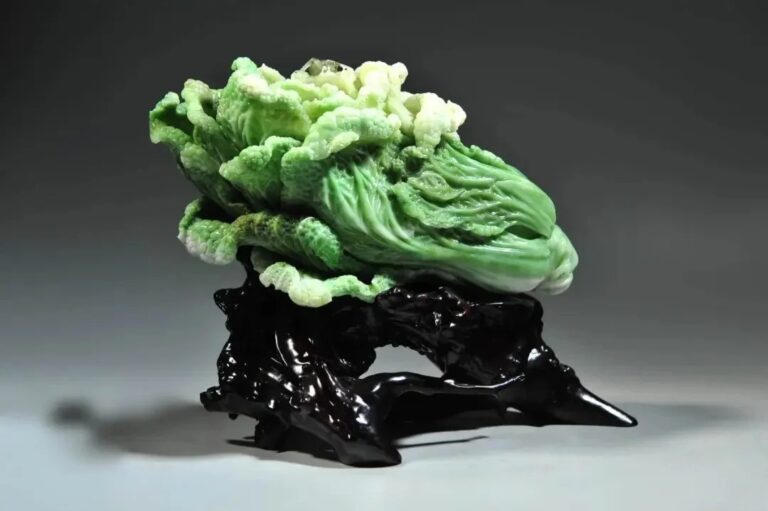
Adding tin oxide or phosphates lowers the transparency of glass. This category imitates stones like jade, agate, turquoise, coral, amber, bloodstone — basically anything from semi-translucent to opaque.
The most notorious among emulsified glass ?
What Is Emulsified Glass?
Made by adding tin oxide, phosphates, and other agents to reduce transparency, often fooling beginners. producing:
- Smooth surface
- Milky internal haze under light
- No crystalline structure
Why It’s Confusing:
White emulsified glass, a type of glass imitation gemstone, strongly resembles white Hetian jade, making it difficult for consumers to distinguish from real gemstones without gemological tools.
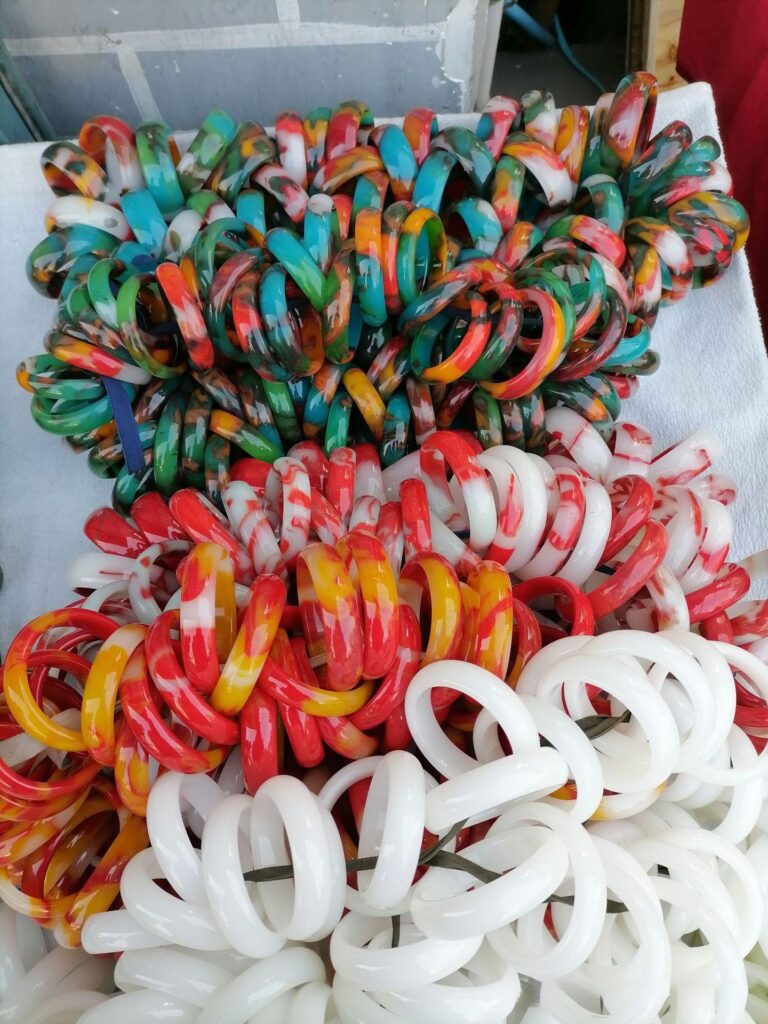
Emulsified Glass Comes in All Colors
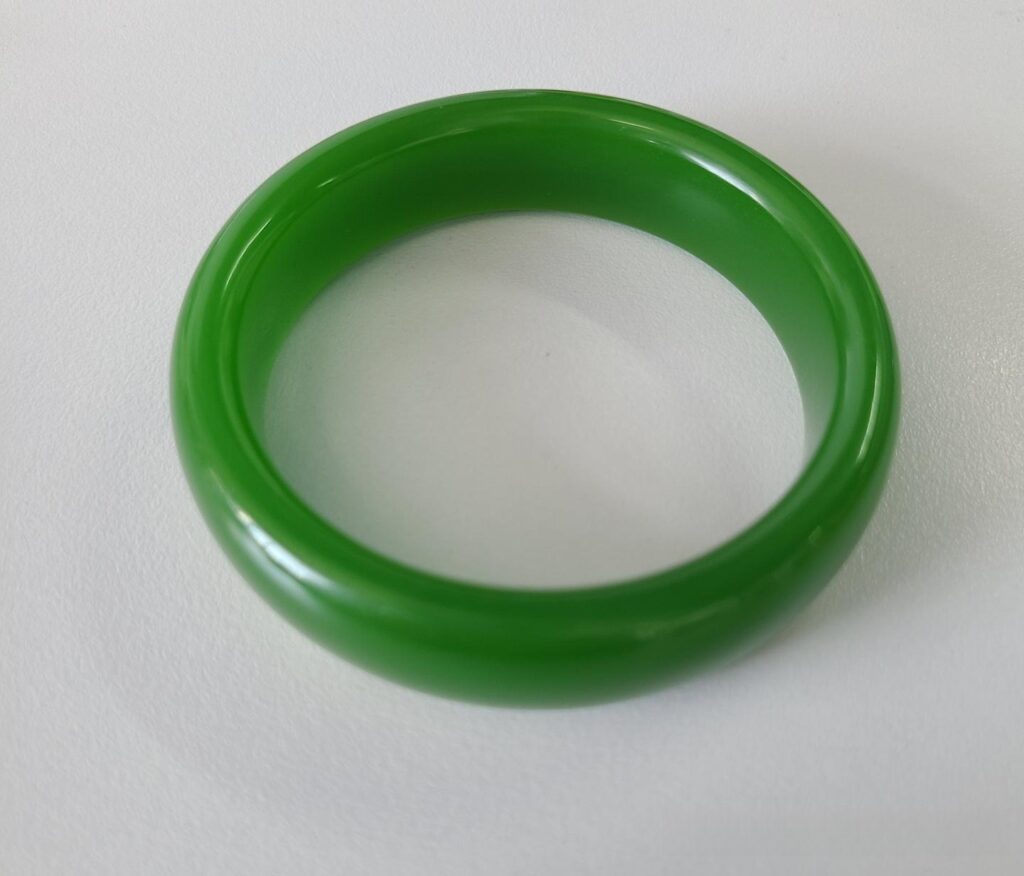
It can imitate:
- Hetian jade
- Jadeite
- Agate
- Turquoise
- Coral
- Amber
- Bloodstone
…and many more.
Note: In the market, many sellers refer to it as “Outer Mongolian material — but this is simply emulsified glass.
Fake Pearls Using Glass
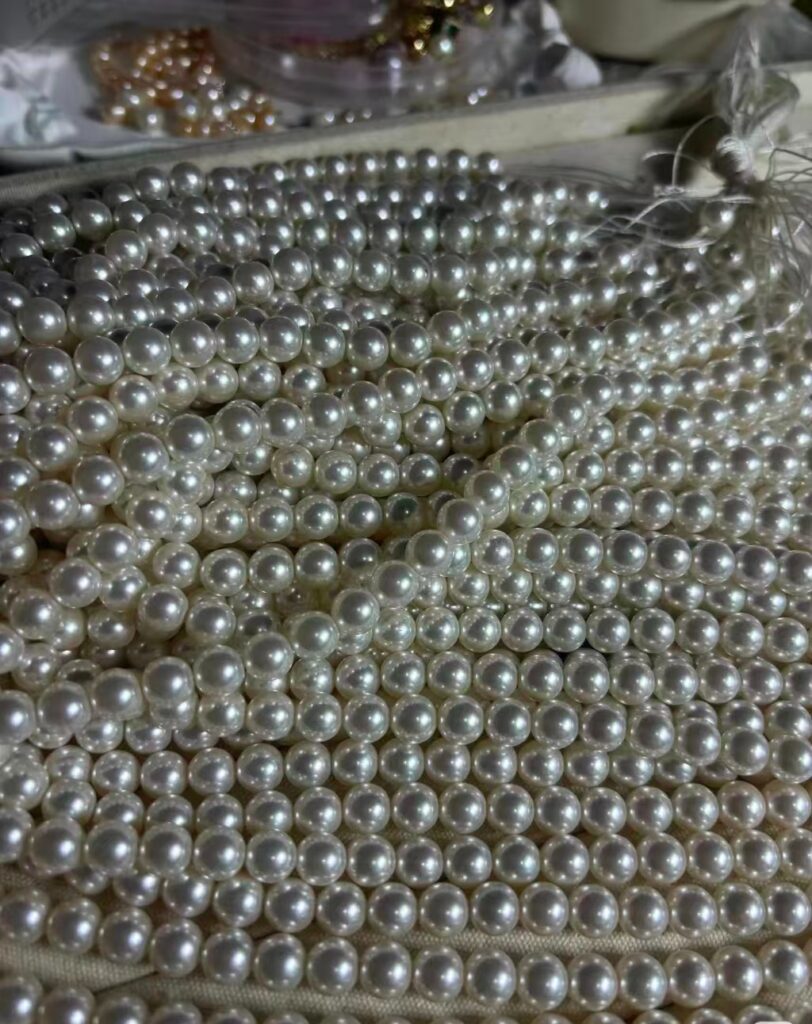
Glass pearls come in two primary types: solid and hollow. Specifically, manufacturers create the solid type, which naturally weighs more, by applying pearl essence (pearlizing liquid) to the surface. In any case, these pearls immediately catch the eye because their surfaces are smooth and highly lustrous.
However, the outer skin may peel off in flakes, exposing the glassy core beneath. This core presents high hardness—a steel needle cannot scratch it. Furthermore, when you hold the solid pearl for an extended period, it feels unnaturally stiff and is inexpensive.
Learn how to select natural pearls by reading our post: How to Choose a Top-Quality Pearl: Know Its Origin First.
II. Glass With Special Optical Effects
Beyond simple color imitation, glass is engineered to replicate the dynamic light play found in natural gems. We explore three examples that deceive the eye through optical illusion.
1. Glass Cat’s Eye
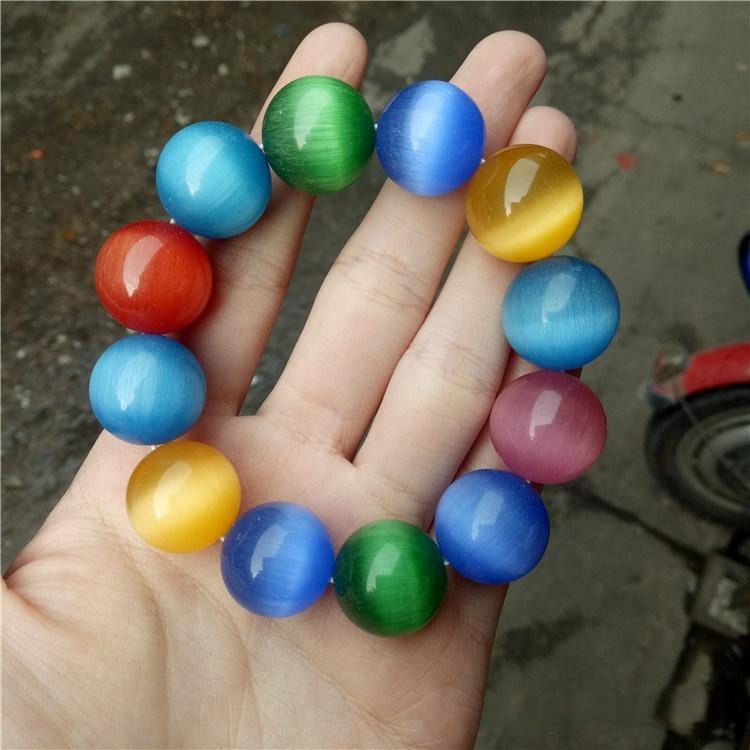
A popular imitation produced by aligning parallel glass fibers and melting them together.
Originally created by the Cathay Company, often called Cathaystone.
Diagnostic Feature
When viewed perpendicular to the chatoyant line, honeycomb-like patterns appear on the side surface — a giveaway caused by fiber alignment.
To learn more about how to identify real vs. fake cat’s eye gemstones, check out our post: How to Identify Real vs Fake Cat’s Eye Gemstones from Sri Lanka.
2. Color-Change Glass
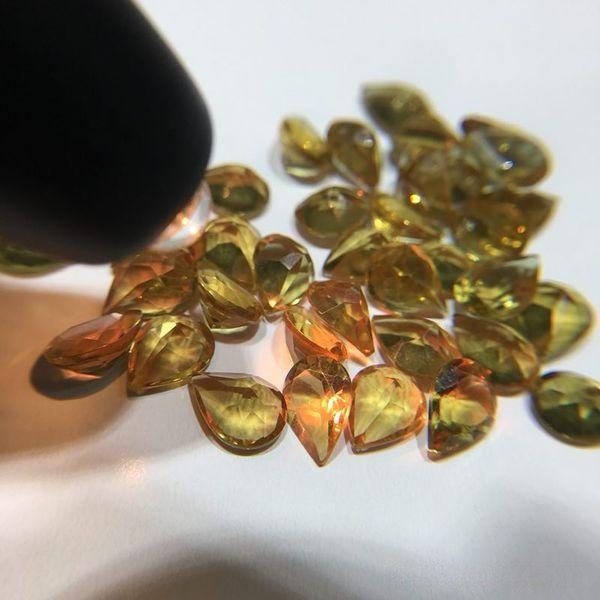
By adding rare earth elements, manufacturers create glass that shifts colors under different light sources — to imitate alexandrite and other color-change gemstones.
3. Goldstone / Sandstone Glass
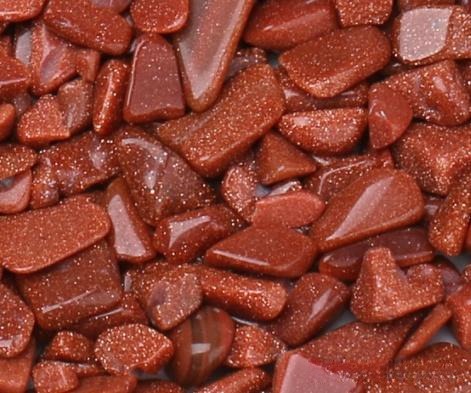
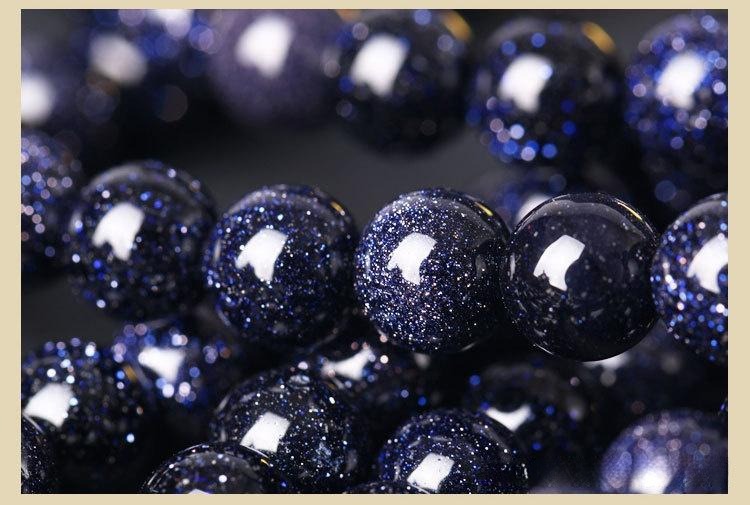
Better known in the market as:
- gold sand stone (jin sha shi)
- sandstone (sha jin shi)
- gold star stone (jin xing shi)
None are natural gemstones.
These imitations contain tiny metallic copper crystals that produce a glittering effect, originally created to mimic sunstone and lapis lazuli.
How to Identify Glass Imitation Gemstones
1. Visual Identification
Before using specialized equipment, a careful visual and tactile examination is the first line of defense against glass imitations. This initial assessment focuses on common flaws, manufacturing signs, and the material’s basic feel, which often betray a glass replica’s true identity.
1.1 Look at the Surface and Luster
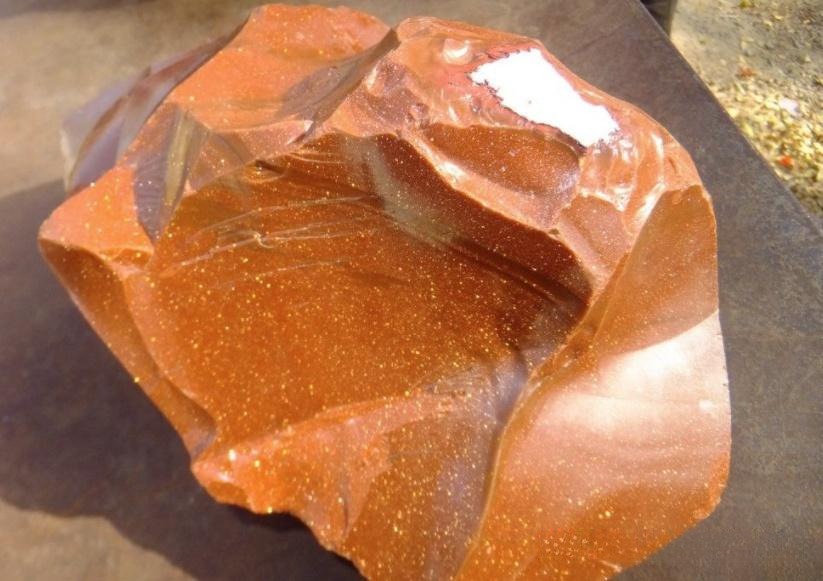
Glass typically shows:
- glass-like luster
- conchoidal fractures (curved, shell-like breaks)
- sometimes sub-adamantine luster in high-lead glass
Certain gemstones—like coral, turquoise, jade, or amber—have very different luster characteristics, making them easier to tell apart.
1.2 Mold Marks and Faceting Details
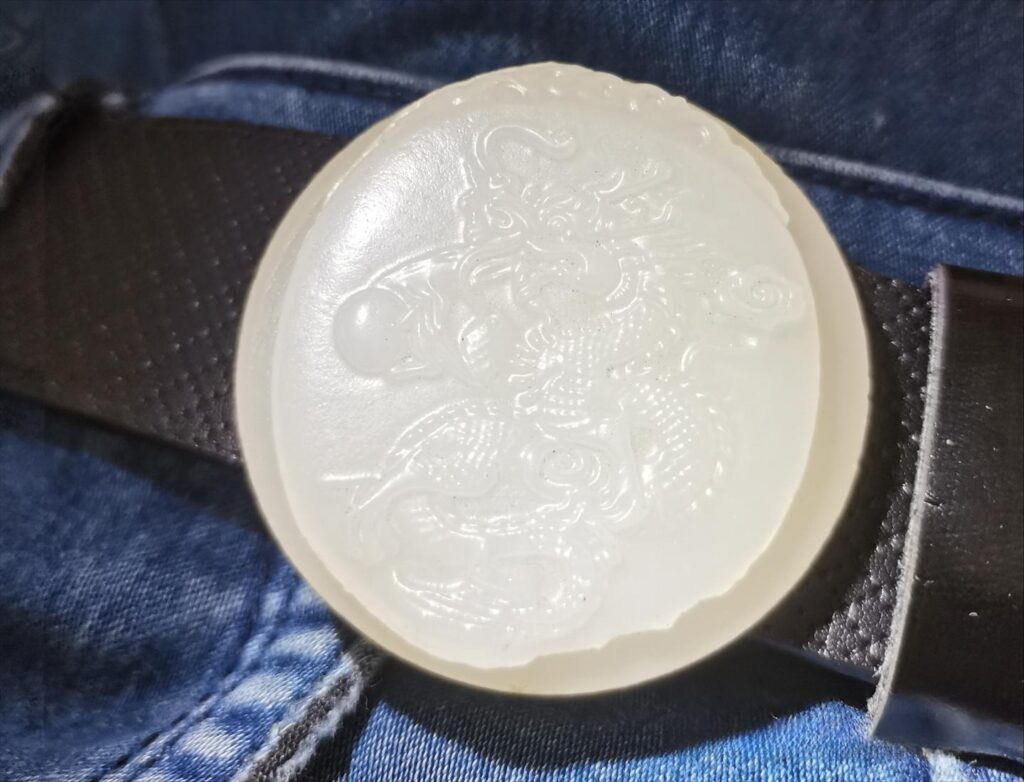
Pressed or molded glass may show:
- rounded facet edges
- uneven facet surfaces
- mold seam lines in low-quality pieces
These signs rarely appear in well-cut natural gemstones.
1.3 Bubbles
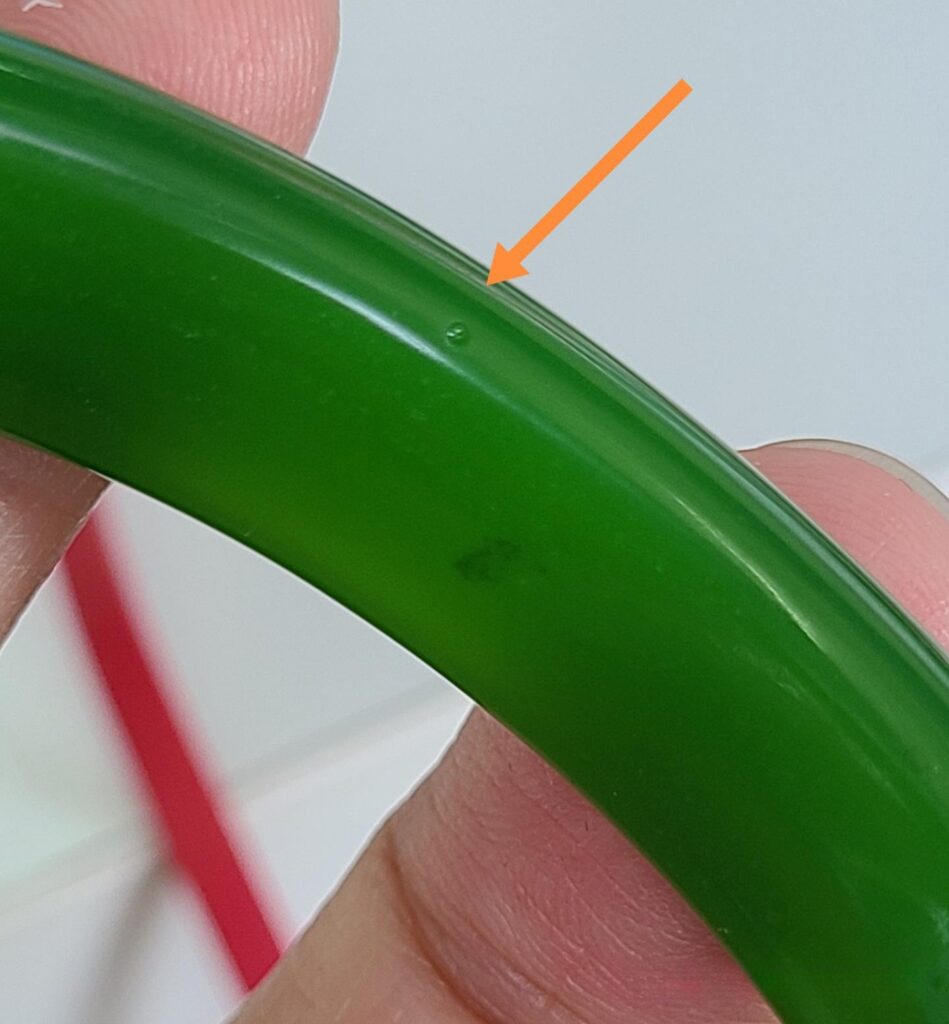
Glass often contains:
- Round bubbles
- Elongated bubbles
- Tube-like bubbles
After polishing, bubbles may appear as hemispherical pits on surface.
1.4 ⚖️ The “Heft” Test: Judging Weight and Density
While density (D) presents a broad parameter range (2.20–6.30 g/cm³), for the inexperienced buyer, judging the weight difference by hand—the “heft” test—proves to be the most intuitive initial method.
💡 Quick Tip for Identification: Glass typically feels “too light” or “not solid enough” when held.
Comparing Heavy Gemstones: Glass, for example, holds an average density (approximately 2.5–3.0 g/cm³) significantly lower than the heavier, high-density gems it often imitates. Consequently, a glass imitation of the same size will feel noticeably lighter than genuine stones such as: Ruby and Sapphire (approx. 4.00 g/cm³), Jadeite (approx. 3.33 g/cm³), and Diamond (approx. 3.52 g/cm³).
Comparing Light Gemstones: Conversely, glass density usually exceeds that of lighter organic gems or mineral aggregates. Therefore, the glass will feel much heavier than stones like Amber (approx. 1.08 g/cm³) or Opal (approx. 2.15 g/cm³).
Ultimately, when lacking professional tools, gently weighing the piece against a known authentic stone of a similar size (if available) helps you quickly establish a preliminary understanding of the “gemstone feel” versus the “glass feel” of the weight.
2. Using Instruments and Parameters
Visual inspection has limits. To confirm a suspected glass imitation, professional gemology relies on tools and measurable parameters. We explore how magnification reveals telltale internal flaws, and how parameters like Refractive Index and density compare to natural gems.
2.1 Microscopic Identification
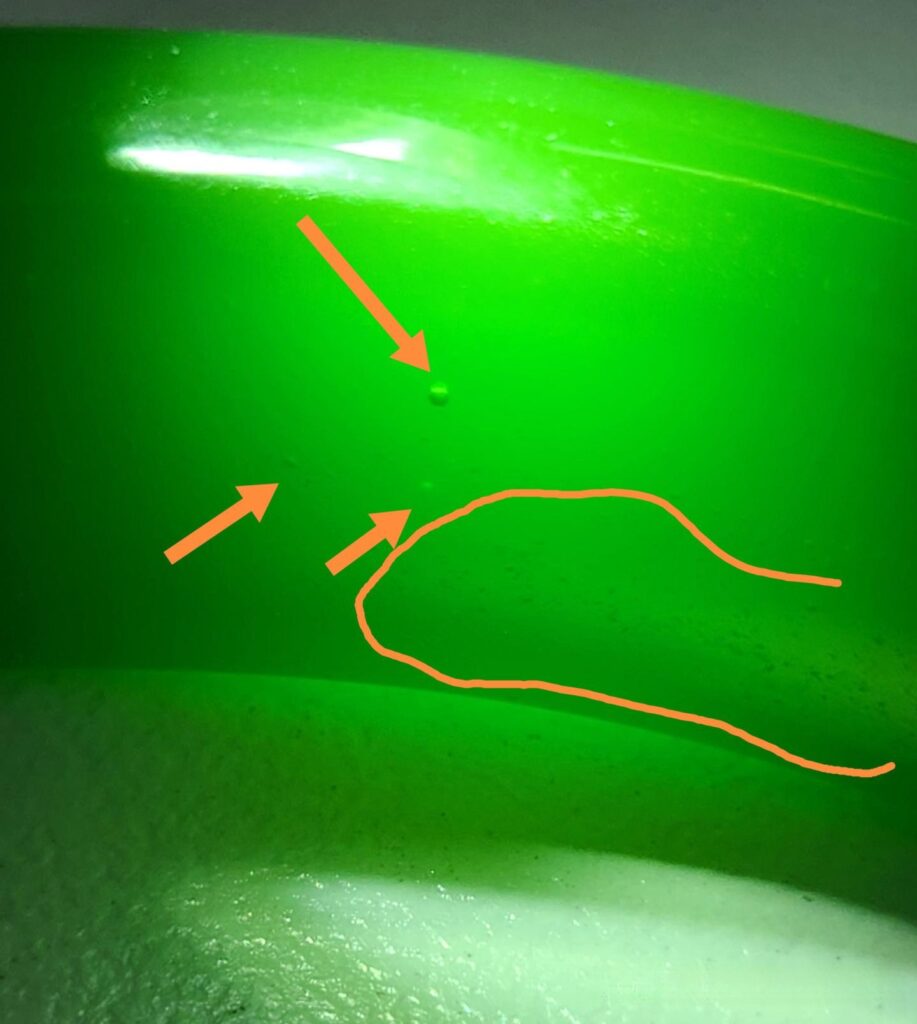
Under magnification, bubbles become even more obvious.
Emulsified glass shows:
- White internal haze
- Random bubble distribution
- No crystal structure
2.2 Physical and Optical Properties
| Property | Typical Glass | Notes |
|---|---|---|
| Hardness | 5–6 | Softer than most gemstones |
| Refractive Index (RI) | 1.47–1.70 (up to 1.95) | Varies by composition |
| Density | 2.20–6.30 g/cm³ | Can overlap with many gems |
These ranges are broad because glass composition is highly adjustable.
2.3 Advanced Testing
Infrared spectroscopy (IR) can definitively identify glass imitations, especially when visual and standard gemological tests are inconclusive.
Concluding Thoughts from Jewea
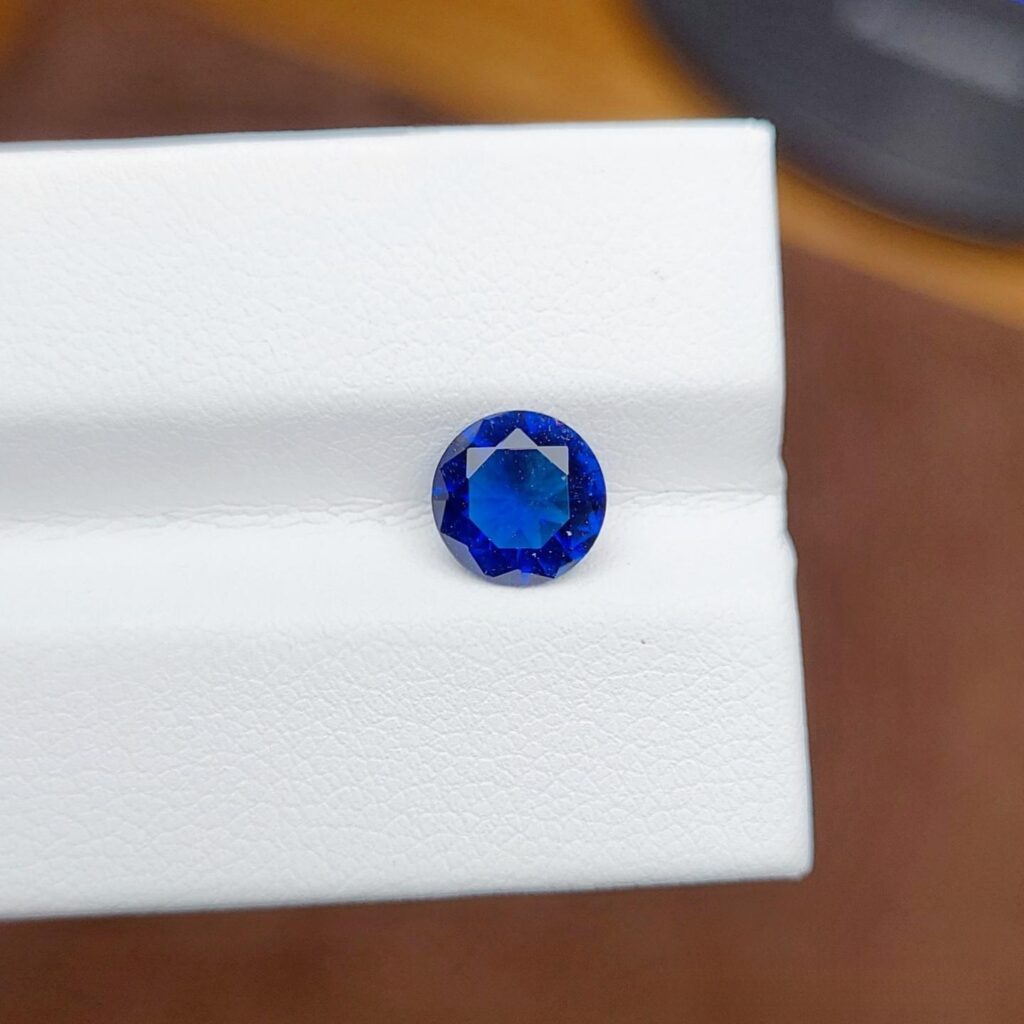
Glass is one of the most adaptable materials in the jewelry world, capable of imitating nearly every gemstone’s appearance. While the tips above can help you judge whether your piece may be a glass imitation gemstone, the most reliable method is always to send your item to a qualified gemological laboratory for testing.
And yes — there are natural glasses too!
For example: obsidian, tektite, Libyan desert glass…
Jewea: Start Your Bespoke Journey
And if your goal goes beyond identifying stones — if you’re searching for jewelry that truly reflects your taste — Jewea also offers bespoke design services. From selecting the right gemstones to crafting meaningful pieces, we work closely with you to bring your ideas to life.
For those who appreciate artistry and character, explore our collection of handmade vintage earrings. Each piece is an original design, made with carefully selected materials and crafted to be truly one of a kind — a little work of art that tells your story. Whether you prefer something subtle or bold, our artisans create jewelry that feels personal, expressive, and timeless.