Gold-Filled vs Plated Jewelry: The Ultimate Guide to Quality & Value
When comparing gold filled vs plated jewelry online, you’ve likely come across beautiful pieces at prices that seem almost too good to be true. Both options look luxurious and can shine like solid 18K gold, but they offer very different levels of quality, durability, and long-term value.
So what are you actually paying for—and is it real gold or just clever marketing?
Understanding the difference between gold-filled vs gold-plated jewelry is key to building a collection that looks expensive, wears well over time, and truly matches its price tag. In this guide, we’ll break down how each type is made, how much real gold it contains, and—most importantly—how to shop smart so you don’t end up with a piece that fades after just a few wears.
The Enduring Appeal of Gold-Filled Jewelry
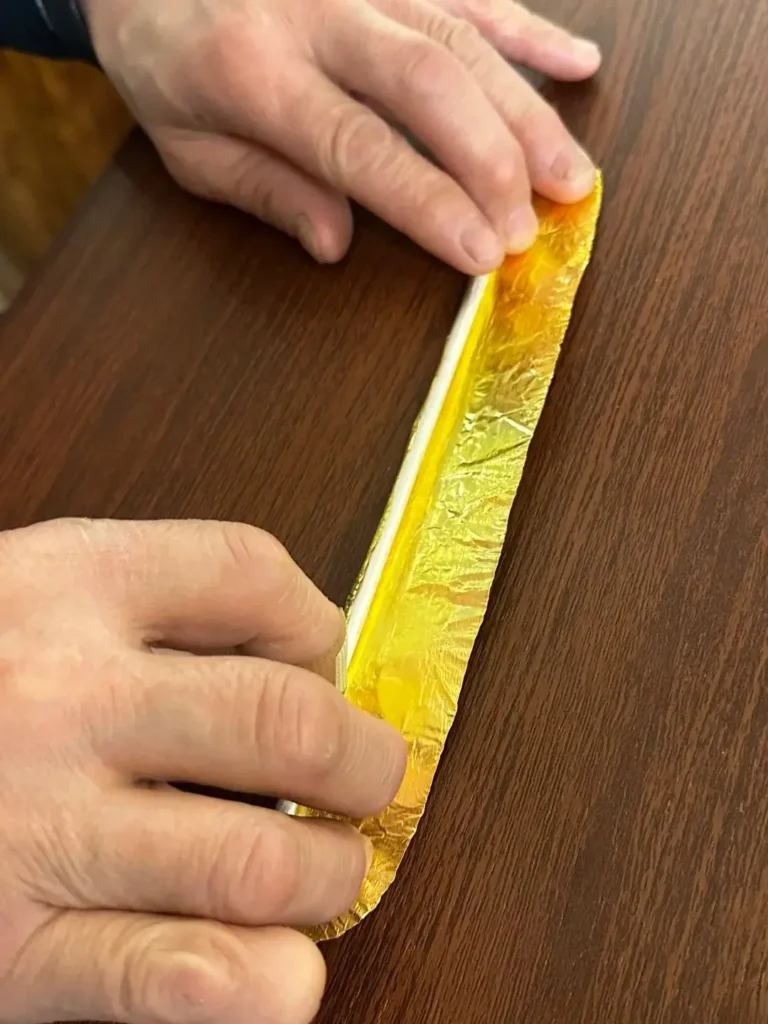
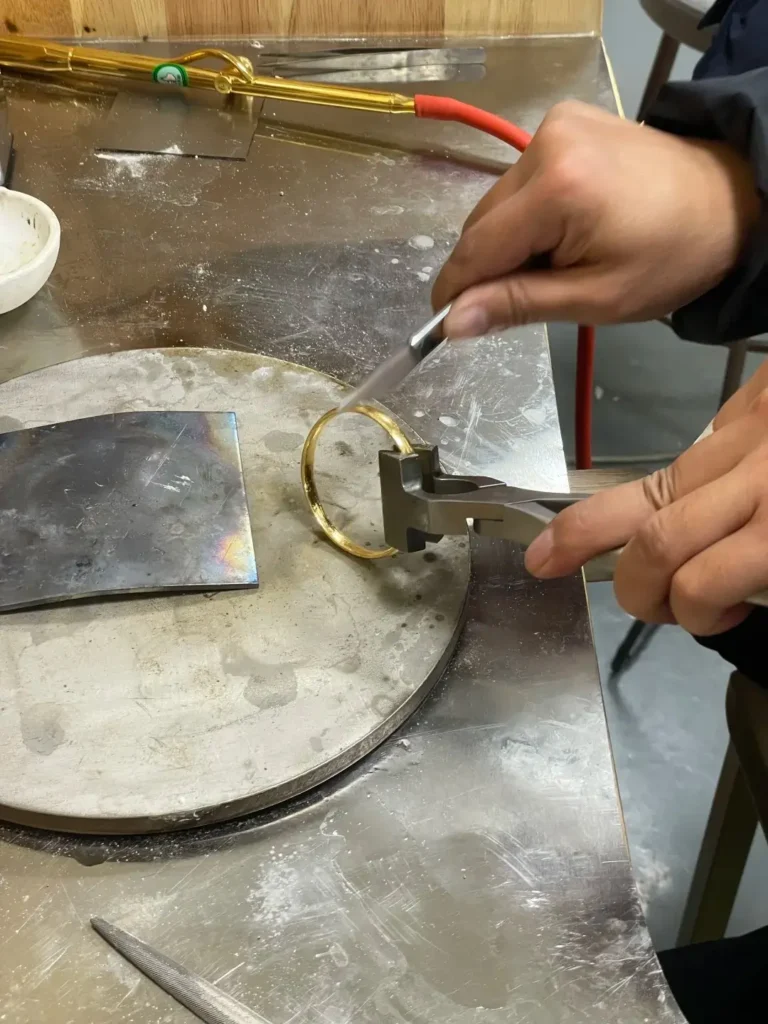
Many people confuse “Gold-Filled” with “Gold-Plated,” but the two are worlds apart in terms of quality and longevity.
Gold-filled jewelry (also known as “rolled gold” or “K-gold injection”) isn’t simply dipped in gold. Instead, it is created through a high-heat, high-pressure mechanical process in which a thick sheet of solid gold—usually 14K or higher—is permanently fused to a base metal core such as brass or copper.
Analogy: Think of gold-filled jewelry like a high-quality gift wrapped in thick, premium paper—not just painted over. The gold is a structural part of the piece.
Why It Is the Closest Alternative to Solid Gold
Gold-filled jewelry isn’t just labeled with 5% gold—it performs like a solid piece. Here’s why it’s the closest alternative to pure gold:
The 5% Rule
According to U.S. Federal Trade Commission (FTC) standards, jewelry must contain at least 5% real gold by total weight to be legally labeled as gold-filled.
The common “1/20” stamp is your legal guarantee of this gold content.
Durability
With a gold layer typically 5 microns or thicker, gold-filled jewelry withstands sweat, skin contact, and daily wear for years without fading.
The Rub Test
Unlike delicate plating, gold-filled jewelry allows safe polishing with a jewelry cloth, without the risk of rubbing the gold layer away.
How to Decode Gold-Filled Markings (The Insider’s Secret)
Before you buy, always look for the hallmark stamped on the clasp, inner band, or earring post. These tiny markings reveal exactly how much gold you’re getting.
Example: “1/10 14K GF”
- 1/10: 10% of the total weight is real gold
- 14K: The purity of the gold layer
- GF: Stands for Gold-Filled
Common Markings:
You may also see “1/20 14K GF” (the legal minimum) or simply “14K GF.” If you see these, you’re holding a piece designed to last.
Gold-Plated Jewelry: High Style on a Budget
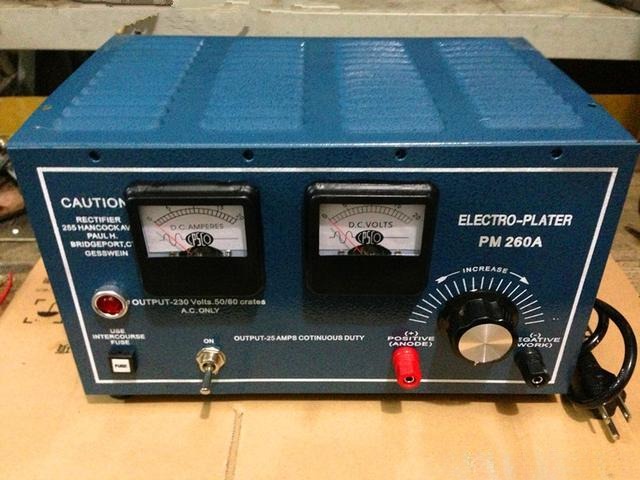
Gold-plated jewelry is created through an electrochemical process that deposits a microscopic layer of gold onto a base metal. At first glance, it can look identical to solid gold; however, the gold layer is significantly thinner and therefore requires more delicate care.
For this reason, gold plating is best suited for trend-forward designs, statement pieces, or occasional wear—it is not intended for decades of daily use.
The Two Faces of Gold Plating: Homogeneous vs. Heterogeneous
Not all gold plating serves the same purpose. Depending on what lies beneath the surface, plating falls into two categories:
Homogeneous Plating (Gold on Gold)
This method plates gold over an existing gold or K-gold base to enhance color uniformity and luster.
Example:
Most 18K white gold jewelry is finished with a homogeneous rhodium plating to achieve its bright, silvery-white appearance.
Heterogeneous Plating (Gold on Non-Precious Metal)
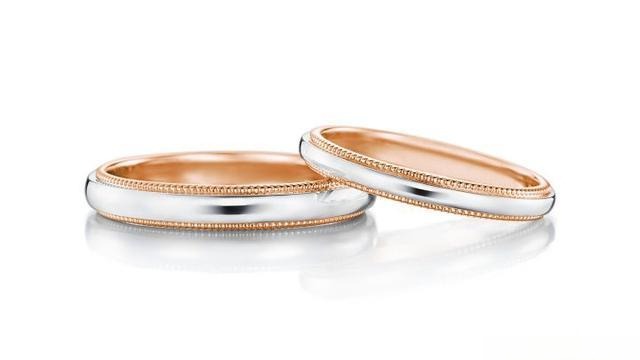
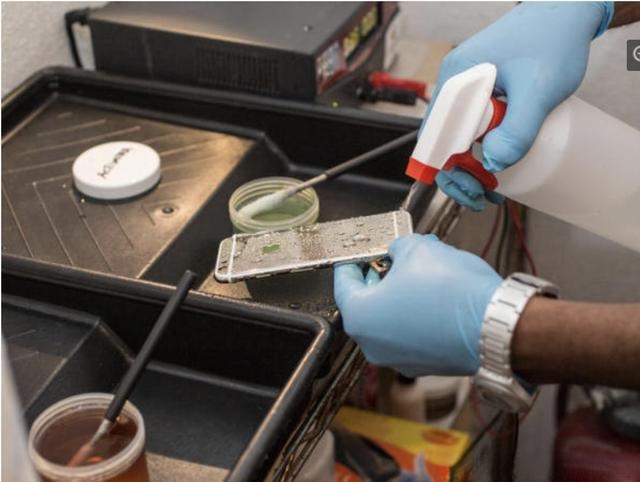
This process plates gold over non-gold metals such as silver, brass, or copper to create a luxury look at a more accessible price.
Pro Tip:
Heterogeneous plating requires a much thicker gold layer to prevent the base metal from showing through too quickly.
How Gold Plating Works: The Professional Process Behind Long-Lasting Jewelry
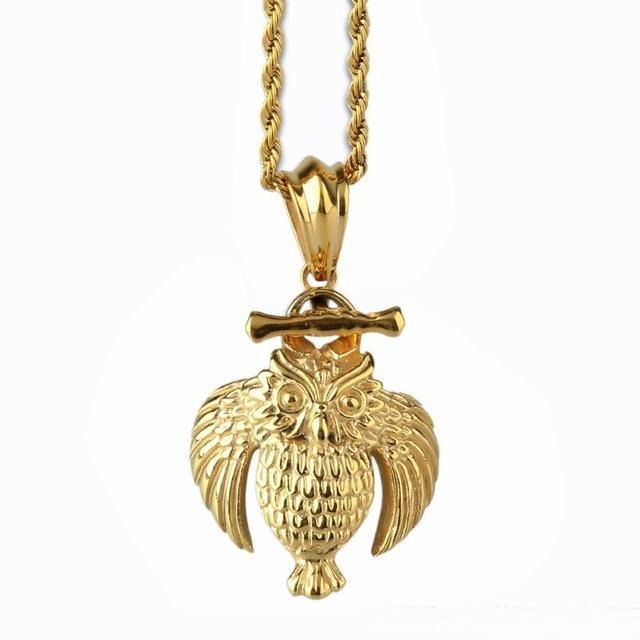
Far from just creating a luxurious finish, gold plating serves a vital functional role. When technicians meet professional standards, the process delivers exceptional chemical stability, corrosion resistance, and wear performance. Consequently, these robust qualities explain why the precision electronics and aerospace industries trust gold plating for their most critical applications.
At PeonyJewels, we apply these same industrial-grade principles to jewelry-making to ensure our pieces last far beyond typical fast-fashion alternatives. To understand what truly determines plating quality, it helps to start with the two factors that matter most: technology and thickness.
The Quality Scale: Technology & Thickness
Plating Technology (Ranked by Color Retention)
- Vacuum Plating (In-Furnace PVD)
The gold standard—extremely durable and highly wear-resistant. - Vacuum Plating (External)
Excellent color retention and commonly used in high-end fashion jewelry. - Water Plating (Traditional Electroplating)
Best suited for budget-friendly or occasional-wear pieces.
The Micron Guide: Why Thickness Matters
- Excellent (10–25 microns)
Heavy gold plating designed for luxury durability. - Average (2–3 microns)
Standard thickness for quality boutique jewelry. - Flash Plated (<0.18 microns)
Often called gold-washed. Extremely thin and prone to fading within weeks.
Not recommended for long-term wear.
Can it be fixed?
Gold-plated jewelry can be professionally re-plated to restore its appearance—unlike gold-filled jewelry, which cannot be “re-filled.”
The Premium Tier: What is Gold Vermeil? If you are looking for the “Holy Grail” of plated jewelry, you will likely encounter Gold Vermeil (pronounced ver-may). While it is technically a form of plating, it is held to a much higher legal standard:
- The Base: Must be 925 Sterling Silver (never brass or copper).
- The Purity: The gold layer must be at least 10K or higher.
- The Thickness: The gold must be at least 2.5 microns thick—about 5 to 10 times thicker than standard flash plating.
Pro Tip: Because Vermeil consists entirely of precious metals (Gold over Silver), it is the premier choice for sensitive skin and offers a luxurious weight that budget plating simply cannot match.
How Professional Gold Plating Achieves This Quality
Meeting professional standards requires precision at every step:
Step 1: Preparation & Gold Chemistry
The process begins with a specialized gold salt solution, scientifically balanced for each base metal.
This precise formulation allows gold atoms to bond securely and evenly at a molecular level—forming the foundation of a durable, long-lasting finish.
Step 2: Surface Pre-Treatment
Before plating, artisans polish each piece to a brilliant mirror finish, immediately followed by ultrasonic cleaning to strip away oils, oxidation, and microscopic residue. We treat this stage with absolute precision; because if the surface isn’t flawlessly clean, even the finest gold plating will fail. This critical preparation is what prevents peeling and ensures your jewelry won’t face premature fading.
Step 3: The Electroplating Bath
Next, technicians submerge the jewelry into a tightly controlled electroplating bath maintained at 50–60°C. By applying a precise electrical current of 0.02–0.05 A/cm², the process deposits gold particles evenly over 30–60 minutes. This meticulous timing ensures the creation of a consistent, high-adhesion gold layer that truly lasts.
Step 4: Post-Treatment & Inspection
A protective anti-tarnish coating is applied to enhance durability and slow oxidation.
Each piece then undergoes final inspection in a dust-free environment, ensuring uniform color, strong adhesion, and a flawless finish before it reaches our customers.
Gold-Filled vs Plated: How to Tell the Difference
Before testing with your hands and eyes, it helps to understand the underlying differences that aren’t immediately visible.
Quick Comparison: Gold-Filled vs Plated
Before you tap “Add to Cart,” use this comparison to ensure you’re getting the quality you expect.
| Feature | Gold-Filled (GF) | Gold-Plated (GP) |
| Manufacturing | Mechanical Bonding (Heat/Pressure) | Electrochemical (Electroplating) |
| Gold Content | At least 5% of total weight | Microscopic layer (<0.05%) |
| Durability | High; water & tarnish-resistant | Low; sensitive to sweat & perfume |
| Hallmark | Look for “GF” or “KF” (e.g., 1/20 14K GF) | Look for “GP”, “GEP”, or “KP” |
| Maintenance | Can be polished with a gold cloth | Needs professional re-plating |
| Best For | Investment pieces for daily wear | Fashion pieces for occasional wear |
Gold-Filled vs Plated: 4 Pro Tests to Tell the Difference
When you’re browsing a boutique or scrolling through a website, identifying the difference between gold-filled vs. plated jewelry is the only way to ensure you’re making a smart investment. Use these four professional checks to verify the quality before you buy.
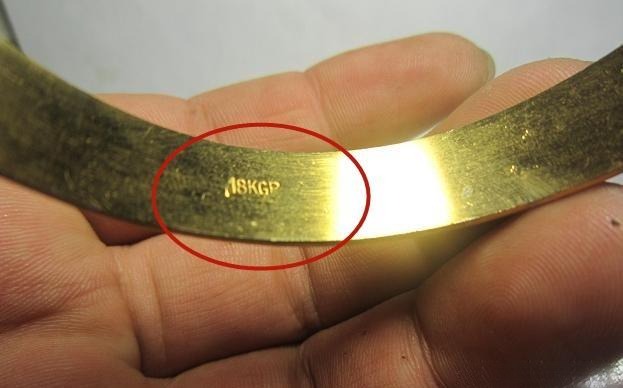
Test 1: The Hallmark Hunt (Checking the Stamps)
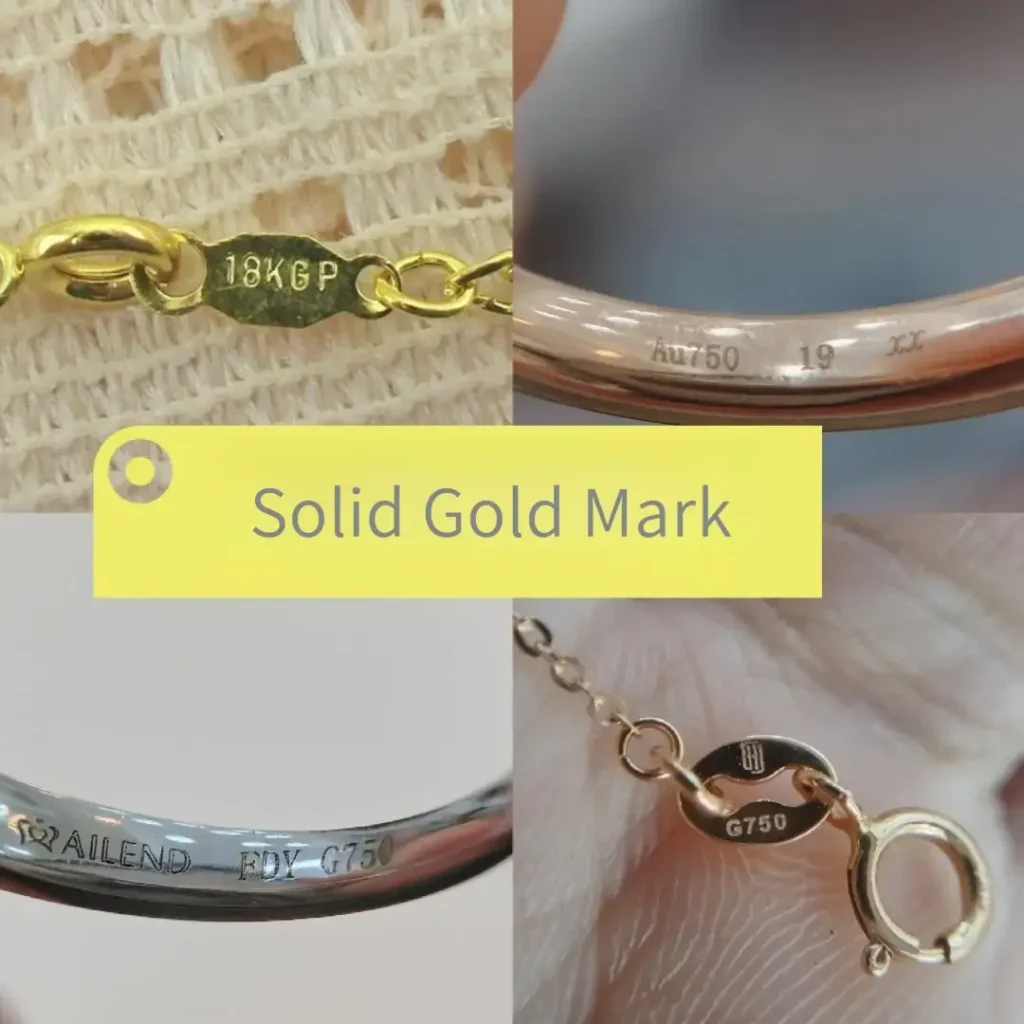
The most reliable way to identify jewelry is to check its “DNA”—the hallmark stamp. Most reputable jewelers engrave these markings on the clasp, the inner band, or the earring post.
- Gold-Filled (GF/KF): Look for markings like ‘1/20 14K GF’ or ‘14K RGP’ (Rolled Gold Plate). The fraction “1/20” is a legal guarantee that 5% of the total weight is real gold.
- Gold-Plated (GP/GEP): If you see ‘GP,’ ‘GEP,’ or ‘HGE’ (Heavy Gold Electroplated), the item is plated.
- Solid Gold: Genuine solid pieces are marked by their purity, such as “14K,” “18K,” “AU585,” or “AU750.”
Test 2: The Color and Luster Check
While both look identical when brand new, they react differently to light over time.
- Gold-Filled: Because the gold layer is thick, it possesses a deep, saturated glow that remains consistent regardless of the viewing angle. It mimics the warmth of solid gold perfectly.
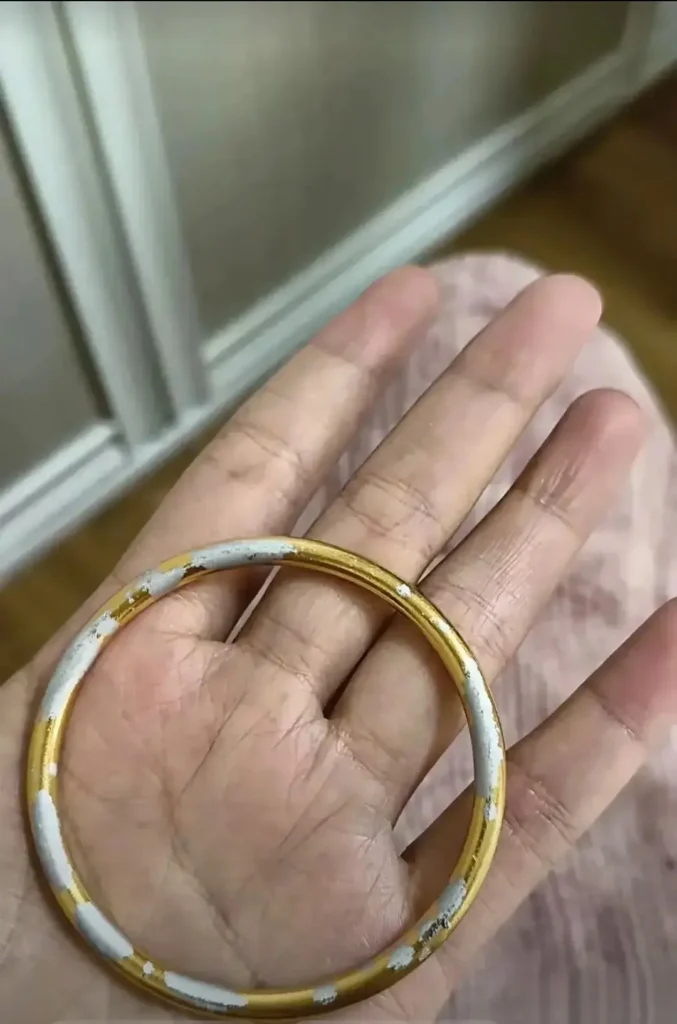
- Gold-Plated: Paradoxically, plated jewelry often looks too bright or “neon” yellow when new. However, as the thin layer wears down, you will notice uneven fading and grayish patches where the base metal begins to peek through.
Test 3: The Weight and “Hand-Feel”
Texture tells a story.
- Gold-Filled jewelry feels substantial. When you hold it, you’ll notice a distinct “heft” and a sense of sturdiness.
- Gold-Plated pieces, by contrast, often feel suspiciously light or “tinny.” If a chunky necklace feels like it weighs nothing, it is likely a low-quality plated alloy.
Test 4: The Wear & Friction Test (Use with Caution)
If you already own the piece and aren’t sure of its origin, observe how it handles friction.
- Gold-Filled: It can withstand years of rubbing against your skin and clothes without losing its color.
- Gold-Plated: On plated items, the gold layer will eventually flake or rub off at “high-friction” points—such as the inner part of a ring or the links of a chain.
Gold-Filled vs Plated: Is It Worth the Price? Understanding Value Retention
To put it simply, the price of jewelry usually reflects its longevity. Here is the professional ranking for color retention and value:
Solid Gold > Gold-Filled > Gold-Plated
Why the price gap? Gold-filled jewelry costs more than gold-plated because the manufacturing process is significantly more complex and the gold content is much higher. However, gold-filled offers the best “bang for your buck” because it lasts for years without the premium price tag of solid gold.
Fun Fact: The Olympic Standard! Did you know that an Olympic “Gold” medal is actually a masterpiece of gold-plated silver? To balance prestige with sustainability, the International Olympic Committee requires these medals to feature a solid silver core plated with at least 6 grams of pure gold. This prestigious tradition proves that high-quality gold plating has its place—even on the world’s most iconic podiums!
How to Shop Like a Jewelry Insider
Admittedly, walking into a jewelry store or shopping online can feel intimidating for many. However, you can navigate these spaces with ease by following a few expert tips.
❌ Stop Asking These 3 Questions:
- “Is this real gold?” (Technically, the surface is real gold, so the answer is always “yes.”)
- “Is there a discount?” (Signals you are focused on price over craftsmanship.)
- “Is this a good investment?” (Only high-purity solid gold is a financial investment.)
✅ Ask These 3 Questions Instead:
- “Is this priced by weight (per gram) or a fixed fee?” (Shows you understand gold valuation.)
- “What is the base metal and the micron thickness?” (Shows you know your technical specs.)
- “What is your tarnish warranty or re-plating policy?” (Shows you are looking for a quality piece backed by long-term brand service.)
The Ultimate Gold Jewelry Buying Guide: 10 Pro Tips
Whether you are shopping for an everyday accessory or a future heirloom, use this professional checklist to navigate the market like a seasoned collector.
1. Master the Hallmark Rule
Never buy gold jewelry without a clear stamp. These tiny engravings are the legal guarantee of what you are buying:
- Solid Gold: Look for 14K, 18K, AU585, or AU750.
- Gold-Filled: Look for 1/20 14K GF or KF.
- Gold-Plated: Avoid these if you want longevity—look for GP, GEP, or HGE.
2. Choose Solid Over Hollow (Especially for Bangles)
While hollow jewelry looks impressive and costs less, it is incredibly fragile. A hollow bangle can dent with a single bump and is nearly impossible to repair. At PeonyJewels, we always recommend solid construction for pieces meant to last a lifetime.
3. Inspect the Hardware: M-Clasps vs. Spring Rings
The clasp is the most vulnerable part of a necklace.
- The Winner: M-style or Lobster clasps. They are sturdy, secure, and easy to handle.
- The Red Flag: Cheap spring-ring clasps. They are prone to snapping and often indicate lower-quality manufacturing.
4. Beware of Misleading Marketing Labels
If you see terms like “Thai Sand Gold,” “Vietnam Old Gold,” or “African Tin Gold,” run the other direction. These are not real gold varieties; they are clever marketing buzzwords used to sell copper or brass with cheap flash-plating.
5. Buy by Weight, Not Just “One-Price”
For investment-grade gold, transparency is key. Avoid “Flat-Price” or “One-Price” tags where the markup is hidden. Always ask: “What is the gram weight of this piece?” This allows you to calculate the actual value of the gold you are receiving.
6. Skip the Glue: Secure Gemstone Settings
Be cautious of gold jewelry featuring pearls, jade, or gemstones that are simply glued onto the metal. Exposure to water or heat will eventually dissolve the adhesive. Look for prong or bezel settings where the metal physically secures the stone.
7. Choose 18K for Gem-Set Jewelry
While 24K (pure gold) is beautiful, it is too soft to hold gemstones securely. For rings and necklaces with stones, 18K gold is the professional choice—it provides the perfect balance of luxury and structural strength.
8. Earring Security: Curved Posts are King
For gold studs, choose curved posts (bent pins) rather than straight ones. This design reduces the risk of the earring bending or falling out, ensuring a more secure and comfortable fit for daily wear.
9. Avoid “Purity Inflation”
Don’t be fooled by marketing claims of “99999 gold.” In the professional jewelry world, Standard 24K gold is 99.9% pure; anything beyond that is for industrial or investment bars, not wearable jewelry.
10. Stick to Reputable Brands
Ultimately, quality and after-sales support define a piece’s true worth. Beyond the initial purchase, selecting a reputable brand ensures you receive ethically sourced materials and accurate hallmarking. Furthermore, this commitment to transparency guarantees that your jewelry remains as radiant as the day you bought it.
Gold-Filled vs Plated: Bottom Line & Jewelry Care
At the end of the day, neither gold-filled nor gold-plated jewelry is meant to replace solid gold—and that’s okay. The goal of this guide isn’t to steer you away from these alternatives, but to empower you with the knowledge to shop confidently.
Whether you choose the lasting durability of gold-filled or the trend-forward brilliance of gold-plating, you should always know exactly what you’re paying for. As long as the price is fair and the craftsmanship is superior, both options are fantastic ways to express your style without the solid-gold price tag.
How to Keep Your Glow Longer
Regardless of which one you choose, a little care goes a long way. To maintain that “first-day” shine and extend the life of your jewelry, we recommend:
- The “Last On, First Off” Rule: Apply perfumes, lotions, and hairsprays before putting on your jewelry.
- Avoid Harsh Chemicals: Keep your pieces away from household detergents and skincare acids.
- Dry Storage: When not in use, store your jewelry in a dry, soft-lined pouch to prevent oxidation.
Discover Handcrafted Elegance at PeonyJewels
At PeonyJewels, we believe beauty is at its best when backed by transparency. Our collection of handmade vintage earrings is curated for the modern romantic—someone who values high style but refuses to compromise on substance.
We use only premium gold-filled and high-micron plated materials, ensuring that every shimmer is designed to last.
Looking for something truly one-of-a-kind? Explore our bespoke custom services, where we collaborate with you to design meaningful jewelry that perfectly reflects your unique story.