Gold Recasting Weight Loss: What Really Happens When Jewelry Is Melted?
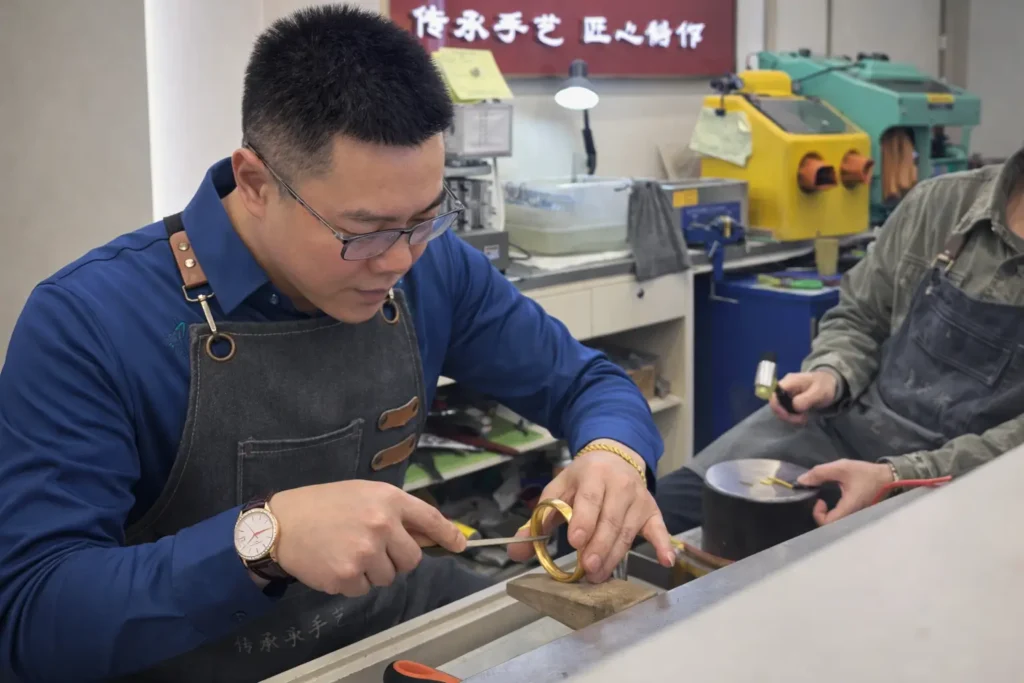
How to Recast Gold Without Losing Grams?
Is your gold really “shrinking,” or is it simply a case of poor craftsmanship? Many jewelry lovers worry about gold recasting weight loss when transforming outdated heirlooms, broken chains, or inherited gold jewelry into modern, meaningful pieces.
Holding onto old treasures is natural, but one question often stops us:
If I melt it down, will I lose the gold I originally paid for?
In this guide, PeonyJewels will reveal the truth about gold recasting weight loss, explore the process behind melting and recasting, and—most importantly—show you how to protect your gold and your legacy at every stage.
1. The Reality of Gold Recasting Weight Loss: Does Gold Really Disappear?
The honest answer is yes—but only in trace amounts.
During the physical process of melting, refining, and polishing gold jewelry, a fractional weight loss is inevitable. However, in the hands of a master artisan, this is not a “disappearance,” but a controlled and transparent refinement process.
A Case Study from Our Workshop
Recently, we transformed a client’s heavy vintage gold necklace into two delicate pairs of earrings. The total gold loss was just 0.01 grams—less than the weight of a single eyelash.
When gold recasting is handled transparently, weight loss remains minimal and fully explainable. To see a full example of how we bring old pieces back to life, check out our PeonyJewels blog detailed project: Jewelry Redesign & Makeover by PeonyJewels: Turning Old Pieces into New Treasures.
This case showcases a real custom project completed at PeonyJewels, illustrating the precision and care behind professional gold craftsmanship.
A Custom Gold Bangle Example from PeonyJewels
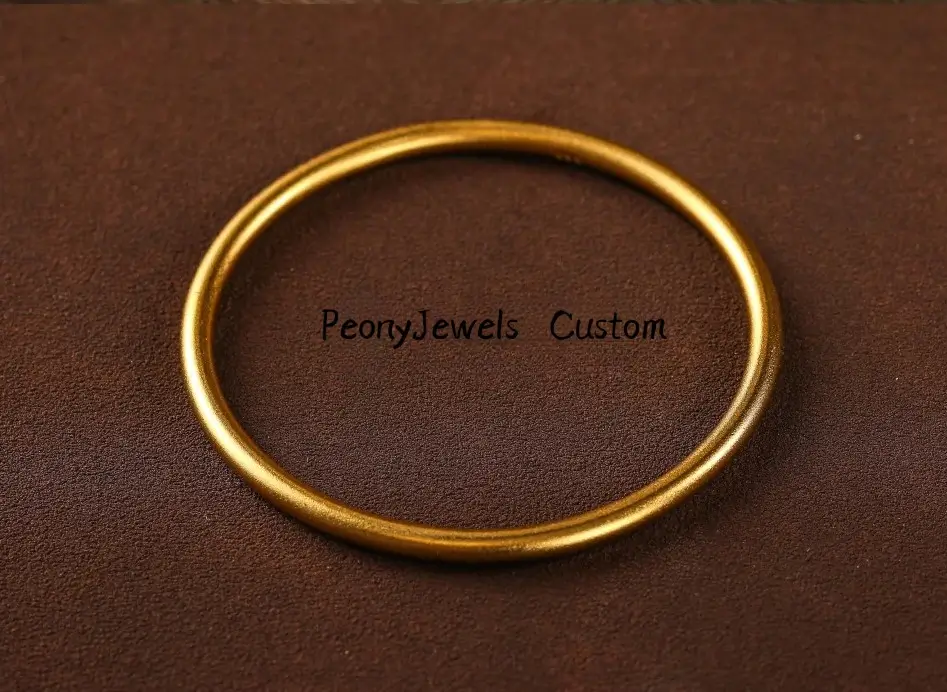
Table: Real-World Recasting Cost Structure (Case Study Reference)
This table breaks down the actual weight and factory-level labor costs for the 24K bangle mentioned above.
| Data Point | Details |
| Material | 24K (Au999) Pure Gold |
| Original Weight | 69.00 grams |
| Final Weight (After Recasting) | 68.97 grams (Reflects ultra-low loss) |
| Factory Labor Cost (Dec 2025) | $2.2 per gram (Base rate in Pearl River Delta) |
Note: The handcraft labor costs listed above are based on actual raw factory rates in the Pearl River Delta as of December 2025. These are provided as a transparent reference for cost structure and may fluctuate with market conditions.
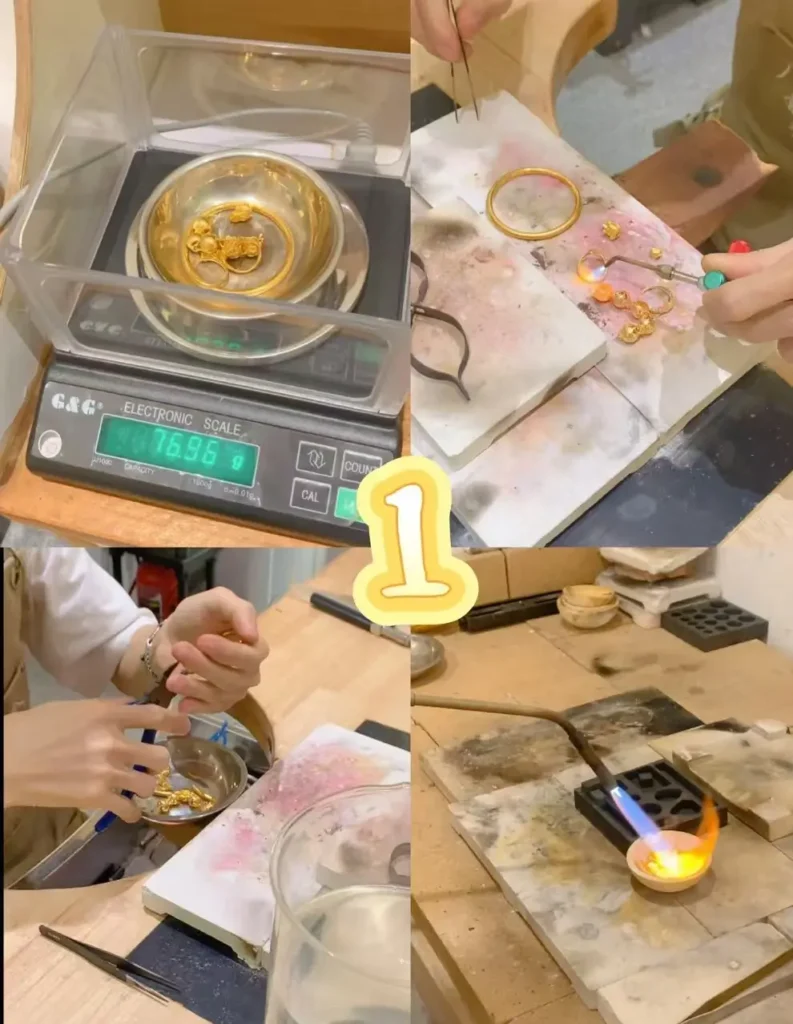
This custom gold bangle demonstrates how pricing in professional gold recasting and customization is driven by weight and craftsmanship, not by hidden deductions or unexplained gold loss.
Every gram is documented, every process is intentional, and the final cost reflects skilled manual labor rather than arbitrary markups.
2. Gold Recasting Weight Loss: Where Does the Gold Go?
When clients ask about gold recasting weight loss, the real question is simple: where does the metal actually go during the transformation? Since the answer depends on the specific jewelry type and technique, we categorize the process into three distinct scenarios:
Do Cast Pieces Like Rings and Studs Always Lose Weight?
Not necessarily. At PeonyJewels, we follow a Weight-Neutral Policy for all cast designs. If a casting mold requires additional gold, we add it; consequently, if the mold uses less gold than your original piece, we credit the difference back to you. This transparency ensures that gold recasting weight loss never occurs behind closed doors.
Why Solid Gold Bands and Bangles Experience Near-Zero Loss
Unlike hollow designs, solid bands and bangles rely on structural volume. When professionally handled, these pieces should experience near-zero gold weight loss. Because our controlled recasting process minimizes friction, we preserve your original gold weight through every stage of refinement.
Reclaiming Every Grain: How We Handle Intricate Engravings
Does diamond-cutting result in significant gold loss? The answer is no. While intricate engraving creates microscopic gold dust, we capture and reclaim every grain in our professional studio. By utilizing advanced filtration, we prevent the “disappearance” of metal, ensuring that even the most detailed designs retain their full value.
Red Flags of Excessive Gold Recasting Weight Loss
If your jewelry returns significantly lighter than expected, it rarely signals a flaw in craftsmanship. Instead, it often indicates poor process control or unethical handling. Understanding these boundaries allows you to distinguish natural refinement from preventable deductions.
3. The 18K Factor: Why Alloyed Gold Behaves Differently
While 24K pure gold experiences near-zero loss, recasting 18K or 14K gold involves different physical properties due to the presence of Master Alloys.
Why 1%–3% Loss is Standard for K-Gold
18K gold consists of 75% pure gold and 25% other metals (copper, silver, zinc). During melting:
- Oxidation & Evaporation: Base metals like zinc react with oxygen and high heat, sometimes evaporating or forming “slag” (dross) that must be removed for structural integrity.
- The Solder Variable: Old jewelry often contains “solder” from previous repairs. Solder has a lower melting point and lower purity, which can slightly affect the final weight and fineness after melting.
PeonyJewels K-Gold Protocol
To maintain structural quality, we account for a 1%–3% technical allowance for alloy oxidation. We maintain transparency by documenting the pre-melt purity and the post-melt weight, ensuring your legacy is preserved without unexplained “disappearances.”
4. How to Avoid Gold Recasting Weight Loss: A Step-by-Step Security Guide
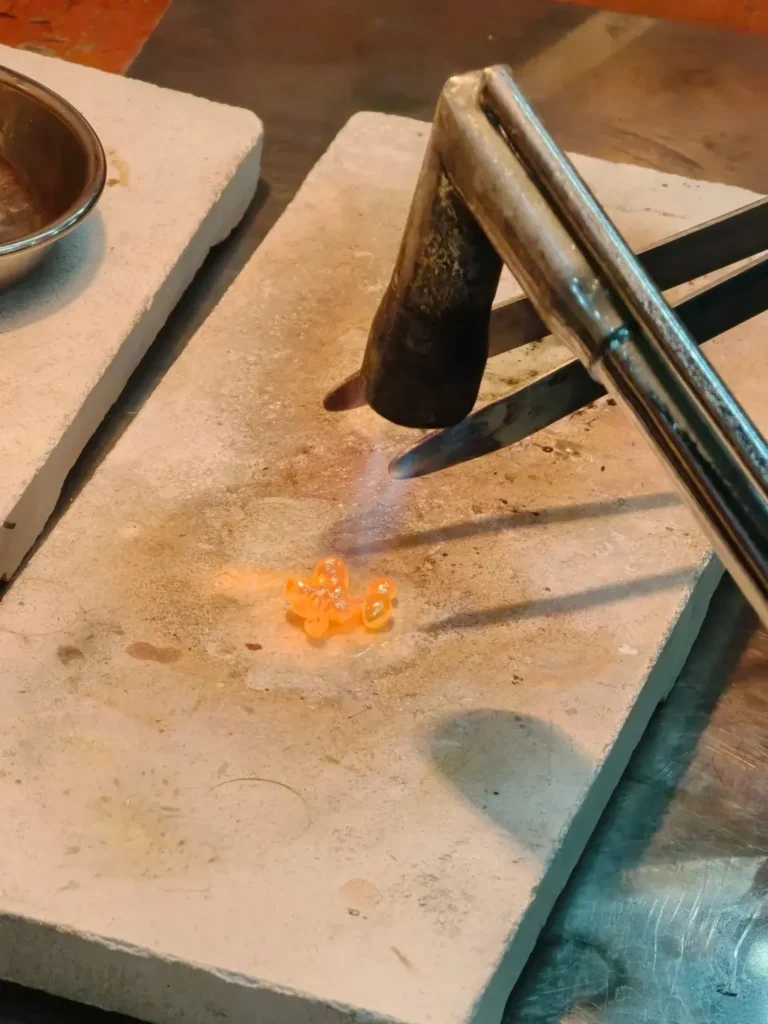
I still remember accompanying my mother as a child when she took a pair of gold earrings to be recast into a ring. I was young, but one sentence she repeated stayed with me ever since:
“When someone is working with your gold, you must watch carefully—or it will come back lighter.”
That warning raises an important question:
What does “recasting” gold actually involve, and where does gold weight truly disappear?
Let’s walk through the process step by step.
Step 1: The Pre-Work Weigh-In
Since accurate weighing forms the foundation of fair gold recasting, you should prioritize these non-negotiable steps to protect your assets before any work begins:
- Choose a reputable, established jewelry brand
Large, reputable jewelers follow standardized weighing and documentation procedures. While small shops may offer lower labor fees, they also present a higher risk of undisclosed gold deductions. - Bring your original purchase invoice whenever possible
Documentation discourages scale manipulation. Without proof, unethical shops may subtly adjust their scales to reduce the recorded weight. - Weigh your gold jewelry yourself in advance
Even a rough reference weight gives you leverage and helps you recognize inconsistencies. - Do not accept claims of “daily wear loss”
Under normal conditions—no heavy labor or abrasion—gold loss from everyday wear is virtually negligible. - Agree on an acceptable gold loss range in writing
Before redesigning or cleaning, confirm the allowable loss and keep written or photographic proof. This protects you if disputes arise later.
Step 2: Identifying Hidden Risks
Once the gold is weighed, the physical work begins.
This stage accounts for most unexplained gold weight loss.
Many clients ask:
“If I watch the goldsmith closely, can I prevent gold loss?”
Unfortunately, watching alone is not enough. Without knowing what to look for, even careful supervision can miss critical details.
Common Risks to Watch For During Processing
Gold recasting weight loss is usually avoidable—but only if you know what to look out for. The most common risks include:
⚠️Be Cautious of “Free Cleaning”
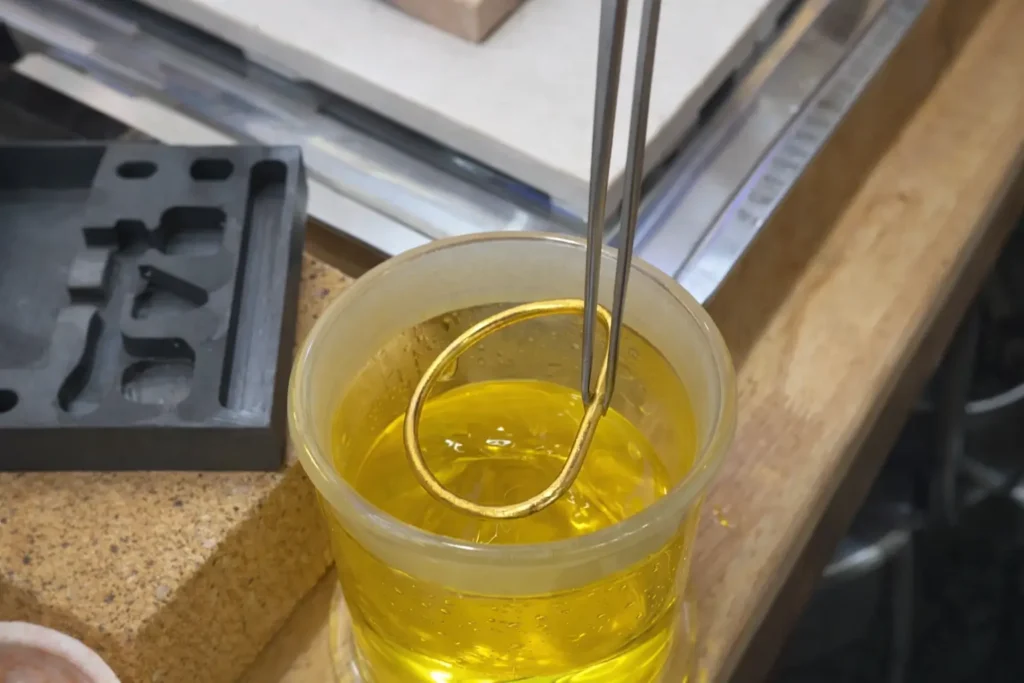
If your gold jewelry undergoes a “free cleaning” and later returns lighter, you may have encountered aqua regia.
Aqua regia is a powerful chemical mixture of concentrated nitric acid and hydrochloric acid that can dissolve gold completely. Once dissolved, dishonest shops can extract and reclaim your gold using specialized chemical recovery methods—profiting from your loss without your knowledge.
⚠️ Be Alert to “Impurity Removal”
During melting and refining, some unethical operators mix copper or silver powder into refining agents.
On the surface, they claim this stabilizes weight. In reality, it allows them to replace a portion of your gold with cheaper metals while promising the total weight remains unchanged.
⚠️ Watch the Plaster (Gypsum) Molds
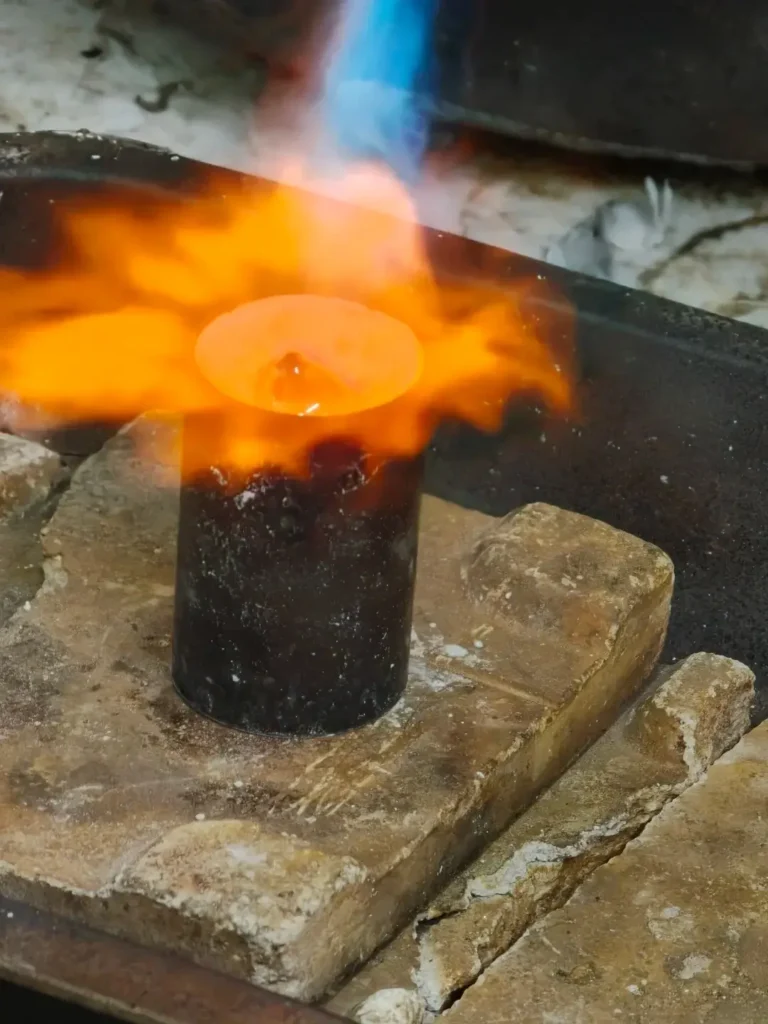
In casting, used plaster molds are often discarded. However, fine gold particles can remain embedded inside.
Over time, these small amounts add up—especially if the mold disposal is not transparent.
⚠️ Beware of “Scrap Edges”
Some dishonest workshops cut off so-called “excess edges” when clients are distracted. These fragments may seem insignificant, but they still contain gold.
As the saying goes: the devil is in the details.
Step 3: Final Verification Protocols
Even after the jeweler finishes your piece, you must remain vigilant and never let your guard down.
Final Weight Check Checklist
- Weigh the jewelry immediately in the presence of the jeweler
- Ensure the same scale and scale tray are used
Some dishonest shops prepare two trays of different weights. The first weighing uses a lighter tray; the final weighing uses a heavier one to conceal missing gold.
Best Protection Measures
- Ask the jeweler to write down the final weight
- Photograph the scale reading
- Keep all receipts and documentation
Without evidence, disputes become nearly impossible to resolve.
FAQ
Expert Insights on Gold Recasting Weight Loss by PeonyJewels
Still have questions? Based on our daily interactions with clients at our Pearl River Delta workshop, we’ve compiled the most common concerns to help you make an informed decision.
A: Absolutely not. Based on PeonyJewels’ December 2025 factory data, the physical loss for 24K pure gold is near zero (approximately 0.01g–0.03g), mainly from microscopic polishing dust. A 5%–10% weight drop is a major “red flag” indicating either poor process control or unethical hidden deductions.
A: If handled correctly in a clean, dedicated crucible, the purity remains the same. Our Dec 2025 data shows that 24K gold maintains its Au999 status after recasting. At PeonyJewels, we use high-purity graphite crucibles to prevent any cross-contamination.
A: Be cautious. Some unethical shops use Aqua Regia (a mix of acids) for “cleaning,” which actually dissolves a layer of your gold into the liquid for them to reclaim later. At PeonyJewels, we use professional ultrasonic cleaning and mechanical polishing to ensure your gold weight remains intact without chemical stripping.
A: 18K/14K gold contains alloys (copper, silver, zinc). During melting, base metals like zinc can evaporate or oxidize, creating “slag” that must be removed. Expect a 1%–3% technical allowance for K-gold. However, any loss exceeding 3% should be clearly explained by your jeweler with pre-melt and post-melt weight documentation.
Why Integrity Outweighs Labor Costs: The PeonyJewels Perspective
At PeonyJewels, we believe jewelry redesign and gold recasting should always be transparent, respectful, and worth it.
Whether you’re:
- Melting heirloom gold
- Redesigning old jewelry into something meaningful
- Or commissioning a custom-made piece
Every gram matters—and every story behind it deserves care.
We specialize in custom jewelry redesign, ethical gold handling, and original handmade vintage earrings, crafted with intention, precision, and trust.
If you’re considering redesigning your gold or transforming old jewelry into something new, PeonyJewels is here to guide you honestly, step by step—no shortcuts, no surprises.
✨ Because real value isn’t found in shortcuts—it’s found in craftsmanship and care.
Real-Time Data Commitment: The weight loss figures and labor costs mentioned in this article are not generic industry estimates. They are based on actual production data from our Pearl River Delta workshop on Monday, Dec 15, 2025. In a market of fluctuating gold prices, we believe you deserve the most current and honest facts available this week.