The Nephrite Deception: Your Expert Guide to Authentic Hetian Jade and Its Natural Imposters
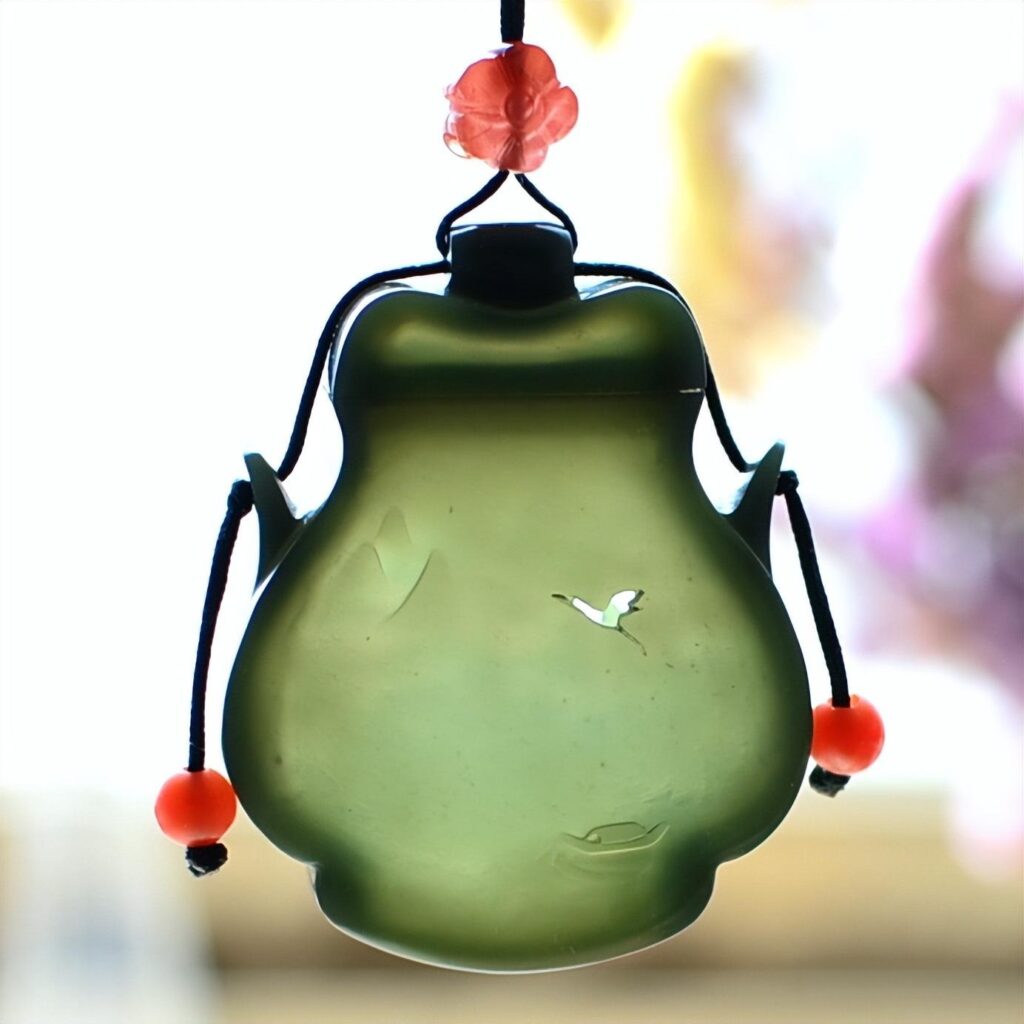
Hetian Jade authentication
Hetian Jade, a variety of nephrite highly revered in Asia, has been treasured for millennia for its buttery luster and profound cultural significance. This prestige, however, has fueled a pervasive market filled with clever imitations. Because many natural stones bear a striking resemblance to genuine Hetian Jade in appearance, density, or structure, they often lead to misidentification—especially when buyers encounter the highly sought-after “seed material”. Therefore, if you are navigating the complex world of nephrite jade, you must understand these natural imposters. This is the critical first step toward successful Hetian Jade authentication.
Having previously explored The Truth Behind ‘Miracle Whitening’ and Other Hetian Jade Forgery Techniques, today PeonyJewels lists the most common natural stones that closely resemble Hetian Jade in appearance, providing key differentiators to protect your investment.
🎣Imposters of the Prized “Seed Material” Authentication
The “seed material,” or “river-worn jade,” is the most prized form of Hetian Jade. Its unique water-tumbled texture and natural surface oxidation (the “skin”) make it the most frequently imitated material.
1. Kawashi Stone — The Catch-All Nephrite Imitation
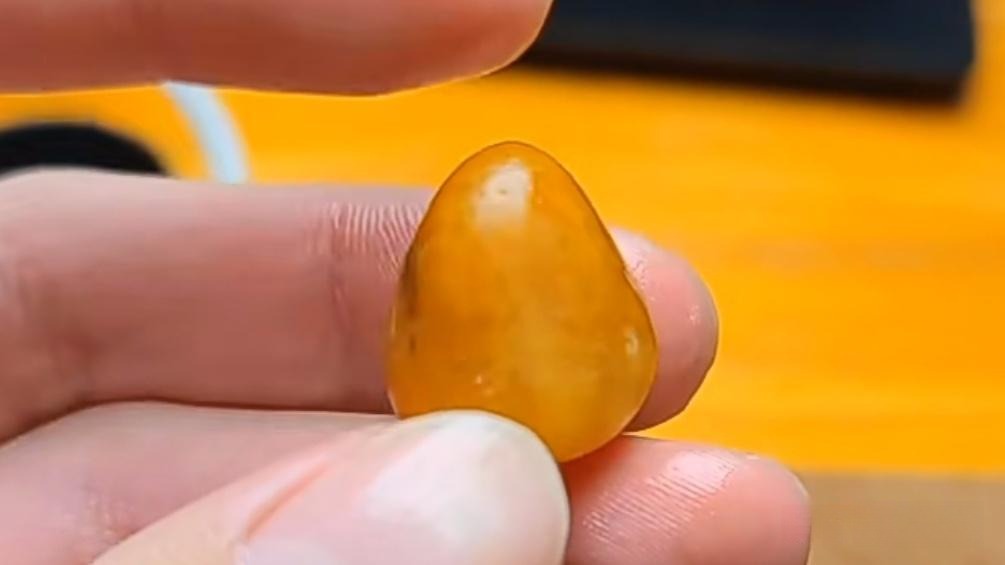
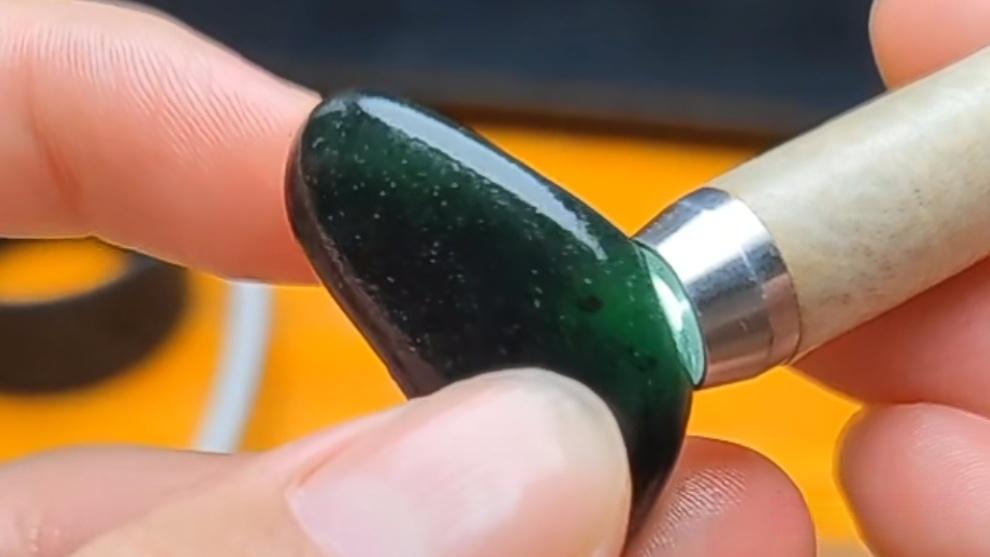
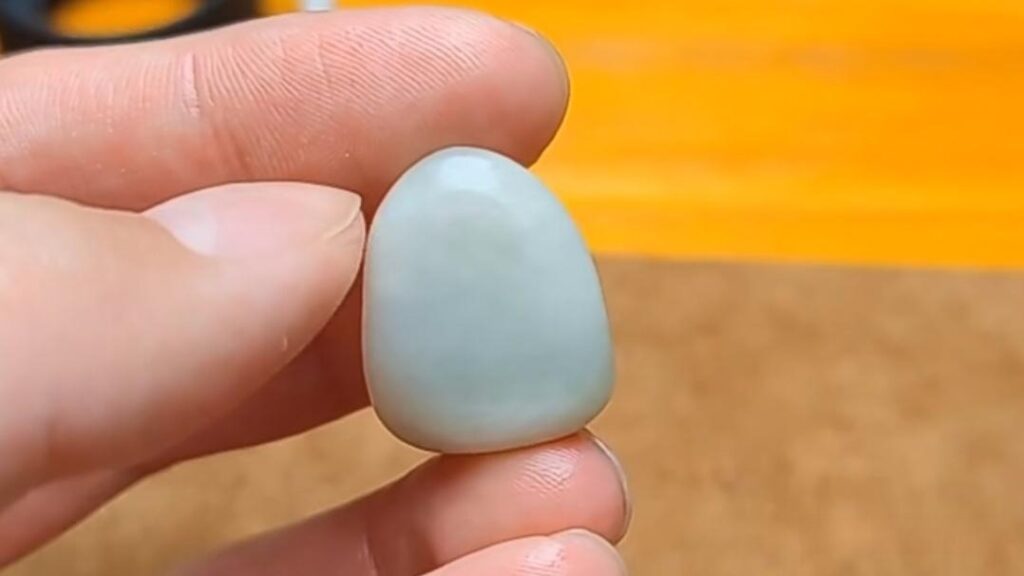
- Essence: Kawashi Stone is a marketplace catch-all term for various non-nephrite stones commonly used to mimic Hetian Jade, including serpentine (like Xiu Jade), quartzite, or carbonate rocks.
- The Deceptiveness: Counterfeiters treat these stones—heating, staining, and coating them—to create a seemingly authentic surface “skin”, minute “pores”, and deceptive “color staining”. They become highly convincing after being oiled or waxed.
- Authentication Key: Experienced collectors rely on the greasy Luster/Hand-feel, the subtle difference in Density (the “heft” in the hand), and the minute structure of the surface “pores.”
- The Safest Method: Professional laboratory testing remains the only definitive way to verify authenticity.
2. Guangxi Tremolite-Actinolite Jade
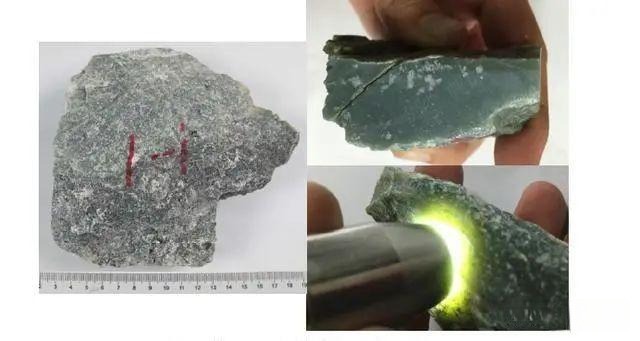
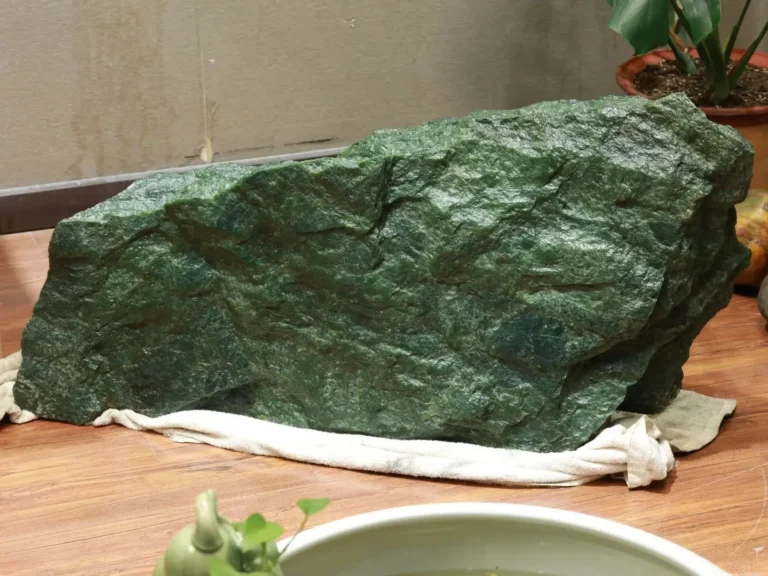
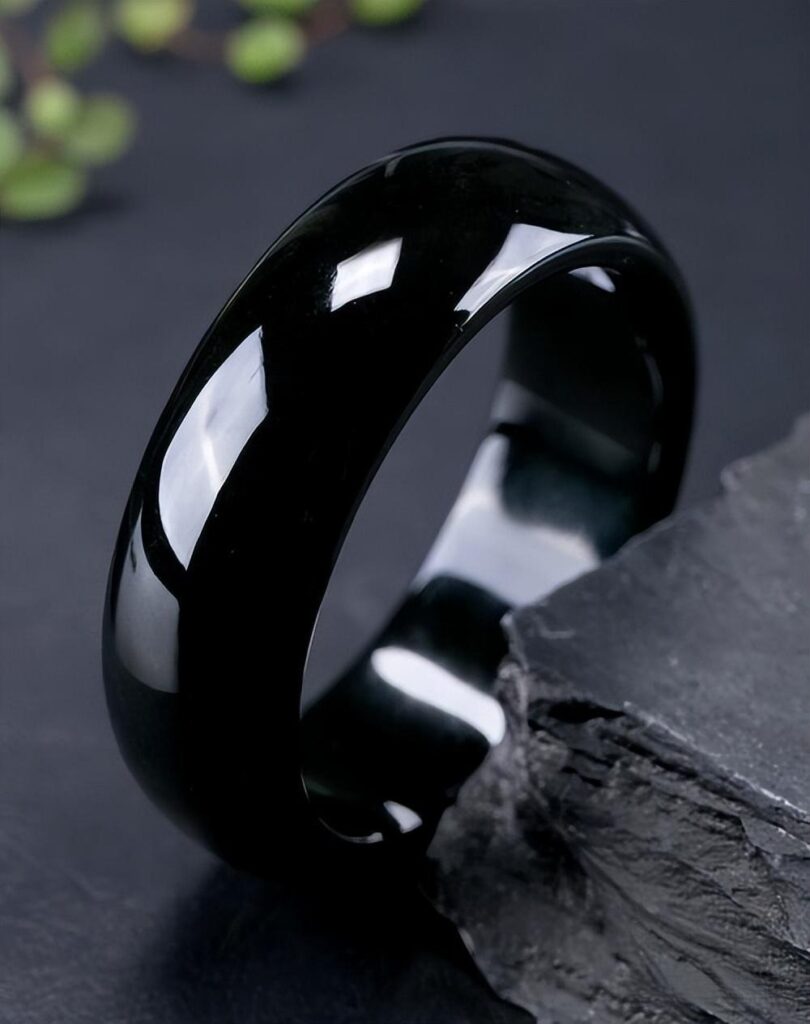
- Context: The core composition of Hetian Jade is tremolite-actinolite (nephrite). Miners retrieve this material across China, including the Dahua Yao Autonomous County in the southern province of Guangxi.
- The Nuance: Not all nephrite-like material meets the stringent national standard for Hetian Jade. If the concentration of secondary minerals (like hornblende) proves too high, the material will not pass official certification, even if the primary component is tremolite-actinolite.
- Market Impact: Though many black-green pieces from this region resemble certified Hetian Jade, their market value is significantly reduced due to the inability to secure an official certificate.
- Authentication Tip: You must always insist on an official geological certificate when purchasing any jade claimed to be Hetian Jade from a new or lesser-known mining source.
3. Actinolite Jade — The Pink Imposter
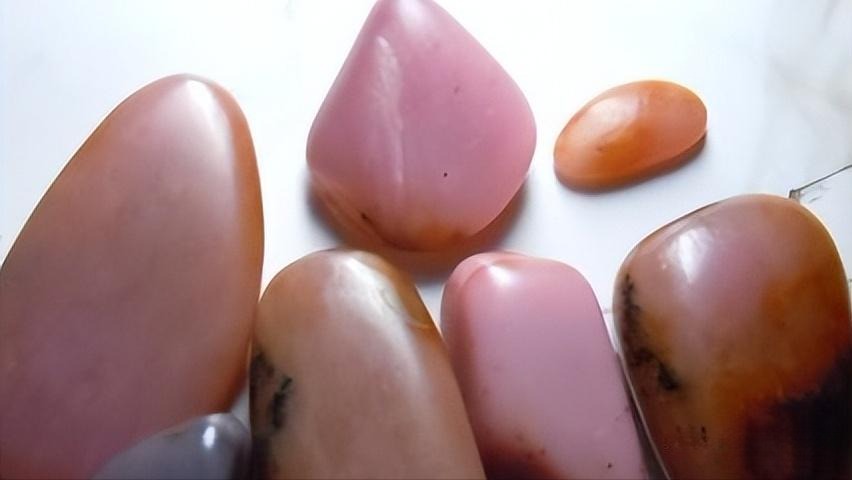
- Mineral Family: Actinolite belongs to the same mineral family as tremolite, the main component of nephrite jade. Actinolite jade shares very similar physical and optical properties with nephrite, making differentiation extremely challenging.
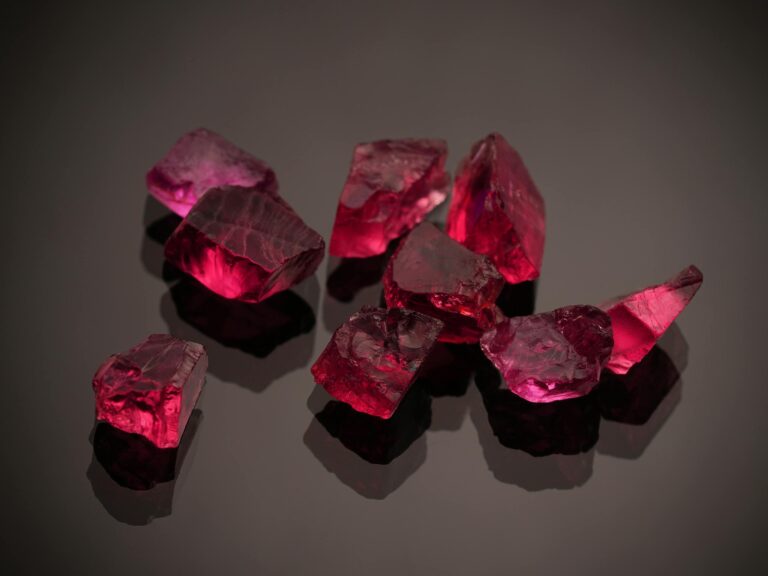
- Naming Confusion: The pink variety is frequently marketed under the trade names “Peach Blossom Jade” or “Violet Jade”.
- Other Colors: The blue-green actinolite jade is sometimes named “Sazao Green”, mimicking a specific type of high-quality Hetian Jade.
🐑 The Rivals to “Mutton Fat White” Jade Authentication
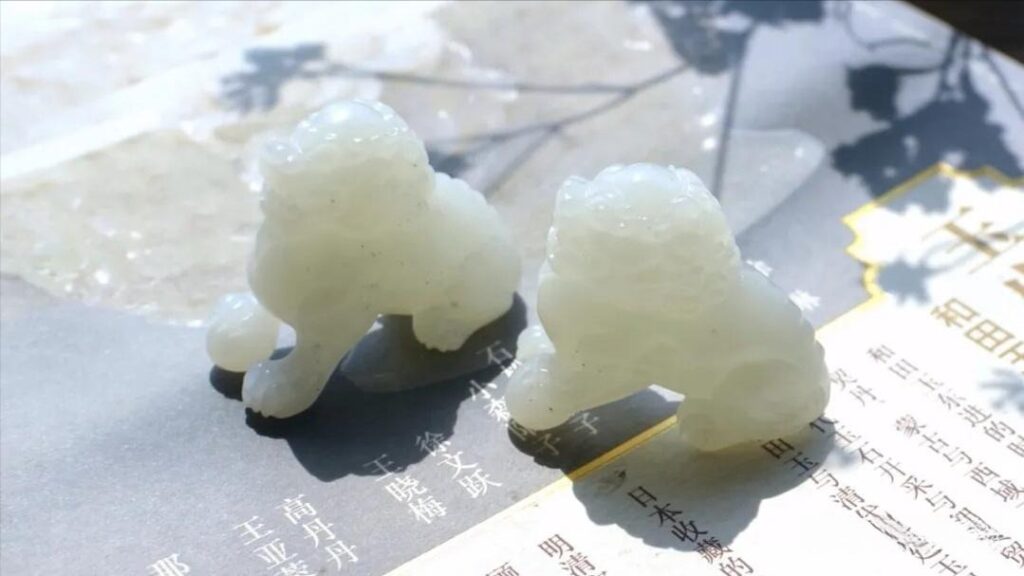
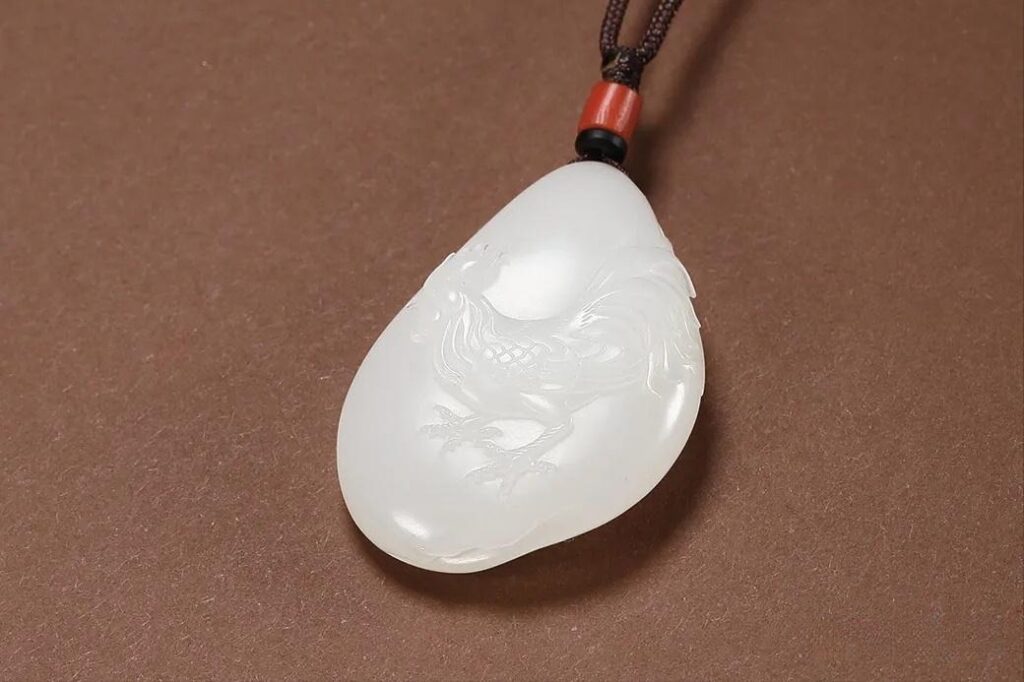
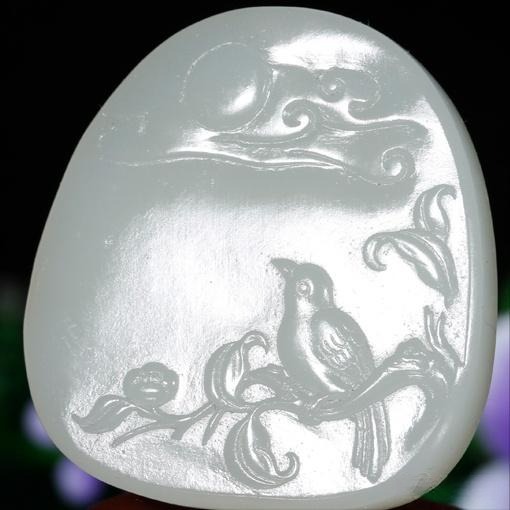
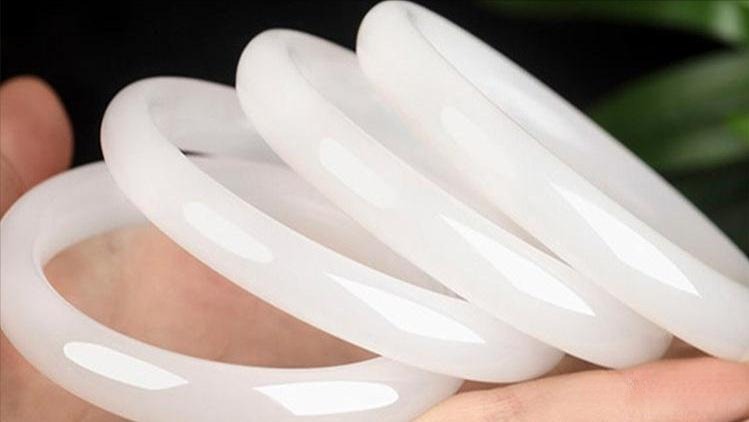
“Mutton Fat White” Jade (referring to the most translucent, fine, and buttery white jade) is the most coveted variety, and consequently, faces competition from numerous white stone materials.
| Imposter Variety | Primary Mineral Composition | Comparative Geology (Hetian Jade Standard: Hardness 6.0–6.5 SG 2.95–3.05) | Key Distinctions |
| White Quartzite | Quartz | Hardness: 7 (Harder) SG: 2.65 (Lighter) | 1. Luster: Tends toward vitreous/glassy; Hetian Jade has the unique, distinctive greasy/oily luster. 2. Structure: Quartzite is granular; Hetian Jade has the characteristic fibrous, interlocked structure. |
| Afghan White Jade | Calcite, Dolomite (Marble) | Hardness: 3–4 (Much Softer) SG: 2.7 (Lighter) | 1. Density/Hardness: Both are significantly lower than nephrite jade. 2. Structure: Under magnification, it shows a clear granular structure. 3. Chemical Test: It is easily etched by a weak acid (e.g., diluted HCl)—a definitive sign it is not nephrite. |
| Dushan Jade | Zoisite-bearing Plagioclase | Hardness: 6–7 (Similar to Slightly Harder) SG: 3.0–3.1 (Similar to Slightly Heavier) | 1. Luster: Often appears brighter/more vitreous/glassy when polished. 2. Structure/Color: The structure and color distribution are typically more chaotic or blended than the fine, consistent nature of high-quality nephrite. |
🎨 Color Look-Alikes: Authenticating Hetian Jade
Specific color varieties within Hetian Jade are also highly mimicked by other Chinese or international jade sources.
1. Mimicking “Emerald Green” — Dushan Jade Identification
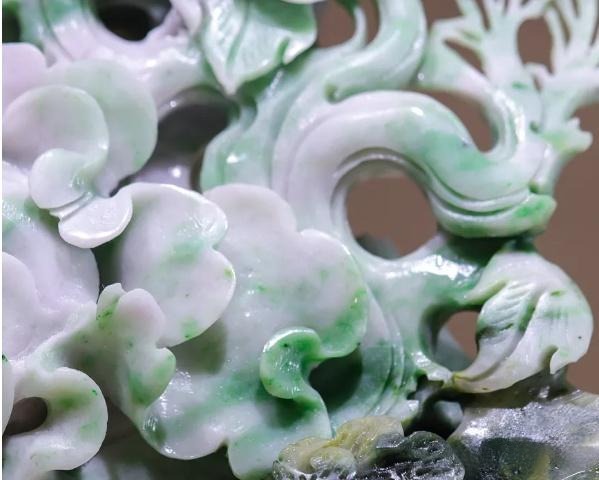
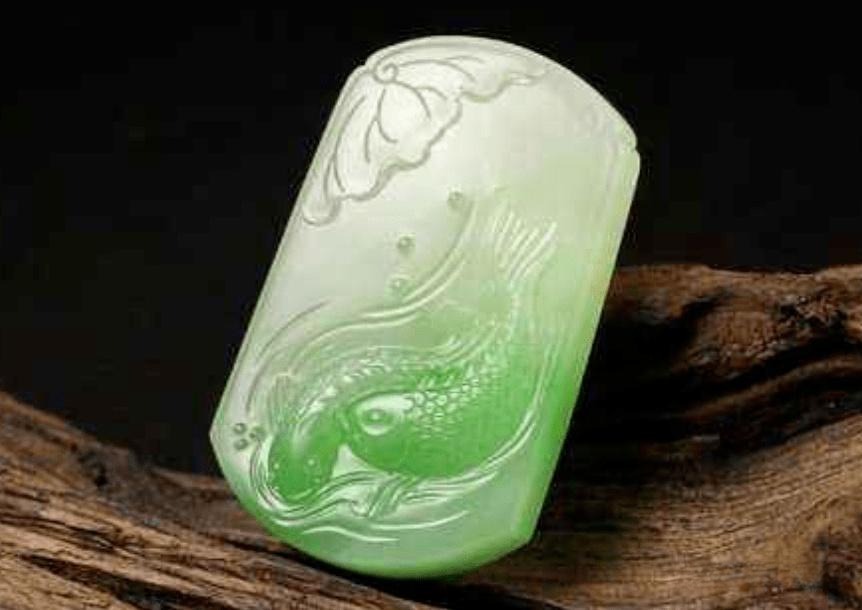
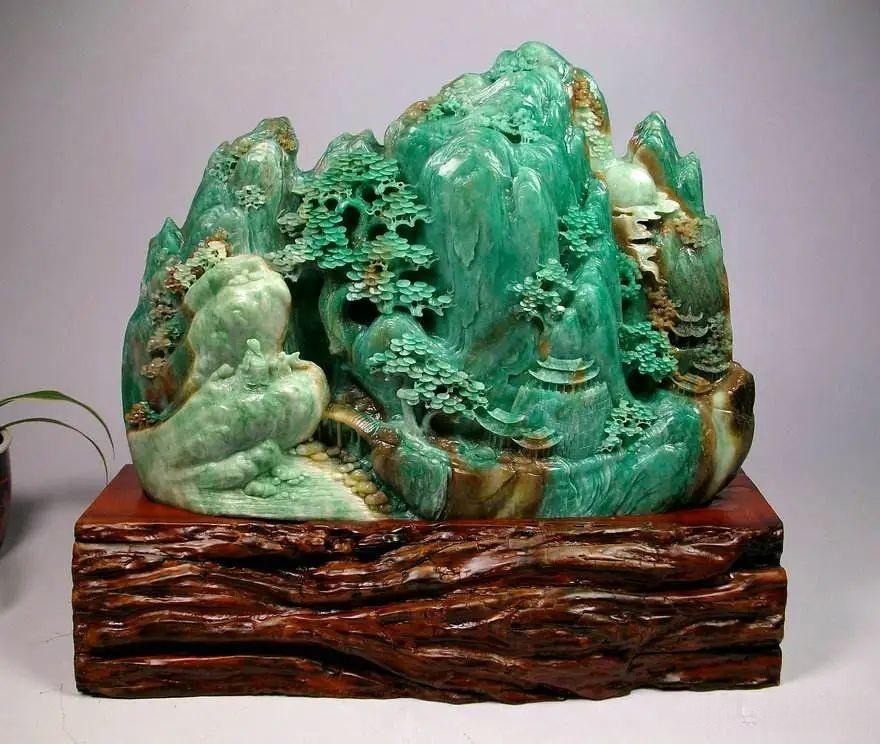
- The Crossover: Because Dushan Jade has a complex composition and a wide color spectrum, varieties that display zones of white and green can closely resemble the highly popular Hetian Jade “Cuiqing” (Emerald Green).
- How to Differentiate:
- Dushan Jade’s green often carries a slight blue undertone. Conversely, Hetian Jade’s “Cuiqing” is usually a brighter, more yellowish-green.
- Hetian Jade’s color transition naturally blends into the white base; Dushan Jade’s green often appears as darker dots or “color roots” within the white matrix, showing a less integrated color.
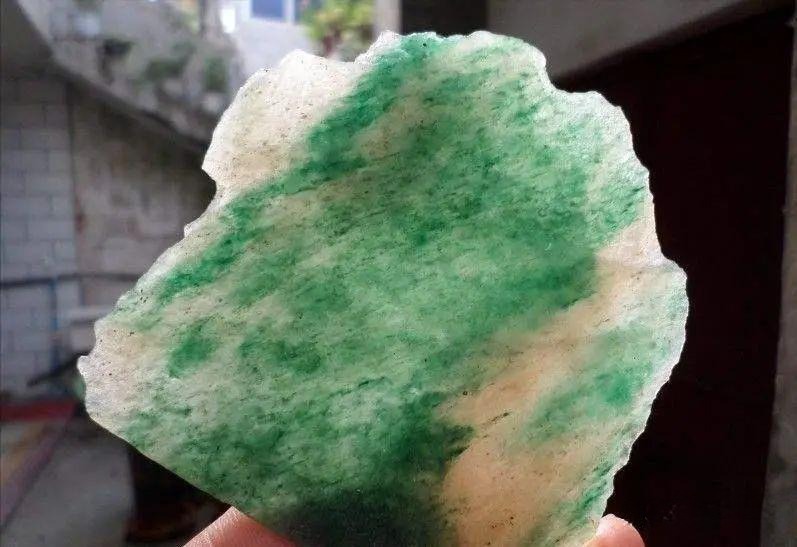
Because Dushan Jade originates from a completely different geological system, its resemblance to Hetian Jade is largely visual rather than structural. Understanding this distinction is essential—not only to avoid misidentification, but also to appreciate Dushan Jade on its own terms as one of China’s four great ancient jades.
For readers who wish to explore Dushan Jade in greater depth—including its mineral composition, color hierarchy, historical significance, and how it fundamentally differs from Hetian Jade—see our detailed PeonyJewels feature: Nanyang Dushan Jade: The Ancient Chinese Gemstone Unveiled.
2. Mimicking “Spinach Green Jade” — Taishan Jade Differentiation
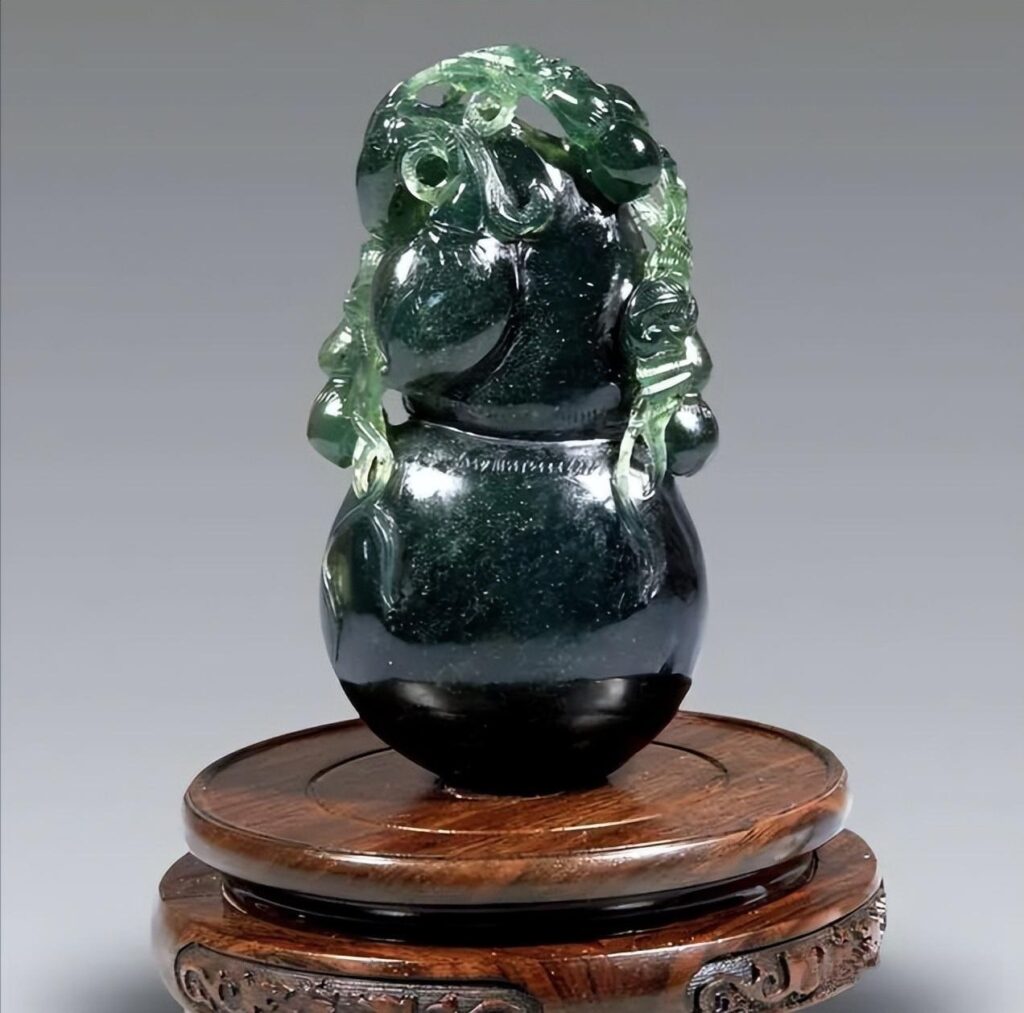
- Essence: Taishan Jade is a variety of serpentine (the same family as Xiu Jade), mined near Mount Tai in Shandong Province.
- Similarity: Its color and texture can easily confuse buyers with “Biyu”, the prized dark green variety of Hetian Jade.
- How to Differentiate:
- Transparency/Inclusions: Taishan Jade is often more transparent (“high water content”) under light and frequently contains distinctive black spots of magnetite inclusions.
- Density/Hardness: (Note: Serpentinite/Taishan Jade Hardness: 2.5–5.5; SG: 2.44–2.80). Both figures are lower than nephrite jade.
- Color Range: Taishan Jade’s green is typically narrower, darker, and slightly bluish. Nephrite “Biyu” offers a wider spectrum of pure, vibrant greens.
3. Mimicking “Qinghua” and “Sugar Jade” — Jinsi Jade Differentiation
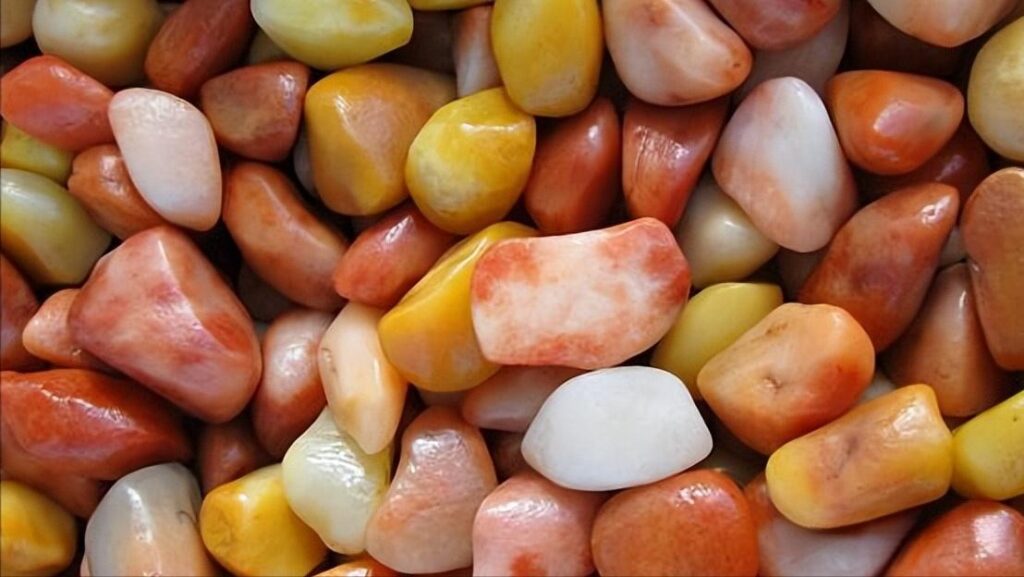
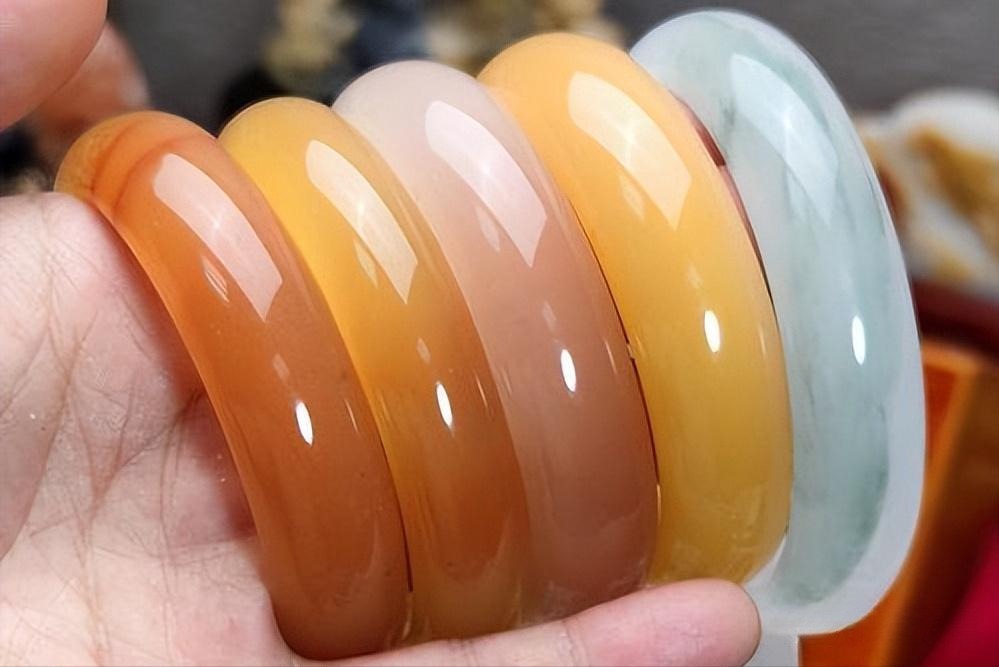
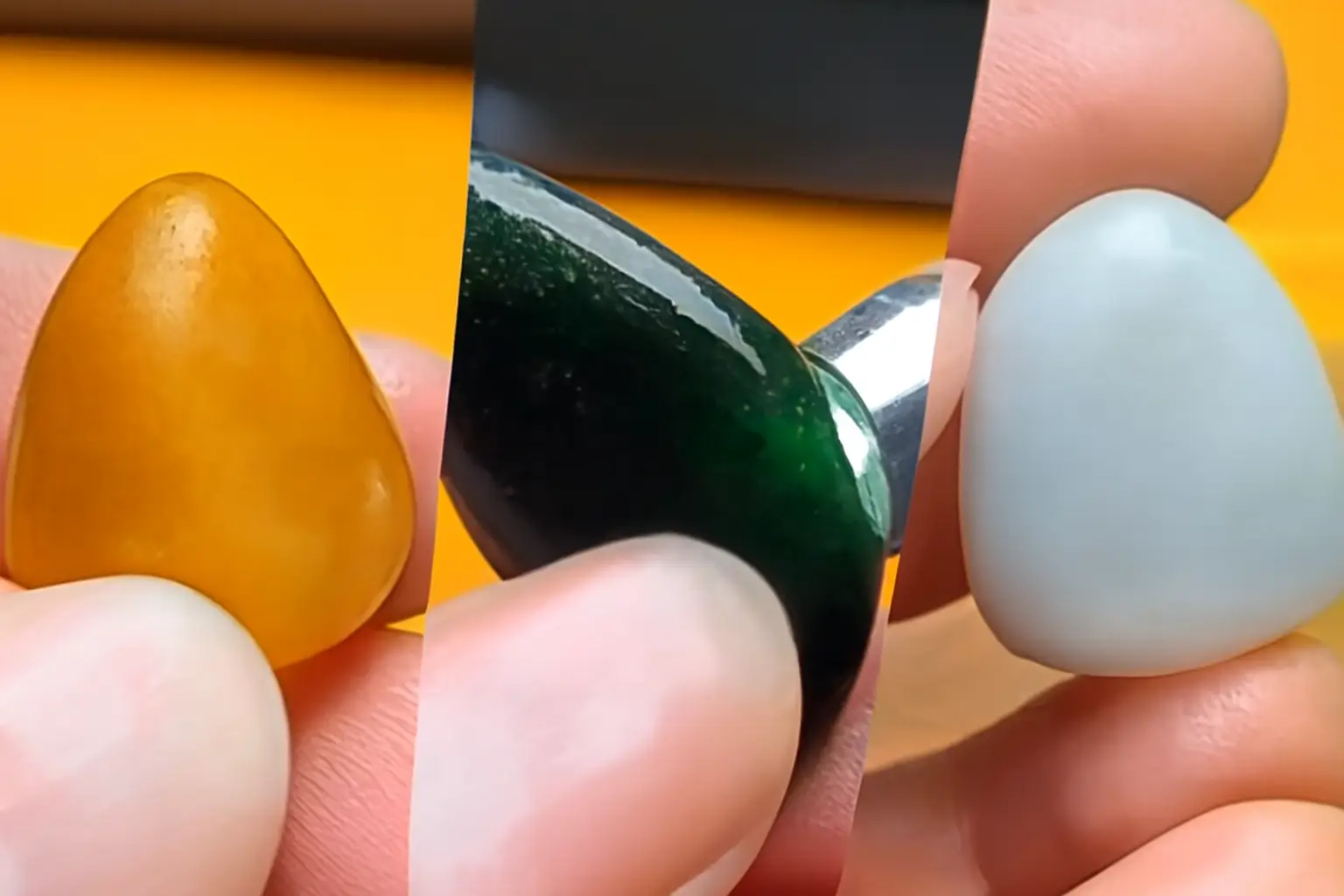
Jinsi Jade (Jades with Golden Threads) is a variety of quartz-based stone primarily sourced from the Xinjiang region of Western China, specifically near the cities of Hotan and the Western Kunlun Mountains. For most people, mainstream Jinsi Jade is typically recognized by the colors shown in the image above.
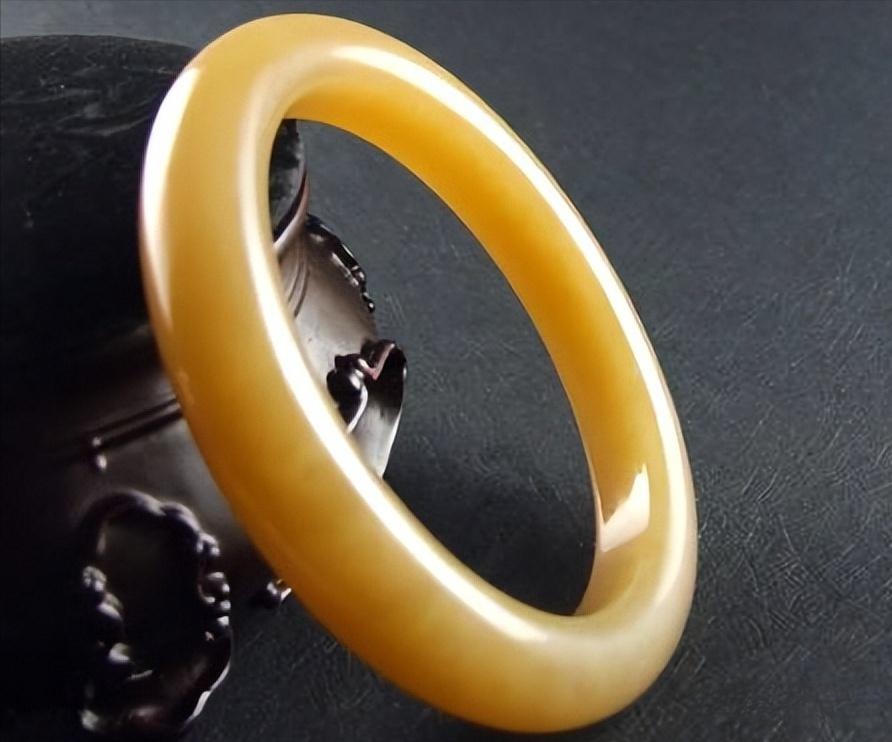
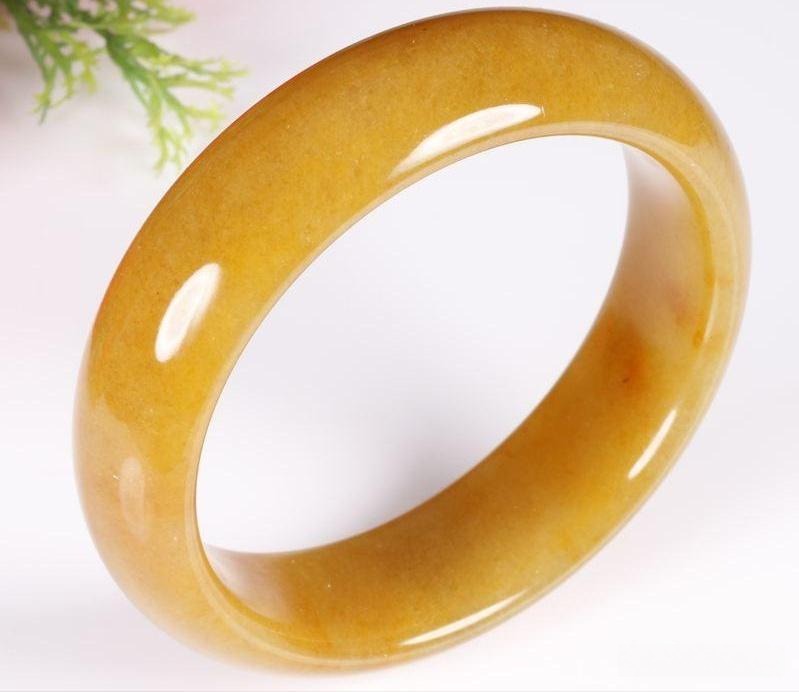
However, some rarer, less common color varieties of Jinsi Jade bear an astonishing resemblance to Hetian Jade!
Visually, there is a striking similarity between the Sugar Material variety of Hetian Jade and brownish-yellow Jinsi Jade. Similarly, the Black-and-White material(Qinghua)in Hetian Jade looks identical to the black and white versions found in crystalline Jinsi Jade.
Sugar Jade vs. Jinsi Jade Comparison
Qinghua Jade vs. Jinsi Jade Comparison
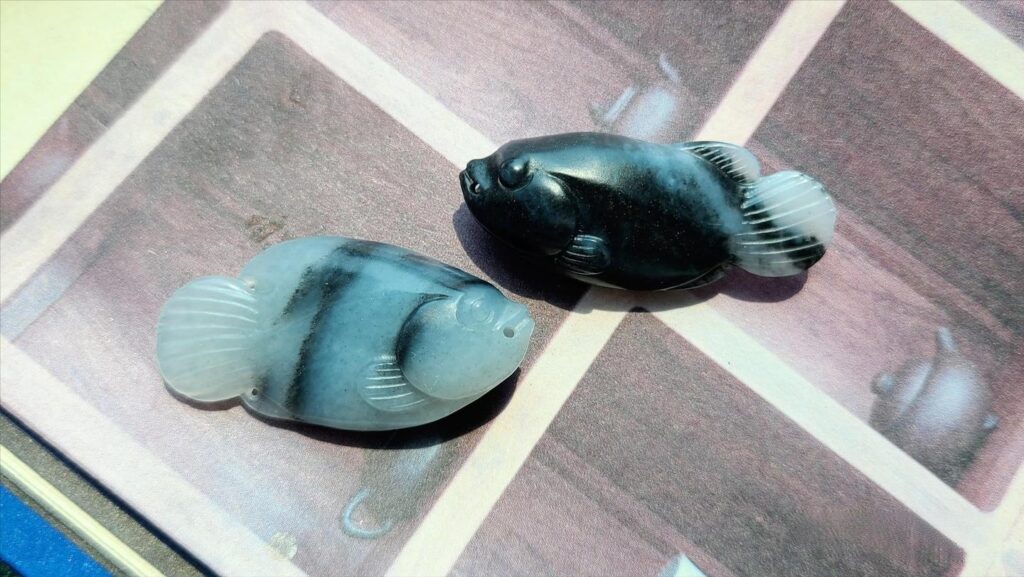
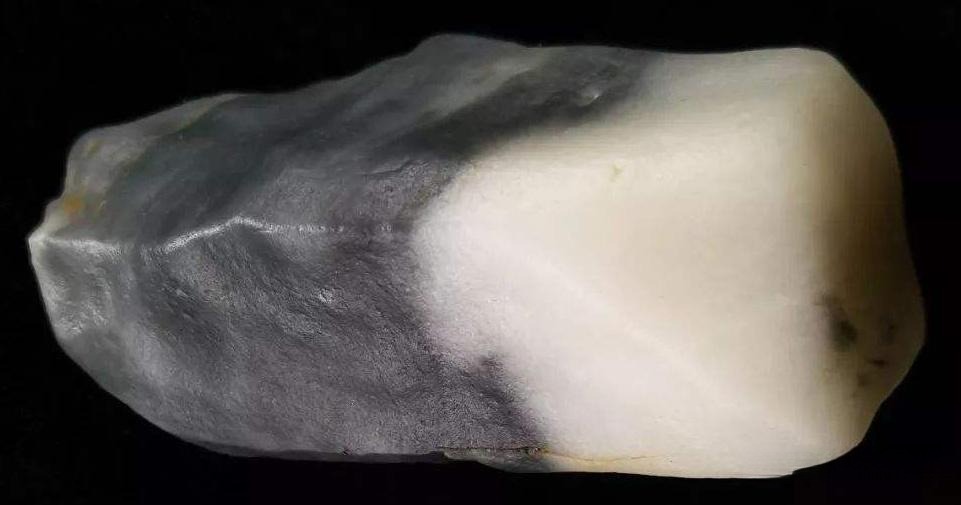
Key Authentication: Jinsi Jade vs. Hetian Nephrite
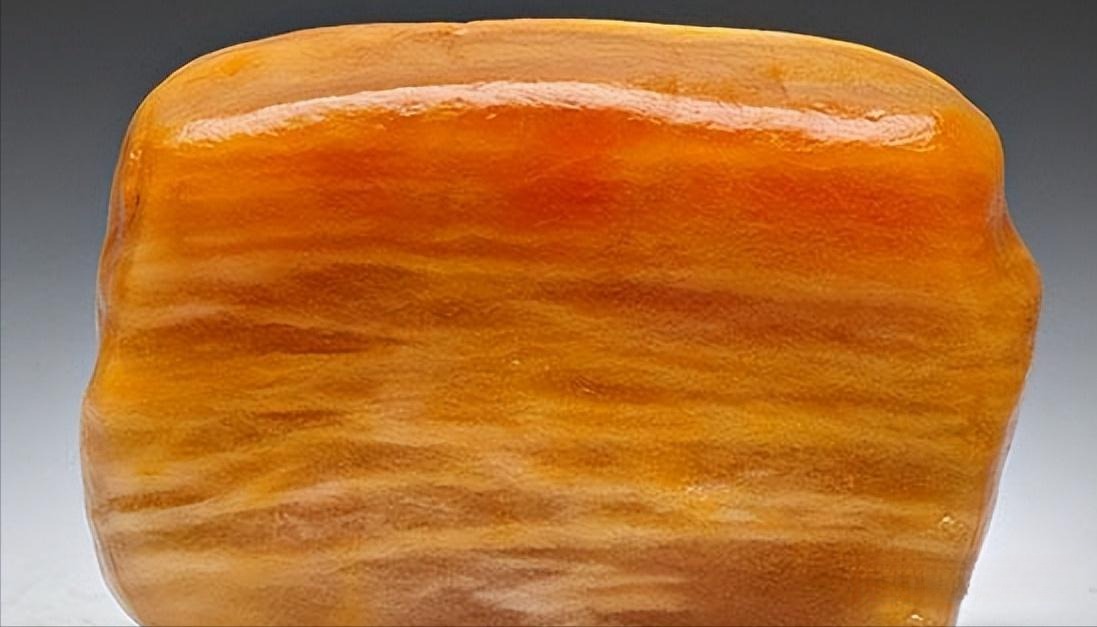
You can primarily distinguish Hetian Jade from Jinsi Jade using two key factors: structural texture and luster. The two materials possess different structures and tactile qualities.
- Structure: Since Jinsi Jade is a quartzite, strong light allows you to observe a granular structure within the stone. In some areas, the stone may contain inclusions of mica or other mineral packages. Crucially, you can also observe the tell-tale “radish silk pattern.” By contrast, when you examine Hetian Jade under light, you will observe its characteristic fibrous intergrowth structure.
- Luster/Feel: High-quality Hetian Jade exhibits a distinctive greasy, oily luster. Conversely, because Jinsi Jade is a quartz-based stone, it inherently lacks this pronounced oily feel.
🔍 PeonyJewels’ Professional Advice on Hetian Jade Authentication
When it comes to successfully identifying the authenticity of Hetian Jade, both knowledge and experience are essential. However, theoretical knowledge alone is not enough to accurately distinguish genuine jade from imitations. For most buyers, practical experience and a keen sense of touch are crucial.
Our advice is always: “Know Before You Buy; Observe More, Purchase Less; Educate Yourself First.”
For those who cannot easily access professional gemological testing services, the most reliable option is to seek help from reputable jade experts. Experienced jade appraisers can assist you by analyzing visual details, texture, and other key indicators to make a more informed judgment. If you still have doubts, submitting your jade to a certified gemological laboratory for testing is the most reliable way to obtain an objective, scientific verification of its authenticity.
Additionally, PeonyJewels blog article: Jadeite Buying Guide: How to Understand Jade Trade Terms Before You Buy offers in-depth insights into jade trade terms, market trends, and buying advice, helping you make smarter decisions when purchasing jade.
✨ Elevate Your Collection with PeonyJewels
At PeonyJewels, we commit ourselves to blending the artistry of the past with the clarity of modern gemology. While we provide expert consultation on Hetian Jade authentication to help you secure true treasures, our passion lies in creating truly unique jewelry.
We offer professional Custom Design Services to transform your cherished stones—be they certified collector pieces or treasured heirlooms—into timeless works of art.
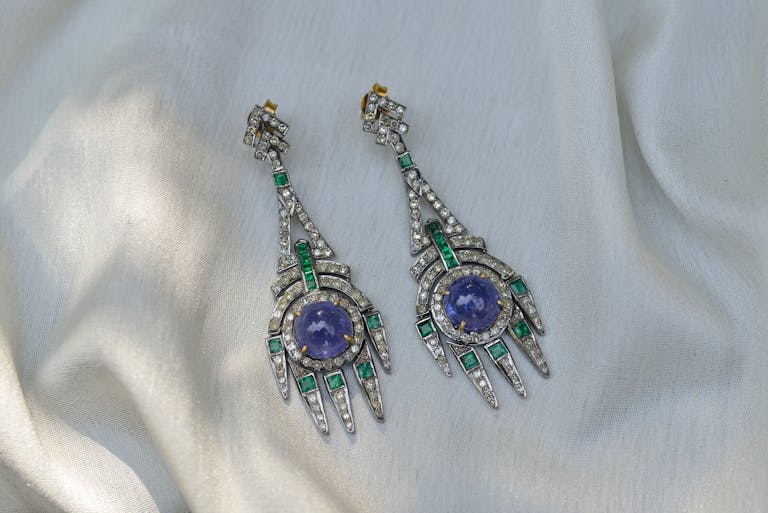
Alternatively, explore PeonyJewels’ carefully curated collection of Handmade Vintage Earrings. Each piece showcases a unique, original design, which artisans craft by hand. We design these pieces to bring unique, story-driven beauty to your everyday look.
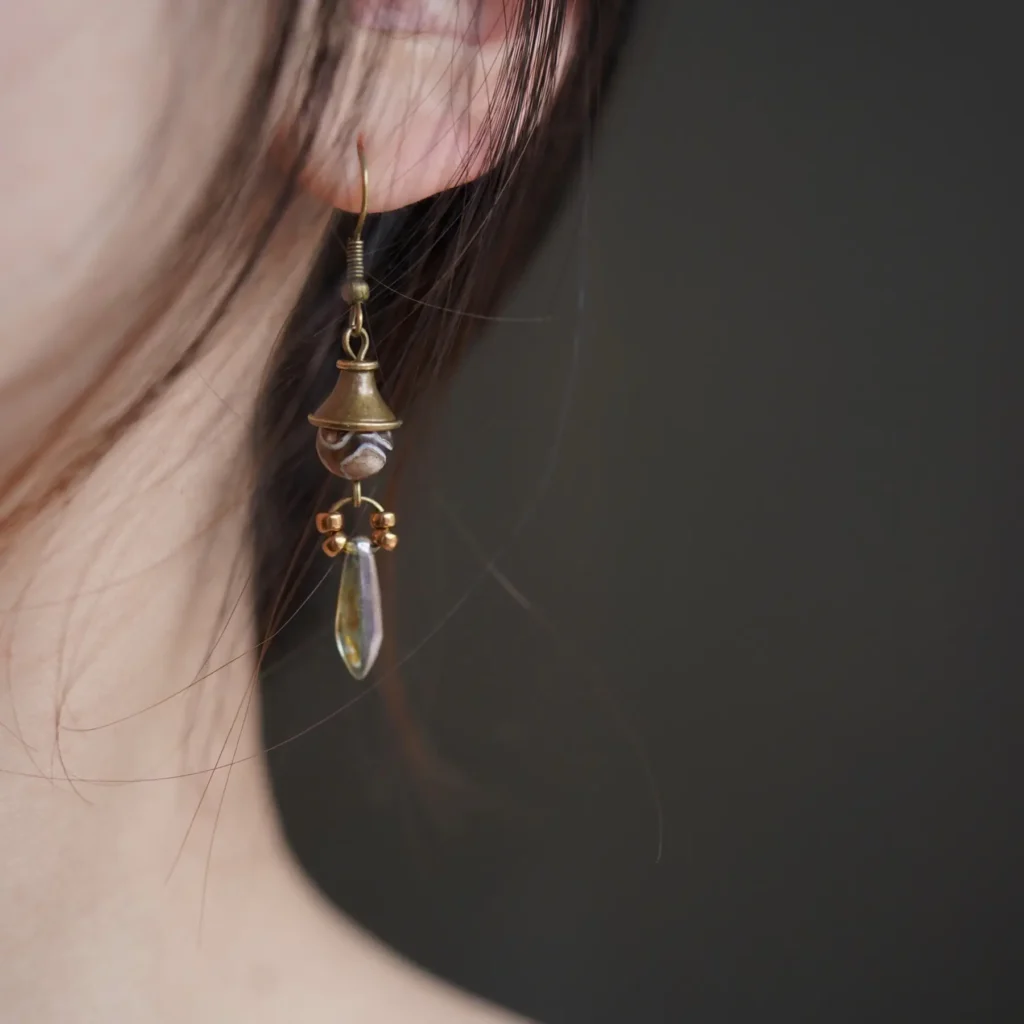
Do you want to learn about our Custom Designed jewelry process, or would you like to purchase our handcrafted vintage earrings? Contact us today!