Hetian Jade Types: From Mountain Material to Seed, Alluvial & Gobi Jade
Hetian jade (also known as Hotan jade) is regarded as one of the finest forms of nephrite in the world, valued for its long cultural history and understated “quiet luxury” aesthetic. Among collectors, understanding the different Hetian Jade Types is essential—because the true value of a stone is shaped not only by its appearance, but by its geological journey.
For Western collectors, knowing how a jade forms—and why a river-polished seed stone differs fundamentally from a mountain-mined block—is the key to making an informed and confident investment.
In this guide, we explore the four major classifications of Hetian jade: Mountain Material, Seed Jade, Alluvial Jade, and Gobi Jade. At PeonyJewels, this geological expertise guides our curation process, ensuring that every pair of our original vintage-inspired earrings carries the durability, authenticity, and soul of a true heirloom.
What Is Hetian Jade?
Hetian jade belongs to the nephrite family and forms primarily in the Kunlun Mountains and the surrounding river systems of Hetian (Hotan), Xinjiang, China.
Unlike jadeite, nephrite develops a dense microcrystalline structure that gives it exceptional toughness and a distinctive warm, oily luster.
One of the most important ways Hetian jade is classified is by its geological occurrence, not just color or translucency.
However, its prestige has led to a market flooded with imitations. To ensure your investment is genuine, learn to distinguish real nephrite from its many natural imposters in our expert guide: The Nephrite Deception: Your Expert Guide to Authentic Hetian Jade and Its Natural Imposters.
1. Mountain Material: A Key Type of Hetian Jade
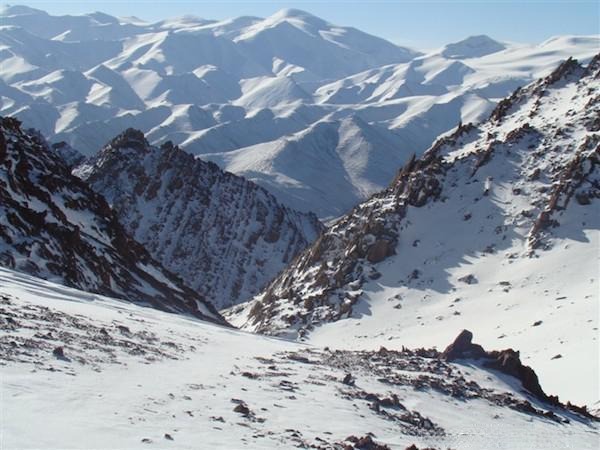
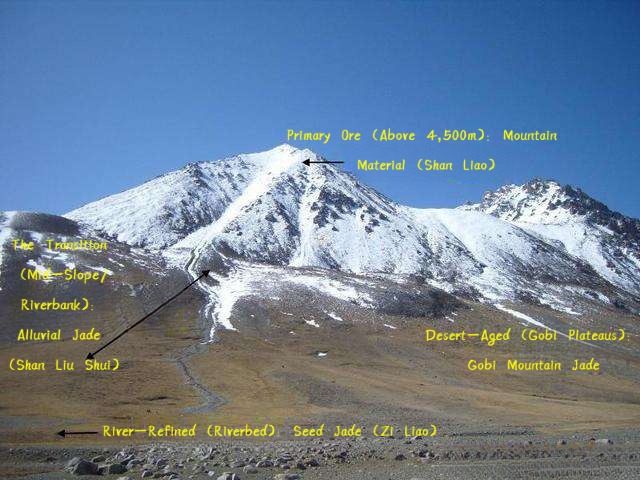
Every form of Hetian jade originates in the Kunlun Mountains of Xinjiang, China, where the stone forms deep within primary rock deposits at elevations exceeding 4,500 meters (14,700 feet).
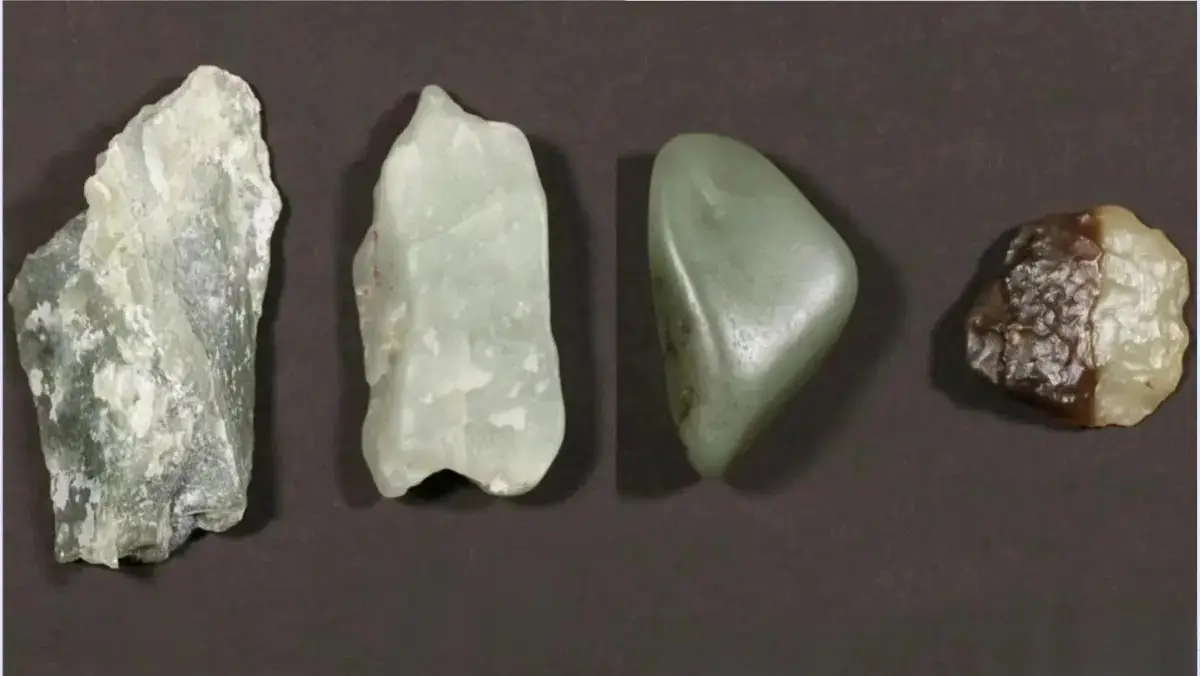
Known as Mountain Material (Shan Liao), this is Hetian jade in its most original and unrefined geological state, untouched by river transport or long-term natural polishing.
Geological Formation
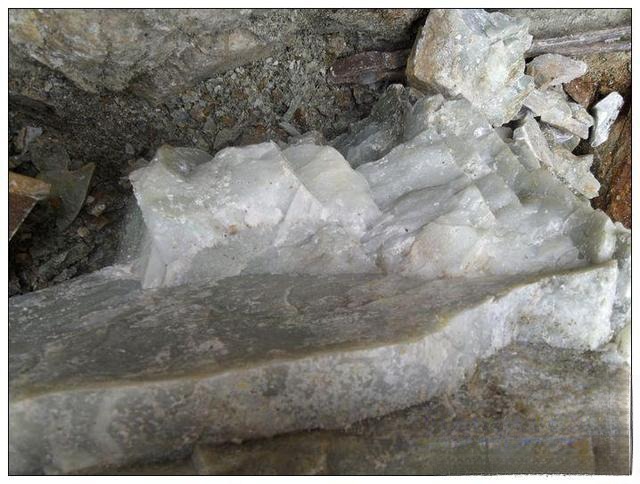
Mountain Material is extracted directly from primary ore veins embedded in solid bedrock.
Because it has not undergone erosion, collision, or water abrasion, the jade retains its original angular structure and raw surface texture.
The Reality of Mining in the Kunlun Mountains
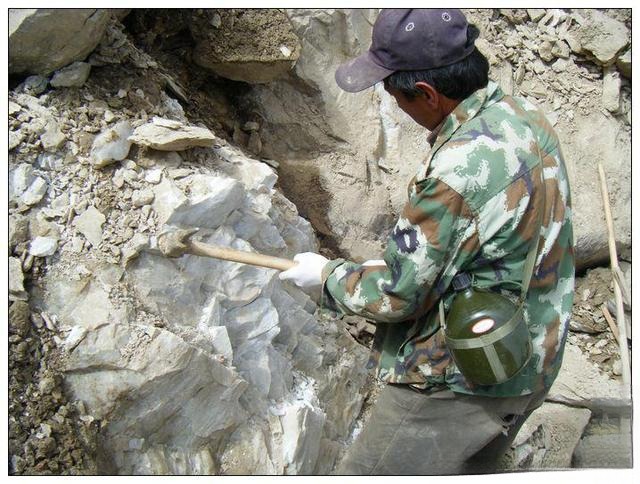
Harvesting Mountain Material remains one of the most demanding forms of jade extraction.
The terrain is too steep and unstable for vehicles, forcing miners to rely on donkeys and manual labor to transport equipment upward and raw jade downward.
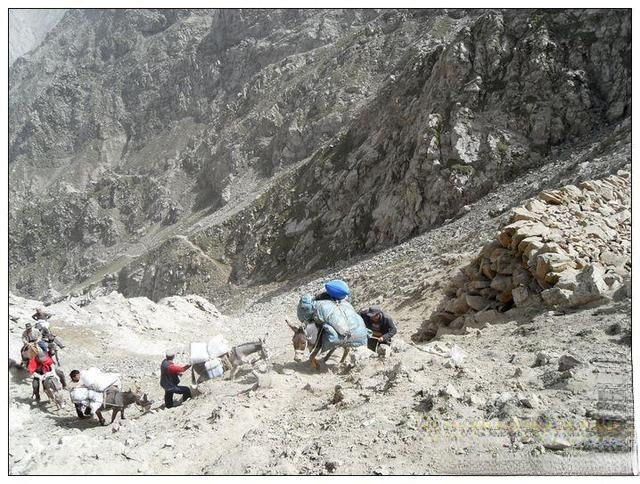
Historical Chinese records describe these expeditions as exceptionally perilous, with harsh weather, sheer cliffs, and oxygen-thin altitudes posing constant risks. Even today, mining activity is strictly limited to May through October, as heavy snow completely seals the mountains for the remainder of the year.
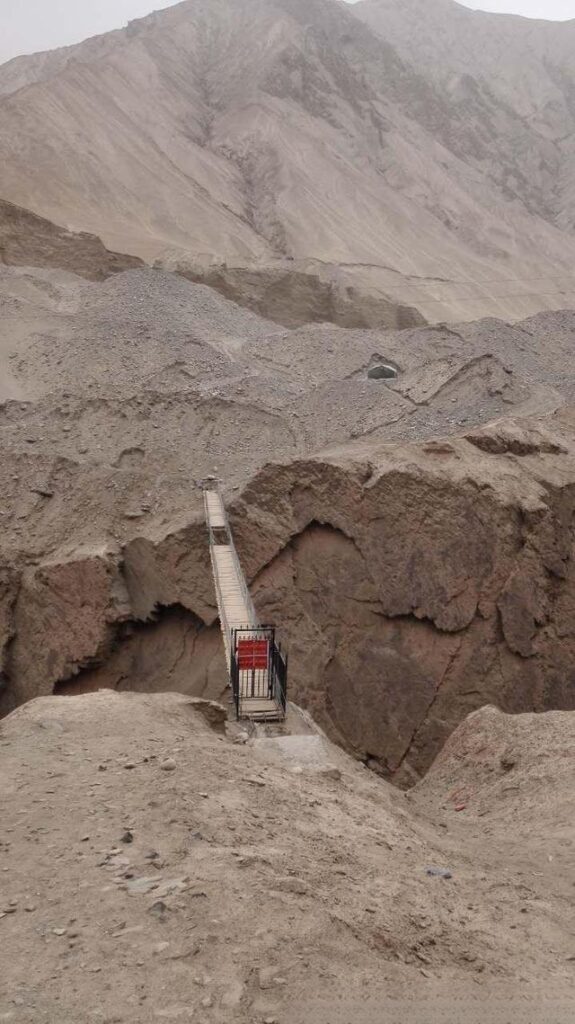
Key Characteristics of Mountain Material
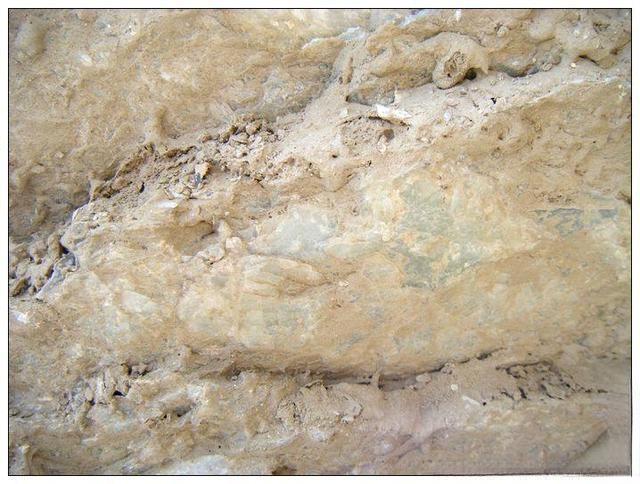
- Typically larger block sizes
- Sharp, angular edges with minimal rounding
- Coarse, uneven surface texture
- No naturally formed jade skin
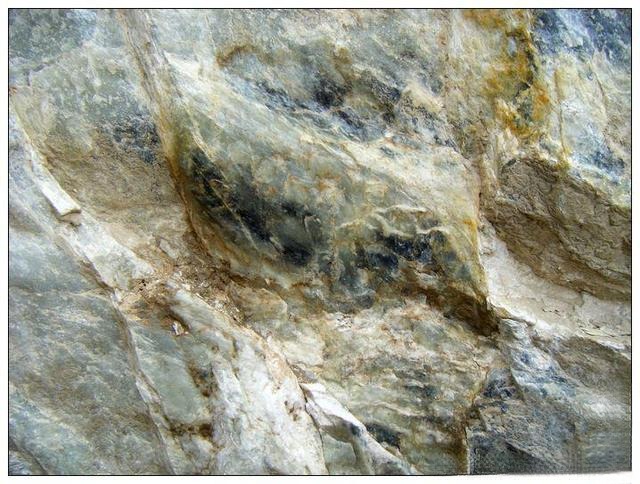
Because of these traits, artisans value Mountain Material for its substantial volume and carving potential rather than for immediate aesthetic refinement. They most often use it for large-scale carvings or re-cut projects, not for fine jewelry in its original form.
2. Seed Jade: The Most Coveted Hetian Jade Type
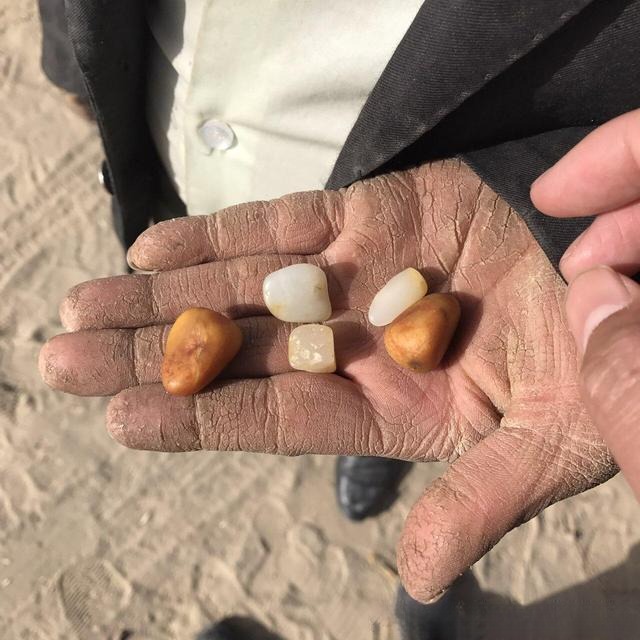
Often referred to as the “King of Jade,” Seed Material (Zi Liao) is the most coveted and valuable classification among all Hetian Jade types.
Its formation tells a story of survival: only the strongest material endures the journey.
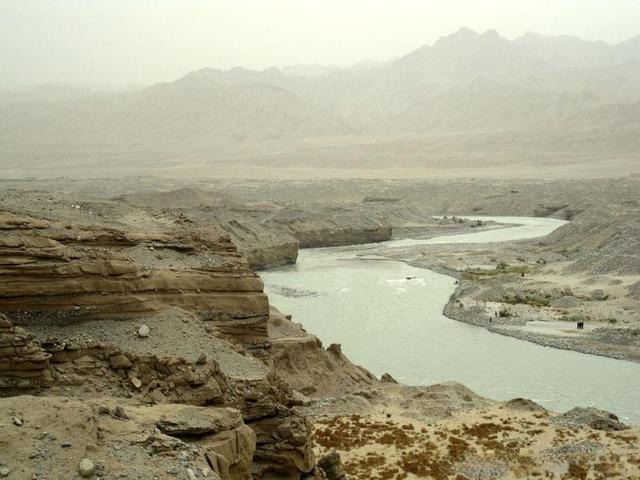
Seed jade begins as fragments of Mountain Material that break away during tectonic shifts, glacial movement, and long-term geological stress, eventually entering the Yurungkash (White Jade) River in Xinjiang, China.
The Natural Forging Process
Over millions of years, snowmelt and powerful river currents carry these fragments downstream.
This constant tumbling acts as a natural quality filter: weaker material fractures and erodes away, while only the densest, most structurally sound jade survives.
As the river strips away flaws, the remaining stone gradually transforms into a smooth, rounded pebble with an exceptionally compact internal structure—something no artificial process can replicate.
From Folk Tradition to High-Stakes Extraction
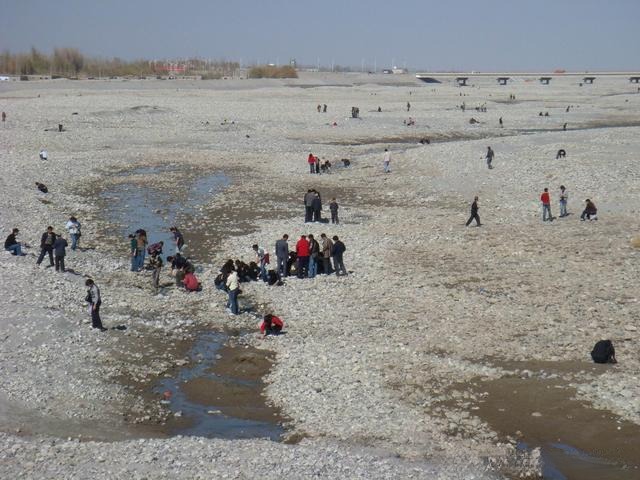
Traditional imagery often depicts locals collecting jade by hand with simple tools. While this once reflected reality, modern Seed Jade extraction evolved into a capital-intensive industrial gamble in the early 2000s.
Unregulated mechanized mining caused severe environmental damage, prompting decisive government intervention:
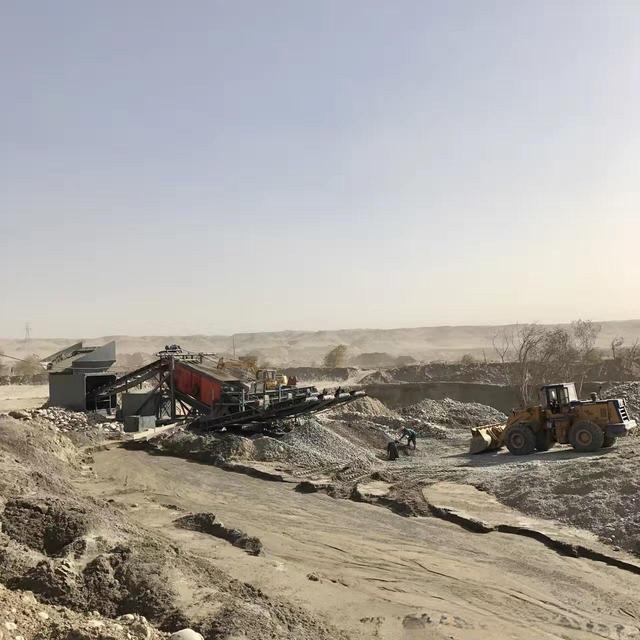
- 2007: Initial mining restrictions were introduced
- 2011: The riverbed was fully closed to halt unauthorized digging
- 2012: Limited zones reopened through government auctions, with strict environmental and financial requirements
The True Cost of Mining Seed Jade
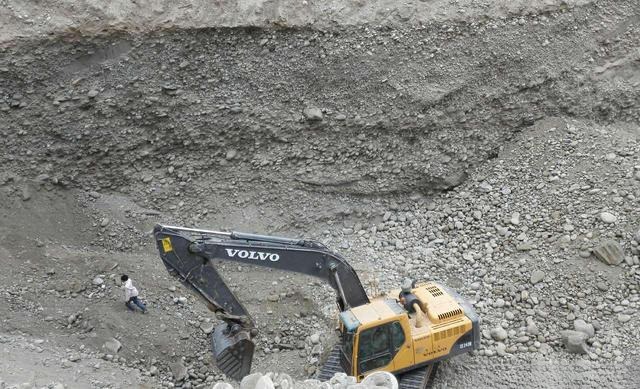
Today, extracting Seed Jade from ancient, dry riverbeds demands enormous upfront investment—long before a single stone is found.
The following estimates reflect large-scale mining operations under typical conditions observed in the mid-2020s (2024–2025). Actual costs may vary based on fuel prices, labor availability, and regulatory requirements.
| Expense Category | Daily Cost (Estimated USD) |
|---|---|
| Excavator Rentals (50 units) | $7,000 |
| Fuel & Maintenance | $14,700 |
| Labor (100+ workers) | $2,800 |
| Specialized Equipment Operators | $8,400 |
| Total Daily Operational Cost | ≈ $32,900 / day |
Whether the operation yields a masterpiece or nothing at all, these costs accumulate daily.
This combination of extreme scarcity and high extraction risk is precisely why authentic Seed Jade remains an elite collector’s material.
Industry Insider Perspective:
“In Hotan, excavators aren’t just working—they’re running flat out. Every second counts.” Mining season only lasts a few months, so everything runs on one rule: people can rest, machines don’t. A 3-series excavator rents for about 30,000 RMB a month—29,000 if you have connections. Fuel is the real killer. With diesel prices bouncing around in 2025, one machine can burn 2,000 RMB a day. Add grease, parts, nonstop wear and tear, and the numbers climb fast. Operators make around 600 RMB a day, general workers about 200, meals not included. Every single scoop is a high-stakes gamble in cash and sweat.
A lot of people still picture mining as manual digging. That’s not how it works out here. In Hotan, efficiency is survival. We don’t rely on fancy precision equipment—the most effective tool is a massive steel grid welded from solid steel pipes. Loaders dump tons of riverbed rock straight onto it, letting gravity and raw impact handle the first round of screening. It looks rough, almost brutal, but it’s the result of years of trial and error. Only the toughest jade survives that kind of industrial stress test.
Security here isn’t just about hardware—it’s psychological. Our principle is simple: mindset comes before methods. Before anyone enters the site, they’re fully briefed on how the shared-interest system works. The hard line is physical isolation. The mine operates as a closed system—once you’re in, you stay in. When the season ends, everyone showers, changes into clean clothes we provide, and leaves with nothing but their pay. No bags, no personal items.
This strict, closed-loop protocol is the only way we guarantee that what you hold in your hands is 100% authentic, untouched, and sourced with integrity.
How to Identify Authentic Seed Jade
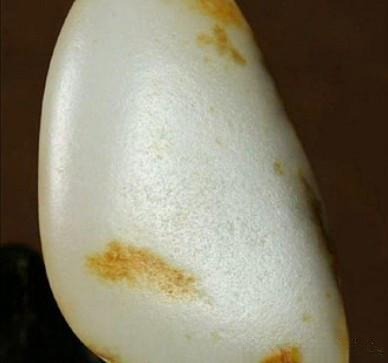
- Natural Skin (Jade Rind): Formed by mineral staining during long-term river burial
- “Sweat Pores”: Microscopic pits created by natural erosion—nearly impossible to fake
- Luster: A signature warm, “oily” sheen resulting from exceptional density
These characteristics make Seed Jade the preferred choice for high-end Hetian jade jewelry and heirloom-quality designs.
3. Alluvial Jade: Transitional Hetian Jade Type
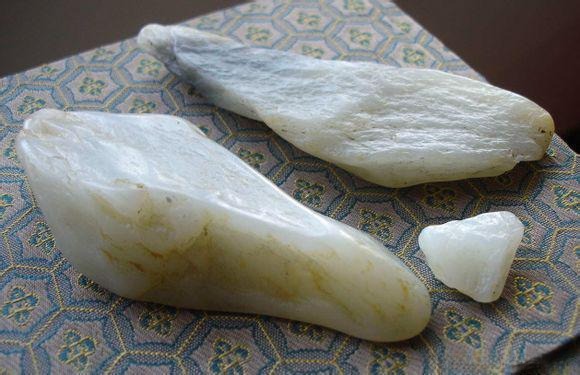
Alluvial Jade, known in Chinese as Shan Liu Shui, represents a critical transitional stage in the formation of Hetian jade.
These stones originate from the mountains but do not complete the long river journey required to become fully rounded Seed Material.
In other words, Alluvial Jade sits between Mountain Material and Seed Jade—both geographically and geologically.
How Alluvial Jade Forms
After breaking away from primary mountain veins, fragments of Hetian jade begin to move downslope through seasonal meltwater, gravity, and short-distance river flow.
However, unlike Seed Jade, these stones travel only limited distances and experience partial abrasion rather than prolonged tumbling.
As a result, Alluvial Jade typically settles in:
- Riverbanks near the foothills of the Kunlun Mountains
- Secondary waterways and shallow streams
- Ancient or modern riverbeds, including areas near Hetian city
Because the stones have not endured long-term river transport, they retain more of their original structure while still showing early signs of natural refinement.
Key Characteristics of Alluvial Jade
- Edges are partially rounded, but not fully smoothed into a pebble form
- Surfaces appear smoother than Mountain Material, yet lack the symmetry of Seed Jade
- No fully developed weathered rind (“jade skin”)
- Texture is relatively compact, though less dense than true Seed Jade
These features make Alluvial Jade visually distinct: it carries both the raw strength of mountain jade and the emerging softness of river-polished material.
Why Alluvial Jade Matters in Jewelry and Carving
Alluvial Jade offers a unique balance between material size and natural refinement.
Compared to Seed Jade, it is more readily available in larger pieces. Compared to Mountain Material, it displays better surface smoothness and structural cohesion.
For this reason, artisans often favor Alluvial Jade for:
- Medium-scale carvings
- Sculptural jewelry elements
- Designs that highlight natural form rather than perfect symmetry
Within the broader classification of Hetian Jade Types, Alluvial Jade serves as the bridge that visually and structurally connects mountain-born stone with river-forged perfection.
4. Gobi Jade: Rare Hetian Jade Type Shaped by Wind and Sand
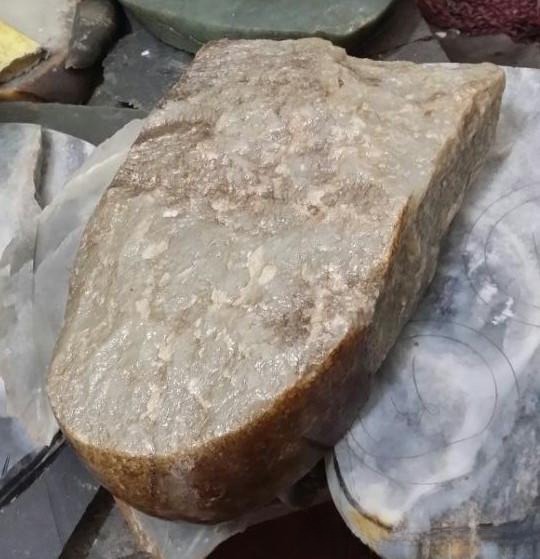
As rivers shift and disappear over thousands of years, some Hetian jade never completes its journey to the sea.
Instead, these stones become stranded in what is now the Gobi Desert, where they undergo a second, radically different transformation.
Unlike Mountain, Seed, or Alluvial Jade—each shaped primarily by water—Gobi Material is refined by air, heat, and time.
A Unique Geological History
Gobi Material originates from ancient riverbeds formed when the courses of the Yurungkash and surrounding waterways changed long ago.
After the rivers dried up, jade stones were gradually buried under sediment, only to be re-exposed by erosion centuries later.
Once exposed, the stones endured:
- Extreme temperature fluctuations between day and night
- Continuous wind abrasion
- Long-term sand erosion under desert conditions
This prolonged exposure reshaped the jade not through tumbling, but through relentless surface weathering, creating a form unlike any river-polished stone.
Types of Gobi Material
Gobi Material generally falls into two categories, based on its original origin:
- Mountain-origin Gobi Jade: Found on desert slopes, derived from Mountain Material
- Seed-origin Gobi Jade: Found on open desert plains, originating from ancient river pebbles
In many cases, the original jade skin has been completely eroded. When this happens, the location of discovery becomes the primary indicator of the stone’s classification.
Key Characteristics of Gobi Material
- Exceptionally limited natural supply
- Typically smaller in size
- Distinctive irregular, pitted surfaces—often compared to orange peel or meteorite textures
- Remarkable hardness and structural resilience
- High resistance to wear and environmental stress
These features give Gobi Material a rugged, elemental character, sharply contrasting with the smooth refinement of Seed Jade.
Why Collectors Value Gobi Material
Within the broader spectrum of Hetian Jade Types, Gobi Material stands apart.
It reflects not only geological endurance, but also the visible passage of time—etched directly into its surface.
Collectors and designers prize Gobi Jade for its raw authenticity, sculptural presence, and unmistakable sense of geological time—particularly in pieces that celebrate organic form over high polish. Its scarcity and distinctive texture make it especially appealing to those drawn to jade in its most untamed expression.
Why Hetian Jade Types Matter for Jewelry Design
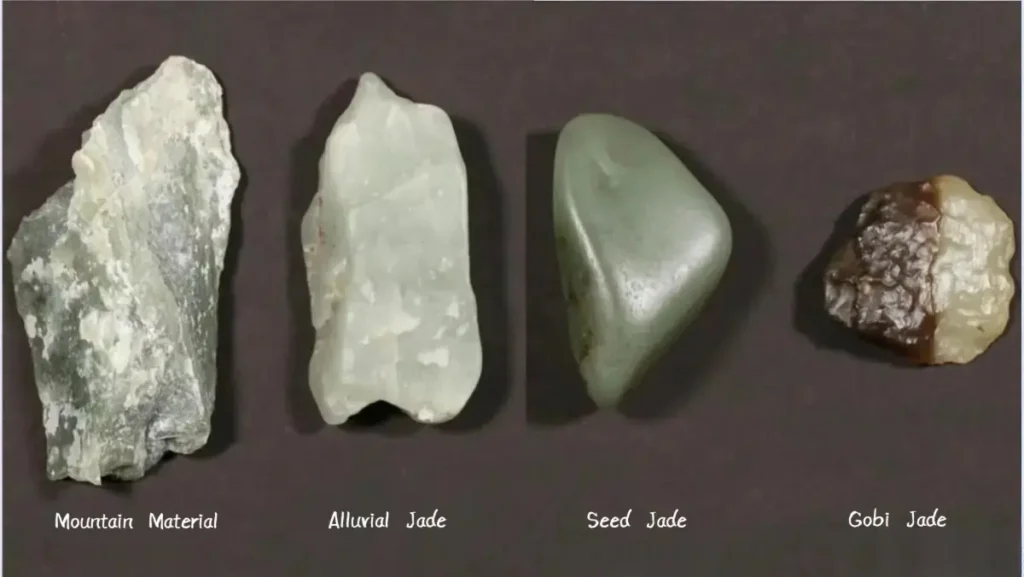
Understanding how jade forms is essential when selecting material for fine jewelry—especially pieces intended to endure for generations.
Each category of Hetian jade carries distinct structural qualities, wear resistance, and aesthetic character, all shaped by its geological journey.
For designers and collectors alike, recognizing these differences helps ensure that beauty, durability, and authenticity align—not just at the moment of purchase, but over a lifetime of wear.
How PeonyJewels Translates Geology into Design
At PeonyJewels, we apply this geological understanding to every stage of our creative process. It guides how we source materials, how we design around natural form, and how we finish each piece by hand.
Our work at PeonyJewels focuses on three pillars:
- Custom jade jewelry tailored to individual stories
- One-of-a-kind, vintage-inspired earrings with timeless character
- Hand-finished designs that respect the natural structure and surface of the stone
Each piece reflects more than visual elegance—it preserves the journey of the jade itself, from the mountains and rivers of Xinjiang, China, to a finished heirloom meant to be worn and passed down.
Final Thoughts: Choosing the Right Type of Hetian Jade
Different Hetian Jade Types serve different purposes, and choosing the right one depends on how the stone will be worn, experienced, and preserved.
| Jade Type | Best Suited For |
|---|---|
| Mountain Material | Large carvings, re-cut design projects |
| Seed Jade | High-end jewelry, collectors’ pieces |
| Alluvial Jade | Balanced designs, medium-scale jewelry |
| Gobi Jade | Artistic, raw, collector-focused creations |
Ultimately, understanding these distinctions allows buyers to recognize true value, avoid misleading claims, and appreciate why genuine Hetian jade remains irreplaceable.
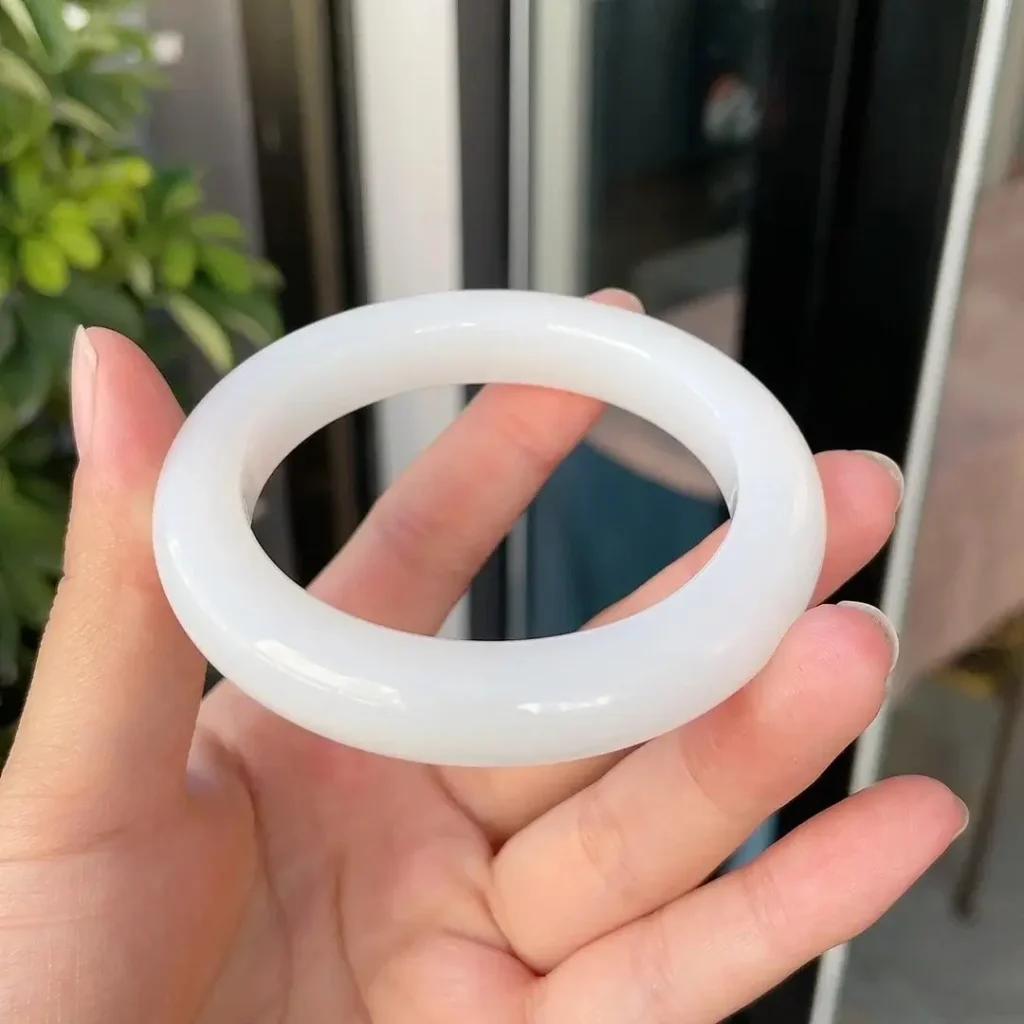
If you are exploring custom jade designs or original handmade vintage earrings, we invite you to discover PeonyJewels, where craftsmanship meets geological history—and where every stone tells a story.