Hidden Jewelry Industry Secrets (2026): What Outsiders Never Know
Inside the Gems, Gold, and Market Secrets You Won’t Learn Anywhere Else
In today’s jewelry market, having more information doesn’t always translate to clarity. True value comes from looking beyond isolated facts and understanding the hidden jewelry industry secrets that shape prices, quality, and rarity.
What many call “industry secrets” are, in reality, just the result of information asymmetry.
Historically, the challenge was scarcity: consumers simply didn’t know where to find trustworthy knowledge. Today, the opposite is true—information is abundant, yet often fragmented. Debates over lab-grown stones, origin premiums, and grading report reliability flood the market, burying genuine expertise beneath marketing narratives and context-free data. A quick online search can leave even diligent buyers more confused than informed.
A growing number of enthusiasts study gemstones, collect samples, and develop deep market knowledge. Yet many enthusiasts develop ‘fragmented confidence’ through professional content. They cite isolated facts to challenge sellers without grasping the full market logic.
This article isn’t about exposing scandals. Instead, it consolidates insights gained from years in the trade: subtle gaps in information, misconceptions around so-called “investment-grade” pieces, and the less visible mechanics of the supply chain. Individually, these points may seem minor. Taken together, they reveal the underlying logic of the jewelry world—the part most outsiders never see.
Table of Contents
- Diamonds
- Colored Diamonds: The Value of Loose Stones
- Cut Choice: Maximizing Visual “Spread”
- Certificates: Beyond the 4Cs
- Different Labs, Different Standards
- Colored Diamonds: The Value of Loose Stones
- Cut Choice: Maximizing Visual “Spread”
- Certificates: Beyond the 4Cs
- Different Labs, Different Standards
- Hetian Jade
- Understanding Quality vs. Origin
- The Collector’s Edge: Oiliness over Origin
- Market Leaders: White vs. Green (Bi-Jade)
- The Illusion of Photography
- Treatments and Modern Alterations
- Jadeite (Feicui)
- Live Sales and Market Observations
- Rubies and Sapphires
- Synthetic vs. Natural: The “Corundum” Trap
- The Padparadscha Controversy
- Size, Cut, and the “Durability” Excuse
- Yellow Sapphires: The Risk of Fading
- Emeralds
- Chrysoberyl Cat’s Eye
- Opal
- Southern Red Agate (Nanhong)
- Garnet
- Zircon
- Topaz
- Tourmaline
- Moissanite
- Gold
- Decorative and Commercial Stones
- Insider Tips and Market Insights
- Buying Channels: Navigating Physical and Online Markets
- Online Identification and Appraisals: The Limits of the Digital Eye
- Value Retention: Navigating the Realities of Resale
- Custom Jewelry: Balancing Craftsmanship and Costs
- Setting and Mounting: The Cost of Craftsmanship
Diamonds: Hidden Jewelry Industry Secrets Revealed
In the diamond market, low prices are common—but prices that seem suspiciously low almost always come with trade-offs. Sellers often pair these stones with mismatched or strategically chosen grading reports. Chasing the absolute cheapest option is rarely a smart strategy.
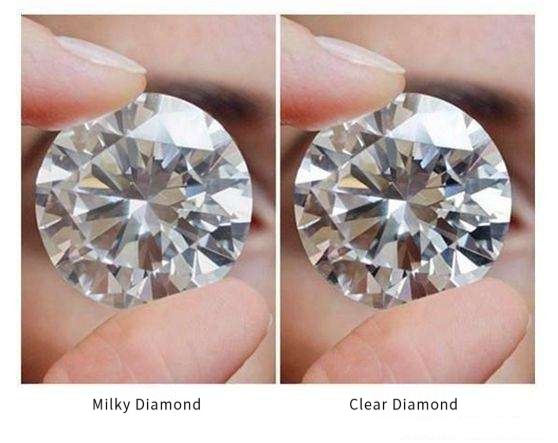
Another common issue with lower-priced diamonds is what the trade refers to as “Milky” or “Brown-tinged” stones (BGM). Grading reports often omit these qualities, yet they drastically dim the diamond’s brilliance and transparency. Buyers often only realize the problem once they see the stone in person—when it simply doesn’t sparkle with the expected fire.
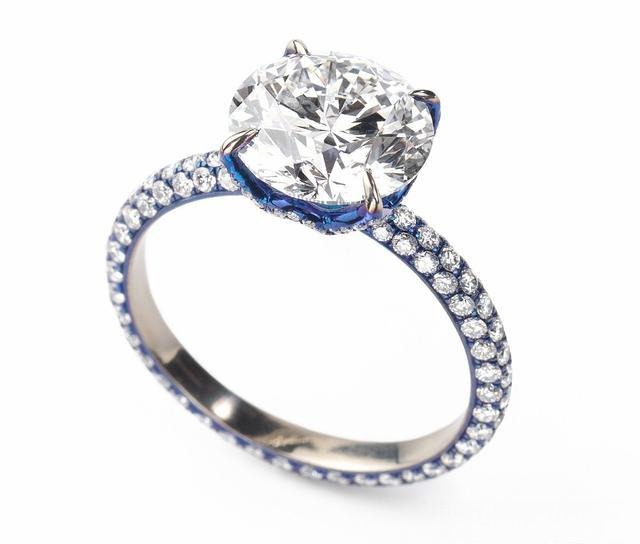
For a closer look at What Exactly Is a Milky Diamond and Why Should You Avoid It? see our dedicated article.
Colored Diamonds: The Value of Loose Stones
Most loose colored diamonds on the market appear relatively light in color at first glance. However, the setting style and metal reflection often deepen a stone’s perceived color by one or two grades once you mount it.
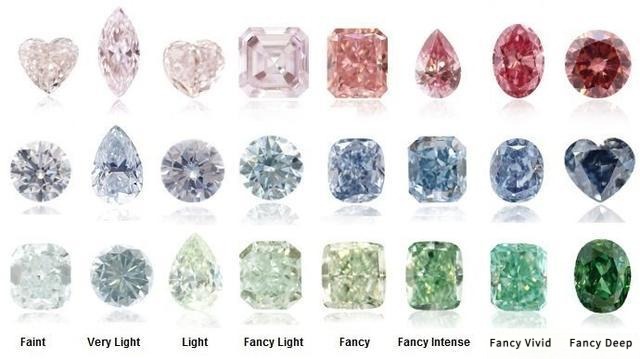
Because of this, purchasing a loose stone and opting for a custom setting can be far more cost-effective than buying finished pieces—unless budget is not a primary concern. We also explore why specific combinations—like pink diamonds with rose gold accents—are industry standards for enhancing visual value.
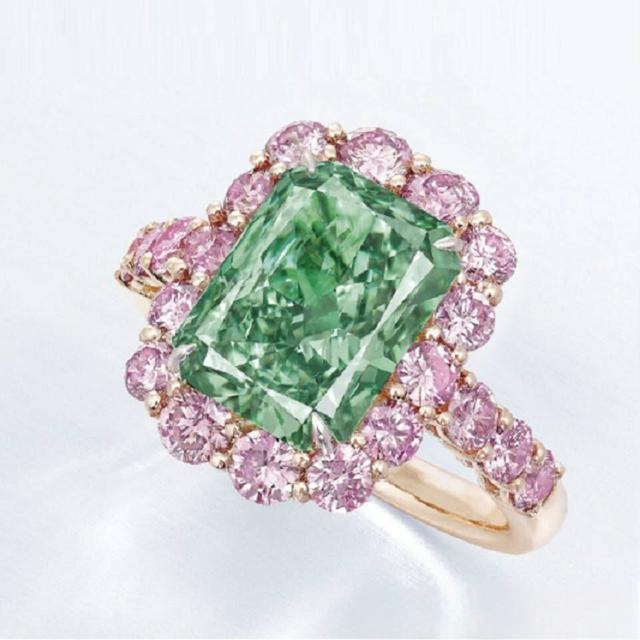
Explore our full guide on The Art and Science of Fancy Colored Diamonds: How Design Enhances Color and Value.
Cut Choice: Maximizing Visual “Spread”
Cut selection plays a major role in how large a diamond appears. Certain shapes, such as Emerald or Oval cuts, often have a larger “spread” and look noticeably bigger than round brilliant diamonds of the same carat weight—while typically costing less.
This visual advantage is one of the most overlooked ways to balance aesthetics and budget. We explore how different cuts affect perceived size and why round diamonds command a premium that rarely shows up in visual impact.
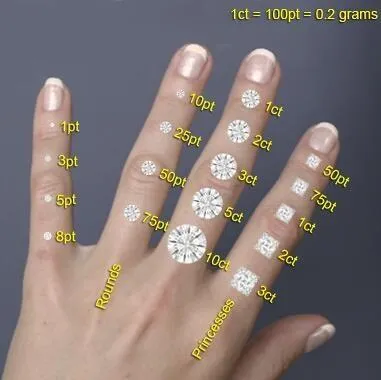
Learn more about The Ultimate Guide to the 4Cs of Diamonds: Finding Your Perfect Engagement Ring
Certificates: Beyond the 4Cs
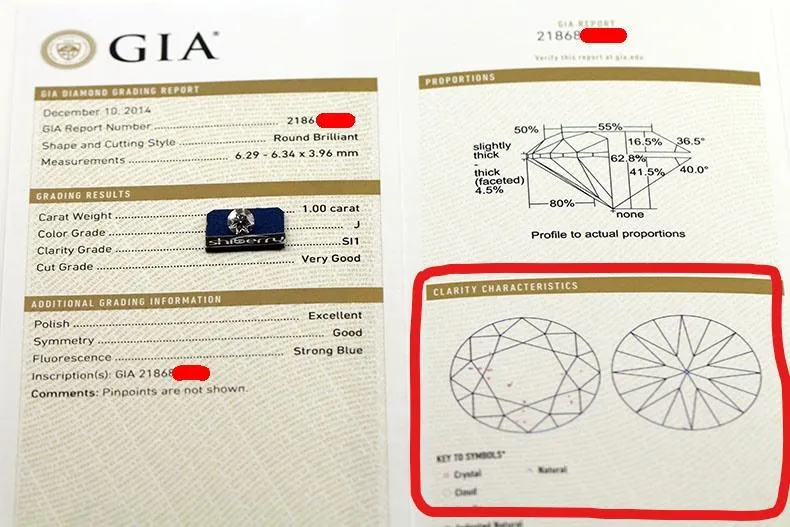
While most buyers are familiar with the 4Cs, certificates influence pricing far more than many realize. GIA reports usually command higher prices—not only because of their authority but also because the certification process itself involves significant overhead and stricter grading standards.
For non-professionals, purchasing uncertified loose diamonds is a high-risk gamble. The small initial savings can quickly turn into expensive mistakes.
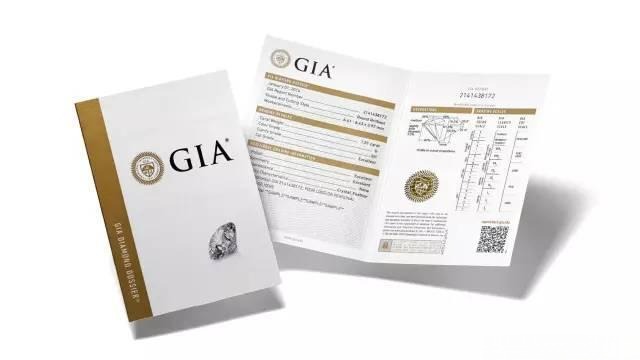
Different Labs, Different Standards
Grading systems vary significantly in their standards. A diamond graded by one lab may receive a lower grade if submitted to the GIA. This discrepancy is even more pronounced with colored gemstones, where grading philosophies vary wildly across international borders. Two stones with the same stated grade—but issued by different authorities—can differ substantially in market value.
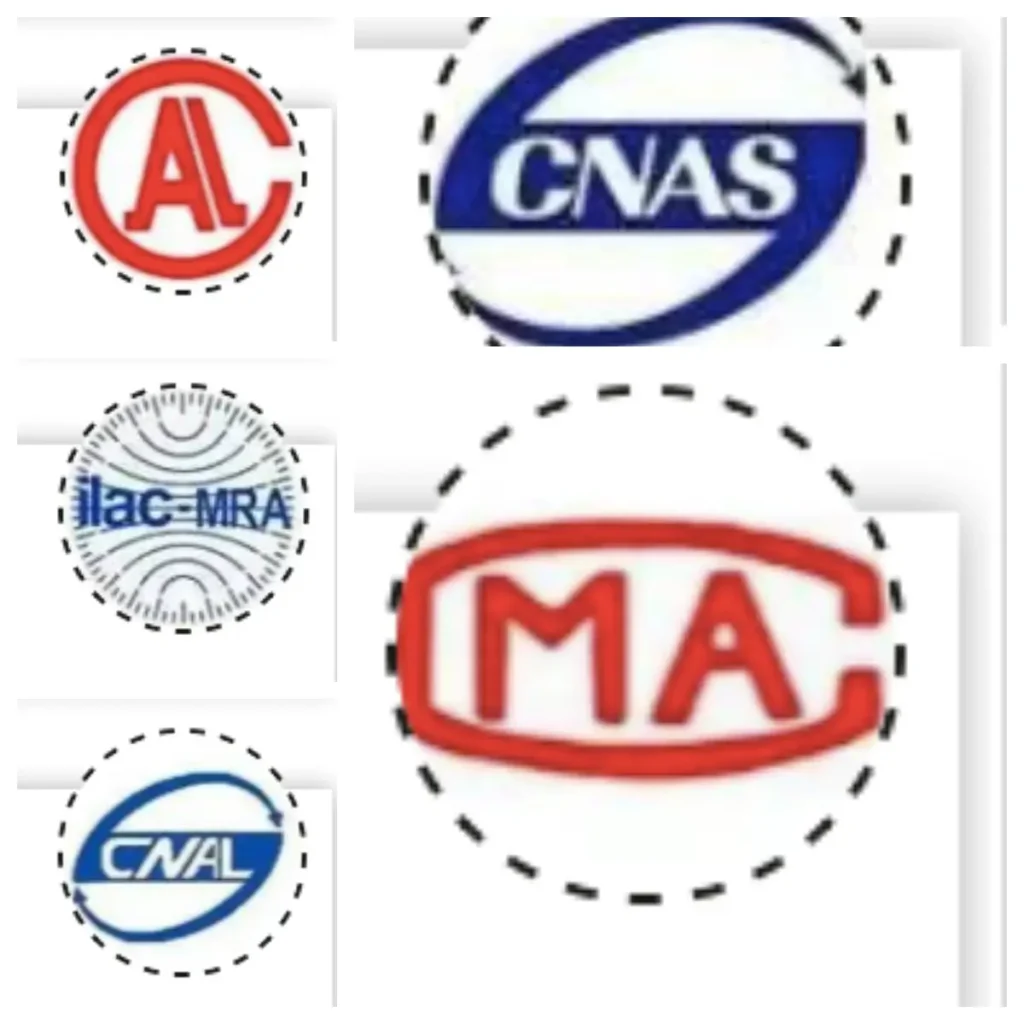
How to Spot Fake Jewelry Certificates: A Buyer’s Guide to Authentic Reports
Hetian Jade: Hidden Jewelry Industry Secrets Revealed
In the Hetian jade market, manufacturers craft most “gold-inlaid jade” from lower-quality materials, such as Korean or Qinghai jade. They mass-produce these items, often driving wholesale prices as low as $10–$20. For the discerning collector, chasing the cheapest price in this category almost always leads to disappointment.
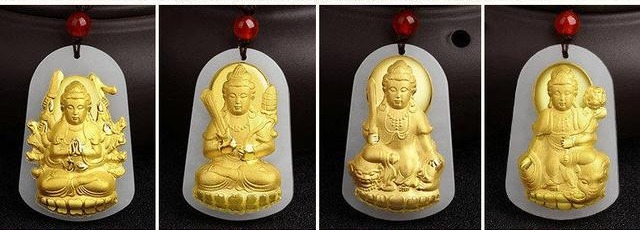
Gold-Inlaid Jade Jewelry: How to Identify Genuine Pieces and Avoid Scams
Understanding Quality vs. Origin
While origin can indicate a general quality tier, it is never a guarantee of excellence. Even the highly prized Seed Jade (Zili) has its share of “garbage grade” stones, while premium Russian Jade has become increasingly rare and expensive.
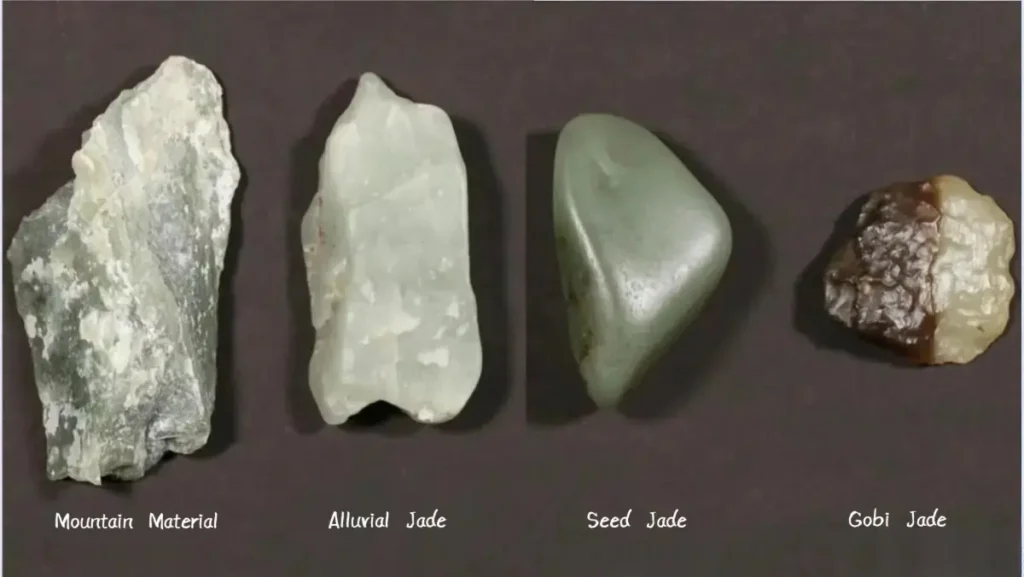
Hetian Jade Types: From Mountain Material to Seed, Alluvial & Gobi Jade
The Collector’s Edge: Oiliness over Origin
True connoisseurs value “oiliness” (the stone’s natural luster and tactile feel) above all else. While high-quality Seed Jade is the gold standard, it is becoming exceptionally scarce. In many cases, a superior Mountain Jade (Shanliao) is a much better investment than a low-grade, dry Seed Jade.
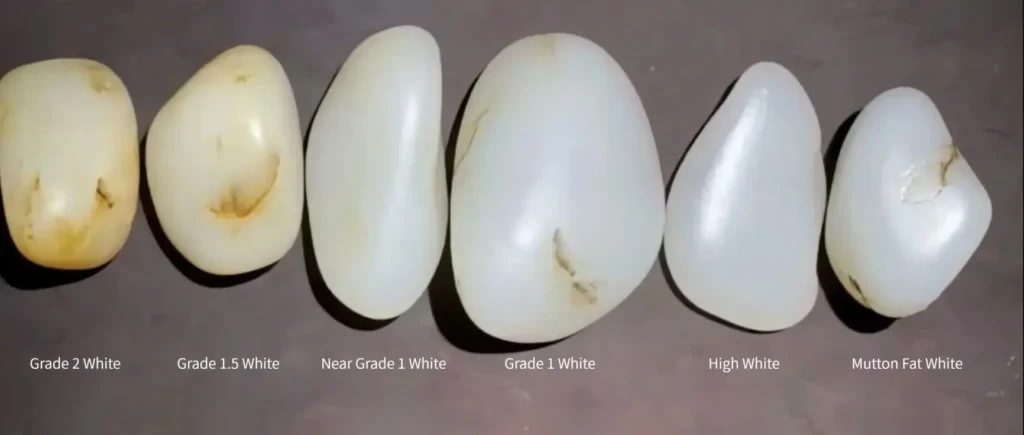
Market Leaders: White vs. Green (Bi-Jade)
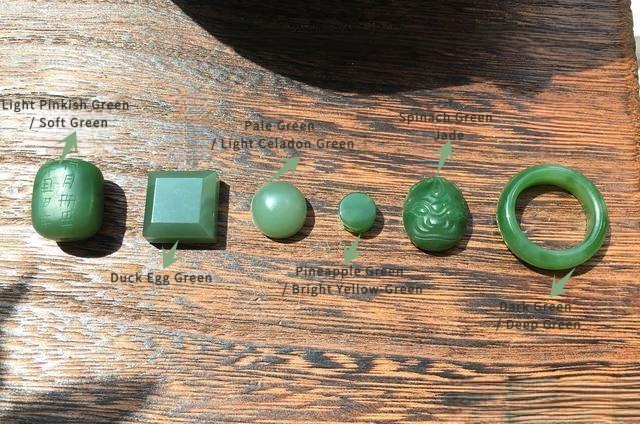
In the world of white jade, Hetian-sourced material remains the ultimate prize. However, in the Bi-Jade (Green Jade) category, Russian Bi-Jade is the undisputed leader in terms of color and clarity. Be mindful of lighting: certain varieties, like Pink-Green (Fenqing) jade, look breathtakingly ethereal in soft light but can appear dull or grayish under direct, harsh sunlight.
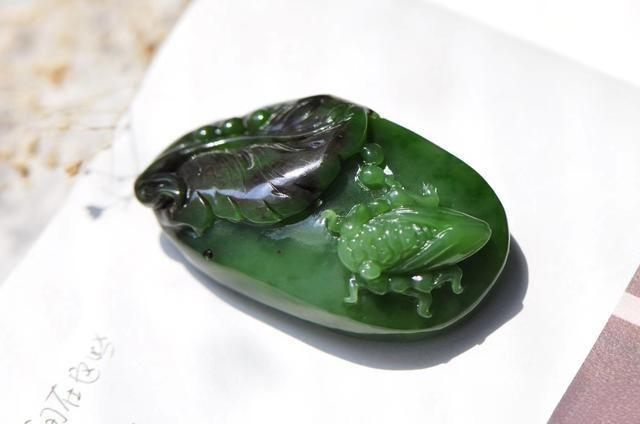
Nephrite Jade Price Guide: Quality Grades, Value Factors, and Origins
The Illusion of Photography
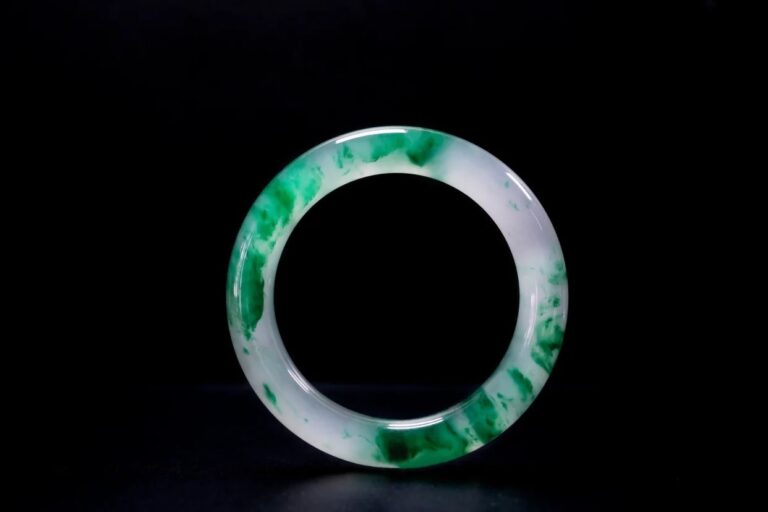
Jade is a “chameleon” under the camera lens. Photographed on a black background, Hetian jade appears strikingly white; on a white background, it can appear significantly greener. When buying online, never rely on a single set of photos.
- The Flashlight Test: To distinguish between black varieties, use a focused flashlight. A white glow identifies Mo Jade (graphite-based); blue or blue-green marks Black-Green Jade; and a vibrant green signals Black Bi-Jade.
Jasper vs. Nephrite Jade: The Confusing World of Red “Jade” Explained
Treatments and Modern Alterations
The industry has seen a rise in sophisticated treatments. Manufacturers often wax-treat lower-quality stones to conceal cracks, or apply “green wax” to Bi-Jade to artificially boost color. These pieces feel smooth initially but turn rough and dry as the wax wears off. More alarmingly, some recent “perfect” carvings use glued-on color accents (Qiaodiao) to mimic natural skin colors, and certain “whitening” treatments for white jade can now even pass standard lab tests.
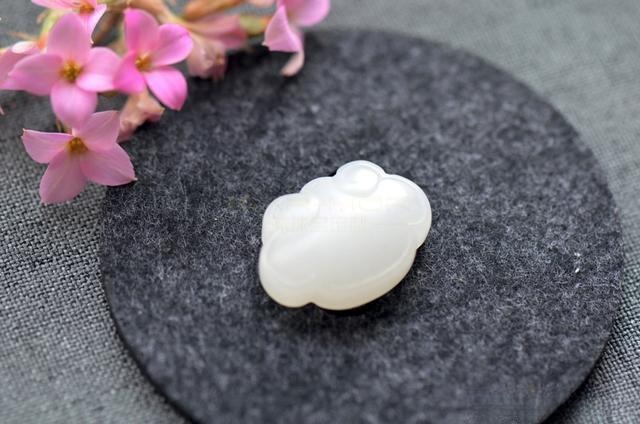
The Truth Behind “Miracle Whitening” and Other Hetian Jade Forgery Techniques
Jadeite (Feicui): Hidden Jewelry Industry Secrets Revealed
Photography presents one of the greatest challenges in the online jadeite market. Warm or yellow lighting can artificially saturate green tones, making stones appear more vibrant than they are in reality. When evaluating jadeite online, always check the seller’s hand and background colors; overly warm tones usually mean the environment exaggerates the stone’s true color.
Lavender jadeite (Zifei) is particularly “camera-friendly.” Digital sensors almost always render its tones more vivid than in person. Unless the seller explicitly states they color-corrected the images, follow this rule of thumb: expect the stone’s real color to sit one grade below what you see on screen.
Internal “glow” also heavily influences the stone’s value. Even among stones with the same Ice-grade (Bingzhong) transparency, pieces that exhibit a high-gloss inner light (Qi-guang) are often worth many times more than those that appear flat or dull.
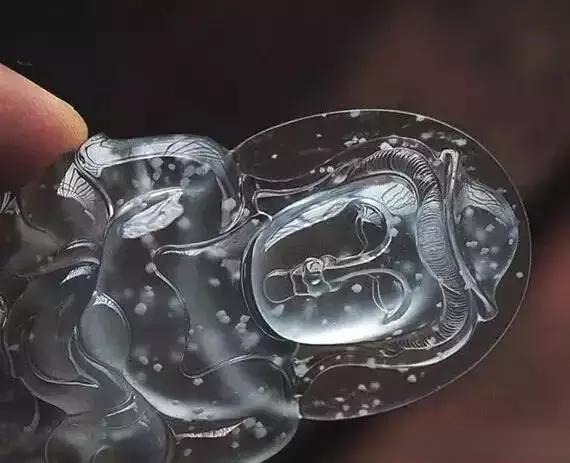
Learn more about jadeite grading: Does High-Quality Jadeite Have No “Cotton”? Understanding the True Beauty of Natural Jade
Live Sales and Market Observations
Beyond photographic tricks, live-streamed auctions present a different set of challenges.Sellers often market low-density materials, such as Yongchu or Guatemalan Jadeite, as “Imperial Green” or “Old Blue Water.” Even at high-end trade exhibitions, vendors frequently mislabel these stones to command premium prices.
True “Imperial Green” jadeite is exceedingly rare. If a price seems unusually accessible, the material is likely a substitute.
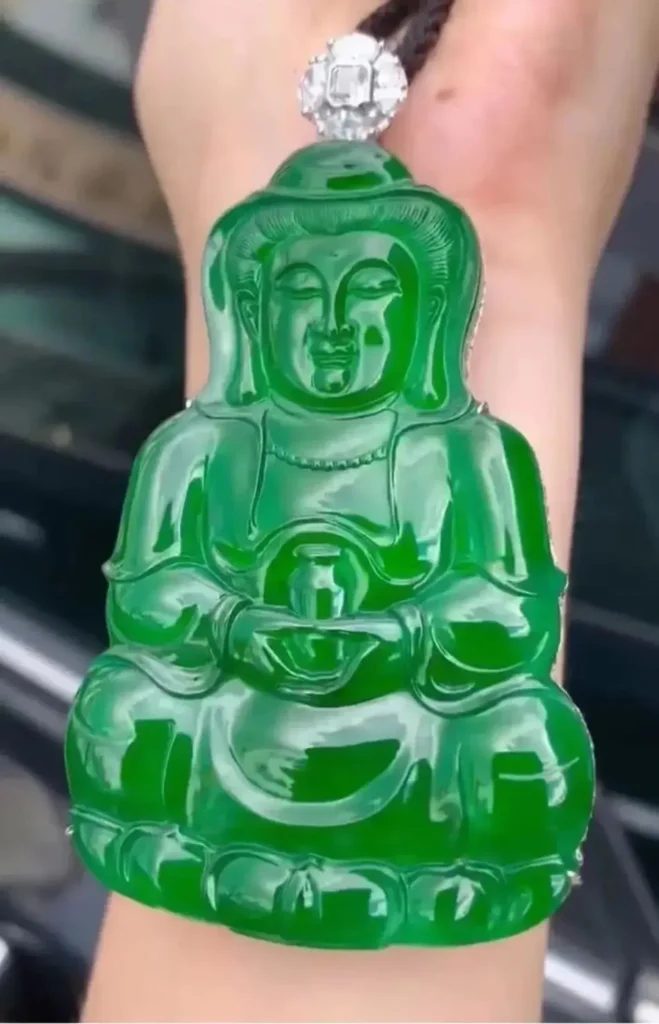
Is Imperial Green Jade Really That Cheap? How Buyers Get Misled
Rubies and Sapphires: Hidden Jewelry Industry Secrets Revealed
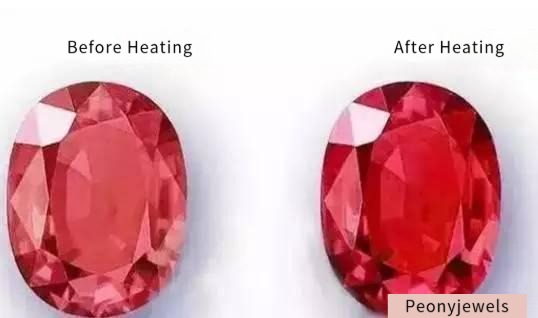
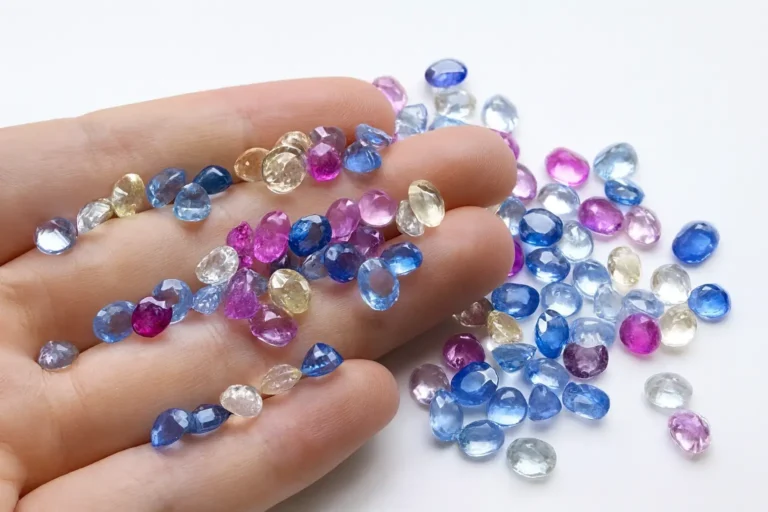
Most rubies and sapphires on the market have undergone heat treatment, commonly called “burning” in trade. This process enhances both color and clarity, increasing commercial value. However, when comparing two stones of equivalent final quality, the unheated (untreated) stone commands a premium due to its extreme rarity.
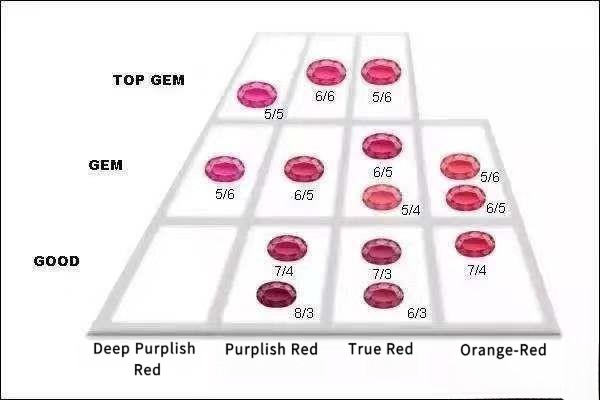
Learn more in our guide on Ultimate Ruby Buying Guide – Color, Carat, Clarity & Treatments Explained
Synthetic vs. Natural: The “Corundum” Trap
When sellers label jewelry as “Red Corundum” or “Blue Corundum” rather than “Natural Ruby” or “Natural Sapphire,” they almost always hide the fact that the stones are synthetic. While chemically identical to natural gems, synthetic corundum is worth a fraction of the price.
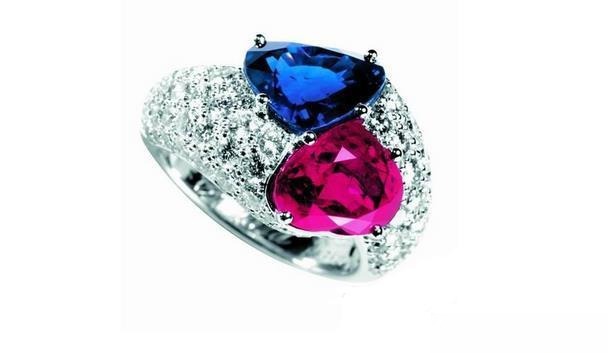
Explore our anti-fraud guide on Buyer’s Guide|Real or Synthetic Sapphire? How to Spot the Difference Without a Microscope
The Padparadscha Controversy
Due to high demand, some Sri Lankan sellers market pink sapphires from Madagascar as the rare “Padparadscha.” Even some laboratories may issue certificates reflecting this mislabeling. True Padparadscha requires a delicate balance of pink and orange tones. Understanding the difference between a genuine “Lotus Blossom” hue and standard pink sapphire is essential for collectors and investors.
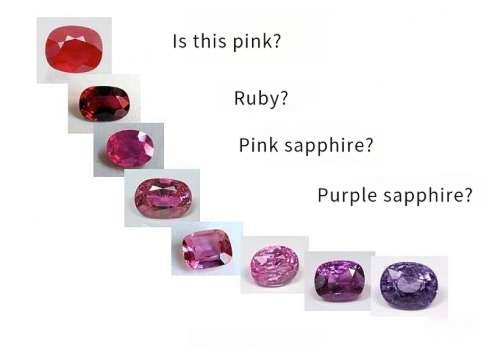
See our article on Madagascar vs Sri Lanka Pink Sapphires: How Experts Identify Real Gems by Origin and Inclusions
Size, Cut, and the “Durability” Excuse
Focusing solely on carat weight without considering cut quality is a common mistake. Some cutters sacrifice brilliance (“fire”) and even create dark, lifeless areas (“extinction”) to preserve weight. A smaller, well-cut gemstone often has more visual impact and value than a larger, poorly-cut one.
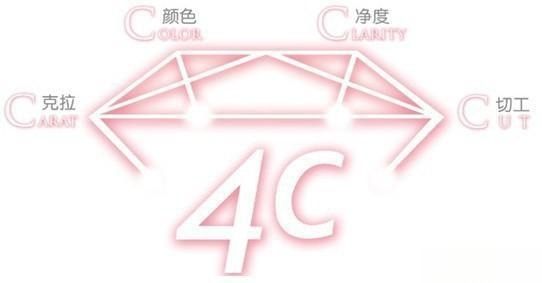
Learn How to Grade Gemstone Quality: Understanding the 4Cs and the Importance of Gemstone Cut Quality
Yellow Sapphires: The Risk of Fading
While heat treatment remains the industry standard, some treaters occasionally employ irradiation to deepen a sapphire’s color artificially. Unlike heat treatment, irradiation is often unstable, and colors can fade under natural light or heat. Because irradiation is difficult to detect, buyers should be cautious of stones that appear unusually vivid for their price.
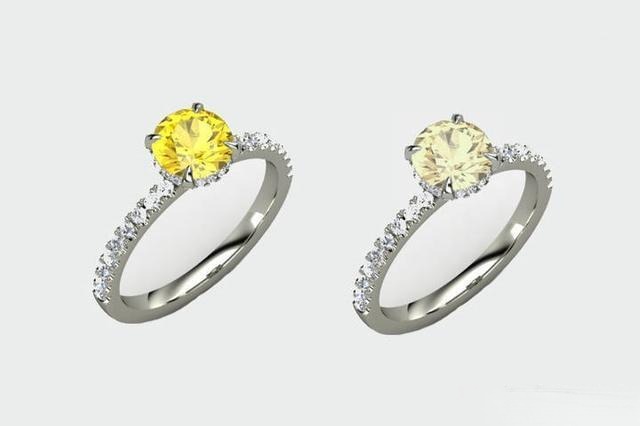
Yellow Sapphire — The Golden Alternative to Yellow Diamonds
Emeralds: Hidden Jewelry Industry Secrets Revealed
Photography can be notoriously misleading when it comes to emeralds. Paradoxically, stones with weaker or lighter color often appear more vibrant on camera, while truly rich, deep green emeralds rarely translate their velvety hues accurately in photos. This means a top-tier emerald may never look as impressive on a screen as it does in person—regardless of the equipment used.
Beyond photography, clarity and its subsequent treatments are critical. In the emerald trade, failing to disclose the degree of clarity enhancement (such as oiling) is a major red flag. Whether a stone has “Minor,” “Moderate,” or “Significant” oiling fundamentally affects its market value. Any seller who avoids discussing clarity or treatment levels is not providing the full picture.
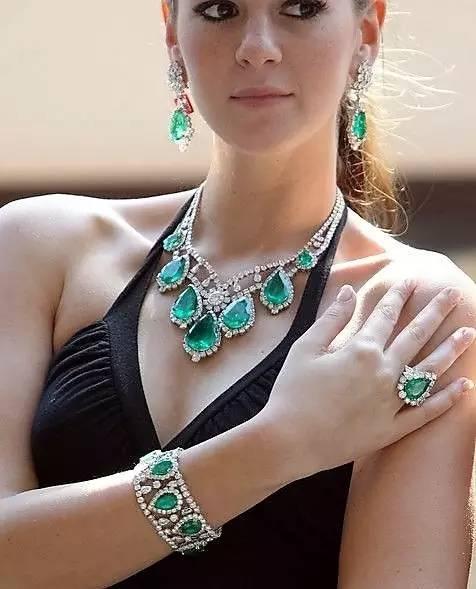
Learn more about Emerald Buying Guide: 10 Essential Questions About Color, Origin, Cut, and Care
Chrysoberyl Cat’s Eye: Hidden Jewelry Industry Secrets Revealed
When purchasing a Cat’s Eye gemstone, be wary of stones with perfectly flat or suspiciously symmetrical bases. In the trade, such “too-perfect” features are often a hallmark of glass imitations rather than natural chrysoberyl. A genuine natural cat’s eye should exhibit subtle growth irregularities and a sharp, silky chatoyancy (the “eye” effect) that glides smoothly across the surface as the light source moves.
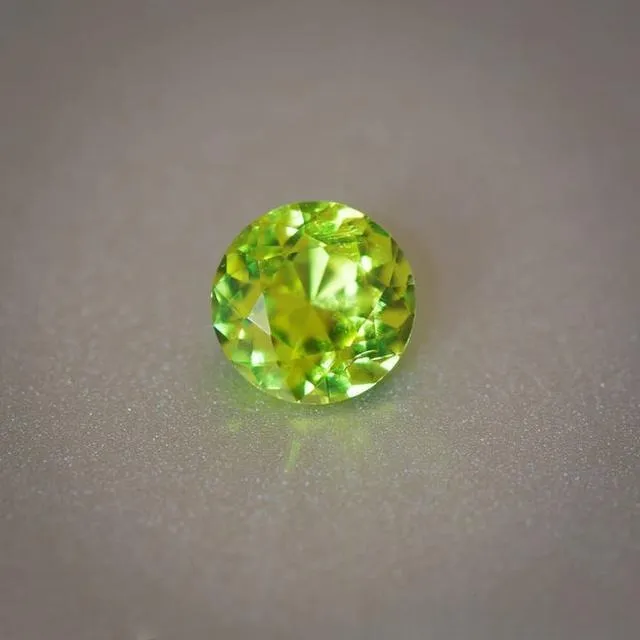
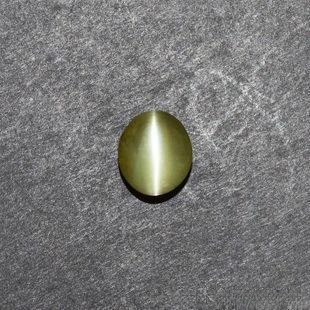
Golden Beryl: Rare Gemstone Among the World’s Five Great Gems with Stunning Cat’s Eye Examples
How to Identify Real vs Fake Cat’s Eye Gemstones from Sri Lanka
Opal: Hidden Jewelry Industry Secrets Revealed
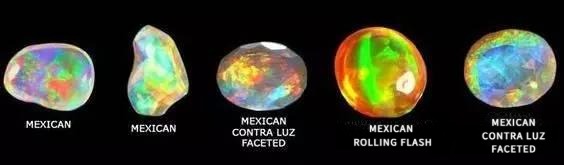
Buyers must exercise caution, as many sellers mislabel Ethiopian “Hydrophane” water opals as more stable Mexican or Australian varieties. Due to their porous nature, these stones absorb and lose water easily—wearing them in the shower or exposing them to high humidity can cause them to turn temporarily translucent or lose their “play-of-color” entirely.
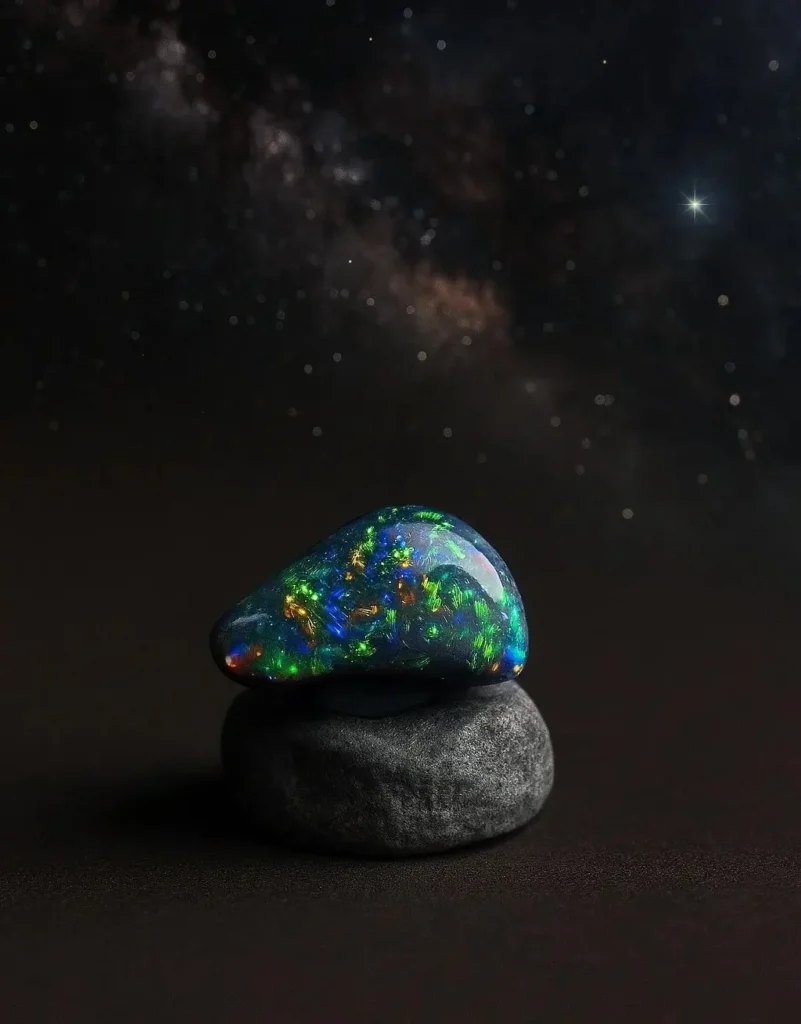
Additionally, many commercially set opal pieces are “Doublets”—a paper-thin slice of natural opal glued to a dark backing (such as ironstone or plastic). These often hide deep within the metal setting, making the layered structure invisible to the naked eye. While suitable for fashion jewelry, you should never purchase them at the price of a solid, natural opal.
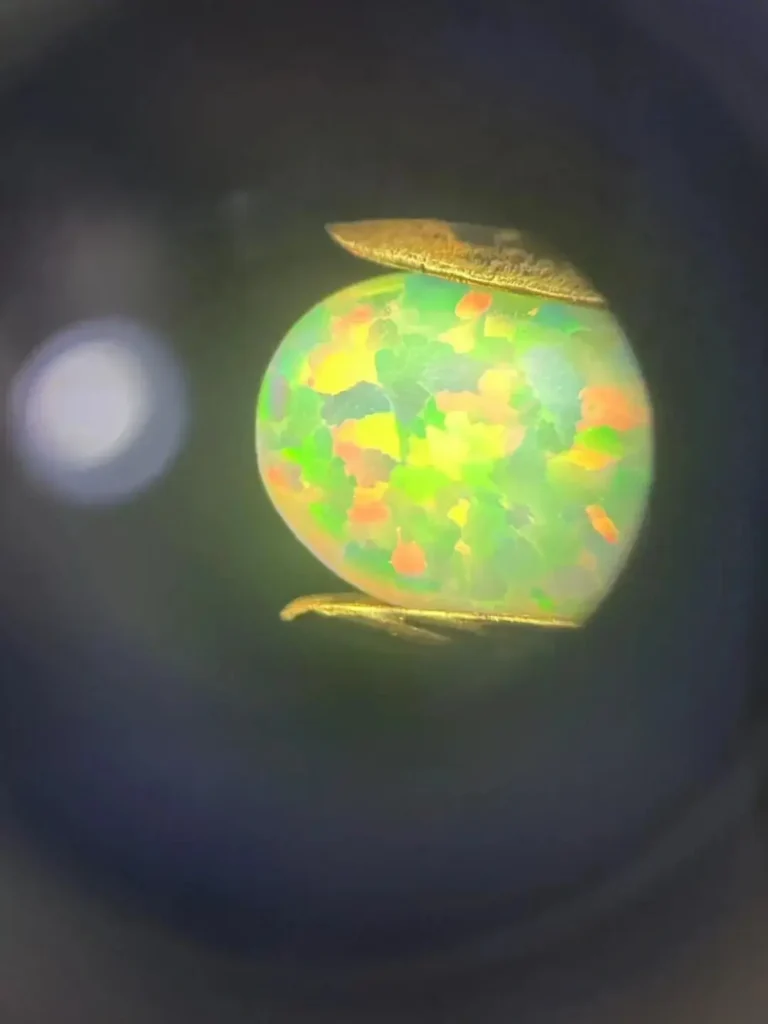
Synthetic opals have also reached a level of realism where they are nearly indistinguishable from natural stones in photographs. Furthermore, suspiciously inexpensive Black Opals may actually be Matrix Opals that have undergone sugar-acid treatment to artificially darken the body color.
The Ultimate Opal Buying & Investment Guide 2026
From Sugar-Acid Treatments to Doublets: How to avoid the most common traps in the opal market.
Southern Red Agate (Nanhong): Hidden Jewelry Industry Secrets Revealed
In the trade, professionals widely accept that the vast majority of Southern Red Agate beads use polymer impregnation, which they often call “stabilization.” Due to the natural brittleness and internal micro-fissures of the raw material, these stones would likely shatter or crack during the high-speed tumbling and drilling processes without this resin treatment.
While stabilized beads are durable and aesthetically pleasing for daily wear, buyers should be aware that finding entirely untreated, “clean” material in bead form is exceptionally rare and carries a significant price premium. When purchasing, look for transparency regarding these treatments to ensure you are paying a fair market price for the material’s grade.
Garnet: Hidden Jewelry Industry Secrets Revealed
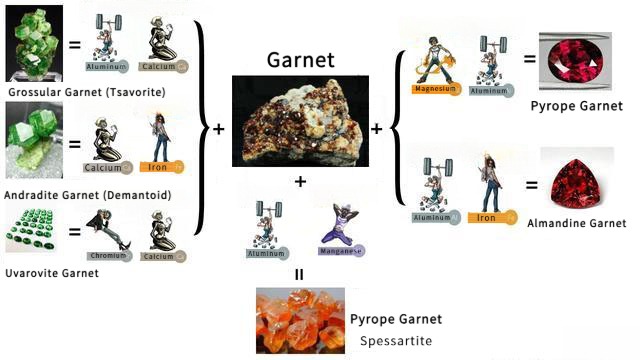
In the jewelry trade, professionals often call Garnet the “L’Oréal Group” of gemstones. Much like a massive luxury parent company, it manages a vast portfolio of “sub-brands” that are frequently more famous—and far more expensive—than the parent name itself.
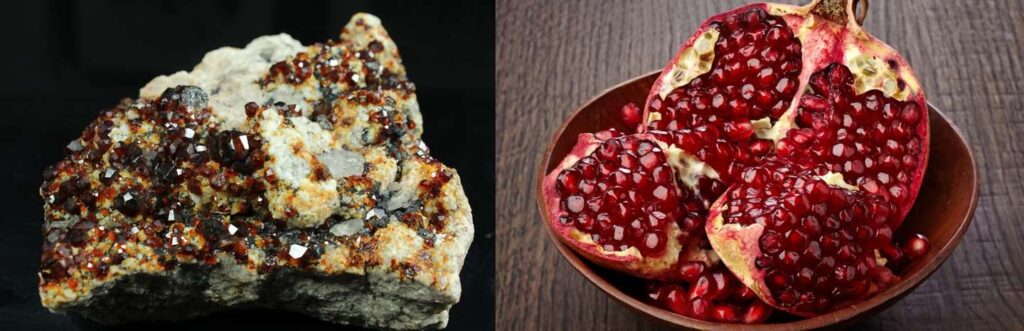
While many people associate garnets with common dark red stones, the family includes high-value varieties like vibrant orange Spessartine (Fanta), the rare and fiery Demantoid, the vivid green Tsavorite, and the brilliant Mali Garnet. These “sub-brands” command premium prices due to their extreme rarity and superior brilliance. Understanding that “Garnet” is a chemical family rather than a single stone is the first step toward making a sophisticated investment.
The Ultimate Guide to the Garnet Family – Types, Colors, and Buying Tips
Zircon: Hidden Jewelry Industry Secrets Revealed
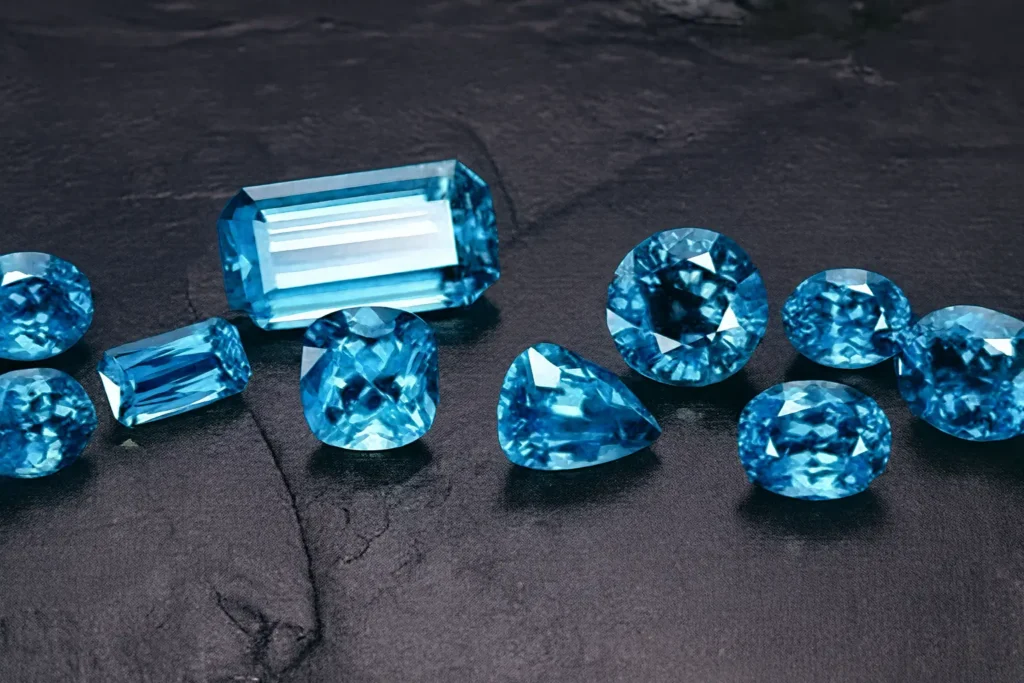
Natural Zircon is a stunning gemstone with a long history, prized for its high refractive index and exceptional “fire.” However, its own name frequently victimizes it, as people confuse it with Cubic Zirconia (CZ)—a mass-produced synthetic diamond simulant.
The two couldn’t be more different. While natural zircon has a sophisticated, diamond-like brilliance, synthetic Cubic Zirconia often has excessive dispersion. This results in an exaggerated, multi-colored “rainbow sparkle” that can look artificial under scrutiny. If a stone is throwing off a frantic, kaleidoscopic display of light that seems “too perfect,” it is likely a synthetic simulant rather than a natural zircon or a diamond.
Zircon: Is This Ancient Gem a Fake Diamond, or a Valuable Treasure?
Topaz: Hidden Jewelry Industry Secrets Revealed
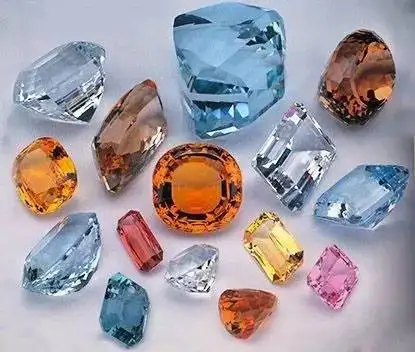
Topaz was historically known as “Yellow Gem” (Huangyu) because, for centuries, the most recognized natural specimens were golden or yellow. In stark contrast, the vast majority of blue topaz on the modern market is the result of irradiation and heat treatment. While natural blue topaz does exist, it is typically a very pale, subtle sky-blue. The deep, vibrant “London Blue” or “Swiss Blue” tones that dominate retail displays are almost exclusively the product of laboratory enhancement.
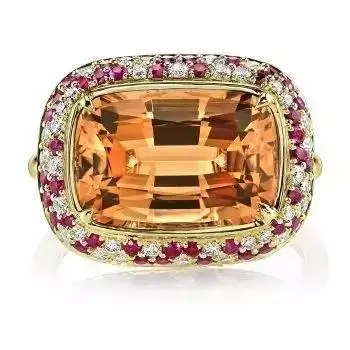
Because these treatments are stable and permanent, they are globally accepted in the commercial jewelry trade. However, for a collector, understanding that these colors are artificially induced is key to managing expectations regarding rarity. If you are seeking a truly rare topaz, look toward the natural “Imperial Topaz” or untreated pink varieties rather than the ubiquitous blue stones.
Topaz: Why Is It Called ‘Yellow Jade’ When Most Stones Are Blue?
Tourmaline: Hidden Jewelry Industry Secrets Revealed
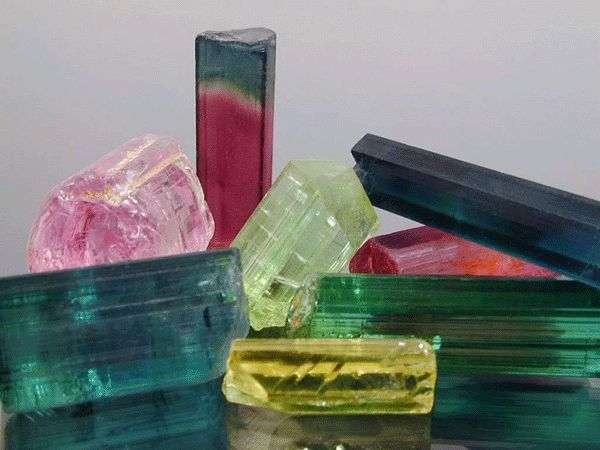
In the world of tourmaline, there is a distinct line between a standard gemstone and a Rubellite. Not every red or pink tourmaline earns this title. To be classified as a Rubellite, a stone must possess an intense, saturated red hue that remains vibrant under different lighting conditions. Many stones that look red in sunlight but turn “brownish” or “pinkish” under artificial light are technically only pink or red tourmalines. A true Rubellite must maintain its rich, ruby-like intensity throughout the day. Marketing a pale or desaturated stone as Rubellite is a common industry tactic used to inflate prices—understanding this distinction is vital for accurate valuation and informed collecting.
Tourmaline Gemstone Guide – Colors, Varieties, and How to Spot Fakes
Moissanite: Hidden Jewelry Industry Secrets Revealed
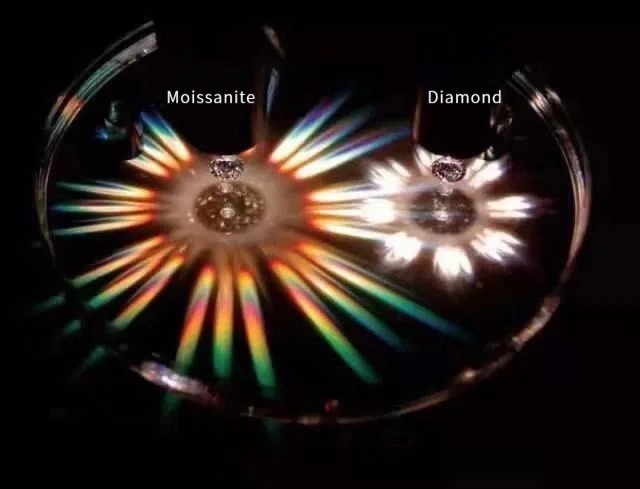
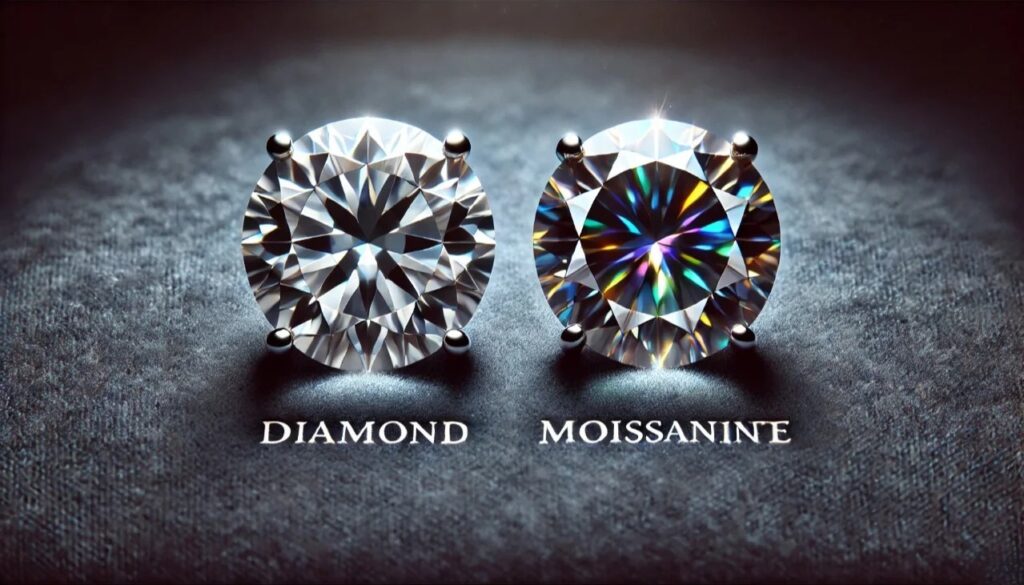
True, natural Moissanite is an extraterrestrial rarity, first discovered by Henri Moissan in meteorite craters; today, these natural specimens are almost exclusively confined to museum vaults. Every Moissanite stone you see on the market is synthetic silicon carbide. Since the expiration of the original U.S. patents, there is now little technical difference between premium imports and domestic production. While Moissanite is celebrated for its fire, it is fundamentally different from diamond. It is doubly refractive, meaning its “disco-ball” sparkle is often far more intense (and kaleidoscopic) than the singular brilliance of a diamond.
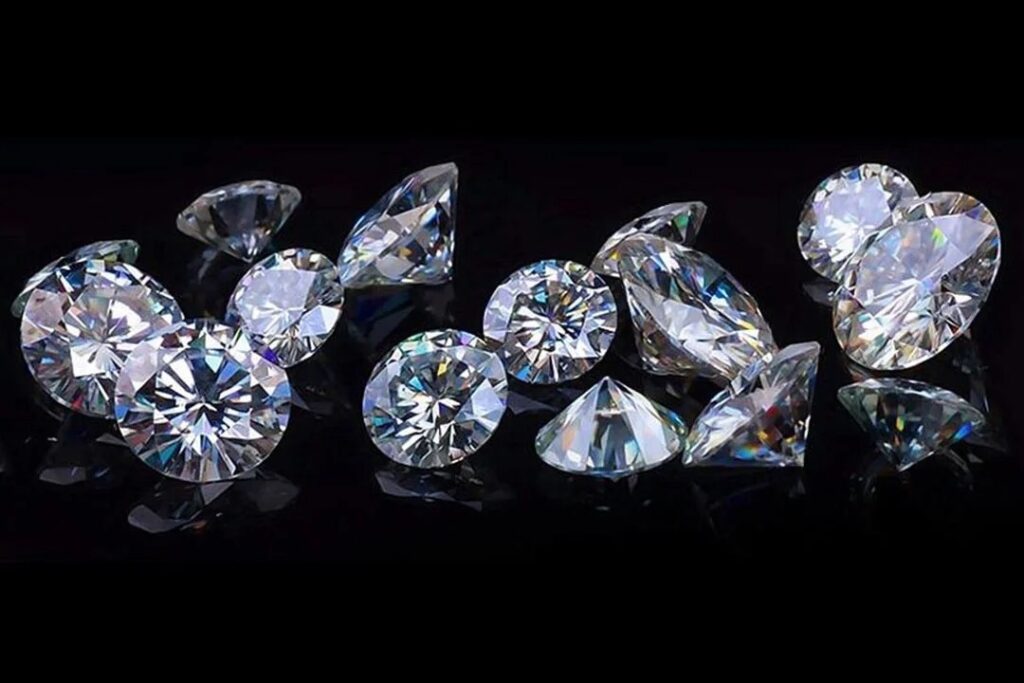
Furthermore, while colorless Moissanite is stable, vividly colored versions are a major trap. Only green, yellow, black, and brown occur naturally in the lab-grown process; any vibrant pinks, purples, or blues are typically the result of thin-film coatings that will eventually scratch or fade. Finally, a word of advice: while Moissanite is a high-performance gemstone in its own right, it is easily identified by professionals. It should be appreciated for its own properties rather than used as a deceptive diamond substitute.
What Is Moissanite and How to Tell It Apart from Diamond?
Moissanite vs. Diamond: Why They Are Optically and Physically Distinct
Gold: Hidden Jewelry Industry Secrets Revealed
When it comes to Pure 24K Gold, the concept of material “loss” during reshaping or custom fabrication is largely a myth. Because pure gold is an elemental metal, it does not evaporate or vanish during the melting process. In the trade, any professional claiming a significant percentage of “weight loss” during a standard remake of 24K gold is a major red flag—this is often a deceptive tactic to pocket the difference.
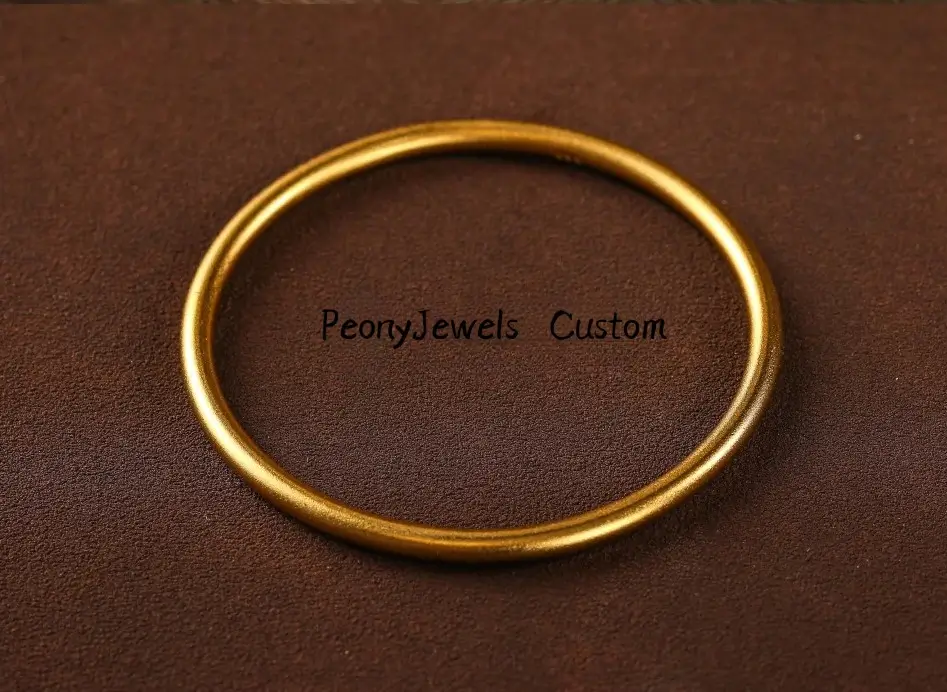
However, the rules change for Karat Gold alloys (such as 14K or 18K). Because these contain alloying metals (copper, silver, zinc), a minor material loss—typically around 5%—is standard and expected during recycling or remelting. It is also vital to distinguish these from Gold-plated or Gold-filled items, which contain very little actual gold and have virtually no “melt value.” Knowing the difference between a legitimate processing fee and a fraudulent “loss claim” is the key to protecting your assets.
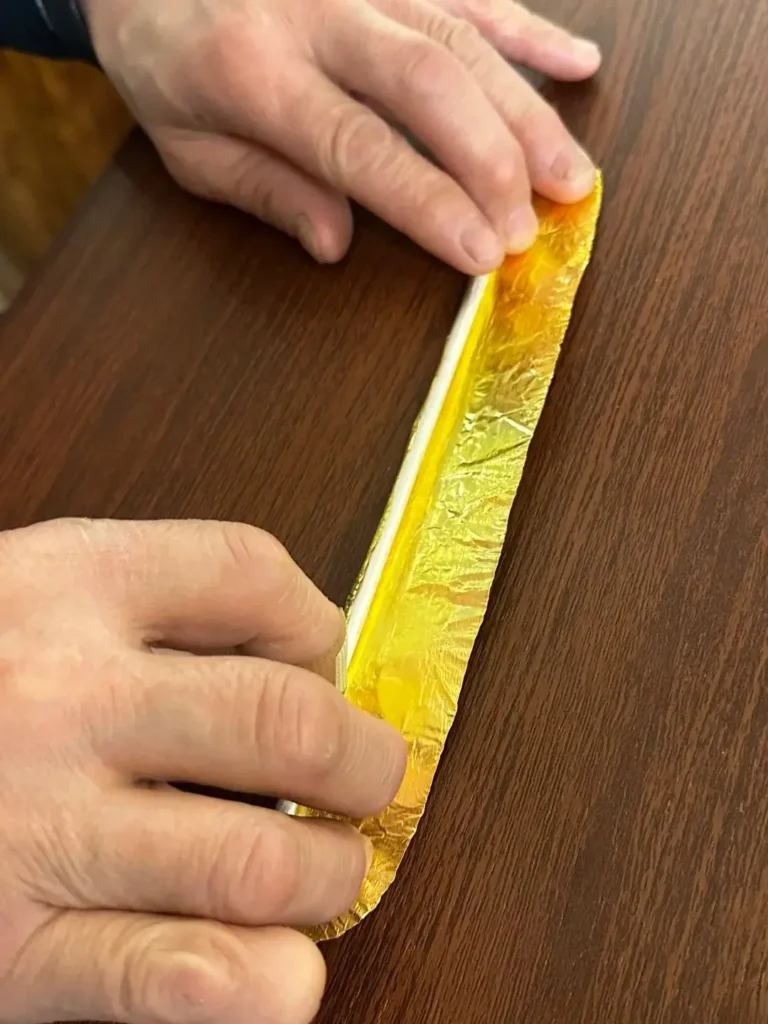
The Vanishing Grams: Gold Recasting Weight Loss: What Really Happens When Jewelry Is Melted?
Gold-Filled vs Plated Jewelry: The Ultimate Guide to Quality & Value
Decorative and Commercial Stones: Hidden Jewelry Industry Secrets Revealed
In the jewelry market, certain materials are frequently rebranded with exotic names to inflate their perceived value. Stones such as Rhodochrosite (Rose Quartz/Hibiscus Stone), Gobi Jade, Huanglong Jade, and Goldstone are often marketed with high-end terminology, but in reality, their intrinsic market worth is far lower than many consumers realize.
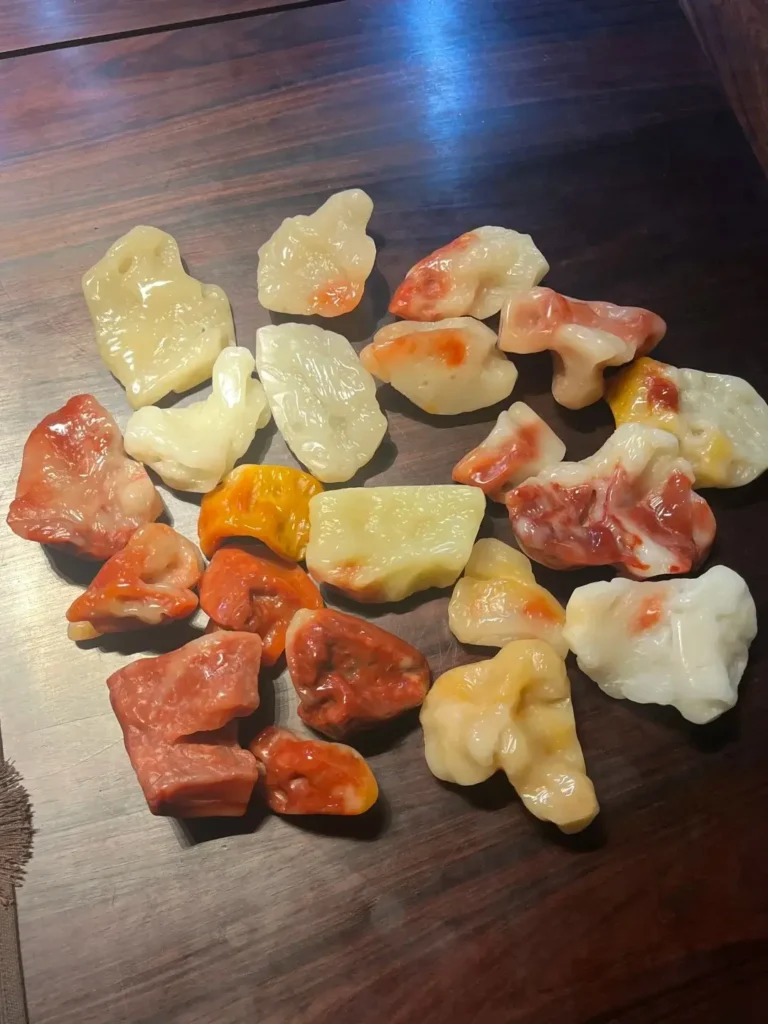
For these categories, debating “fine jade quality” or “specimen grade” is largely irrelevant. They are mass-produced decorative materials rather than rare collectibles. In retail environments—especially in tourist areas or low-tier live streams—these items are often marked up by hundreds or even thousands of percent above their actual cost. While they can be beautiful as costume jewelry or home decor, they possess very little resale or investment value. Understanding that these are fashion-grade materials rather than precious gems is the ultimate way to avoid the “overpayment trap.”
Rose Quartz or Shoushan Stone? The Captivating Beauty of China’s “Furong” Gems
Insider Tips and Market Insights
Buying Channels: Navigating Physical and Online Markets
When it comes to purchasing jewelry, physical retail generally falls into two distinct categories:
- Major Brands: Established names often prioritize heritage over high-trend designs. While you pay a premium for the brand, their quality standards and after-sales services are relatively reliable.
- The “High-Traffic” Trap: Countless small brands and counters occupy malls and supermarkets. In these high-traffic locations, a piece of jade with a $50 wholesale cost might be marked at $5,000, only to be offered at a “generous” 40–50% discount. This business model relies on the “one-time sale” from passersby rather than repeat customers. Pro Tip: Once you buy from these outlets, stop comparing prices—the realization of the markup will only lead to unnecessary frustration.
Online shopping offers more variety, yet it remains concentrated on major marketplaces like JD.com and Taobao, with dedicated, specialized platforms only recently emerging. When navigating the digital market:
- Look Beyond the “Buyer Show”: Don’t blindly trust high sales figures or glowing customer photos. In the current e-commerce landscape, faked reviews and curated “customer” images are remarkably cheap to produce.
- The Marketing Tax: Beware of excessive “brand storytelling” and constant sales events. Retailers with high marketing expenses must bake those costs into their final prices. Often, the best value is found with sellers who focus on the inventory itself rather than aggressive promotional campaigns.
These insights come from years of direct observation in the jewelry market, designed to help you navigate pricing traps and protect your investment.
Online Identification and Appraisals: The Limits of the Digital Eye
We frequently receive requests for gemstone identification and valuations via photographs. While we aim to be helpful, it is vital to understand the inherent risks and limitations of “remote” appraisal.
- The Constraints of Photography: Evaluating a gemstone from a screen is notoriously difficult. At an absolute minimum, photos must be taken in natural light, feature high resolution, and capture specific diagnostic inclusions. Even then, only stones with “obvious” red flags can be assessed with any degree of confidence. For instance, the origin of Hetian Jade is challenging to determine even when held in hand—doing so from a photo is nearly impossible. Similarly, many colored gems share identical hues but have vastly different origins or treatments, and many advanced synthetics are indistinguishable to the naked eye without laboratory instruments.
- The Professional Standard: If you require a definitive answer regarding authenticity or origin, laboratory certification is the only reliable path. A photograph is a reference, not a proof.
- The Complexity of Valuation: Pricing is not universal; it is deeply tied to the sales channel and overhead costs. It is inherently unfair to benchmark a brick-and-mortar purchase against a wholesale-direct online price. Furthermore, professional dealers typically avoid appraising a competitor’s inventory, as an “incorrect” estimate—high or low—is unprofessional and misleading.
- The “Hobbyist Discount” in Peer Valuations: When seeking opinions from fellow collectors or friends, be aware that their valuations often skew lower than reality. These estimates are frequently based on “psychological pricing,” outdated personal experiences, or a lack of understanding of current market shifts. Since gemstone prices are driven by dynamic supply and demand and often appreciate annually, a low peer appraisal does not necessarily mean you have “overpaid.”
True confidence in collecting comes from a combination of professional verification and an objective understanding of current market dynamics.
Value Retention: Navigating the Realities of Resale
The discussion around jewelry as an investment is often clouded by marketing hype. To collect wisely, one must separate “aesthetic value” from “liquidity.”
- The “Auction-Grade” Threshold: True appreciation—where a piece significantly increases in value—is typically reserved for auction-grade specimens. These are rare, museum-quality stones or historical artifacts that are beyond the reach of the average consumer. For everything else, the primary value is in the enjoyment of wearing it.
- The Liquidity Challenge: For standard jewelry, resale channels are remarkably narrow. Whether through pawnshops, secondary marketplaces, or peer-to-peer circles, selling a piece often results in a loss once retail markups are removed. Only items with exceptional “hard quality” (such as GRS-certified unheated rubies or top-tier jadeite) have a chance to appreciate within niche collector networks.
- The Brand Premium Trap: It is a common shock to find that a $100,000 branded diamond ring may only be valued at $20,000 at a professional buy-back counter. This is because brand premiums—the cost of advertising, prestige, and prime retail locations—evaporate the moment you leave the store. You are selling the diamond, not the logo.
- The Gold Paradox: Gold is the only “special case,” but only in its pure bullion form. Gold Jewelry is not the same as a Gold Bar. When you sell jewelry, the payout is based on the “melt value” (the international spot price of the raw gold), which ignores the labor, design, and retail markup you paid at purchase. Unless the international gold price surges enough to cover those initial costs, reselling jewelry remains a net loss.
Understanding these realities doesn’t mean you shouldn’t buy jewelry—it simply means you should buy for the right reasons: beauty, sentiment, and personal joy.
Custom Jewelry: Balancing Craftsmanship and Costs
Custom jewelry (Bespoke) offers a level of personalization that retail cannot match, but it should be approached with a realistic understanding of the production process.
- The Reality of Pricing: While bespoke pieces typically offer better value than high-end retail, they are rarely cheaper than mass-produced items for simple designs. In mass production, costs are amortized over thousands of units. In customization, every piece requires its own CAD design, 3D printing, and individual casting (tooling). You are paying for the exclusivity and the dedicated labor of a master jeweler, not just the raw materials.
- The Journey of a Bespoke Piece: We don’t mass-produce elegance; we curate taste. A step-by-step guide to our customization process.
- Selecting a Studio: Quality customization requires a “vetted” partnership. Before committing, observe a studio’s portfolio over time. Look at the precision of their stone settings, the polish of their metalwork, and the consistency of their design language. True craftsmanship is visible in the details.
- The “Originality” Trap: Beware of studios that exploit information asymmetry by claiming famous brand designs or other artists’ work as their own. In the world of design, imitation is rarely an upgrade. An original designer may spend months obsessing over a single curve or the balance of a setting. A copycat only sees the surface; they replicate the look but fail to capture the soul and structural integrity of the piece. As the saying goes, they “paint a tiger but end up with a dog.”
Setting and Mounting: The Cost of Craftsmanship
The “house” that holds your gemstone is just as important as the stone itself. However, the mounting industry has wide gaps in quality and ethics that often go unnoticed.
- The “Melee” Trap: Be vigilant about the small side stones (melee) used in settings. Unscrupulous manufacturers sometimes substitute tiny Moissanite fragments for natural diamonds to shave costs. While the difference is hard to spot at a glance, it significantly affects the long-term value and brilliance of the piece.
- The Pearl Accessory Myth: Many pearl jewelry designs rely on mass-produced “stock” components available online. For simple designs, these can often be assembled with a specialized adhesive at home. Unless you are looking for a unique, handcrafted metalwork design, there is no need to pay a premium for “customization” when it is essentially a DIY assembly.
- The “Seven-Day” Factory Speed: In massive manufacturing hubs like Guangzhou, you can find mounting services offering incredibly low labor fees and a seven-day turnaround. While tempting, remember the golden rule: you get what you pay for. These “budget” settings often suffer from thin prongs, uneven surfaces, and loose stones. High-quality mounting requires time, precision hand-setting, and rigorous quality control to ensure the jewelry lasts for generations.
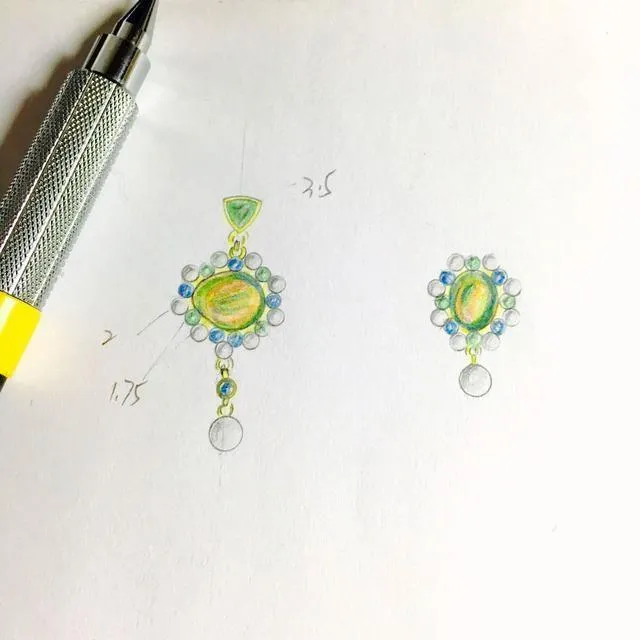
The Art of the Setting: The Ultimate Guide to Custom Jewelry: A Deep Dive into the Process, From Design to Finish (Featuring Handcrafted Vintage Earrings & Lost-Wax Casting)
Conclusion
The jewelry world dazzles with beauty, but its true logic lies behind the scenes. From the chemical diversity of garnets to the resale realities of 24K gold, knowledge is the bridge between a mere purchase and a meaningful investment.
At Peony Jewels, we don’t just sell gemstones—we illuminate the truths often hidden in this glittering industry. Whether you’re a first‑time buyer or a seasoned collector, remember: the most valuable thing to bring into a jewelry store isn’t your budget—it’s your expertise.
If you’re looking to enjoy jewelry for its design and craftsmanship rather than as an “investment piece,” our curated selection of handmade vintage earrings, each crafted in limited quantities and rich with character, offers a way to wear meaningful beauty in your everyday life. Explore them here: Peony Jewels Handmade Vintage Earrings Collection.