Indian Specialty Gemstones: A Guide to Historic Diamonds, Kashmir Sapphires, and Investment Treasures
Indian Specialty Gemstones
Indian Specialty Gemstones are far more than mere decoration—they are shimmering fragments of a culture that has flourished for centuries. Across India, women have long celebrated life’s most sacred milestones by wearing these artisanal pieces, which softly jingle with every step. Even in the most modest of homes, these gems are treasured as an essential part of one’s identity, honoring a tradition that lies at the very heart of their culture.
Known globally as the “Land of Gems,” India’s geological heritage extends far beyond its legendary diamonds. The country is a vibrant source of aquamarine, sapphire, moonstone, garnet, and peridot. This extraordinary diversity has not only shaped the global gemstone trade but has also made India a timeless sanctuary for jewelers and collectors seeking the rare and the beautiful.
In this “Gemstone Nations” series, we invite you to explore the allure of these unique treasures and discover why their beauty and cultural heritage continue to captivate readers worldwide.
The Global Powerhouse: Market Data and Economic Foundation
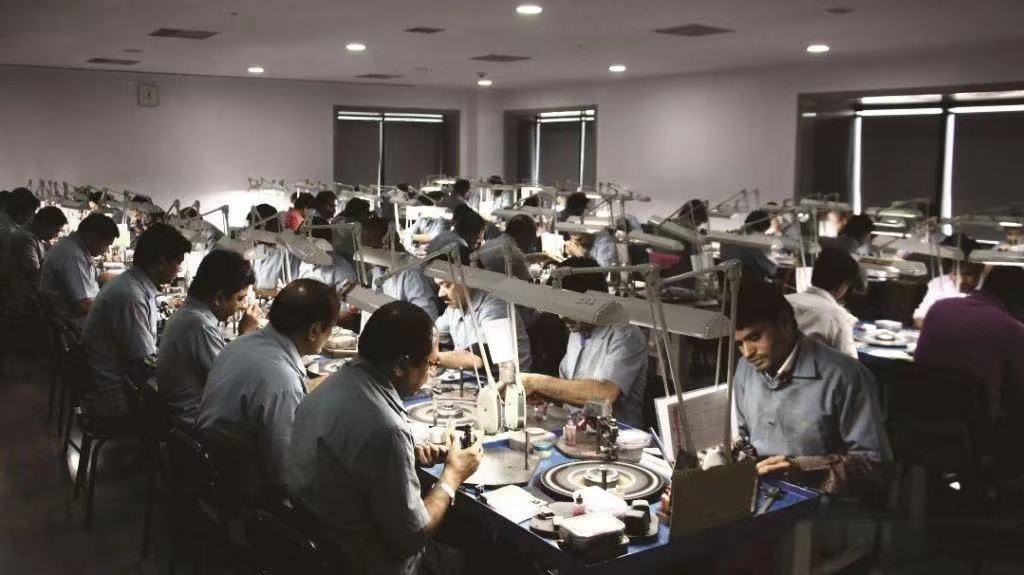
India’s role in the global jewelry supply chain is immense, driving the world market through its processing expertise and export strength.
| Economic Indicator | Value & Significance | Source / Impact |
| Total Export Value | Over $32.3 Billion USD in the last fiscal year, signifying massive industry scale. | GJEPC Reports (Fiscal Year 2023-2024). |
| Diamond Processing Hub | Processes up to 90% of the world’s diamonds by volume, handling approximately 14 million carats annually. | Global Industry Data. Indian craftsmanship is synonymous with precision. |
| Top Export Markets | The U.S., UAE, and Hong Kong are the largest importers, confirming strong demand from Western luxury consumers. | GJEPC Data. |
Market Trend Update: Diamond Export Outlook 2025
Recent performance data highlights favorable conditions for downstream buyers and designers:
- Export Volume (Carats): Increased by 12% from January to September 2025.
- Average Unit Price: Decreased concurrently by 5.55%.
This trend indicates that Indian processors are aggressively meeting market demand with greater volume and more accessible pricing, offering solid opportunities for jewelers entering the fourth quarter.
The King of Gems: Indian Diamonds and Their Global Legacy
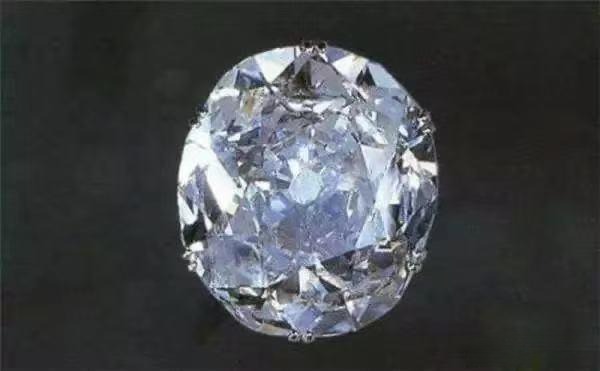
India’s role in the global diamond trade is unparalleled. For over 2,000 years, from the 4th century B.C. until the 17th century A.D., India was the sole supplier of diamonds to the world.
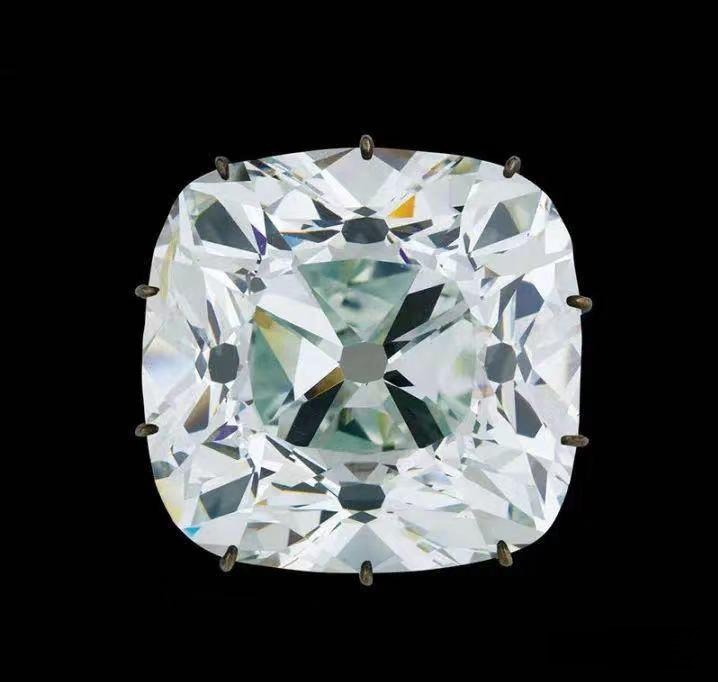
| Diamond Mining Era | Key Characteristics | Famous Examples |
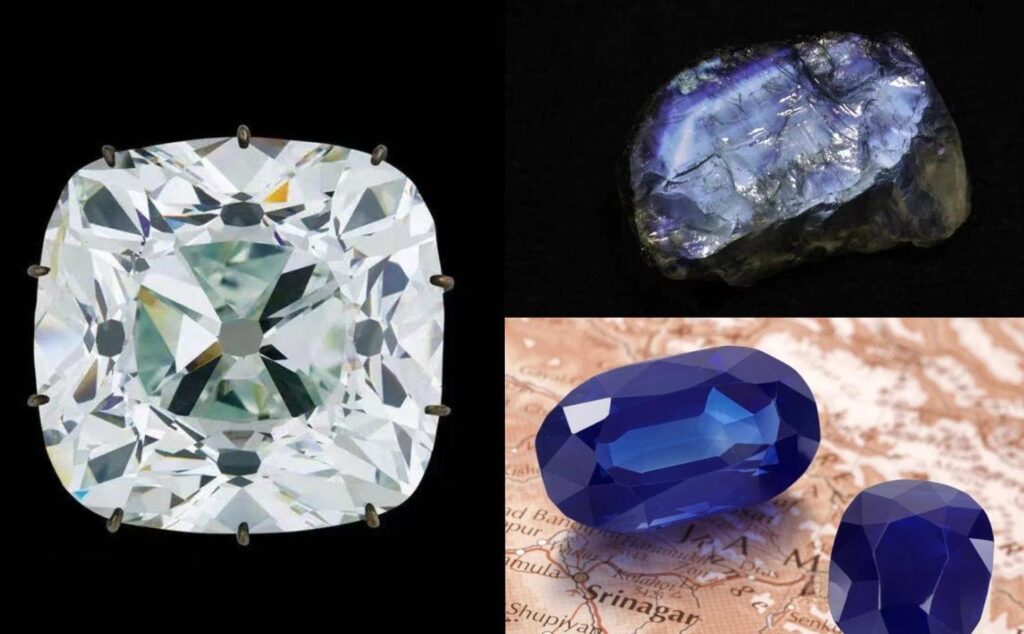
| Ancient Dominance | World’s only source; large, high-quality, and richly colored stones. | Koh-i-Noor, Orlov Diamond, The Regent Diamond (all from Golconda). |
| Modern Shift | Mines largely depleted; focus transitioned to cutting and polishing. | Global hub for diamond processing. |
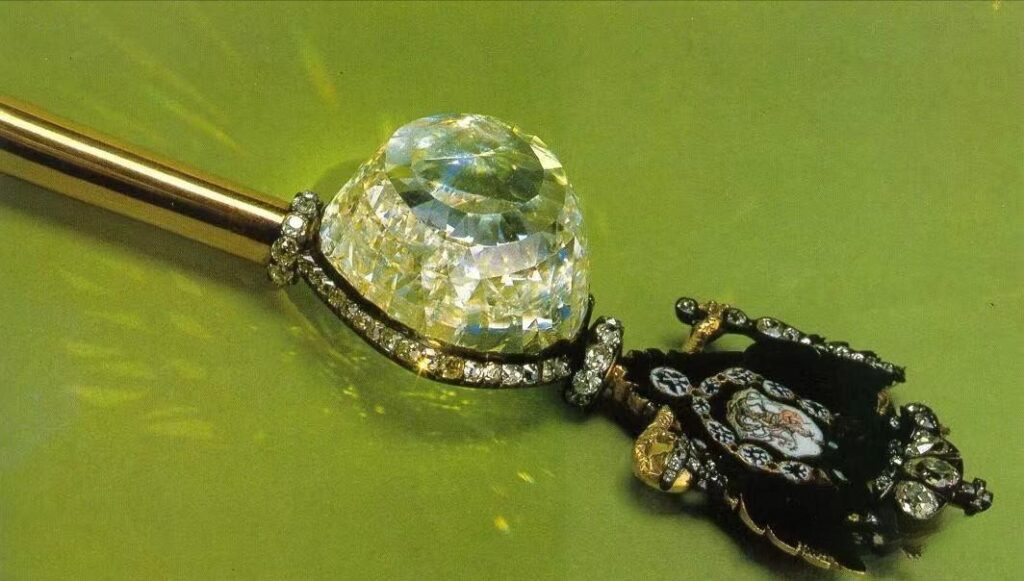
The famous Golconda diamond mines produced some of the most colossal and historic diamonds in existence. While primary mining has lessened and resource extraction slowed, India expertly pivoted its expertise. The nation transformed Surat into the largest diamond polishing center worldwide, applying centuries-old precision and quality to the vast majority of all diamonds set in modern jewelry.

Fun Fact: India processes nearly 90% of the world’s diamonds by volume. This powerful skill and infrastructure ensure that the global market relies heavily on Indian craftsmanship.
Kashmir Sapphire: The Pinnacle of Blue Gemstones and Indian Specialty Gemstones

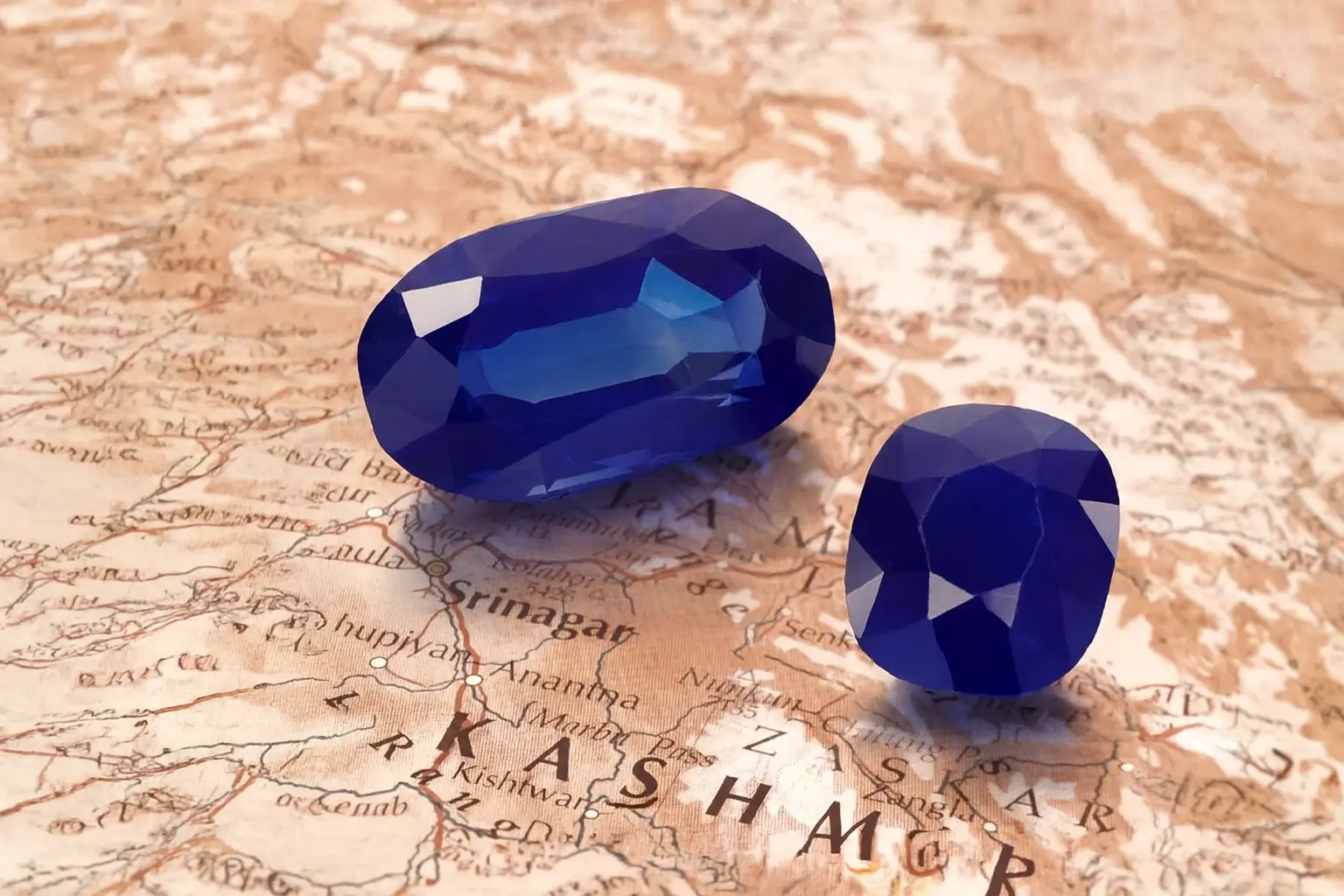
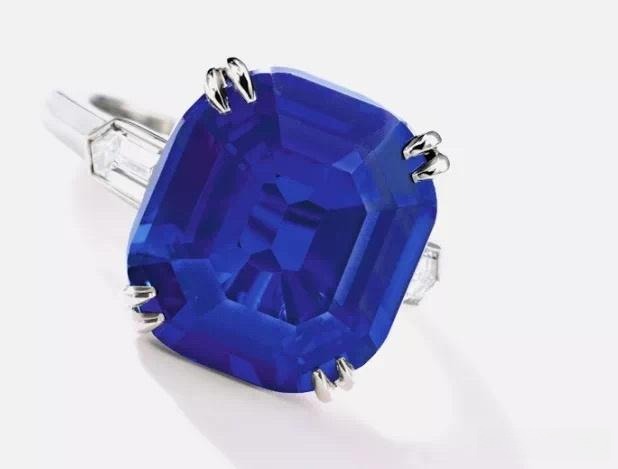
The Kashmir Sapphire is one of the five cardinal precious gems and commands the highest prices globally. Mined high in the challenging Himalayan region, its unique qualities have made it a coveted collector’s item.
| Key Characteristic | Description & Importance | Rarity & Value |
| Velvet Texture | The signature soft, “velvety” appearance caused by minute, internal inclusions (often called ‘snowflakes’ or ‘milky banding’). | Extremely rare. Harsh conditions keep the mines largely inactive. |
| Color Standard | An intense, pure, slightly violetish blue, recognized globally as the “Cornflower Blue” standard. | Auction records show high-quality specimens surpassing $270,000 per carat. |
| Scientific Reason | Distinct internal features generate this luxurious visual effect. Tiny, snowflake-like inclusions and milky color banding give the sapphire its signature “velvety” or “sleeping blue” look. | This specific internal structure authenticates Kashmir origin. |

The Rarity Factor: Due to the extremely harsh mining environment, the Kashmir sapphire mines are now largely inactive. This has cemented their status as a collector’s item, making genuine Kashmir Cornflower Blue gemstones exceptionally rare and valuable.
To explore more sapphire mining locations, we recommend reading the post: The Hidden Secrets of Sapphire Origins: Discover the Lesser-Known Sources of September’s Birthstone.
Exploring India’s Unique Colorful Specialty Gemstones
India’s diverse geology yields a vast inventory of exceptional colored stones. Each gem possesses a rich history and unique geological signature, offering a compelling alternative to the traditional giants of diamond and sapphire.
1. Chrysoberyl: Marvels of Color Change and Chatoyancy
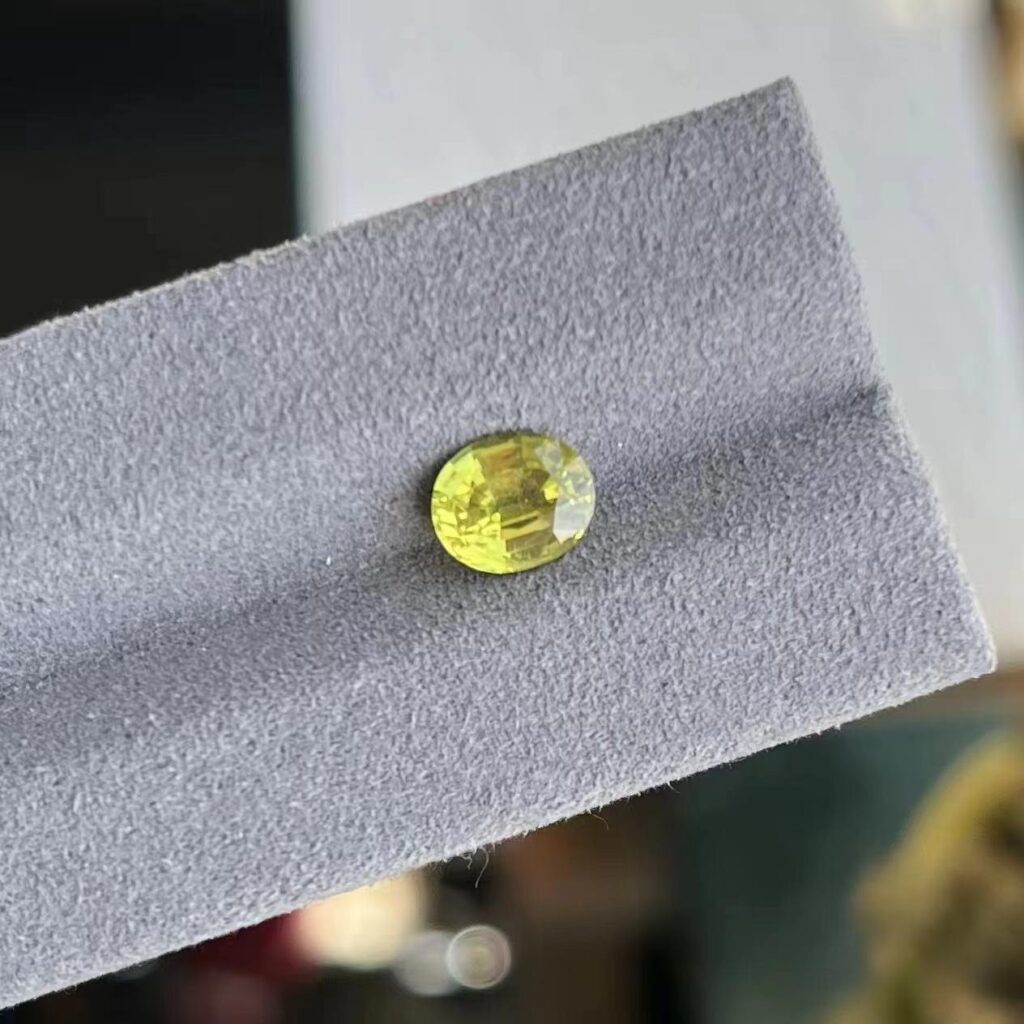
India is a key source for Chrysoberyl, celebrated for two striking varieties:
- Alexandrite (The Color Changer): Known for its ability to shift color, typically from deep green/yellow-green (in daylight) to blood-red/brownish-red (under incandescent light). This dramatic optical phenomenon, combined with its extreme scarcity, makes it a premier investment treasure that rivals even the finest Kashmir Sapphires.
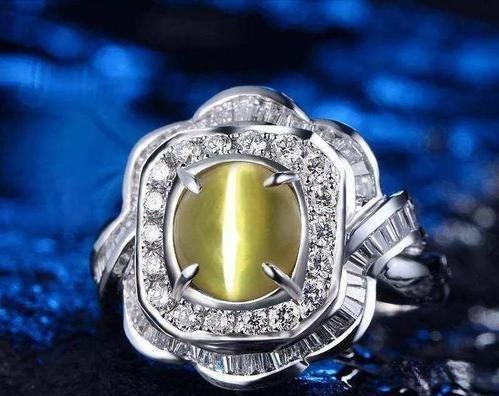
For a deeper dive into the market dynamics and history of this “emerald by day, ruby by night,” explore our flagship guide: [Alexandrite: The Rarest and Most Valuable June Birthstone]. - Cat’s Eye (Chatoyancy): This rare optical phenomenon places these stones in an elite category of collectibles.
To see how this effect defines one of the world’s most prestigious minerals, explore our gallery of specimens in: [Chrysoberyl Cat’s Eye: The Only True “Cat’s Eye” Guide] and [Golden Beryl: Rare Gemstone Among the World’s Five Great Gems with Stunning Cat’s Eye Examples].
2. Garnets: The Alluring Pyrope-Almandine Specialty
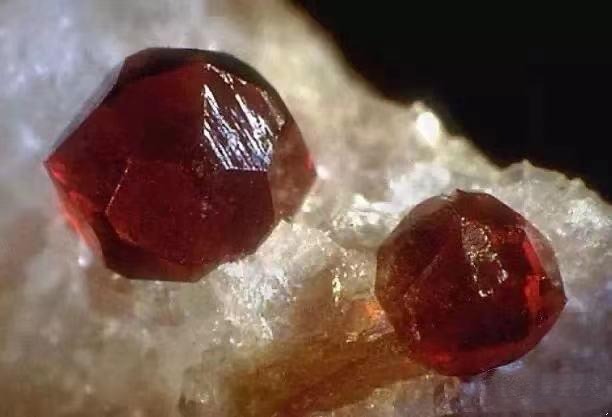
India is a primary source for Almandine Garnet, which is celebrated for its rich, fiery colors ranging from red and orange-red to purple-red. In gemology, red garnets are rarely pure; the stones from India and elsewhere are typically a Pyrope-Almandine hybrid (a mixture of magnesium-rich Pyrope and iron-rich Almandine).
- Iron’s Influence (Color Origin): The high ferrous iron Fe2+ content is responsible for the deep, sometimes blackish-red hues commonly seen in Indian varieties.
- Star Garnets (Rarity): Indian deposits, particularly around Jaipur, are the leading source of Star Almandine Garnet. The presence of dense rutile needle inclusions can create a stunning four- or six-rayed star (asterism) effect.
- Market Appeal: These phenomenal stones are highly sought after by collectors and ideal for bold, distinctive jewelry pieces, offering a unique element not found in standard faceted gems.
To understand the full spectrum of colors, types, and properties across this fascinating gemstone group, dive deeper into our complete guide: The Ultimate Guide to the Garnet Family – Types, Colors, and Buying Tips.
3. Beryl Family: Aquamarine and Emerald Treasures
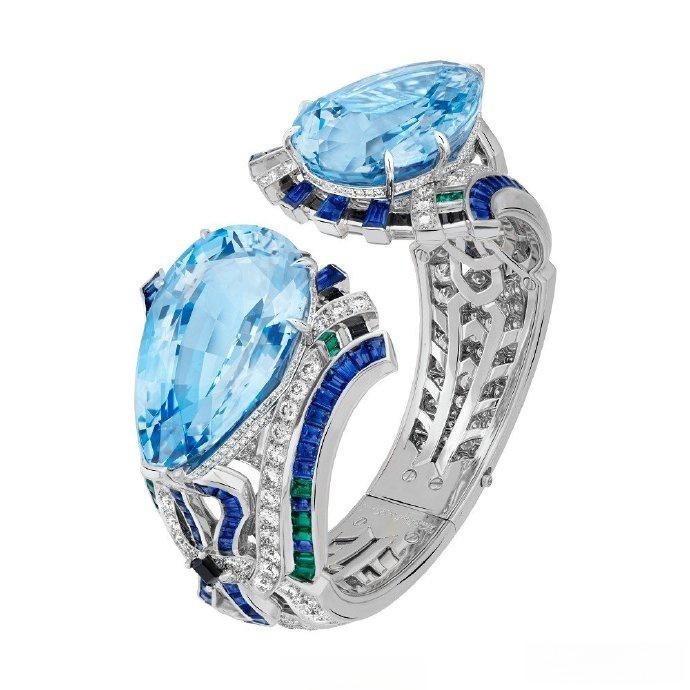
This family provides India with two magnificent gems, each with a unique history and character:
4. Aquamarine (Superior Blue)
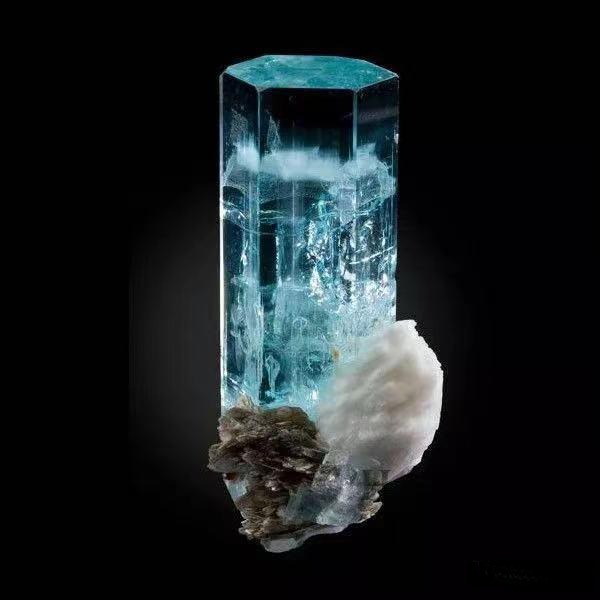
- Color Origin: Trace amounts of ferrous iron Fe2+ ions give the stone its serene, deep-sea blue color.
- Historical Significance: Ancient trade routes confirm the gem’s historical importance. Pliny the Elder noted in his 1st-century Natural History that the best aquamarines came from India.
- Source: Stones from the Nilgiri Mountains maintain a reputation for superior quality.
What makes aquamarine so special, and to learn more about the diverse sources where it is mined, discover the full story of this mesmerizing gem in our article: The Allure of Aquamarine: From the Serene Seas to Your Jewelry Box.

5. Emerald (Indian Fingerprint)
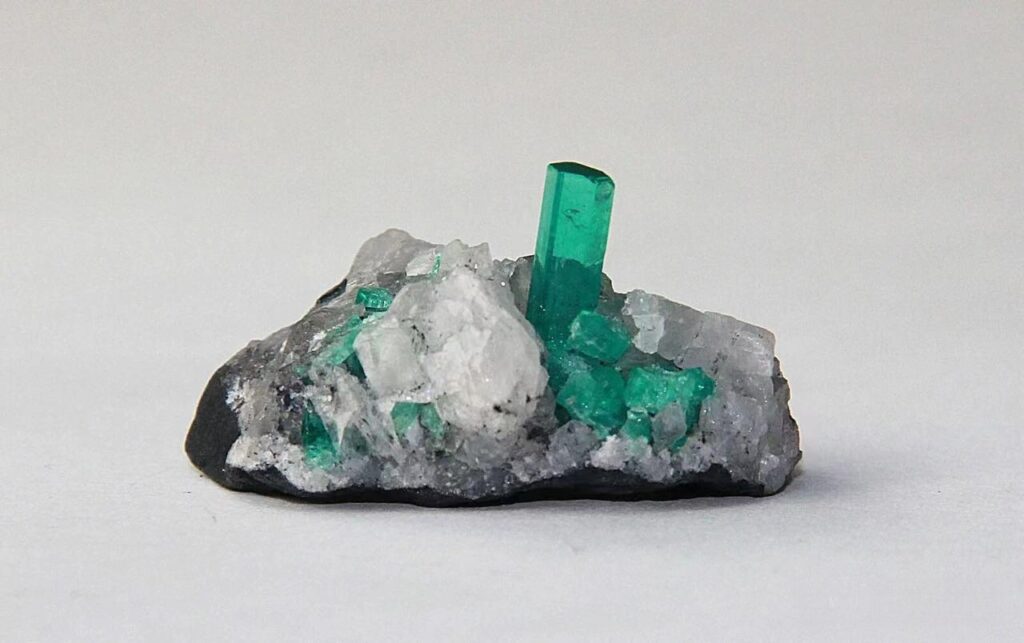
- Source: Indian emeralds primarily come from the Rajgarh and Kaliguman mines.
- Distinctive Features: These stones often carry a unique yellowish tint.
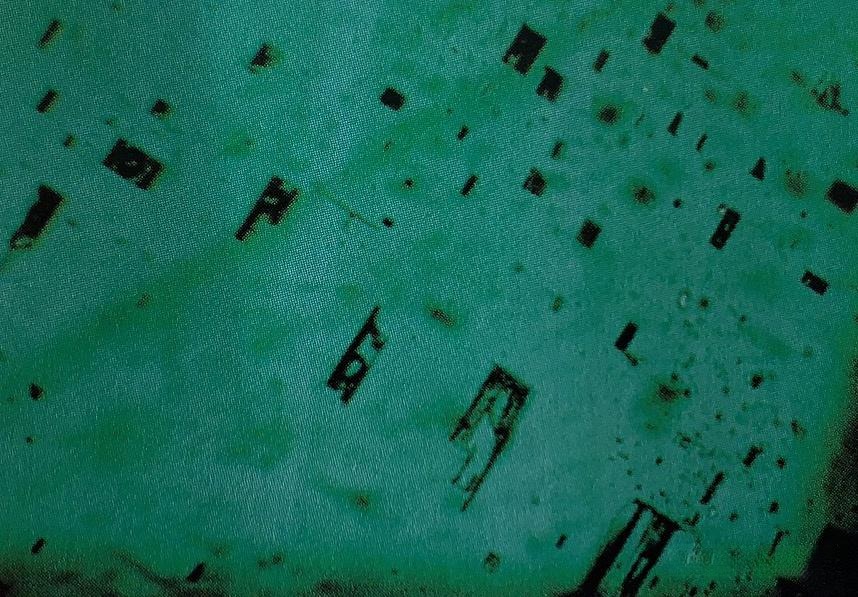
- Geological Signature: They display specific internal inclusions, such as comma-shaped negative crystals, cavities, and flakes of black mica. These features provide a clear geological fingerprint for origin authentication, differentiating them from Colombian stones.
6. Moonstone: The Unique Luminous Specialty Gem
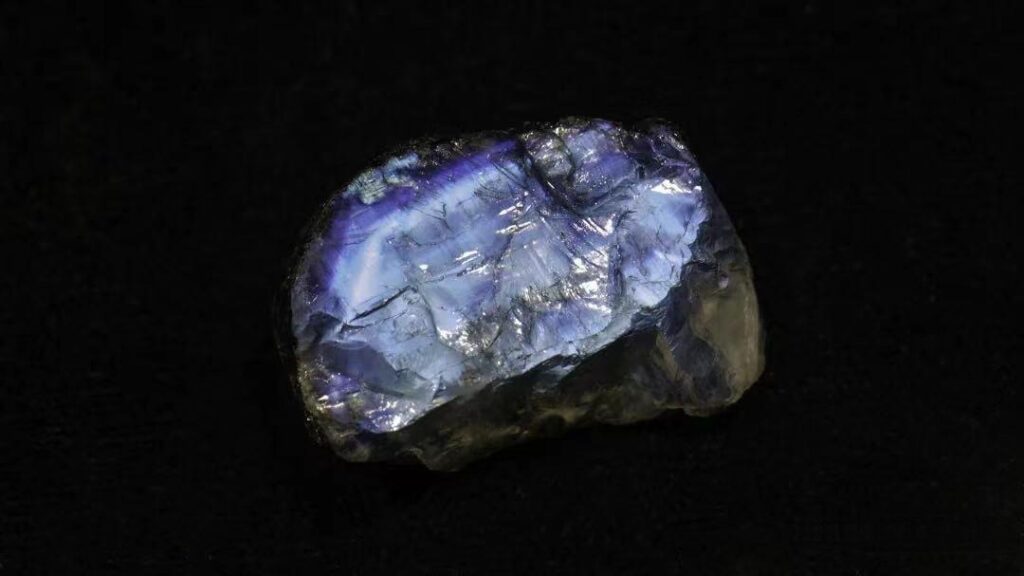
Moonstone, a captivating gem prized for its ethereal blue-white sheen (adularescence), is prominently sourced in India.
For a comprehensive look at the science, lore, and history of this specialty gem, we recommend reading the PeonyJewels blog post: June Birthstone: Can the Legendary Moonstone Really Predict the Future? Tiffany and Dior Have Used It Too!
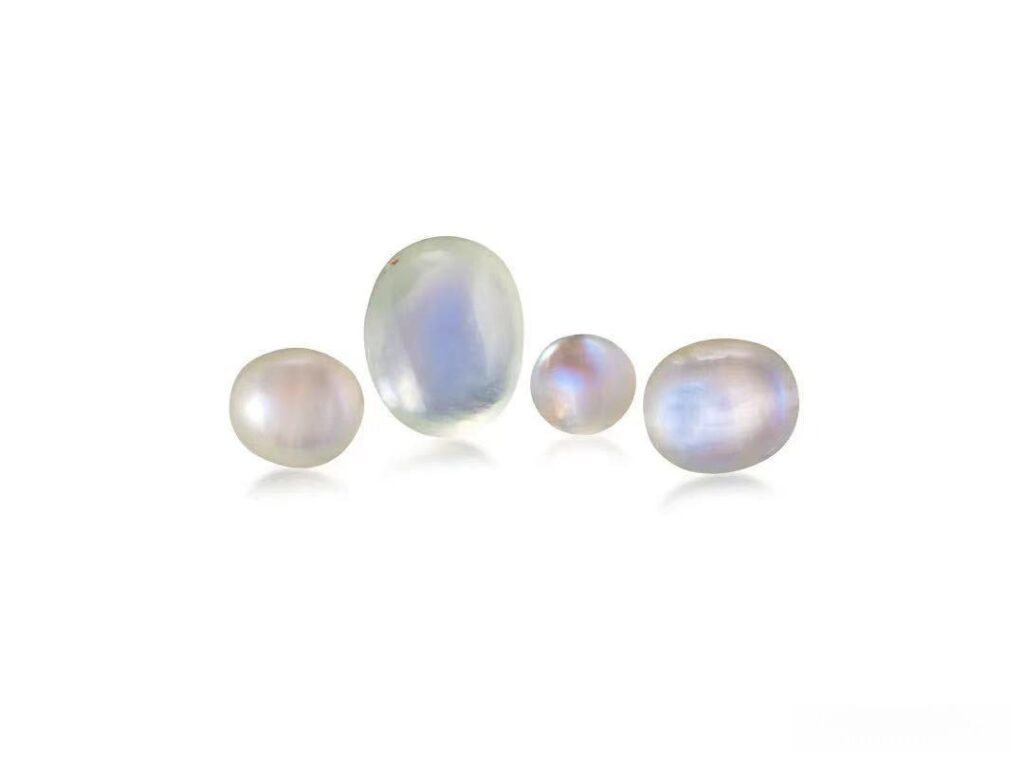
- The Adularescence Effect: This optical phenomenon is responsible for the gem’s signature floating, blue-white light that appears to glide across the surface as the stone is turned.
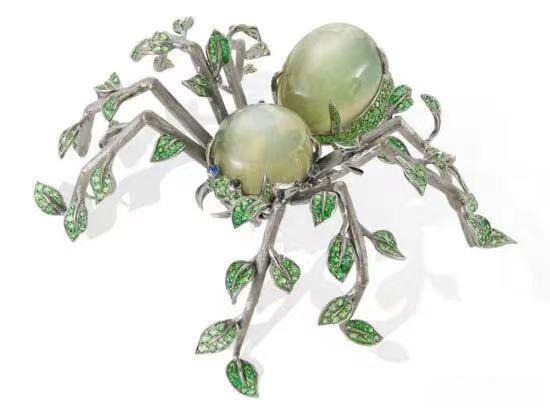
- “Parrot Green” Moonstone: A truly unique Indian specialty is the “Parrot Green” Moonstone discovered in Southern India. These yellow-green to gray-green gems are highly prized, often displaying either an asterism (star) or chatoyancy (cat’s eye) effect.
Why These Indian Specialty Gemstones Drive Global Luxury Trends
The demand for Indian-sourced gemstones is surging in Western luxury markets, making them excellent choices for investment and bespoke design:
- Growing Demand for Custom Jewelry: Consumers actively seek unique, one-of-a-kind pieces. India’s rare specialties—like the Star Garnet, unique Moonstones, and high-quality Aquamarine—provide the perfect foundation for personalized, bespoke designs.
- Top Designer Endorsements: International design houses like Tiffany & Co. and Cartier consistently incorporate Indian-origin stones and collaborate with skilled artisans, cementing the country’s reputation for quality craftsmanship.
Exploring Gemstone Treasures from Around the World
Today, we introduced India’s specialty gemstones. Although India is often called the “Land of Gems,” countries around the world each have their own unique mineral treasures. In our “Land of Gems” series, we have already explored the legendary mines of several other nations:
- Colombia:
Colombian Gemstones: Emeralds, Mining Regions, and Investment Value - Thailand:
Thailand Gemstones: From Rubies and Sapphires to the Rising Star of Spinel - Russia:
Russian Gemstones: 9 Extraordinary Treasures from the Urals to Siberia - Brazil:
8 Treasured Brazilian Gemstones from the World’s Colored Gem Capital
Indian Specialty Gemstones and PeonyJewels Custom Collection
India’s ancient link to gemstones offers an unparalleled opportunity to acquire a piece of geological and cultural history. The quality, rarity, and fascinating backstories of these stones make them ideal for meaningful, heirloom-quality jewelry.
At PeonyJewels, we meticulously source the finest Indian specialty gemstones directly from our trusted suppliers.We invite you to experience our custom design services and start crafting your legacy. Select a dazzling centerpiece—such as a rare emerald—and we will transform it into a timeless, heirloom ring that perfectly interprets your unique story.
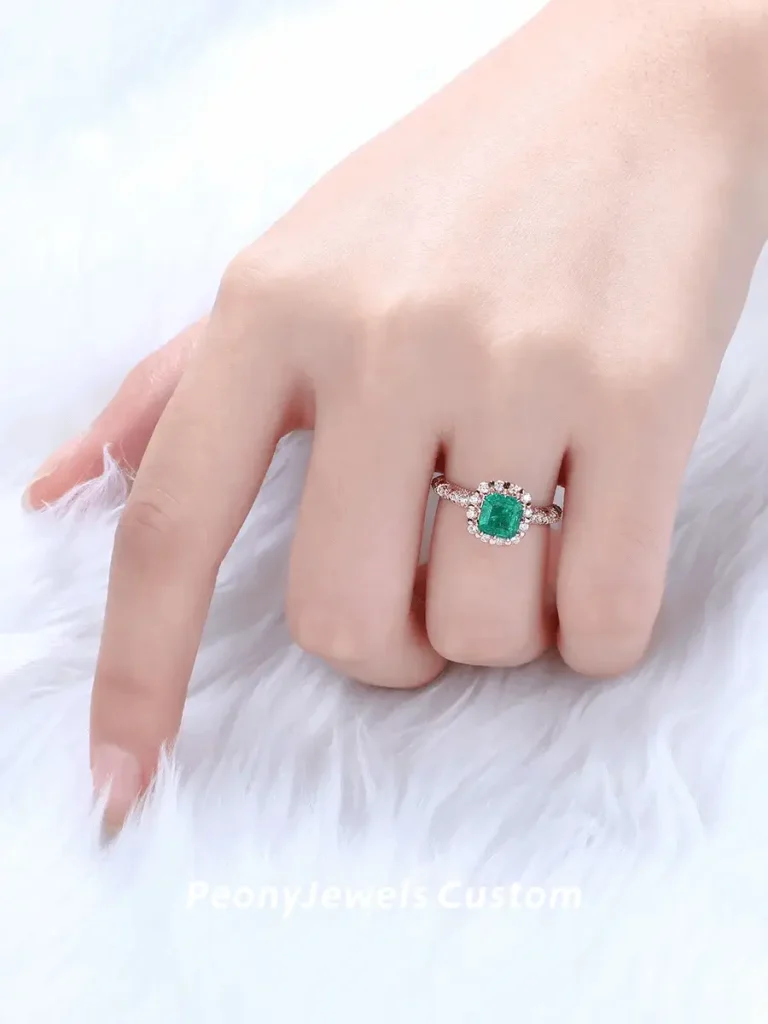
Furthermore, we proudly offer our original line of handmade vintage earrings, designed to bring a touch of unique, everyday beauty to your style.
Contact PeonyJewels today, whether you seek a custom-designed signature piece or are simply looking for personalized vintage flair.