Indus Valley Jewelry: A Glimpse into Ancient Craftsmanship and Rich History
Indus Valley jewelry has captivated enthusiasts for centuries. As one of the cradles of the world’s ancient civilizations, India is famous not only for its vibrant history but also as a leading gemstone-producing region today.
Now, let’s journey back in time with Peonyjewels and explore the stunning beads of the Indus Valley, dating back 4,000 years.
The Beginnings of Indus Valley Jewelry: Beads and Gems

Diamonds, sapphires, emeralds, peridots, aquamarines, and garnets are buried deep beneath India’s soil. Its neighboring countries, Pakistan and Afghanistan, are also rich in gems. These include treasures like lapis lazuli, tourmaline, and emeralds. Together, they provide a continuous source of wealth and beauty for South Asia.
As the saying goes, “Those who live near the mountains benefit from the mountains.” Over 4,000 years ago, the people of India began adorning themselves with jewelry. They lived atop gemstone-rich lands, and in an era before gemstone setting techniques, beads were the most straightforward way to display gem beauty
Indian beadwork dates back to the Indus Valley Civilization (2500–1750 BCE), also known as the Harappan Civilization. It centered around the Indus and Saraswati river valleys, covering present-day Pakistan, eastern Afghanistan, and northwestern India. Although the area covered by the Indus Valley Civilization does not overlap greatly with modern India, its cultural impact remains immense.
The Soul of Ancient Indian Beadwork – Etched Agate Beads
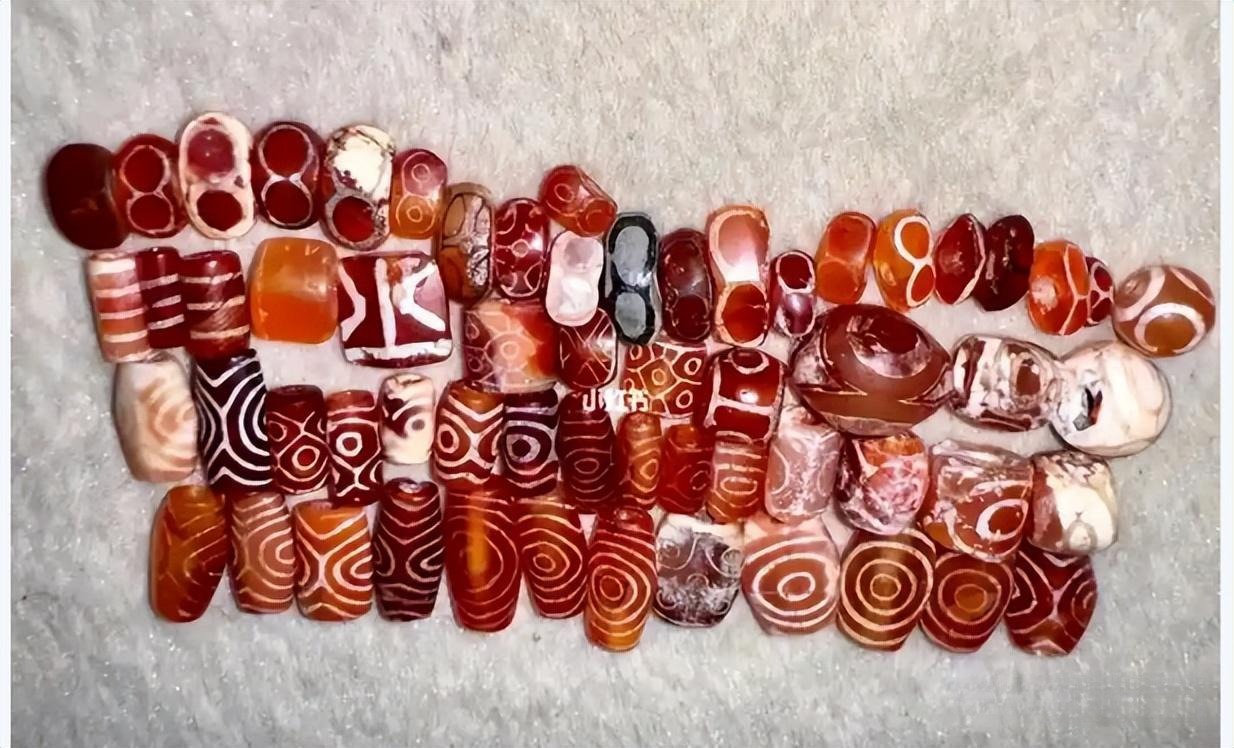
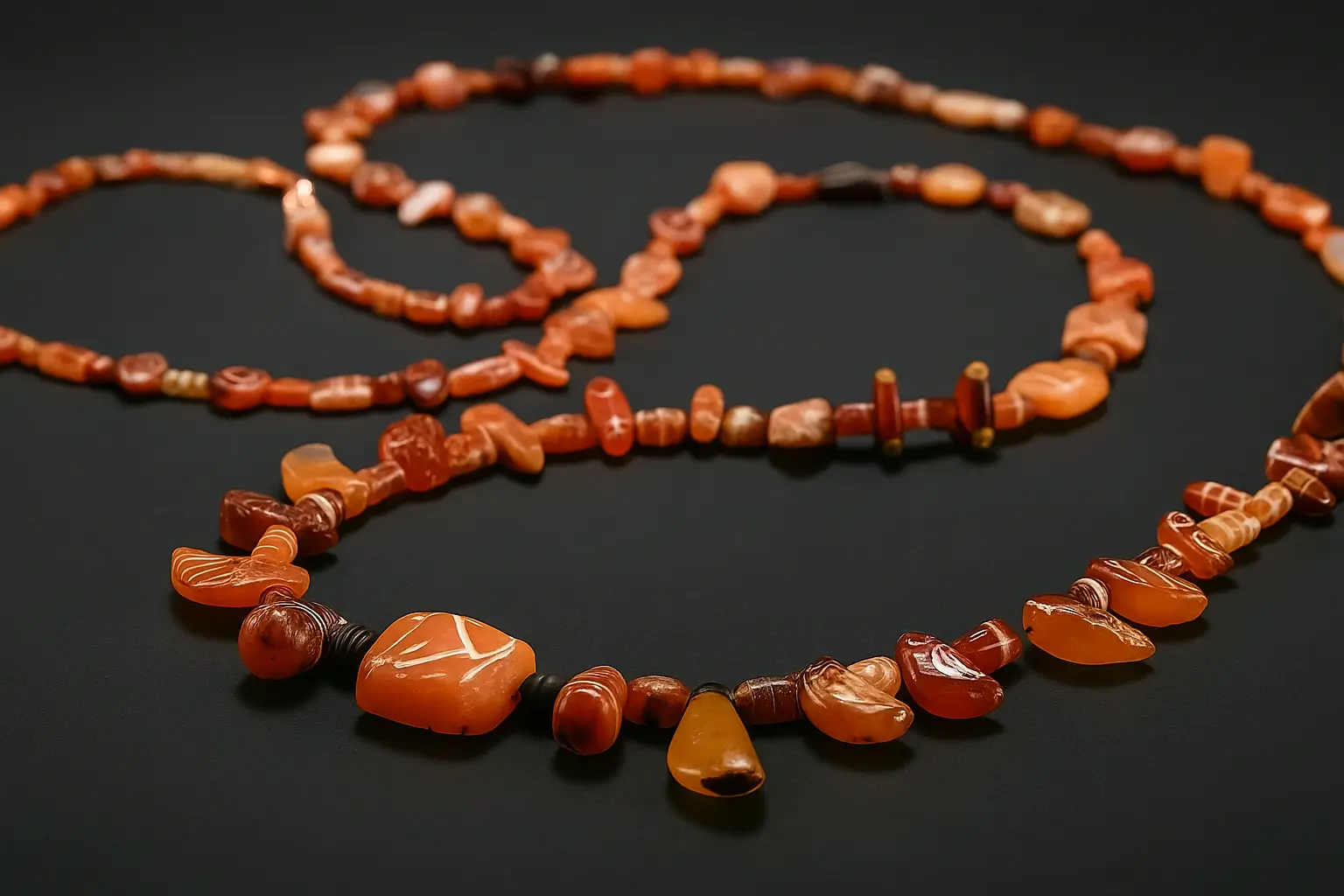
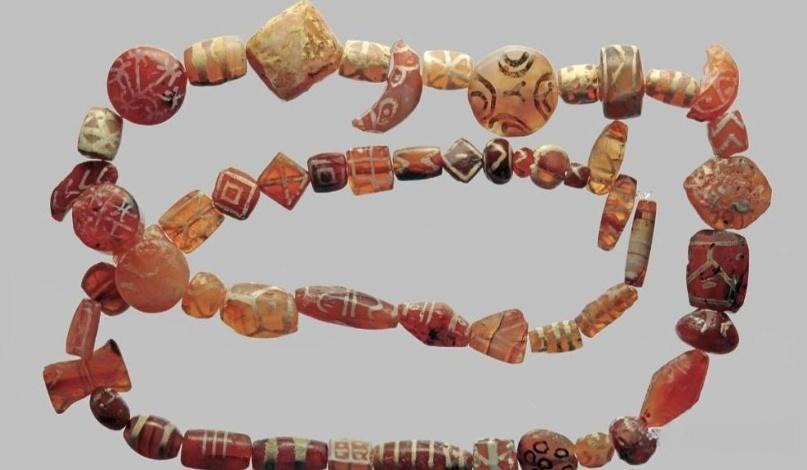
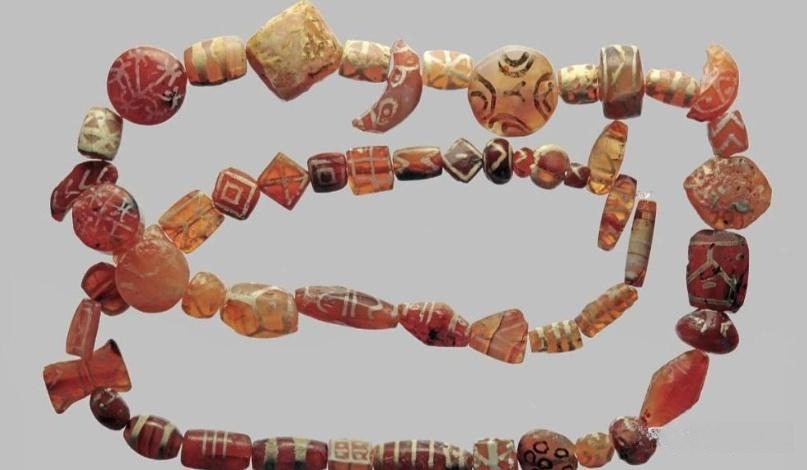
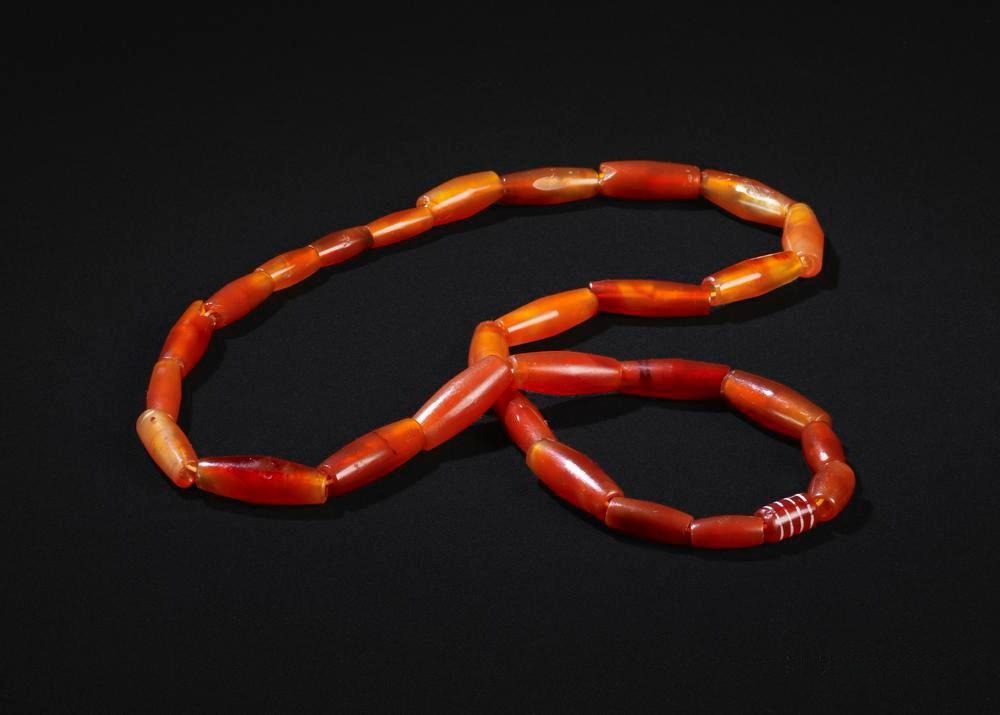
The vast mineral resources of the Central Asian plateau provided an inexhaustible supply of materials for the beadwork of the Indus Valley Civilization. While the variety of beads used was staggering, the most notable and widely recognized were the etched red agate/carnelian beads.
For a deeper look into agate’s modern variations, see Peonyjewels’ blog article: Baoshan Ice Purple Agate and Brazilian Purple Agate.
The Unique Craft of Etched Agate Beads

These beads weren’t naturally formed in their intricate patterns. Instead, artisans carefully crafted them through etching and coloring. Using solutions like alkaline liquids or inorganic salts, they corroded or dyed the agate’s surface. This created eye-catching contrasts—white, black, or multicolored patterns against the stone’s natural base color. This process, known as “etching” or “flowering,” made these beads unique and highly prized.

A Rich Legacy of Materials from the Indus Valley
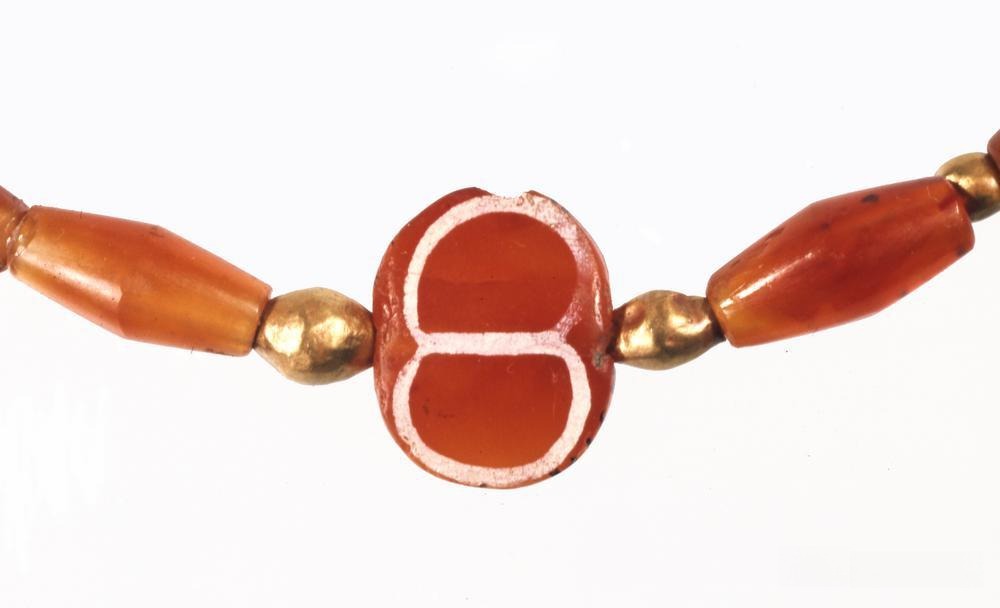
East of the Indus Valley, in present-day India’s western regions, lies a rich source of high-quality agate and carnelian. These mineral deposits, formed 60 million years ago during volcanic activity, were further enriched by river flows. This constant natural process created an abundant supply of excellent stones. Over the centuries, these stones became a crucial resource for crafting etched beads.
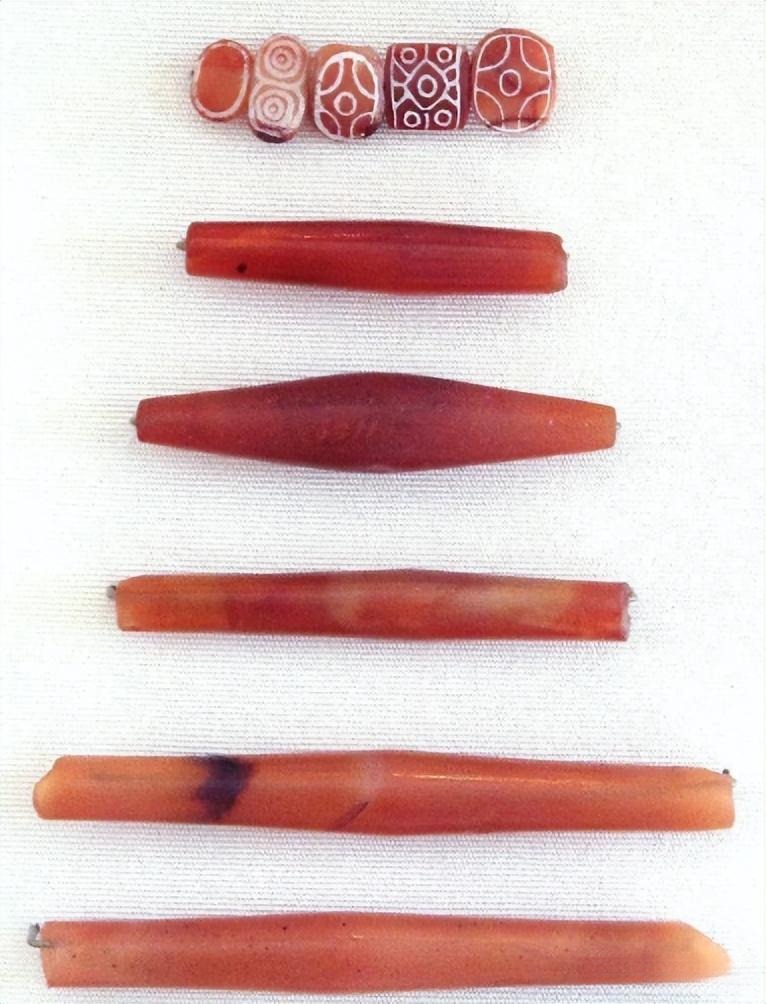
In the Harappan civilization, these beads weren’t just decorative. They held cultural significance, often tied to social status and religious rituals. Etched agate beads were more than mere ornaments; they symbolized identity and played important roles in cultural expression.
Etched Agate Beads in Ancient Trade Networks
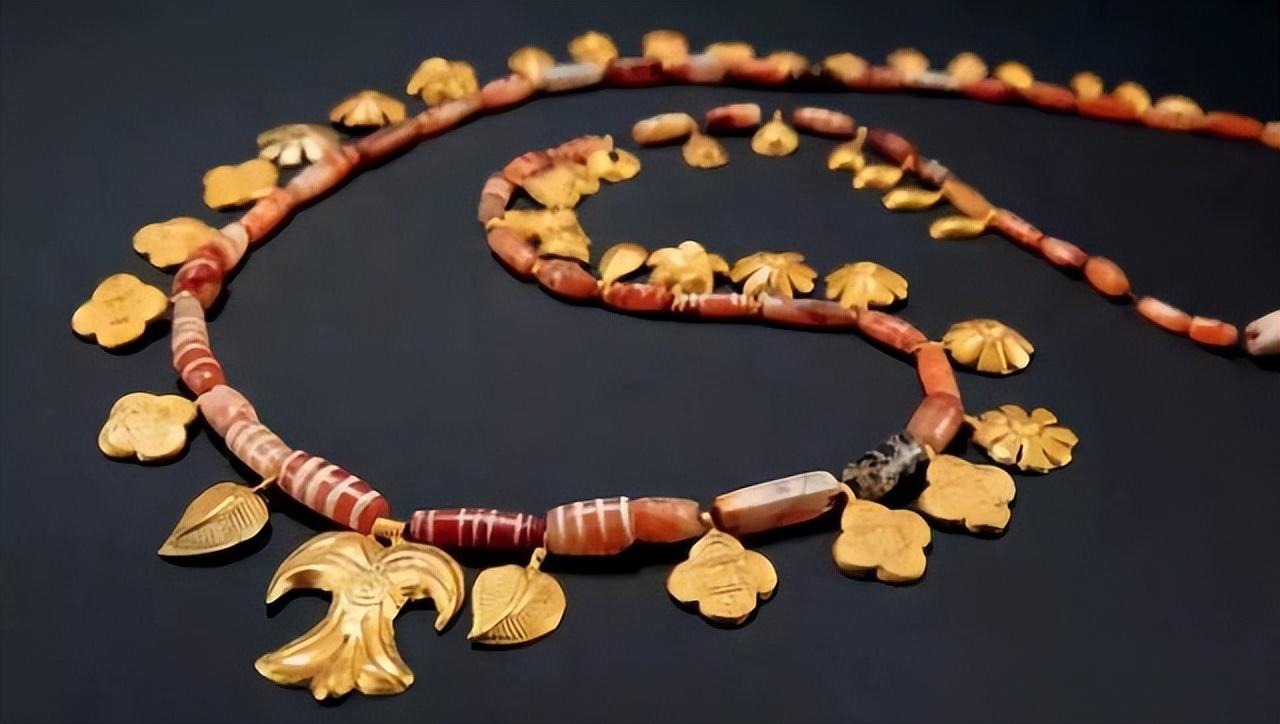
The popularity of these beads extended beyond the Indus Valley. Their beauty and complex production process made them highly sought after by neighboring civilizations. The Harappan Civilization became a key player in the ancient trade network, which stretched as far as Mesopotamia and Ancient Egypt. The beads captivated foreign cultures, furthering the exchange of goods and ideas.
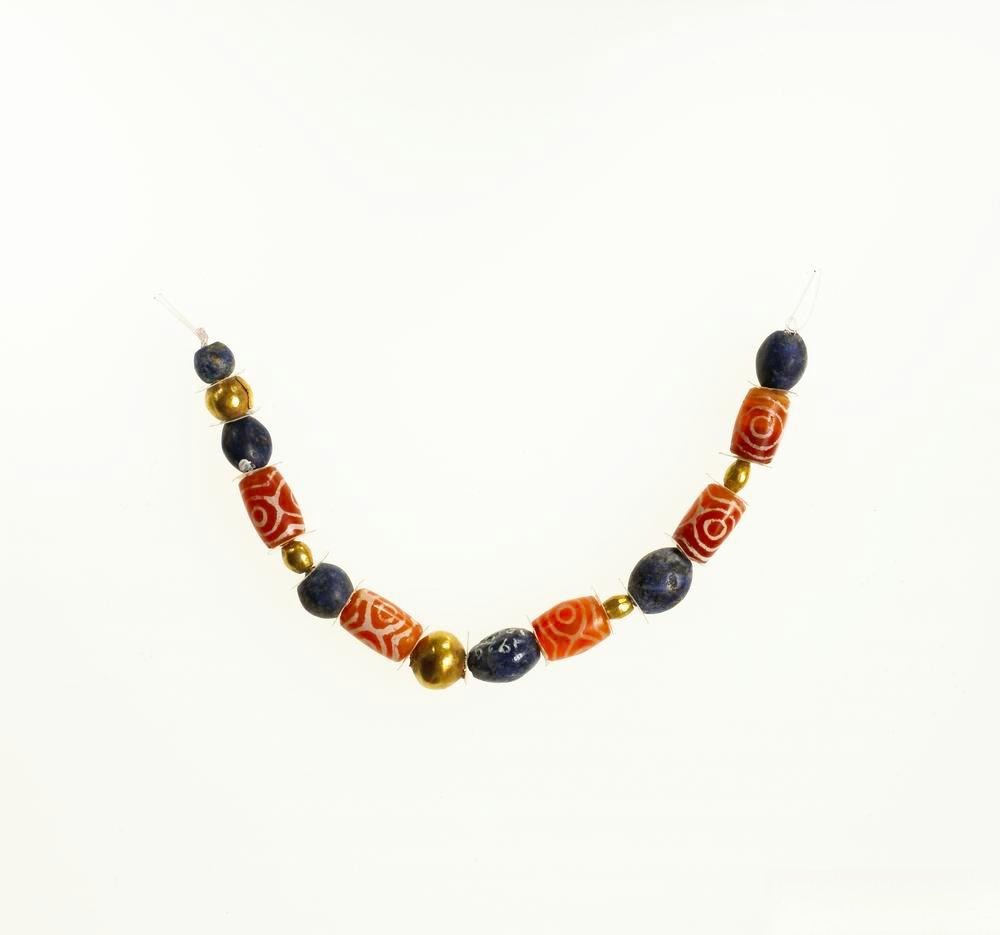
In fact, archaeologists have uncovered etched red agate beads in the Royal Tomb of Ur in Mesopotamia. Alongside lapis lazuli and gold ornaments, these beads offer proof of early trade connections between the Indus Valley and the ancient Near East.
The Value of Etched Agate Beads in Ancient Trade
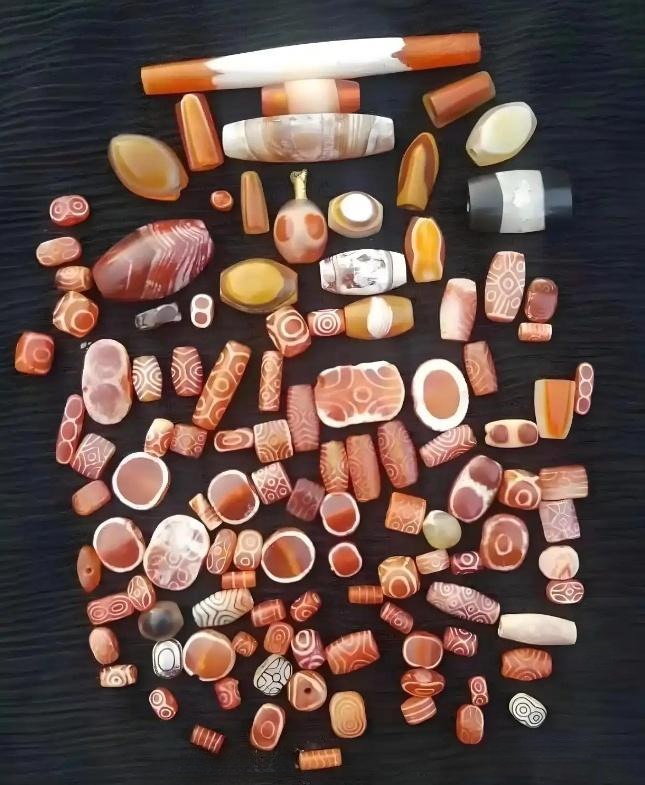
At the time, only the skilled artisans of the Harappan Civilization could create these intricate beads. This exclusivity, paired with abundant high-quality materials, made etched agate beads a valuable commodity. They became a form of “hard currency,” highly sought after in trade. As demand grew, these beads played a key role in the prosperity of the Harappan trading network, connecting different parts of the ancient world.
Indus Valley Jewelry: The Cultural and Economic Importance of Etched Agate Beads
The etched agate beads of the Indus Valley symbolize ancient craftsmanship, blending artistry with material wealth. They created a cultural legacy that transcended regional boundaries. Today, these beads are valued not only for their historical significance but also for their role in the early global economy and trade networks.
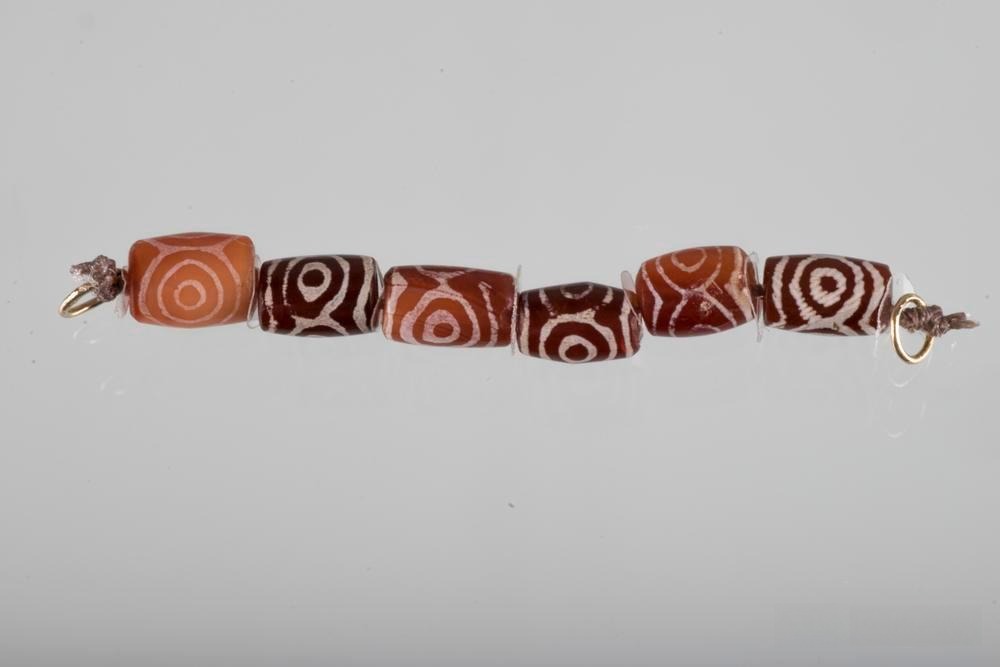
Understanding the art of etched agate beads gives us a deeper appreciation for the ingenuity of ancient civilizations. These beads connect us to the creativity and interconnectedness that defined the ancient world.
Lapis Lazuli: A Treasure from the Indus Valley
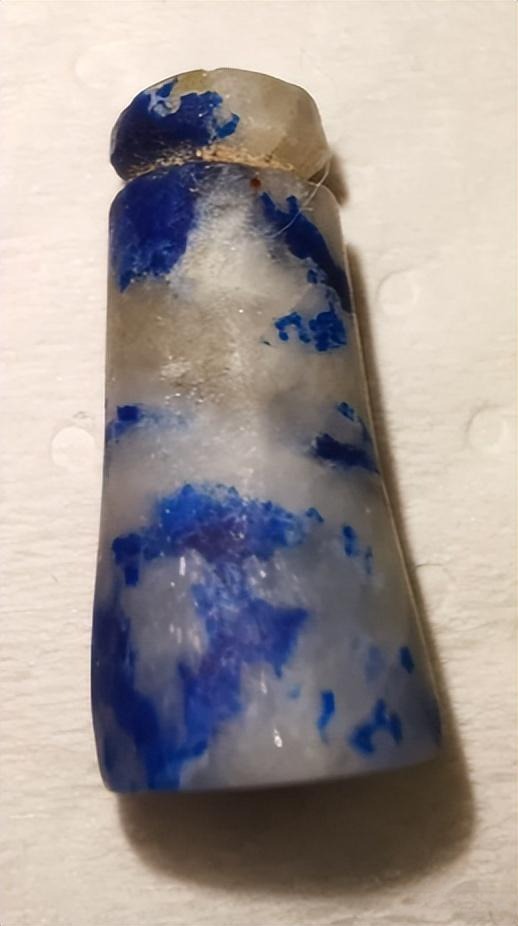
In the western region of the Indus Valley, now northeastern Afghanistan, lies one of the world’s most renowned sources of lapis lazuli. This gemstone, with its celestial blue hue, mirrors the vastness of the night sky. Ancient civilizations such as Sumer and Egypt highly prized its striking color, which symbolized the heavens and divine power.
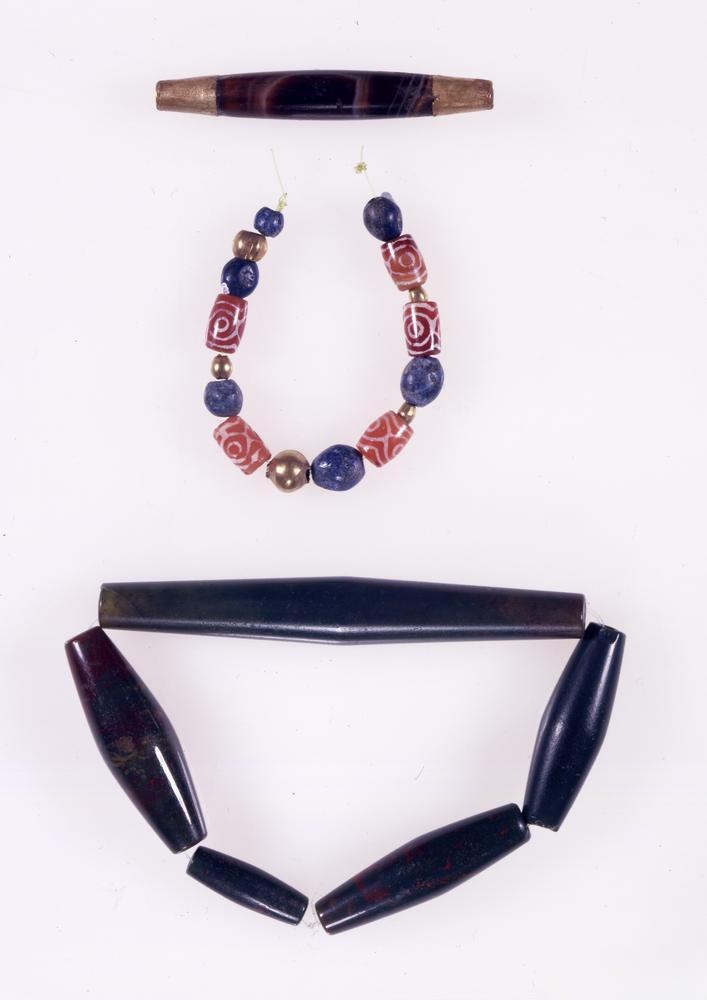
The Sumerians, in particular, held lapis lazuli in almost reverential regard.Although the Middle East did not produce this precious stone, archaeologists have uncovered numerous lapis lazuli artifacts in Mesopotamia, showing its widespread use and value.
Merchants transported lapis lazuli along the “Lapis Lazuli Road” from the Amu Darya river basin to the Mesopotamian plains. There, they traded it alongside other valuable items, such as etched agate beads from the Indus Valley. Over time, these stones became coveted gifts, exchanged among the wealthiest and most powerful rulers of Sumer.
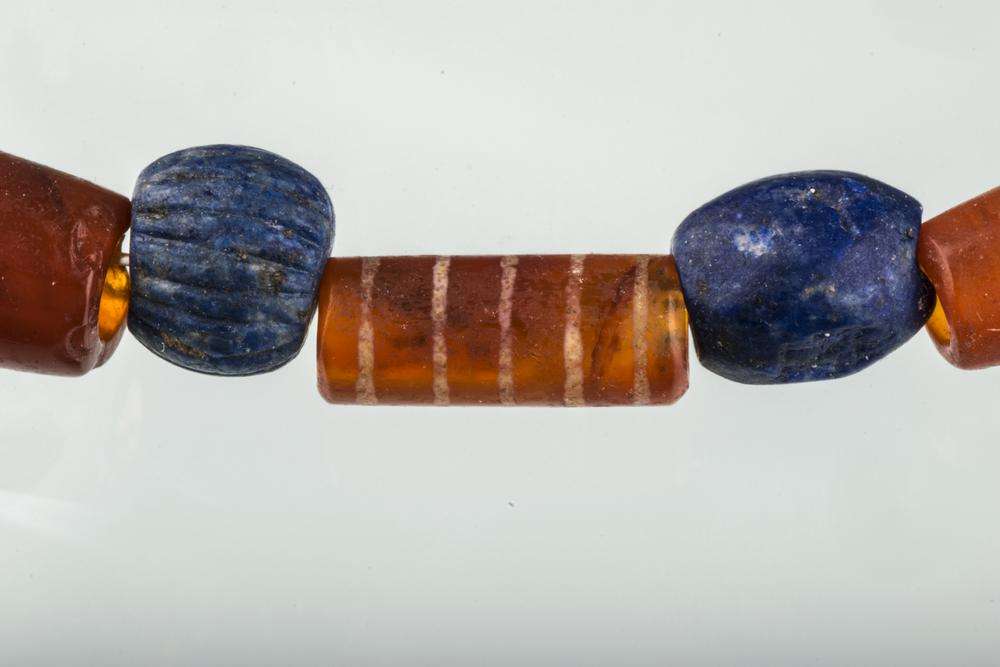
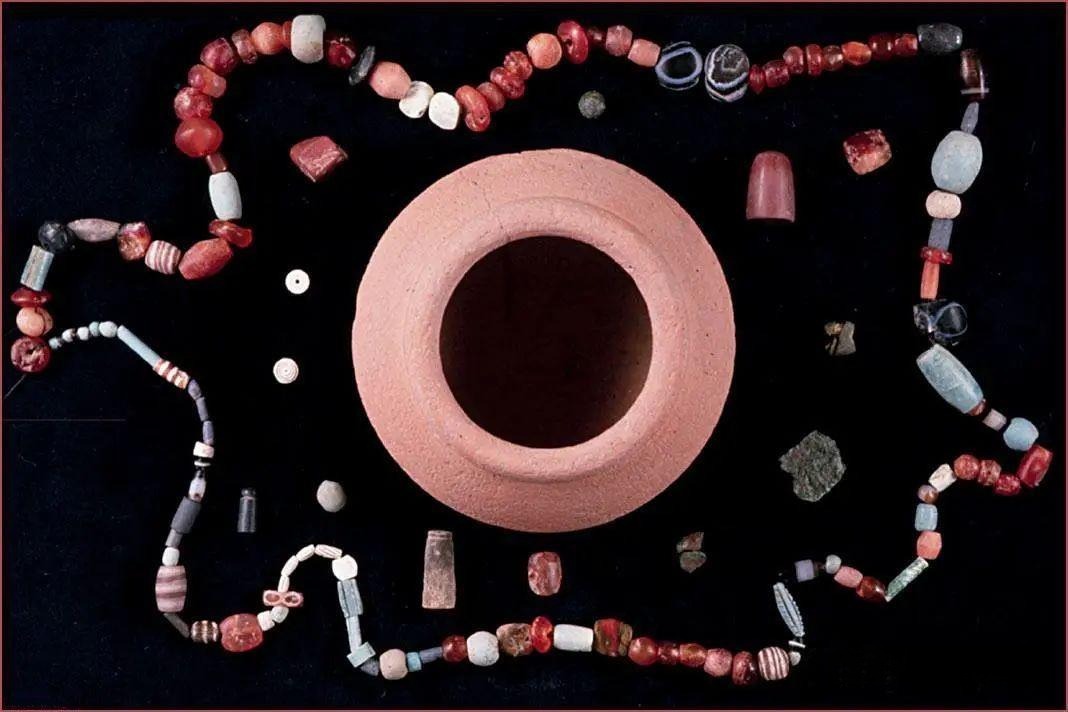
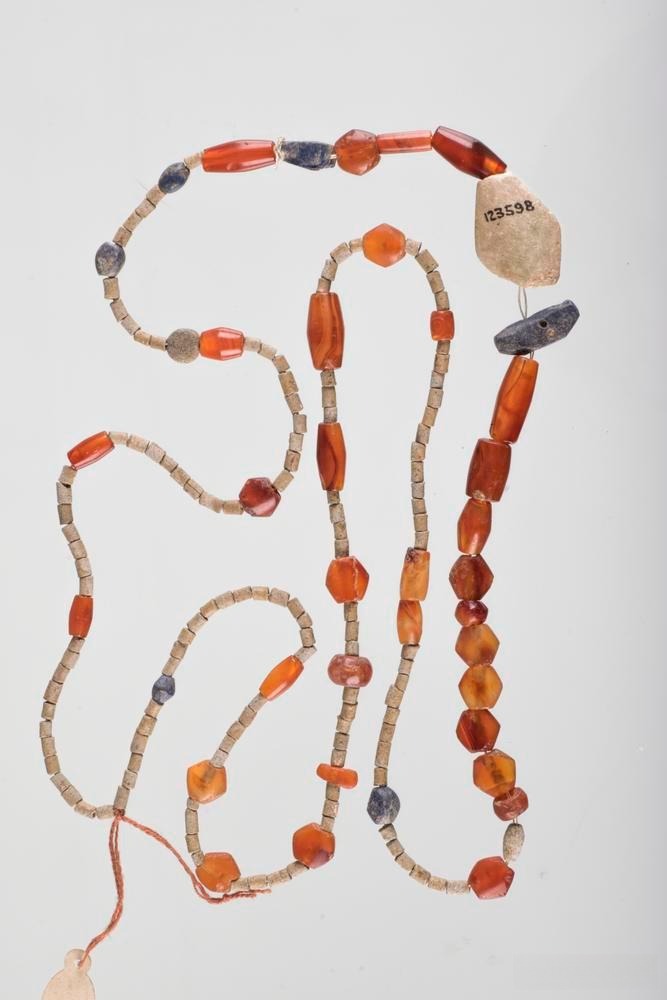
Combining lapis lazuli with etched agate beads was a popular jewelry pairing in the ancient world, combining the rich blue of lapis with the intricate patterns of agate, creating striking and meaningful designs.
The Sacred Gold: Symbol of Wealth and Divinity

As the world’s second-largest consumer of gold, just behind China, India’s deep admiration for gold is clear. Gold holds a central place in Indian culture, where people regard it as a “sacred metal” that symbolizes not only wealth but also intertwines closely with religious beliefs and cultural traditions.
At the Golden Temple in Amritsar, a place of devotion for millions of Hindus, artists depict many gods and goddesses in mythological stories wearing gold jewelry. They often show the goddess Lakshmi, revered as the goddess of wealth, wearing a red saree with gold borders, her hands overflowing with gold.

Even today, gold remains deeply embedded in Indian wedding customs. Families adorn brides with heavy, elaborate gold jewelry, a tradition that continues to symbolize prosperity and familial honor.
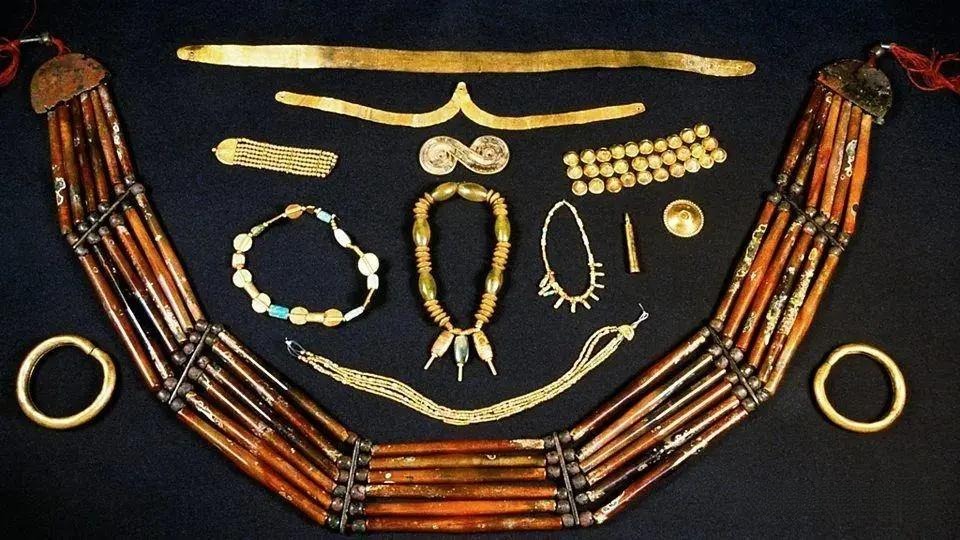
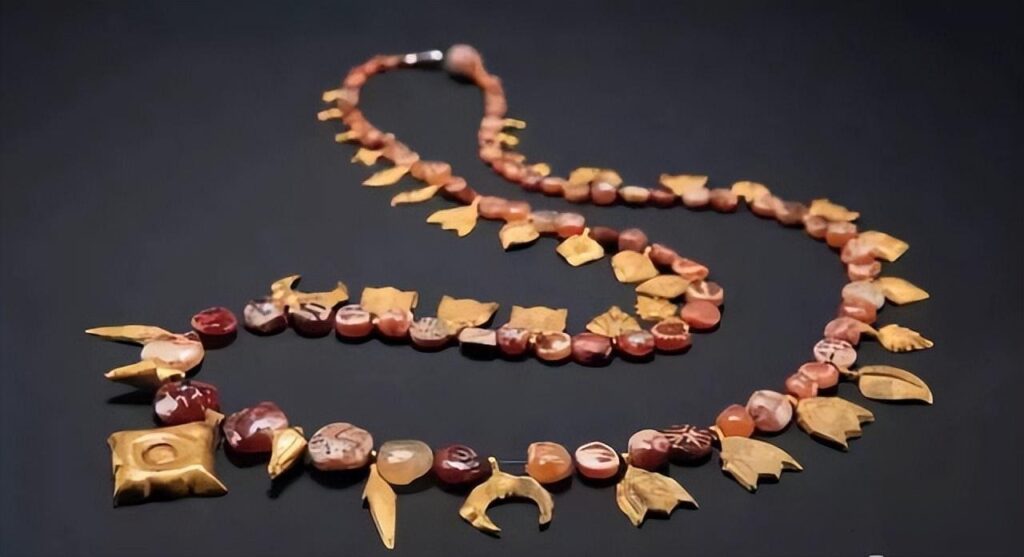
Looking back thousands of years to ancient India, gold’s dazzling appearance and rarity made it highly coveted by the elite. Its radiant, sun-like shine made it a natural symbol of the sun, which led to its widespread use in the creation of beadwork and jewelry.
Artisans hammered, stretched, and twisted gold into delicate, intricate components. They then expertly arranged these components into magnificent necklaces and bead strands. These golden ornaments not only served as beautiful decorations but also symbolized family wealth and pride, reflecting the Indian people’s enduring passion for gold over millennia.
Ancient Glass Beads: The “High-Tech” Feuence of Ancient India
Craftsmen considered faience, the ancient glass beads of India, a “high-tech” product for its time. While many believe faience originated in Egypt, the Indus Valley also established large-scale production of faience by 2000 BCE.
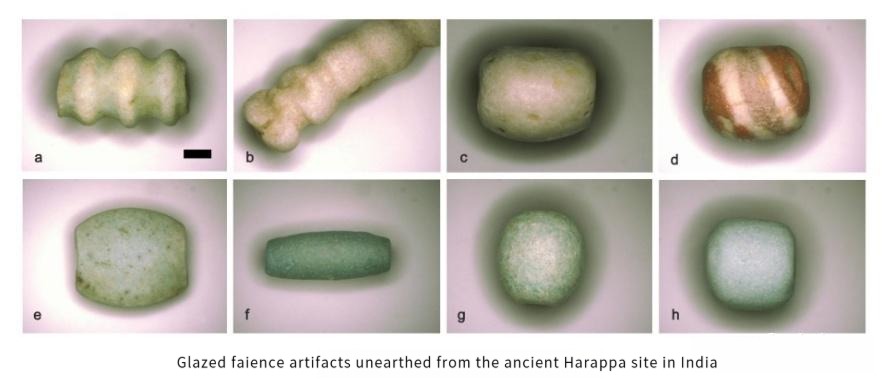
Craftsmen began by grinding quartz sand into a fine powder. They mixed it with flux agents and coloring minerals, such as copper-based minerals that could produce blue-green hues. Then, they shaped the mixture into bead blanks by hand or with molds.
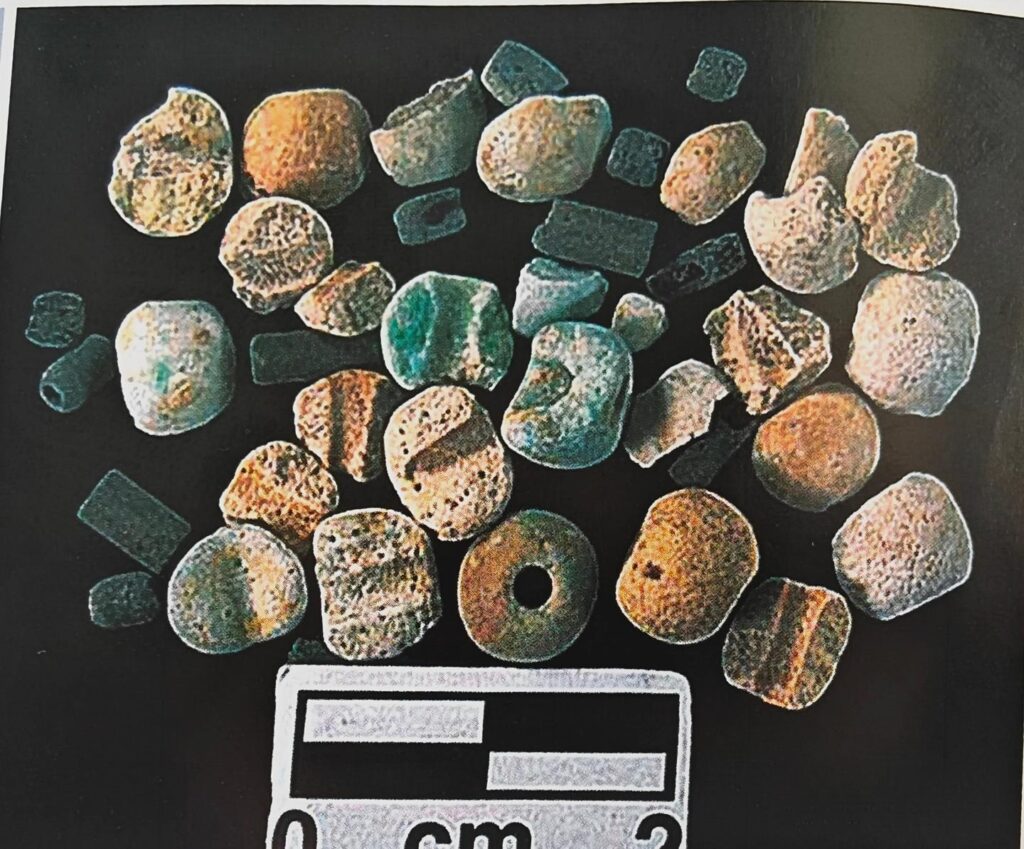
Craftsmen placed the bead blanks in kilns and fired them at specific temperatures, which created a shiny glaze on the surface. After firing, they polished and perforated the beads, making them ready to wear.
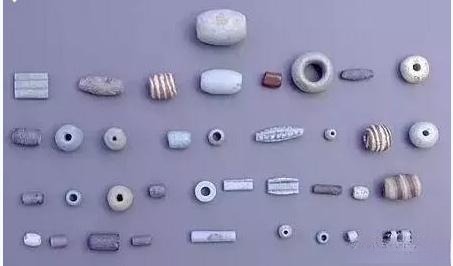
The faience beads, in a variety of vibrant colors and intricate designs, became widely popular due to their refined production techniques and appealing appearance.
Merchants commonly used these beads in trade, exchanging them across regions. Archaeologists have even found faience beads in Western Zhou tombs. This discovery suggests that the “high-tech” material and its production techniques traveled along ancient trade routes through Central Asia, possibly reaching the central plains of China.
Organic Beads: Simple Yet Beautiful
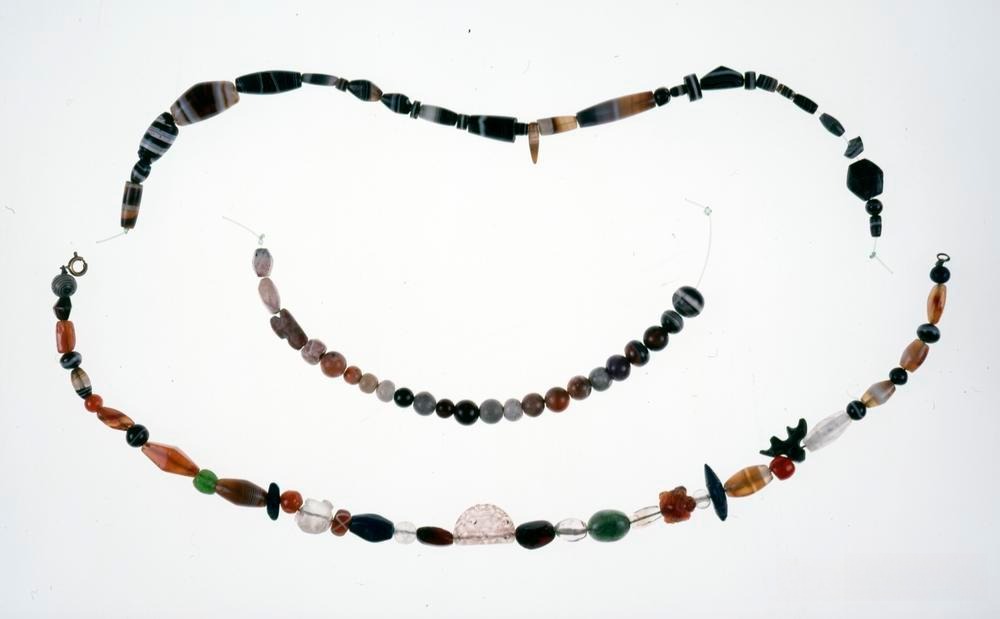
Various gemstones, including quartz, crystal, agate, garnet, and others, played a significant role in the creation of ancient Indian beadwork.
In addition to these precious stones, organic materials also played an important role in ancient Indian beadwork, often in their earliest and most rudimentary form. Without the need for complex processing, these materials could be simply polished and perforated to create beads. This not only met practical needs but also added aesthetic value, making them a popular choice for everyday jewelry.
Artisans used various organic materials in Indian beadwork, including:
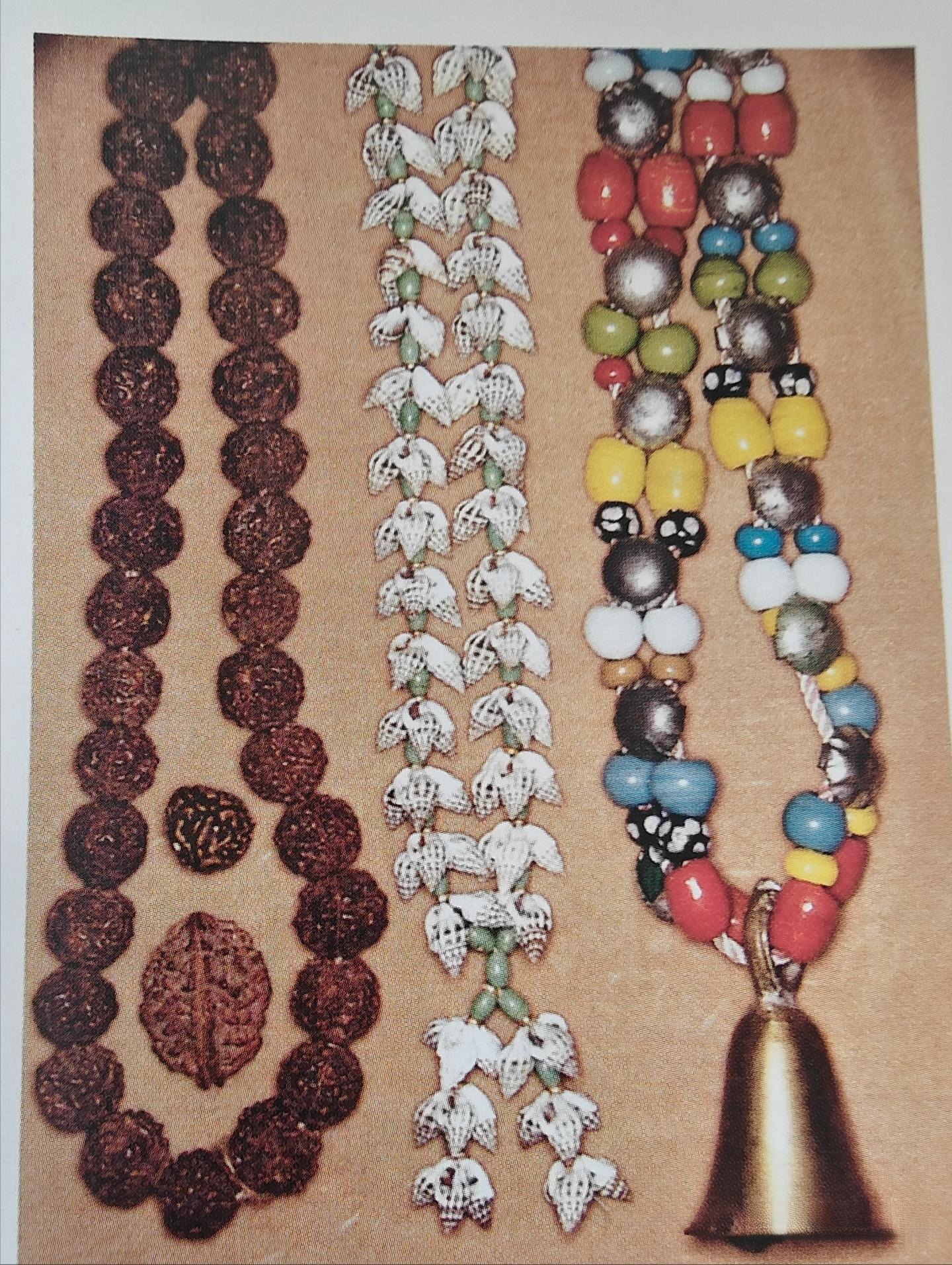
- Ivory and bone :carved into beads decorated with religious motifs.
- Shells brought the ocean’s beauty inland.
- Wooden beads, often scented, added a calming natural aroma.
The rich treasures beneath and above the Indian soil, carefully sculpted by skilled artisans, became some of the most dazzling creations of the Indus Valley Civilization, shining brightly through history.
The Legacy of Indus Valley Jewelry
Indus Valley jewelry reflects the union of artistry, technology, and trade. Each bead tells a story of cultural exchange and human creativity.
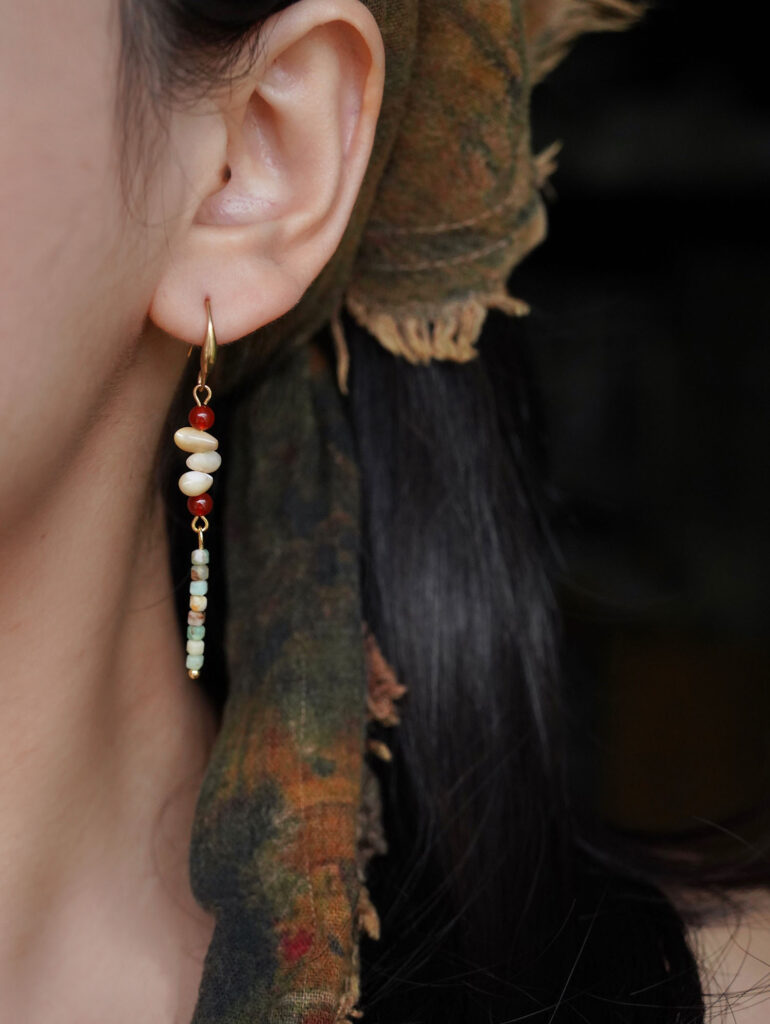
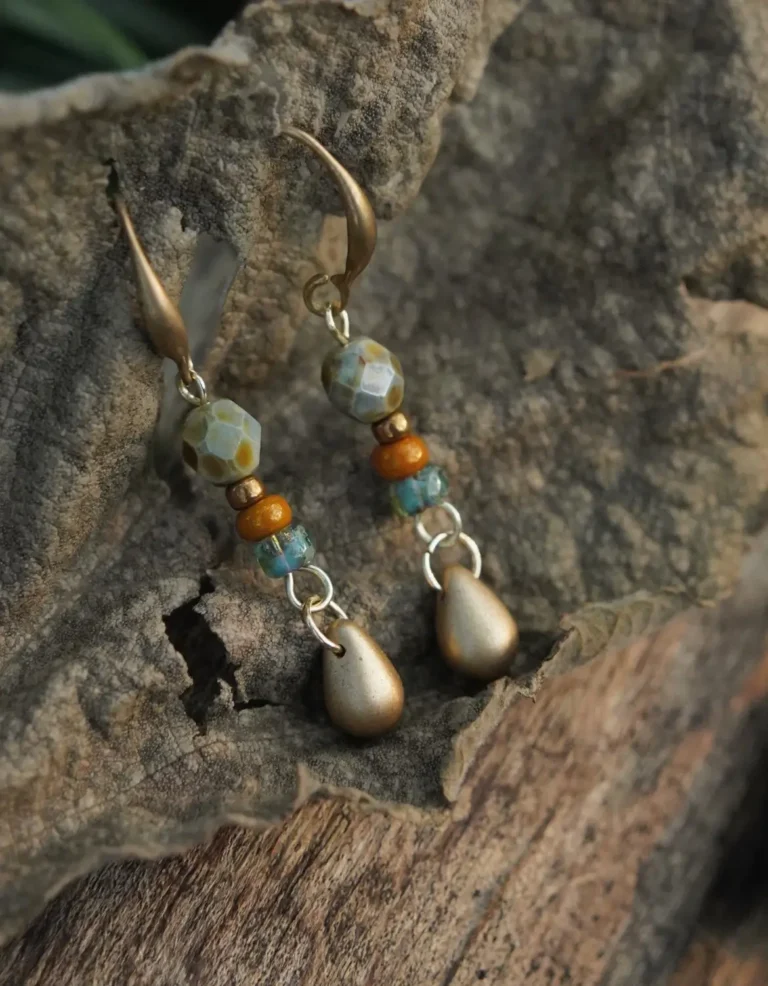
At PeonyJewels, we honor this ancient heritage through modern handcrafted designs. Our handmade vintage earrings echo the timeless spirit of these early artisans — refined, meaningful, and full of history.
Whether you seek a distinctive heirloom or a bespoke creation that carries a story, PeonyJewels helps you express your individuality with elegance and depth.
Embrace the beauty of the Indus Valley — and wear a piece of history reborn.