The Art of Jade Carving: Understanding Machine-Carved and Hand-Carved Jade Types
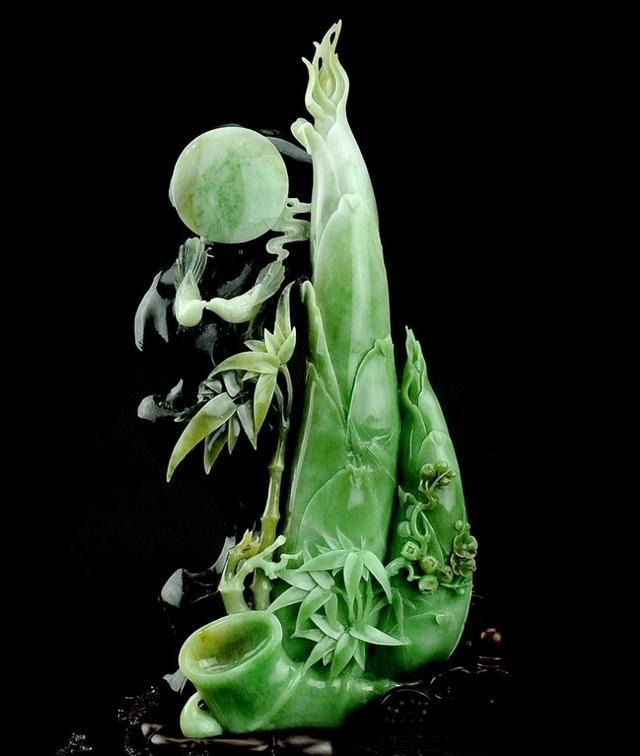
Over millions of years, geological transformations have turned ordinary stones into precious jade, while jade carving breathes life and spirit into them. In recent years, more collectors and jewelry enthusiasts have begun to appreciate the exquisite craftsmanship behind jade carving types. As the old saying goes, “fine material deserves a masterful hand.” After all, even the finest jade can lose much of its value if it’s carved carelessly.
Today, let’s explore the fascinating jade carving classification and discover how artistry transforms raw stone into timeless beauty.
Related Reading from Peonyjewels:
- Understanding Jadeite Color Foundation: What Is Huadi and How Does It Affect Jadeite Quality?
- Does High-Quality Jadeite Have No “Cotton”? Understanding the True Beauty of Natural Jade
Types of Jade Carving: Machine-Carved vs Hand-Carved Jade
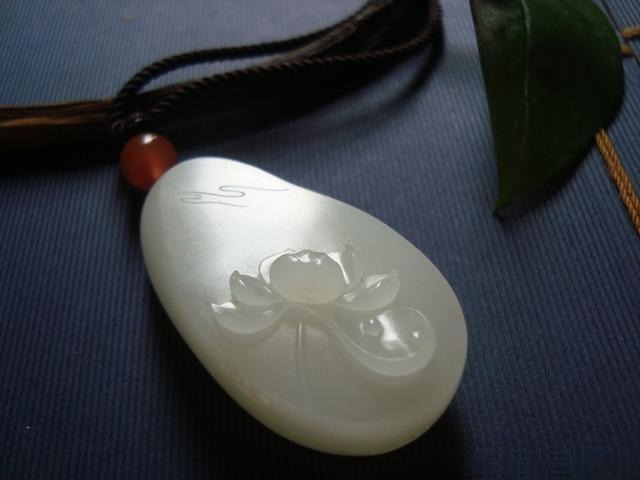
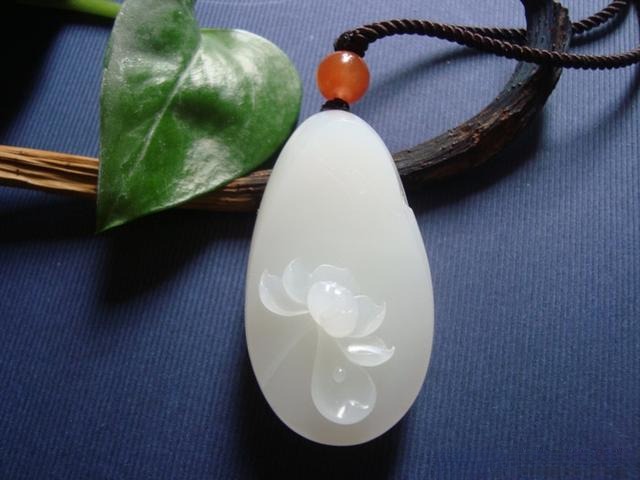
Broadly speaking, jade carvings on the market can be divided into two categories: machine-carved and hand-carved. Each has its own advantages, but they serve very different purposes and appeal to different buyers.
Machine-Carved Jade: Affordable and Mass-Produced Jade Carving Types
Machine carving has greatly improved production efficiency and reduced costs, making jade more accessible to a wider audience. As a result, machine-carved pieces dominate the mid- to low-end jade market.
There are two main types of machine carving: ultrasonic pressing and computer engraving.
1. Ultrasonic Pressing
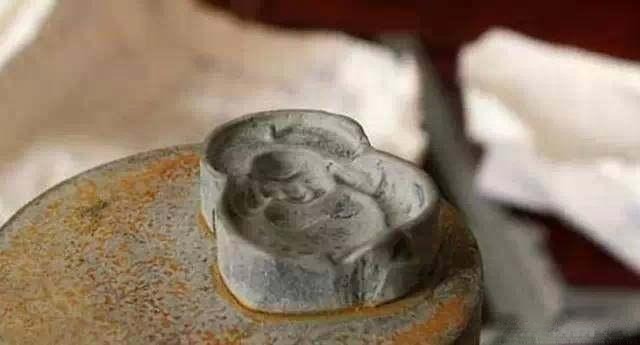
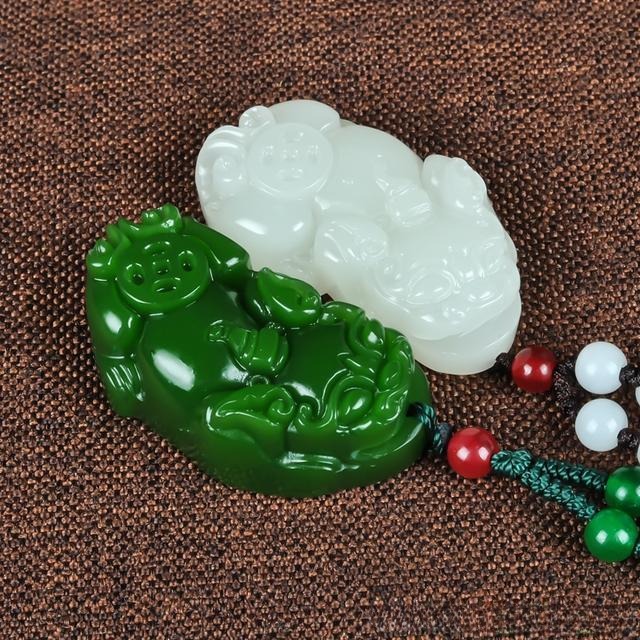
This method uses steel molds and silicon carbide abrasive sand, with machines vibrating at ultrasonic frequencies to press patterns onto the jade surface. Imagine stamping designs into soft dough — except jade is much harder.
This process is primarily used for low-cost jade products, with labor costs ranging from a few dollars to several dozen per piece. Ultrasonic factories often run dozens or even hundreds of machines simultaneously, producing large quantities of carvings within one to three hours.
Characteristics of Ultrasonic-Pressed Jade:
- Lines are rigid and lack natural flow.
- Details are coarse, fragile, and prone to cracking.
- Mold wear leads to blurred or uneven patterns over time.
Such pieces are commonly found in souvenir shops, tourist markets, and on low-priced online platforms. While the affordability is tempting, jade should be appreciated for its beauty and artistry — not its low price. These mass-produced items often fail to deliver long-term satisfaction.
2. Computer Engraving (CNC Carving)
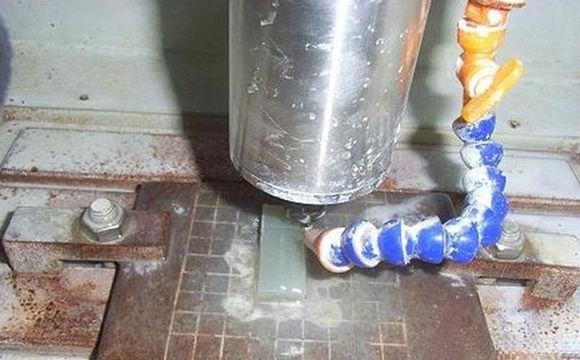
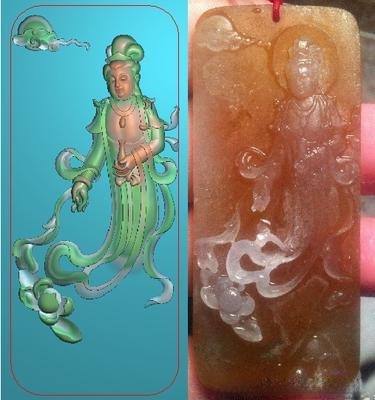
Computer engraving involves creating digital 3D models that guide machines to carve directly into jade. As the technology has evolved, the cost of these machines has dropped from tens of thousands to just a few thousand dollars. Today, they can handle not only flat engraving but also complex three-dimensional carving with impressive precision.
High-quality CNC work can look quite similar to hand carving at first glance. Therefore, the key is price-to-value consistency — if the material, craftsmanship, and price align, it can still be worth purchasing.
However, the real issue arises when sellers misrepresent machine-carved jade as hand-carved and charge premium prices. That’s when buyers need to be extra cautious.
Hand-Carved Jade: Artisan Skill and Timeless Craftsmanship
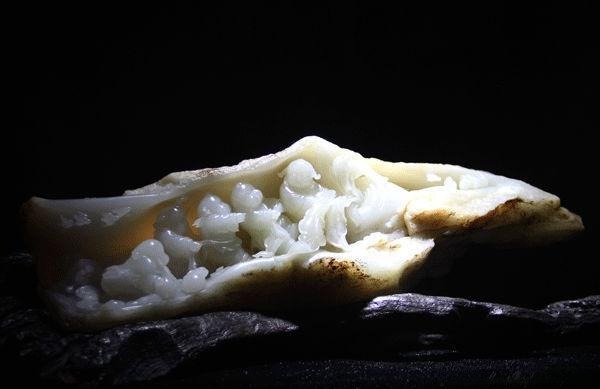
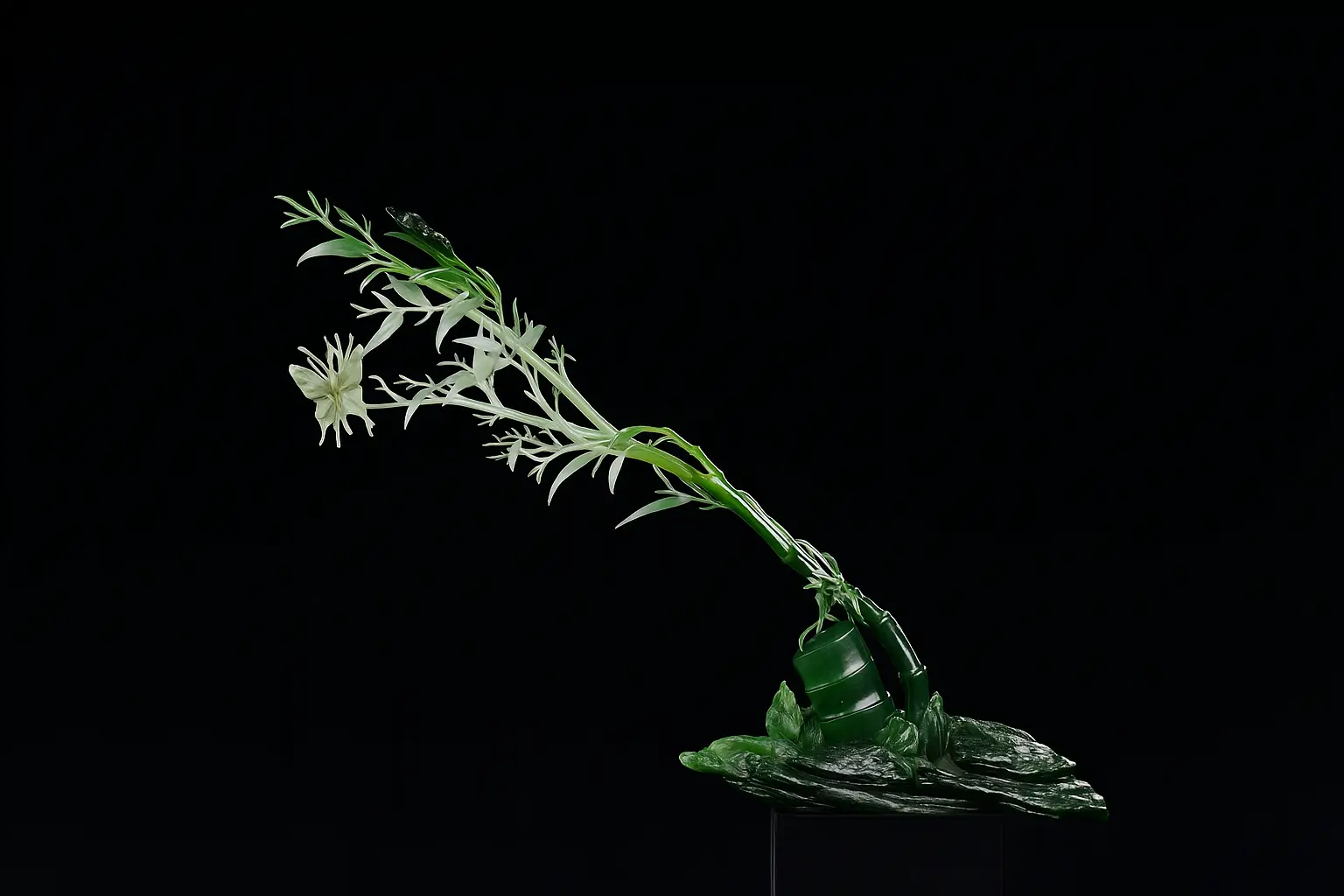
As one of the oldest and most revered art forms in China, hand-carved jade represents the pinnacle of skill, creativity, and cultural expression. Each piece reflects the artist’s imagination, cultural literacy, and aesthetic sensibility. Skilled jade artisans know how to work with the natural material — turning flaws into beauty, using color contrasts wisely, and creating unique, meaningful designs.
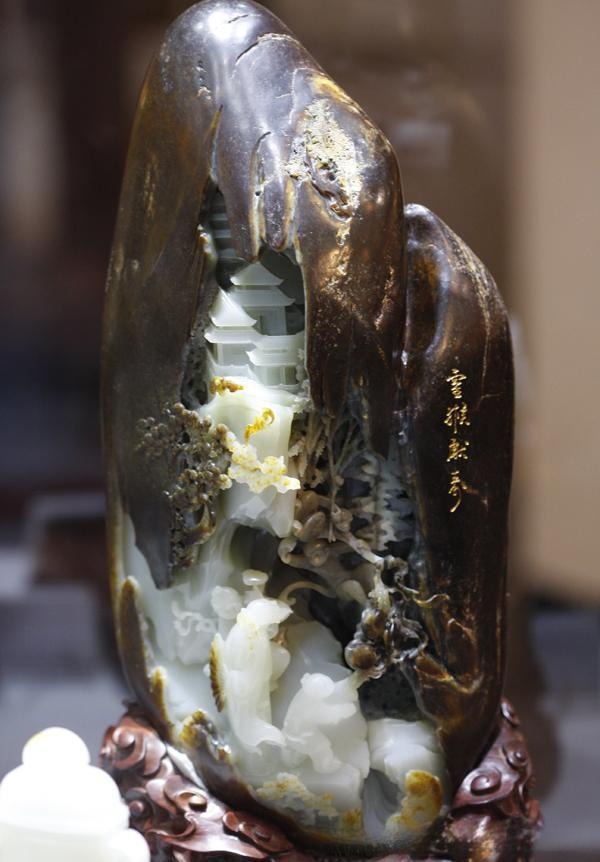
No machine can replicate the emotional warmth, spontaneity, and individuality of a true hand-carved masterpiece. That’s why collectors and connoisseurs are willing to pay a premium for this artistry.
No machine can replicate the emotional warmth, spontaneity, and individuality of a true hand-carved masterpiece. That’s why collectors and connoisseurs are willing to pay a premium for this artistry.
Further Reading on Jade Quality:
- How to Identify Natural Jadeite: Color, Texture & Authenticity
- Jasper vs. Nephrite Jade: The Confusing World of Red “Jade” Explained
- Topaz: Why Is It Called ‘Yellow Jade’ When Most Stones Are Blue?
How to Tell If a Jade Carving Is Hand-Carved or Machine-Made
For ordinary buyers, distinguishing between the two can be tricky. Here are six reliable methods to help you identify them:
1. Examine Edges and Lines in Jade Carving Types
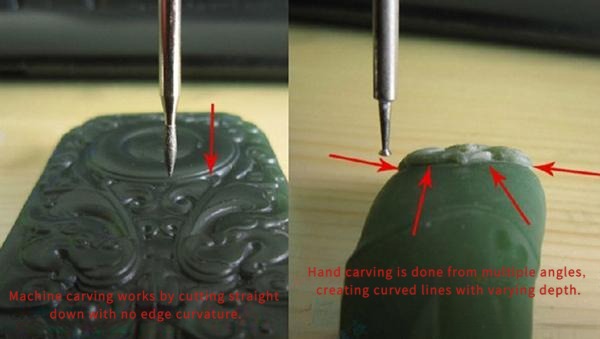
Machine tools move vertically during carving, creating edges that are flat and uniform. In contrast, hand-carved lines vary in angle and curvature because the artisan works from multiple directions, resulting in more organic, rounded edges.
2. Observe the Overall Feel
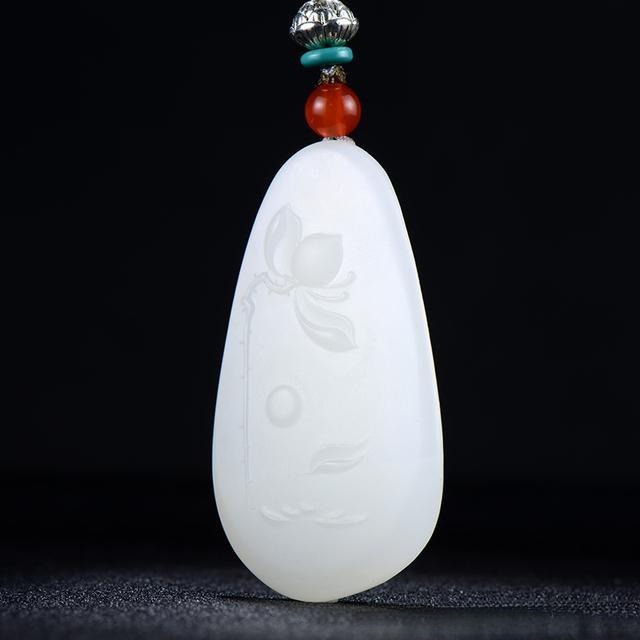
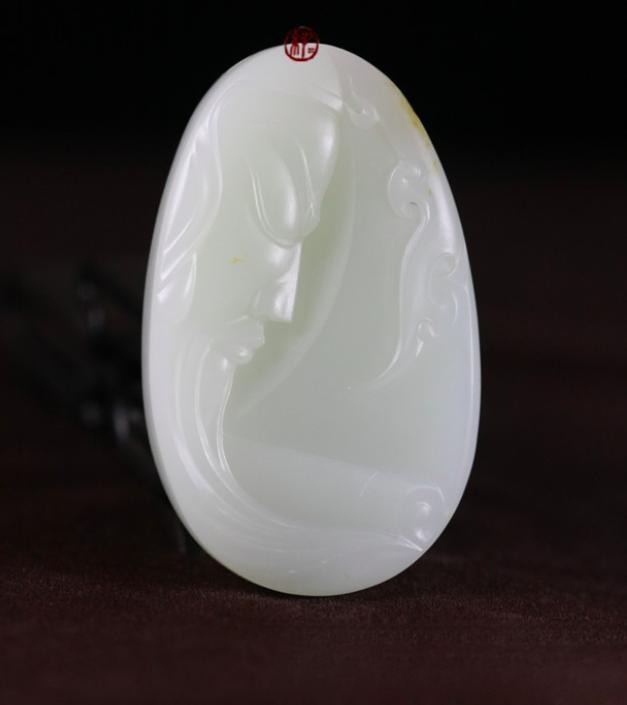
Even though CNC engraving can achieve fine details, machine-carved pieces often feel stiff and lifeless. Hand-carved works, on the other hand, show natural flow, depth, and vitality — the difference becomes clear when compared side by side.
3. Examine Detail of Carving
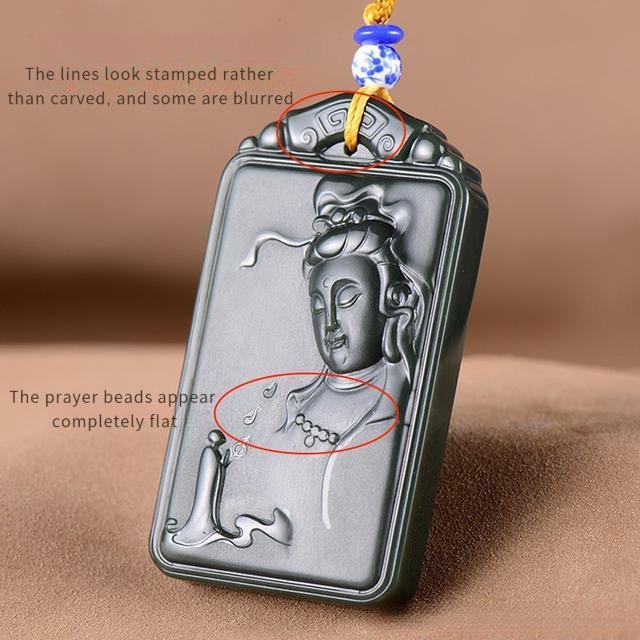
Since jade surfaces aren’t perfectly flat, computer-guided tools may not adjust to slight depth variations, leading to blurred or incomplete lines. Hand carving adjusts constantly to the stone’s contours, ensuring sharper, more dynamic detail.
4. Check for Repetition in the Market
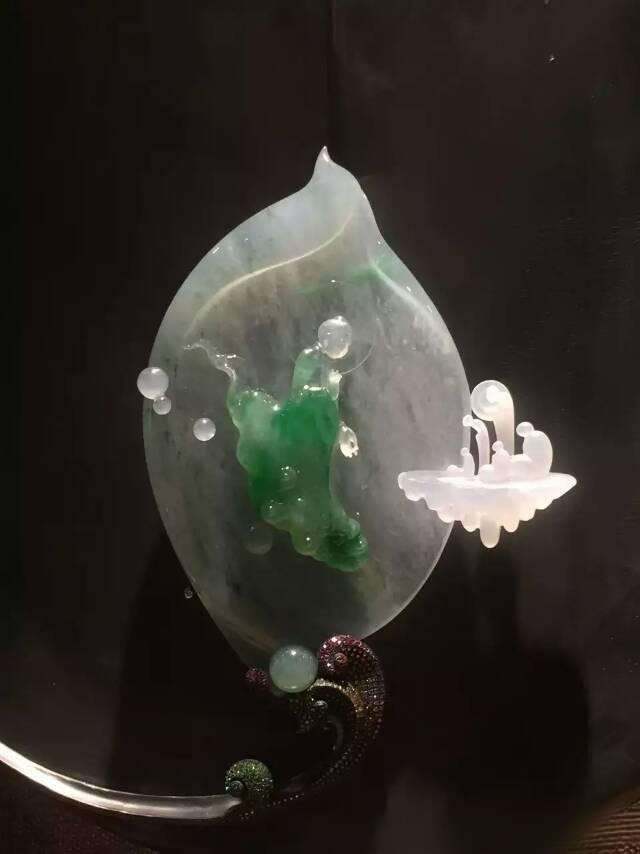
Machine carving leads to highly uniform, mass-produced designs. If you see the exact same pattern — down to the smallest detail — in multiple shops, it’s almost certainly machine-made.
5. Compare with Engraving Templates
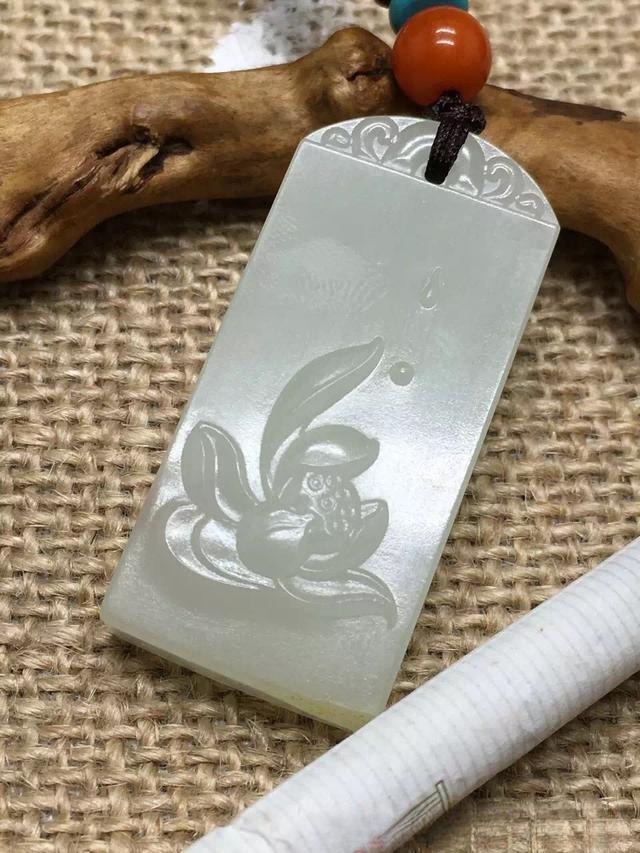
If a carving perfectly matches a digital “sample design” shown by the seller, it’s likely a machine-made piece. True hand-carved jade always carries subtle variations — the marks of human artistry.
6. Consider the Price
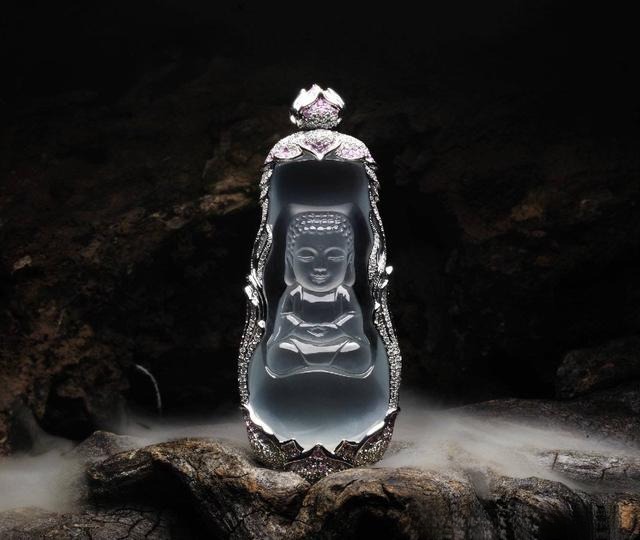
In the jade world, there’s an old saying: “Half labor, half material.” That means the cost of craftsmanship should roughly equal the cost of the raw jade.
For example, a skilled jade master might spend several days or even weeks on a piece, with labor costs ranging from hundreds to thousands of dollars. In contrast, machine-carved items add only a minimal carving fee to the material price. If the price seems too low for the supposed “handmade” work — it probably isn’t.
Peonyjewels Handcrafted Custom Jade Jewelry
Even with all these identification tips, distinguishing between machine-carved and hand-carved jade still requires experience and trained eyes. The best approach is to learn, observe, and compare before you buy.
For those looking to deepen their knowledge further, our Peonyjewels blog article: Jadeite Buying Guide: How to Understand Jade Trade Terms Before You Buy, provides a comprehensive overview of jade trade terminology, helping you make more informed purchasing decisions.
If you’re purchasing jade for collection or long-term value, always go for pieces that combine fine material with exquisite craftsmanship — those are the works that truly embody artistic and cultural worth.
At Peonyjewels, we share this commitment to craftsmanship. Each of our handmade vintage earrings honors the same spirit of artistry and precision found in traditional jade carving.
For those who appreciate authentic artistry, we also offer bespoke services to bring your vision to life. Discover how tradition meets modern elegance in every handcrafted piece at Peonyjewels.