Jadeite Buying Guide: How to Understand Jade Trade Terms Before You Buy
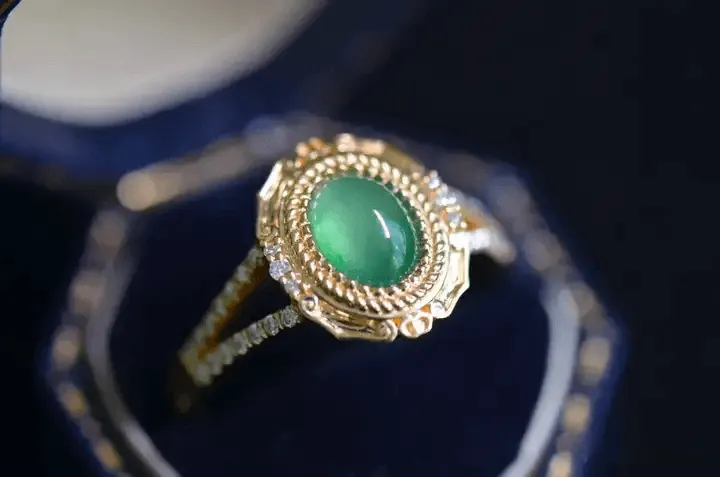
“Gold has a price, but jade is priceless.”
Are you drawn to the soft glow and timeless charm of jadeite, yet find the buying process confusing? Terms like type, water, or texture may sound mysterious, but understanding them is the key to choosing authentic, high-quality jade jewelry with confidence.
In this Jadeite Buying Guide, we’ll break down professional trade terms, explain how experts assess quality, and help you make informed, confident buying decisions — whether you’re a beginner or a seasoned collector.
Common Jadeite Trade Terms at a Glance – Jadeite Buying Guide
In this guide, we explain key jadeite trade terms you’ll encounter when buying or appraising jewelry. Understanding these terms — from transparency and texture to craftsmanship and pricing — helps you judge value like an expert.
Table of Conten
I. Understanding Jadeite Transparency
II. Jadeite Type and Structure Explained
III. Jadeite Texture and Grain
IV. Recognizing Natural Flaws and Inclusions
V. Color Categories and Meanings in Jadeite
VI. Craftsmanship and Artistic Techniques
VII. Traditional Carving Techniques
VIII. Stages of Jadeite Product Finishing
IX. Jadeite Rough Stone Categories
X. How to Read Jadeite Rough Stone Skin
XI.Veins, Mist, and Spots in Rough Jadeite
XII. Understanding Type A, B, and C Jadeite
XIII. Jadeite Pricing in Trade Markets
XIV. Origin and Provenance: Old Pit vs. New Pit
Practical Jadeite Buying Tips
I. Jadeite Buying Guide: Understanding Transparency Trade Terms
Jadeite’s “water,” also known as its transparency, refers to how clear and light-permeable the stone is. Traditionally, transparency is measured in “points of water” — for instance, one point of water means light can pass through the jadeite by 3mm. However, this method is rarely used in retail today.
In the jadeite industry, we typically use terms like Glass Type, Ice Type, Mochi Type, and Bean Type to describe transparency:
- Glass Type – Clear and transparent, resembling glass.
- Ice Type – Slightly translucent, like ice.
- Mochi Type – Fine-grained, not visible to the naked eye, and mostly opaque.
- Bean Type – Small visible particles, opaque.
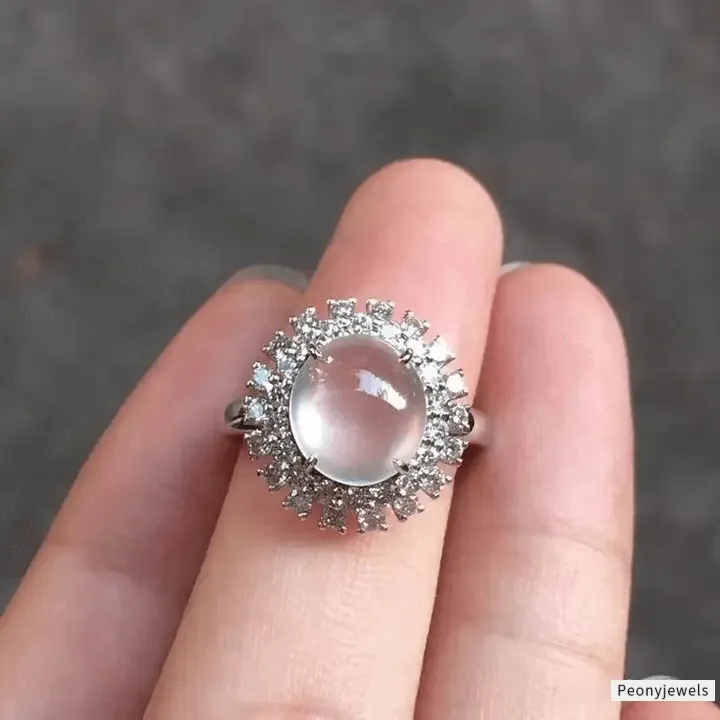
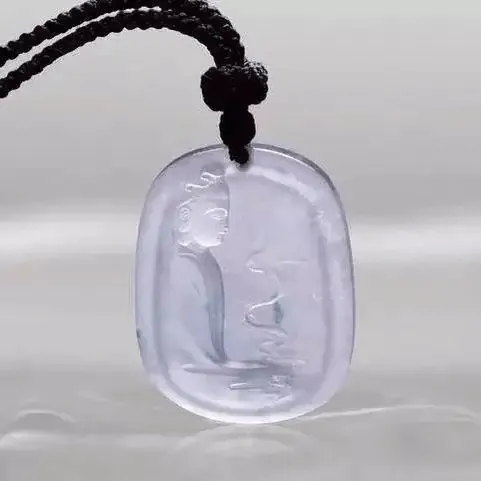
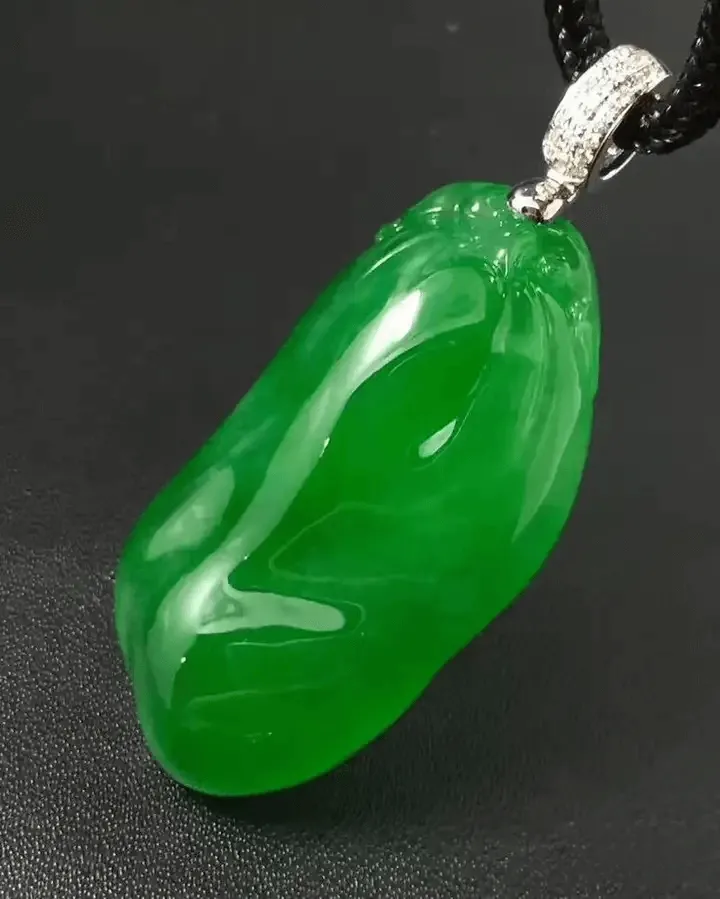
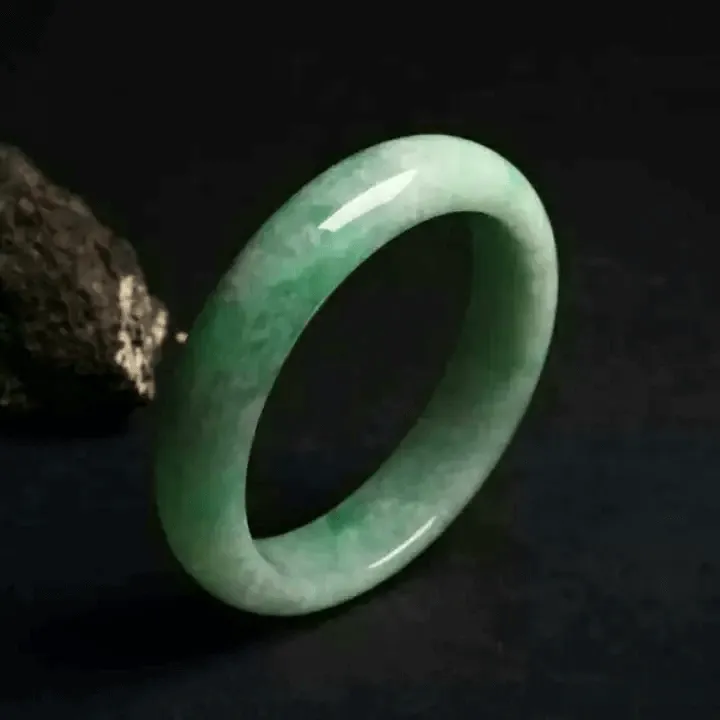
Understanding transparency levels is a key part of this Jadeite Buying Guide, as clarity directly affects value and desirability.
II. Understanding Jadeite Types and Structures
When it comes to assessing jadeite, beginners often start by evaluating its “water” (transparency), but for experts, the focus shifts to the “type” of jadeite. The term “type” has three main meanings:
1. Transparency Types
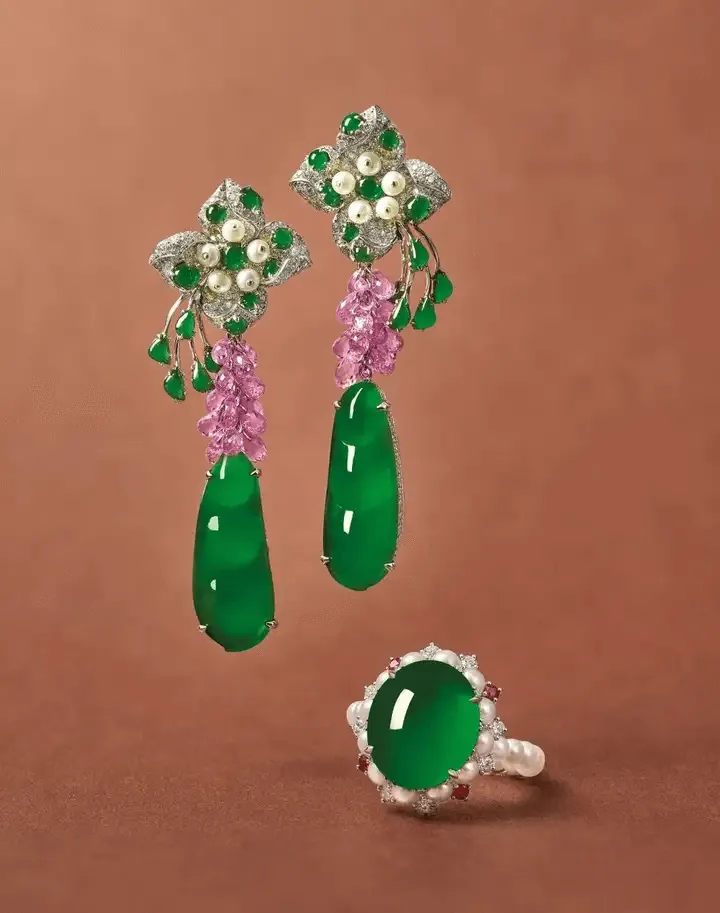
As mentioned earlier, transparency—or “water”—is a key factor in evaluating jadeite. Here, we focus only on distinguishing features relevant to the type classification:
- Glass Type and Ice Type jadeite are prized for their high clarity and light transmission, often reflecting a premium value.
- Mochi Type and Bean Type jadeite are more opaque, with visible or fine grains, affecting their texture and overall appearance.
These distinctions build on the earlier transparency categories, helping buyers link clarity to jadeite’s crystal structure and type.
2. Crystal Structure and Density
This aspect focuses on the grain size and density of jadeite crystals. In the industry,As the old saying goes among jade traders, “Amateurs focus on color, but experts look at type.” Fine, dense crystals signal superior texture. Coarser grains often mean lower quality. For instance:
- Old Pit Type – Jadeite sourced from ancient mining pits is typically finer in texture, with better transparency.
- New Pit Type – Jadeite from newer pits tends to be coarser and less transparent.
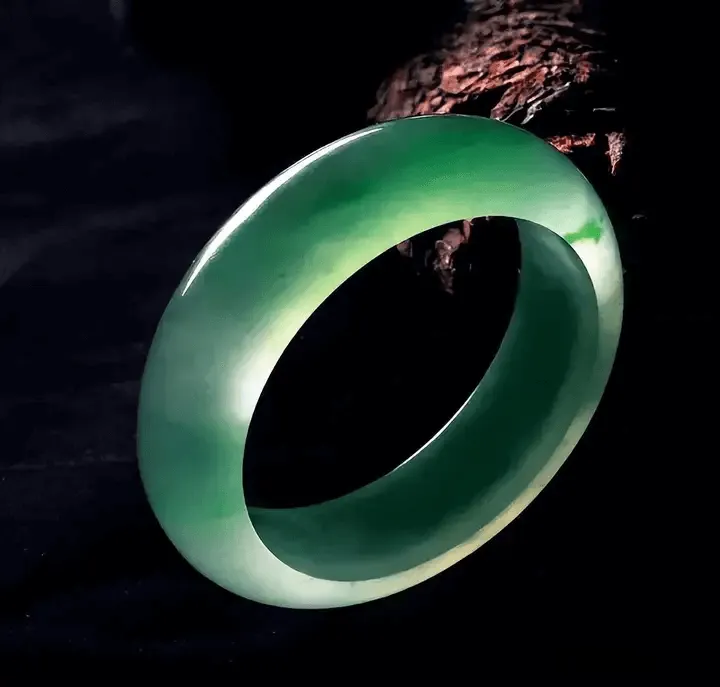
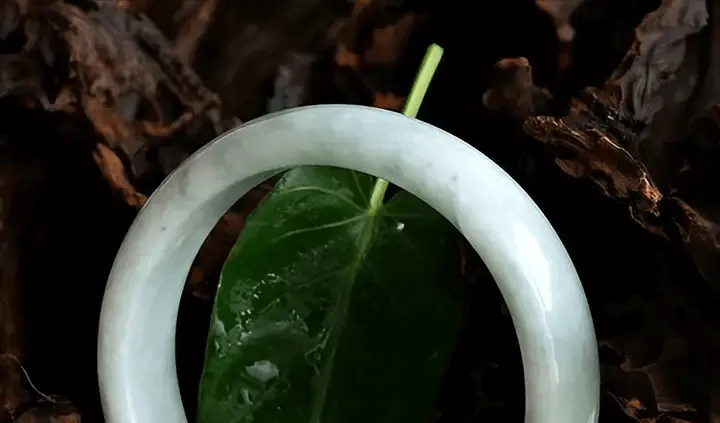
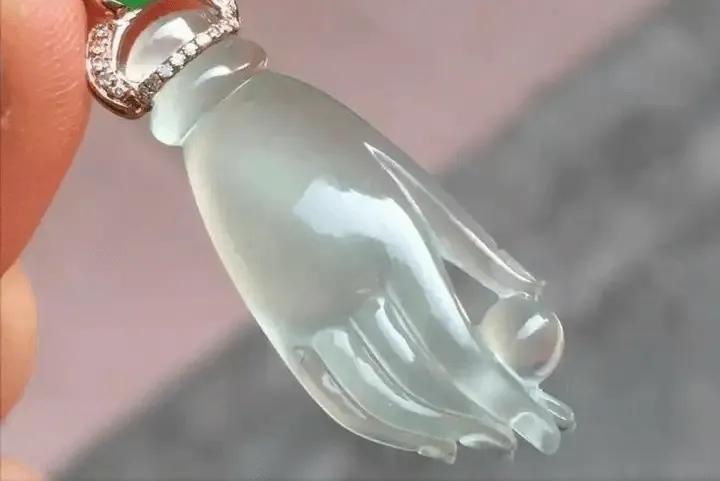
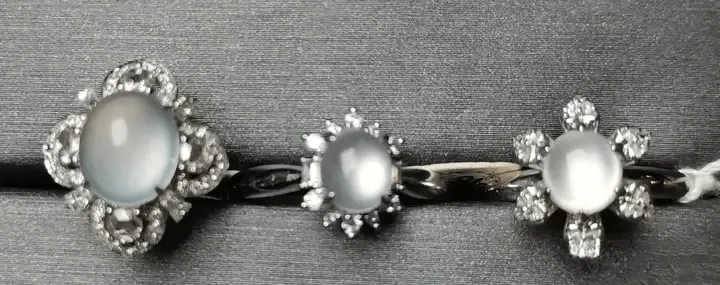
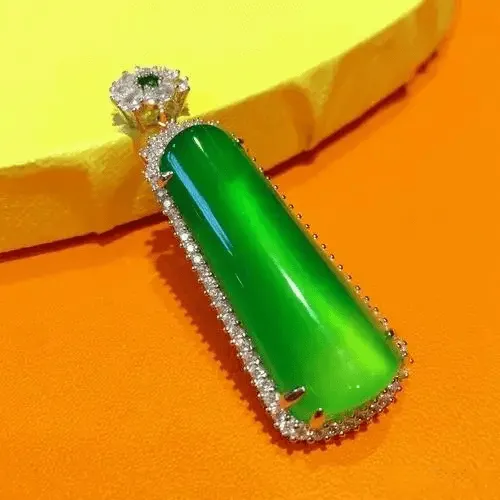
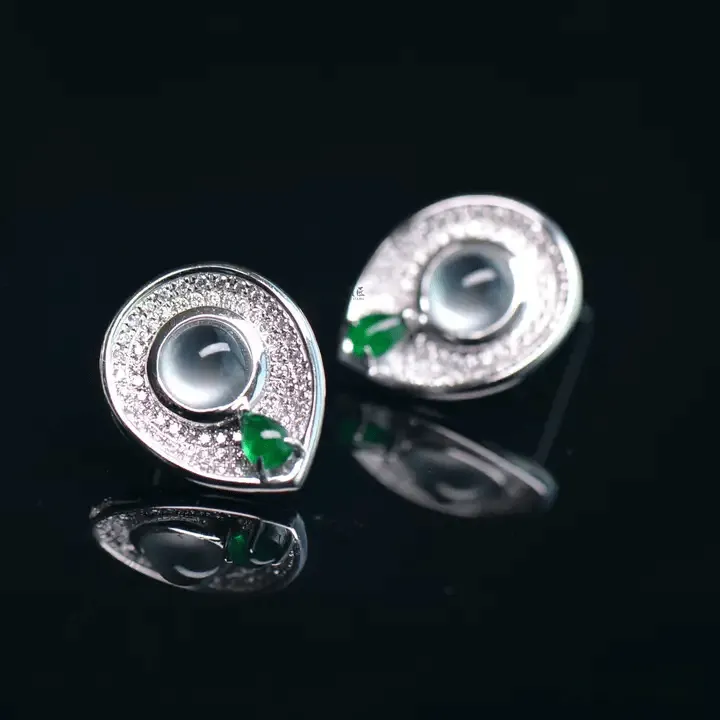
Jadeite with a finer structure often exhibits special optical effects:
- Gel-like Effect – This refers to jadeite that appears soft, smooth, and jelly-like, a visual phenomenon that occurs only in finely crystalline, transparent jadeite.
- Luster – Jadeite with excellent transparency often exhibits a shiny, glossy surface. A high-quality jadeite will show a white halo effect when polished, especially on curved surfaces (known as “luminescence”).
- Glare Effect – Similar to luster, the glare effect occurs when jadeite’s surface reflects light in a striking way, often seen on convex, polished pieces like egg-shaped jadeite.
- Double Eyelid Effect – This term refers to the reflection of light at the base of a convex piece, resembling the “double eyelid” look due to its sharp reflective edges.
3. Type and Color Combinations
The third aspect combines crystal structure with color characteristics, giving rise to special names for certain jadeites. Examples include:
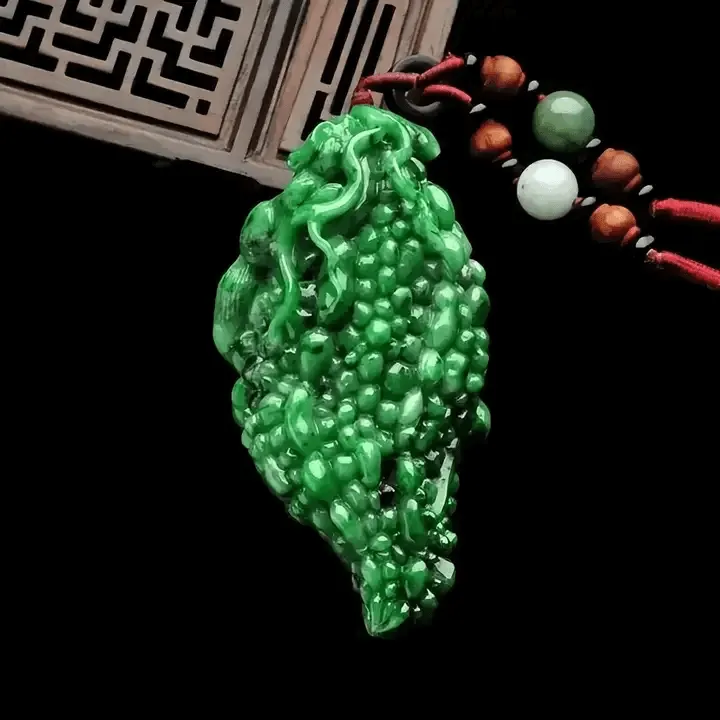
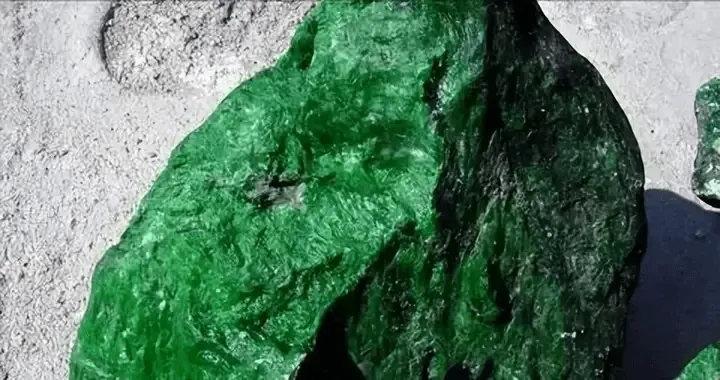
- Dry Green Type – This jadeite, rich in chromium, is a type of Sodium Chromium Jadeite. It has a higher specific gravity than regular jadeite and is known for its unique texture and color.
- Iron Dragon Type (Tie Long Sheng )– Found primarily in Myanmar’s Longken region, this type of jadeite is characterized by vibrant, solid green color. However, it tends to have a coarser structure and less desirable transparency due to its larger crystal grains and more porous structure.
As you’ll see throughout this Jadeite Buying Guide, texture reveals the stone’s inner world — and often its true worth.
III. Jadeite Buying Guide: Texture and Grain Explained
In jadeite evaluation, texture reveals the crystal structure and overall refinement of the stone. Two common trade terms used to describe texture are “Cui Xing” (flywing pattern) and “Gang Xing” (metallic rigidity).
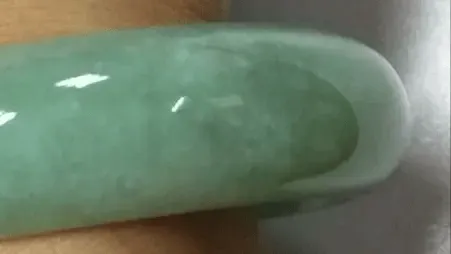
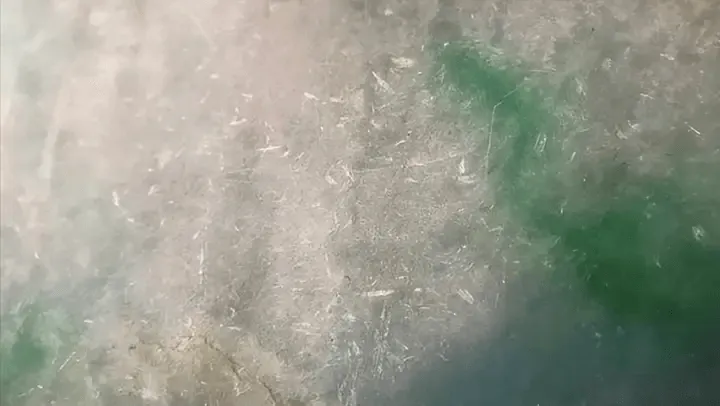
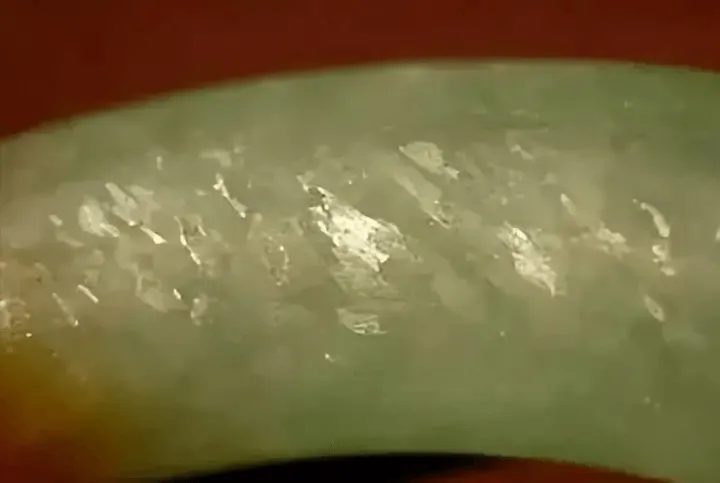
Cui Xing refers to the bright, reflective specks or flywing-like patterns that appear on the jadeite’s surface, especially near white granular areas known as “stone flowers” (shi hua) or “stone brains” (shi nao). These visible reflections indicate a coarse, granular-fibrous interwoven structure within the jadeite. The coarser the crystal grains, the stronger and more pronounced the Cui Xing appears, whereas finer-grained jadeite shows little or no visible flywing texture.
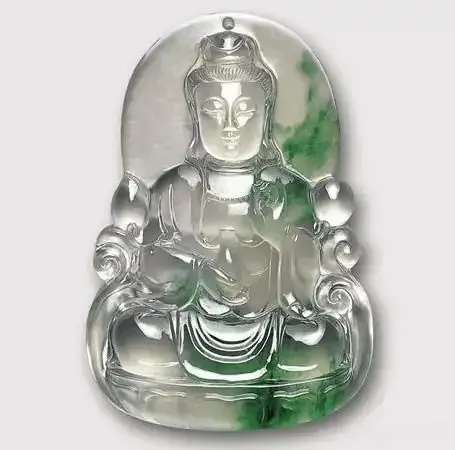
By contrast, Gang Xing describes the sharp, metallic sheen seen on the surface of fine-grained, compact, and high-hardness jadeite after polishing. This optical effect gives the jadeite a crisp, steel-like luster, symbolizing exceptional density and purity.
Together, these two terms—Cui Xing and Gang Xing—help professionals assess both the internal structure and surface brilliance of jadeite, providing valuable insight into its overall quality and craftsmanship potential.
IV. How to Identify Flaws and Natural Inclusions
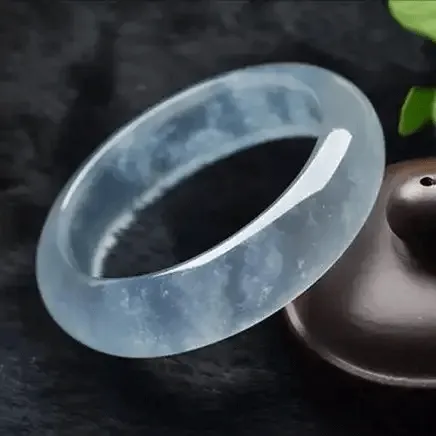
In jadeite terminology, professionals often describe internal features using specialized terms. One of the most important is Mian (cotton-like inclusion).
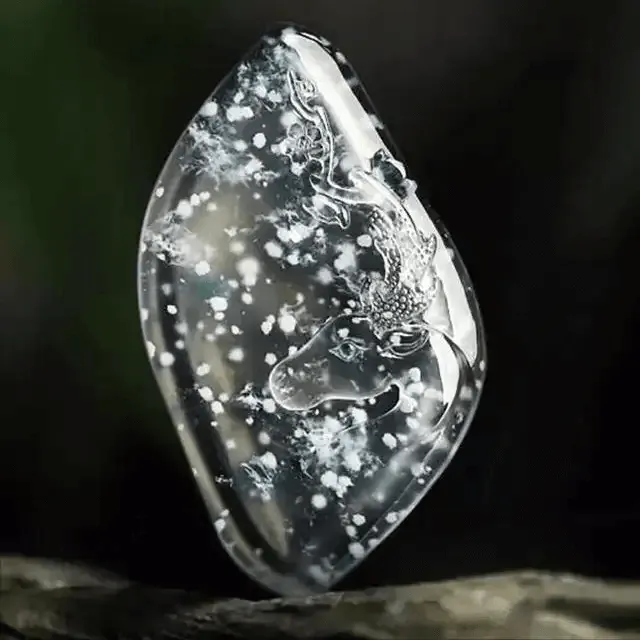
Mian appears as white, wispy, or cloud-like patterns inside the jadeite, resembling fine threads or clusters. These inclusions form naturally during crystal growth and are considered normal internal characteristics, rather than defects.
When evenly distributed and paired with good transparency—commonly referred to as “snowflake Mian” (xuehua mian)—these inclusions can enhance the visual appeal, creating depth and a delicate, atmospheric texture.
Experienced jadeite buyers do not automatically treat Mian as a flaw. Instead, they recognize it as a natural feature that can sometimes increase the aesthetic value of a jadeite piece.
This Jadeite Buying Guide helps you tell the difference between natural inclusions and flaws that affect value. To learn more about reading jadeite’s internal features, including “cotton” and other natural inclusions, check out the Peonyjewels blog article: Does High-Quality Jadeite Have No “Cotton”? Understanding the True Beauty of Natural Jade.
V. Jadeite Color Categories and Meanings – Jadeite Buying Guide
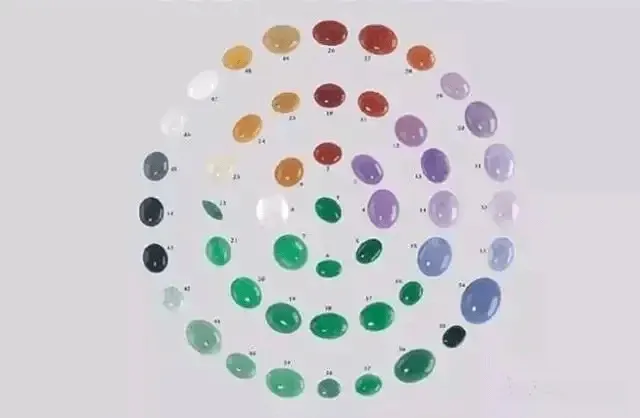
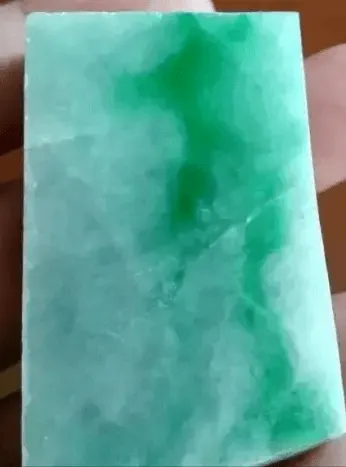
Jadeite displays a rich variety of colors. In jadeite terminology: purples, yellows, and reds are collectively called “Fei”, while green is called “Cui”. The main jadeite color categories include colorless, green, purple, yellow, and mixed colors.
For a deeper understanding of how jadeite colors form and what influences their quality, see the Peonyjewels blog article: Understanding Jadeite Color Foundation: What Is Huadi and How Does It Affect Jadeite Quality?
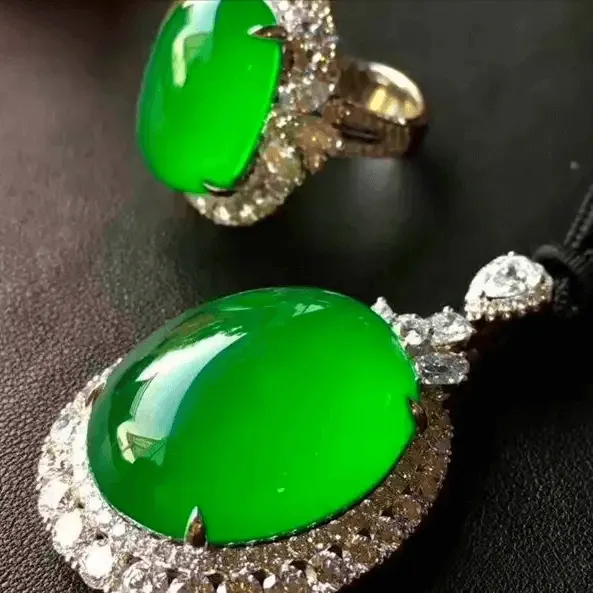
Experts evaluate jadeite color based on four key criteria to determine its quality and visual appeal:
- Rich – Deeply saturated, full-bodied color
- Vivid – Bright and lively, visually striking
- Pure – True, without tint or color bias
- Even – Uniformly distributed across the jadeite
Beyond these general qualities, jadeite also exhibits specific color characteristics and market terms:
- Off-Color – Refers to green jadeite that contains unwanted tones such as blue, black, or gray, resulting in a less pure green.
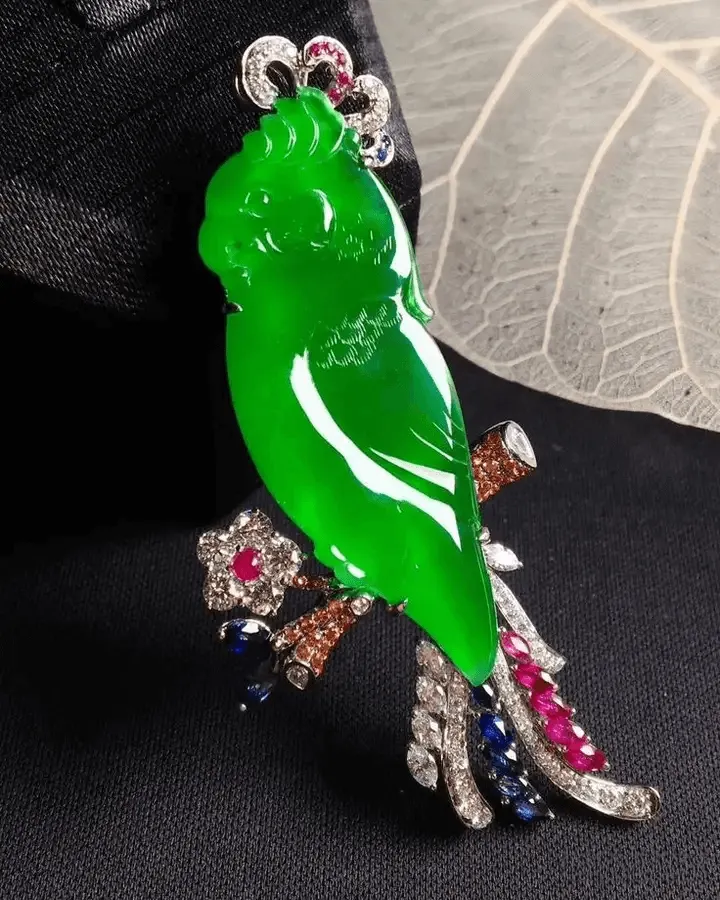
- Spicy Green – Describes jadeite with extremely high color saturation and strong visual impact. If a section of the jadeite shows particularly vivid green, it is often referred to as “spicy.”
- Color Source – The origin point from which the jadeite’s color develops. In a jadeite piece, the darkest or most intense area is considered the color source.
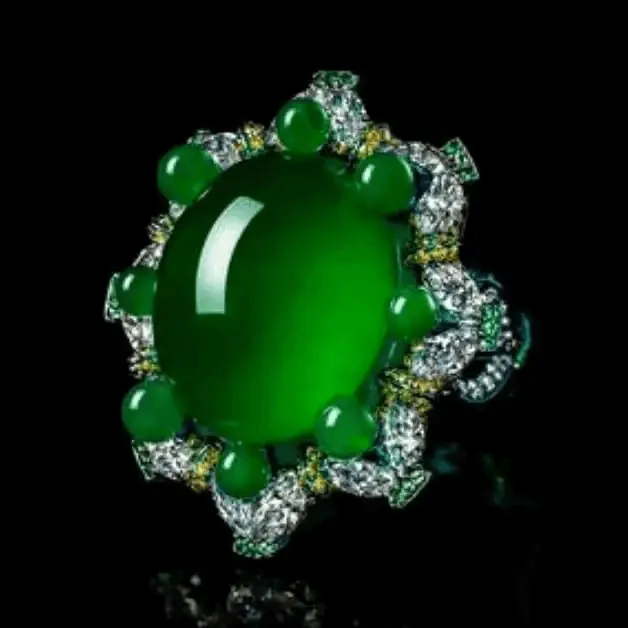
- Premium Green – Refers to jadeite exhibiting high-quality, vivid green color, considered highly desirable in the market.
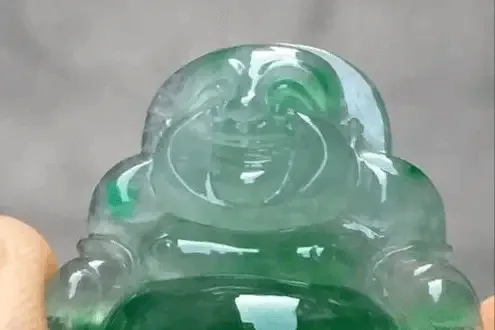
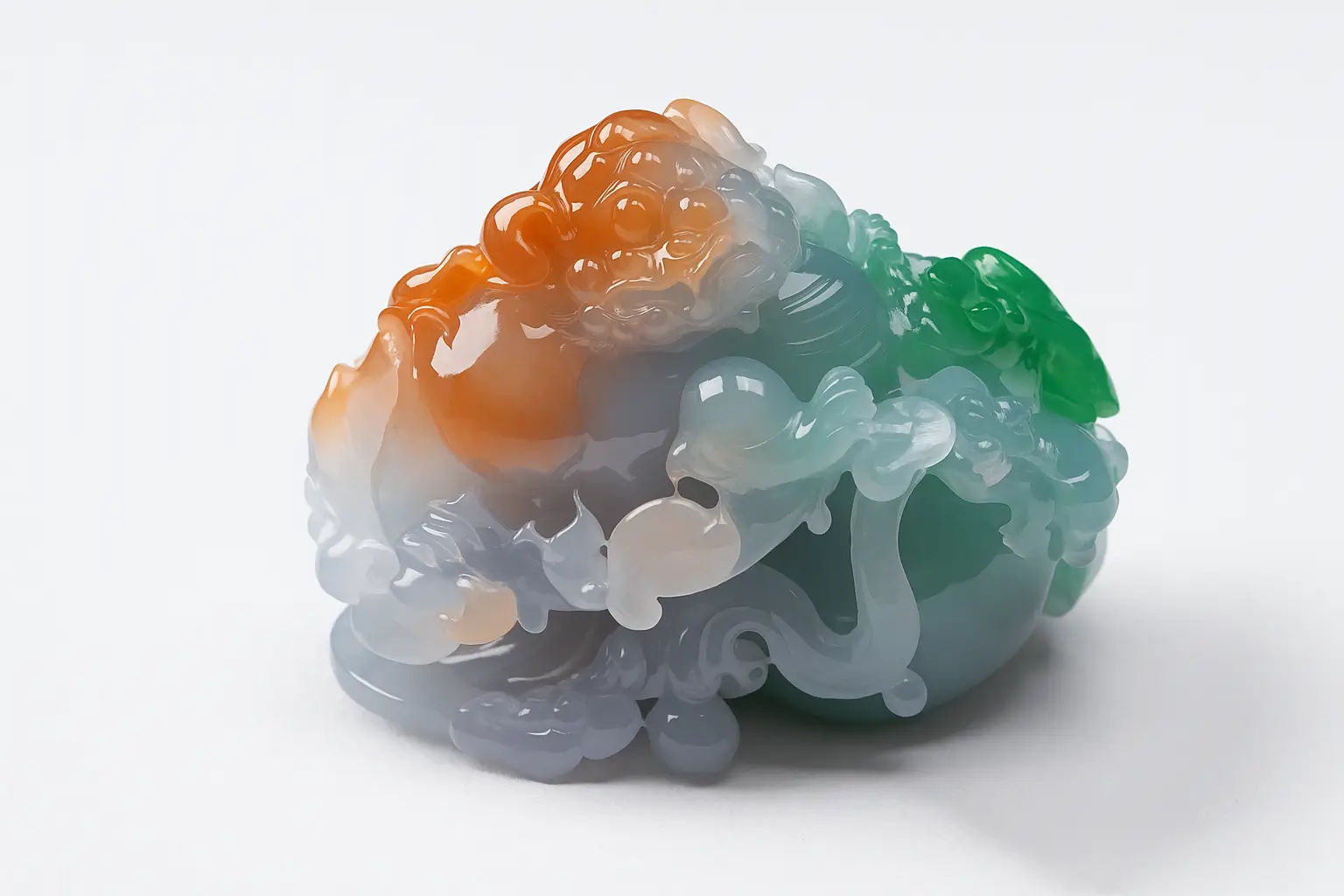
1. Three-Color Jadeite(San Cai)
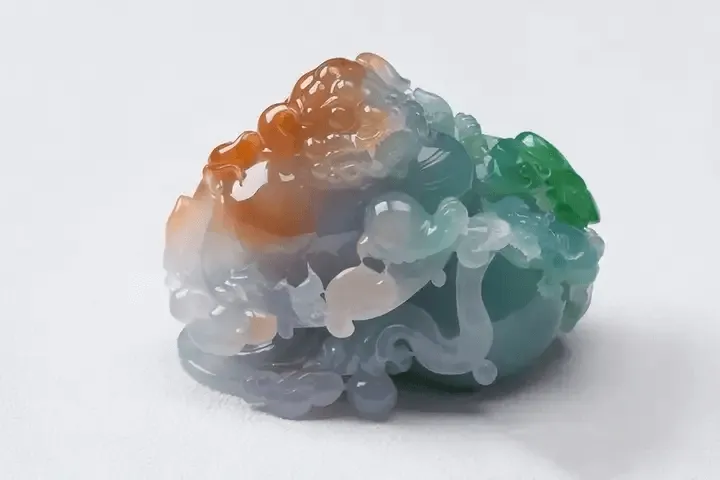
Three-color jadeite contains green, yellow, and purple. White is considered the base color and not counted as a primary hue. The most famous type of three-color jadeite is known as Fu Lu Shou, exhibiting red, green, and purple simultaneously.
2. Two-Color Jadeite(Shuang Cai)
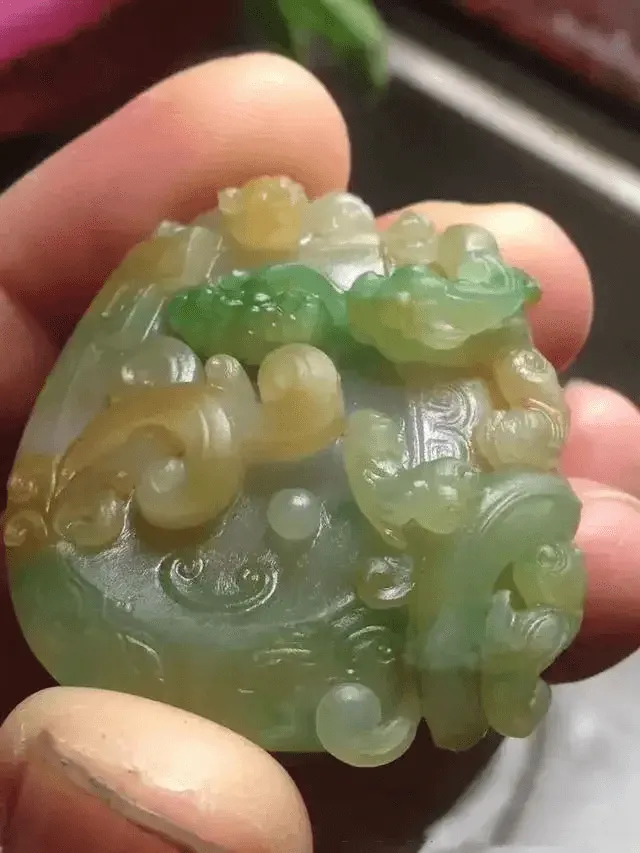
Two-color jadeite commonly combines purple and green, yellow and green, or purple and yellow (most often with a yellow surface). Within the trade, yellow with green undertones is often called “yellow-plus-green,” while jadeite displaying both purple and green simultaneously is referred to as “spring multicolor.”
Color evaluation remains one of the most fascinating aspects covered in this Jadeite Buying Guide. For a deeper dive into identifying natural jadeite by color, texture, and authenticity, see the Peonyjewels blog article: How to Identify Natural Jadeite: Color, Texture & Authenticity.
VI. Jadeite Buying Guide: Craftsmanship and Artistic Value
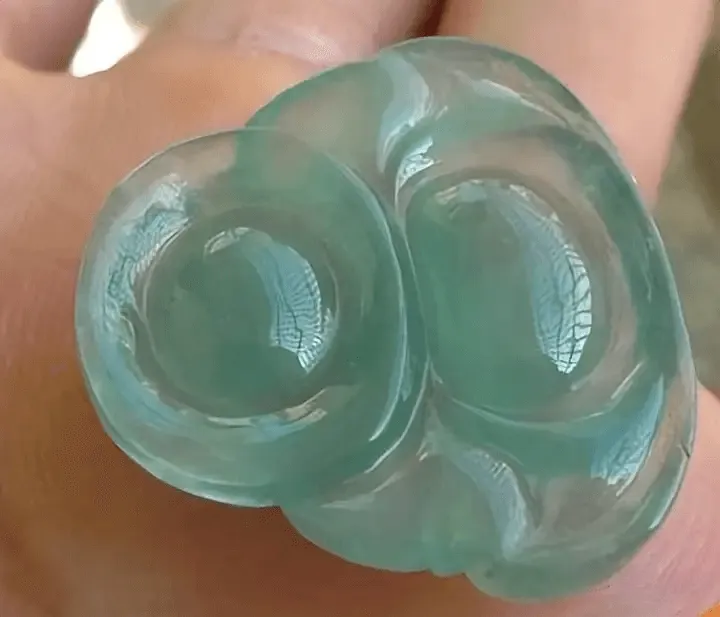
“One-Cut Finish” refers to a traditional jadeite carving technique, most commonly seen on the back of high-quality sculptures such as Buddha or Guanyin figures. The term describes a perfectly flat, smooth surface created by a single, decisive cut, rather than by gradual carving or polishing.
This technique is generally used only on fine-grained jadeite with excellent translucency and compact structure, as inferior material cannot achieve the clean reflective surface required. The presence of a one-cut finish often indicates that the jadeite has an “old texture” (fine-grained, mature crystal structure) and superior water content or luster.
Moreover, carvings featuring a one-cut back are usually thicker and more substantial in form, which enhances both their visual presence and durability. For this reason, jadeite pieces crafted with the one-cut technique are regarded as markers of refined material and skilled workmanship.
VII. Traditional Jadeite Carving Styles
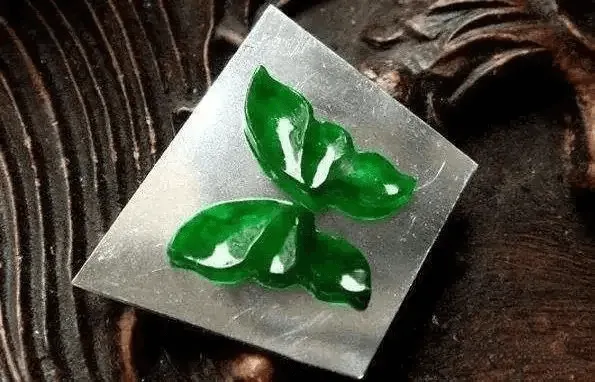
Jadeite craftsmanship involves various cutting and carving methods that influence its appearance, translucency, and value. Below are two traditional techniques often referenced in the jade trade.
1. Back Hollowing (Water Enhancement Carving)
This technique thins the back of a jadeite piece to improve its translucency and watery brilliance. By reducing the thickness on the reverse side, artisans allow more light to penetrate, making the jadeite appear clearer and more luminous from the front. Precision is key — over-thinning may weaken the structure and reduce durability.
2. Guangpian (Thin Green Slice Jadeite)
Guangpian refers to thin, flat jadeite slices with strong green color. Due to their delicate thickness, they are brittle and easily damaged. The term originated in southern China, especially Guangzhou, where this style became popular. The material used is often coarse-grained jadeite with low translucency and dark green tones.
When artisans cut varieties like Gan Qing (dry green jadeite) or Tie Long Sheng (iron-rich jadeite) into slices about 1 mm thick, the dark green color becomes more vivid and saturated, and the transparency visually improves.This optical effect results from enhanced light transmission through the thin jadeite layer.
VIII. Jadeite Product Stages: From Rough to Finished
In jadeite trading, several terms describe the different stages of a jadeite product’s finishing process. Understanding these distinctions helps buyers assess value, craftsmanship, and potential risks before purchase.
1. Mao Huo (Roughly Finished Jadeite)
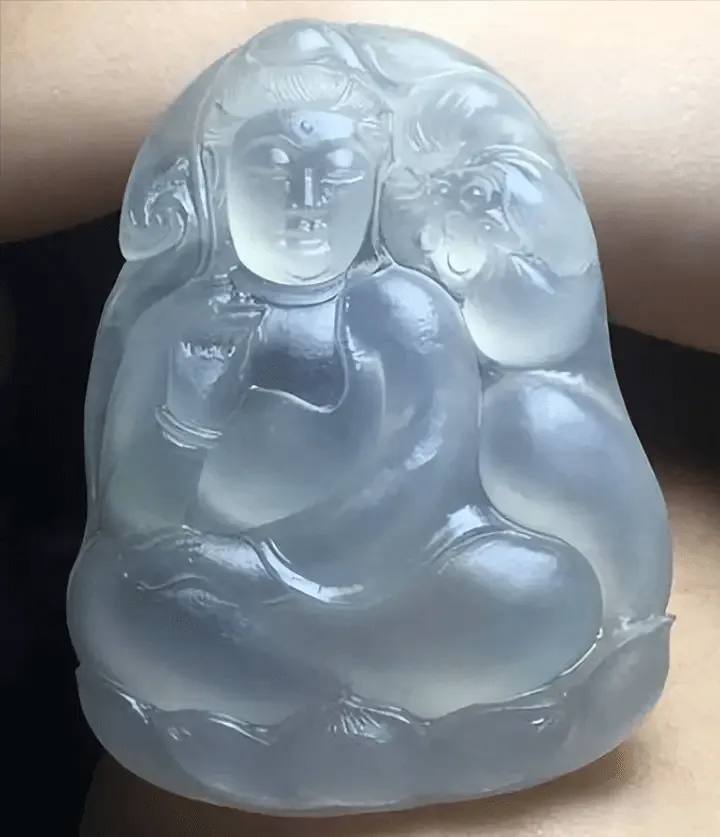
Mao Huo describes jadeite that has been carved into shape but has not yet received the final polishing. At this semi-finished stage, the surface appears dull, and fine cracks or internal inclusions may remain hidden. Because polishing often exposes these flaws, consumers should generally avoid purchasing Mao Huo unless they have expert knowledge or access to professional inspection.
2. Qi Huo (Polishing and Revealing Stage)
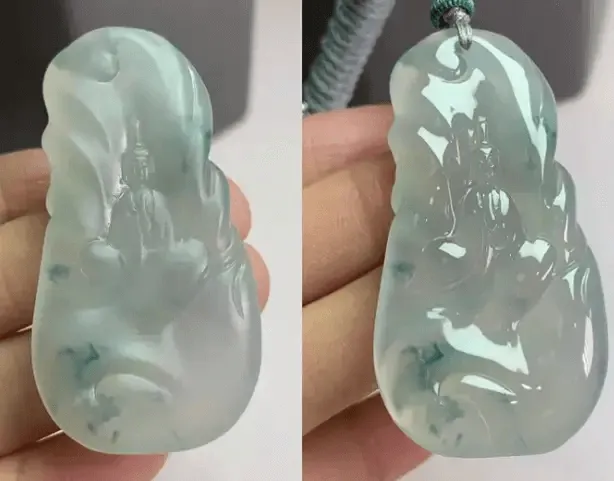
The term Qi Huo describes the polishing process that transforms a Mao Huo into its finished form. Once polished, the jadeite’s color, translucency, and texture become clearer and more vivid. This stage effectively reveals the stone’s true qualities—its brilliance, transparency, and any imperfections—allowing an accurate assessment of overall value.
3. Jing Huo (Finished Jadeite Product)
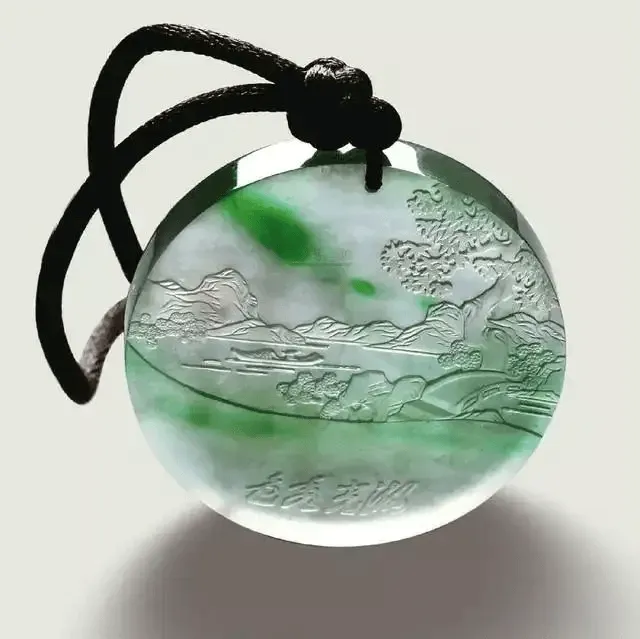
Jing Huo refers to a fully polished jadeite piece that is ready for direct sale or wear. These finished products display a refined surface luster, stable structure, and confirmed quality.Since they require no further processing, collectors and retail buyers typically favor Jing Huo pieces and value them at higher prices.
IX. Understanding Jadeite Rough Stone Categories
In the jadeite trade, rough stones are classified based on how much of their internal quality is visible. This classification helps buyers assess risk and make informed decisions:
1. Uncut Rough (High-Risk / “Blind Stone”)
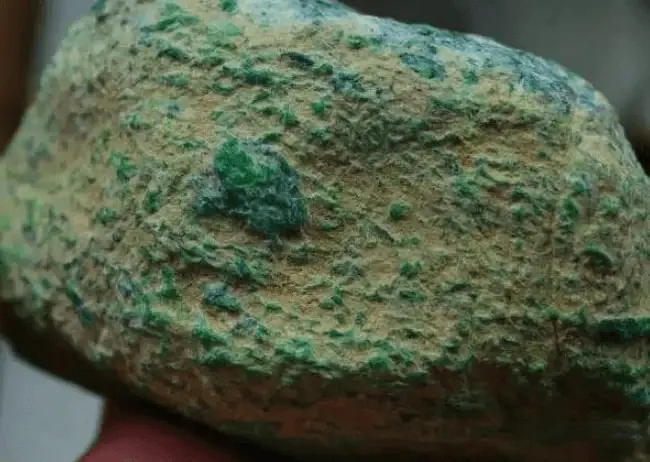
These are completely uncut jadeite boulders. Their internal material is entirely unknown, making it impossible to evaluate quality from the outside. Purchasing uncut rough requires experience and carries significant risk, as the internal jade may or may not be valuable.
2. Fully Revealed Stone (“Transparent Stone”)
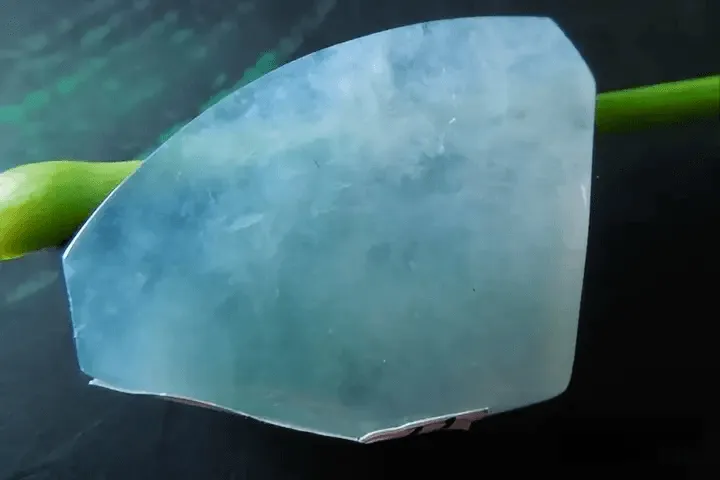
These stones have been cut and polished, making both the internal quality and color clearly visible. Buyers can accurately judge the jadeite’s quality, and transactions involve minimal uncertainty.
3. Partially Revealed Stone (Half-Revealed / Half-Blind)
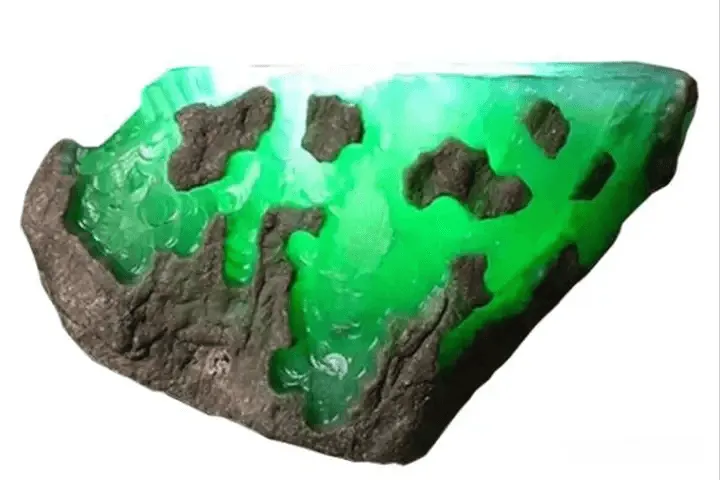
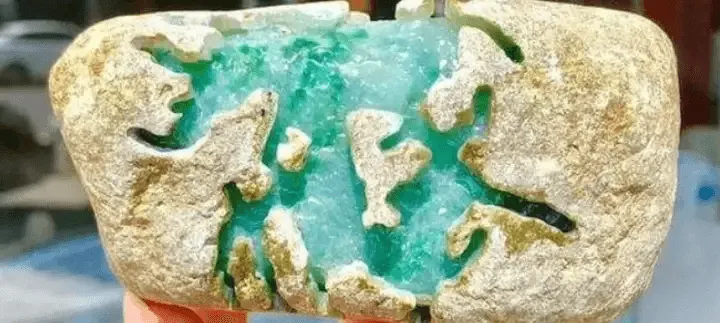
After partial cutting, some of the internal structure, color, and transparency are visible, while other areas remain hidden under the surface. This type allows a moderate assessment of quality but still carries some risk.
4. Observation Window (“Opening a Window”)
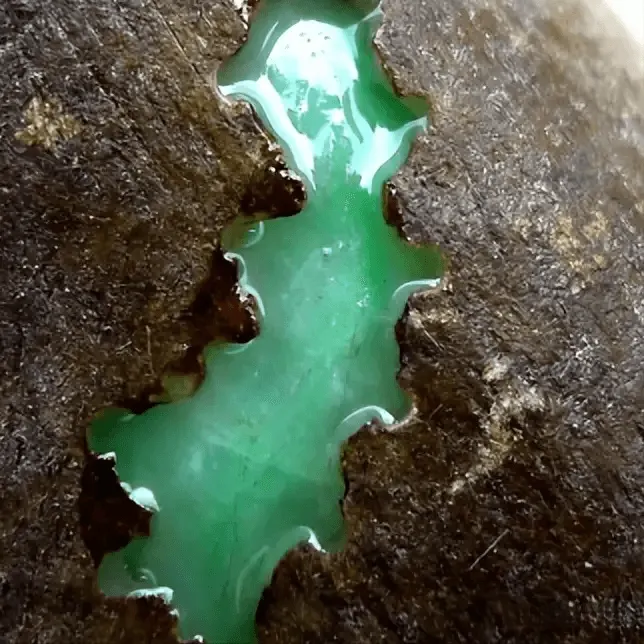
Traders sometimes create a small opening or thin slice on a rough jadeite stone to expose its interior. This “window” provides a peek at the material inside, helping buyers evaluate potential value before committing to purchase.
By understanding these categories, collectors and buyers can better gauge risk and make smarter decisions when purchasing jadeite rough stones.
X. How Traders Read Jadeite Rough Skin
In jadeite trading, the outer surface of a rough stone, known as the skin, provides critical clues about the stone’s internal quality. Most jadeite boulders naturally develop a weathered crust during long geological exposure or river transport. Experienced jade traders often rely on the skin texture, color, and luster to infer the internal crystal structure, water content, and color distribution of the jadeite within.
1. Weathered Skin
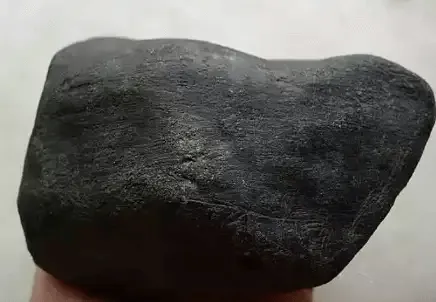
The term weathered skin refers to the natural outer layer formed on jadeite rough due to oxidation and surface alteration during geological processes. It is one of the most distinctive features of jadeite rough and plays a key role in evaluating potential quality before cutting.
2. Sandy Skin Stone
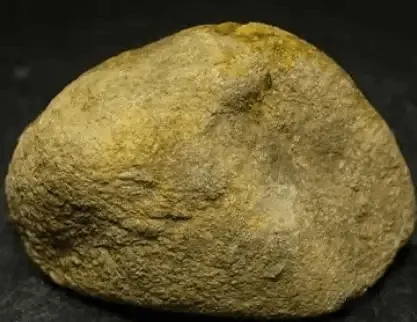
A sandy-skin jadeite (also called granular skin) exhibits a coarse, sandpaper-like texture that feels gritty to the touch. Depending on the surface tone, traders classify it into several subtypes: white sandy skin, yellow sandy skin, iron sandy skin, and black sandy skin (heiwu sha pi). These variations indicate different levels of iron oxidation and mineral impurities, often suggesting lower translucency but strong color concentration inside.
3. Water-Skin Stone
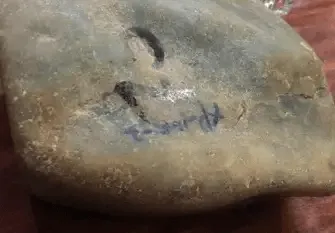
A water-skin jadeite has been naturally polished by river movement, resulting in a smooth, fine-grained outer surface with little to no sandy texture. The touch is silky and delicate. Because water-skin stones form under long-term water erosion, they often exhibit better translucency and fine-grained structure, making them more desirable among rough traders.
4.Pine Blossom (Songhua)
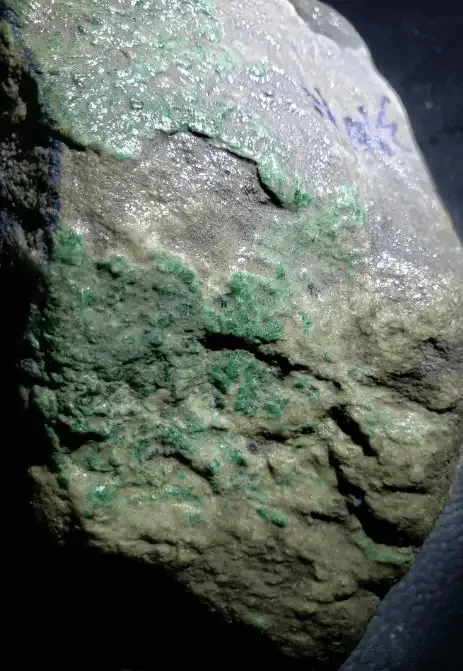
Pine blossom refers to greenish patches or streaks that appear on the surface of a jadeite boulder’s skin. These surface color indications reflect the presence of green mineral zones within or near the outer layer. By analyzing the density, tone, and distribution of these pine blossom markings, experienced jade traders can roughly estimate the internal color distribution and potential quality of the stone before cutting.
XI. Veins, Mist, and Spots: Decoding Jadeite Rough
When evaluating jadeite rough stones, experts often rely on surface indicators such as veins, spots, and mist layers to predict the inner color, texture, and quality. These features—commonly referred to as Mang (veins), Xuan (mold spots), and Wu (mist)—are crucial in jadeite appraisal and cutting decisions.
1. Mang (Veins)
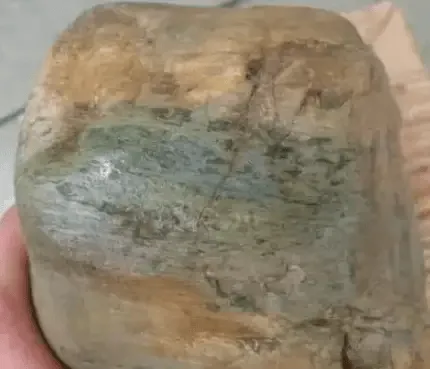
In jadeite terminology, Mang refers to the green streaks or vein-like patterns visible through the weathered crust of a rough stone. These green bands reflect the orientation and distribution of chromium-bearing minerals within the jadeite. The direction, color saturation, and continuity of Mang veins provide valuable clues about how the internal color zones may extend once the stone is cut. For this reason, jade traders often say that “Mang shows the direction of green.”
2. Xian (Mold Spots)
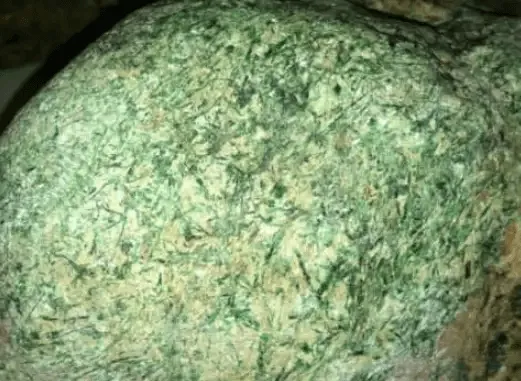
Xian describes irregular black, dark green, or grayish patches appearing on the surface of jadeite rough. These spots are not flaws but natural mineral traces—rich in chromium and iron—that strongly correlate with the development of green color within the stone. In the trade, experts summarize this relationship as “Xian chi green” or “green follows black,” indicating that dark Xian spots often signal the presence of green color nearby or beneath the surface.
3. Wu (Mist Layer)
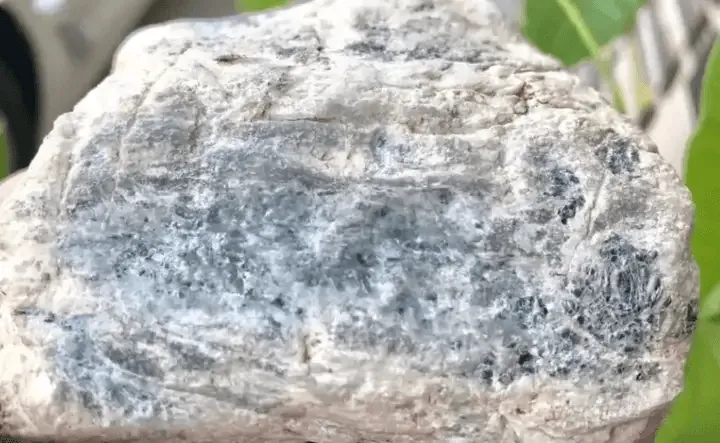
The term Wu, or mist, refers to a semi-opaque transitional layer that forms between the weathered crust and the jadeite core. This misty zone is a result of the mineral’s metamorphic alteration. Depending on the oxidation state and mineral composition, the mist can appear white, yellow, black, or red.
A thin mist layer often indicates fine-grained texture and possible green development, while a thick mist may suggest coarser structure or weaker translucency. Traders also observe that the presence and color of Wu often serve as early indicators of jadeite’s inner hue—white or yellow mist commonly appears in high-quality jade, whereas black or red mist may suggest uneven coloration.
These natural features—Mang, Xuan, and Wu—together form the visual language that skilled jadeite traders read before cutting. Understanding their interplay helps determine not only the potential value of a jadeite boulder but also the optimal cutting strategy to reveal its finest green.
XII. Type A, B, and C Jadeite Explained
In the jadeite industry, traders classify gemstones based on their authenticity and treatment methods. These classifications—Type A, Type B, Type C, and Type B+C—are internationally recognized standards used to distinguish between natural and treated jadeite. Understanding these terms is essential for evaluating quality, integrity, and long-term value.
1. Type A Jadeite
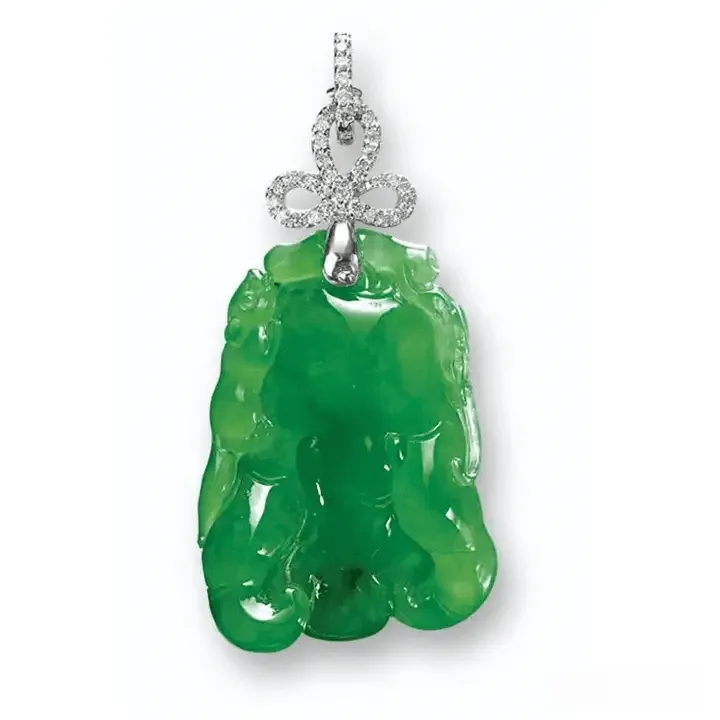
Type A refers to natural, untreated jadeite that has not undergone any chemical alteration. However, craftsmen may enhance jadeite through physical methods such as traditional polishing, waxing, or gentle heating to improve its luster and overall appearance. These standard trade practices do not alter the jadeite’s mineral composition and are widely accepted within the industry.Type A jadeite retains its natural crystalline structure, durability, and long-term stability—making it the most valued and collectible category in the market.
2. Type B, Type C, and Type B+C Jadeite
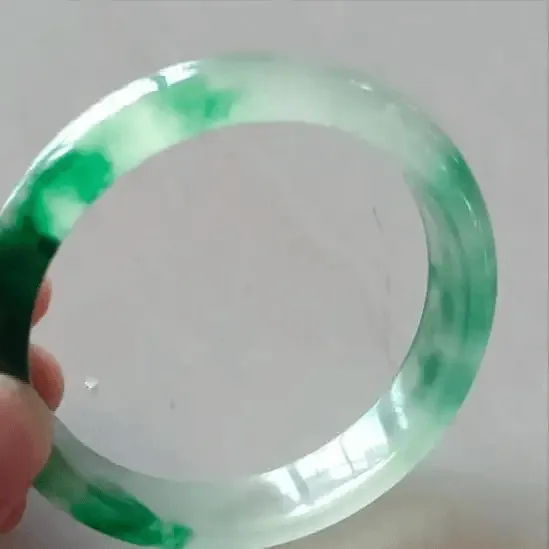
In contrast, Type B, Type C, and Type B+C jadeite refer to materials that have been chemically treated to improve appearance, typically to enhance translucency or color.
- Type B Jadeite: Natural jadeite that has undergone acid treatment to remove impurities or stains within fractures, followed by polymer impregnation to restore transparency. This process weakens the internal structure and reduces durability, which makes Type B stones less stable over time.
- Type C Jadeite: Jadeite that has been dyed or artificially colored to enhance or modify its hue. The color may fade or change with light exposure, making it easily distinguishable under gemological testing.
- Type B+C Jadeite: Jadeite subjected to both acid treatment and dyeing, combining the characteristics of Type B and Type C. It may appear visually striking but lacks the structural integrity and authenticity of untreated jadeite.
In summary, Type A jadeite remains the benchmark for natural authenticity, while Type B, C, and B+C are classified as treated or enhanced jadeite. Buyers should rely on professional gemological reports (such as from GIA or NGTC) to verify authenticity before purchasing, as the treatments are often invisible to the naked eye.
XIII. How Jadeite Prices Are Quoted in Trade Markets
In jadeite trading centers, dealers often use a specialized pricing jargon to communicate approximate value ranges without revealing exact numbers. Phrases like “Da X,” “Zhong X,” and “Xiao X” indicate general price tiers. Here, the prefix (Da = large, Zhong = medium, Xiao = small) defines the scale of the price, while the number specifies the order of magnitude. Understanding these terms helps buyers grasp price expectations quickly and participate confidently in negotiations.
1. “Da X,” “Zhong X,” and “Xiao X”
When a dealer quotes something like “Zhong San,” “Da Si,” or “Xiao Wu,” they are giving a broad price range rather than an exact figure.
- The prefix (Da, Zhong, Xiao) shows whether the price sits in the upper, middle, or lower part of the tier.
- The second number indicates the order of magnitude of the price.
For example:
- “Zhong San” corresponds to a mid-range price in the hundreds.
- “Da Si” corresponds to a higher-range price in the thousands.
- “Xiao Wu” corresponds to a lower-range price in the ten-thousands.
The prefixes are generally divided as follows:
- Xiao (Small) = 1–3
- Zhong (Medium) = 4–6
- Da (Large) = 7–9
This system provides a quick reference for price brackets, allowing flexibility for negotiation while keeping the conversation discrete.
2. “Xiao X, X Kai” — Fine-Tuned Pricing
For more precise pricing, dealers use an extension like “Zhong Wu, Si Kai” or “Xiao Liu, Yi Kai.”
- The first part works like the general tier system above.
- The second part (X Kai) identifies the first digit of the actual price, narrowing the range further.
For instance:
- “Zhong Wu, Si Kai” indicates a price around 40,000.
- “Xiao Liu, Yi Kai” indicates a price around 100,000.
This nuanced pricing language reflects the traditional jadeite trading culture, which emphasizes both price transparency and discretion, giving experienced buyers clear guidance while maintaining negotiation flexibility.
XIV. Jadeite Origins: Old Pits vs. New Pits
In the jadeite industry, professionals use specific terminology to describe the origin of jadeite rough stones, which often indicates quality, texture, and potential value.
1. Mining Pit (Changkǒu)
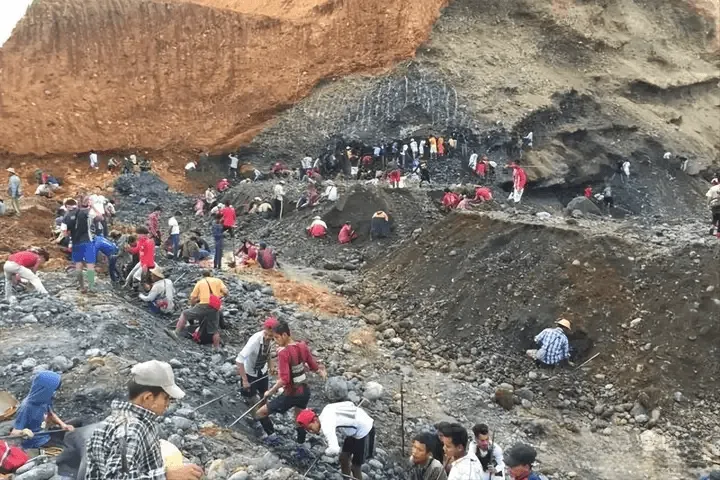
A mining pit refers to the specific excavation site where jadeite blocks are extracted. Each pit may produce stones with distinct characteristics depending on depth, geology, and age.
2. Mining Area (Chǎngqū)
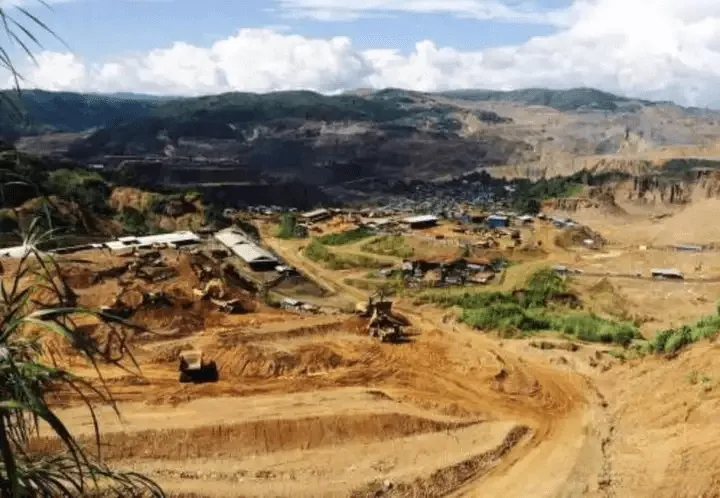
A mining area—also called a cluster—is a natural region where multiple pits are located close together. Stones from the same area often share similar mineral composition and jadeite quality.
Old Pit Stone (Lǎo Chǎng Shí)
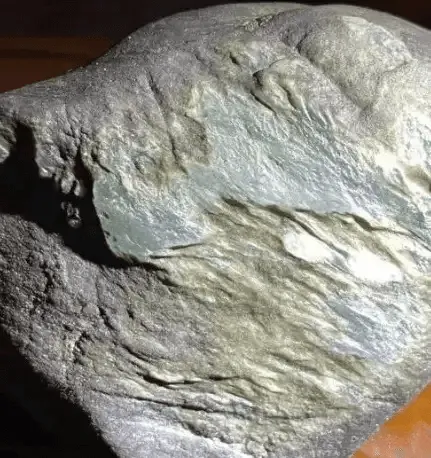
Old pit stones come from historically exploited pits or mining areas. These stones are often considered superior because older pits tend to yield jadeite with finer texture, better translucency, and more stable color.
3. New Pit Stone (Xīn Chǎng Shí)
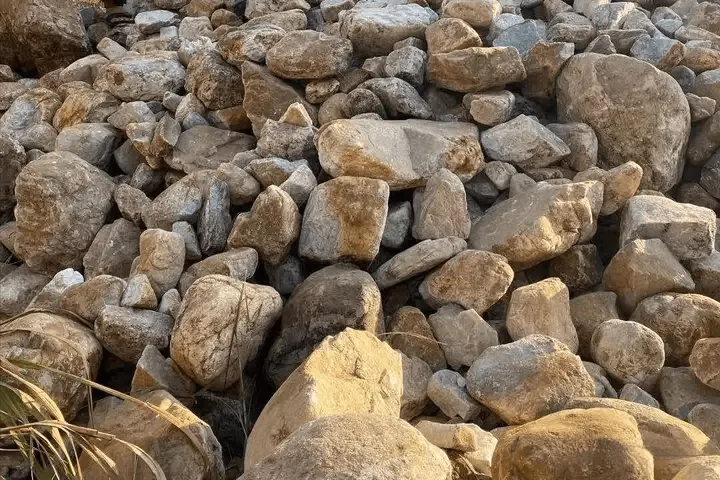
New pit stones come from recently opened pits or areas. They usually appear as unweathered, skinless rough blocks, and their quality varies more compared to old pit stones.
This terminology helps traders and collectors assess the origin and potential quality of jadeite at a glance, forming an essential part of jadeite buying expertise.
Practical Jadeite Buying Tips – Jadeite Buying Guide
In this section of the Jadeite Buying Guide, we share essential tips for choosing jadeite wisely. Remember that jadeite is a natural luxury — understanding trade terms and grades is helpful, but careful observation, patience, and experience matter most. Follow these buying tips to make confident and informed decisions.
- Avoid overly carved pieces. Remember: flawless bangles don’t need heavy carving. Intricate carving often masks imperfections.
- Be cautious with lavender jadeite. Its appearance can change under different UV light conditions depending on latitude, making consistency unpredictable.
- Don’t rely on amateur online “expertise” for grading or bargaining. Strong lights only reveal inclusions on thick pieces or carved areas. For simple bangles, pendants, or plaques, shining a light doesn’t tell you more about transparency—don’t pretend to be professional.
- Buy for joy, not bargains. Live-stream sales often feature influencers or resellers who switch products daily. Don’t trust flashy presentations blindly—check reliability and consistency.
- Take your time, like choosing a partner. Even with transparent markets, true value in jade depends on the seller’s credibility, selection standards, and honesty. Build trust slowly, and only buy from someone you find trustworthy.
- Prefer specialized stores over mall counters. Dedicated stores rely on repeat clients and have more accountability. Verify licenses, business age (ideally 5+ years), and dispute history to avoid issues.
- Set realistic expectations for budget pieces. Extremely high-grade jadeite at low prices is usually a red flag. Focus on quality within your range instead of chasing “perfect” glassy or icy stones.
- For higher-end purchases, prioritize value and long-term potential. For smaller budgets, focus on beauty and personal enjoyment rather than investment.
- Remember: jade is a natural luxury. Approach purchases carefully. Learn before buying, and avoid paying unnecessary “novice taxes.”
Discover More with Peonyjewels
In conclusion, understanding jadeite terminology and buying practices empowers you to make confident, informed choices. At Peonyjewels, we not only provide expert guidance but also offer bespoke jadeite jewelry services, bringing a touch of timeless elegance to your collection.
You can also explore Peonyjewels’ handmade vintage earrings, each piece carefully designed to reflect artistry and individuality.