Understanding Jadeite Color Foundation: What Is Huadi and How Does It Affect Jadeite Quality?
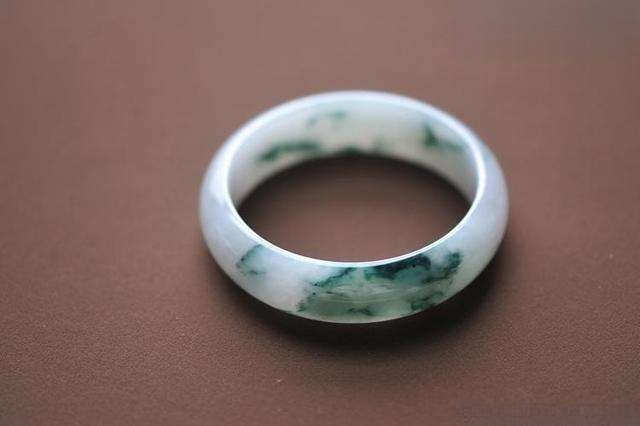
When buying jadeite, professional terms like “Huadi” (花地)—literally translated as “Color Foundation” or “Color Base”—often pop up, such as “Ice Huadi” or “Grain Huadi.” But what exactly does this crucial term mean?
Don’t worry! We’ll break it down using a simple ink experiment that will help you gain a clear, expert-level understanding.
First, let’s clarify that jadeite’s color comes from the infusion of coloring metal ions. If we compare jadeite to a glass of water, then these coloring ions are like ink droplets falling into the water. Let’s walk through this geological process, step by step.
💧 The Four Stages of Jadeite Color Foundation
Stage One: Infusion – The First Step in Jadeite Color Foundation
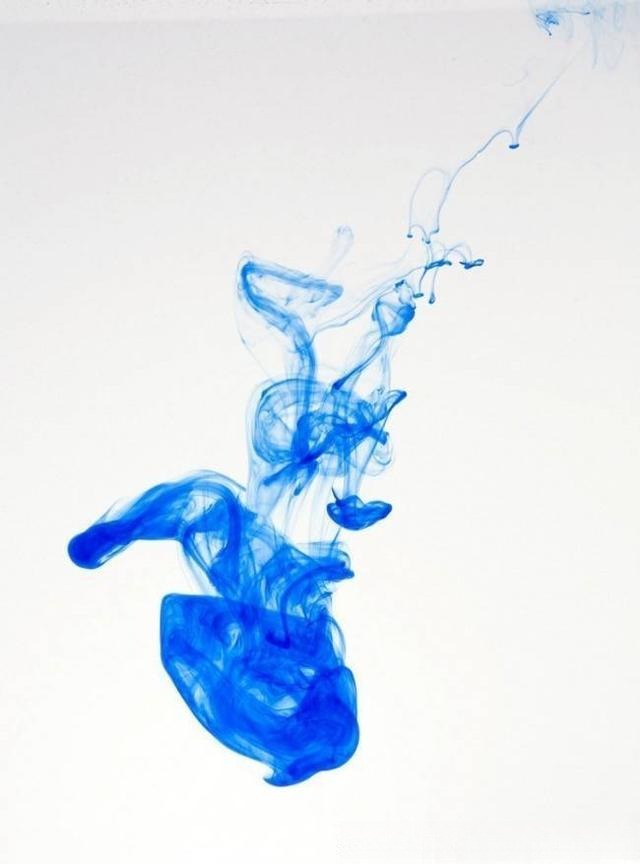
At the very beginning, when ink first enters water, it appears as individual, distinct drops. Similarly, in the early stages of jadeite’s formation—when the raw material was still in a liquid-to-gel-like state—the coloring metal ions entered the stone in a dispersed and layered manner. This is the Infusion stage, where the foundation of jadeite’s color begins to take shape.
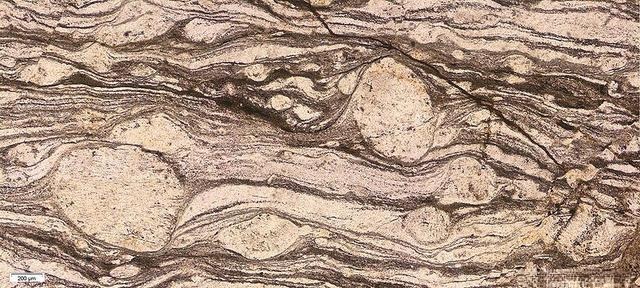
In jadeite, these coloring ions settle in layers, not yet fully integrated into the stone. This stage marks the start of the jadeite’s color evolution, and the process continues to develop over time.
Stage Two: Flowering – How Jadeite Color Foundation Spreads
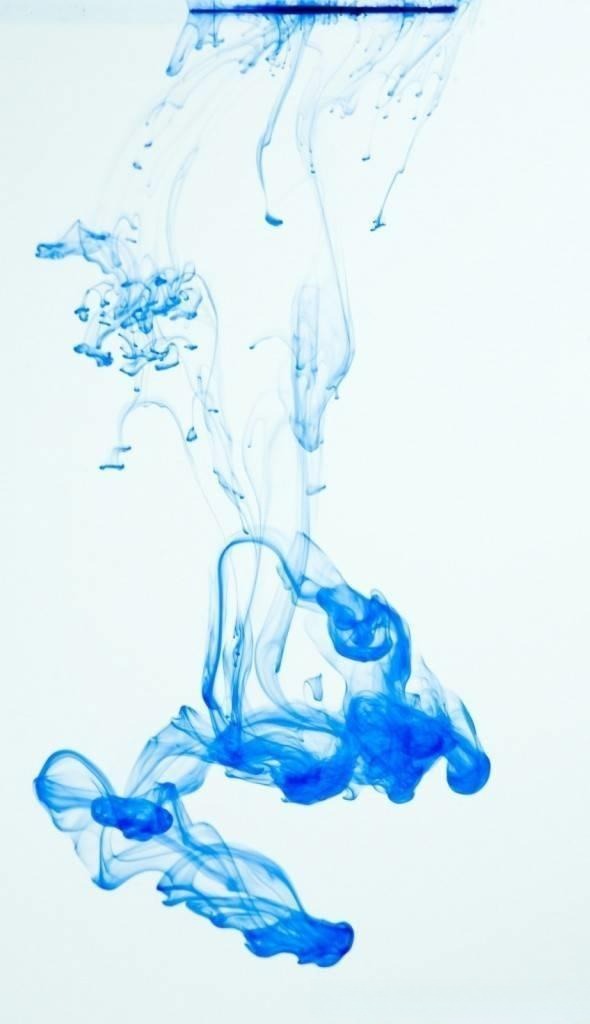
As time progresses, the ink spreads throughout the water, creating a “flowering” effect. In jadeite, this represents the dynamic movement of coloring ions as they disperse further throughout the stone, creating the distinct “flowering” patterns often seen in jadeite.
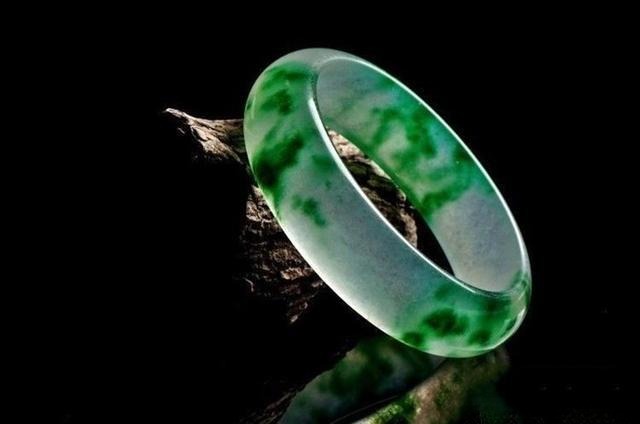
While water in a bottle isn’t subjected to external pressure, the formation of jadeite occurs under intense geological pressure. This causes the metal ions to disperse in a more controlled, linear fashion, often resulting in directional patterns. The more mature the jadeite “seed,” the more orderly and consistent these patterns become.
Stage Three: Fading Color – The Evolution of Jadeite’s Color Foundation
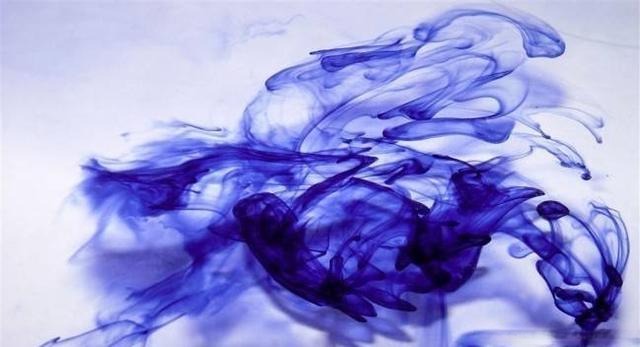
As the ink continues to dissolve in the water, only faint traces—like “color roots”—remain. The water itself takes on a new, more uniform color. This stage in jadeite’s development signifies the long-term evolution of its color. The better the jadeite’s “seed” (its base quality and texture), the more vibrant and dynamic the “flowering” effect will be.
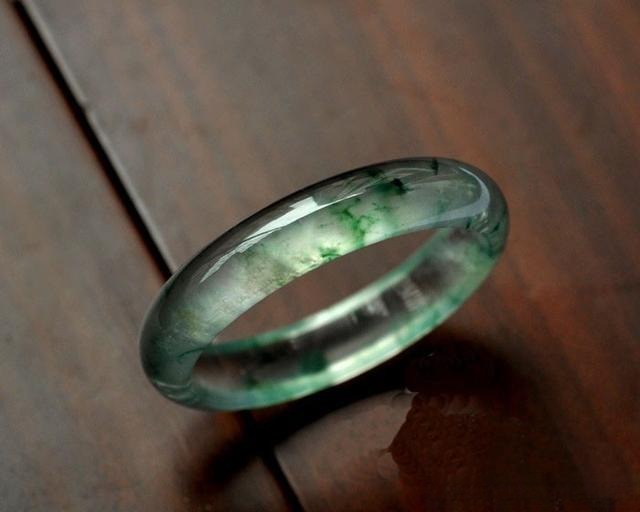
In jadeite, the fading of color often signifies the high quality of the stone. A well-developed color foundation means that the stone will retain its vividness and beauty for generations.
Stage Four: Huadi (Color Foundation) – Achieving the Perfect Jadeite Color
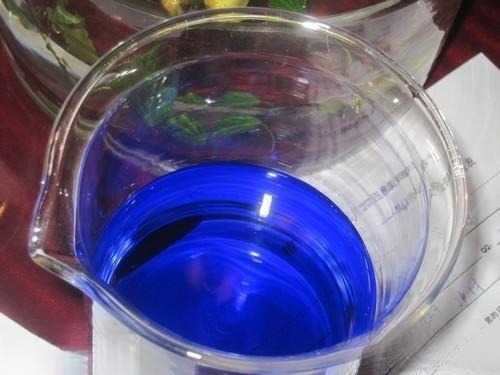
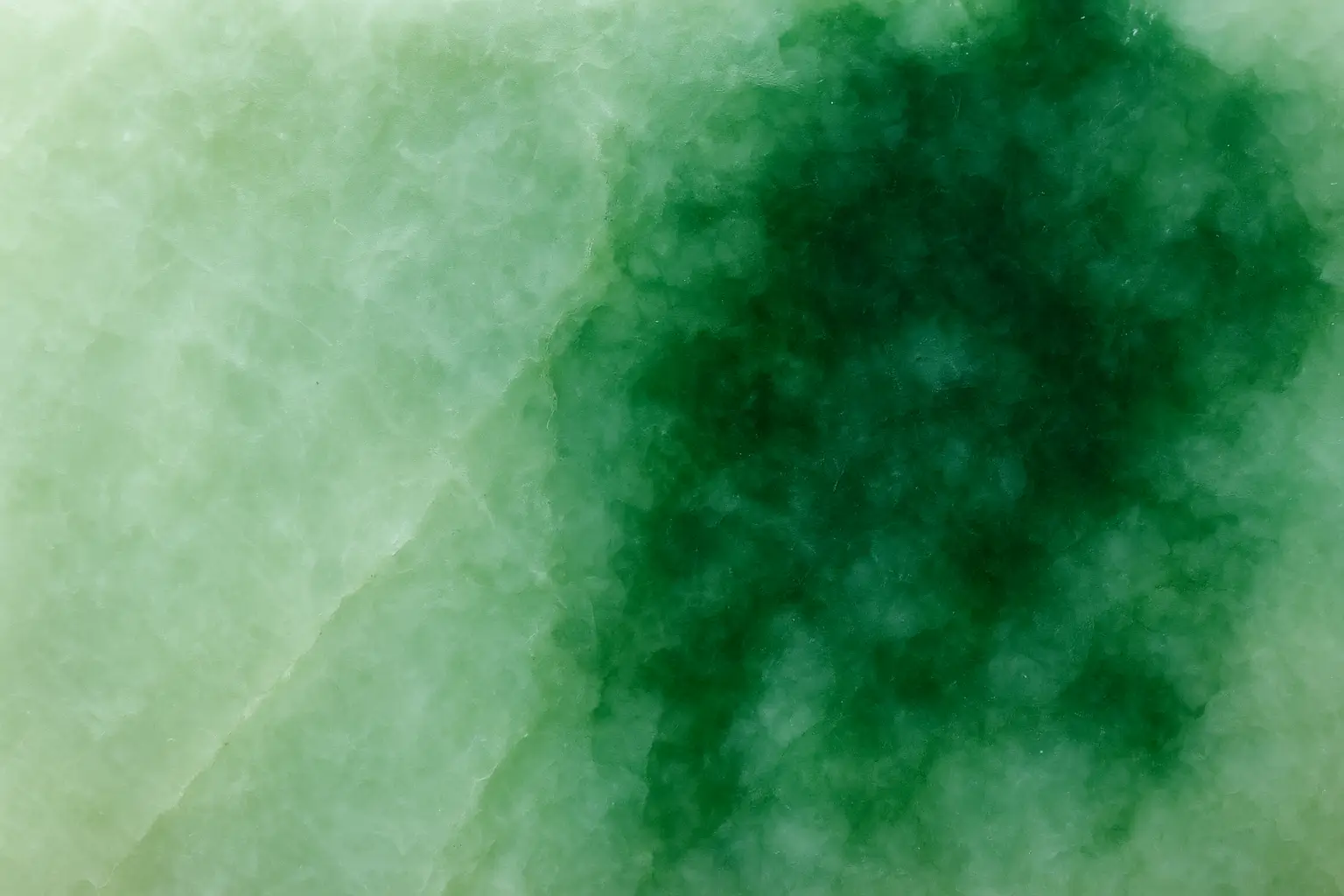
Finally, the ink dissolves completely, and the water becomes uniformly colored. There’s no longer a visible distinction between the ink and the water. This final stage in jadeite’s color evolution is what we call Huadi—the Color Foundation, when the color and the stone’s texture seamlessly blend together.
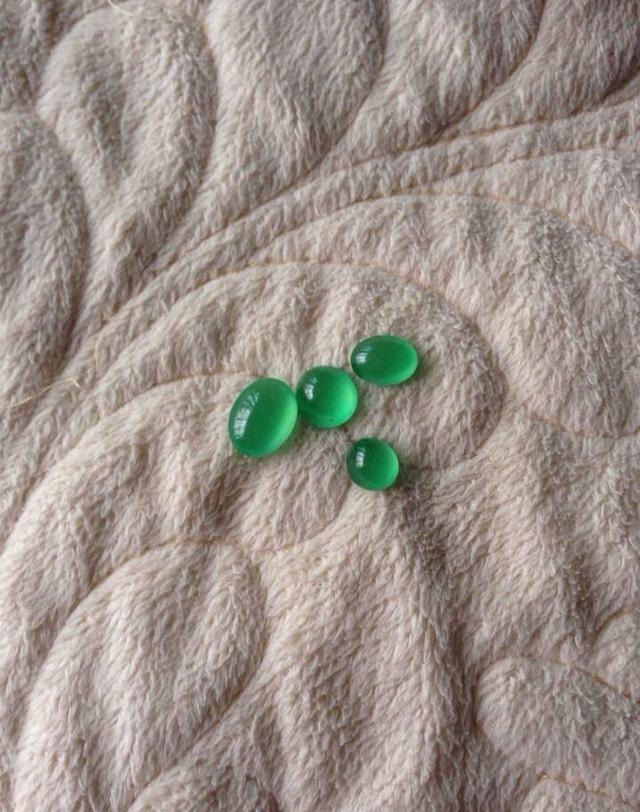
This stage represents the highest quality of jadeite. The perfect integration of color and base quality marks the pinnacle of jadeite’s beauty, often seen in rare and highly sought-after jadeite, such as Muna jadeite, which is known for its flawless color foundation.
🌟 Conclusion: Outer Appearance or Internal Quality—Which is More Important?
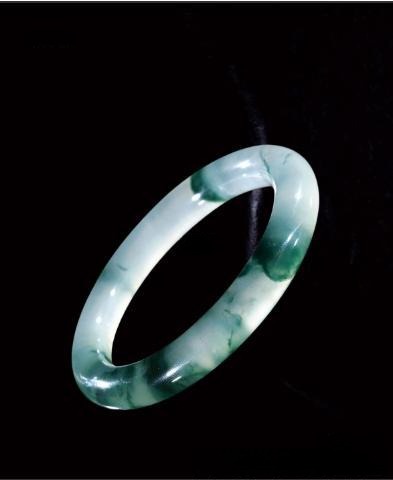
At Peonyjewels, we believe in a simple truth: “Beginners look at color, while experts look at the quality (seed) of the jade.”
Just like makeup, where a good skincare base (the “seed”) makes all the difference before applying foundation and color, the quality of jadeite ensures that its color will truly shine. If the jade is rough or lacks the proper texture, no matter how beautiful the color is, it will never achieve the smooth, luminous, and refined look that defines high-end jadeite.
Understanding the importance of the “Jadeite Color Foundation” and how it dictates the ultimate “Huadi” effect is key to truly appreciating and investing in fine jadeite jewelry. The better the color foundation, the more luminous and enduring the jadeite will be.
Learn More About Jadeite: Read Peonyjewels Blog Post: How to Identify Natural Jadeite: Color, Texture & Authenticity and Does High-Quality Jadeite Have No “Cotton”? Understanding the True Beauty of Natural Jade.
🛍️ Expert Guidance and Call to Action
At Peonyjewels, we take pride in offering the finest jadeite jewelry, carefully selected for its exceptional Jadeite Color Foundation and overall quality. Our pieces are crafted to showcase the beauty of jadeite’s true colors, blending ancient craftsmanship with modern elegance.
Expert Shopping Tip:
When you shop next time, check if the color appears to be “floating” on the surface or if it has “sunk and fused” into the jade’s texture. That inner glow is the true sign of high-quality Jadeite Color Foundation.
Ready to find the perfect jadeite piece? Contact us to customize your own handcrafted jadeite jewelry and elevate your collection with pieces that showcase the beauty of true Jadeite Color Foundation.
💖 Ready to Explore?
Stay tuned for more gemstone knowledge and don’t forget to check out our unique handmade vintage earrings—perfect for adding a touch of timeless elegance to your collection.