Kyanite Gemstone Guide: A Blue Sapphire Alternative with Unusual Hardness Anisotropy
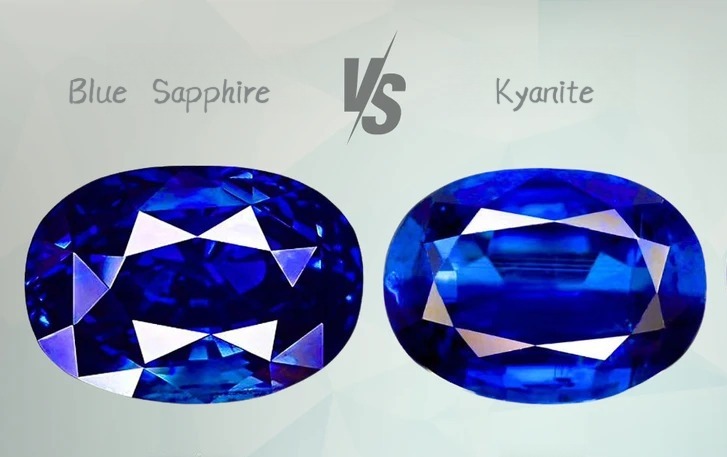
Why Buyers Are Looking for a Blue Sapphire Alternative
Welcome to kyanite, a captivating blue sapphire alternative.
In the world of blue gemstones, Royal Blue Sapphire remains the undisputed benchmark—celebrated for its beauty and commanding exceptional prices at the highest quality levels.
As demand grows for visually striking yet more accessible alternatives, kyanite steps into focus.
Fine kyanite offers deep ocean-blue color, a refined silky luster, and a pronounced hardness anisotropy—hard across the crystal and softer along its length—firmly positioning it as a distinctive sapphire alternative.
In this essential guide, we explain what kyanite is, how it forms, how to identify quality material, and what to consider before buying.
What Is Kyanite? The Two-Hardness Blue Gemstone
Kyanite is an aluminum silicate mineral (nesosilicate) named after the Greek word kyanos, meaning “deep blue.”
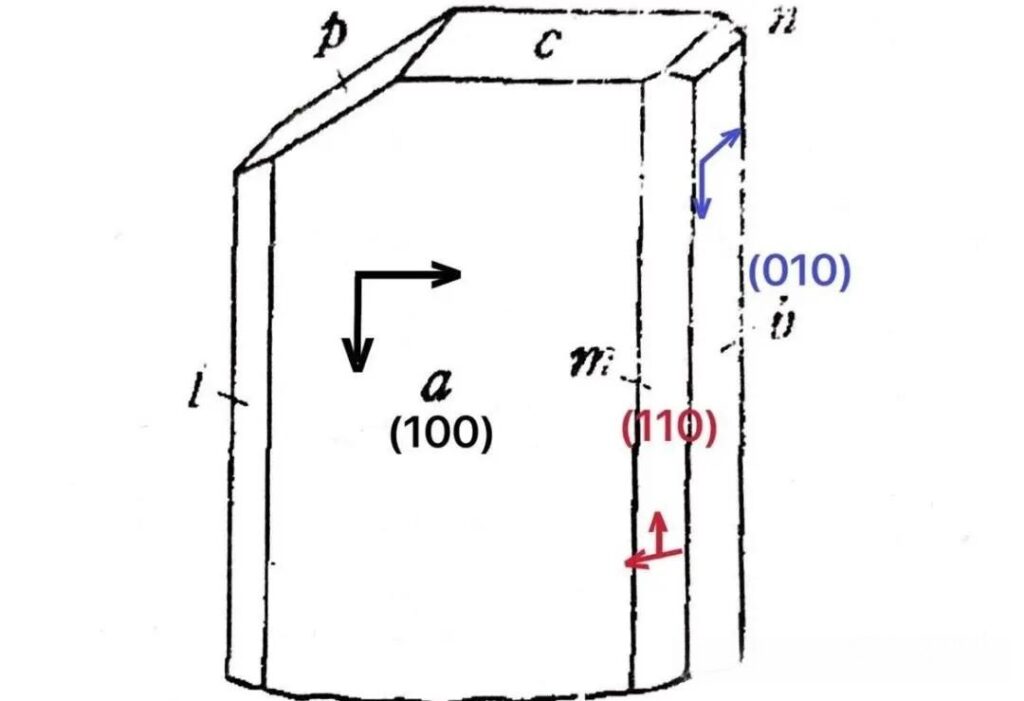
In Chinese gemology, it is known as Er Ying Shi, or the “two-hardness stone.” This name highlights kyanite’s unique crystal structure: its hardness varies significantly depending on the testing direction, a phenomenon known as hardness anisotropy—hard across the crystal and softer along its length. This unusual property makes the mineral both highly distinctive and challenging to cut, adding to its allure as a blue sapphire alternative.
Key Characteristics of Kyanite
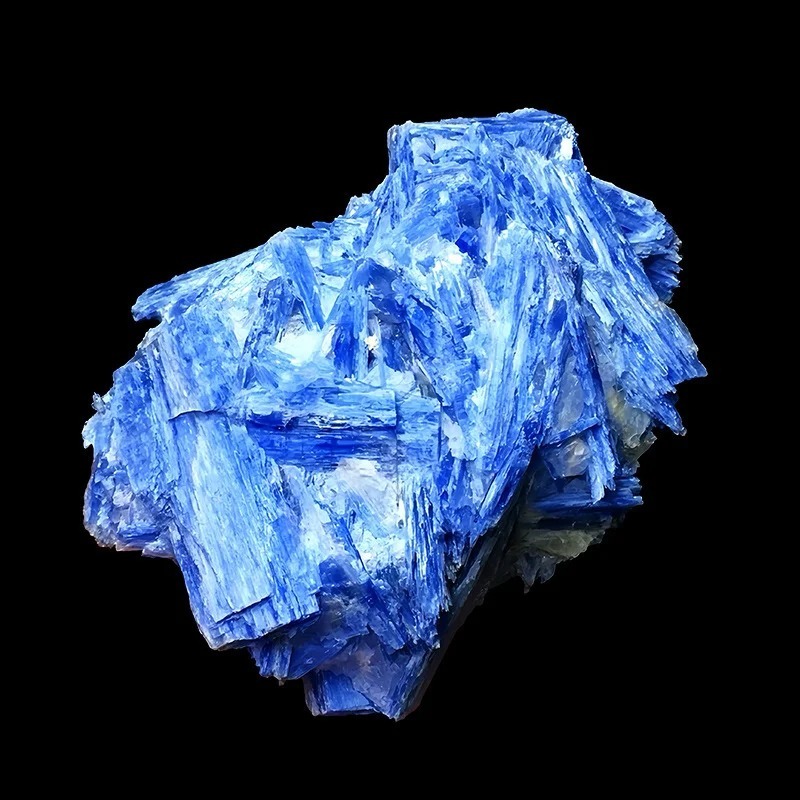
Kyanite is defined by a distinctive combination of physical and optical properties that set it apart from other blue gemstones. The following table summarizes its essential gemological data:
| Feature | Description |
| Chemical Formula | Al2SiO5 |
| Composition | ∼62.9% Al2O3, 37.1% SiO2, often with trace iron oxides |
| Color Range | Sapphire blue, green, or blue-green; also yellow, orange, black, gray, or white |
| Luster | Vitreous to silky; fracture surfaces may show a pearly sheen |
| Crystal System | Triclinic, forming elongated blades or columnar crystals |
| Hardness Anisotropy (Directional Hardness) | Across: Mohs 6–7 / Along: Mohs 4–4.5 |
| Specific Gravity | 3.53–3.64 |
| Clarity | Transparent to translucent, often with distinct internal structures |
These unique physical traits make kyanite an attractive choice for collectors and jewelry enthusiasts seeking a gemstone that combines beauty, individuality, and educational value.
How Kyanite Forms: Extreme Geological Conditions Explained
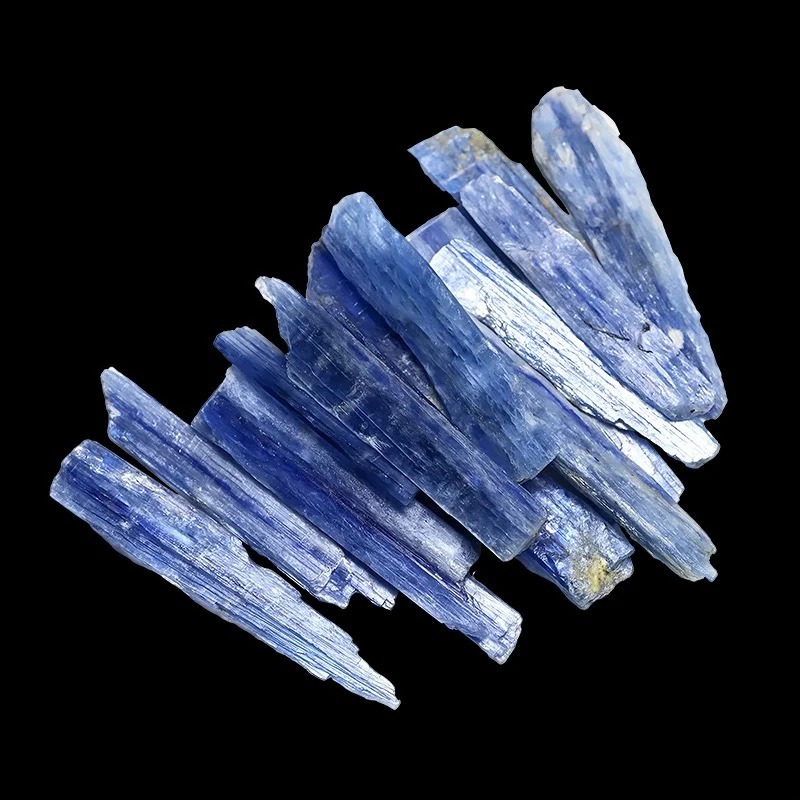
Kyanite’s formation represents one of nature’s most extreme geological challenges. Unlike common minerals, it requires a rare combination of high pressure, intense heat, and precise chemical reorganization, which occurs in three critical stages. Understanding this process reveals why kyanite possesses its deep ocean-blue color, silky luster, and unique directional hardness, making it a captivating sapphire alternative.
Stage 1: High-Pressure Regional Metamorphism
Kyanite begins its journey deep within the Earth’s crust in regional metamorphic zones:
- Parent Rock: Aluminum-rich mudstone or shale forms the essential foundation.
- Heat & Pressure: Recrystallization occurs under 650–850°C (1,200–1,560°F) and pressures exceeding 10 kilobars (~10,000 times atmospheric pressure).
- Catalysts: Water (H₂O) and carbon dioxide (CO₂) fluids accelerate mineral reorganization.
These extreme conditions set the stage for kyanite’s signature crystal structure.
Stage 2: Crystal Reorganization and Color Formation
Next, chemical elements reorganize to form kyanite’s complex skeleton:
- Structural Rebuilding: Al³⁺ ions and SiO₄ tetrahedra align into the crystal framework, creating the hardness anisotropy (directional hardness)—hard across the crystal, softer along its length.
- Chromophore Invasion (Color):
- Chromium (Cr³⁺): Locks into the Al-O lattice, stabilizing intense deep-blue hues.
- Iron (Fe³⁺): Participates in oxidation-reduction reactions, often producing subtle color bands or zoning.
- Time-Space Signature: Co-existing minerals like garnet and staurolite become natural geological time capsules, recording precise formation conditions.
This stage explains both kyanite’s visual allure and its structural duality.
Stage 3: Tectonic Uplift and Mullite Transformation
Finally, tectonic uplift brings kyanite closer to the surface, exposing it to weathering.
- Emergence: Mountain-building forces elevate the ore body.
- Ultimate Test: Exposure to extreme post-formation temperatures (1,300–1,450°C / 2,370–2,640°F) triggers the conversion of kyanite into mullite. This process causes a permanent volume expansion of 16–18%—a “phoenix-like transformation” that finalizes the crystal’s unique structural identity.
These geological extremes collectively define kyanite’s unique properties, establishing it as a truly remarkable blue gemstone: beautiful, rare, and structurally fascinating—a perfect alternative to sapphire for collectors and jewelry enthusiasts.
Major Kyanite Sources and Uses
Kyanite occurs globally, but specific locales are celebrated for either gem-quality crystals or high-purity industrial reserves. Knowing where these stones originate helps collectors and jewelry enthusiasts understand their value, color quality, and rarity.
Major Kyanite Deposits Worldwide
- United States – North Carolina: Produces highly desirable gem-quality kyanite. Its deep blue crystals often exhibit the characteristic silky luster and are frequently hailed as the “King of Kyanite.”
- India – Odisha: A “golden source” for high-purity industrial kyanite, essential for refractory materials due to its stability.
- China – Henan (Yinshan): Home to an exceptionally large kyanite deposit, with reserves reaching 34 million tons and an impressive alumina (Al2O3) content up to 60%.
- Brazil – Minas Gerais: Famous for yielding crystals that are complete, well-formed, and possess deep, saturated blue colors, highly sought after by gem cutters.
Industrial and Gemstone Applications
Beyond its striking role as a gemstone, kyanite’s unique physical properties make it indispensable in demanding industrial and historical applications:
🔹 Refractory Materials
Kyanite’s high-temperature, permanent expansion feature is crucial.
- When added to monolithic refractories, it acts as a high-temperature expansion agent, enhancing product performance and extending furnace lining life.
- Calcined kyanite (transformed into mullite) creates premium refractory materials used in high-temperature kilns, improving furnace longevity and conserving energy.
🔹 Metallurgy
Kyanite is utilized in the electrothermal refining process for silicon-aluminum alloys. These strong, lightweight alloys are then applied in structural components for aircraft, automobiles, trains, and ships.
🔹 Gemstone Sector
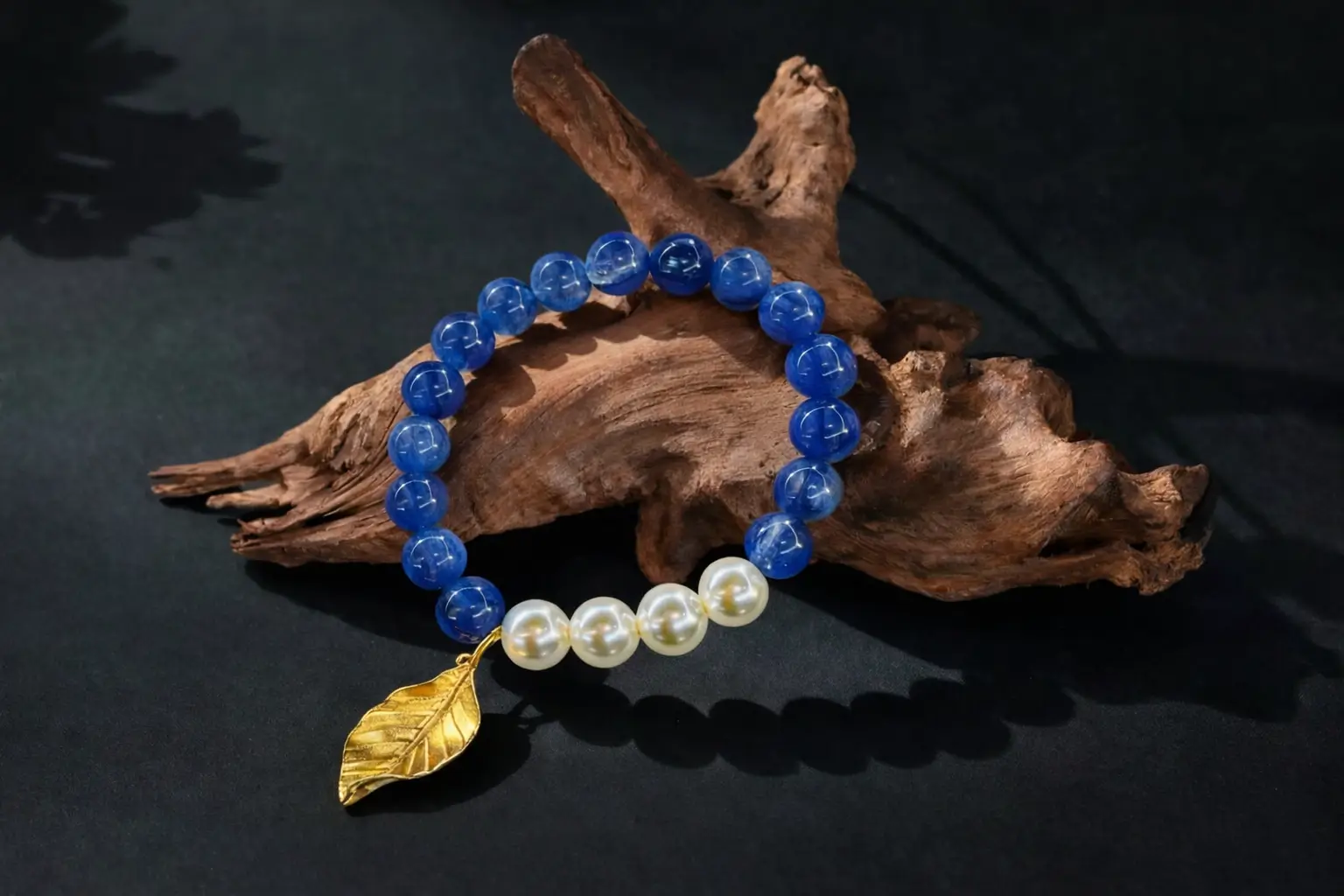
Transparent, bright-colored kyanite is expertly cut into faceted stones, beads, bracelets, and necklaces. Its beauty and expressive color make it a striking sapphire alternative, though cutting remains challenging due to its directional hardness.
🔹 Other Key Applications
Kyanite is also essential in manufacturing a range of specialized products:
- Refractory mortars and cements
- Insulators and technical ceramics (such as spark plugs for car engines)
- Laboratory vessels and shock-resistant items
- Abrasives, glaze components, and non-slip flooring materials.
Fascinating Kyanite Facts
- Ancient Amulets: Ancient Egyptians used powdered kyanite to create the “Pharaoh’s Eye” amulets, symbolizing profound insight and awareness.
- Roman Durability: Kyanite served as a key component in the refractory bricks of the Roman Colosseum, contributing to their resilience over millennia.
- World’s Largest: The largest documented kyanite crystal weighs an astonishing 365 kilograms and is displayed in the Yekaterinburg Mineralogical Museum in Russia.
Kyanite Identification and Buying Guide
Kyanite is a distinctive aluminum silicate mineral best known for its rich blue tones and unique crystal structure. Due to its perfect cleavage and natural tendency to fracture, most jewelry-grade kyanite—especially beads, cabochons, and bangles—undergoes resin filling to improve durability and visual clarity. Completely natural, untreated kyanite is relatively rare and is typically reserved for professional faceting rather than mass jewelry production.
High-quality faceted kyanite can closely resemble blue sapphire at first glance, making accurate identification especially important for buyers.
How to Identify Untreated Kyanite
1. Hardness Anisotropy (Directional Hardness; Expert-Level Characteristic)
Kyanite is famous among gemologists for its hardness anisotropy, a highly unusual property among gemstone-quality minerals. Due to this directional difference, its hardness varies significantly:
- Along one crystallographic direction, kyanite measures approximately Mohs 4–4.5
- Perpendicular to it, hardness increases to Mohs 6–7
Gemologists consider this contrast a definitive diagnostic feature. However, professionals do not recommend hardness testing for consumers or finished jewelry, as scratching can permanently damage the stone. In practice, trained experts primarily use this characteristic when evaluating rough material.
Most imitation materials and substitute gemstones display uniform hardness in all directions, lacking this distinctive dual behavior.
2. Color Zoning and Cleavage
Genuine Kyanite
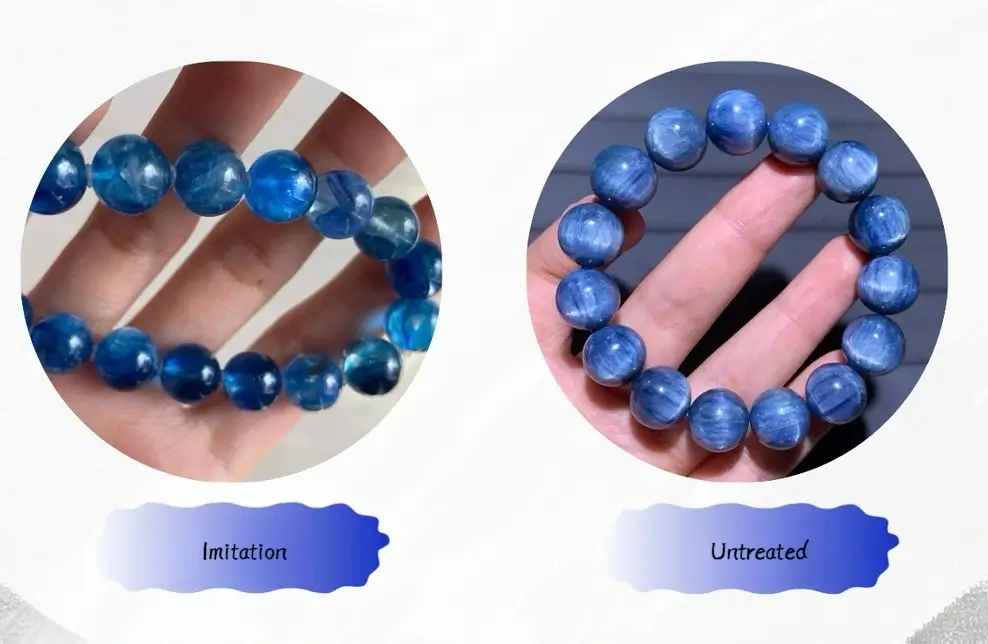
- Color distribution is often uneven, ranging from blue-white to grayish-blue
- Natural stones commonly show distinct color banding
- Under reflected or transmitted light, kyanite reveals one set of perfect, platy cleavage, sometimes described as resembling the pages of a book
This sheet-like cleavage is one of the most reliable visual indicators of natural kyanite.
Imitations
- Frequently display overly uniform or saturated color
- Lack the characteristic platy cleavage structure
- May appear visually “perfect” but structurally inconsistent with natural kyanite
3. Crystal Shape and Surface Features
Natural Kyanite Crystals
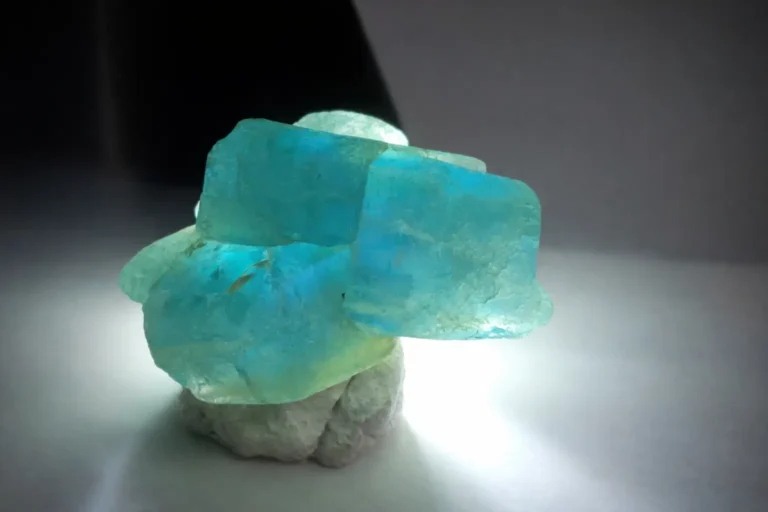
- Typically form elongated, flat, blade-like crystals
- Surfaces often show fine parallel striations
- Exhibit a vitreous (glassy) luster
Common Imitations
- Glass may contain rounded internal bubbles
- Synthetic or plastic materials often feel unnaturally smooth or lightweight
- Crystal shapes tend to be overly symmetrical or inconsistent with kyanite’s natural growth habit
Is Kyanite Treated, Resin-Filled, or Dyed?
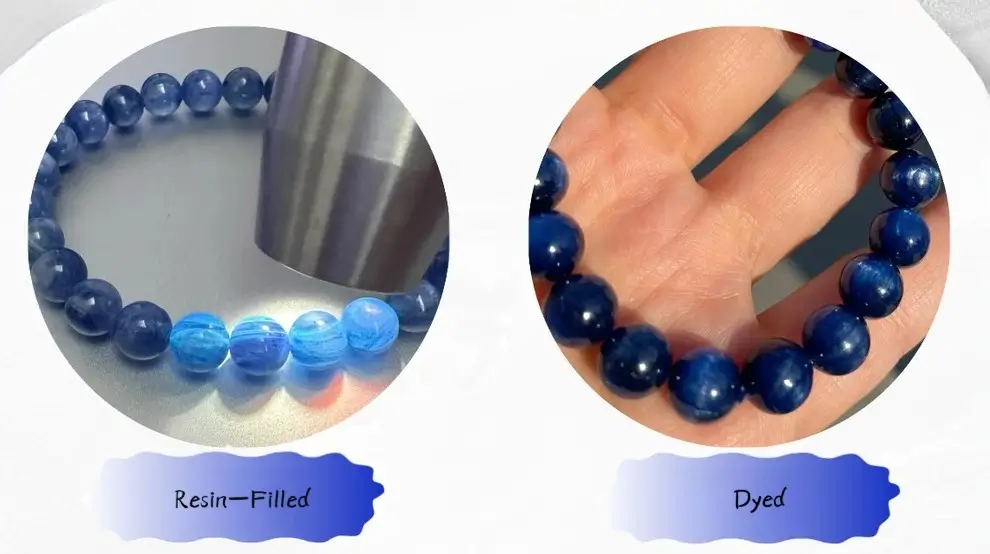
Yes. Due to its fragile structure and perfect cleavage, resin filling is widely used to stabilize kyanite for jewelry applications. This treatment helps reduce visible fractures and improves overall wearability for beads and bracelets.
Furthermore, many specimens on the market undergo dyeing treatments to enhance their color. Since natural kyanite often features uneven blue banding or white veining, dyeing is a common industry practice to achieve a more uniform, “royal blue” look.
Untreated, naturally vibrant kyanite exists but is significantly less common in the mass commercial market. At PeonyJewels, we believe transparency about these treatments is the most important indicator of a trustworthy seller.
Kyanite Buying Tips
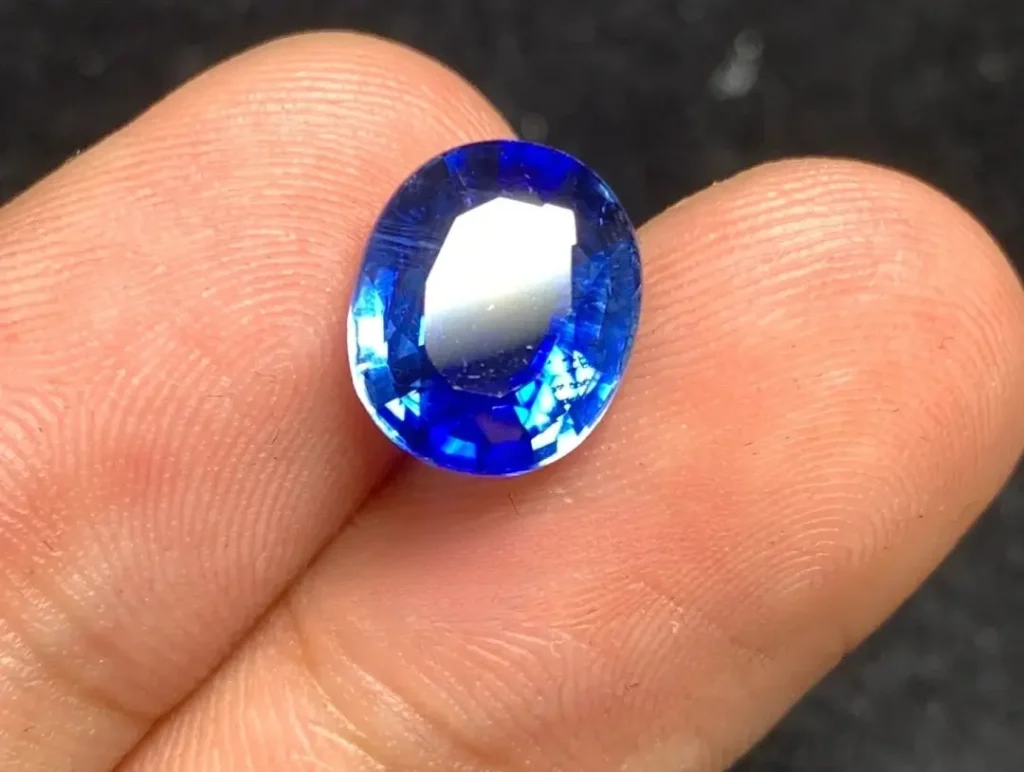
Be Cautious of “Perfect” Color
Natural kyanite rarely displays perfectly even coloration. Subtle color zoning, internal textures, and mineral inclusions are normal and often desirable indicators of authenticity.
Prioritize Transparency
Higher-grade kyanite allows light to pass through clearly, revealing internal structures rather than appearing opaque or artificially uniform.
Inspect Structural Integrity
Avoid stones with large open cracks or excessive impurities that compromise durability.
Evaluate Craftsmanship
For finished jewelry:
- Beads should be consistently sized
- Drill holes should be clean and smooth
- Strands should feel secure—not brittle or loose
Kyanite Bracelet Grading and Pricing Guide
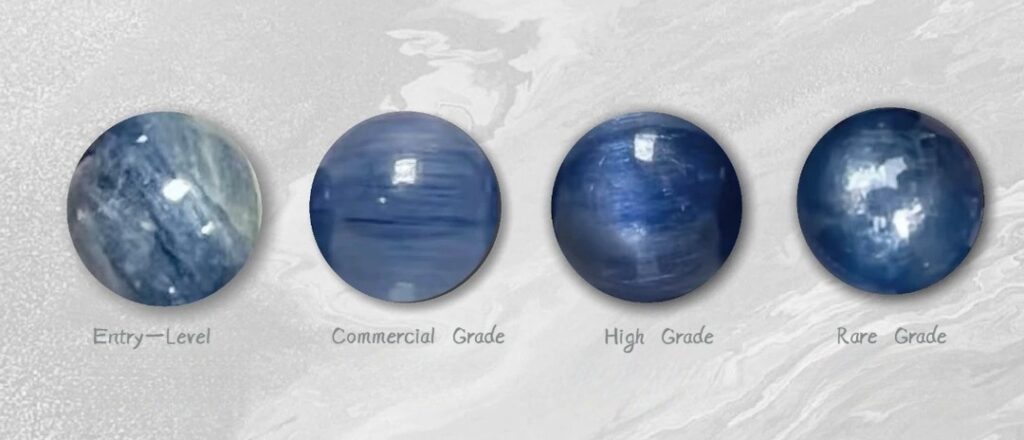
Industry Standard | Material-Based Evaluation
This guide reflects the market value of non-branded kyanite based on material quality. Please note that final prices fluctuate based on bead size, transparency, and the intensity of the natural cat’s-eye effect.
Entry-Level – Coexisting Kyanite
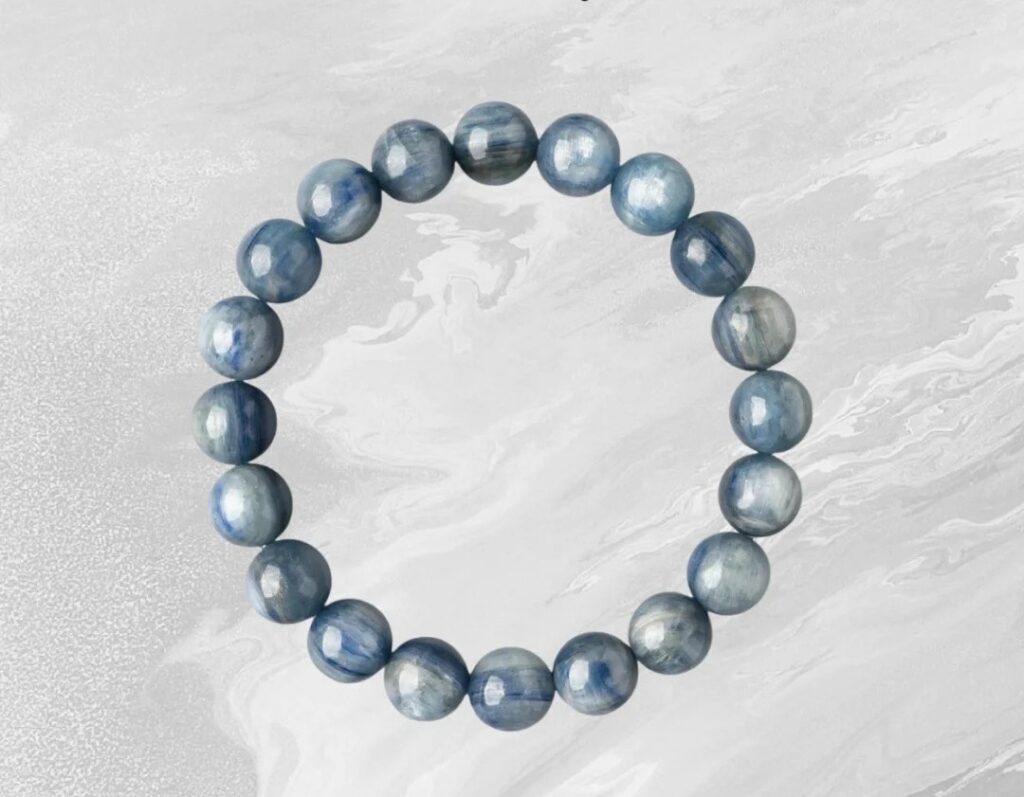
Best for: Beginners & daily wear
Kyanite naturally intergrown with minerals such as mica or chlorite.
These stones display mixed colors, heavier texture, and abundant inclusions.
Market names such as “Dragon Scale” or “Monet Kyanite” usually refer to different coexisting mineral patterns rather than separate gemstone species.
- Color: Mixed blue, gray, green
- Transparency: Opaque to semi-opaque
- Cat’s-eye effect: Rare or weak
- Availability: High
Typical Price:
$10–$25 USD per bracelet
Commercial Grade – Standard Blue Kyanite
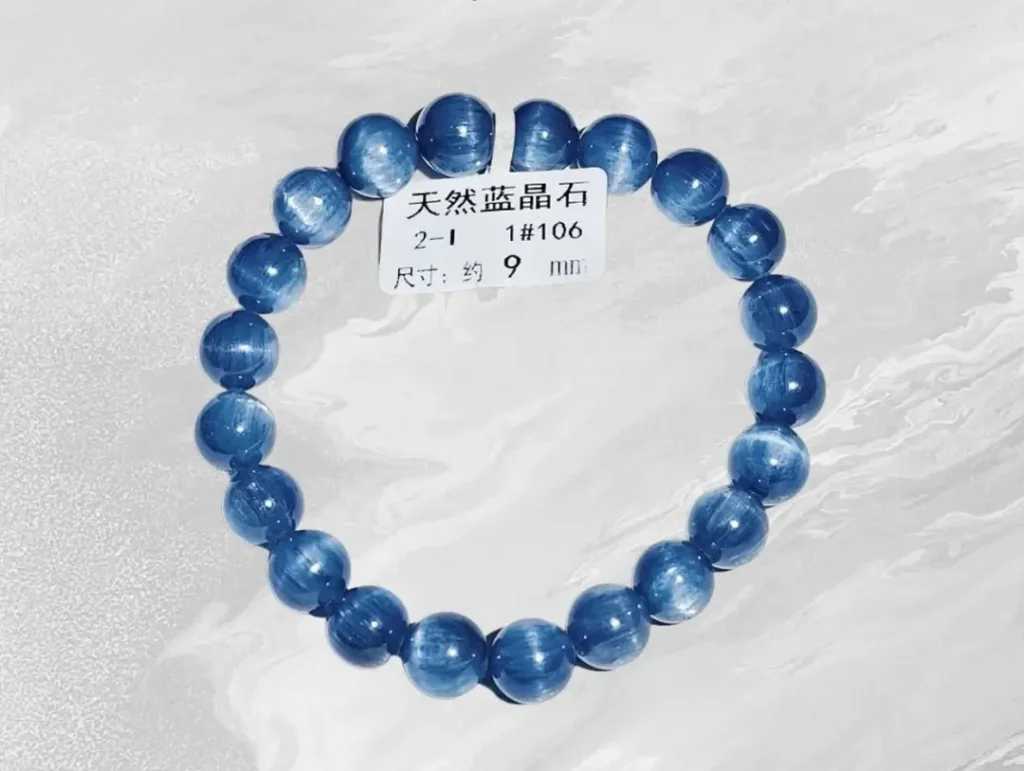
Best for: Everyday jewelry
The most common form of blue kyanite on the market.
Clear blue striping is visible, and better-quality material shows brighter luster and reduced white veining.
Some pieces exhibit a noticeable cat’s-eye effect when well-polished.
- Color: Medium blue with visible banding
- Transparency: Semi-transparent
- Cat’s-eye effect: Occasional
- Availability: Common
Typical Price:
- $0.70–$1.50 USD per gram
- Finished bracelets: $40–$300 USD, depending on quality
Mid Grade – Jade-Like Kyanite
Best for: Aesthetic-focused buyers
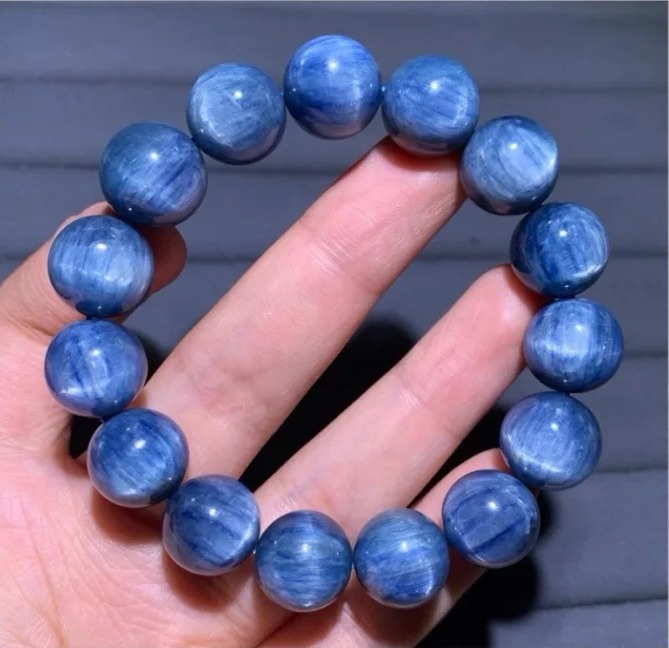
This material has undergone a natural “jade-like” transformation, resulting in partial translucency.
Internal textures often resemble drifting cherry blossom petals, commonly described as a “sakura rain” effect.
- Color: Soft blue to blue-gray
- Transparency: Semi-translucent
- Cat’s-eye effect: Moderate
- Availability: Limited
Typical Price:
$30–$120 USD per bracelet
High Grade – Blue-Green Composite
Best for: Collectors seeking rarity
A naturally intergrown stone composed of blue kyanite and green copper-bearing minerals (commonly malachite).
The elevated copper content produces vivid green tones, making this material noticeably rarer than standard blue kyanite.
- Color: Distinct blue-green dual tones
- Transparency: Semi-transparent
- Cat’s-eye effect: Noticeable under light
- Availability: Rare
Typical Price:
$80–$300 USD per bracelet
Rare Grade – Green Kyanite
Best for: High-end collectors
Predominantly green in color, with blue nearly absent.
Fine parallel striations produce a strong, highly reflective cat’s-eye effect under directional lighting.
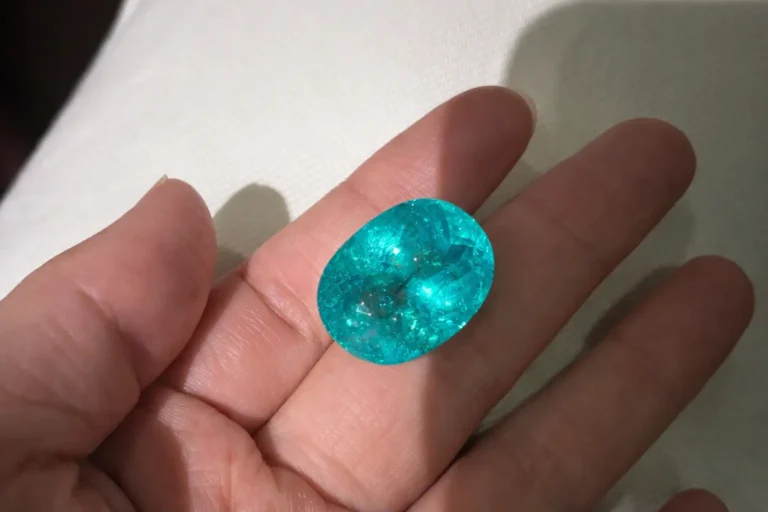
Within the trade, this material is often referred to as “Paraíba-like kyanite” due to its vivid green tone (a visual comparison only, not a varietal classification).
- Color: Intense green
- Transparency: Semi-transparent to translucent
- Cat’s-eye effect: Strong
- Availability: Very rare
Typical Price:
$300–$1,200 USD per bracelet
Collector Grade – Royal / Cornflower Blue
Best for: Serious collectors
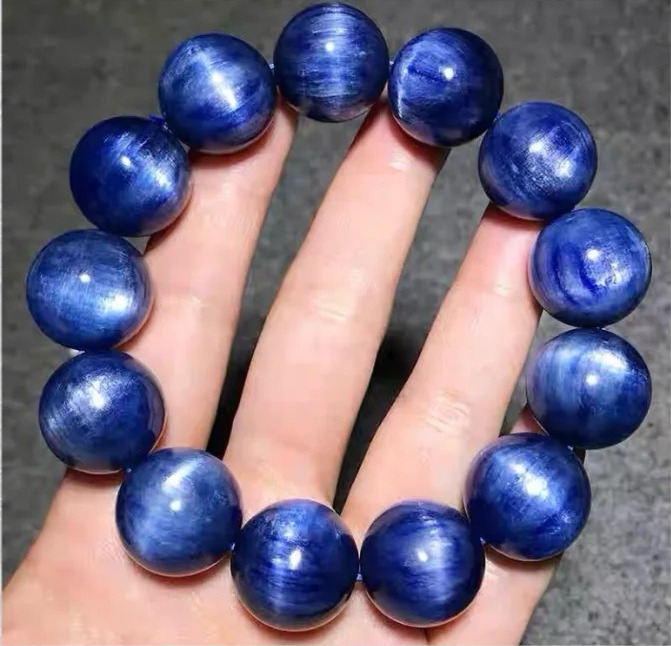
Extremely rare, near-perfect single crystals with deep royal blue or cornflower blue coloration.
Large bead sizes (>10 mm), high transparency, and galaxy-like color zoning define this top tier.
- Color: Royal blue / Cornflower blue
- Transparency: High to fully transparent
- Cat’s-eye effect: Subtle but refined
- Availability: Extremely limited
Typical Price:
$1,500 USD and above
Important Notes for Buyers
- Cat’s-eye effect appears in only a small percentage of kyanite and strengthens as crystal quality improves.
- Pricing reflects raw material quality only, excluding brand, design, or marketing premiums.
- Natural inclusions and color zoning are normal characteristics of genuine kyanite.
Kyanite vs. Sapphire: Choosing Your Signature Blue
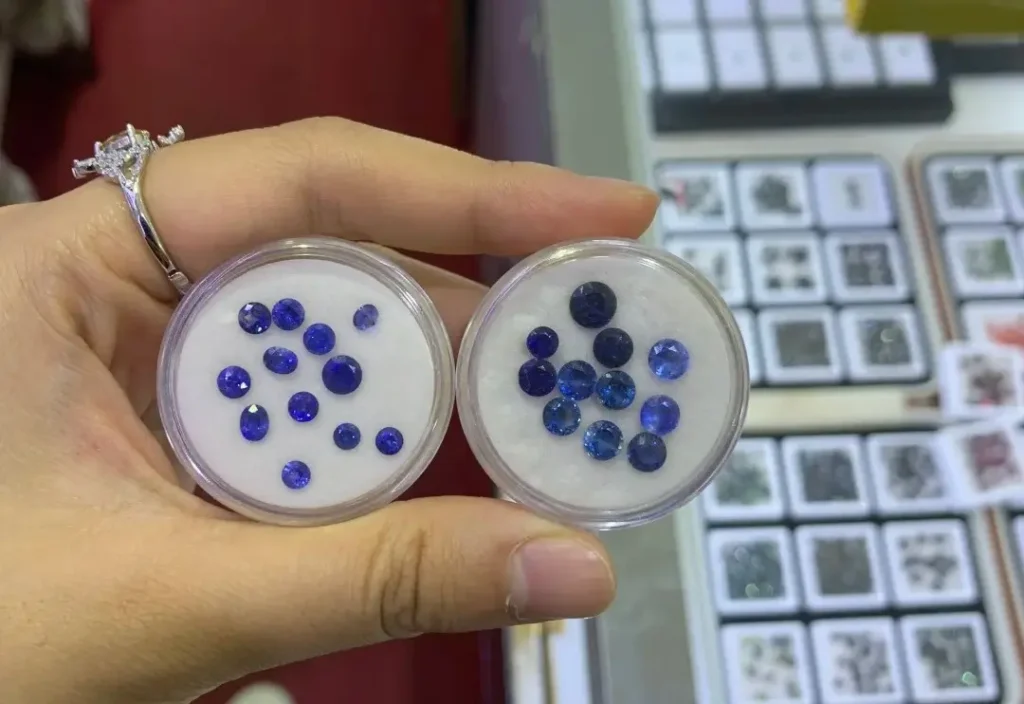
Gemstone valuation intrinsically balances beauty, durability, and rarity. When choosing a “sapphire alternative” like kyanite, you are navigating a deliberate compromise between these three parameters.
The Professional Trade-Off
While kyanite can certainly rival sapphire in visual splendor—offering an expressive, deep ocean hue that is instantly captivating—their structural integrity sets them apart:
- Blue Sapphire: The undisputed champion of durability (Mohs 9). It remains the premier choice for daily wear, engagement rings, and long-term investment collecting.
- Kyanite: A stone of breathtaking individuality and “educational” beauty. Due to its perfect cleavage and pronounced hardness anisotropy, it excels as a conversation piece or an occasional luxury accessory rather than a “lifetime workhorse.”
If you love this iconic blue but need maximum durability for daily wear, a sapphire is your best match. Explore our professional guide to learn more:
👉 The Essential Ceylon Sapphire Buying Guide: Unlocking the Secrets of Sri Lanka’s Gemstone Market
The PeonyJewels Perspective
At PeonyJewels, we believe that every gemstone has a soul, and every wearer has a unique story. If you are drawn to distinctive, high-character stones and the allure of vintage aesthetics, we are here to guide your choice.
We specialize in bringing delicate gemstones like these to life by balancing their natural structural challenges with expert craftsmanship and protective settings. Whether you seek the eternal strength of a sapphire or the rare, bladed brilliance of kyanite, we ensure your jewelry remains a wearable work of art.
Ready to Tell Your Story?
Whether you are looking for a bespoke masterpiece or a ready-to-wear treasure, explore the world of PeonyJewels:
- Explore Custom Jewelry Services: Collaborate with us to design a unique piece featuring rare blue gemstones.
- Shop Vintage-Inspired Earrings: Discover our curated collection of handmade vintage earrings, where we prioritize exceptional materials and guaranteed wearability.