The Hidden Secrets of Sapphire Origins: Discover the Lesser-Known Sources of September’s Birthstone
When discussing the world’s major sapphire sources, legendary names like Kashmir, Myanmar, and Sri Lanka often come to mind. Yet, beyond these famous locations lie the lesser known sapphire origins that produce equally stunning gems. Join us as we explore these hidden sources and uncover exciting secrets about September’s birthstone.
Madagascar: A Leading but Lesser Known Sapphire Origins
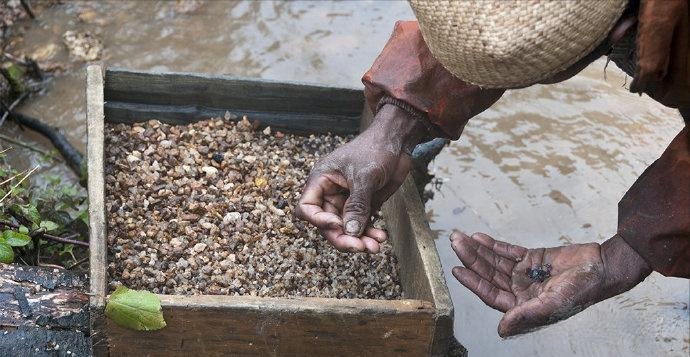
The GIA (Gemological Institute of America) once described Madagascar as a “gemstone utopia,” and for good reason. This small island nation is home to an incredible array of gems, including agate, aquamarine, morganite, tourmaline, garnet, and, of course, a variety of sapphires.
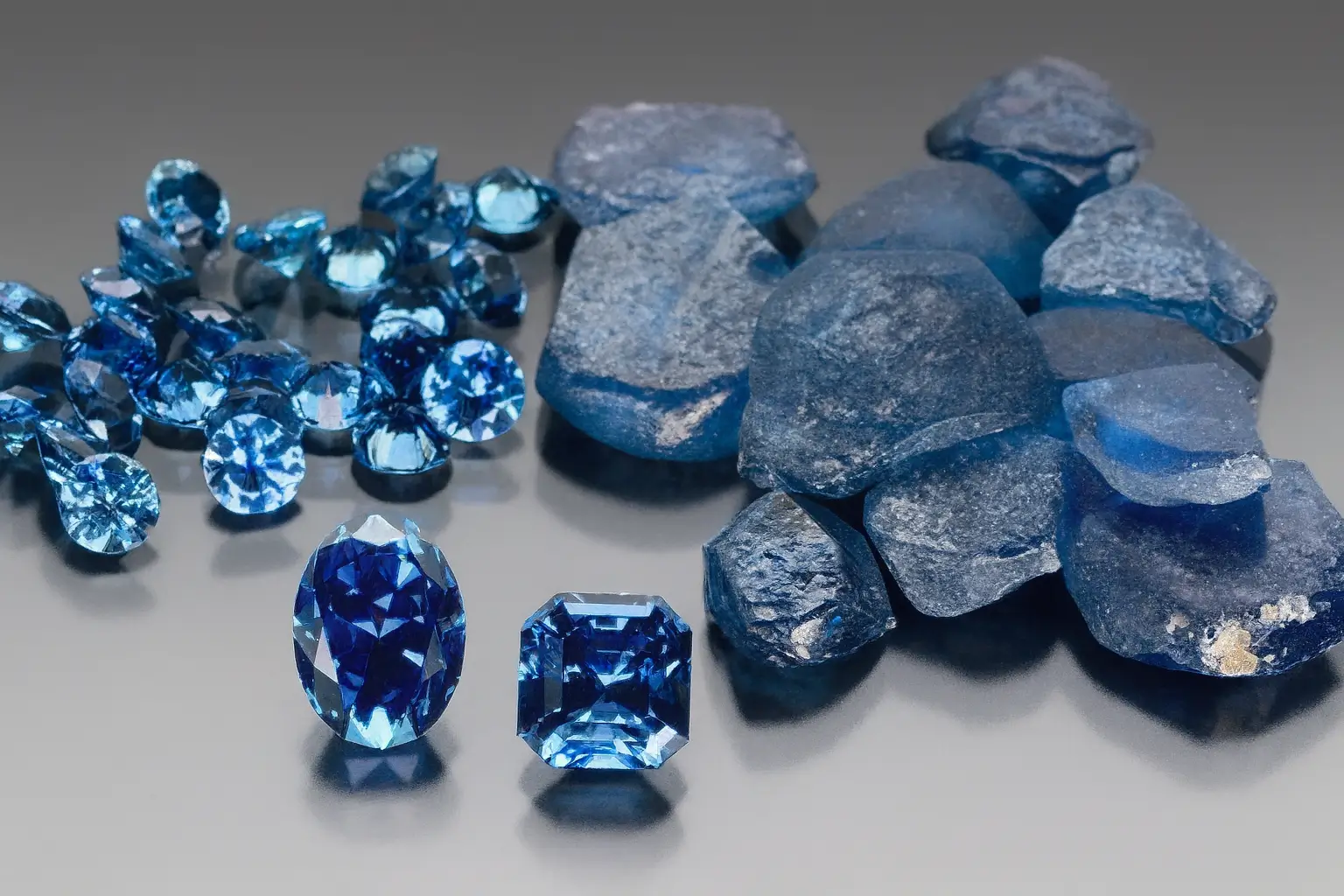
Madagascar hosts one of the world’s largest sapphire deposits. In the 1990s, the discovery of sapphire mines in the Andranondambo region led to a local mining boom. However, the initial sapphires were often too dark and lacked the brilliance the market sought. Everything changed with the 2016 discovery of the Bemainty mine. The quality of sapphires from Bemainty was so high that experts even mistook some high-quality stones for those from the esteemed Kashmir and Myanmar origins.
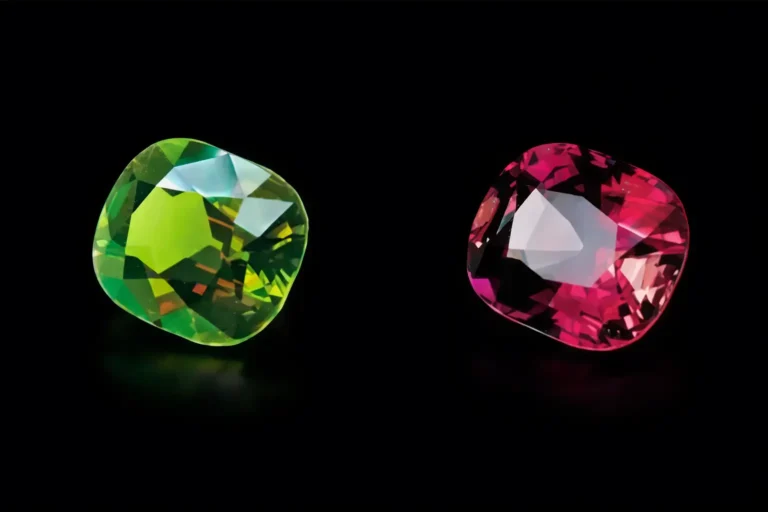
French gemologist Vincent Pardieu noted the significance of this find: “Although only mined for a few months, the sapphires discovered at the Bemainty mine surpass the production of the past 20 years combined.” Today, Madagascar contributes a huge proportion to the world’s sapphire output, famed for the size and vibrant hues of its stones. The country also produces pink, yellow, green, white, $Padparadscha$, and color-changing sapphires.
For a closer comparison, check out PeonyJewels blog article: Madagascar vs Sri Lanka Pink Sapphires: How Experts Identify Real Gems by Origin and Inclusions, where we explore the unique qualities and distinctions between these two famous sapphire origins.
Magmatic Sapphires: China, Thailand, Australia, and Vietnam
These four countries are grouped together because they all primarily produce magmatic-type sapphires (basalt-related). These sapphires share a common characteristic: they typically have a high iron content, resulting in colors that are often very deep, sometimes bordering on black.
China: Changle Sapphires – Deep and Rich in Color
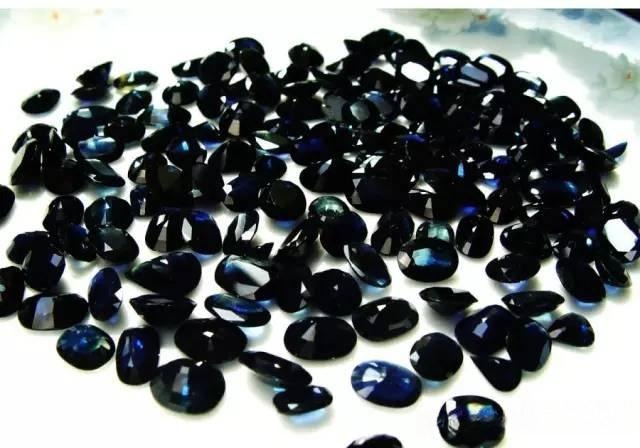
Chinese sapphires, particularly those from the Changle region, are known for their deep blue or blue-black hues. In natural light, these stones often appear dark, but when backlit, they reveal a more distinct blue.
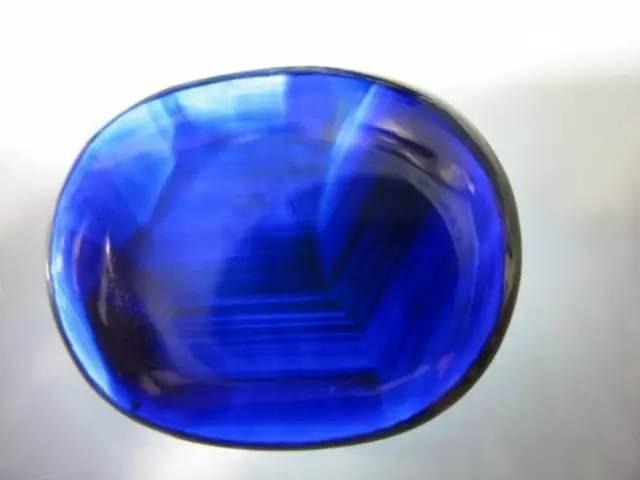
Many Changle sapphires exhibit uneven coloring and hexagonal color zoning (growth bands), giving them a unique look. Due to their dark body color, these sapphires are typically considered lower-end gemstones.
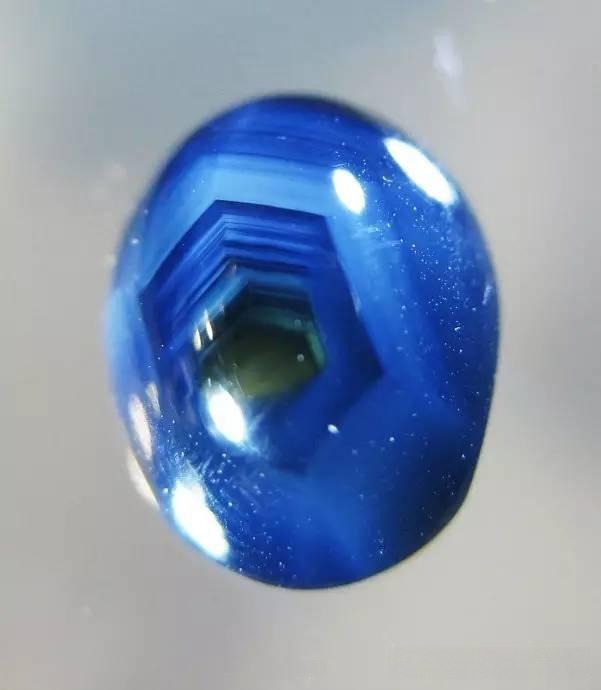
However, heat treatment can significantly enhance their color, making them much more attractive and marketable to buyers.
Thailand: Chanthaburi – The Gemstone Capital
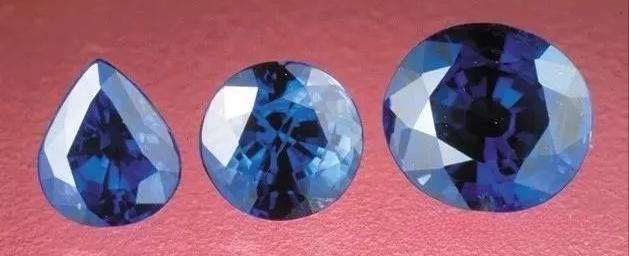
Thailand is home to some of the world’s most famous sapphire mines, particularly in the Chanthaburi and Kanchanaburi regions. Chanthaburi, known as the “Gemstone Capital” of Asia, has a long history of sapphire mining and is a crucial hub for gem cutting and trading. Sapphires from Thailand are often recognized for their rich colors and good clarity, and the region continues to be a key player in the global gemstone market.
Australia: High Yield with Deep Tones
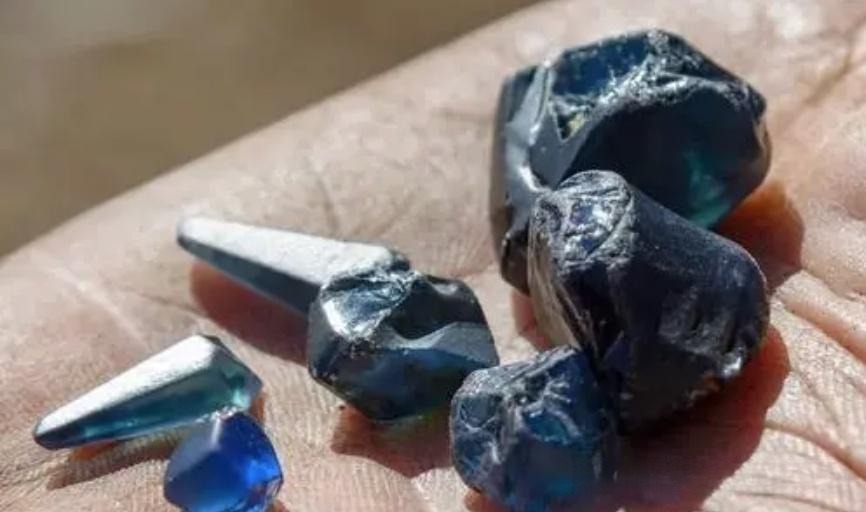
Australia, particularly the Queensland (Anakie) and New South Wales (Inverell) regions, produces large quantities of sapphires. Similar to the Changle sapphires, Australian sapphires tend to have deep hues. A significant portion of Australian sapphires, around 85%, are iron-rich indigo blue (ink blue). Other variations include yellow-green and yellow/green sapphires. The remaining 5% feature bi-colored, brownish, or light yellow translucent sapphires. These stones often display dust-like inclusions and clear color banding, adding to their character and uniqueness.
Vietnam: A New Trend – Milky Pink to Purplish-Pink Sapphires
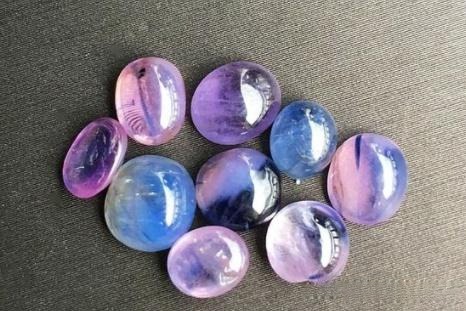
Vietnam has not traditionally been known for producing visually striking sapphires, but in recent years, a small portion of Vietnamese sapphires has gained attention. These sapphires are often milky pink to purplish-pink in color, with a delicate, almost fairy-like hue. They have captured the hearts of gemstone collectors for their unique charm. However, these stones may exhibit clear color zoning, with noticeable patches and bands, which adds to their character but may affect their overall visual appeal.
For a deeper look into the allure of Vietnam’s pink sapphires, check out our PeonyJewels blog post: Gem-Hunting Journey: Why Vietnam’s Pink Sapphires Truly Captivate Me. In this article, I share my personal experiences and fascination with these beautiful gems, along with insights into what makes them so special.
Montana, USA: A Unique North American Lesser Known Sapphire Source
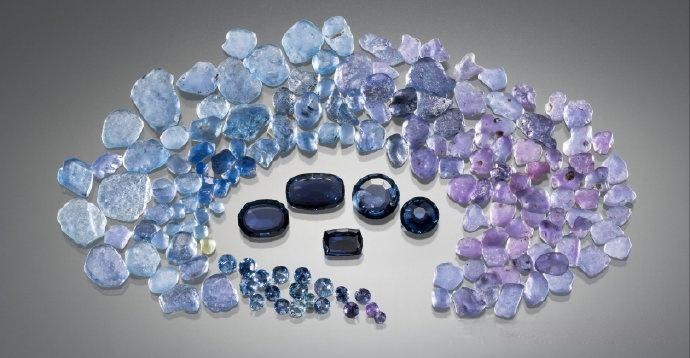
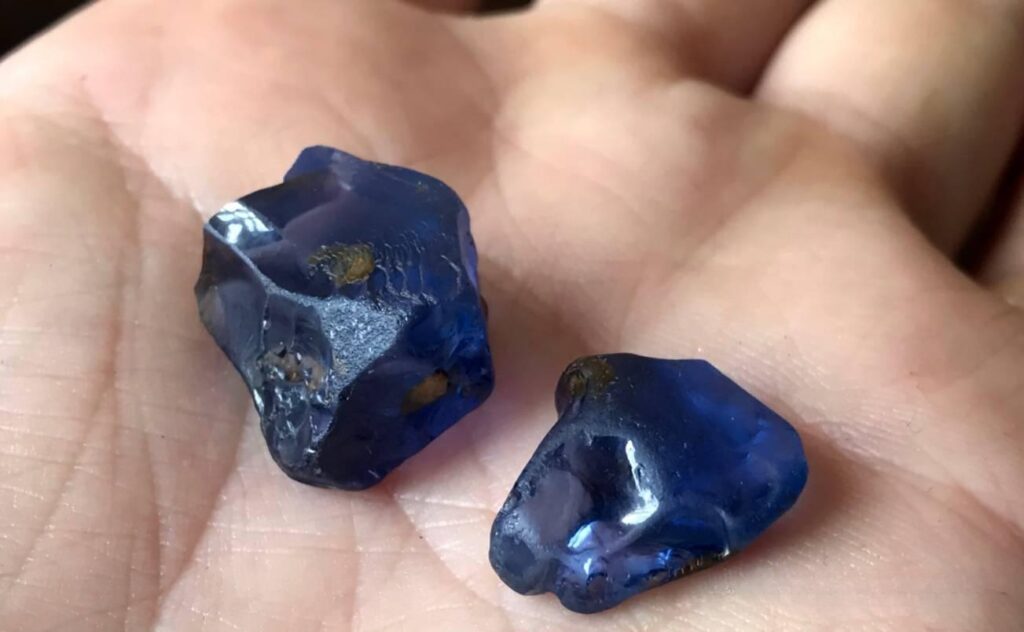
The United States has rich sapphire resources, with the most famous gem-quality stones hailing from Montana. The primary deposit is found in the Yogo Gulch area. Yogo sapphires are highly coveted for their beautiful, uniform blue and bluish-purple colors.
The primary drawback is size. Because the Yogo rough is typically flat (hexagonal plate crystals), the cut gems are usually small, with most stones under 1 carat. Crystals larger than 1 carat are rare, making sizable Montana sapphires exceptionally valuable.
Tanzania: A Lesser Known African Padparadscha Source
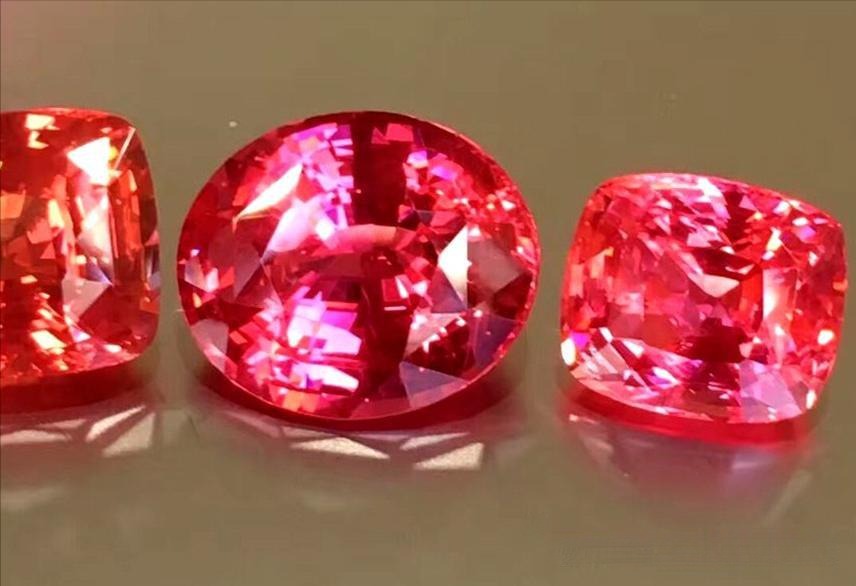
Tanzania’s status in the gem world skyrocketed after the discovery of high-quality, vivid pink spinels in the Mahenge region around 2000. Besides spinel, Tanzania also produces rubies and sapphires.
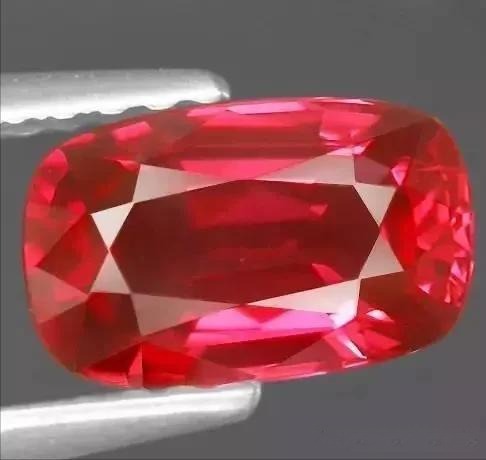
- Ruwuma (South): This area produces a rich spectrum of sapphire colors, covering almost the entire visible spectrum. However, these colors are often pale, earning them the nickname “pastel colors.”
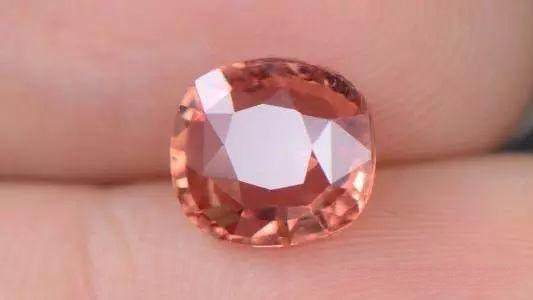
- Umba Valley (North): This valley is famous for its color-rich sapphires. Since the 1990s, the orange sapphires from Umba Valley have closely resembled Sri Lankan $Padparadscha$, earning them the moniker “East African Padparadscha.”
Exploring More Lesser Known Sapphire Origins in Africa & Asia
While classic sapphire origins like Kashmir and Sri Lanka are well-known, lesser-known regions in Africa and Asia are also making a significant mark with their unique sapphires. These areas produce gemstones with distinct features, making them valuable and intriguing additions to the global market.
Cambodia: Pure and Uniform, Yet Unique
Sapphires from the Pailin region in Cambodia are highly prized for their pure, uniform color. Most sapphires from this area have a subtle greenish-blue tint, which makes them stand out among other varieties.
Consumers highly regard these sapphires for their consistency. This makes them ideal for fine jewelry. Their clean color and smooth appearance often place them among top-tier gems.
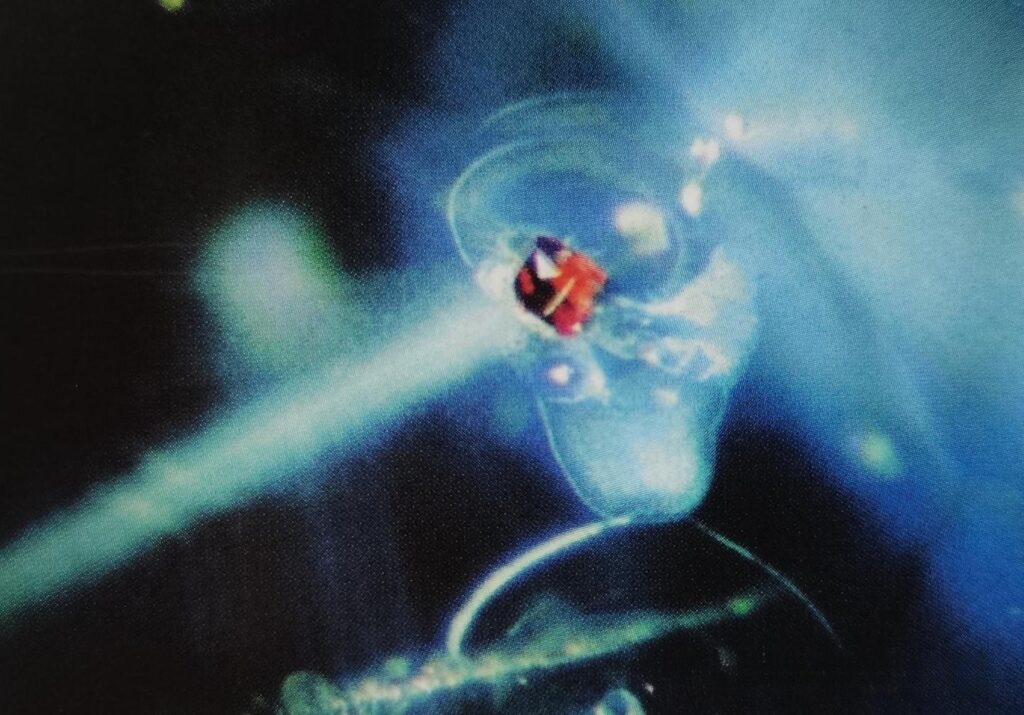
Additionally, many Pailin sapphires contain red uranopyrochlore inclusions, which are rare. These inclusions add a distinct character to the stone. The combination of purity and unique inclusions has made Cambodian sapphires increasingly sought after by collectors and gem enthusiasts alike.
Nigeria: Large, Bright, and Exceptional
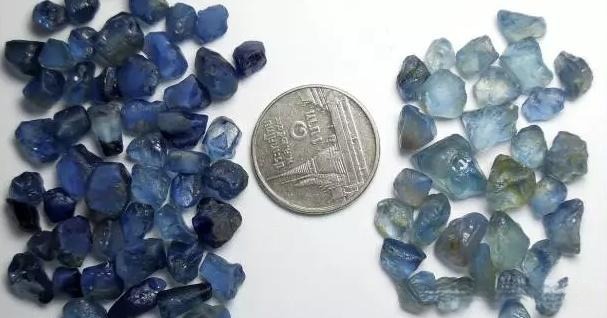
In recent years, Nigerian sapphires have garnered significant attention, particularly in Bangkok, where they are creating a stir in the gemstone market. Miners source these sapphires from the Mambilla Plateau in Taraba State, and buyers know them for their bright, vivid colors.
What sets these sapphires apart is their size—some rough crystals can weigh between 100 to 300 carats, making them much larger than sapphires from many other regions. These gemstones come from basalt-related secondary deposits, which contribute to their exceptional clarity and brilliant color.
The increasing recognition of Nigerian sapphires is generating excitement among traders, and their growing presence in the market underscores their potential as one of the brightest newcomers in the world of fine gemstones.
The True Secret: Sapphire Quality Outweighs Origins
At PeonyJewels, we believe that when it comes to sapphires—or any gemstone—quality is paramount, not just the origin. While provenance can be fascinating for collectors, it is the intrinsic qualities of the stone (color, clarity, cut, and carat weight) that ultimately determine its value.
For those looking to better understand how to assess gemstone quality, we invite you to read our blog article: How to Grade Gemstone Quality: Understanding the 4Cs and the Importance of Gemstone Cut Quality. This guide provides a comprehensive breakdown of the 4Cs and explains why the cut quality is often the most crucial factor in determining a gemstone’s overall beauty and value.
However, for gemstone enthusiasts and collectors, who wouldn’t want to acquire sapphires from every unique, lesser-known origin? Gaining knowledge while acquiring a beautiful gem—that is part of the joy of the gemstone world!
💖 Discover Your Unique Gemstone Story with PeonyJewels
We celebrate this passion for unique, high-quality gems and the stories they hold. If you are a fan of original design, handcrafted artistry, and vintage-inspired earrings, you will find that perfect piece in the PeonyJewels collection.
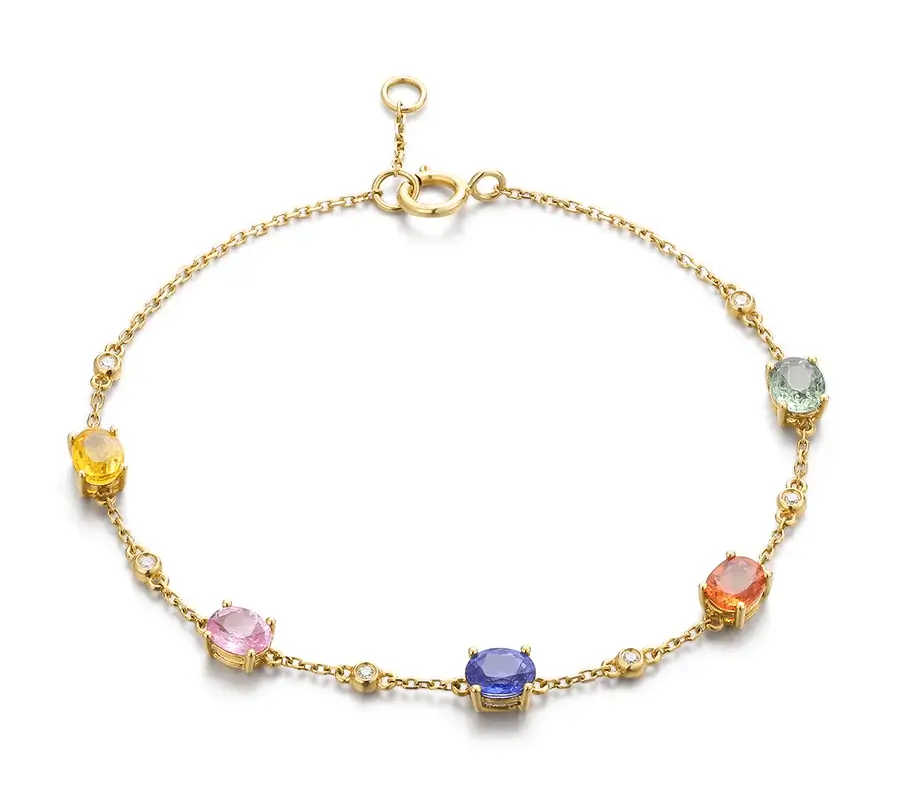
More than just a jeweler, we are your creative partner. PeonyJewels offers a dedicated custom design service to bring your vision to life. Let’s collaborate to discuss and design a personalized, one-of-a-kind jewel that is truly yours.
Ready to start your collection or design your dream piece?
👉 Explore our handmade Vintage Earrings now and book a custom consultation!