What Exactly Is a Milky Diamond and Why Should You Avoid It?
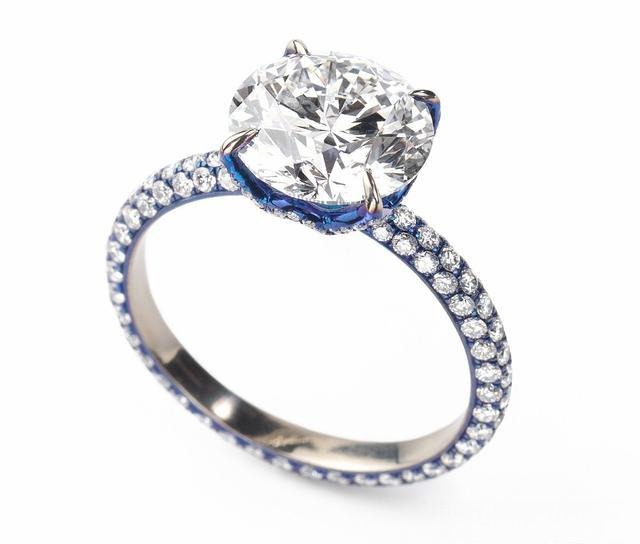
Have you ever come across a milky diamond that just didn’t sparkle—no matter how much light hit it?
You’re not alone. As wedding season approaches, more couples are choosing their engagement rings and learning about the famous 4Cs—cut, color, clarity, and carat weight. But once that’s understood, a new question often arises:
“I heard milky diamonds are bad—will that show on the certificate?”
“Why does this diamond look so white and hazy? Is it a milky one?”
“This price seems too good for a diamond—could it be a milky or brownish one?”
If these sound familiar, this guide is for you. Let’s dive into the higher-level knowledge every diamond buyer should know—the truth about milky diamonds.
What Makes a Milky Diamond “Bad”?
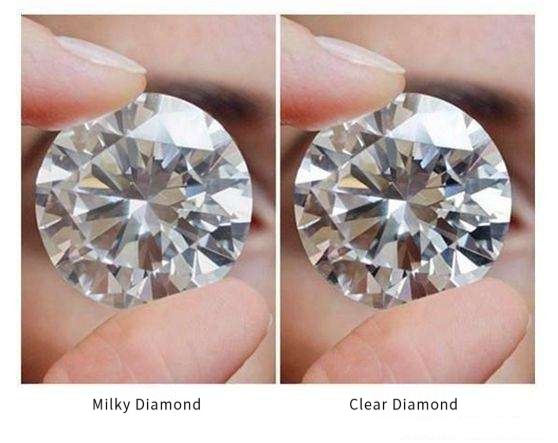
A milky diamond (also called a creamy diamond) is often mentioned together with brownish or greenish stones, commonly referred to as “milky-brown-green.” These characteristics don’t appear in the GIA’s 4C grading system. They don’t affect a diamond’s clarity or color grade on paper—but they drastically impact its appearance.
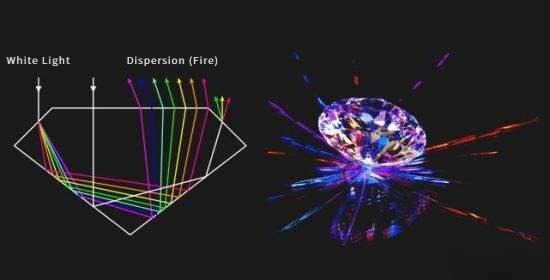
Milky diamonds contain dense, cloud-like inclusions that scatter and block light instead of reflecting it. The result? A diamond that looks foggy and dull instead of crisp, transparent, and fiery.
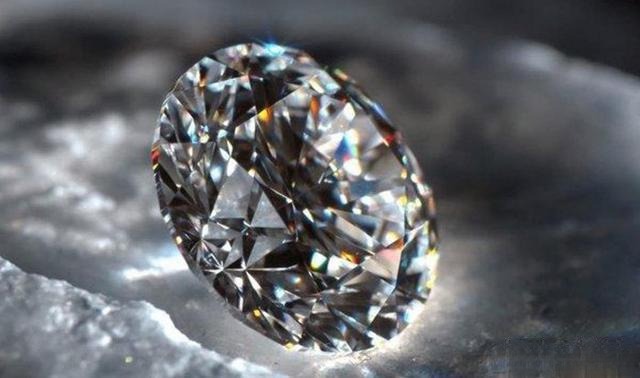
Even if its clarity grade is technically good, the milky internal structure makes the stone appear lifeless. Since certificates don’t record this, identifying a milky diamond depends entirely on seeing the stone in person or trusting the seller’s description.
In today’s online market, most reputable jewelers are transparent about this issue—but there are still sellers who blur the truth. That’s why milky diamonds have become a common pitfall for inexperienced buyers.
For a deeper understanding of diamond quality and how the 4Cs affect your choice, check out Peonyjewels blog detailed guide: The Ultimate Guide to the 4Cs of Diamonds: Finding Your Perfect Engagement Ring.
How to Identify a Milky Diamond
Milky diamonds can vary in intensity, generally divided into three categories:
- M1 – Light milky (slightly hazy, noticeable under certain light)
- M2 – Medium milky (clearly hazy, dull fire)
- M3 – Strong milky (opaque, cloudy, almost no sparkle)
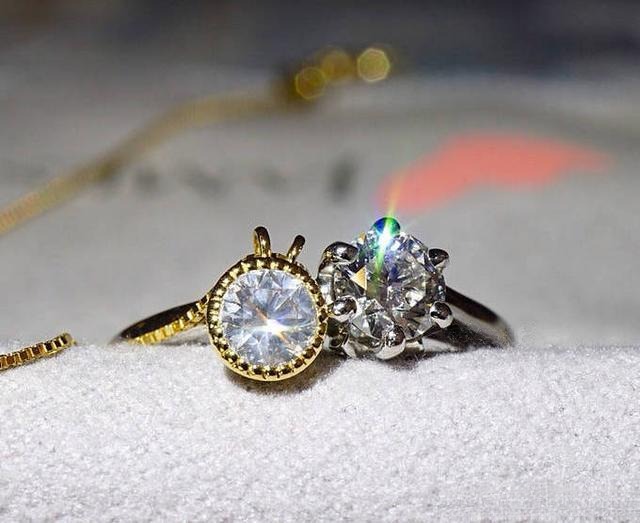
Mild cases may require a trained eye, but medium to strong milky diamonds are easy to spot—they look cloudy and lack brilliance.
However, remember: not every dull diamond is milky.
Sometimes, the stone simply hasn’t been cleaned. Fingerprints, oil, or dust can make even a fine diamond look cloudy.
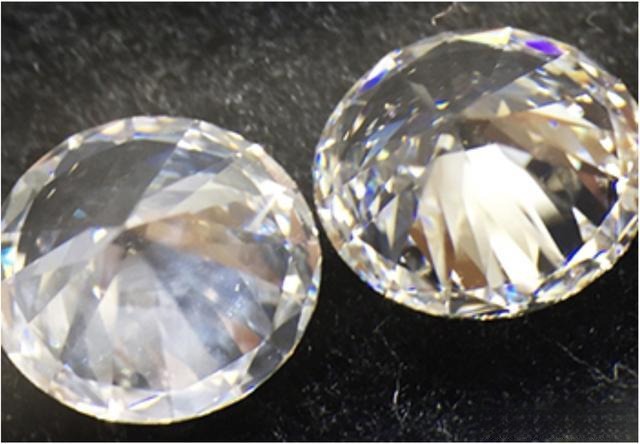
Also, strong fluorescence can cause a diamond to appear oily or hazy in sunlight, yet look normal indoors. That’s not the same as being milky—the difference lies in how the diamond performs across lighting conditions.
How to Avoid Buying a Milky Diamond
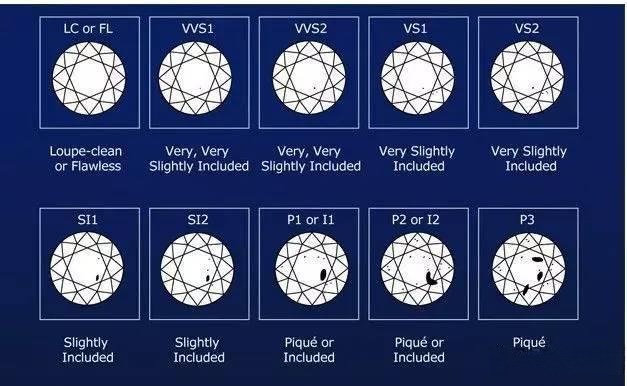
The safest way is always to buy from a trustworthy seller and ask directly.
But if you’re purchasing from an overseas platform where you can’t inspect the stone, here are four tips that might help you identify warning signs from the GIA certificate:
1. Clarity Grade Between SI and VS2 but the Plot Looks Clean
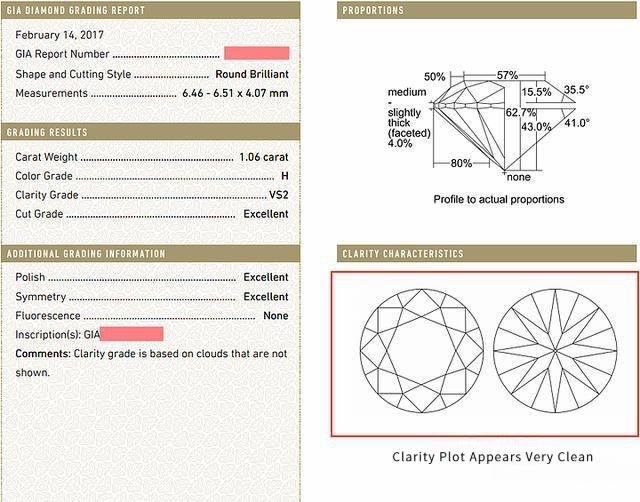
This applies to GIA-graded larger diamonds.
If the clarity diagram shows little to no inclusions, yet the grade isn’t high (like SI or VS2), it might mean the inclusions are internal clouds that are not visible in the plot but still affect transparency—an indicator of a possible milky diamond.
2. Look for the Note: “Clarity grade is based on clouds that are not shown.”
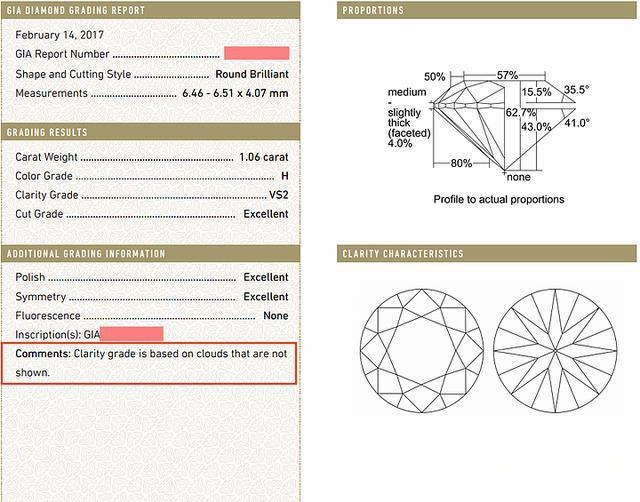
This sentence confirms that the clarity grade is determined by cloud-type inclusions not represented in the diagram.
Translation? The diamond likely has significant internal cloudiness—another red flag for milkiness.
3. Cloud Inclusions in SI–VS2 Clarity Grades
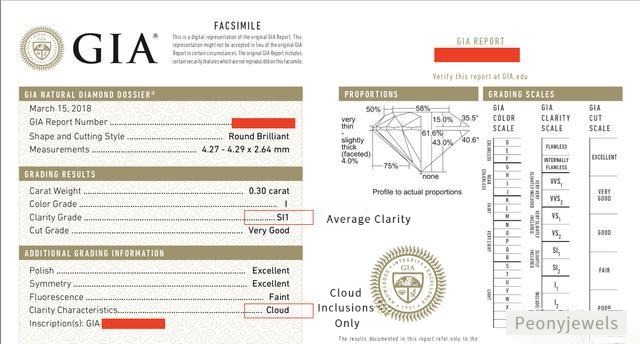
For diamonds graded SI to VS2 on a GIA certificate, if the inclusions are relatively simple and primarily cloud-like, the diamond is very likely to be a milky diamond. This applies to both large and small stones. For smaller diamonds that lack a clarity plot, you can only judge the inclusion type based on the clarity grade and the seller’s description.
Diamonds often contain inclusions such as pinpoints, clouds, feathers, and other colored minerals. Among these, cloud-like inclusions most strongly interfere with light refraction, reducing fire and brilliance. When a low-clarity diamond contains mostly cloud inclusions, it often appears hazy or “foggy” throughout.
4. Be Skeptical of Prices That Seem Too Good
If a diamond with identical 4C parameters is much cheaper than others from the same seller, take it as a warning.
There’s no such thing as a miracle deal—milky, brownish, or greenish tints could be the reason.
When comparing prices across different sellers, extreme differences can also hint at certificate swapping—a topic we’ll cover in another article.
Quick Recap: Key Points About Milky Diamonds
- You can’t tell from the certificate—only by examining the actual stone.
- Photos alone are unreliable; lighting often washes out fine differences. A certificate number helps.
- Milky diamonds most often appear in the SI–VS2 clarity range. Stones above VVS rarely exhibit noticeable milkiness.
- Above all, trust matters. A reliable jeweler saves you from expensive mistakes.
Final Thoughts from Peonyjewels
“A diamond is forever—its brilliance should be too.”
At Peonyjewels, we believe a diamond’s true value lies not only in its sparkle but also in the emotion and story it carries.
By understanding what makes a diamond truly clear and radiant, you can choose a piece that lasts a lifetime—pure, transparent, and full of light.
For those who seek something even more personal, Peonyjewels offers bespoke jewelry design services.
From selecting each diamond to crafting a one-of-a-kind setting, our team works with you to transform your love story into a timeless piece of art.
And if you appreciate handcrafted artistry and attention to detail, explore our handmade vintage earrings—each created with the same dedication and integrity we bring to our custom diamond pieces.