Moissanite vs Diamond: The Ultimate Simulant Identification Guide
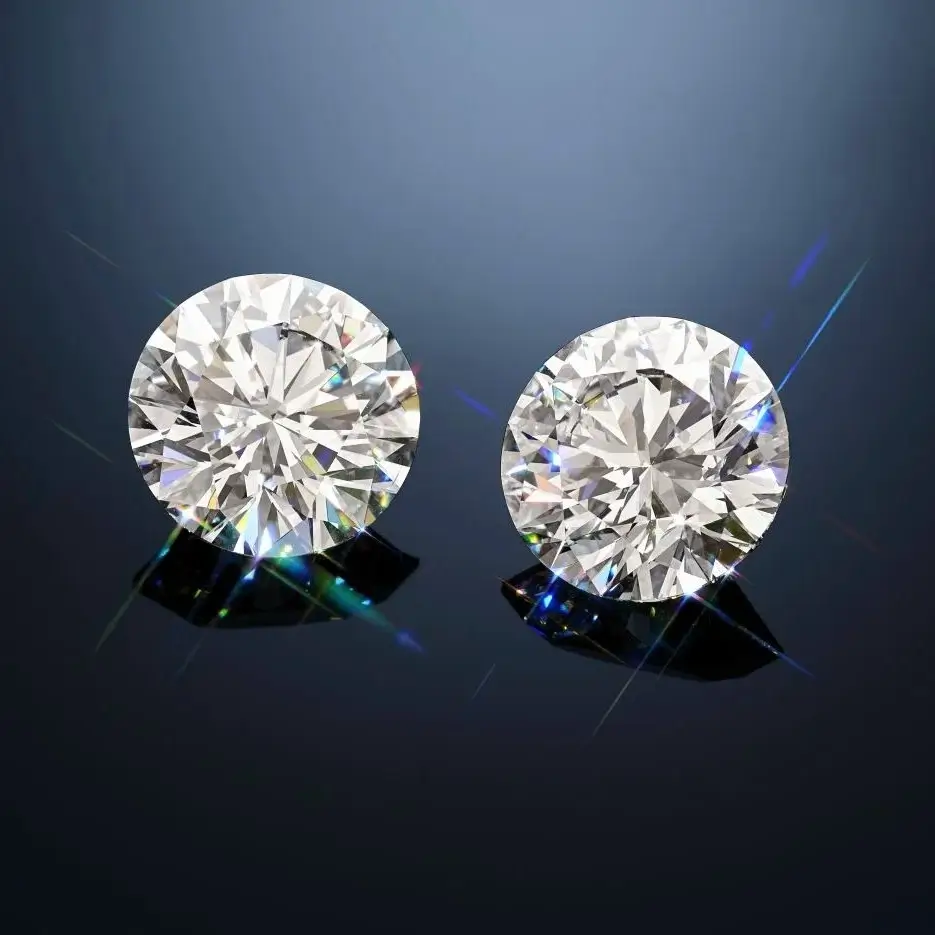
Unmasking the Impostors: A Deep Dive into Diamond Simulants
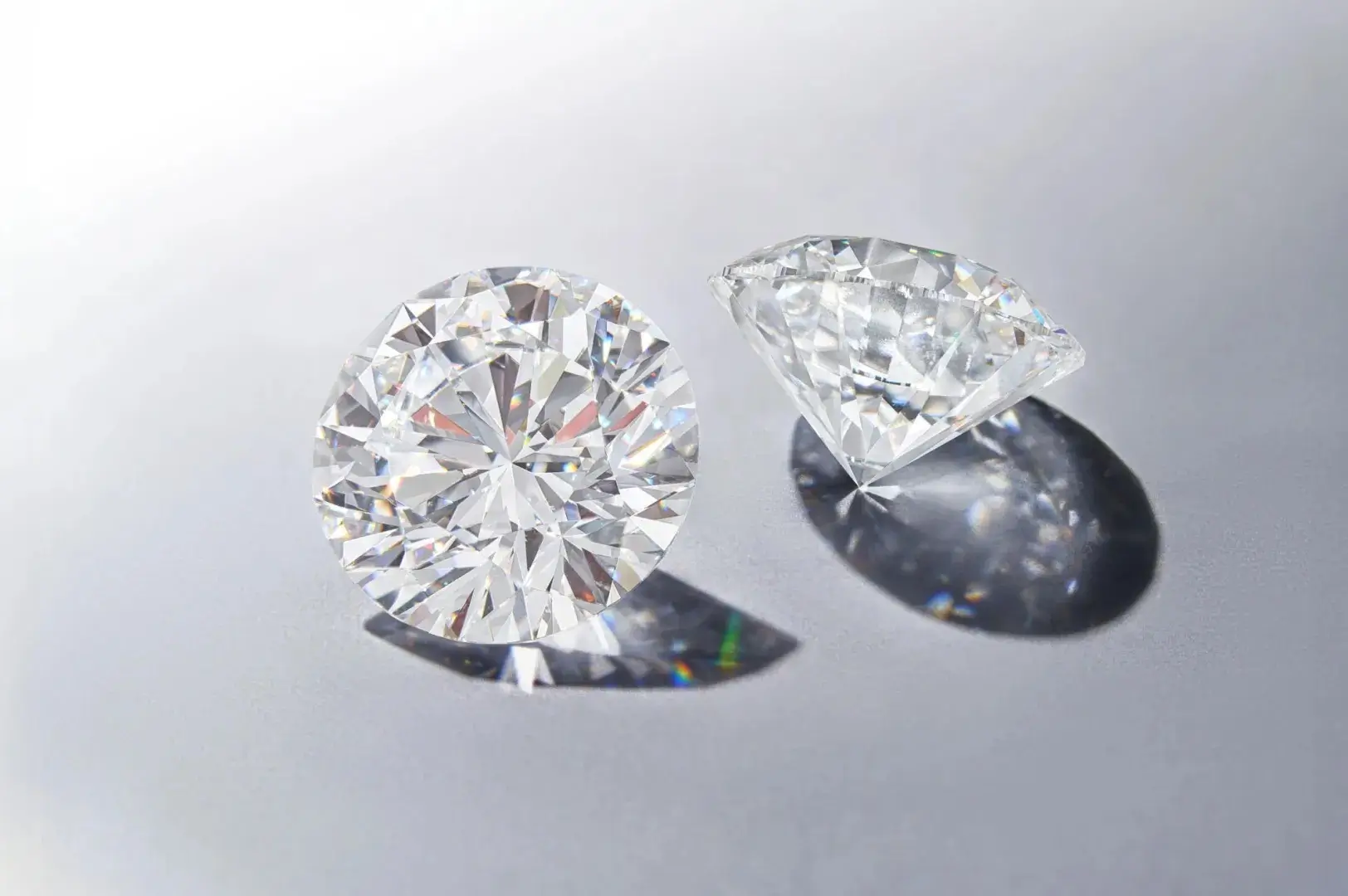
The allure of a perfect diamond is undeniable, but the hefty price tag often leads savvy consumers to explore alternatives. Whether you’re a discerning jewelry buyer, a thrifty fashionista, or just someone looking to ensure authenticity, understanding the world of diamond simulants is crucial. Many sophisticated options exist, making the comparison of Moissanite vs Diamond a key point of decision for modern shoppers.
While some fakes are obvious, others, like Moissanite and Cubic Zirconia (CZ), are masterful impostors. This comprehensive guide will walk you through the most common diamond substitutes, from the low-cost sparkle of rhinestones to the sophisticated brilliance of high-end alternatives, equipping you with the knowledge to tell a true diamond from its double.
1. 🔍 The Lowest Tier: Glass and Rhinestones
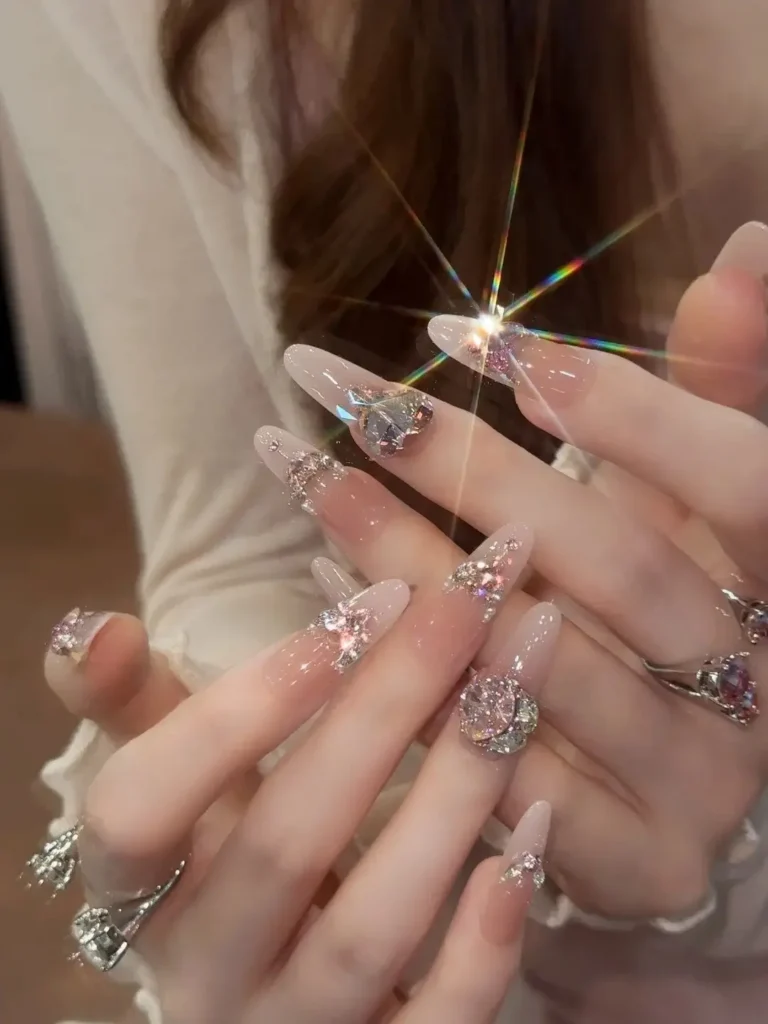
Rhinestones (Glass/Synthetic Crystal) – The Craft Store Sparkle
The most humble of diamond stand-ins, Rhinestones (often made of glass or synthetic crystal), are primarily used for low-end decoration on items like nail art, phone cases, and apparel. Any vendor using rhinestones knows they are offering a low-end product, so the price usually gives it away instantly. However, for those rare instances of malicious misrepresentation, here’s how to spot them:
| Feature | Diamond | Rhinestone (Glass/Crystal) |
| Refraction/Luster | Brilliant and Dazzling | Very Low Refractive Index, Lacking Brilliance |
| “Water Test” | Outline is Extremely Clear | Outline becomes Very Blurred in Clear Water |
2. 🛡️ Sapphire and Spinel: Industrial & Natural Impostors
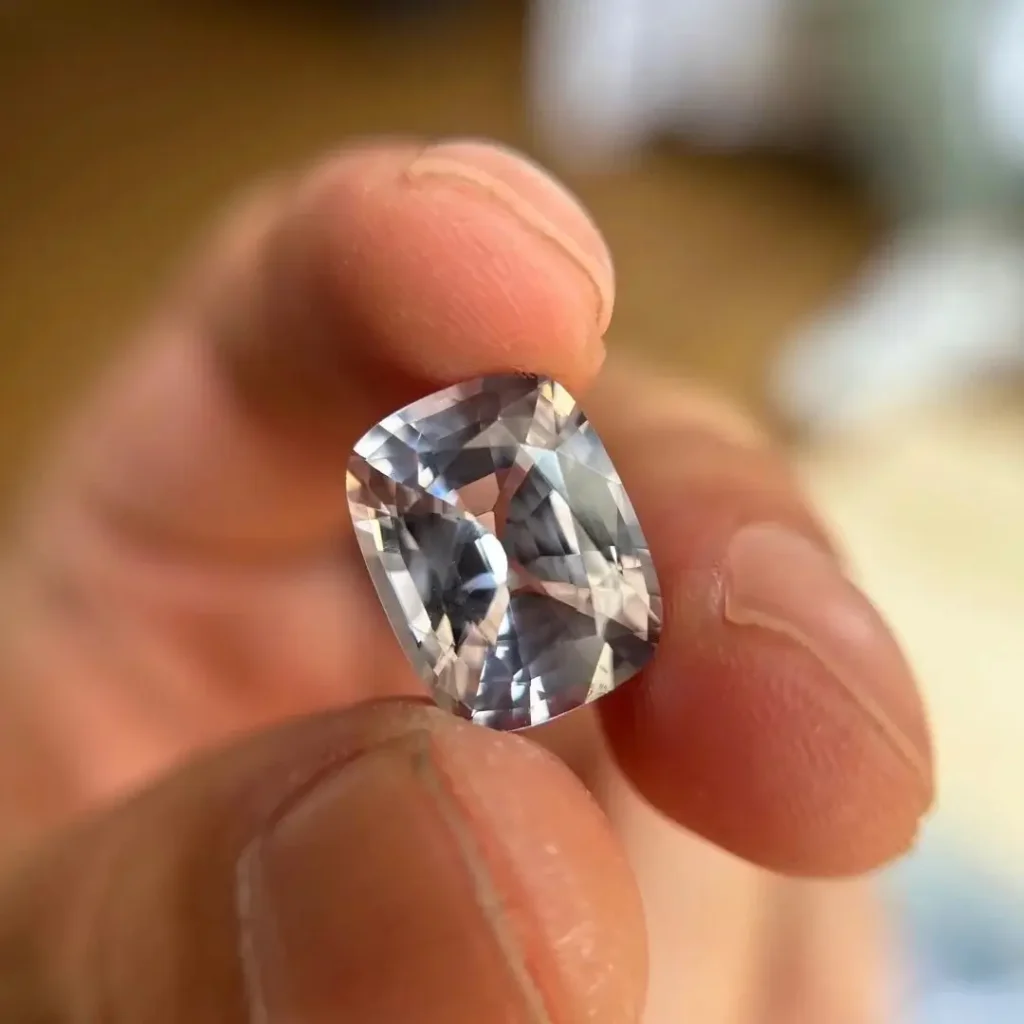
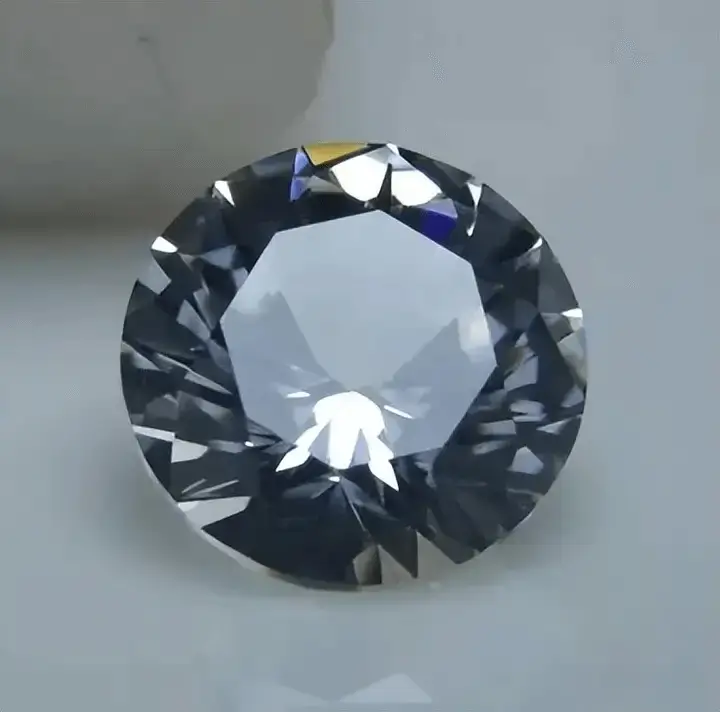
This group includes both industrial synthetics and natural gemstones that are used as diamond substitutes. Gemologists often rely on sophisticated tests, like immersion in Di-iodomethane, to distinguish them.
2.1. Synthetic Spinel and Synthetic Colorless Sapphire
Synthetic Spinel (Hardness 8, RI 1.73) and Synthetic Colorless Sapphire (Hardness 9, RI 1.77) are high-durability materials used in industrial fields like aerospace. However, as diamond substitutes, their lower refractive properties mean they visibly lack the distinct “fire” and brilliance of a true diamond.
🔬 Identification Using Di-iodomethane (Methylene Iodide)
This heavy liquid test utilizes the principle of Specific Gravity (SG) to separate the stones. Di-iodomethane has an SG of approximately 3.32 g/cm³.
- Diamond(SG ~ 3.52): Will sink clearly to the bottom.
- Synthetic Colorless Sapphire(SG ~ 4.0): Will sink clearly and distinctly (higher density).
- Synthetic Spinel (SG ~ 3.6): Will sink, but its outline will appear blurred as it almost blends with the liquid.
| Feature | Diamond | Syn. Colorless Sapphire | Syn. Spinel |
| Hardness (Mohs) | 10 | 9 | 8 |
| Refractive Index (RI) | 2.417 | 1.77 (Very Low) | 1.73 (Very Low) |
| Visual Appearance | Intense Brilliance | Appears Dull, Lacks Fire | Lacks Fire |
2.2. Natural Colorless Sapphire – A Mid-Tier Stand-In
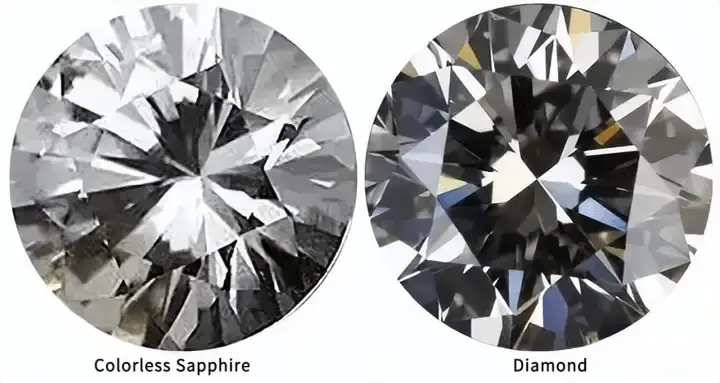
Natural colorless sapphire is occasionally substituted for diamonds, particularly in small settings. While legitimate sellers disclose this, less scrupulous vendors might not.
- Small Stones (Under 0.15 ct): The distinction is difficult to see with the naked eye. Professional testing is recommended.
- Larger Stones (Above 0.25 ct): The lack of high dispersion (fire) in the sapphire makes its brilliance noticeably inferior to a diamond, making visual differentiation much easier.
3. 🔥 Obsolete Fakes: Too Much or Too Little Fire
These substitutes were briefly popular but were quickly surpassed because their optical properties were either too extreme or too bland compared to a diamond.
3.1. Strontium Titanate – The Overly Fiery Gem
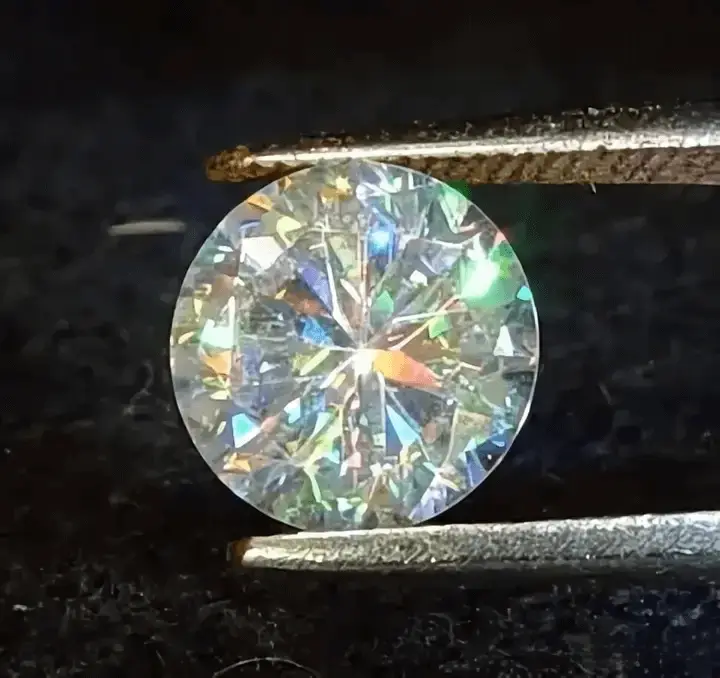
Developed in 1953, Strontium Titanate quickly faded from the market because its Dispersion Value (0.19) is almost four times higher than a diamond’s (0.044). This results in a spectacular, but obviously unnatural, display of rainbow fire.
| Feature | Diamond | Strontium Titanate |
| Hardness (Mohs) | 10 | 5–6 (Extremely Soft) |
| Dispersion/Fire | Strong (0.044) | Extreme (0.19) |
| Visual Appearance | Brilliant and Controlled Fire | Too brilliant, overly intense and vivid fire—a clear giveaway. |
3.2. YAG (Yttrium Aluminum Garnet) – The First ‘American Diamond’
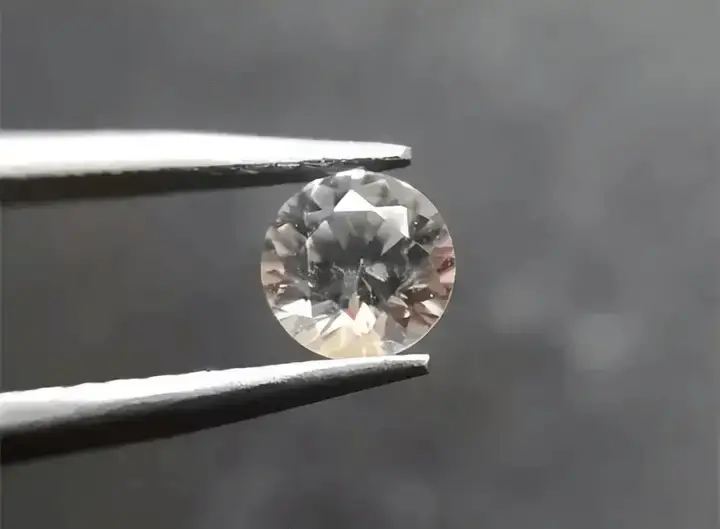
YAG, or “American Diamond,” entered the market in the 1960s, succeeding Strontium Titanate before Cubic Zirconia eventually replaced it.It is perfectly colorless and possesses good polish, but it suffers from low dispersion, making it look lifeless.
| Feature | Diamond | YAG (American Diamond) |
| Dispersion/Fire | Strong Fire | Low Dispersion, Appears “Lifeless” |
| Visual Identification | No distinct dark zones | Tilt Test: Slowly tilt the standard brilliant-cut YAG; you will see distinct “dark zones” appearing in the table facet. |
4. Zircon and Cubic Zirconia: Fragility and the Everyday Fake
4.1. Natural Zircon – The Ancient, Soft Alternative
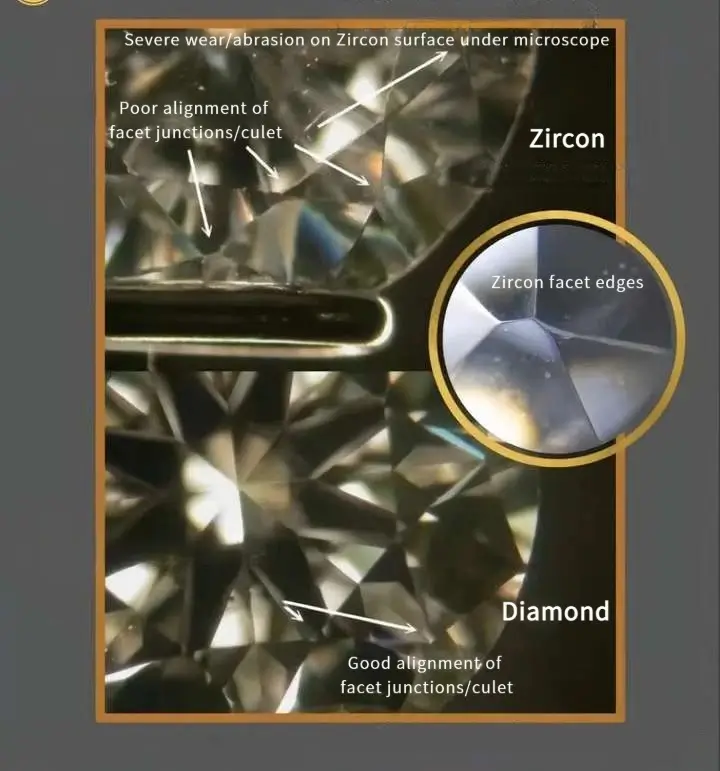
Natural Zircon is a fascinating gemstone—it has existed for over 4.3 billion years! Despite its ancient lineage and beautiful natural colors, the colorless variety is often relegated to the role of a diamond substitute. While it can display strong fire due to its high dispersion, its major drawback as an everyday diamond alternative is its relative softness.
| Feature | Diamond | Natural Colorless Zircon |
| Hardness (Mohs) | 10 | 7.5 (Softness is a serious limitation) |
| Longevity/Wear | Extremely Durable | Prone to surface scratching and dulling (paper-wear effect) |
| Refraction | Single | Double Refraction (Can sometimes cause a “sleepy” look) |
- PeonyJewels Insight: We advise against Zircon for everyday diamond replacement due to its low hardness. For a truly durable alternative, Moissanite is the far superior choice. (For a deep dive into Zircon’s properties, check out our recent PeonyJewels blog article:Zircon: Is This Ancient Gem a Fake Diamond, or a Valuable Treasure? ).
4.2.Cubic Zirconia (CZ) – The Everyday Impostor
Cubic Zirconia (often called “Russian” or “Swiss” diamond) is the most widely used diamond simulant today, especially in silver jewelry. However, a major issue with CZ is its low Mohs hardness of only 7.5, which leads to surface abrasions and dullness over time (known as the “paper-wear effect”). For jewelry intended to last, a CZ is a poor choice.
| Test | Diamond | Cubic Zirconia (CZ) |
| Refraction Test | Place stone (point up) on a lined white paper. Lines Disappear (due to high RI). | Place stone (point up) on a lined white paper. Lines are Visible through the bottom (due to lower RI and light leakage). |
| Durability (Mohs) | 10 | 7.5 (Prone to wear and dulling) |
5. The Ultimate Simulant: Moissanite vs Diamond
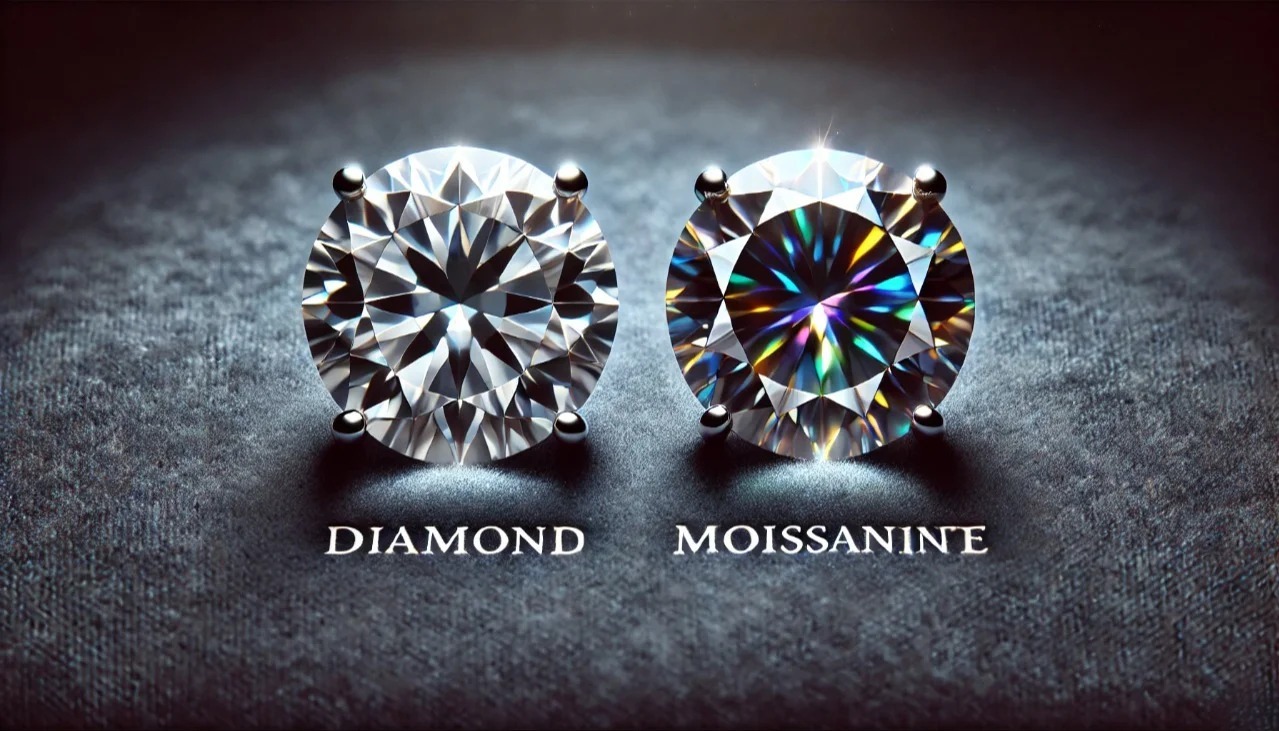
5.1. Moissanite (Synthetic Silicon Carbide) – The Near-Perfect Double
If you are looking for a highly durable, brilliant, and affordable alternative, Moissanite is the clear winner. This synthetic stone boasts a high hardness (Mohs = 9.25) and a higher refractive index than diamond, making it the most convincing substitute and one that often fools standard thermal diamond testing pens.(For a quick, detailed look at the core differences, read our PeonyJewels blog guide:What Is Moissanite and How to Tell It Apart from Diamond?).
🔬 Moissanite vs Diamond Identification Trick
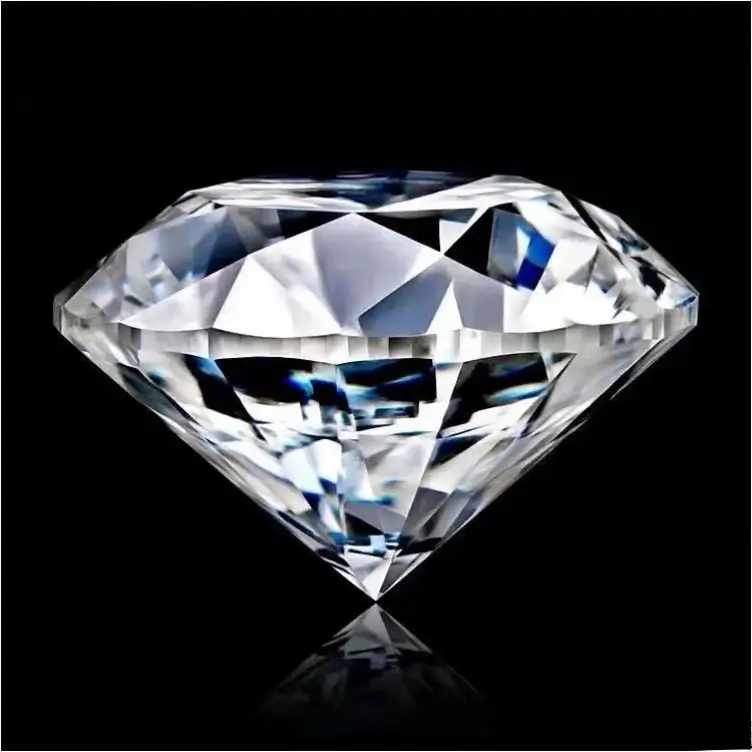
The key scientific difference lies in how they interact with light:
- Diamond is singly refractive.
- Moissanite is doubly refractive (birefringent)—light entering the stone splits into two rays, causing a doubling effect on the facet edges.
| Feature | Diamond | Moissanite |
| Hardness (Mohs) | 10 | 9.25 (Exceptional Durability) |
| Refraction | Single (RI: 2.417) | Double (RI: 2.648-2.691) |
| Fire/Dispersion | Strong (0.044) | Extremely Strong (Higher than diamond, sometimes too much) |
| Identification with 10x Loupe | Sharp, Single Facet Edges | Double Refraction: Look closely at the facet edges—you will see a clear double image (doubling of the facet junction lines). |
Note: Some advanced Moissanite cuts feature over 100 facets—far exceeding the standard 57-58 of a brilliant-cut diamond. While impressive, this abundance of facets can result in a magnificent display of intense, rainbow fire that is visually distinct from the subdued sparkle of a traditional natural diamond, highlighting the Moissanite’s unique brilliance.
Final Thoughts on Your Diamond Alternatives
Choosing a diamond simulant ultimately comes down to balancing your budget with your desired longevity.
Crucially, when evaluating Moissanite vs Diamond for everyday wear, Moissanite offers a near-perfect aesthetic match without compromising durability. Therefore, for lasting brilliance, superior hardness, and maximum durability, Moissanite is the unequivocally advanced diamond simulant of choice, and stands far superior to the softer Cubic Zirconia (CZ) or Natural Zircon.
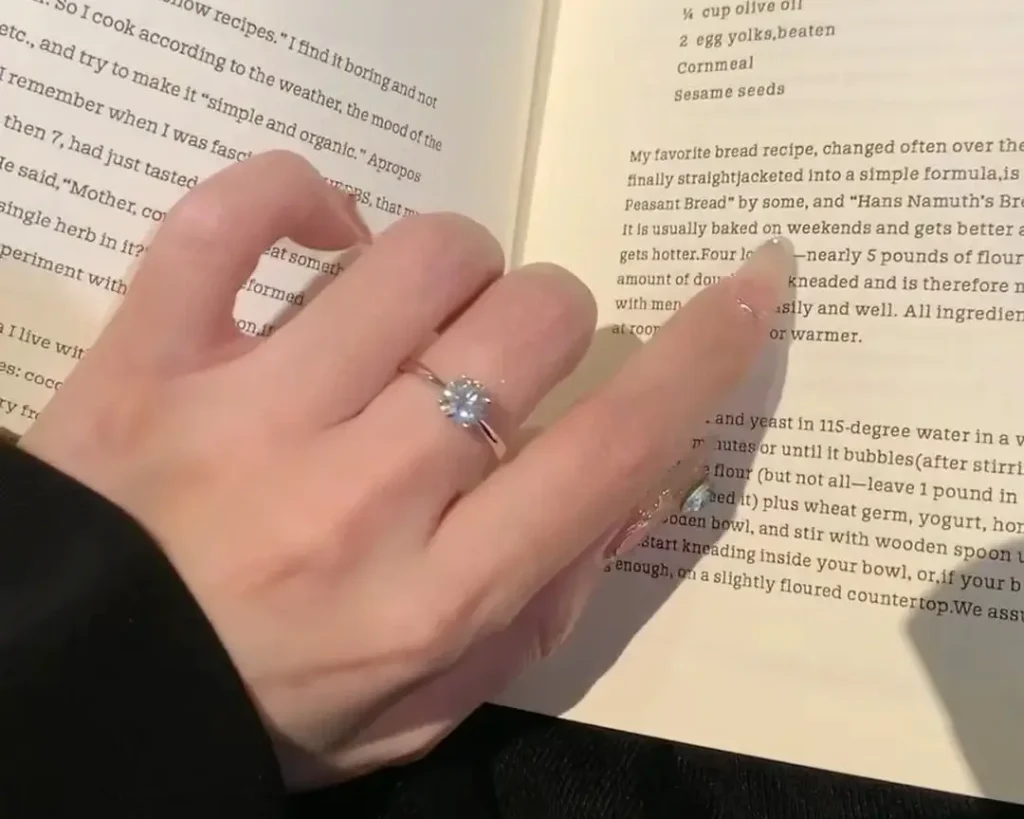
At PeonyJewels, we appreciate the beauty and craftsmanship in all forms of jewelry. If you are looking for pieces that offer genuine character and a unique story—whether featuring stunning gemstones or diamond simulants—we invite you to explore our custom design services and our unique collection of original, handmade vintage earrings. Our focus is on artistry and quality, ensuring every piece you wear is as distinctive as you are.