Apatite: The Affordable Alternative to Paraiba Tourmaline
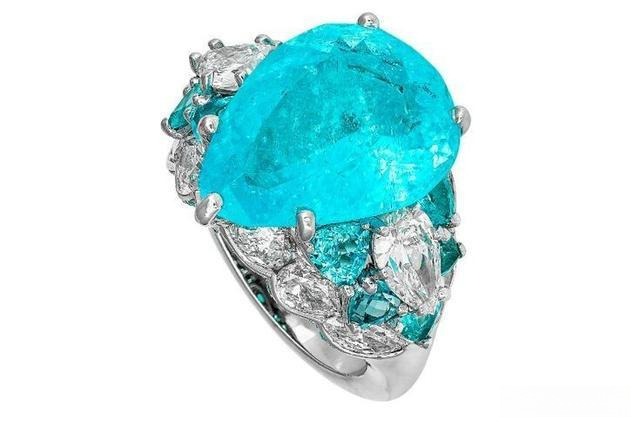
Have you ever fallen for the electric neon blue-green glow of Paraiba Tourmaline? Perhaps you closed the page the moment you saw the price.
If what you love is that bright, vivid, almost glowing blue-green color but have a limited budget, you should know one name: Paraiba Color Apatite.
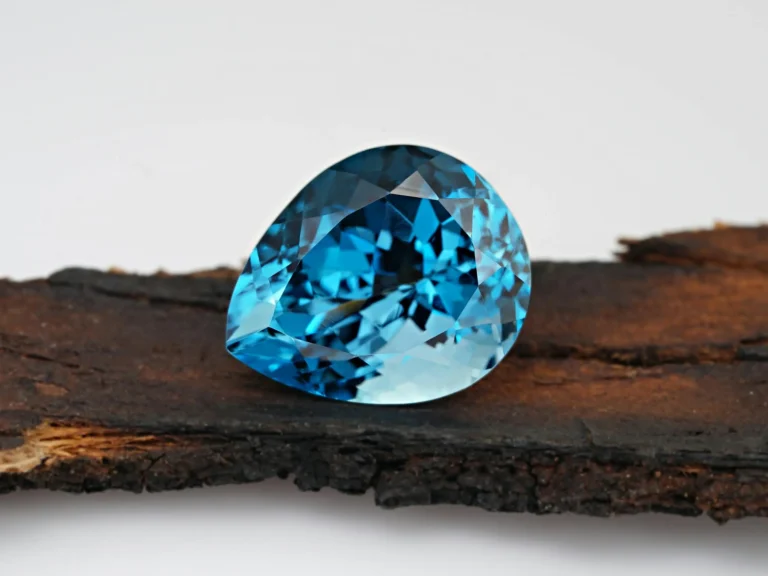
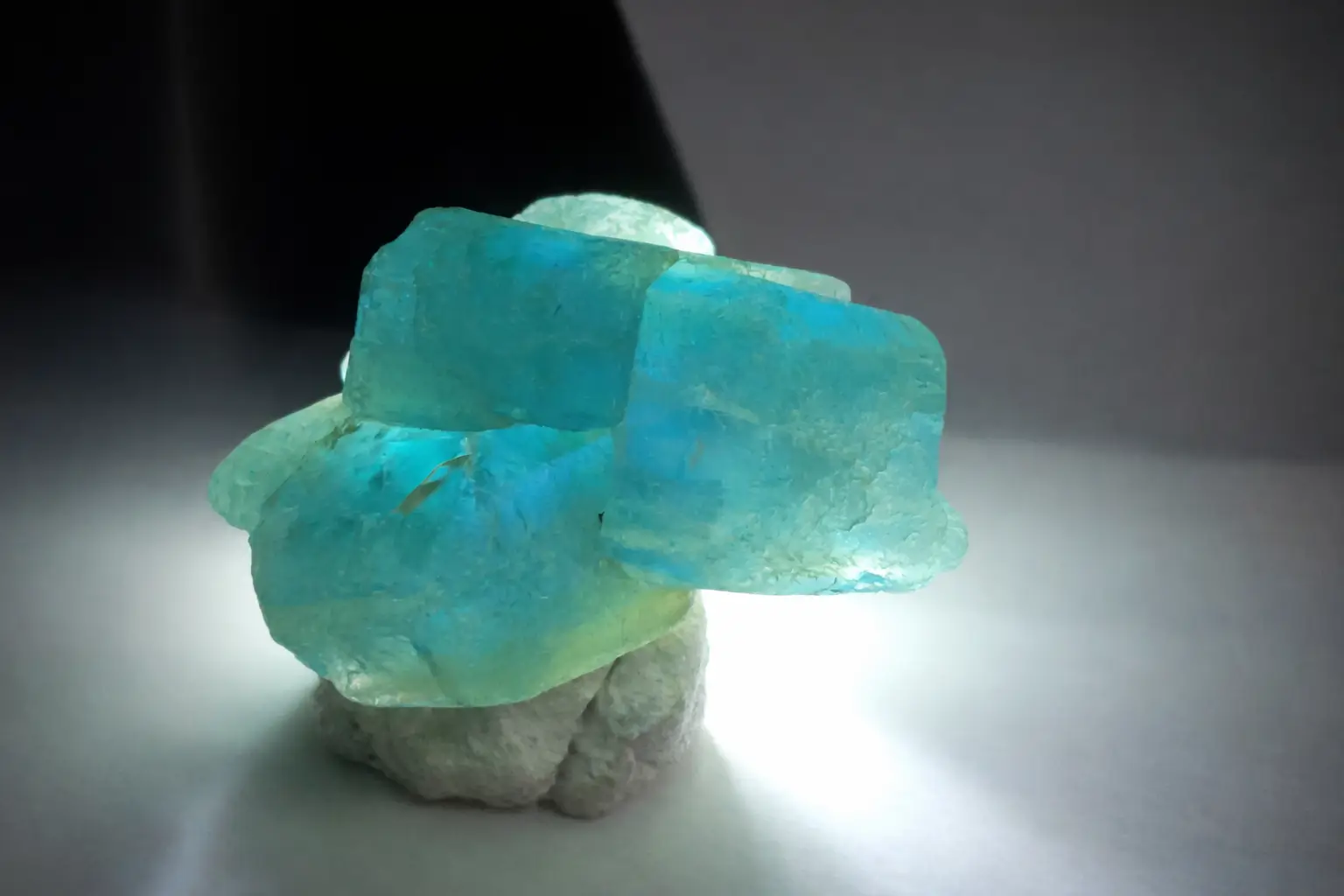
Paraiba Color Apatite is a natural gemstone. It features intense neon blue to blue-green hues that closely resemble Paraiba Tourmaline, while remaining far more affordable.
Collectors often call it the “affordable Paraiba.” However, Apatite is more than just a substitute. It possesses its own distinct character, beauty, and limitations. It offers remarkable value for those who understand its unique nature.
What Is Paraiba Color Apatite?
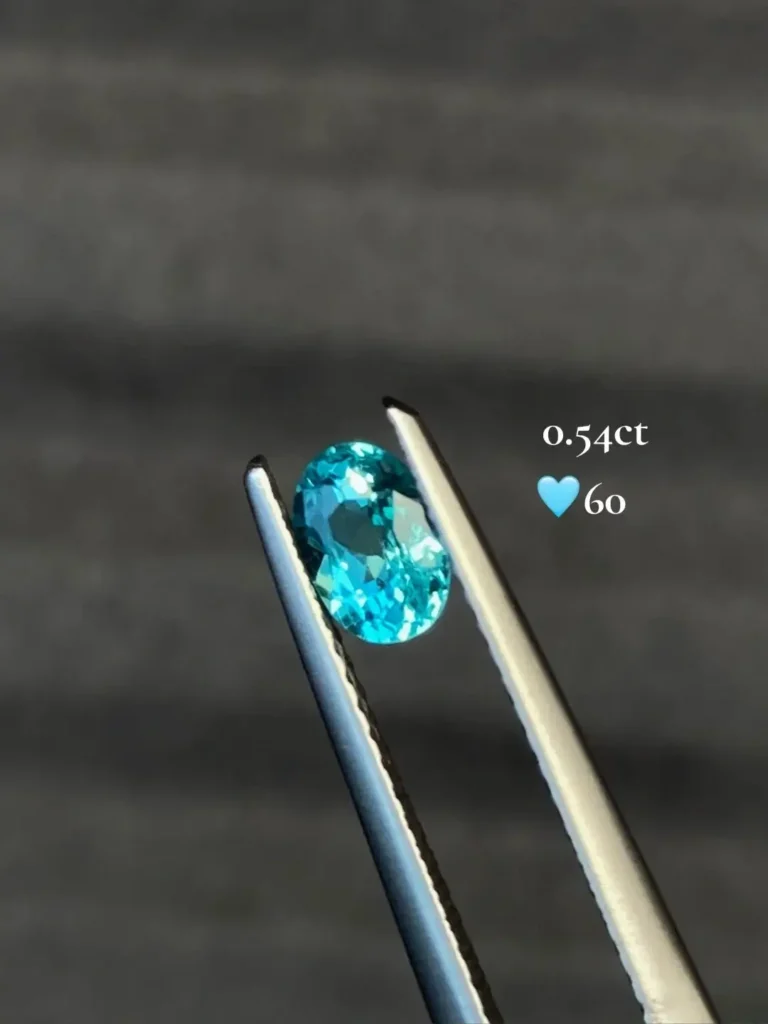
Paraiba Color Apatite is not a formal mineralogical term. Instead, the jewelry industry uses it as a color-based designation for gem-quality apatite that displays highly saturated neon blue to blue-green hues.
Most Paraiba Color Apatite comes from Madagascar, where the material is known for its intense visual impact. In natural light, these gemstones often appear to glow from within, creating a vivid, luminous effect that immediately brings Paraiba tourmaline to mind.
Why Does Paraiba Color Apatite Look Like Paraiba Tourmaline?
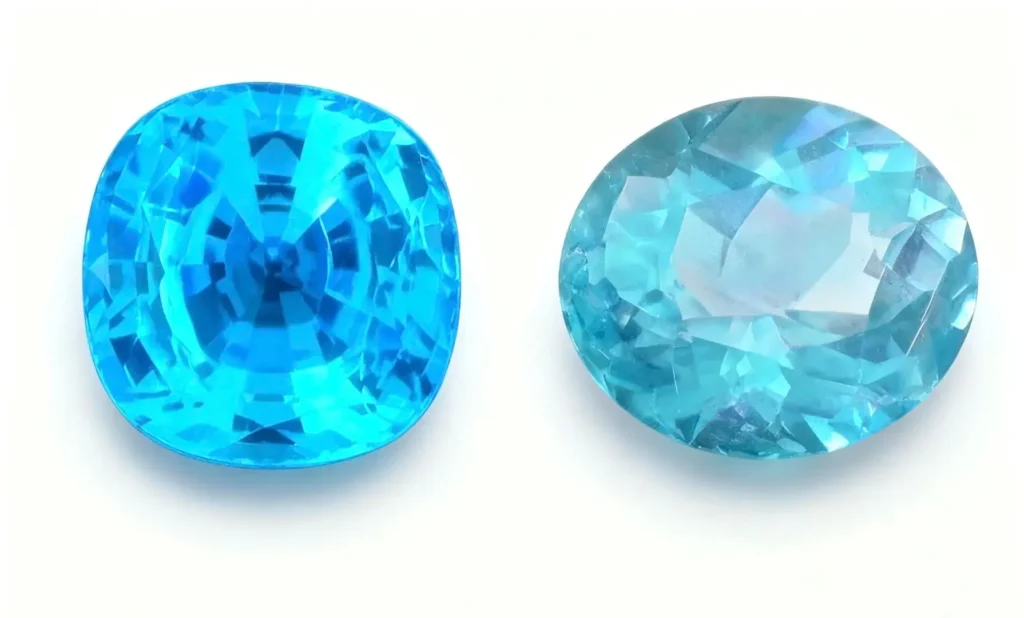
At first glance, apatite and Paraiba tourmaline often confuse buyers—and for one primary reason alone:
Color.
Specifically, both gemstones can display
- high brightness,
- strong color saturation, and
- vivid neon blue to blue-green tones.
As a result, when viewed at normal wearing distance and under everyday lighting conditions, most consumers struggle to reliably distinguish between these two blue-green gemstones with the naked eye.
However, visual similarity tells only part of the story.
From a gemological perspective, the differences between apatite and Paraiba tourmaline are, in fact, substantial. While they may appear similar on the surface, their mineral composition, durability, rarity, and market value differ significantly, as shown below:
| Feature | Apatite | Paraiba Tourmaline |
|---|---|---|
| Mineral group | Phosphate mineral | Silicate mineral |
| Mohs hardness | 5–5.5 | 7–7.5 |
| Market rarity | Relatively available | Extremely rare |
| Price level | Affordable | Premium to exceptional |
In other words, a similar appearance does not translate into equal gem value.
What Is Apatite, and Why Is It Called the “Deceiver Stone”?
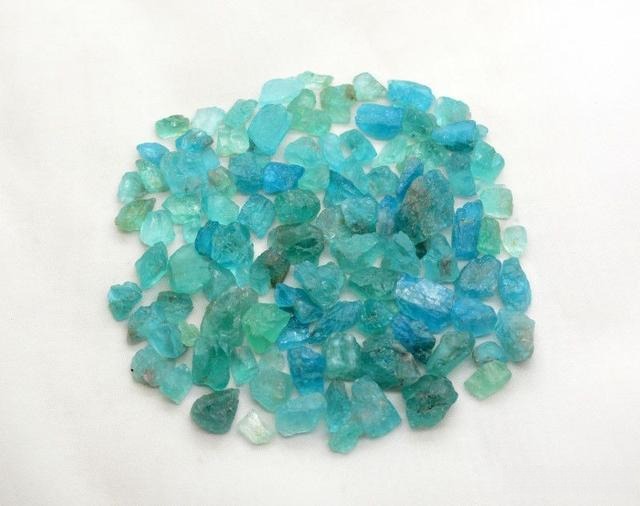
The name apatite was first introduced in 1786 by Abraham Gottlob Werner, who is widely regarded as the father of German geology. Etymologically, the term derives from the Greek word apate, meaning “deception” or “misleading.”
This origin is far from accidental. In fact, the name directly reflects apatite’s long history of confusion with other gemstones. Because of its broad color range and varied crystal forms, apatite often resembles topaz, aquamarine, beryl, and several other minerals—sometimes even to experienced observers.
From a mineralogical standpoint, however, apatite is not a single mineral species. Rather, it refers to a group of calcium phosphate minerals. These minerals occur widely in igneous, metamorphic, and sedimentary rocks and, at the same time, serve as the primary industrial source of phosphorus.
In addition to its geological importance, certain varieties of apatite can emit phosphorescence when heated or exposed to specific lighting conditions. For this reason, ancient cultures once referred to apatite as “living light” or “spirit fire.”
Gemological Properties of Paraiba Color Apatite
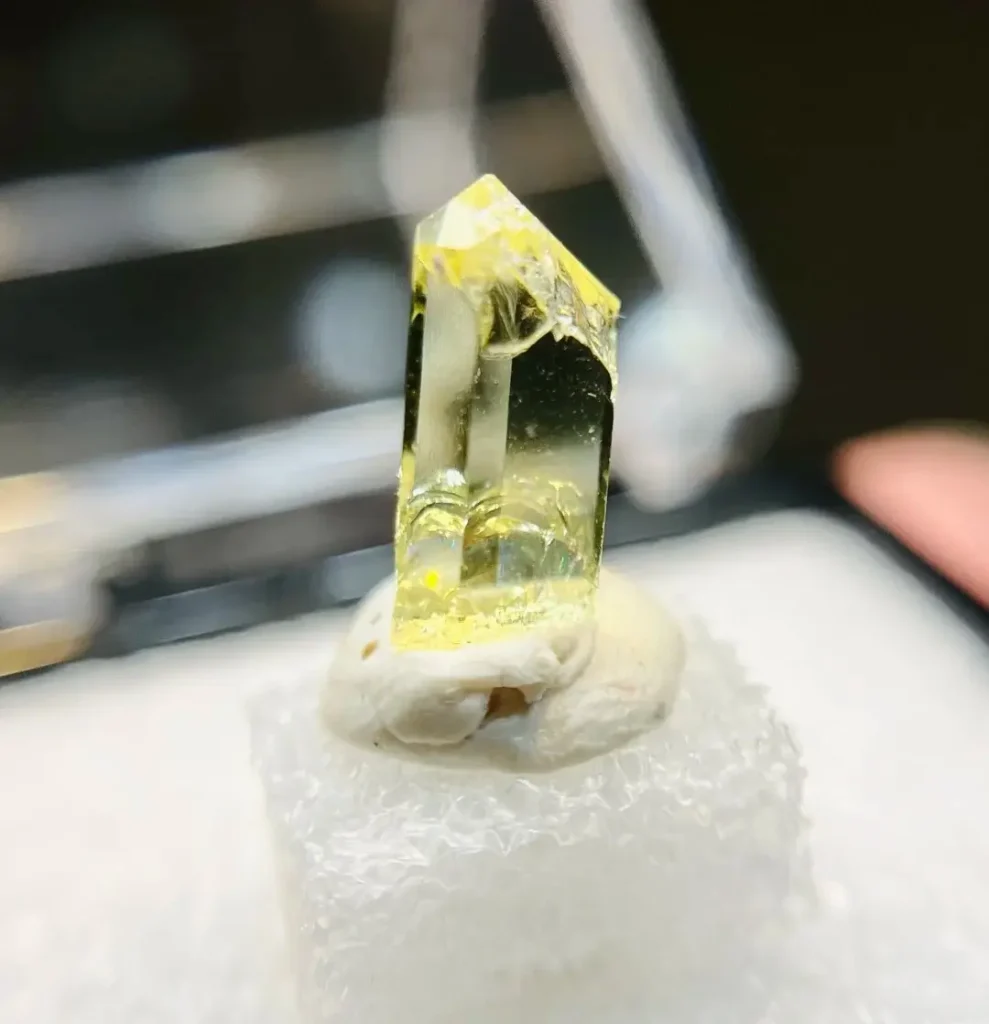
In terms of appearance and structure, apatite gemstones share several consistent characteristics:
- Luster: Vitreous (glassy)
- Transparency: Transparent to translucent
- Crystal system: Hexagonal
- Typical crystal forms: Short hexagonal prisms, thick tabular crystals, or granular aggregates
Physical and Optical Properties
From a gemological perspective, apatite displays the following physical and optical parameters:
- Mohs hardness: 5–5.5
- Specific gravity: 3.18 ± 0.05
- Refractive index: 1.634–1.638
- Birefringence: 0.002–0.008 (typically around 0.003)
- Optical character: Uniaxial, negative
Pleochroism
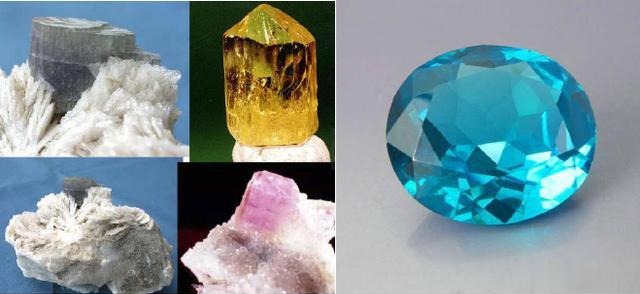
When it comes to pleochroism, apatite behaves differently depending on color:
- Blue apatite shows strong pleochroism (blue / colorless / yellow)
- Other color varieties, by contrast, usually display weak pleochroism
Ultraviolet Fluorescence
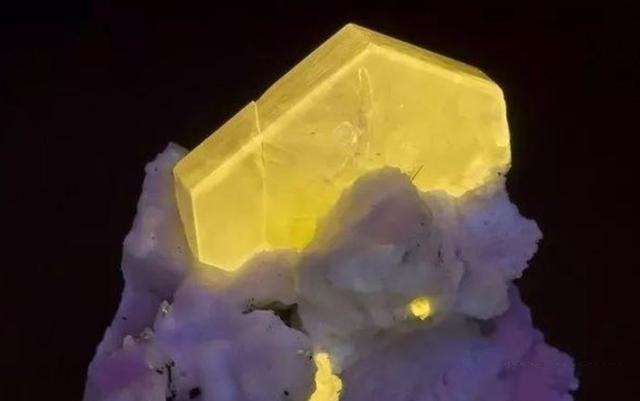
Under ultraviolet light, apatite may also exhibit fluorescence, which varies by color:
- Yellow apatite: purplish-pink
- Blue apatite: blue to light blue
- Green apatite: yellow-green
- Purple apatite: yellow-green under long-wave UV, pale purplish-red under short-wave UV
Types of Apatite and Gem-Quality Varieties
Overall, apatite varieties are classified according to chemical composition, cation substitution, and optical effects.
1. Classification by Chemical Composition
Based on chemistry, the main types include:
- Fluorapatite: The most common variety; typically light green, yellow, or blue, with some gem-quality material
- Chlorapatite: Green-black to brown-black; gem-quality examples are rare
- Hydroxylapatite: The primary inorganic component of human bones and teeth and, therefore, widely used in biomedical applications
- Carbonate apatite: Light-colored varieties most commonly found in sedimentary environments
2. Special Varieties and Notable Gem Types
Beyond these main groups, several special and collectible varieties stand out:
- Strontium apatite (strontium replacing calcium)
- Lead apatite (lead replacing calcium)
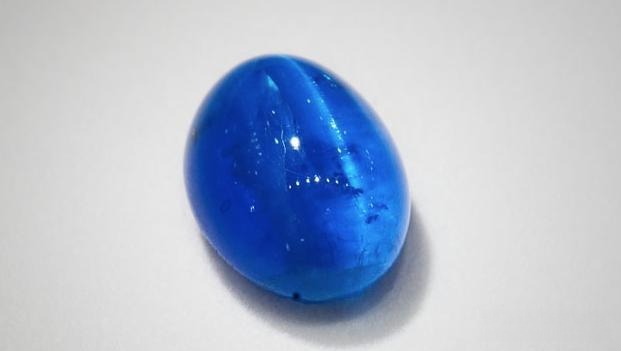
- Madagascar neon blue apatite (Paraiba Color Apatite)
- Tabular hexagonal apatite crystals, often referred to as “star” or Darbai-style apatite
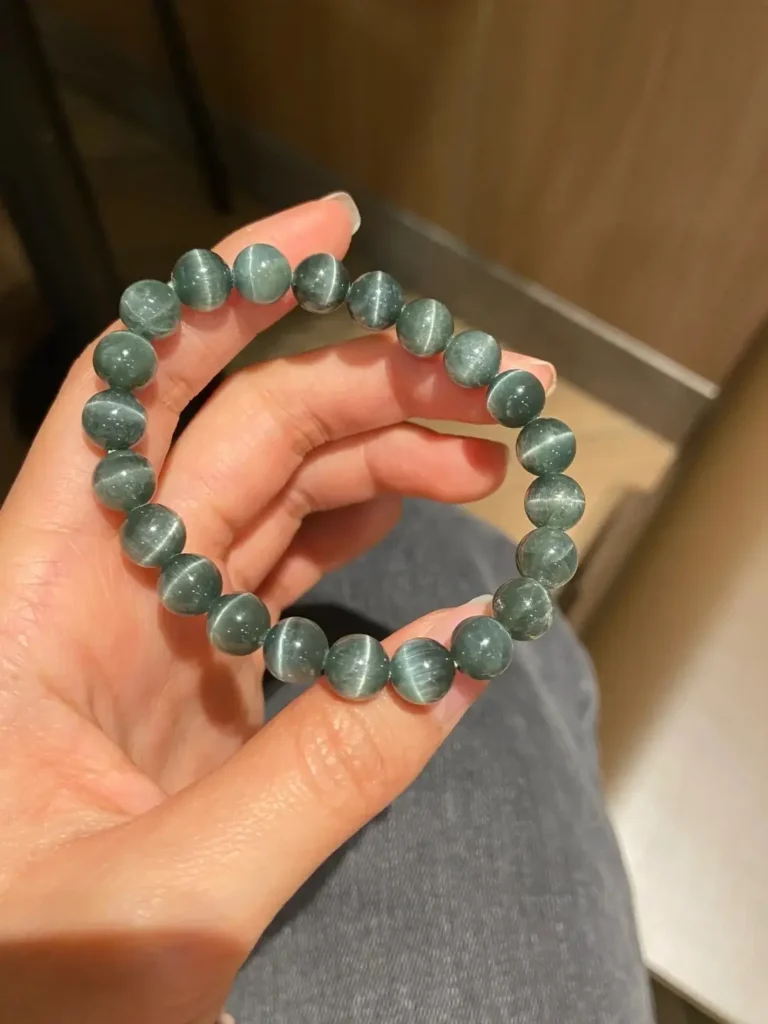
- Blue and green cat’s eye apatite exhibiting chatoyancy
Main Sources of Paraiba Color Apatite
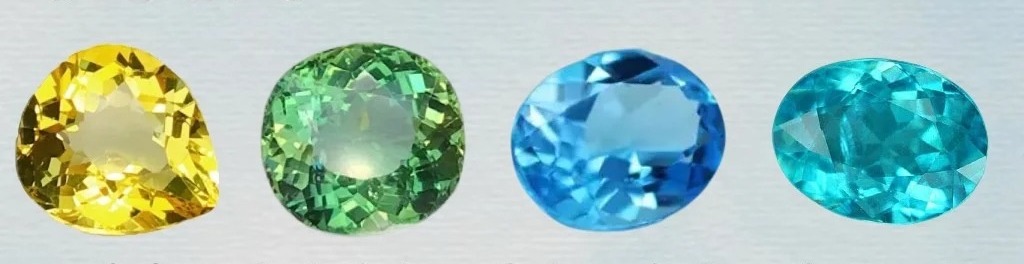
Apatite forms through multiple geological processes and, as a result, occurs in a wide range of locations worldwide. However, apatite that displays a true neon blue to blue-green “Paraiba color” comes primarily from Madagascar.
Because of its exceptional color saturation and vivid glow, Madagascar apatite has become the most sought-after source of Paraiba Color Apatite in the gemstone market.
That said, apatite occurs in many colors, and different varieties originate from distinct regions, as outlined below:
| Color / Variety | Primary Sources |
|---|---|
| Blue apatite | Madagascar, Myanmar, Sri Lanka, Brazil |
| Blue-green apatite | Norway, South Africa |
| Purple apatite | Germany, United States |
| Yellow apatite | Mexico, Spain, Canada, China |
| Green apatite | India, Canada, Mozambique, Madagascar |
| Cat’s eye apatite | Sri Lanka, Myanmar, Brazil, China |
Glowing Cat’s Eye Apatite
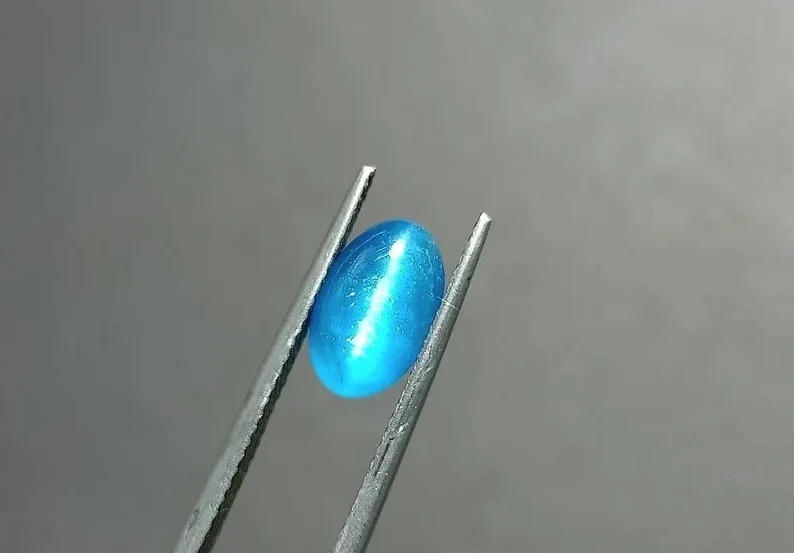
Apatite is one of the few gemstones that simultaneously exhibits both:
- Chatoyancy (cat’s eye effect)
- Fluorescence or phosphorescence
This combination makes it particularly fascinating to collectors and gem enthusiasts.
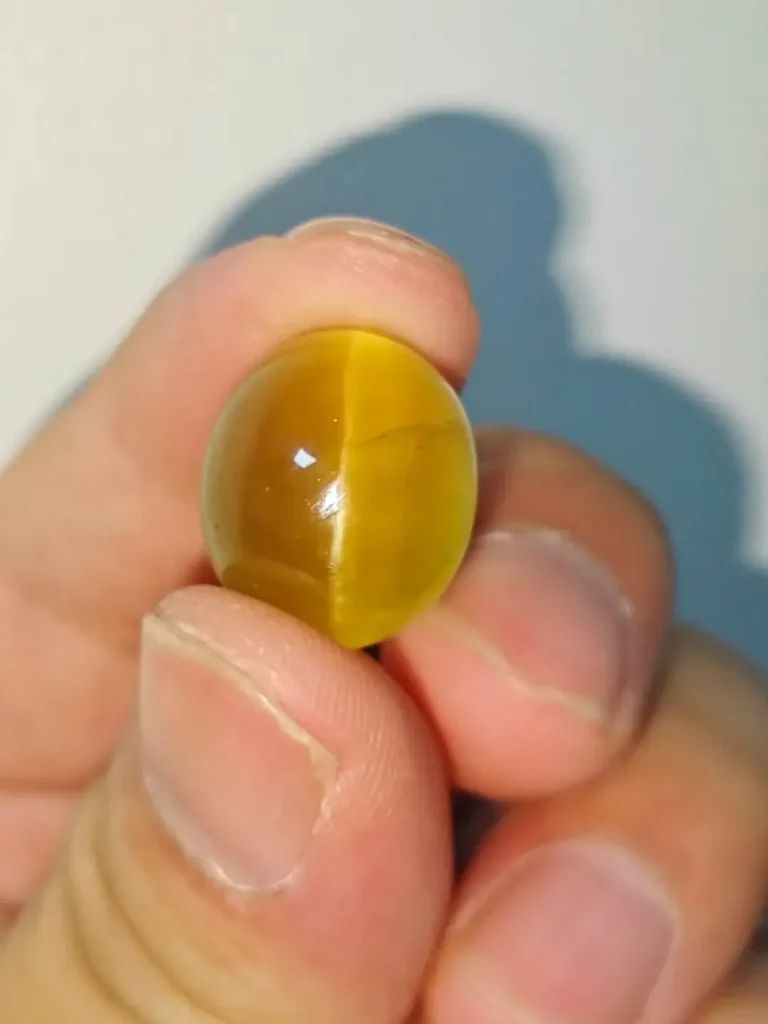
The cat’s eye effect typically arises from fibrous or tubular inclusions, or from oriented fractures within the crystal. While yellow-green cat’s eye apatite is relatively common, highly saturated blue cat’s eye apatite commands significant collector interest due to its rarity and striking appearance.
Note on “The True Cat’s Eye”: While Apatite displays a stunning “eye,” in the world of gemology, the term “Cat’s Eye” used alone refers exclusively to the Chrysoberyl variety. To understand why this gemstone holds such a prestigious title, read our expert feature: Chrysoberyl Cat’s Eye: The Only True “Cat’s Eye” Guide
Is Paraiba Color Apatite Suitable for Jewelry?
This is perhaps the most practical question, yet it is often overlooked.
The answer is: yes, but only under strict conditions.
Due to its low hardness and brittle nature, apatite gemstones:
- Wear easily when exposed to quartz dust or abrasive surfaces
- May develop a frosted or “fuzzy” appearance with prolonged wear
- Can fracture easily if handled carelessly during setting
Recommended Setting Guidelines:
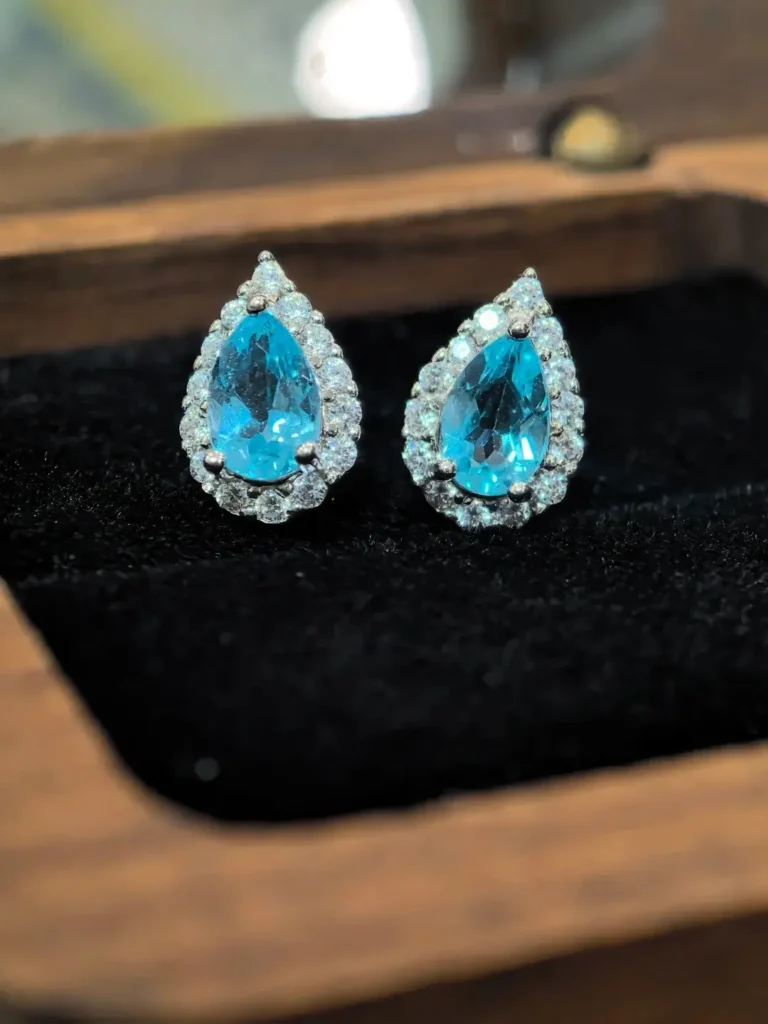
- Prefer bezel or halo settings to protect the stone
- Avoid excessive exposure of the stone’s edges
- Best suited for necklaces, earrings, and brooches
- Not recommended for rings or bracelets
- Never use heat during the setting process, as it can crack the gemstone
In other words, Paraiba Color Apatite can make stunning jewelry, but only when treated with care and mounted by an experienced jeweler.
Pricing and Value: The Paraiba Color Apatite Advantage
One of the most compelling advantages of Paraiba Color Apatite is its accessibility. You can enjoy the vibrant, neon blue-green look of a high-end gemstone without the luxury price tag. However, several factors influence its market value.
Key Value Drivers
Color remains the primary determinant of price. The closer a stone comes to that electric, neon blue-green hue, the higher its value. In addition, buyers pay close attention to clarity and the precision of the cut, as these features can dramatically affect the gemstone’s brilliance.
Paraiba Color Apatite: Current Market Estimates
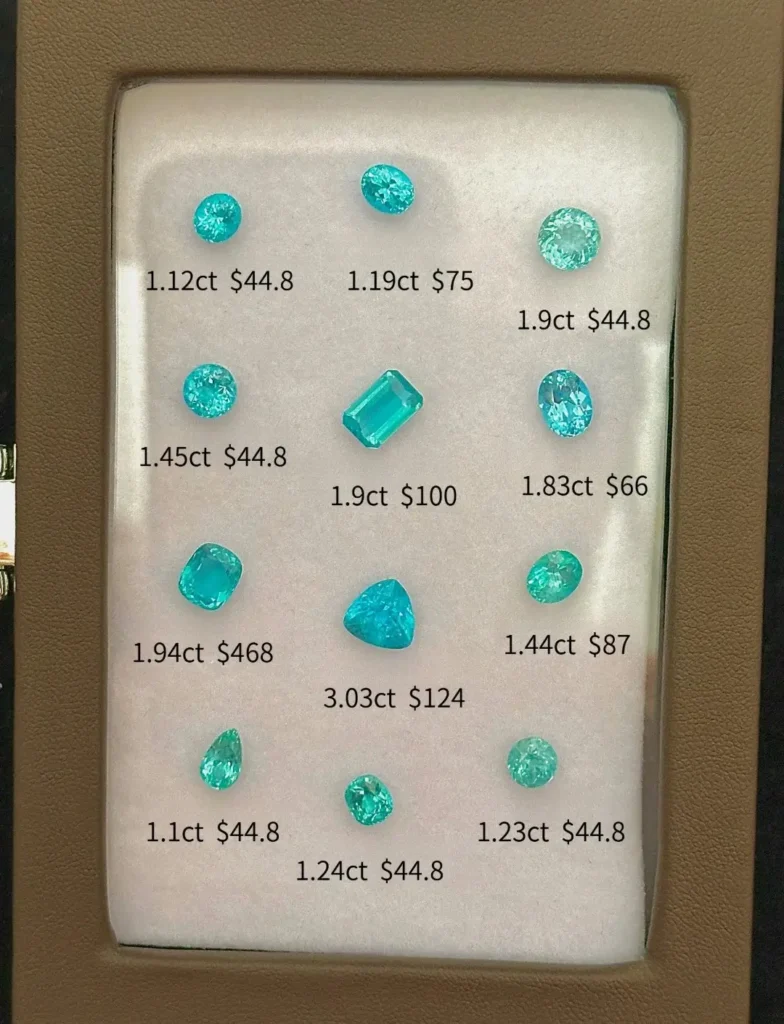
While prices vary depending on quality, you can generally expect the following ranges for jewelry-grade stones:
- Under 1 carat: Typically around $20 per carat
- Up to 3 carats: Usually around $60 per carat
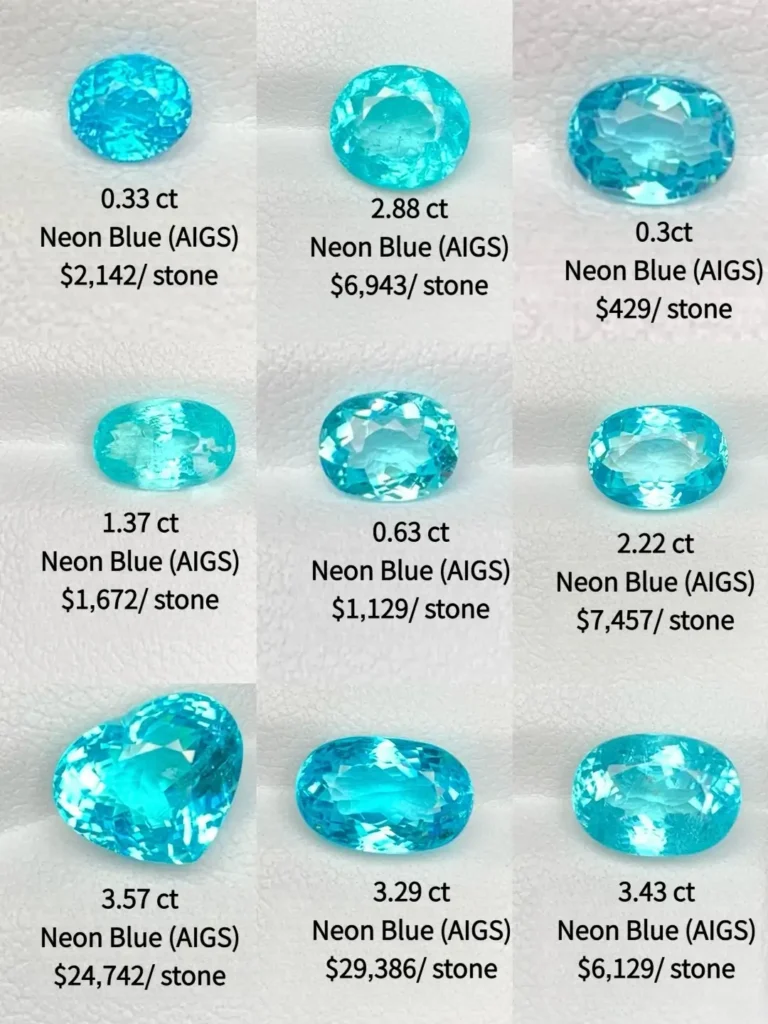
While its glow is remarkably similar to the world’s most expensive tourmaline, the price point tells a different story. In comparison, [Paraiba Tourmaline: Why It Is Called the “King of Tourmalines”] can cost thousands or even tens of thousands of dollars per carat due to its extreme rarity and copper content. This makes Paraiba Color Apatite an unbeatable “bang for your buck,” allowing you to own a substantial, vibrant gemstone with that iconic neon glow while staying well within a reasonable budget.
A Final Thought from Jewea
No one is perfect, and the same holds true for gemstones.
Nature granted Apatite a breathtaking neon glow, but it also gave the stone a fragile nature. If you seek extreme rarity and long-term investment value, Paraiba Tourmaline remains the gold standard.
However, Apatite offers a brilliant alternative for those who prioritize visual charm. When you embrace its delicate nature, this gemstone delivers uncompromising beauty at a reasonable price.
For those who want to enjoy Paraiba Color Apatite safely, Jewea offers expertly crafted jewelry that balances beauty with durability.
Timeless Elegance: Our Handcrafted Vintage Earrings
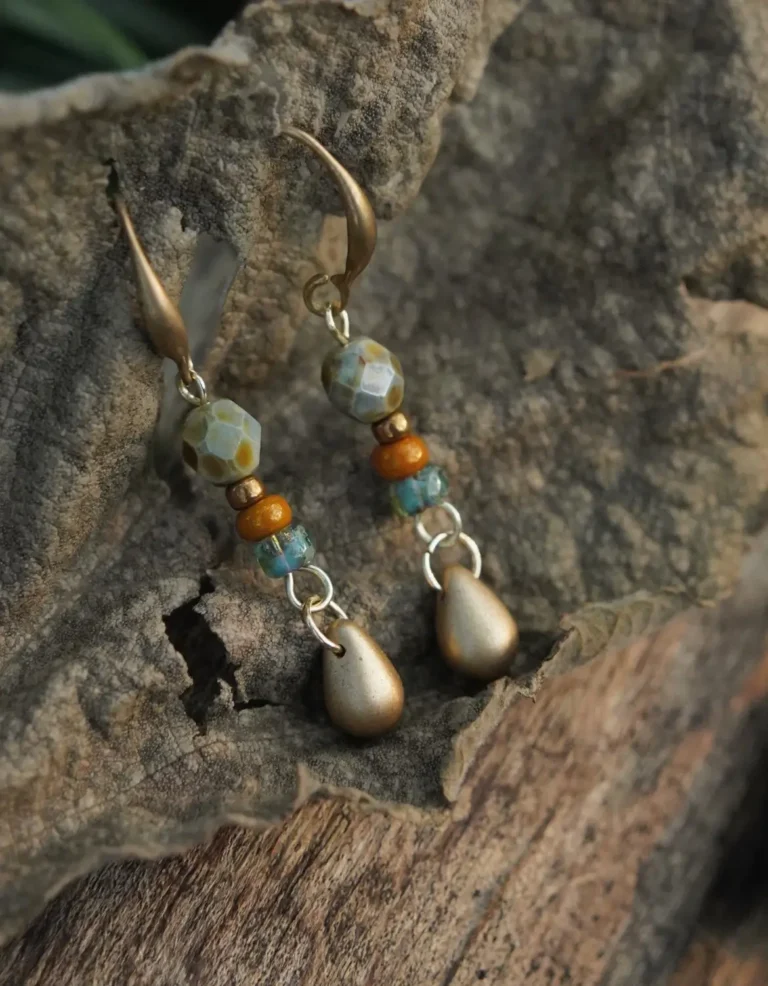
At Jewea, we understand how to handle these “temperamental” gemstones. To protect each stone’s integrity while maximizing its neon flash, we specialize in handcrafted vintage earrings featuring Paraiba Color Apatite.
Specifically, earrings provide the perfect canvas for this vibrant blue-green gemstone. They protect the stones from the daily wear and tear that rings and bracelets endure. Our vintage-inspired settings secure each stone while blending old-world craftsmanship with the electric colors of modern luxury.