Sapphire Color Classification: The Complete Guide to the Seven Shades of Blue
Introduction
When people first step into the enchanting world of sapphires, one of the most common questions is: “Which color of sapphire is the best?”
Many beginners aim straight for the “perfect” gem, hoping to make that one-time, ultimate purchase. But before chasing the pinnacle, it’s essential to understand sapphire color classification — especially the fascinating range of blue shades that define this gemstone’s beauty.
As most gem lovers know, sapphire refers to all varieties of corundum except red, which is known as ruby. Apart from blue sapphires, there are also pink, yellow, and green sapphires, collectively called fancy sapphires.
Today, however, we’ll focus exclusively on the mesmerizing world of blue sapphires—the color that defines the gem itself.
Sapphire Color Classification – Lotus Gemology’s Seven Shades of Blue
To understand blue sapphires precisely, we turn to Lotus Gemology, a highly respected gemological laboratory based in Bangkok.
For readers interested in how expert labs classify other corundum varieties, such as rubies, see the Peonyjewels blog article: Pigeon’s Blood? Royal Red? Understanding Six Major Ruby Grading Systems.
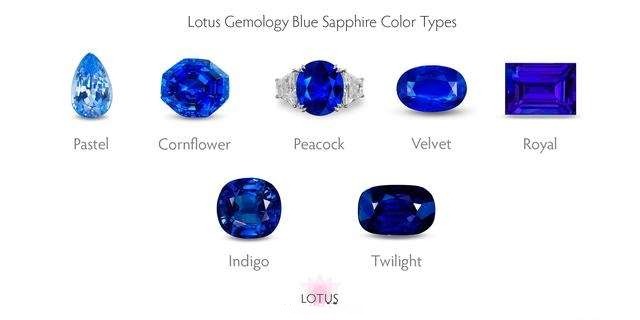
Unlike more commercial labs such as GRS, Lotus focuses exclusively on rubies, sapphires, and spinels. It is celebrated for its nuanced grading system. Their approach classifies blue sapphires into seven distinct shades. Each shade has its own personality and unique beauty.
1. Pastel Blue – Soft and Serene
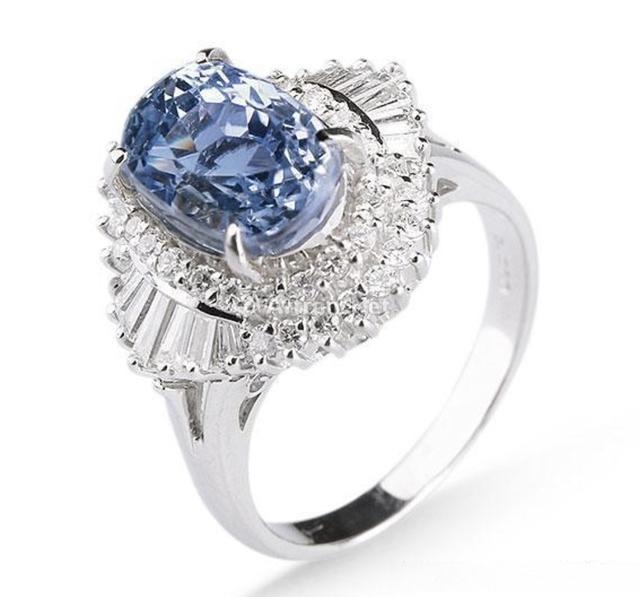
Pastel blue sapphires are the most common, featuring gentle, airy hues that evoke calm and clarity.
These stones are found in Sri Lanka, Myanmar, Kashmir, Madagascar, Tanzania, and Montana (USA). Their subtle tones appeal to those who appreciate understated elegance over intensity.
2. Cornflower Blue – The Icon of Perfection
The cornflower is Germany’s national flower, and “cornflower blue” has become synonymous with the most prized sapphire color—a vivid, slightly purplish-blue with a velvety texture.
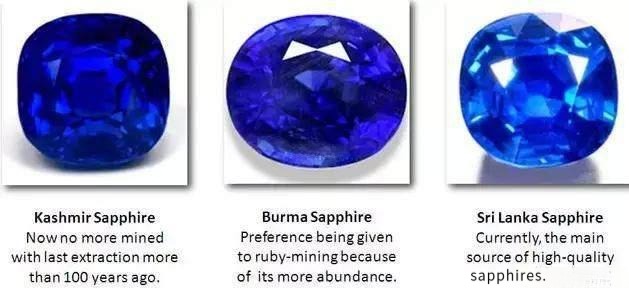
Traditionally, true cornflower blue sapphires are found only in Kashmir, India, where unique snowflake-like inclusions create their signature soft glow, often described as “velvety blue” or “sleeping blue.”

Due to harsh mining conditions, Kashmir mines have long been closed. Between 1987 and 2008, fewer than a hundred Kashmir sapphires appeared at major global auctions, earning them the title of “the 1% miracle of the auction world.”
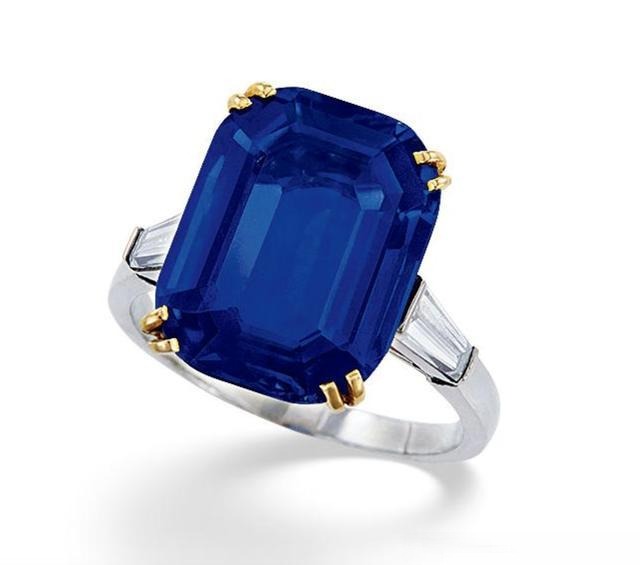
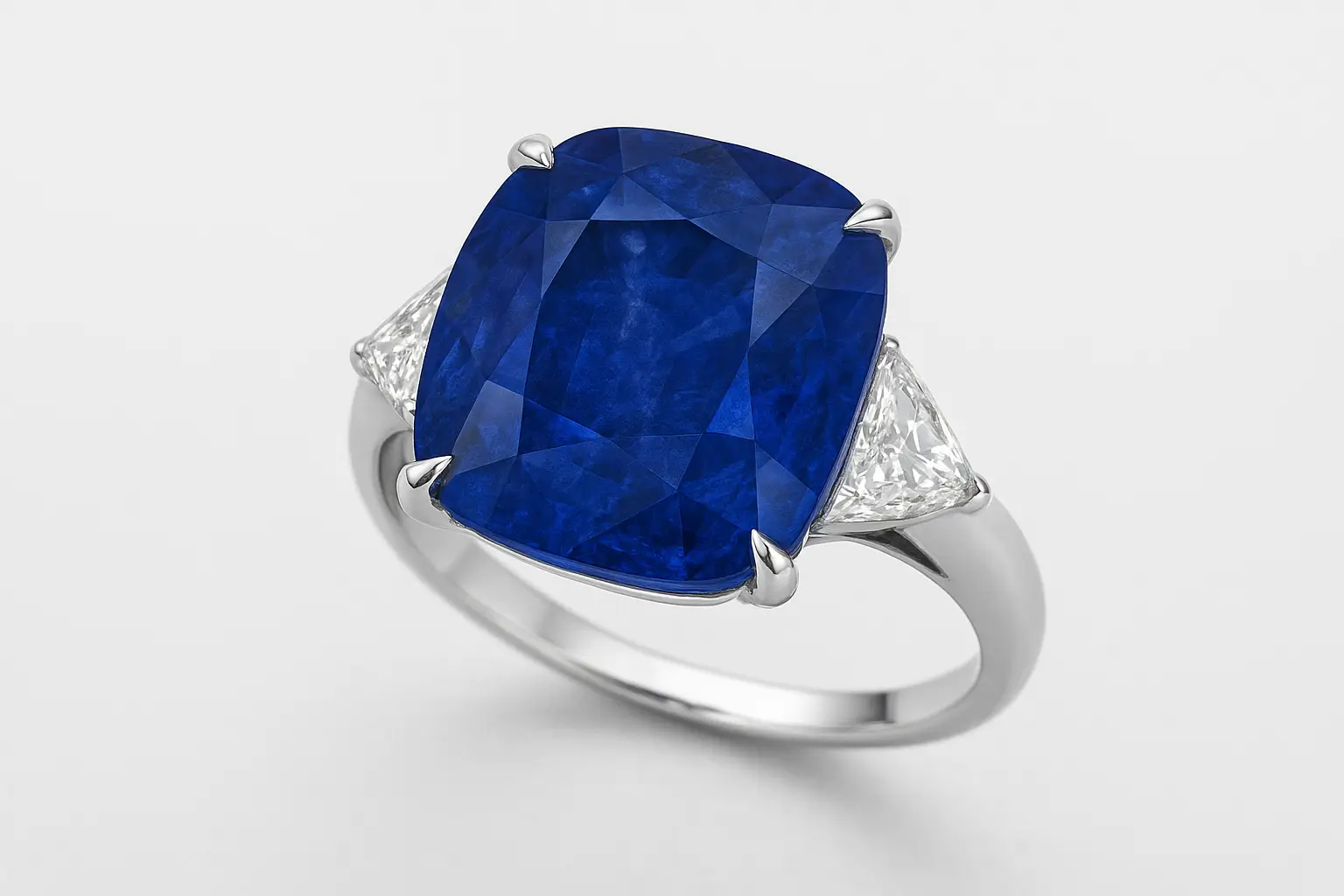
A legendary example is the 16.65-carat Kashmir cornflower sapphire ring created by Van Cleef & Arpels, which fetched USD 2.4 million at a 2009 Christie’s Hong Kong auction—about $144,000 per carat.
By 2014, prices for fine Kashmir sapphires had soared to $240,000 per carat, making them among the rarest treasures in existence.
For those who wish to explore more stunning sapphires and learn about record-breaking auction prices, read the Peonyjewels blog article: Rare Sapphire Auction Pieces — The Exquisite September Birthstone of Record Value.
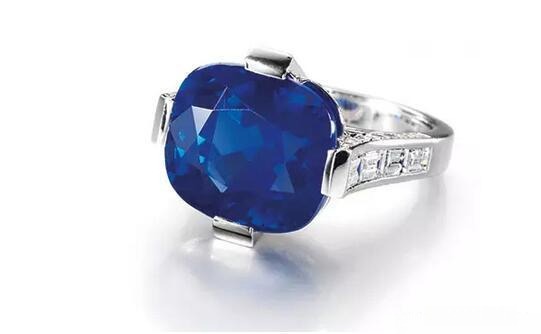
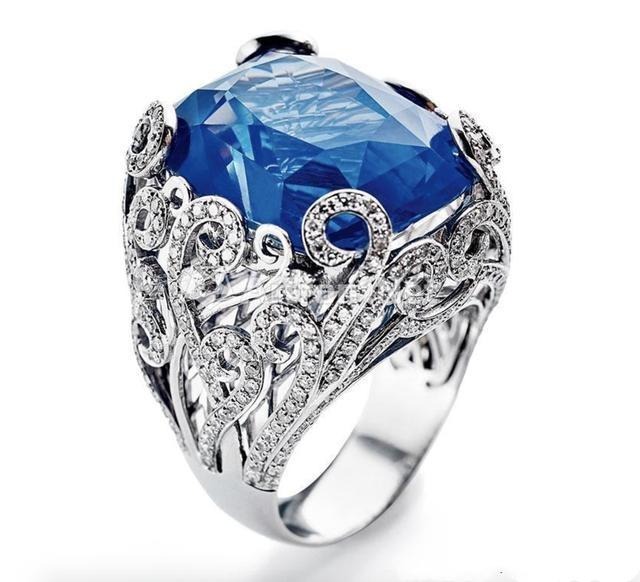
For comparison, high-quality cornflower blue sapphires from Sri Lanka or Madagascar are far more affordable, typically priced in the tens of thousands of RMB per carat.
To learn more about how gem experts identify sapphires and other colored stones by origin and inclusions, explore related Peonyjewels blog articles: Madagascar vs Sri Lanka Pink Sapphires: How Experts Identify Real Gems by Origin and Inclusions and Gem-Hunting Journey: Why Vietnam’s Pink Sapphires Truly Captivate Me.
3. Royal Blue – Deep, Noble, and Timeless
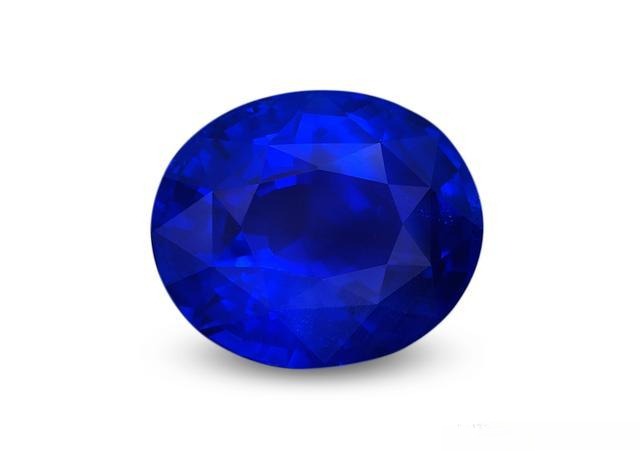
For decades, Royal Blue and Cornflower Blue have vied for the title of the world’s most prestigious sapphire color.
As the name suggests, Royal Blue embodies regal sophistication—a deeper, more saturated blue compared to the cornflower tone. It exudes quiet strength and refinement, favored by royalty around the world.

No one represents this better than Queen Elizabeth II, whose wardrobe featured blue more than any other color—nearly 29% of her appearances, according to Vogue.
Myanmar traditionally produces Royal Blue sapphires, though gem collectors and miners also discover exceptional stones in Sri Lanka, Madagascar, and parts of West Africa.
For example, Anna Hu designed a brooch featuring a 58.29-carat Burmese Royal Blue sapphire, which Christie’s later sold at auction.
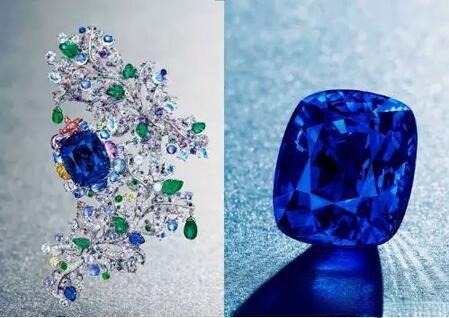
Importantly, both Royal Blue and Cornflower Blue are color ranges, not fixed color codes. Even the same laboratory—like GRS—may label overlapping shades under either name.
4. Peacock Blue – Electric and Dazzling
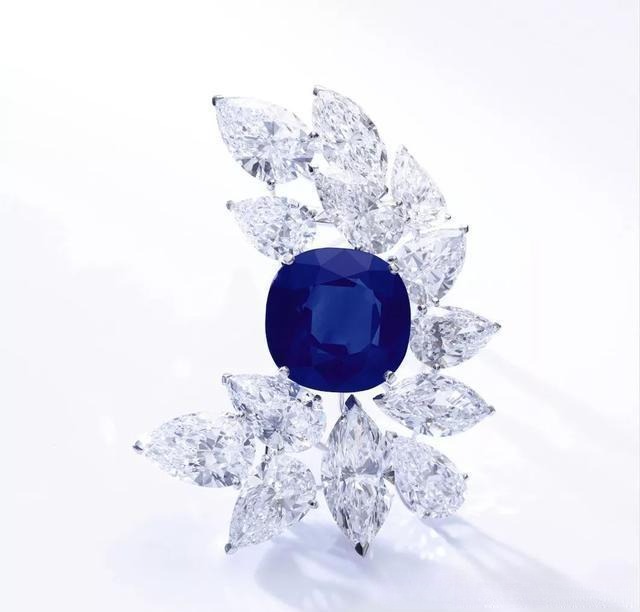
As its name implies, Peacock Blue mirrors the iridescent feathers of a peacock—vivid, electric, and full of life.
This shade is more intense than pastel blue but lacks the velvety softness of cornflower blue or the gravity of royal blue. Instead, it shines with a crisp, lively brilliance that’s instantly eye-catching.
5. Velvet Blue – Elegant and Subdued
Velvet Blue sapphires share similarities with cornflower blue but lean toward a purer blue, without the slight purple undertone.
They exhibit a refined, silky luster that feels both luxurious and natural—a perfect balance between brightness and depth.
6.Indigo Blue Sapphires – Deep Shades in Sapphire Color Classification
Distinct from the vivid blues mentioned above, Indigo sapphires feature deeper tones with lower saturation.
Collectors often find them in basaltic deposits across Thailand, Madagascar, Australia, China, and Nigeria.
Their mysterious depth and strong character make indigo sapphires especially appealing to those who prefer subtle sophistication.
7. Twilight Blue Sapphires – Sapphire Color Classification of Dusk Shades
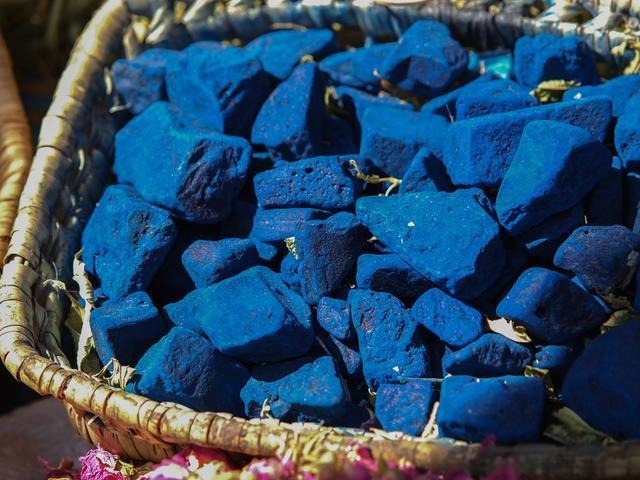
Twilight Blue sapphires resemble the deep blue of the sky moments before sunset.
These stones often originate from basaltic sources in Australia, Thailand, Cambodia, Nigeria, China, and Vietnam. Their dark, romantic hue evokes a poetic calm—like twilight captured in stone.
How to Appreciate and Choose Blue Sapphires Based on Color Classification
The beauty of colored gemstones lies in their infinite variations.
Even within the same classification, the interplay of tone, saturation, and light makes every sapphire unique.
Text or photographs can only approximate their charm; the best way to understand color grading is to see real stones in person and study high-quality examples.
When purchasing, always choose sapphires with certification from recognized international gemological laboratories, such as Lotus Gemology, GIA, or GRS, to ensure authenticity and accurate color grading.
For a detailed buying guide and tips on distinguishing natural from synthetic sapphires without a microscope, read the Peonyjewels blog article: Real or Synthetic Sapphire? How to Spot the Difference Without a Microscope.
Peonyjewels and Custom Jewelry Inspired by Blue Sapphires
Sapphire color classification isn’t just science—it’s poetry expressed through light.
Each shade, from the serene Pastel to the majestic Royal Blue, tells a story of time, nature, and artistry.
At Peonyjewels, we celebrate that same artistry through our handmade vintage earrings, blending Eastern elegance with modern sensibility.
While we don’t sell sapphire jewelry directly, we offer bespoke designs inspired by the timeless beauty of blue sapphires—each one designed to echo the beauty and spirit of nature’s most enchanting blues.