Sapphirine Gemstone: The Rare “Fake Sapphire” Explained
In the world of gemstones, beauty and mystery often go hand in hand — and so does the fear of accidentally taking home a fake. Even with some gemological knowledge, I still worry about misidentifying a stone. While I usually handle real sapphires, today we’re exploring their unexpected counterpart: the Sapphirine gemstone, often nicknamed the “fake sapphire.” And yes — it’s a real mineral.
Before we begin, here’s a quick clarification.
Note: In this article, “fake sapphire” refers to the natural mineral Sapphirine — not lab-grown sapphire. These two are completely different things.
Why Is it Called “Fake Sapphire”?
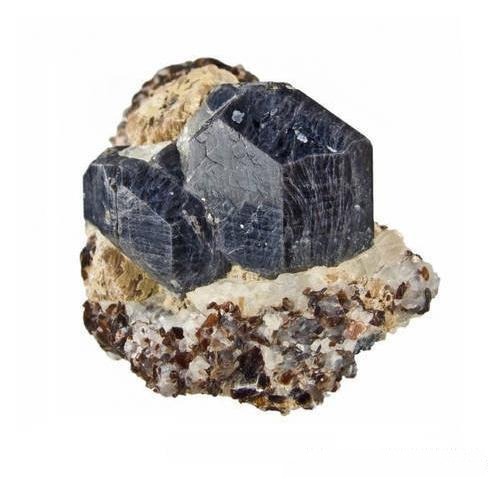
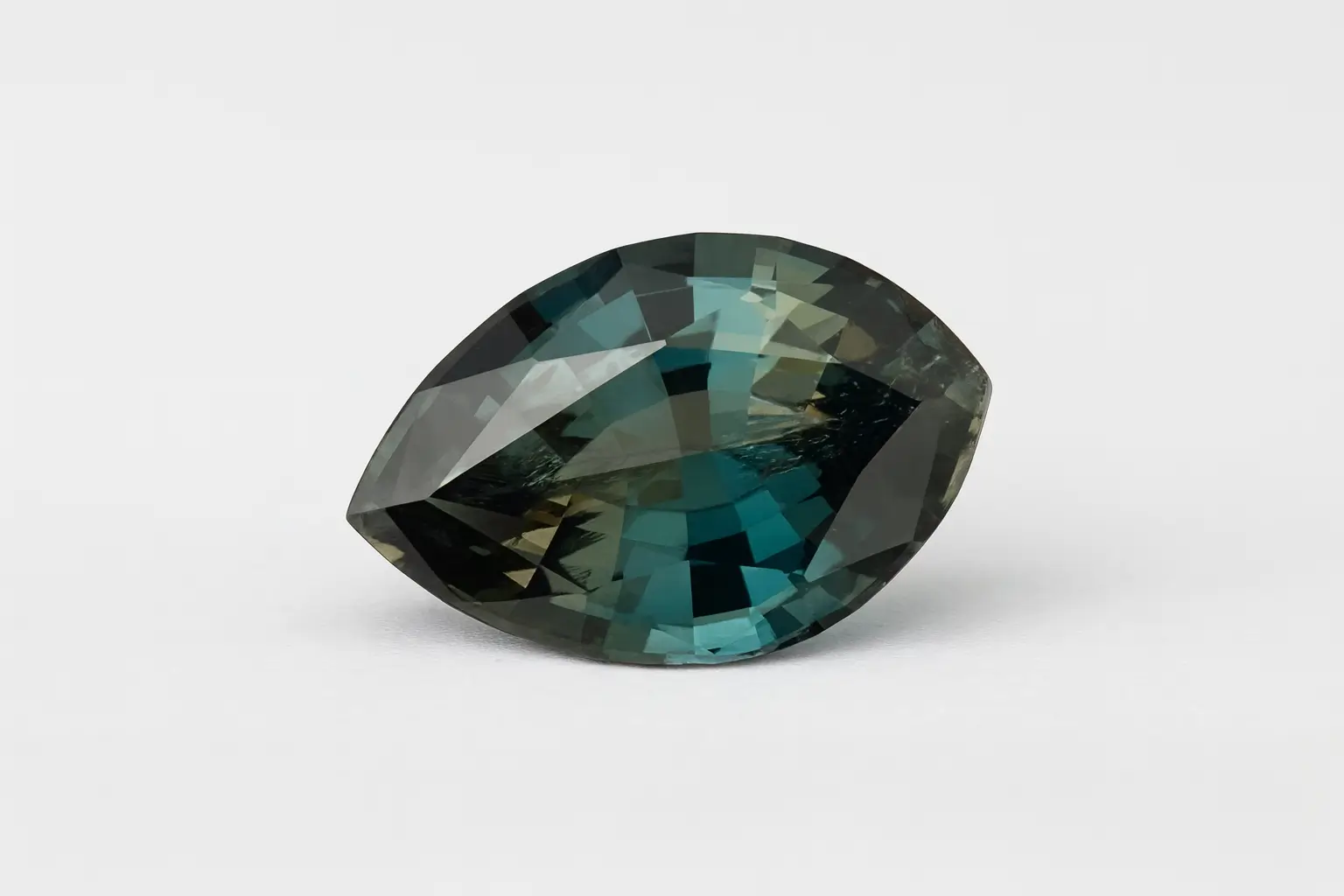
Sapphirine, often nicknamed “fake sapphire,” is a natural magnesium aluminum silicate discovered in 1819 in the Fiskenaesset (Fiskenæs) region of western Greenland. It belongs to the monoclinic crystal system and shows distinct cleavage.
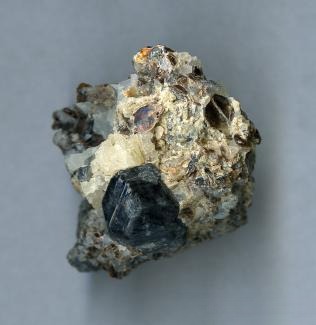
Most sapphirine crystals appear as grainy aggregates, and transparent pieces suitable for faceting are extremely rare. That’s why clean, faceted sapphirine gemstones are highly sought after by collectors.
So why the nickname?
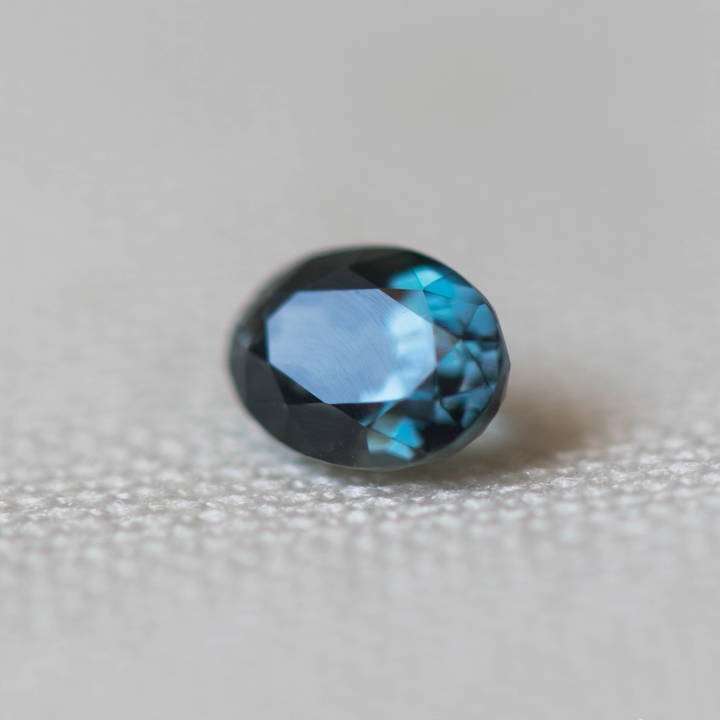
Because its body color often resembles that of blue sapphire — enough to fool the untrained eye.
Characteristics of Sapphirine gemstone (“Fake Sapphire”)
Hardness & Durability
Unlike many rare minerals that scratch at the slightest touch, sapphirine scores 7.5 on the Mohs scale, giving it impressive durability. This hardness makes it a favorite among collectors who appreciate rare gems that can actually withstand wear.
Color
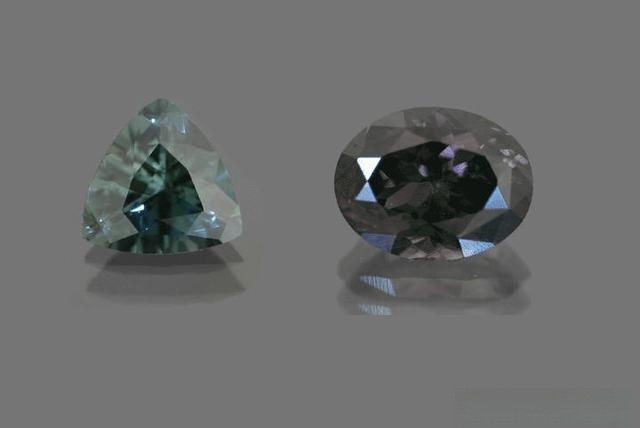
Sapphirine almost always carries a noticeable gray undertone, a key visual clue. Its most common hues include:
- Bluish-green
- Greenish-blue
- Occasional violet or other color variations
At first glance, it can look strikingly similar to sapphire — and on other occasions, it resembles Sri Lanka’s famous gray spinel, except without spinel’s lively fire.
For gemstone enthusiasts curious about spinel, check out our PeonyJewels blog article: The Legendary Hope Spinel and Hope Pearl: Rare Gems That Captivated the World, where we explore the fascinating history and unique characteristics of these iconic treasures.
Optical Properties
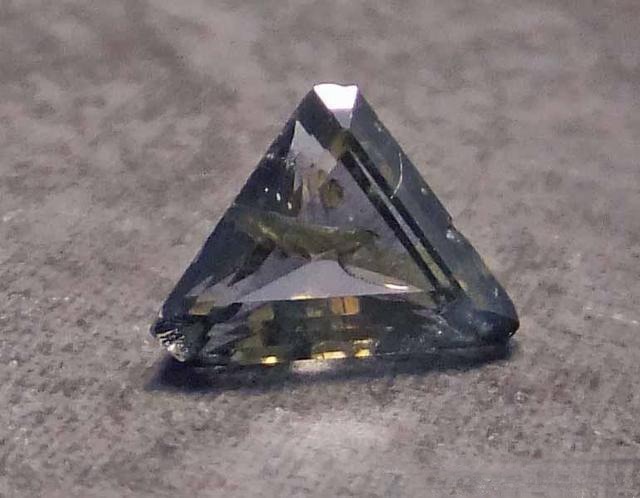
- Refractive Index (RI): 1.701–1.718
- Birefringence (DR): 0.005–0.006
- Optic Character: Biaxial negative
- Specific Gravity (SG): 3.51–3.56
These properties help gemologists distinguish it from sapphire, though the casual buyer wouldn’t spot these differences without proper equipment.
The Largest Known Faceted Sapphirine gemstone
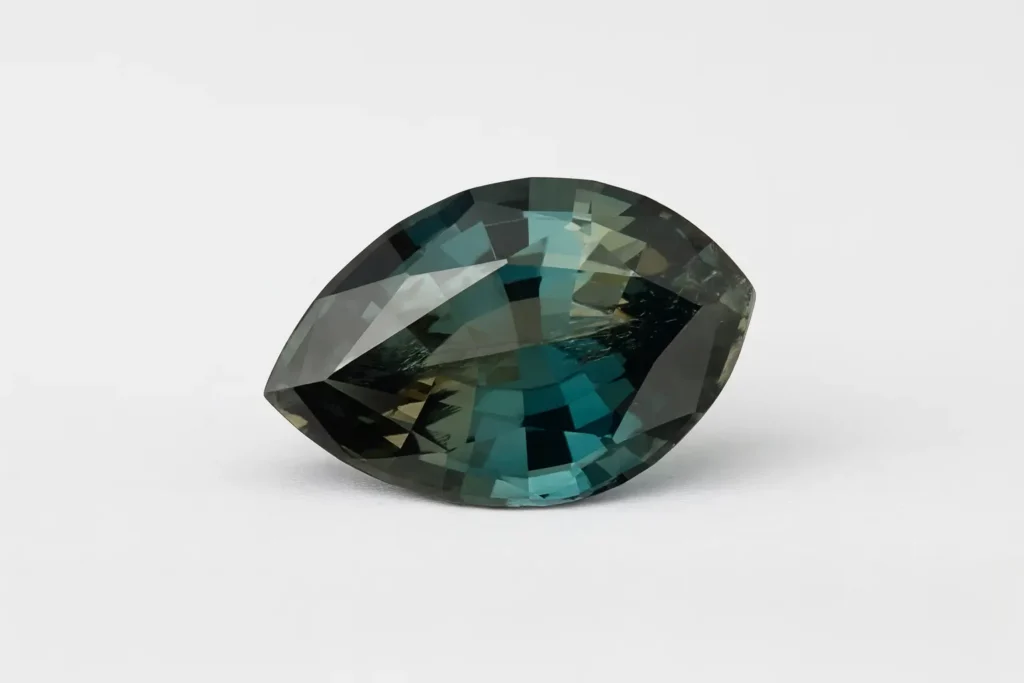
According to current records, GIA identified the largest clean, faceted sapphirine, which weighs 1.72 carats.
The gemstone displays strong pleochroism, showing bluish-green and pale yellow tones from different viewing angles. Although it has an impressive size, its cut quality falls short — yet with rare gemstones, rarity often matters far more than perfection.
Where Does Sapphirine gemstone Come From?
Today, sapphirine mainly comes from three gemstone-rich regions:
- Sri Lanka
- Madagascar
- Tanzania
All three countries produce an astonishing variety of gemstones, but even after spending a long period in Sri Lanka myself, I have rarely encountered high-quality faceted sapphirine.
So when I do come across one — and the price is fair — I don’t hesitate to add it to my collection.
Recommended Reading: Sapphires
For those interested in learning more about real sapphires, their colors, origins, and how to identify them, check out these PeonyJewels blog articles:
- Sapphire Color Classification: The Complete Guide to the Seven Shades of Blue
- Rare Sapphire Auction Pieces — The Exquisite September Birthstone of Record Value
- Madagascar vs Sri Lanka Pink Sapphires: How Experts Identify Real Gems by Origin and Inclusions
- Gem-Hunting Journey: Why Vietnam’s Pink Sapphires Truly Captivate Me
- Buyer’s Guide|Real or Synthetic Sapphire? How to Spot the Difference Without a Microscope
These resources provide practical insights for collectors, gemstone enthusiasts, or anyone curious about sapphires’ fascinating world.
Final Thoughts
Rare gemstones earn their title for a reason — sometimes because of limited mining areas, sometimes because of extremely low production. Many of them are so scarce that a collector may never encounter a fine specimen in their entire lifetime. And yes, some rare stones aren’t conventionally “pretty” and may not compete with crystal’s clarity and sparkle.
But that’s exactly the charm: not everyone gets to own them.
For true gemstone lovers, the joy lies in discovering, learning, and collecting every unique treasure nature creates.
Peonyjewels Says
If you enjoy exploring uncommon gems like sapphirine, you’ll love the craftsmanship behind our handmade vintage-style jewelry. At Peonyjewels, we offer:
- Custom jewelry services
- Handmade vintatge earrings and accessories inspired by historical and natural aesthetics
Whether you’re a collector or simply love meaningful, artisanal pieces, Peonyjewels brings rare-gem inspiration into wearable art.