Exploring Ratnapura and Beruwala: The Truth About Sri Lanka’s Sapphire Markets
The Truth Behind Sri Lanka Sapphire Markets: Navigating Ratnapura and Beruwala
Many gem enthusiasts dream of finding a perfect sapphire at a bargain price in Sri Lanka’s gemstone mines. But the truth is, buying in the Sri Lanka sapphire markets isn’t a shortcut to great deals—it requires expertise, patience, and understanding of local trading rules. After completing my gemology certification and years of experience, I’m sharing the real story behind shopping in Ratnapura and Beruwala, Sri Lanka’s gem hubs.
To learn more about these hidden sapphire origins, check out PeonyJewels blog: The Hidden Secrets of Sapphire Origins: Discover the Lesser-Known Sources of September’s Birthstone.
🗺️ Ratnapura: My Personal Gem Journey
After finishing my gemology certification, I set off alone to Ratnapura, the so-called “City of Gems,” to begin my practical training. This journey wasn’t easy, but persevering helped me learn the ropes of Sri Lanka’s gem trade—and I gained confidence in the process.
If you’re planning to visit the mines or learn gemology in Sri Lanka, feel free to drop by and chat about the experience.
⚖️ Key Differences Between Ratnapura and Beruwala Sapphire Markets
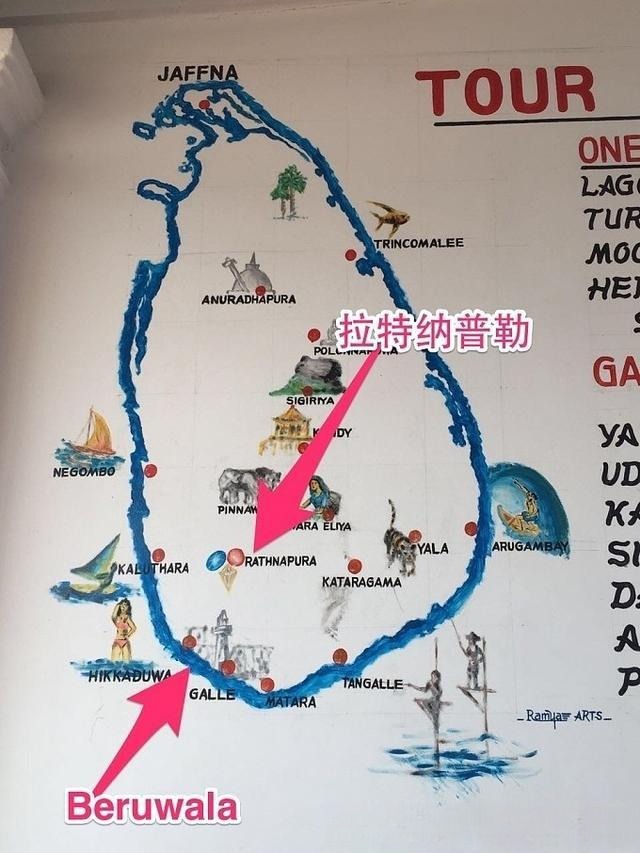
Sri Lanka has numerous gem markets, but two of the most prominent are Beruwala, near the historic Galle Fort, and Ratnapura, 100 kilometers from Colombo, where I’ve been based for years.
🌊 Beruwala: A Coastal Hub for Imported Stones and Sapphire Deals
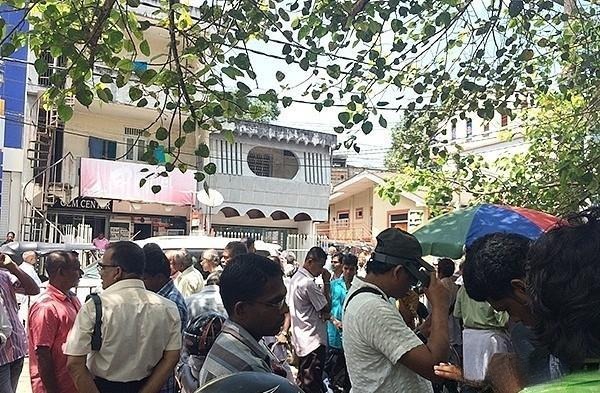
Located by the sea, Beruwala is a popular spot for tourists. The market is primarily run by the Muslim community, known for their sharp business acumen. Conducting business here can feel like high-stakes negotiations.
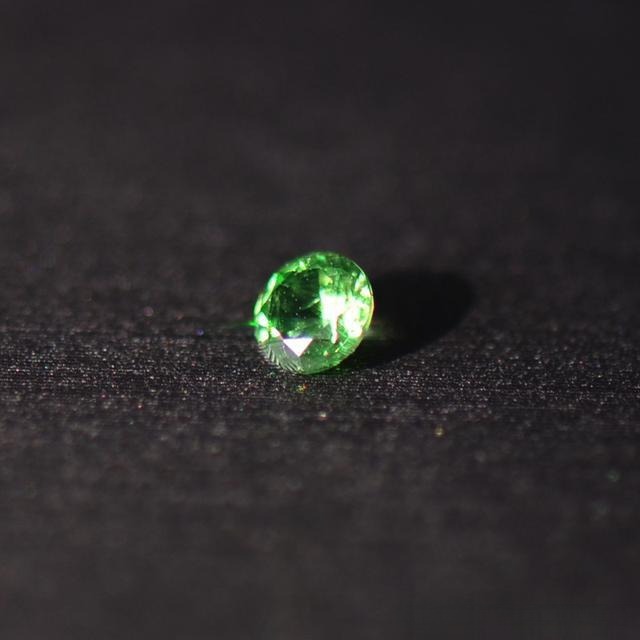
- Semi-Precious Stones: Beruwala has a variety of semi-precious stones like garnets, topaz, and quartz, as well as sapphires and rubies.
- Imports: While Sri Lanka is famous for its blue sapphires, dealers source many rubies here from Mozambique, and they import some blue sapphires from Madagascar.
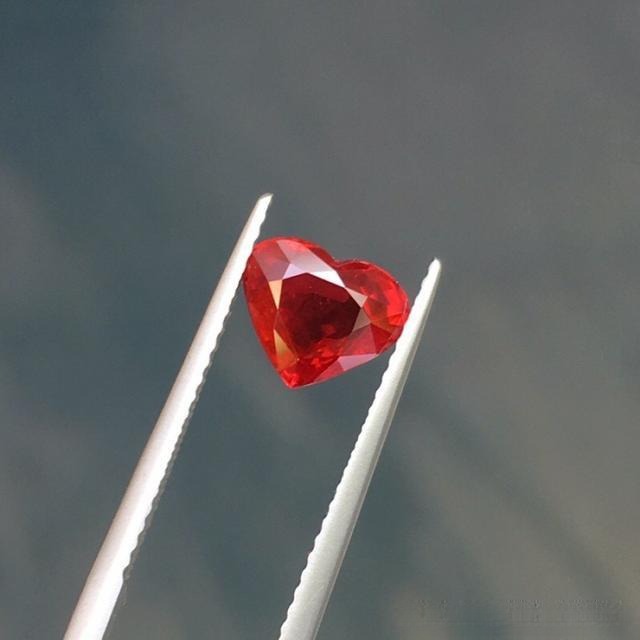
For those not concerned with origin, buying a blue sapphire from Beruwala is relatively simple. But if you care about the stone’s true origin, be cautious: some blue sapphires are cut in Sri Lanka but originally from Madagascar.
⏰ Ratnapura: The Heart of Sri Lanka’s Sapphire Trading Culture
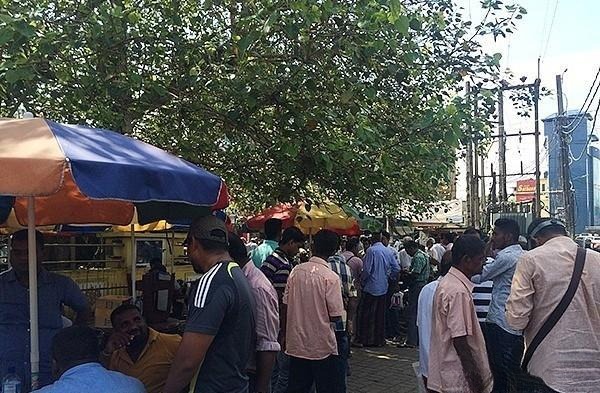
Ratnapura is where things get more serious. The rough stone market, located near the town clock tower, starts buzzing by 7-8 AM, with buyers and sellers engaged in heated exchanges.
- Price Reality: International buyers should understand that Sri Lankan and Madagascar gems often have very different values in the global market. Distinguishing the two by eye takes significant experience.
- Price Inflation: Due to rising tourism and outside dealers, prices in Ratnapura have skyrocketed, and many high-quality stones are becoming increasingly difficult to find. Local sellers often see tourists—especially Chinese visitors—as easy targets.
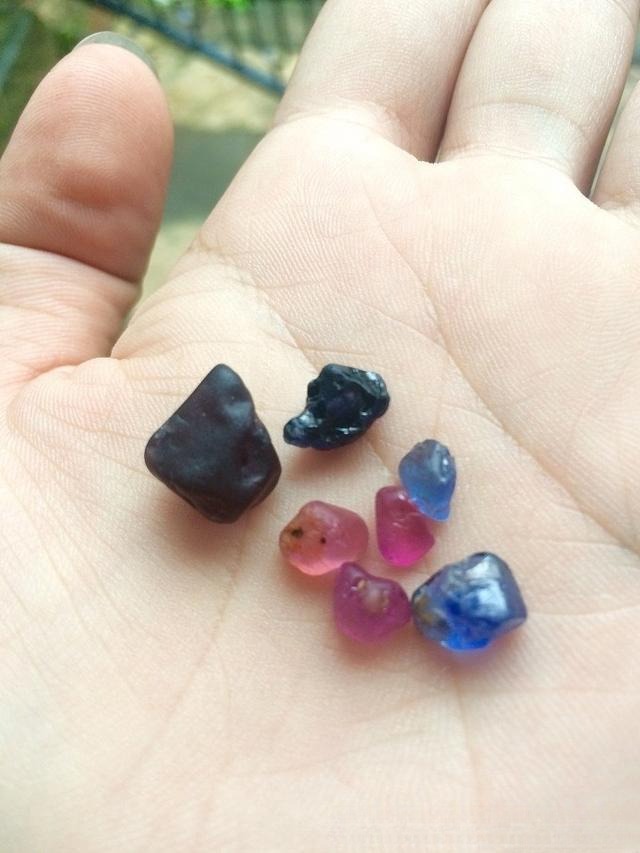
Ratnapura Market Flow
- 7–9 AM: The early morning rough stone market near the clock tower. For larger transactions, you need to travel 15 km outside of the city.
- 9 AM: Traders move to a small temple 100 meters away to deal in cut stones.
- Noon: The action shifts to the main “gem street.”
- 2–3 PM: The market concludes for the day.
One of Ratnapura’s advantages is that it operates seven days a week—unlike Beruwala, which has set trading days. You can visit anytime, except during major holidays.
🚫 Buying at Sri Lanka Sapphire Markets: ‘Look More, Buy Less’

One of the biggest misconceptions many first-time visitors have is that buying gemstones directly from the source will guarantee bargain prices. Even seasoned professionals find Sri Lanka’s gem market challenging to navigate, due to unique local trading customs and price inflation.
For more tips, check out PeonyJewels blog: Buyer’s Guide|Real or Synthetic Sapphire? How to Spot the Difference Without a Microscope.
The Price Game:
In markets around the world, if a stone is worth $1,000, sellers might start at $1,200 or $1,500. But in Sri Lanka, expect an entirely different scenario: the opening price can reach $10,000 to $20,000 for a stone worth $1,000. Haggling is expected, and the inflated opening price is part of the game.
This price strategy can be overwhelming for foreign buyers who are unfamiliar with local norms. Many tourists panic and don’t know where to begin. A common question I get is: “Should I cut the price by half?” The truth is, even after a 50% reduction, the price may still be vastly inflated. Without a solid understanding of the local price structure, you’re likely to pay a steep learning fee.
Beware of Fakes and Lowball Offers
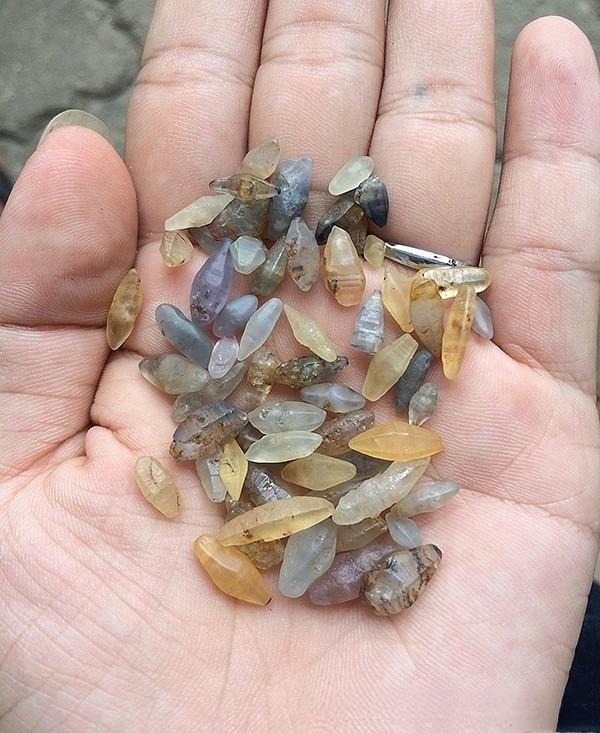
If you aren’t careful, some sellers may offer synthetic corundum or glass stones as “genuine gems.” I’ve seen many travelers happily walk away with fake stones after being duped by lowball offers.
Cat’s Eye is another gem often replicated, so it’s important to learn how to identify the real deal.For more on this, check out PeonyJewels blog: How to Identify Real vs Fake Cat’s Eye Gemstones from Sri Lanka.
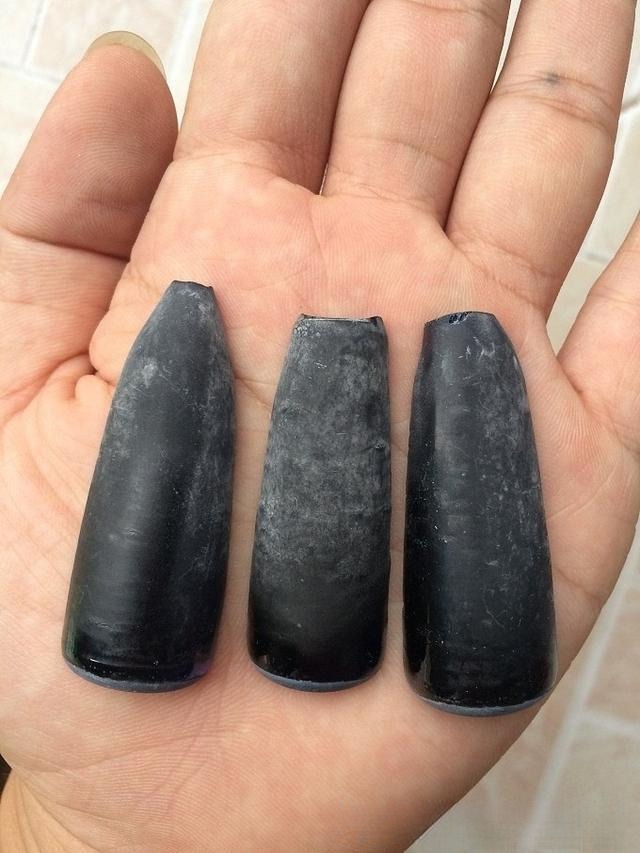
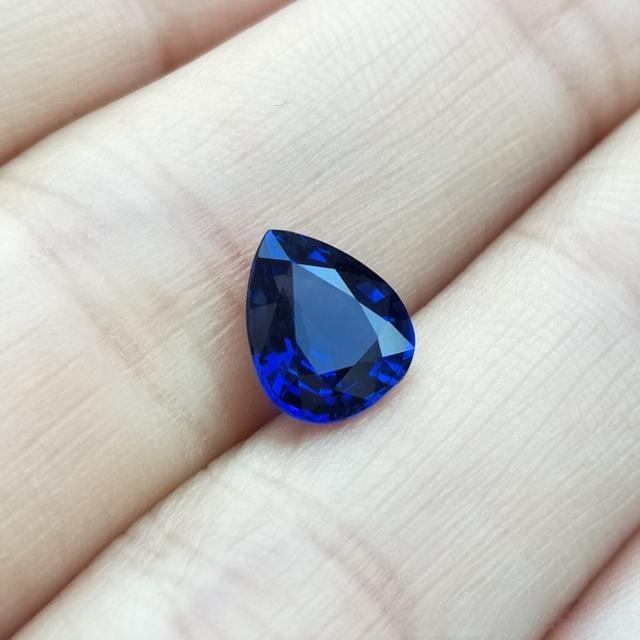
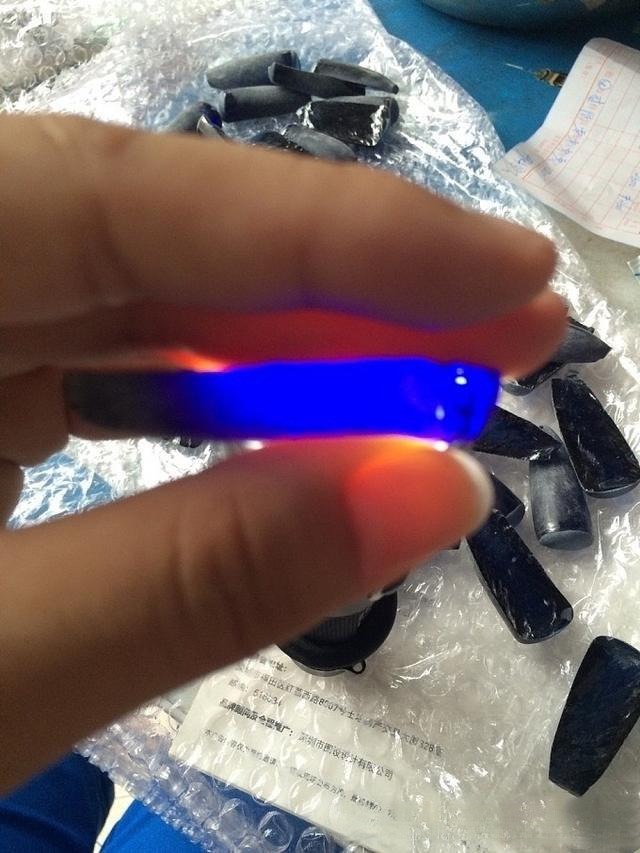
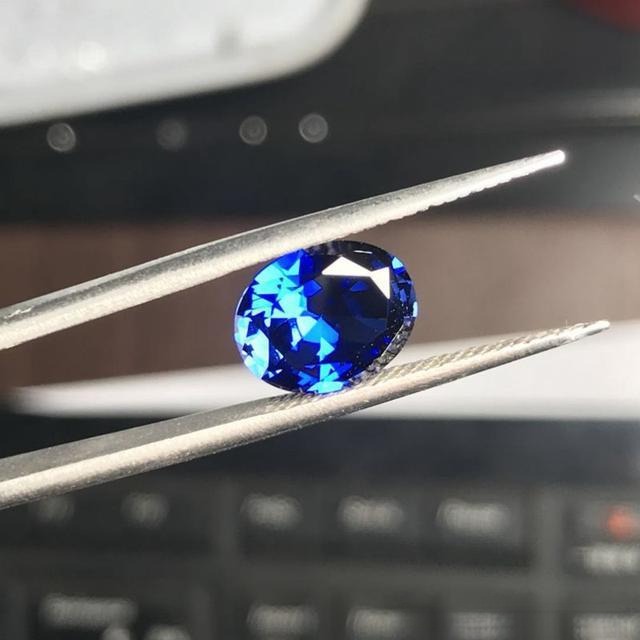
You absolutely cannot buy a 2–3 ct natural blue sapphire with excellent clarity for $50–$100. In that price range, you’re getting synthetic flame-fusion corundum (Verneuil sapphire), which can often look more vibrant and saturated than natural stones. Want Verneuil synthetics? Factories in Wuzhou, China produce them by the kilogram at a fraction of the cost.
Understanding Local Customs:
There are many unspoken rules in Sri Lanka’s gem markets that you must understand before making a purchase. Without these insights, you risk leaving the market empty-handed or feeling cheated. I once saw a fellow traveler spend hours traveling only to leave the market in less than 10 minutes after being overwhelmed by aggressive sellers. The process can be daunting, and patience is key.
⛏️Challenges of Buying Rough Stones in Sri Lanka Sapphire Markets

The idea of buying rough stones and cutting them yourself may sound appealing for greater profit, but it’s a complex process full of risks. Even seasoned local jewelers hesitate to cut rough stones casually.
The Hidden Challenges of Rough Stone Trading
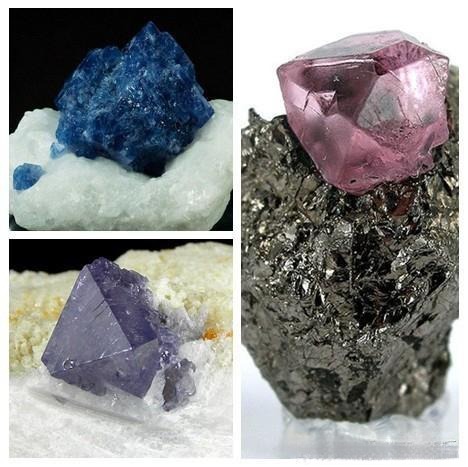
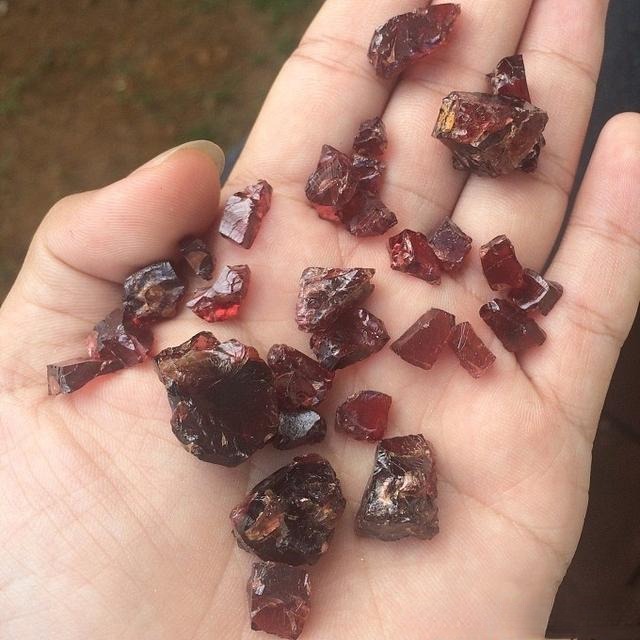
- Authenticity: Most rough stones in Sri Lanka’s markets are saturated with synthetic materials. Even experienced traders often find it difficult to tell the difference with the naked eye.
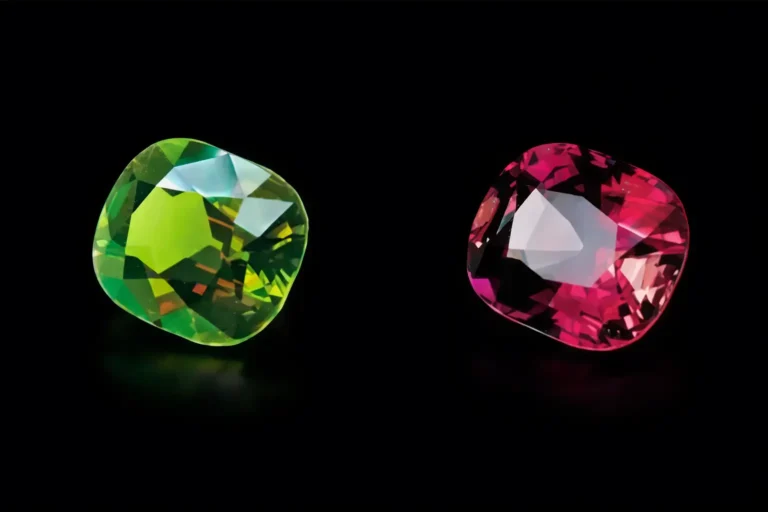
- Color: A rough crystal might look vibrant, but once cut, the color can drastically change. Garnets are especially prone to this. Predicting the final color requires a deep understanding of pleochroism and cutting techniques.
- Cutting Risks: The cutting process involves significant challenges, such as determining the best shape to maximize both the beauty and weight of the stone.
- Heat Treatment: Differentiating between heated and unheated stones is especially difficult for low-heat treated sapphires, even for top gemological labs like GRS or GIC.
✅ PeonyJewels: Your Trusted Partner for Custom Jewelry Design
The belief that buying gemstones directly from their origin is cheap and easy has led many non-professional buyers into the hands of unscrupulous dealers. However, not all sellers are dishonest—there are many who take pride in maintaining the integrity of Sri Lanka’s gem trade.
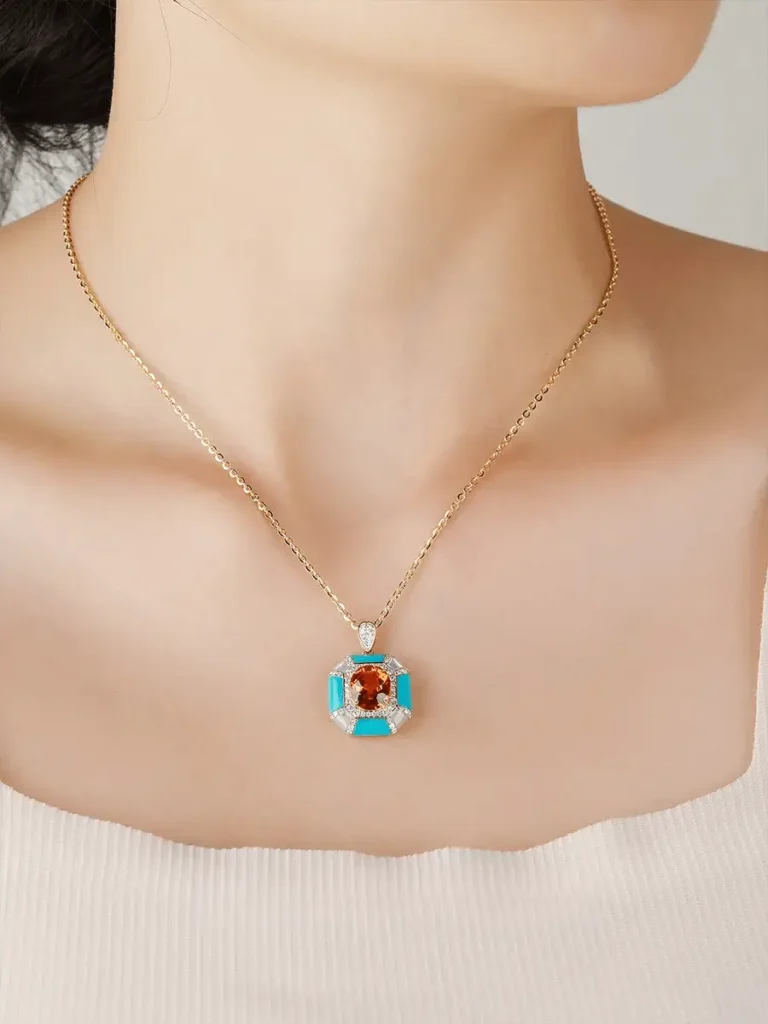
Buying gemstones at the source is not a shortcut—it’s a discipline that requires in-depth knowledge and experience. At Peonyjewels, we understand the value of integrity and expertise. Whether you’re looking for custom jewelry or handmade vintage earrings, our team offers gems and designs created with authenticity, quality, and passion. Let us guide you on your journey to finding the perfect gemstone with confidence.
Feel free to contact us for personalized advice and to start your own gem journey today.