Thailand Gemstones: From Rubies and Sapphires to the Rising Star of Spinel
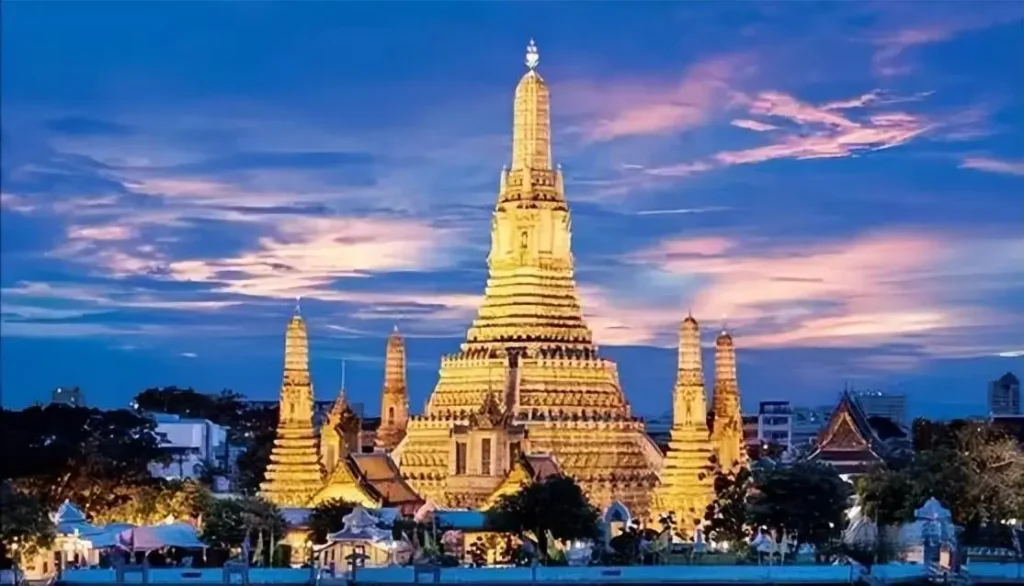
Thailand is more than its stunning beaches, vibrant street food, and 40,000+ Buddhist temples; for gem enthusiasts, the real treasure lies in Thailand gemstones. As a premier global trading hub, Thailand’s master artisans cut and polish nearly half of the world’s rubies, sapphires, and emeralds before they command attention on the global stage.
In this “Gemstone Nations” series, we’ll explore how Thailand’s rich mining history has helped it become a dominant force in the colored stone industry. With its unmatched expertise in gemstone treatment, Thailand’s influence on the global market continues to grow.
Thailand’s Gemstone Legacy: The Chanthaburi Mining Hub
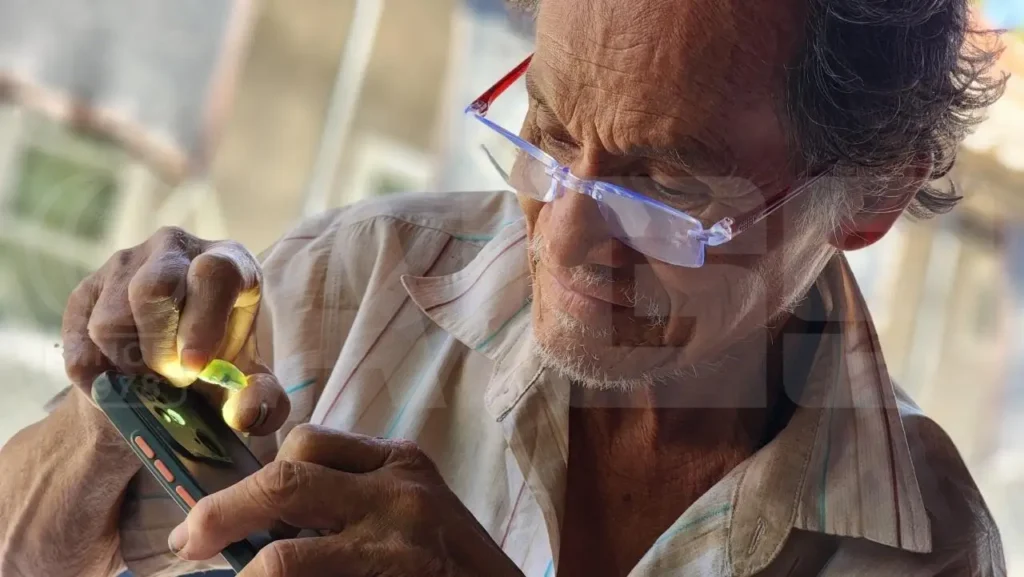
Thailand’s dominance in the gemstone market traces back to its 15th-century mining history. Chanthaburi, located about 400 kilometers southeast of Bangkok, has long been a key supplier of rubies and sapphires. Even before the Western treasure hunters arrived in the 16th century, the region was well-known for its high-quality Thailand gemstones.
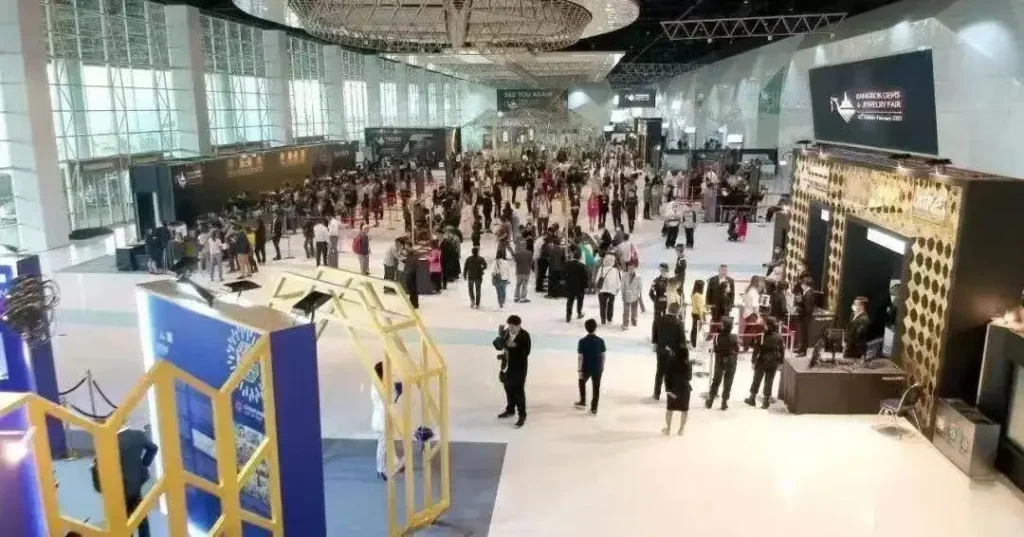
Although mining yields have fluctuated, Thailand’s reputation for precision cutting and gemstone heat treatment has helped it maintain a leading position. The Bangkok International Jewelry Fair—held twice a year—remains one of the world’s most prestigious trade events.
Thai Rubies: The King of Thailand Gemstones
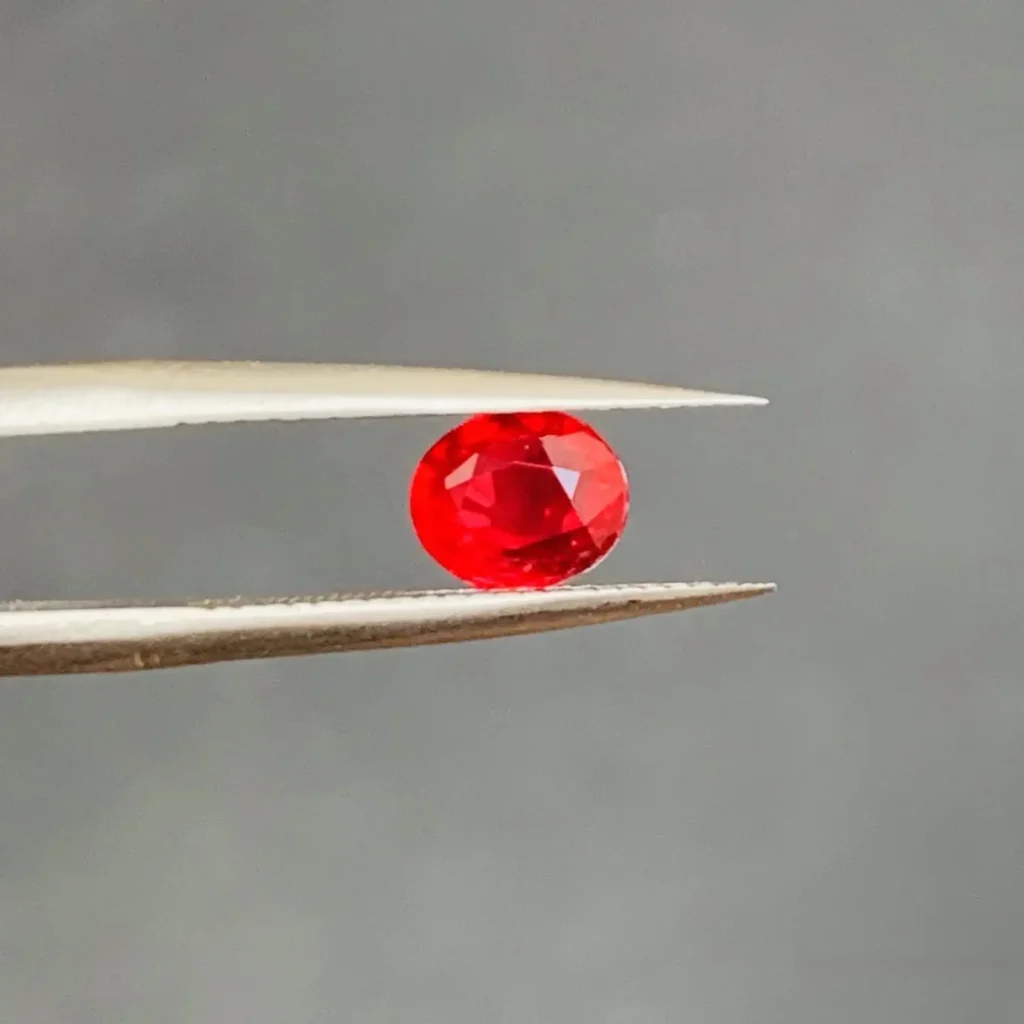
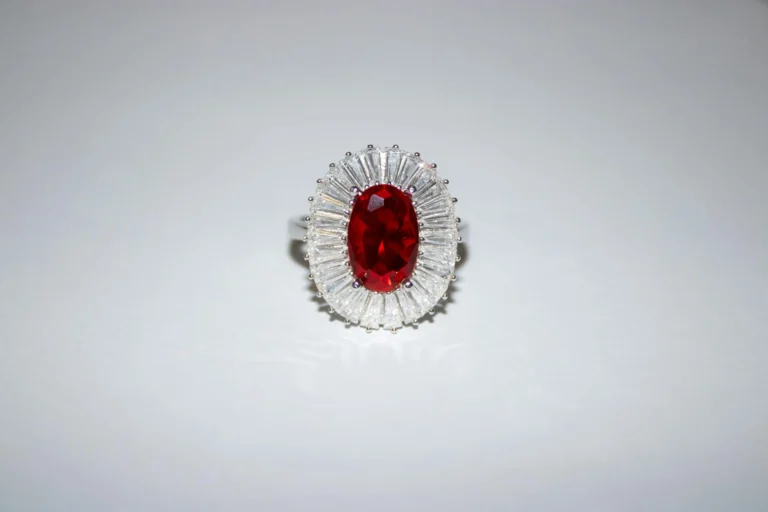
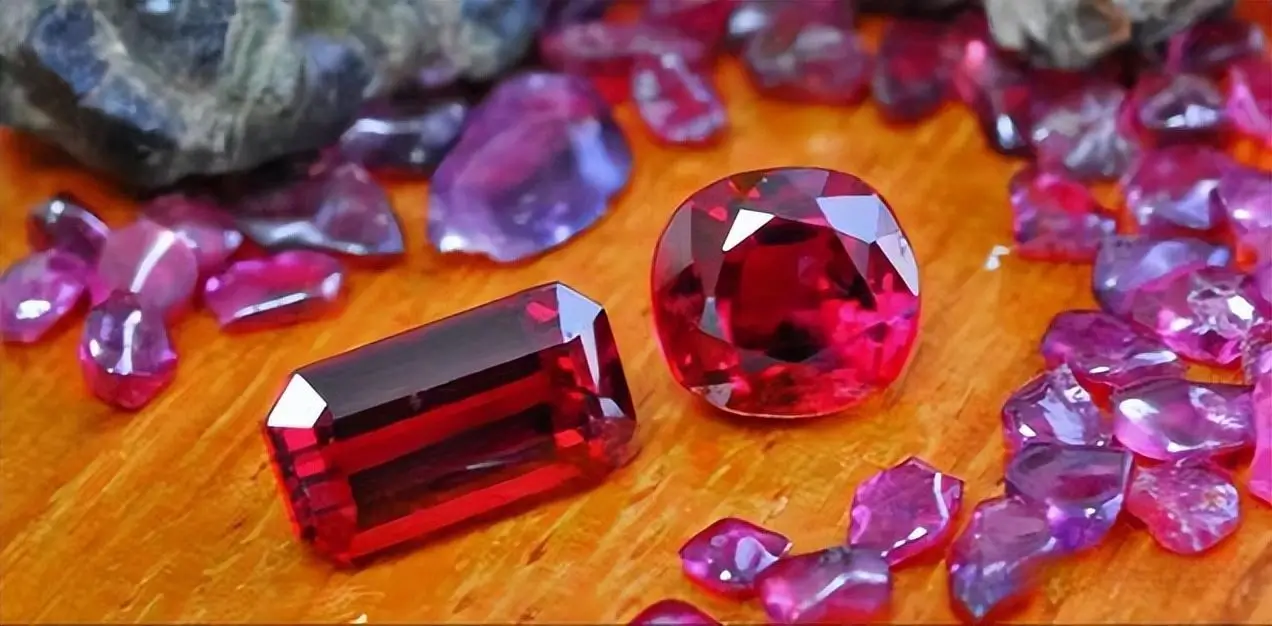
Ruby, July’s birthstone, is known as the “King of Gems.” With its deep red hues, it represents passion and love, making it a staple in luxury jewelry.
Origins and Market Significance
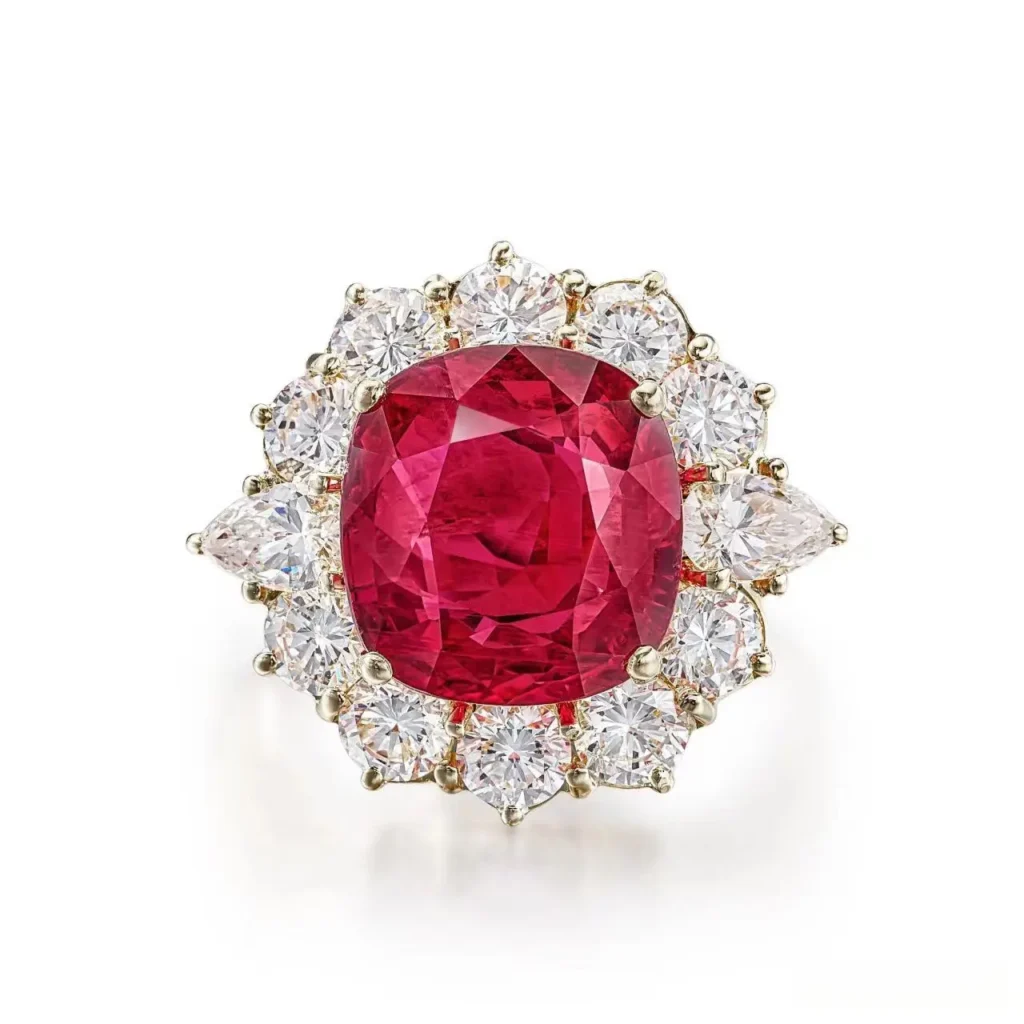
Myanmar’s “Pigeon’s Blood” rubies are legendary, but Thailand has become a major supplier since the late 19th century. Approximately 85% to 90% of Thai rubies come from the Chanthaburi-Trat region, stretching into Cambodia.
[Related Reading: Pigeon’s Blood? Royal Red? Understanding Six Major Ruby Grading Systems.
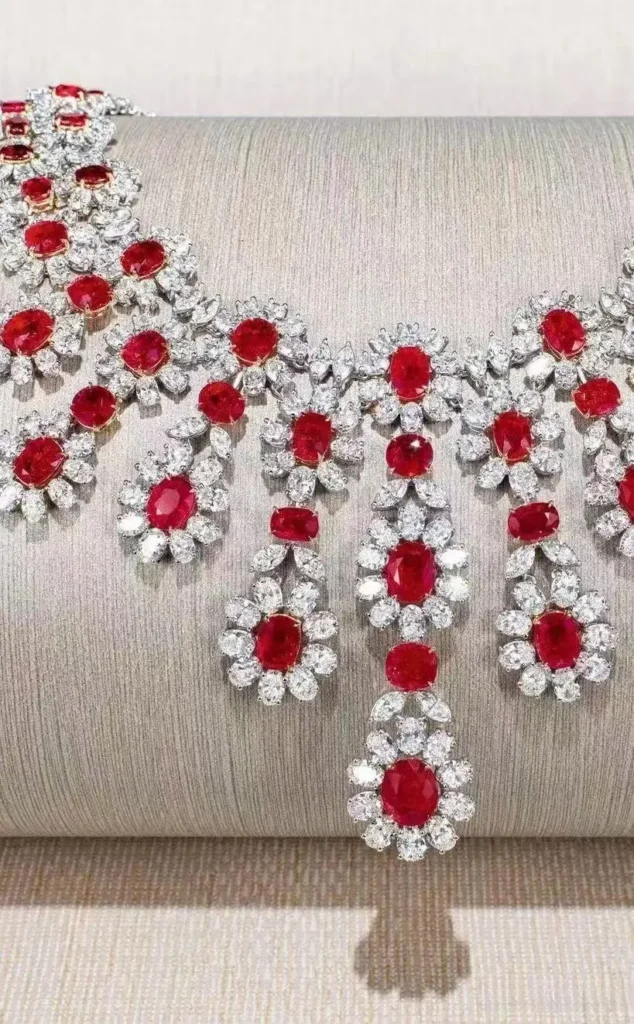
Gemological Characteristics of Thai Rubies
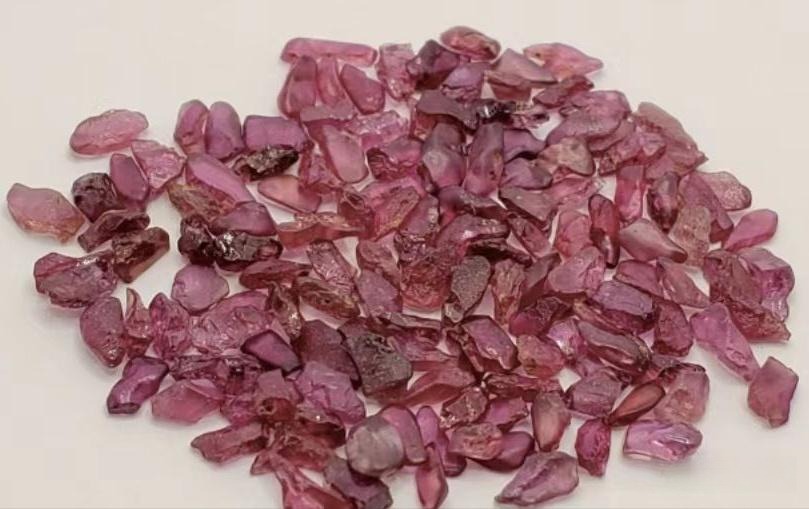
Gemologists and collectors recognize Thai rubies by their distinct physical and chemical markers. Before diving into the specifics of origin, you may want to check out our Ultimate Ruby Buying Guide, which explains how color, clarity, and treatments impact a stone’s value.
- Color Profile: Thai rubies typically have a darker, brownish-red to deep red hue due to higher iron content. They lack the fluorescence of low-iron rubies, but they offer a consistent, uniform color.
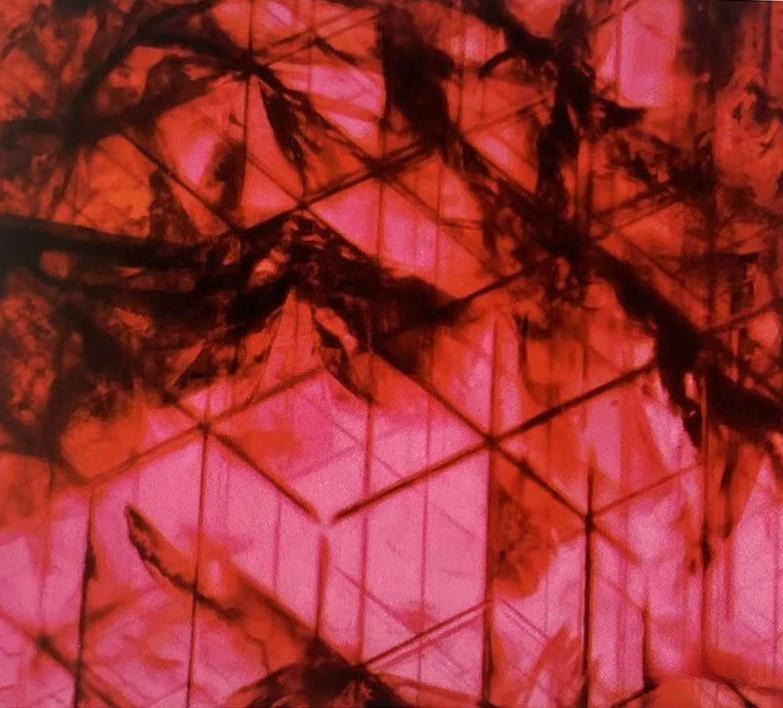
- Inclusion Patterns: Unlike Burmese rubies, Thai rubies rarely have the silk-like rutile inclusions. As a result, Star Rubies are virtually nonexistent.
- Internal Structures: A unique feature of Thai rubies is the presence of diaspore inclusions that intersect at near-right angles, resembling scaffolding.
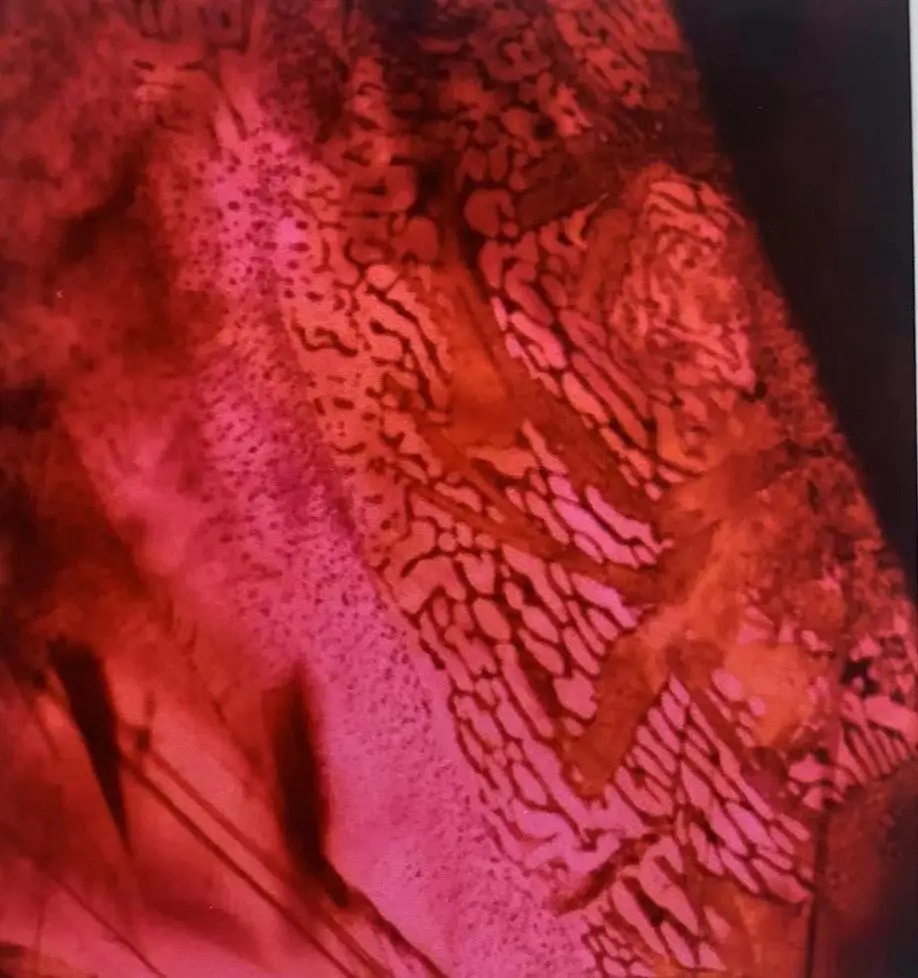
- Fluid Inclusions: Fluid inclusions are often arranged in “fingerprint” or “atoll-like” patterns, creating disc shapes.
- Polysynthetic Twinning: Thai rubies often exhibit well-developed twinning planes due to their geological formation.
The “Rai Thai” Ruby: A Local Specialty
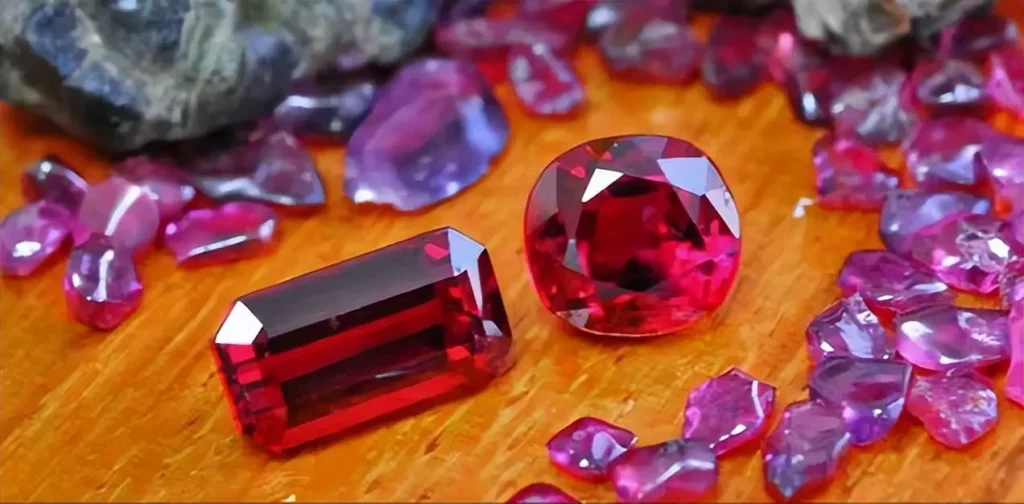
The “Rai Thai” ruby, or “Thai Style” ruby, is a local specialty highly prized by collectors. These rubies typically have a yellowish-red hue and feature intricate, silk-like secondary cavities. The internal patterns resemble the textures found in traditional Thai silk and local crafts, making them a true regional gem.
Thai Sapphires: A Legacy of Color and Craftsmanship
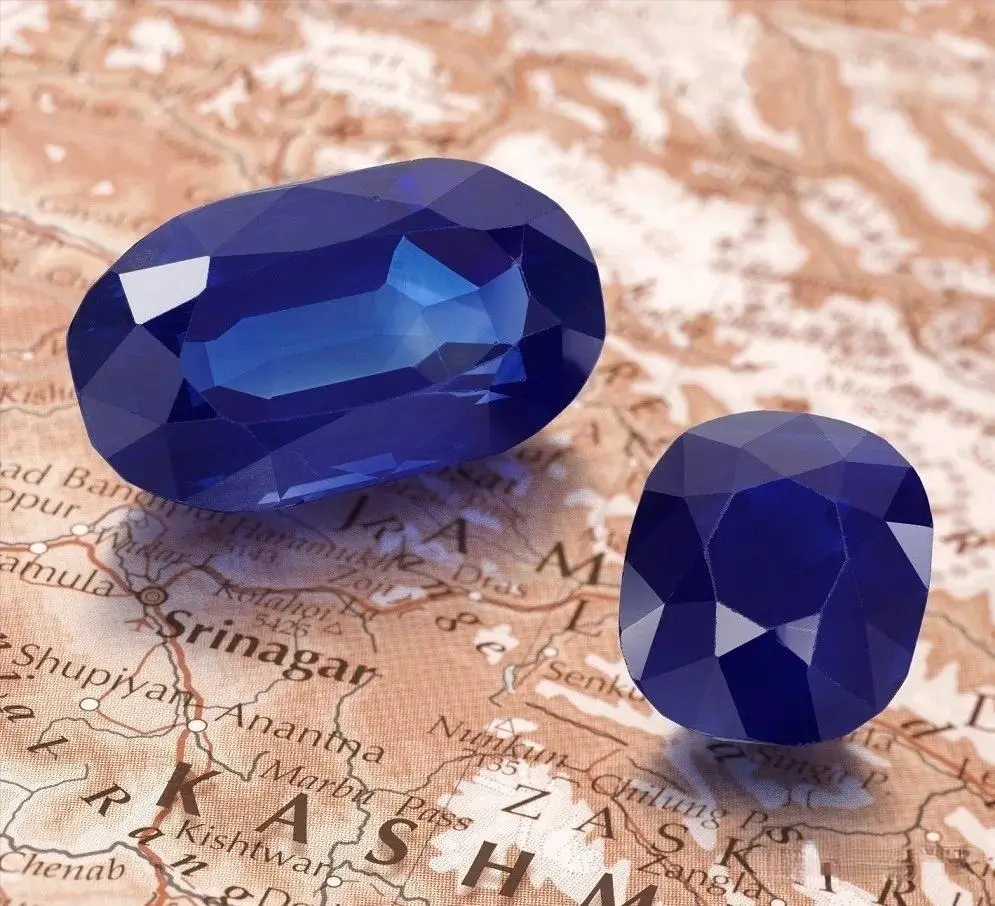
As one of the “Big Five” precious stones, sapphires stand out as the undisputed leader among blue gemstones. While many collectors immediately think of the legendary Kashmir sapphires, Thailand has long been the world’s most vital source of sapphires, even before the Kashmir discovery.
From Historical Supply to Global Dominance
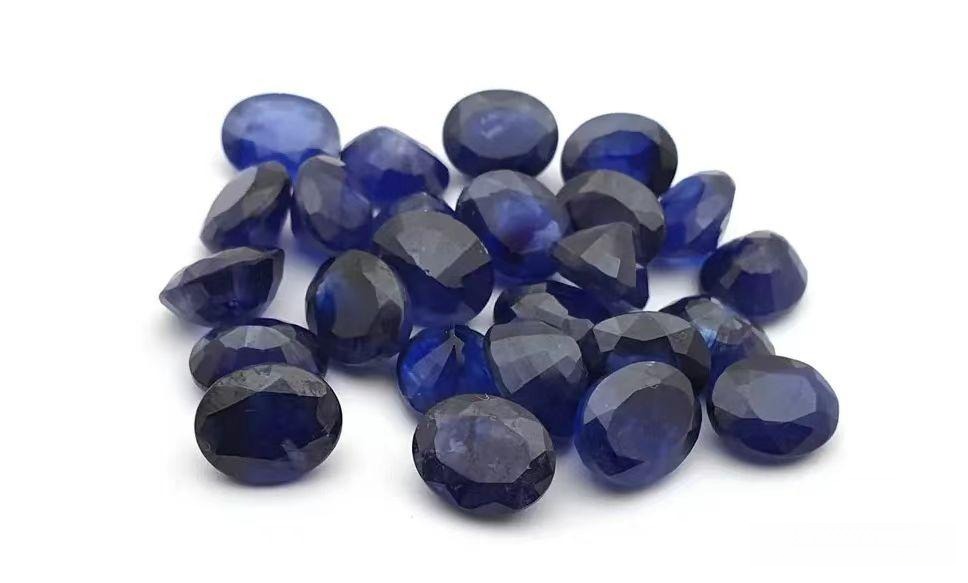
Thailand’s journey as a sapphire powerhouse began in the late 19th century. By the mid-1930s, Thai sapphires accounted for nearly half of the global market. Following Myanmar’s nationalization of its gemstone mines, Thailand’s reputation as a supplier solidified. The shift in focus toward Thailand marked the beginning of the country’s rise as the leading hub for gemstone cutting and trade.
Today, the market recognizes these sapphires as iconic Thailand gemstones, ranging from classic blue to vibrant yellow and even rare color-changing varieties. The country’s rich gemstone heritage, advanced cutting techniques, and its established position in the global market make it a top destination for sapphire lovers and jewelers alike.
Major Sapphire Mining Regions in Thailand
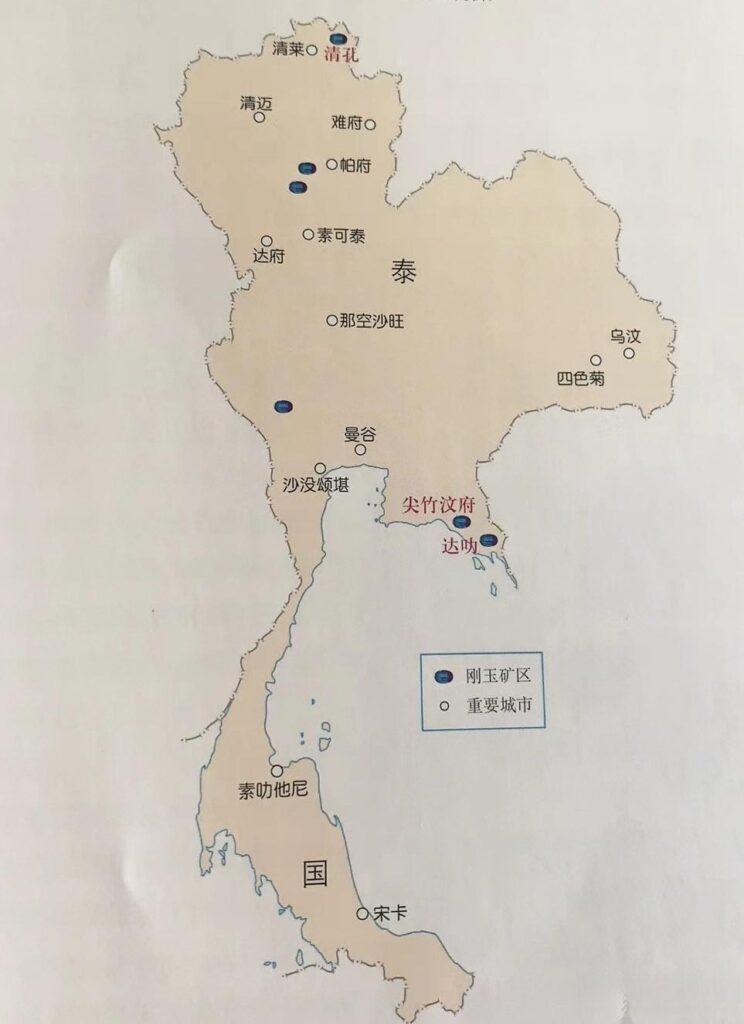
Thailand’s sapphire production is concentrated in three primary regions: Chanthaburi, Trat, and Kanchanaburi. These areas collectively yield 90% to 95% of the country’s output, while the remaining 5% to 10% comes from districts such as Phrae and Sisaket.
Chanthaburi: The Sapphire Heartland
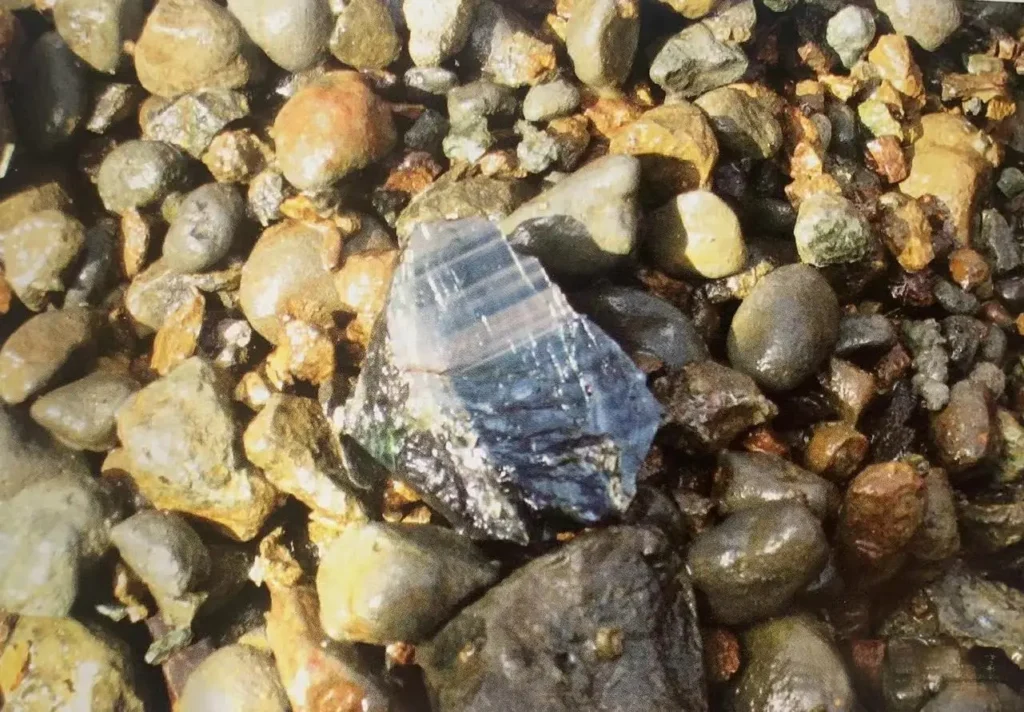
Mining in Chanthaburi’s Khlung district began as early as 1830. By the 1990s, the region boasted approximately 40 active mining sites. This area produces a rich diversity of gems, including blue, yellow, and green sapphires, alongside the iconic black star sapphires. These stones often occur alongside black spinel, garnet, and zircon.
Beyond mining, Chanthaburi functions as the global epicenter for gemstone processing. With workshops scattered throughout the province, over 80% of the world’s rubies and sapphires pass through this hub before reaching international markets.
Kanchanaburi: Known for Large, Vibrant Stones
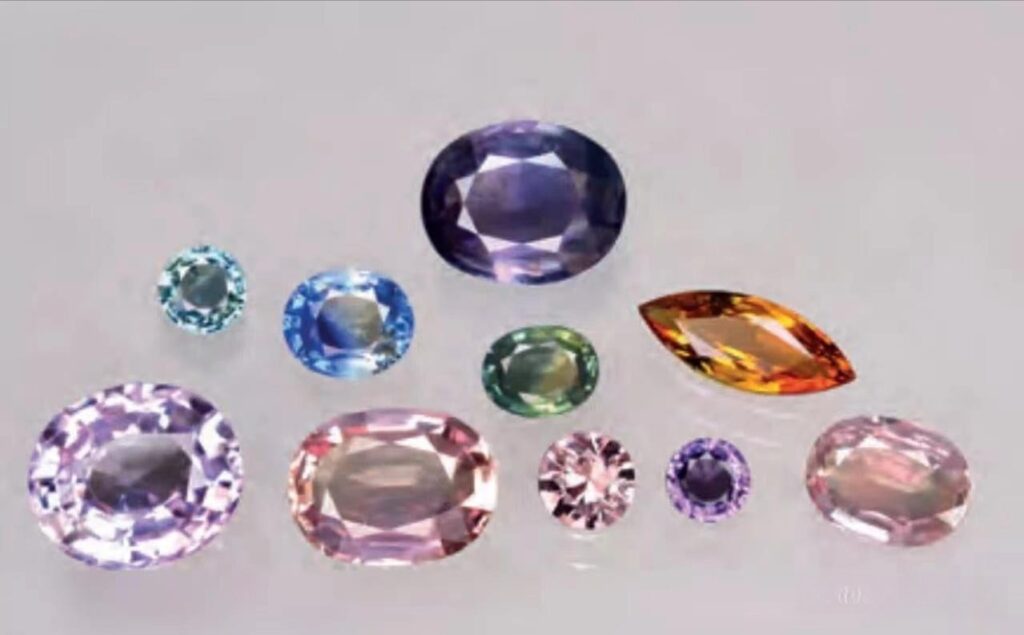
While the Bo Phloi mines in Kanchanaburi have a century-long history, they rose to global prominence in the 1990s as Thailand’s leading sapphire source. Unlike other regions, Kanchanaburi is celebrated for producing large, vivid crystals. These sapphires typically accompany black spinel, clinopyroxene, sanidine, and garnet. Their colors range from light to deep blue, frequently exhibiting distinct color zoning that is often visible to the naked eye. To understand how the professional market ranks these diverse hues, explore our Sapphire Color Classification: The Complete Guide to the Seven Shades of Blue.
Phrae: The Source of “Inky” Hues
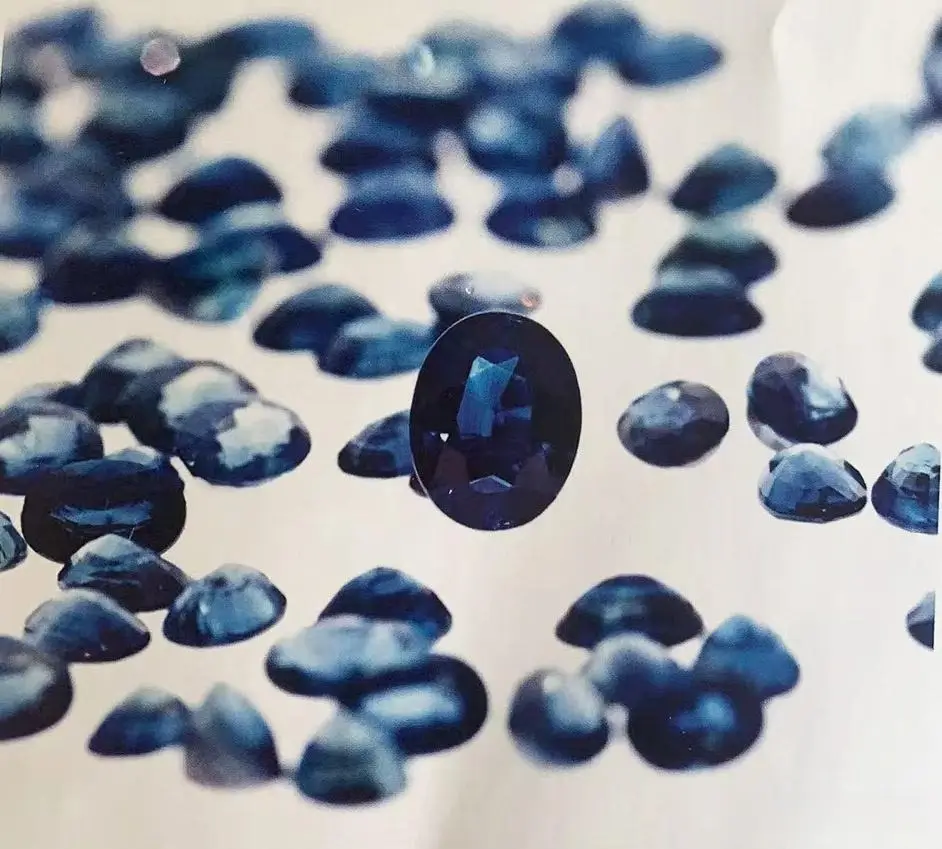
Located in the Den Chai district of northern Thailand, the Phrae deposit was discovered in the 1920s, though formal extraction did not begin until the 1970s. Sapphires from this region typically display a deep, saturated color that occasionally leans toward a distinct inky blue-violet.
Unlike the larger stones found in Kanchanaburi, however, Phrae specimens are generally smaller, making crystals exceeding 5 carats exceptionally rare. To aid in identification, these gems are frequently found alongside rich deposits of black spinel and zircon, serving as a geological signature of the region.
Pailin (Cambodia-Thailand Border): A Chameleon of Color
The Pailin region, situated on the border between Cambodia and Thailand, produces deeply saturated sapphires in nearly every hue except yellow and green. Most notably, the area yields rare color-change sapphires. These fascinating stones shift from deep green in daylight to a purplish-pink under incandescent light—a phenomenon remarkably similar to the color-change sapphires found in Russia. Curious about other unique locations around the globe? Explore The Hidden Secrets of Sapphire Origins: Discover the Lesser-Known Sources of September’s Birthstone.
Gemological Characteristics of Thai Sapphires
Thai sapphires possess unique traits that define their market value. Furthermore, these characteristics serve as vital markers for professional identification:
- Color & Zoning: While offering a range from light to “ink” blue, these stones frequently display distinct color zoning. In addition, Thailand produces significant quantities of yellow and green varieties.
- Mineral Markers: These gems typically coexist with black spinel, garnet, and zircon. Consequently, these mineral signatures act as a geological fingerprint to verify their Thai origin.
- Asterism: Beyond faceted gems, Thailand is famous for star sapphires. These stones exhibit a natural six-rayed star, adding a rare layer of visual appeal for collectors.
Conclusion: Thailand’s Sapphire Legacy
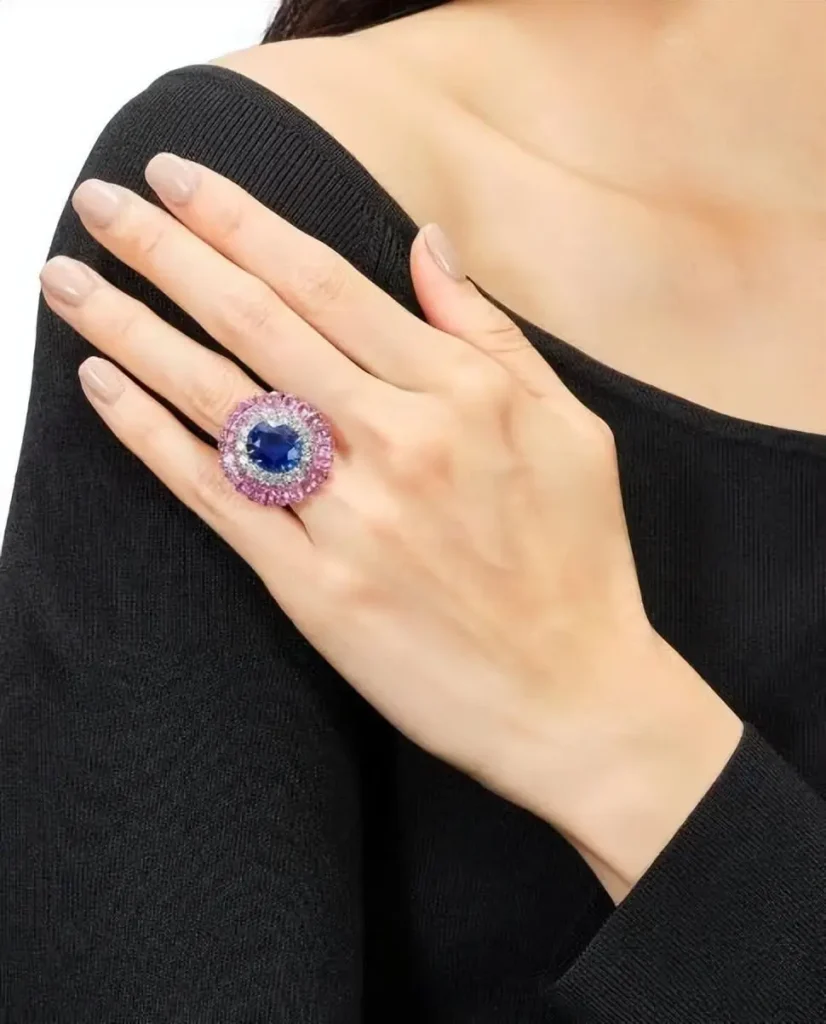
Ultimately, Thailand’s legacy continues to dominate the global sapphire market. From Chanthaburi’s rich blues to Kanchanaburi’s vibrant crystals, these gems offer exceptional beauty. Moreover, Thailand’s expert craftsmanship ensures its position as a premier gemstone hub. Whether for investment or adornment, Thai sapphires remain a timeless centerpiece of the world’s gemstone heritage.
Thai Spinel: The “Great Imposter” Gains New Glory
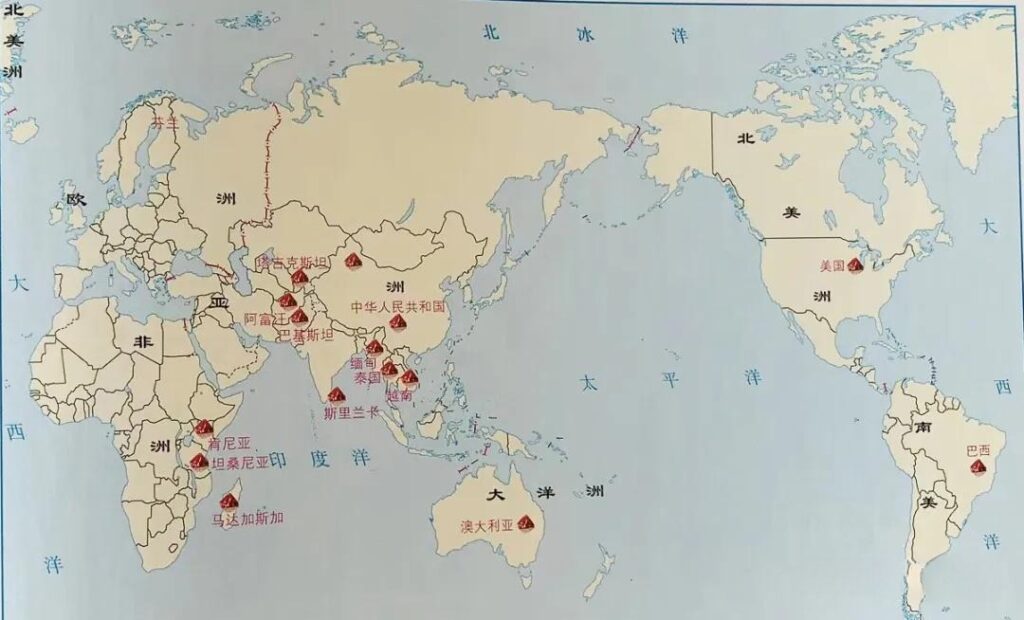
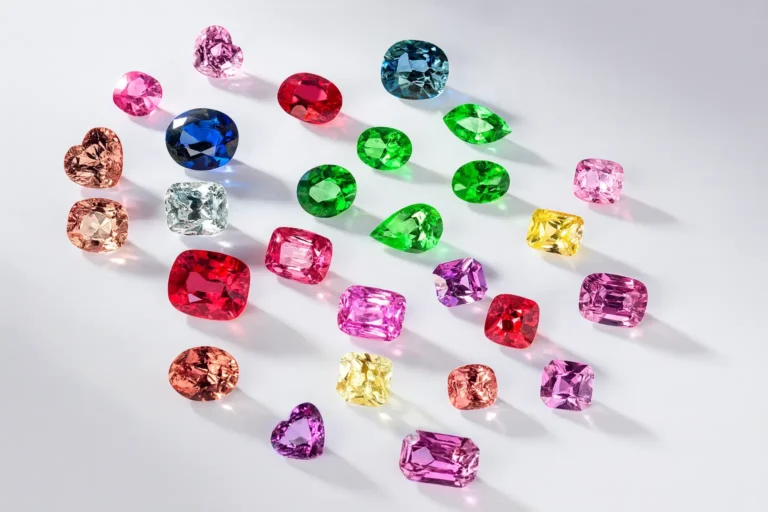
While Myanmar, Vietnam, Sri Lanka, and Afghanistan remain key global sources of spinel, Thailand stands as a critical hub for high-quality red, blue, and black varieties. Once celebrated for its striking resemblance to ruby, these Thailand gemstones has graced the imperial crowns of both Russia and Great Britain.
To see how this gemstone commands world-record prices at auction, explore the story of The Legendary Hope Spinel and Hope Pearl: Rare Gems That Captivated the World. Today, it has finally moved out of the “imposter’s” shadow to become a coveted choice for modern collectors.
The Science of Saturation: Color Varieties
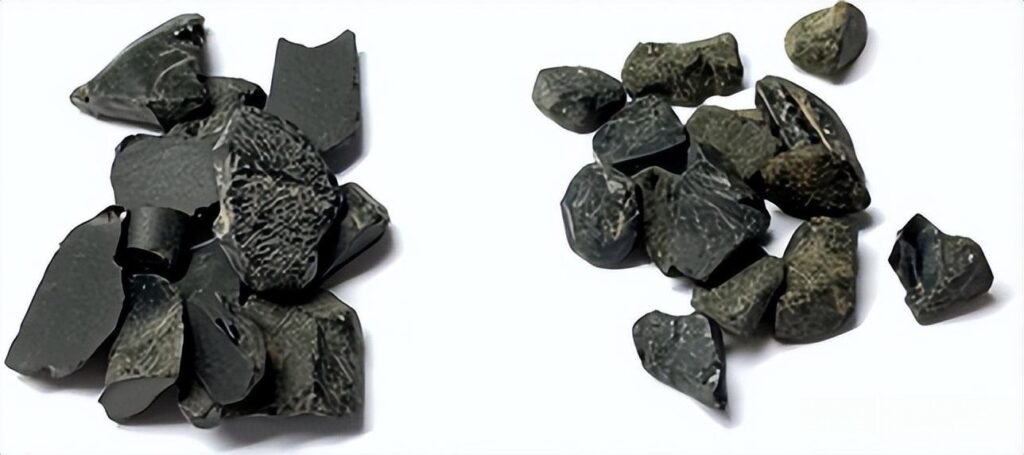
The allure of Thai spinel lies in the trace elements that define its vibrant palette:
- Vibrant Red: Chromium (Cr) drives the saturation of these fiery stones. While higher chromium levels produce a pure red, the presence of other trace elements can introduce sophisticated purple overtones.
- Deep Blue: Unlike the cobalt-blues of other regions, Thai blue spinels typically contain iron and zinc. This creates a moodier, midnight-blue aesthetic that serves as a refined alternative to sapphire.
- Opaque Black: Often found alongside minerals like pyrrhotite and clay, black spinel offers an intense, obsidian-like luster. Jewelry designers increasingly choose this variety as a durable, ethical, and sophisticated alternative to black diamonds.
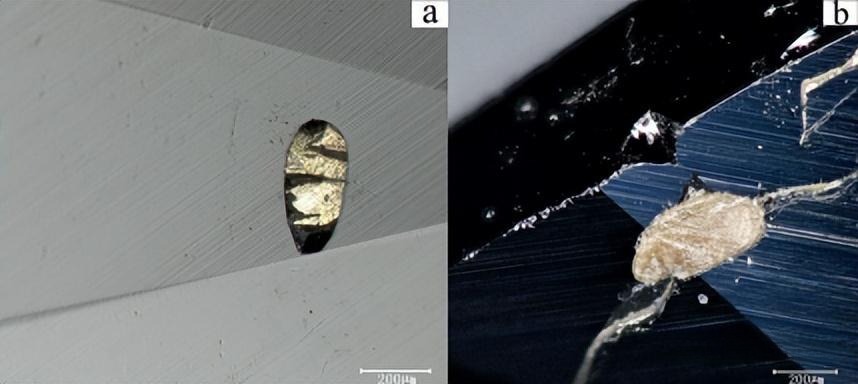
Why Collectors Target Thai Spinel
Thai spinels stand out in the global market for three specific reasons:
- Superior Clarity: They generally host fewer inclusions than rubies or emeralds, offering a “clean” look that maximizes light reflection.
- Everyday Durability: With a 8 on the Mohs scale, their hardness makes them scratch-resistant and ideal for daily-wear jewelry.
- Versatile Investment: While red spinels command premium prices, the blue and black varieties offer an accessible entry point into the world of investment-grade Thailand gemstones.
Thai Natural Zircon: The Brilliance of Fire and Color
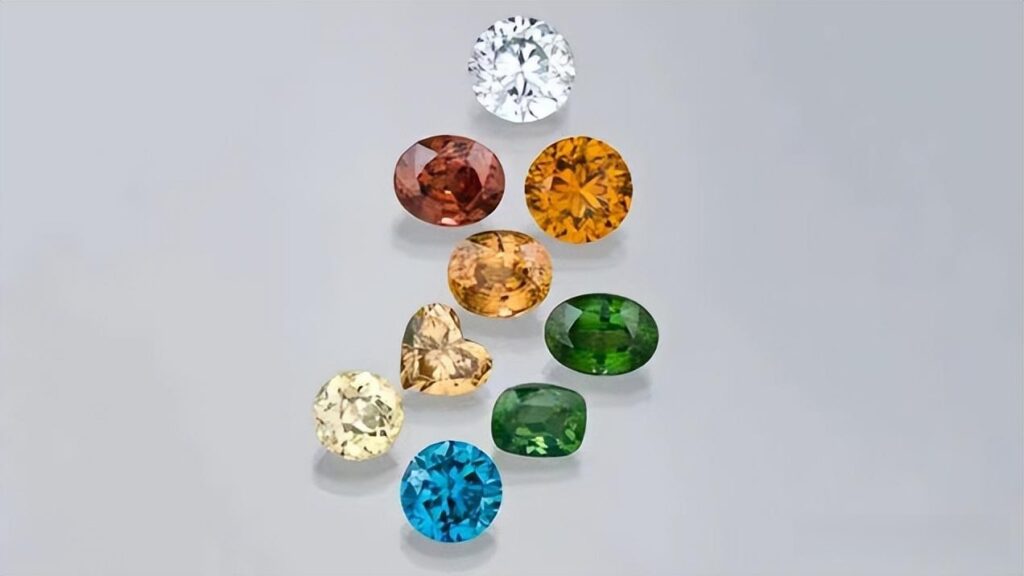
Natural Zircon (not to be confused with synthetic cubic zirconia) serves as the traditional birthstone for December. Gemologists praise this stone for its intense luster and exceptional dispersion, often referring to its brilliant flashes of light as ‘fire.’ While zircon deposits exist worldwide, Thailand stands out as the premier source and processing hub for this radiant gemstone.
The World’s Exclusive Source for Heat-Treatable Zircon Rough
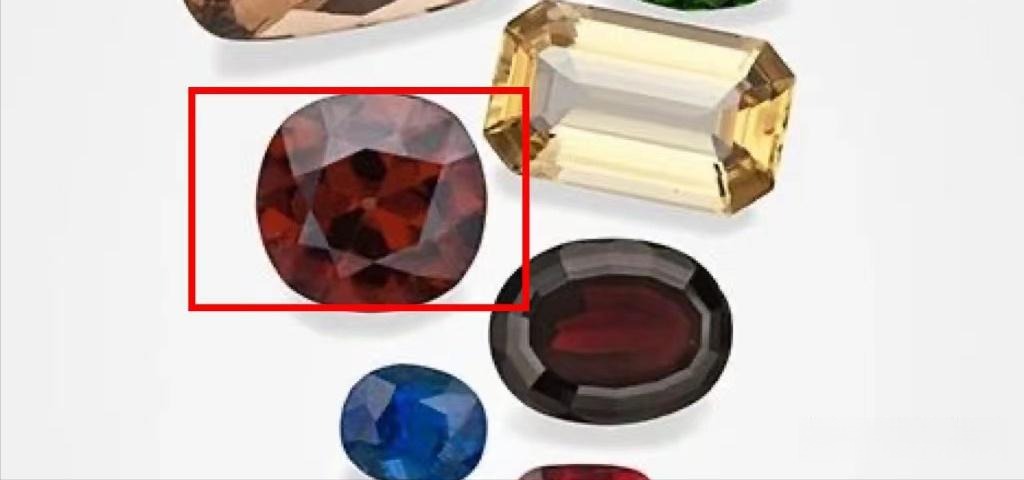
While Thai mines yield high-quality colorless and red zircons, the region’s true fame lies along the Thai-Myanmar border. Notably, this district remains the world’s only source of the specific rough zircon that possesses the unique chemical properties required to transform into vibrant blue, golden, and colorless varieties through heat treatment.
- Electric Blue Zircon: A vibrant, Caribbean-blue hue that remains unmatched by any other natural gemstone.
- Golden-Yellow Zircon: A warm, honey-toned variety that rivals fine citrine or yellow sapphire.
- High-Clarity Colorless Zircon: Often used as a natural alternative to diamonds due to its remarkable brilliance and double refraction.
Why Thai Zircon is a Collector’s Favorite
Thai zircon offers a range of unique gemological traits that make it highly desirable among collectors:
- High Dispersion: Zircon’s ability to split light into a spectrum of colors (fire) is nearly as high as that of diamonds, making it one of the most visually stunning Thailand gemstones.
- Double Refraction: When looking through a faceted zircon, the back facets often appear to double. This optical phenomenon adds depth and richness to the stone’s appearance.
- Rich Heritage: Zircon has long been prized in both Thai culture and international trade. Its durability and vibrant colors make it a favorite for traditional high-jewelry designs.
[Related Reading: Zircon: Is This Ancient Gem a Fake Diamond, or a Valuable Treasure?] — Dive deeper into the fascinating history of this 4.4-billion-year-old stone and discover why natural zircon is a genuine masterpiece of nature, not a diamond imitation.
Exploring Gemstone Treasures from Around the World
While Thailand remains a central pillar of the trade, every corner of the globe hides its own mineral treasures. In our Gemstone Countries series, we have previously explored the legendary deposits of several nations:
- India:
Indian Specialty Gemstones: A Guide to Historic Diamonds, Kashmir Sapphires, and Investment Treasures - Colombia:
Colombian Gemstones: Emeralds, Mining Regions, and Investment Value - Russia:
Russian Gemstones: 9 Extraordinary Treasures from the Urals to Siberia - Brazil:
8 Treasured Brazilian Gemstones from the World’s Colored Gem Capital
Conclusion: Bringing Thailand’s Brilliance to Your Collection
Thailand’s reputation as the “Gemstone Capital of the World” is not just about its historic mines but, more importantly, the exceptional craftsmanship that transforms raw minerals into radiant treasures. From the fiery depths of Chanthaburi rubies to the mesmerizing “fire” of electric blue zircons, ultimately, Thailand gemstones embody the perfect fusion of nature’s beauty and human artistry.
It is this rich heritage that we draw inspiration from at PeonyJewels to create more than just jewelry—we craft wearable stories. Accordingly, our handmade vintage earrings capture the timeless allure of these natural wonders. By pairing meticulously sourced gemstones with vintage-inspired designs, we offer unique pieces that bridge the gap between ancient elegance and modern style.
Whether you are captivated by the royal history of spinel or the dazzling sparkle of Thai zircon, our Thailand gemstones collection invites you to carry a piece of Thailand’s geological wonder every day.
Explore Our Handmade Vintage Earring Collection — Discover your next heirloom piece, handcrafted with passion and inspired by Thailand’s treasures.