Tourmaline Gemstone Guide – Colors, Varieties, and How to Spot Fakes
Have you ever wondered why the Tourmaline gemstone is often called the rainbow stone? The name comes from the ancient Sinhalese word Turmali, meaning “a stone of mixed colors.” According to legend, tourmaline traveled from deep within the Earth and passed through a rainbow before reaching the surface, capturing a spectrum of beautiful hues along the way.
Of course, these dazzling colors come from science, not magic. Elements such as lithium, magnesium, iron, and sodium create an incredible range of shades—almost every color of the rainbow. In this guide, we explore what makes tourmaline so fascinating: its colors and varieties, how to recognize genuine stones, and why certain types like Paraiba and Rubellite tourmaline are among the most coveted gemstones in the world.
Tourmaline Gemstone Colors and Varieties – The Gemstone of Endless Hues
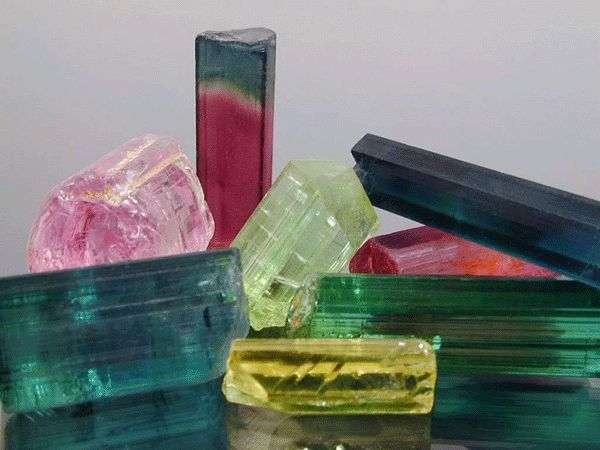
Tourmaline appears in a wide range of colors, including red, green, blue, yellow, purple, black, colorless, and multi-colored forms. Among single-color varieties, pure blue tourmaline usually commands the highest value, followed by red, green, and yellow.
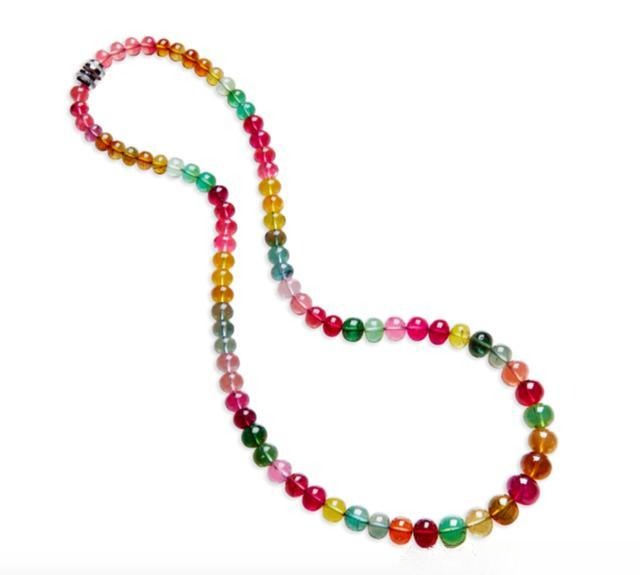
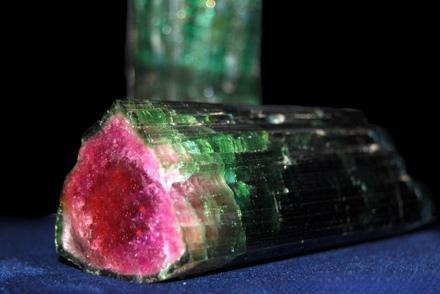
A single tourmaline crystal can often show multiple colors at once, blending naturally from one shade to another. This unique feature is why tourmaline is often described as “a rainbow fallen to Earth.”
Tourmaline vs. Quartz – Key Differences
Many crystal sellers include tourmaline in their collections, but tourmaline and quartz are completely different minerals. Tourmaline is a boron silicate, also known as elbaite or electric stone.
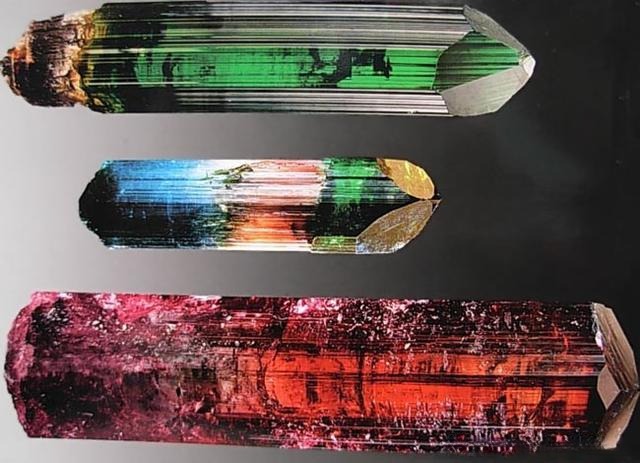
It exhibits pyroelectric and piezoelectric properties:
- Pyroelectricity: Temperature changes create opposite electrical charges at each end of the crystal.
- Piezoelectricity: Applying directional pressure generates equal and opposite charges on opposite sides.
These properties make tourmaline attract tiny particles like dust or paper fibers, earning it the nickname “the dust-attracting stone.” Interestingly, some skincare brands even add finely ground tourmaline to products, claiming it stimulates microcirculation and improves absorption.
Clarity and Inclusions in Tourmaline – Why Perfect Stones Are Rare
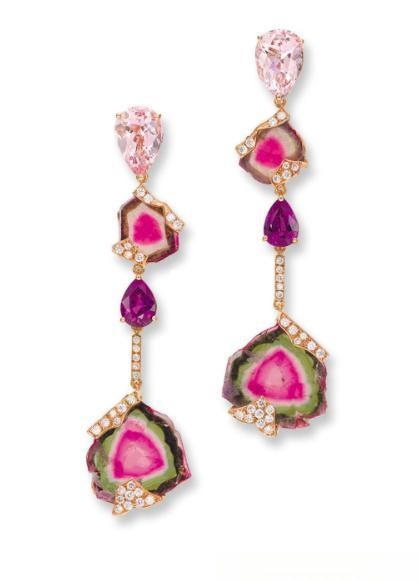
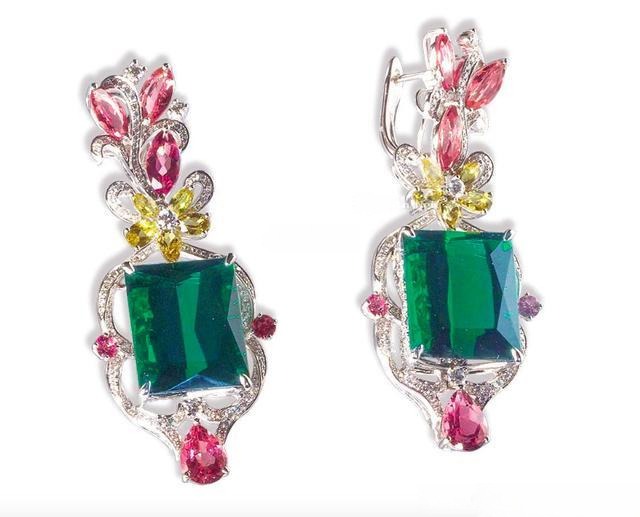
Tourmaline often contains tiny gas–liquid inclusions and natural fractures. Stones with exceptional clarity are rare. Gem cutters usually transform these high-clarity crystals into cabochons or faceted gems, which fetch premium prices.
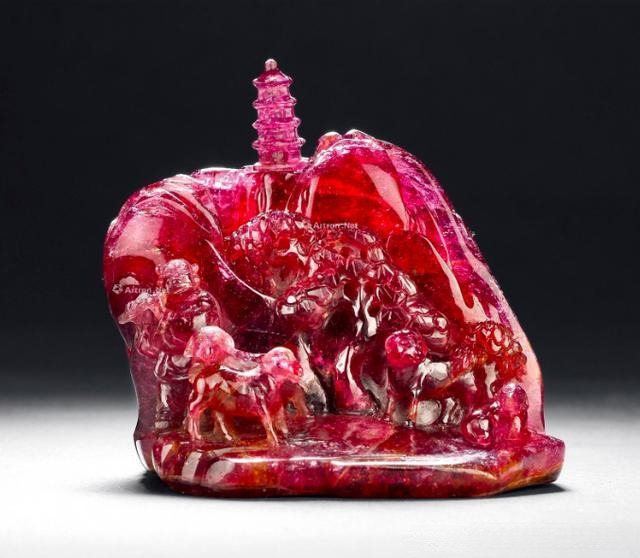
Lower-clarity stones are ideal for carvings or decorative pieces. Even with inclusions, skilled craftsmanship brings out the stone’s vibrant colors and natural textures.
Tourmaline Beads and Value – Size, Color, and Clarity Matter
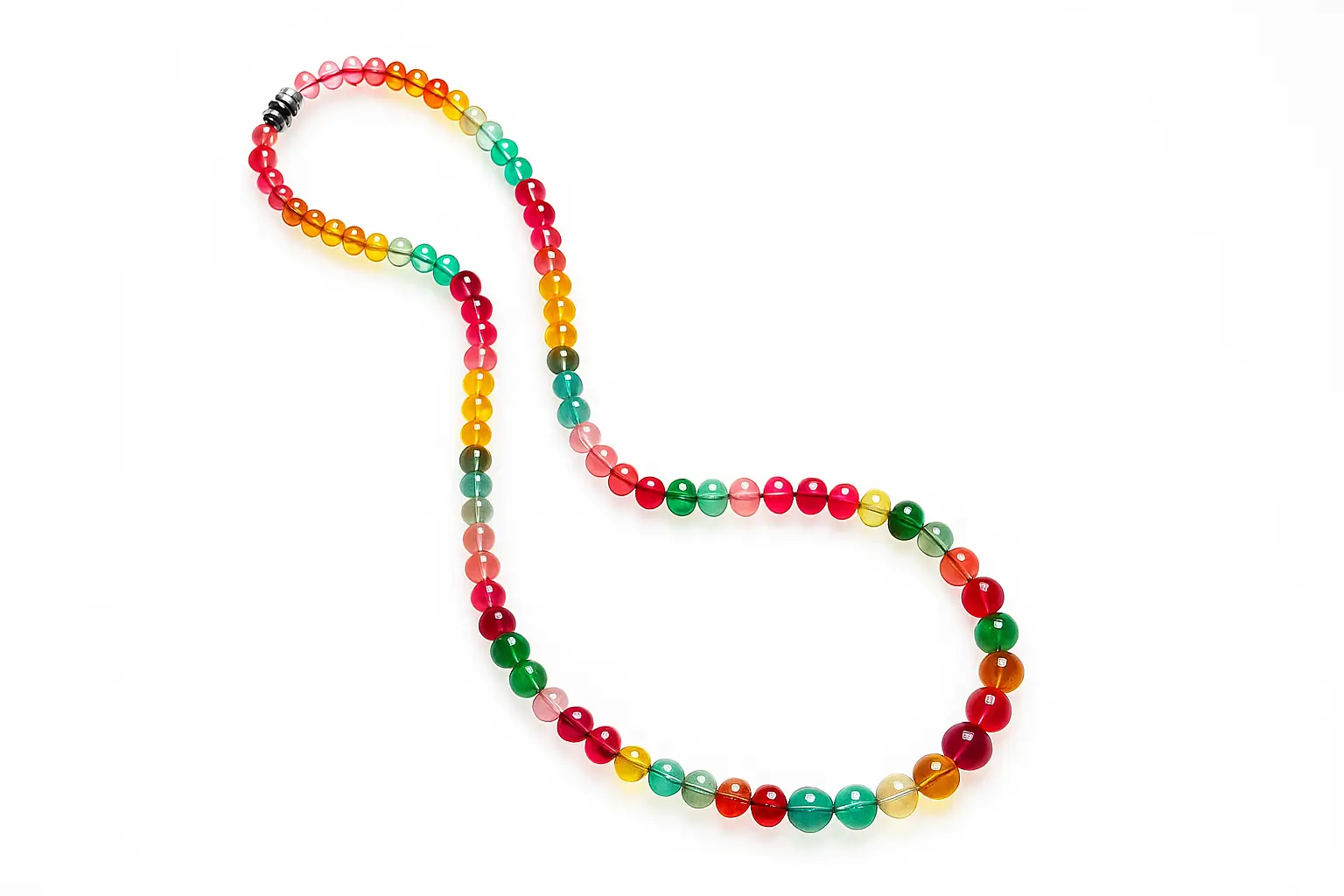
Many collectors polish raw tourmaline into beads for bracelets or necklaces. Prices vary widely. The rule is simple: the cleaner the crystal, the richer the color, and the larger the bead, the higher the price.
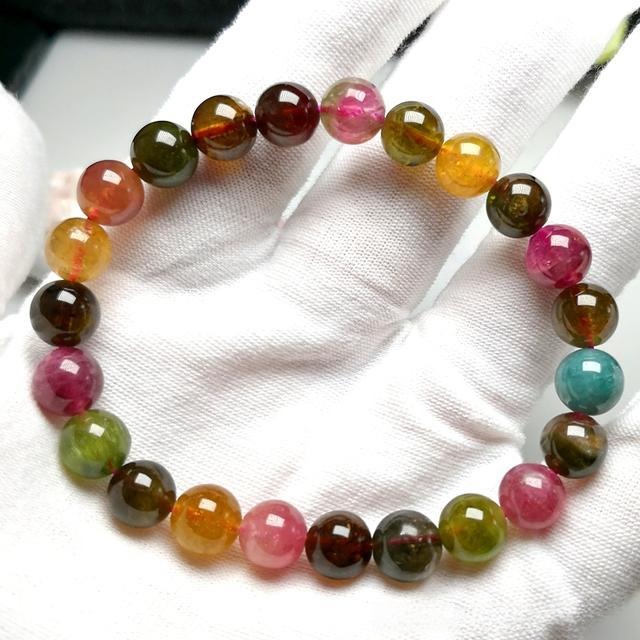
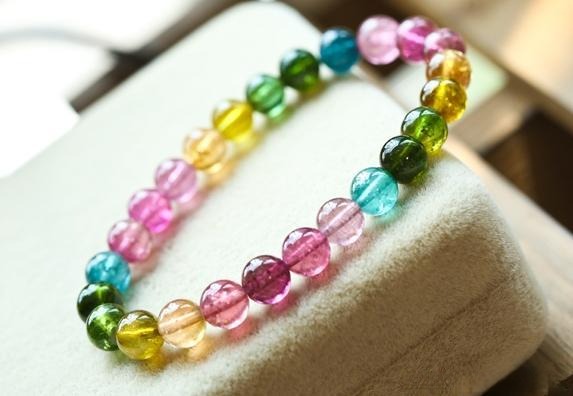
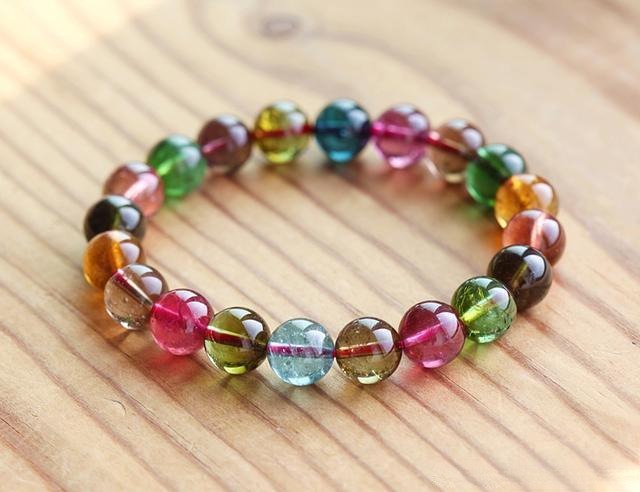
- Low-clarity or pale beads: under $100
- Vivid, transparent beads: several hundred to a few thousand dollars
- Premium-grade 10–15 mm beads: luxury items, sometimes approaching $10,000
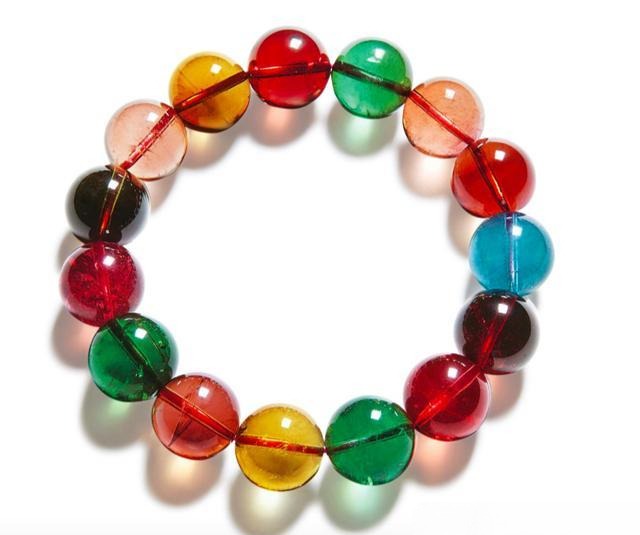
Perfect beads are rare. Each strand represents countless hours of selection and polishing, making it both jewelry and a work of art shaped by nature.
Paraiba Tourmaline – The Crown Jewel
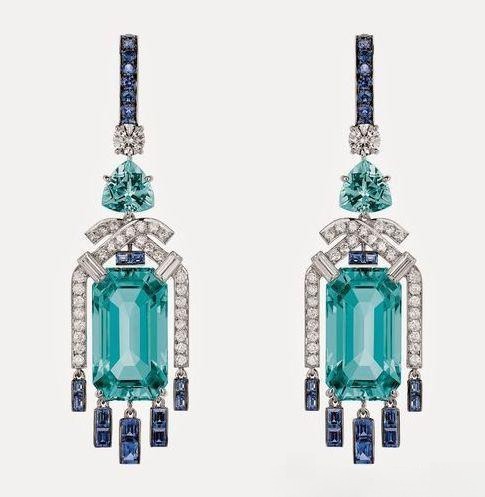
Paraiba tourmaline holds the highest value among all tourmalines. First discovered in 1987 in Brazil’s Paraíba state, its electrifying blue-green color comes from traces of copper, creating a hue so vibrant it stunned the gem world.
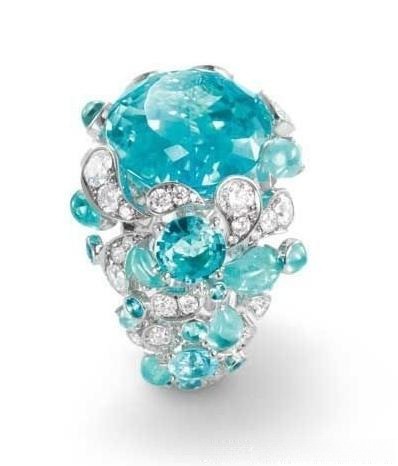
Since 2001, African deposits in Nigeria and Mozambique introduced new, high-quality stones. African Paraiba often produces larger crystal sizes.
- Nigerian stones: lake-blue and mint-green tones
- Mozambican stones: diverse colors including blue-green, reddish-purple, deep violet, indigo, lake-blue, and mint-green
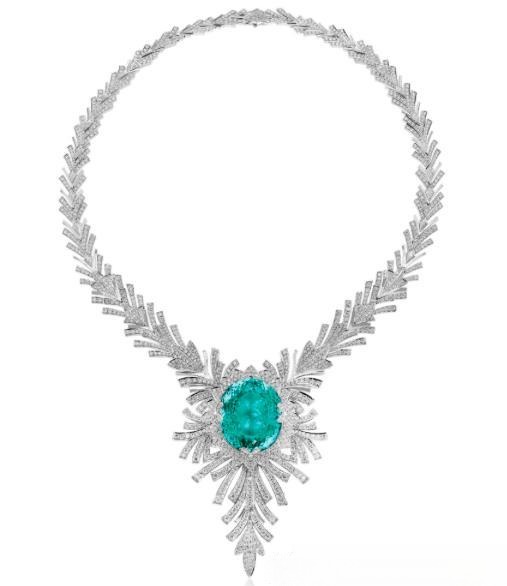
A notable example is the 91.43-carat Mozambican Paraiba tourmaline necklace, showcasing the brilliance and rarity of these gems.
Rubellite Tourmaline – The Red Star
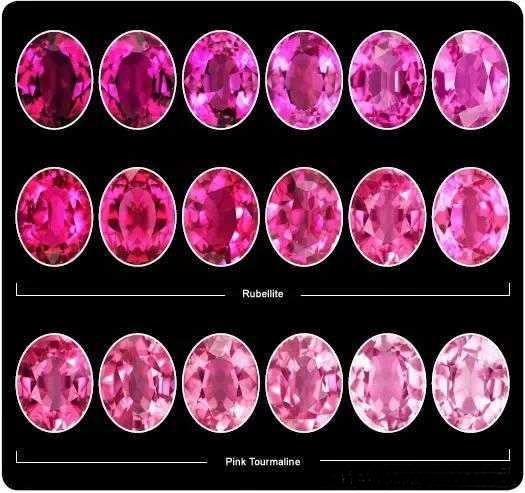
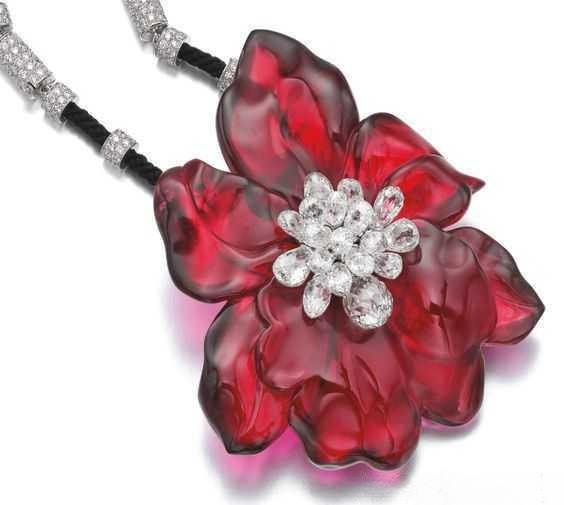
Rubellite tourmaline means “ruby-like” and is reserved for the finest red tourmalines. Only a small fraction meet the color and saturation standards.
Some inexperienced or unscrupulous sellers label any pink or red tourmaline as Rubellite. In reality, stones with lighter hues or lower saturation should be called pink tourmaline.
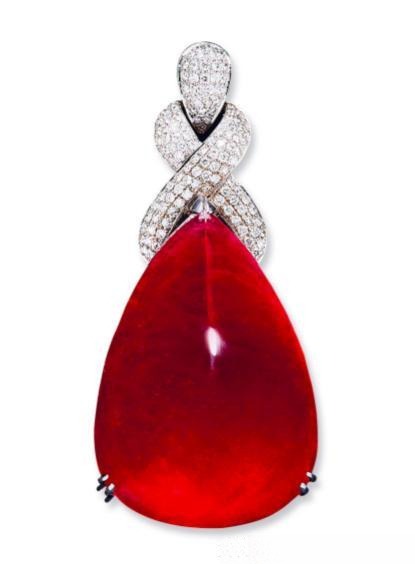
A striking example is a 220-carat Rubellite pendant, illustrating the gemstone’s vivid color and rarity.
Common Tourmaline Imitations – Spotting Fakes
Tourmaline is often imitated by other minerals and materials, including quartz, chalcedony, fluorite, glass, and phosphosiderite (a Paraiba look-alike). Knowing these fakes helps collectors and buyers avoid costly mistakes.
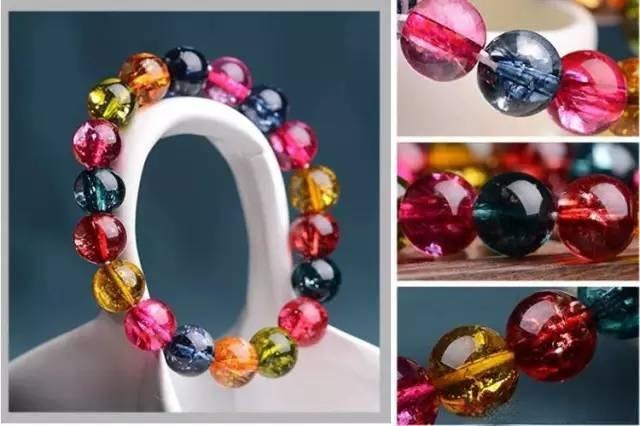
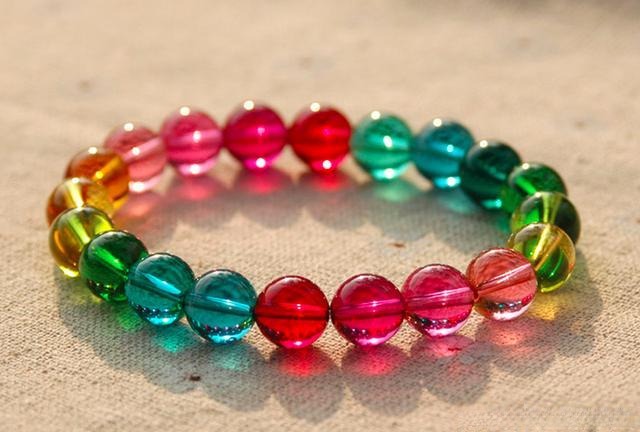
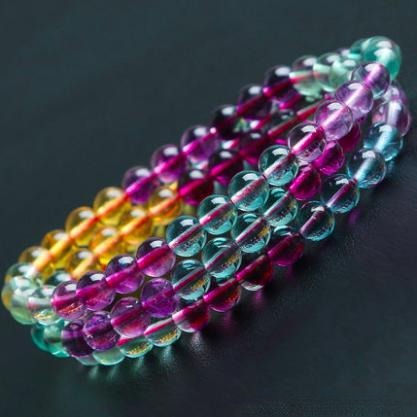
- Exploded crystal: Cracked quartz dyed and sealed with resin to mimic tourmaline. The colors are vivid but lack natural depth.
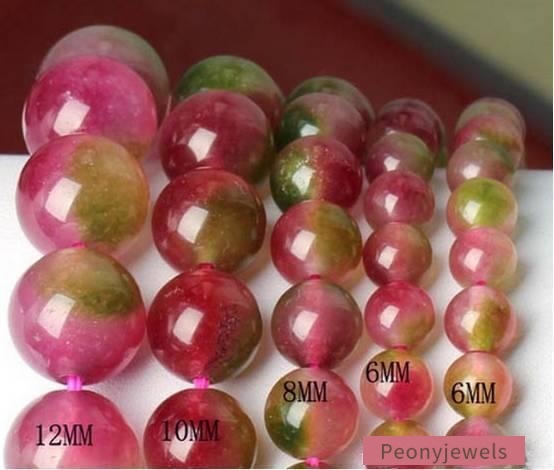
- Dyed chalcedony: Sold as watermelon tourmaline; bright colors but missing natural clarity and variation.
- Fluorite or glass: Visually clear but soft (Mohs 4) and often contains bubbles. Heavier than natural tourmaline.
- Phosphosiderite: Imitates Paraiba tourmaline’s bright colors, but soft (Mohs 5) and wears down quickly.
- Dyed or coated stones: Colors may fade or scratch easily, unlike natural tourmaline.
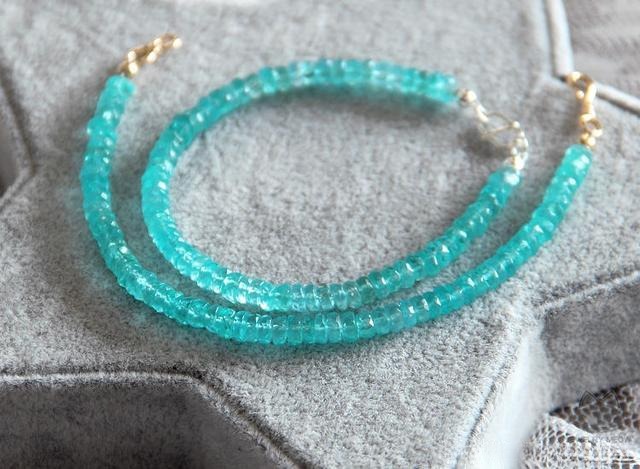
Pro Tip: Cheap stones that look like glass usually indicate treatment or imitation. Natural tourmaline shows subtle color variations and depth that are hard to replicate.
Tourmaline Gemstone Treatments – Avoid Being Misled
Dealers sometimes enhance tourmaline through heat, irradiation, coating, dyeing, or resin filling.
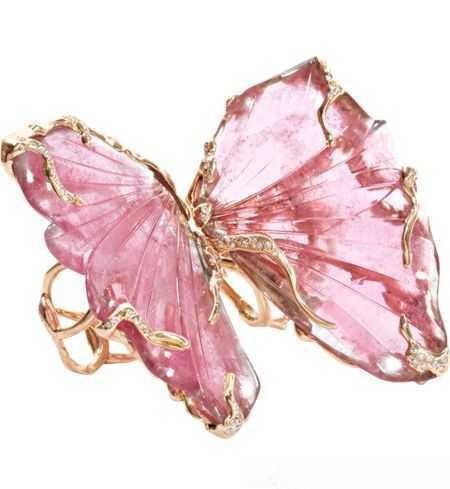
Rule of thumb: stones that look like glass and sell cheaply are often treated or synthetic. Natural, untreated tourmaline shows subtle color depth that is hard to replicate.
Paying attention to these details ensures collectors buy genuine, high-quality gems. To learn more about irradiated jewelry and how to identify treated stones, read the PeonyJewels blog post: Are Irradiated Gemstones Safe? Everything You Need to Know About Radiation in Jewelry.
Tourmaline Gemstone Certificates – What They Can and Cannot Tell You
Like all gemstones, a tourmaline certificate only verifies that the stone is indeed tourmaline. It cannot guarantee the quality, color intensity, or overall grade of the gem.
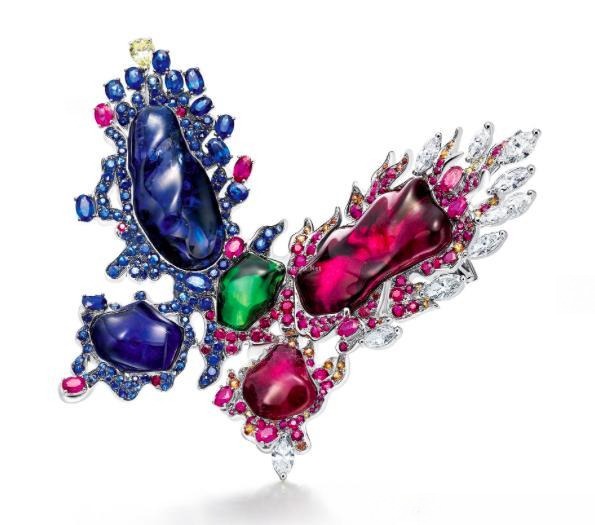
Collectors should focus on the stone itself—its color, clarity, cut, and craftsmanship—instead of relying solely on paperwork. Even high-end examples, such as Cartier tourmaline pendants and brooches, showcase their natural beauty and design, rather than depending on the certificate.
Understanding this distinction helps buyers make informed decisions and avoid overpaying for stones with certificates but average visual appeal.
Tourmaline Gemstone Myths – Jewelry, Not a Miracle Cure
Legends say tourmaline improves blood circulation, boosts energy, or brings relationship luck. While fun, remember: you’re buying jewelry, not medicine.
The real magic lies in its natural beauty, color variety, and craftsmanship. Wearing tourmaline can lift your mood and enhance your style—already an amazing effect.
PeonyJewels Advice – Learn More, Buy Smarter
At PeonyJewels, we say: observe more, learn more, buy less, and avoid impulsive decisions. The internet offers useful tips and misleading info alike. Reading a few articles doesn’t make you a tourmaline expert.
Hands-on experience matters: visit jewelry stores, museums, and gem markets. Let the stones’ beauty speak. After seeing high-quality gems, you’ll naturally spot superior pieces and avoid fakes.
And while exploring gems, why not start with something timeless and artisanal? Our handmade vintage earrings combine classic charm with modern style. Each piece mirrors the attention to detail you admire in gemstones—bringing effortless beauty to your daily life.
Explore our collection today and discover the charm of artisanal jewelry inspired by nature’s finest gems.