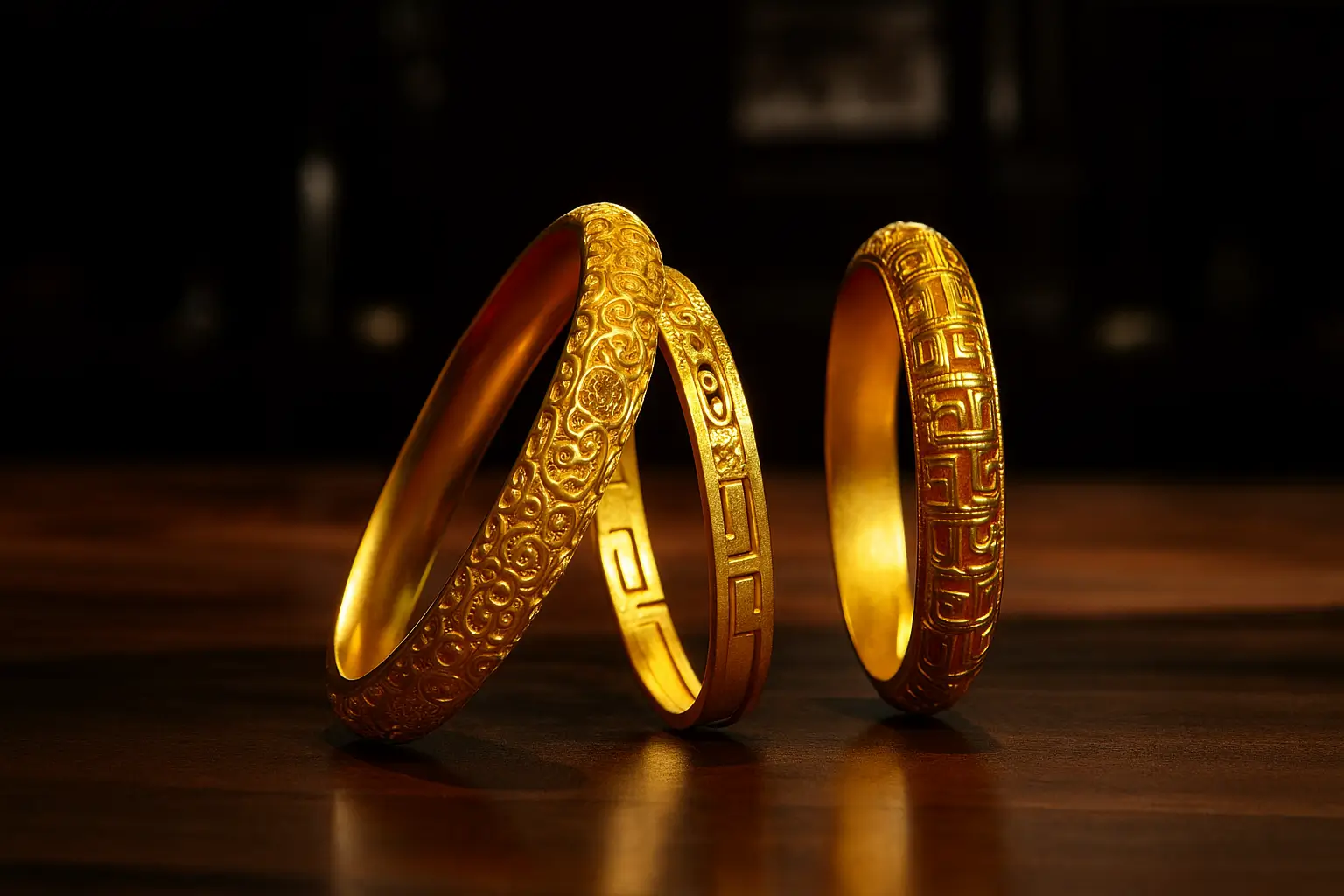
Traditional Techniques Vintage Jewelry — The Timeless Charm of Chinese Gu Fa Gold
Traditional Vintage Jewelry Introduction
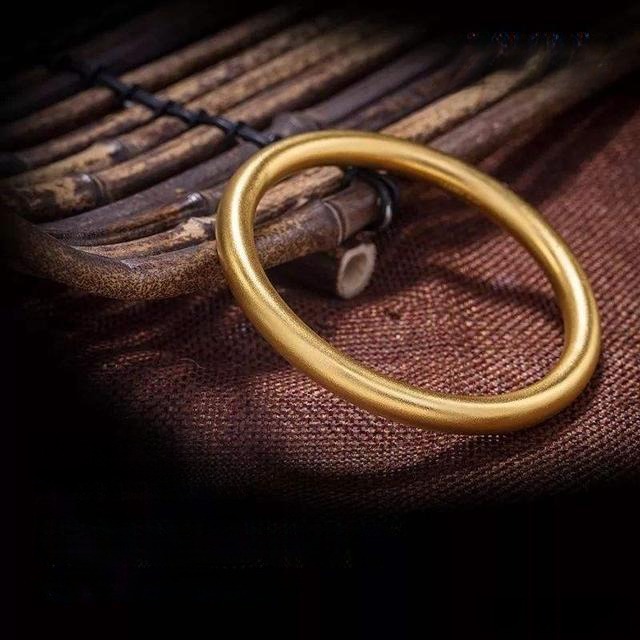
Have you ever wondered why Traditional Techniques Vintage Jewelry continues to fascinate even in an age of mass-produced luxury? In China, gold jewelry has always been more than adornment — it embodies heritage, artistry, and emotional connection.
Today, one remarkable revival brings these ancient values back to life: Chinese Gu Fa Gold. Crafted entirely by hand, each piece is shaped, hammered, and polished using methods passed down through generations. The result is jewelry with a soft matte glow, organic texture, and timeless charm — a quiet contrast to the glossy perfection of modern luxury.
In Gu Fa Gold, traditional craftsmanship meets contemporary aesthetics, offering wearers not just beauty but a tangible link to living history.
What Is Gu Fa Gold?(Traditional Techniques Vintage Jewelry)

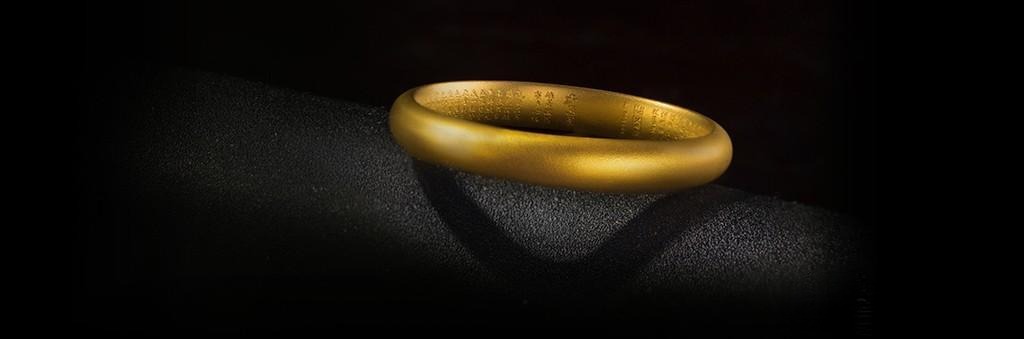
In simple terms, Gu Fa Gold (literally “ancient-method gold”) refers to jewelry crafted using age-old Chinese goldsmithing techniques — all done by hand. While modern jewelry often relies on industrial molds and high-polish finishes, Gu Fa Gold embraces time-honored methods that emphasize craftsmanship, texture, and history.
Typically, Gu Fa Gold pieces are defined by three traits:
- A matte, understated finish rather than a shiny gloss.
- A solid, substantial weight that feels grounded.
- Vintage-inspired motifs and textures that echo ancient artistry.
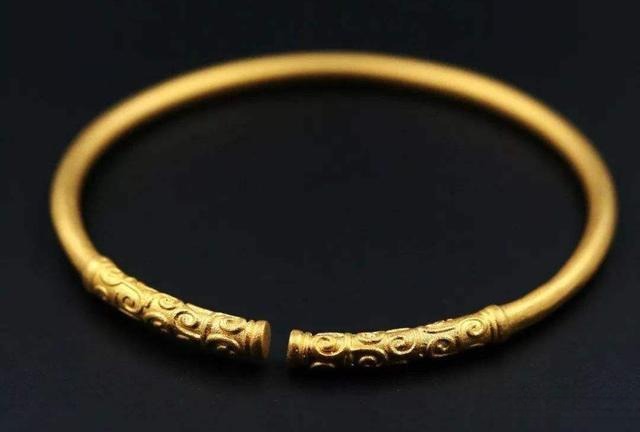
This aesthetic instantly distinguishes Gu Fa Gold from conventional bright jewelry. Instead of shouting wealth, it whispers refinement. When you see a traditional bangle made in this style, you don’t simply think “luxury” — you sense cultural gravitas and an almost poetic aura of prosperity and heritage.
The Origins of Gu Fa Gold — From Imperial Workshops to Modern Revival

The concept of Gu Fa Gold cannot be separated from the story of Laopu Gold, one of the pioneering brands that revived this ancient craft.
Founded in Beijing in 2009 — originally known as Golden Treasure and later renamed Laopu Gold — the brand began not with jewelry, but with scholarly objects and Buddhist art pieces. Quietly located near Wangfujing, it built its reputation through understated design and cultural depth.

Unlike the dazzling displays of conventional gold stores, Laopu Gold stood apart. From interior design to branding, every detail echoed the elegance of old Beijing and the sophistication of dynastic craftsmanship. Their mission: to revive traditional gold-making techniques while blending them with modern design sensibilities.
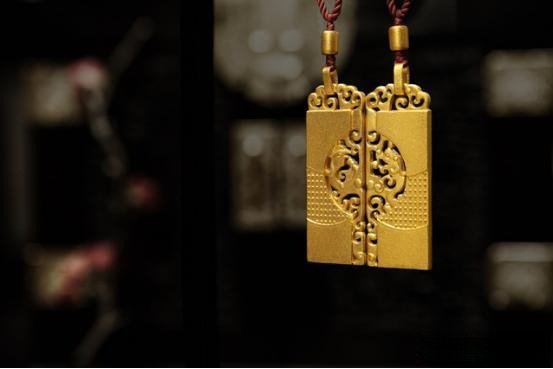
This philosophy — vintage yet not archaic, refined yet culturally rooted — defines the modern meaning of Gu Fa Gold.
A Cultural Comeback — Why “Gu Fa” Became a Trend
The rise of Gu Fa Gold coincided with a broader cultural renaissance in China. Over the past decade, traditional culture has re-emerged with unprecedented vitality. Heritage craft exhibitions have become mainstream. Documentaries about intangible cultural heritage draw millions of views. Social media has given rise to thriving communities around Hanfu (traditional clothing), calligraphy, and tea rituals.
In this cultural wave, anything labeled “Gu Fa” — meaning made by ancient methods — seems to gain an instant aura of prestige. It signals authenticity, craftsmanship, and heritage. Terms like handmade, artisan, and heritage craft have become the gold standard of storytelling and marketing.
But here’s the truth: not everything marketed as “Gu Fa” truly deserves the name.
To be genuinely “Gu Fa,” a product must not only look traditional but embody traditional techniques — real handcrafting, real mastery, and results that surpass what machines can replicate.
The Three Pillars of Gu Fa Gold Craftsmanship in Traditional Vintage Jewelry
1. Casting and Hammering (Chui Ye) — Traditional Gold Forging Technique
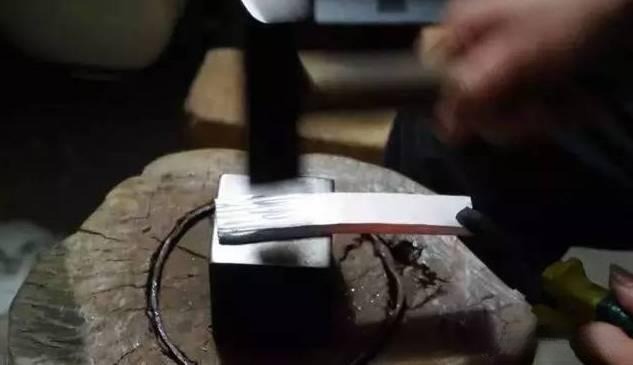
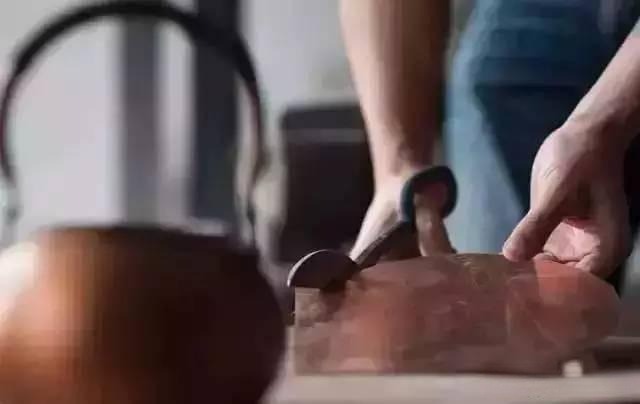
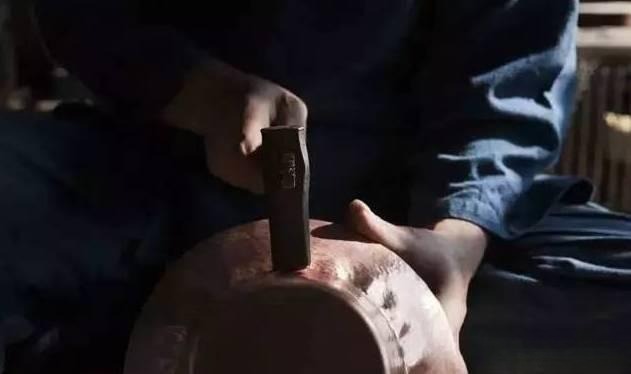
One of the oldest methods in goldmaking is Chui Ye (Hammered Gold Forging Technique) — hammer forging.
This technique takes advantage of gold’s natural softness and ductility. Artisans hammer gold or silver ingots into thin sheets, then cut and shape them into jewelry or vessels.
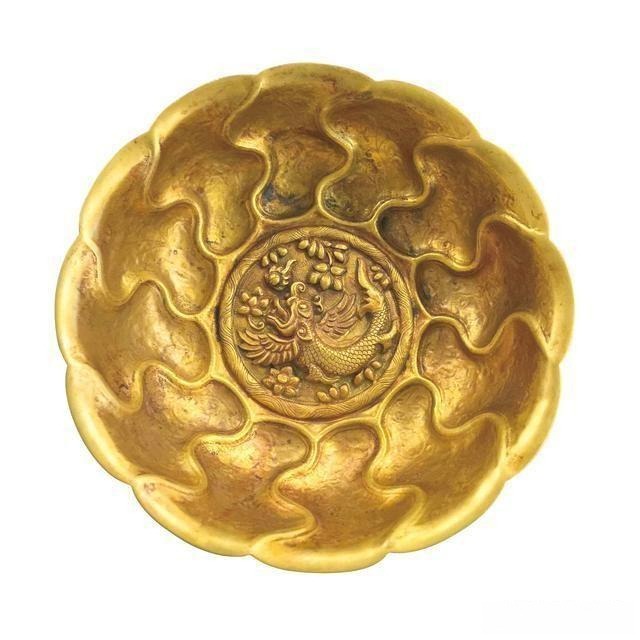
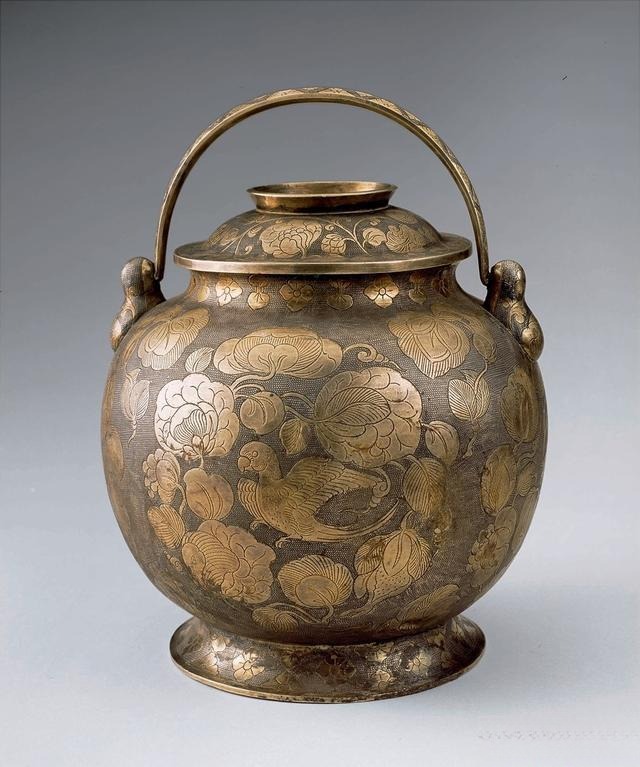
The practice dates back more than 4,000 years, originating in West Asia and later flourishing during China’s Tang Dynasty. Archaeological finds confirm that most Tang gold and silver artifacts were shaped using Chui Ye, demonstrating its artistic and historical importance.
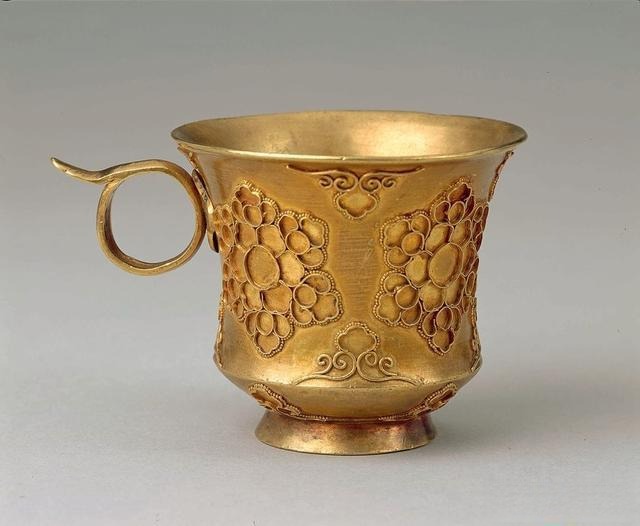
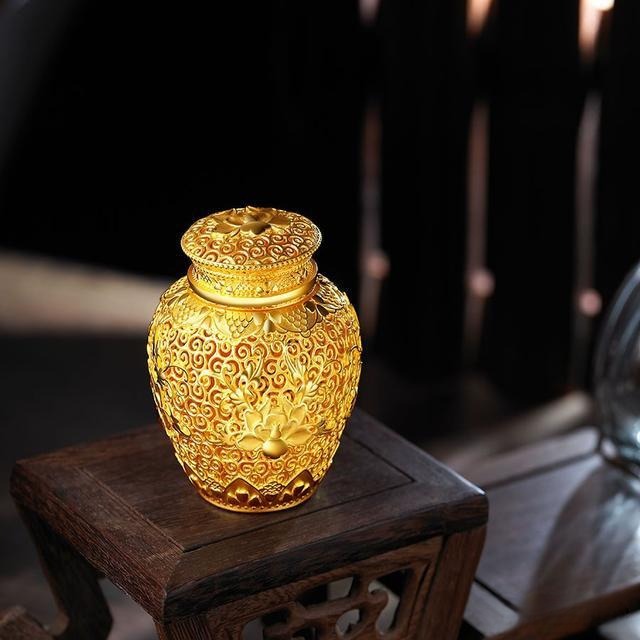
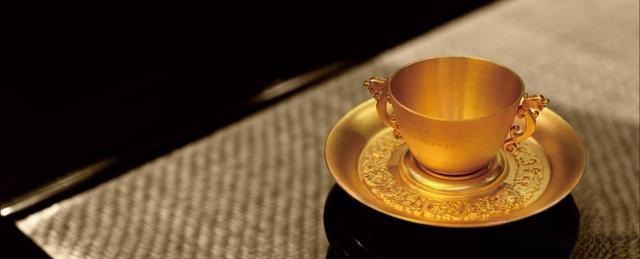
For simple shapes — rings, bangles, cups — artisans might work from a single gold sheet. For complex items such as vases or flasks, multiple sections are hammered separately and then joined seamlessly. The finest examples are weld-free, formed solely through tens of thousands of hammer strikes, each imprinting the maker’s rhythm into the gold.
2. Ornamentation (Xi Jin Gong Yi) — Delicate Goldwork in Vintage Jewelry
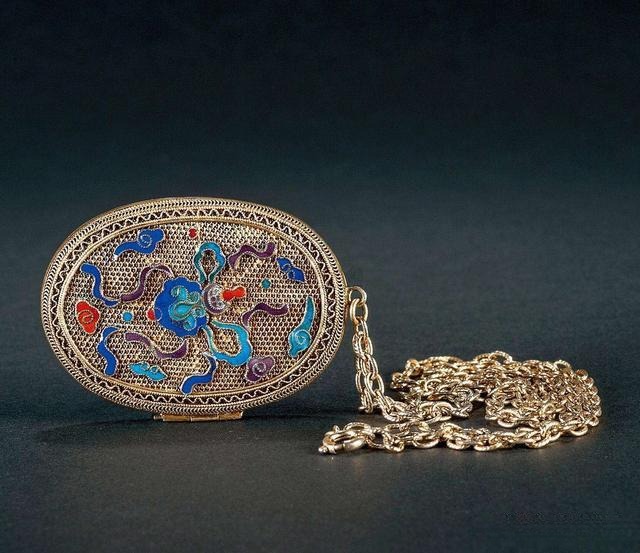
Once the form is shaped, the real artistry begins: handcrafted fine gold decoration.
This encompasses several micro-techniques known collectively as Xi Jin Gong Yi (Delicate Goldwork Techniques) — literally, “delicate goldwork.”
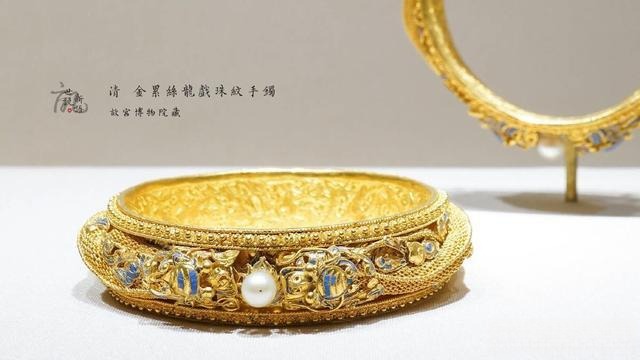
- Filigree — pulling gold into fine wires, weaving or stacking them to create intricate floral or geometric patterns.
- Engraving (Zan Ke) — carving motifs or patterns directly into the surface using chisels.
- Granulation (Zha Zhu) — fusing tiny gold beads onto the surface to add dimension and elegance.
To learn more about this fascinating technique, check out our PeonyJewels detailed post: Granulation (Zha Zhu): The Mastery of Ancient Chinese Gold Jewelry Craft. - Inlay — embedding gemstones or thin gold wires by hand to add visual contrast and depth.
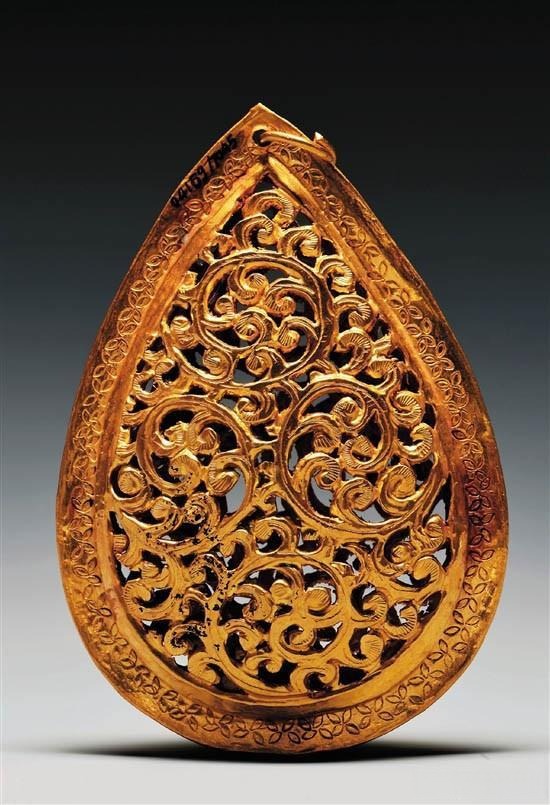
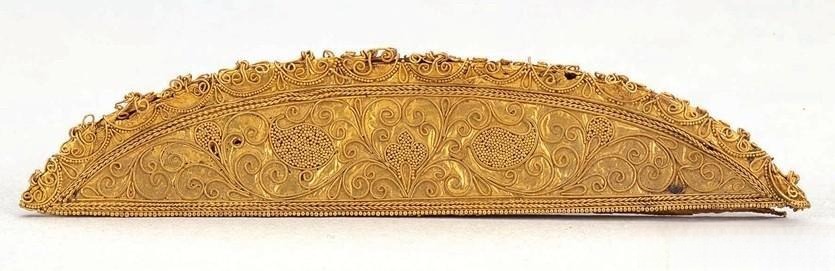

Each technique requires immense patience and precision. When combined, they create the opulent textures once reserved for imperial collections. Every line, bead, and curve carries traces of centuries-old refinement — a glimpse of Tang Dynasty grandeur reborn.
3. Refining and Polishing — Signature Matte Finish in Handcrafted Gold Jewelry
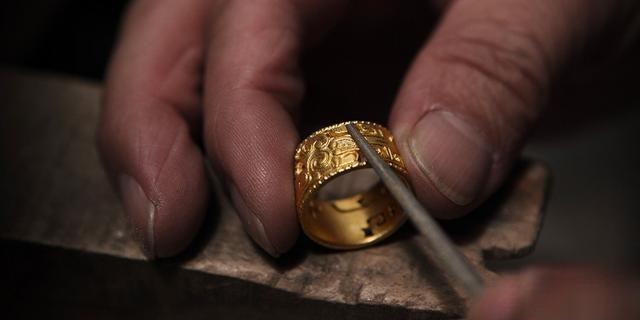
Unlike modern jewelry polished by machines to a mirror shine, Gu Fa Gold is hand-polished using traditional abrasives. This produces a distinctive matte or satin finish, soft to the eye and gentle to the touch.
This tactile warmth — neither too bright nor dull — is part of Gu Fa Gold’s identity. It is why consumers often describe it as quietly luxurious. The surface resists fingerprints better than glossy jewelry, though it remains just as soft — pure gold, after all, can still scratch or bend.
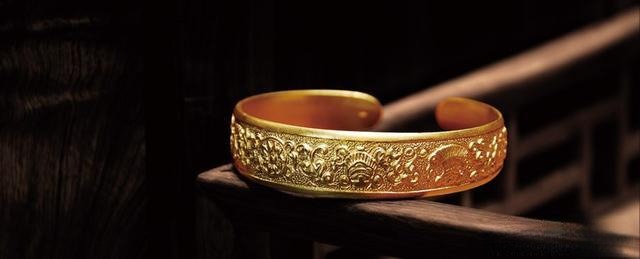
Over time, natural wear adds character. As it rubs against the skin, the surface gradually develops a subtle sheen — a living patina that evolves with the wearer.
Gu Fa Gold vs. “Gu Yi Gold” — Authentic Craft or Marketing Gimmick?
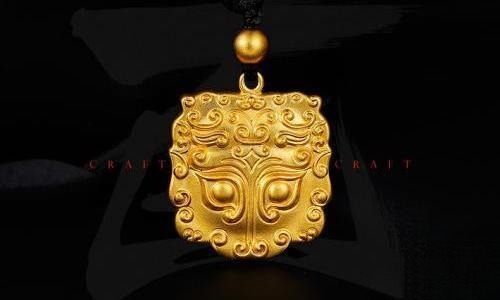
In today’s market, not every so-called Gu Fa Gold piece truly qualifies.
Some mass-produced items imitate the aesthetic by using molds and artificial matte finishes — these might be better described as “Gu Yi Gold”, or vintage-style gold.
A genuine Gu Fa Gold creation should be:
- Fully handcrafted, using hammering, engraving, or granulation.
- Made with traditional techniques, not machine finishing.
- Rich in texture and design, showing the maker’s touch.
So, when choosing your jewelry, ask yourself — are you seeking the look of tradition, or its soul?
Debunking Marketing Myths in Traditional Techniques Vintage Jewelry
Let’s decode a few popular marketing claims surrounding Gu Fa Gold:
- “No fingerprints, stays clean!”
✅ True — the matte finish hides smudges better than polished gold. - “Scratch-resistant!”
❌ False — gold is naturally soft. No matter how it’s made, scratches are inevitable. - “Can be polished by wearing — the more you wear, the shinier it becomes!”
✅ Partly true — over time, friction naturally polishes the surface, creating a gentle glow. - “Purely handcrafted using ancient royal techniques!”
⚠️ Sometimes true — but verify the craftsmanship. Real hammer marks, delicate engraving, and non-uniform textures are good signs.
Why Gu Fa Gold Represents More Than Luxury
Gu Fa Gold isn’t merely a fashion trend — it’s part of a broader cultural revival.
Each piece embodies patience, skill, and continuity, linking modern wearers to centuries of artistry. It stands for quiet confidence — luxury without ostentation.
Whether worn alone or paired with modern fashion, Gu Fa Gold pieces blend effortlessly with contemporary aesthetics. They serve as reminders that true beauty doesn’t shout — it endures.
From Ancient Gold to Peonyjewels’ Handcrafted Vintage Earrings
Gu Fa Gold proves that Traditional Techniques Vintage Jewelry can bridge the gap between heritage and modern style. Its artistry, symbolism, and human touch bring warmth and soul to an increasingly automated world.
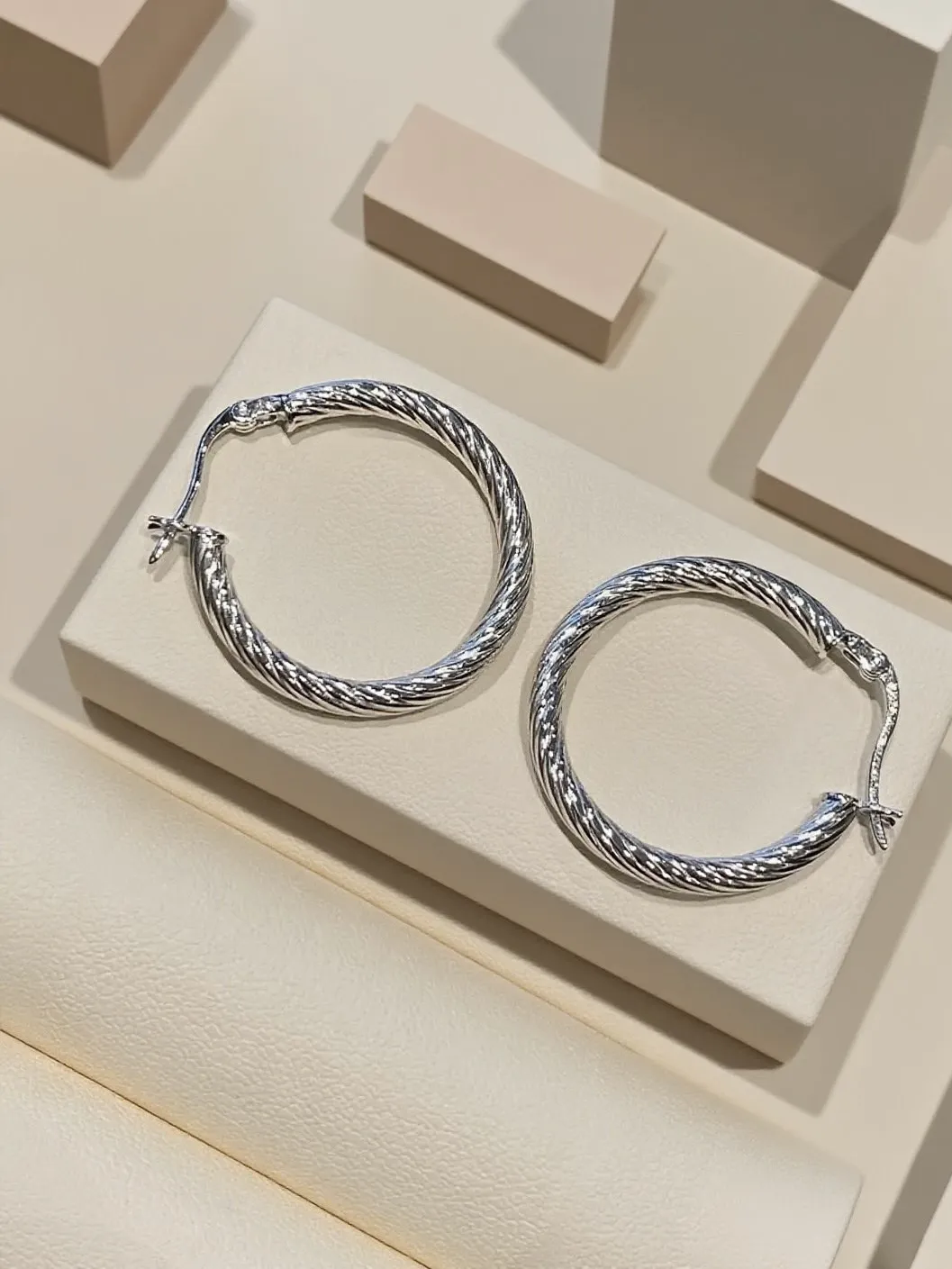
Peonyjewels handcrafted sterling silver earrings
At Peonyjewels, we carry forward this philosophy. While our current collection focuses on handmade vintage earrings , each piece tells a story and draws inspiration from traditional arts. Every curve, texture, and detail reflects careful handwork, creating jewelry that is both meaningful and wearable.
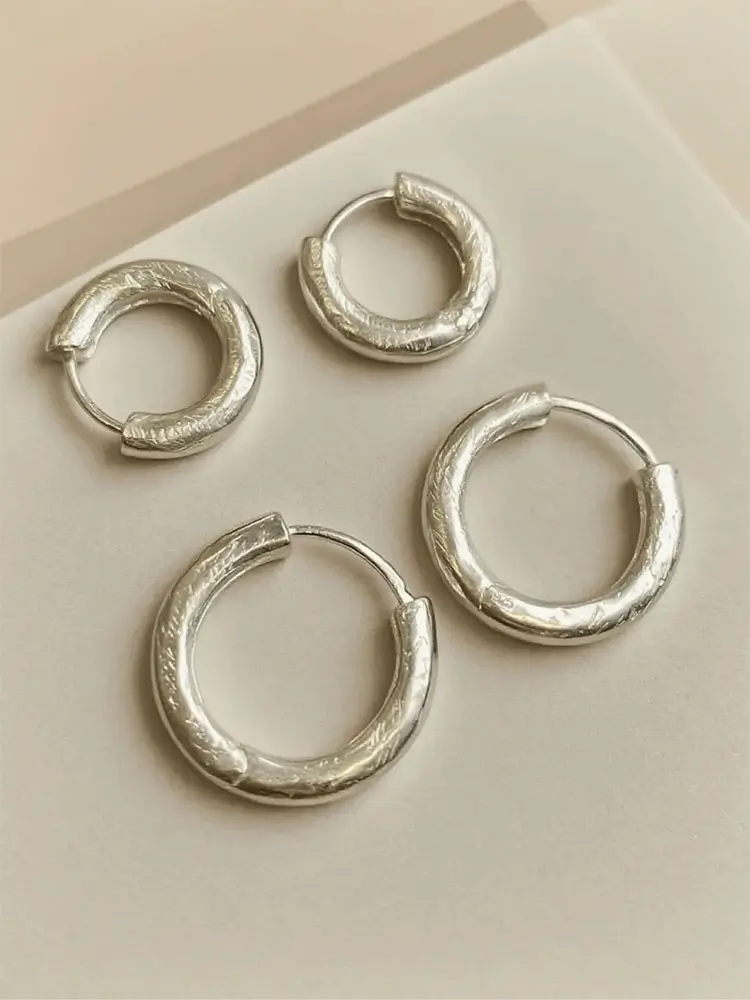
For those seeking customized gold pieces, we also offer bespoke services, bringing your vision to life with the same dedication to craft and tradition. You are welcome to contact us for personalized consultation.