Zircon: Is This Ancient Gem a Fake Diamond, or a Valuable Treasure?
Introduction: Separating Zircon from the “Fake Diamond” Myth
When the name Zircon comes up, many people’s immediate thought is: “Isn’t that just a cheap imitation diamond?” This misconception has unfortunately overshadowed one of the oldest and most fascinating minerals on Earth.
If you associate Zircon with ‘fake’ jewelry, you are likely confusing this ancient natural stone with its lab-created counterpart, Cubic Zirconia (CZ). The truth is that natural Zircon is anything but worthless. It is a genuine, naturally occurring gemstone with a history spanning back billions of years, possessing unique properties that make it valuable in both jewelry and high-tech industries.
As early as 2,000 years ago, people in Sri Lanka were already mining this gem from gravel beds using panning methods similar to gold mining, easily separating the denser mineral. By the 6th century, Greeks and Italians in Europe considered it a symbol of honor and wisdom, believing it brought success and good fortune. Today, Western countries continue to list Zircon as the December birthstone, symbolizing victory and good luck.
Let’s dive deep into the real story of this radiant gem and uncover the remarkable differences between natural Zircon and the lab-created material that often causes confusion.
Understanding Zircon: Earth’s Time Capsule Gemstone
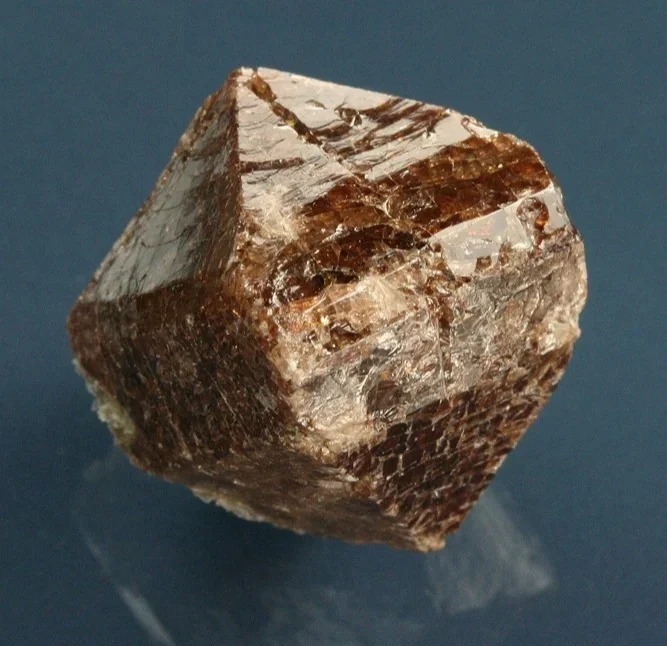
Zircon, also known as “Zircon-quartz,” is recognized as one of the most ancient minerals on our planet. Its exceptional stability makes it a cornerstone in isotope geochronology, essential for dating the Earth’s history; the oldest dated Zircon crystals formed over 4.4 billion years ago! Its use as an adornment is equally long-standing, beloved since the time of ancient Greece and symbolizing prosperity and success.
1. Key Physical and Chemical Characteristics
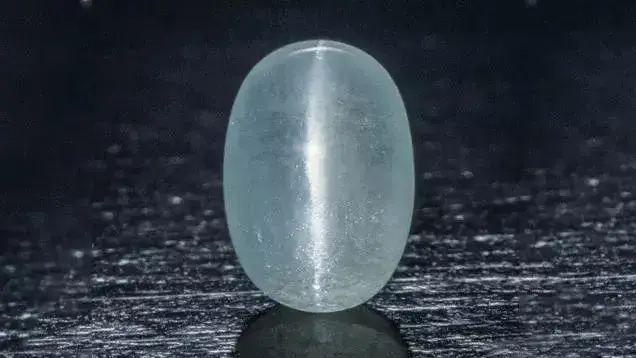
The incredible versatility of Zircon stems from its distinctive properties.
| Feature | Description | Technical Detail |
| Chemical Composition | Zirconium Silicate (May contain trace elements like Mn, Fe, U, Th) | ZrSiO4 |
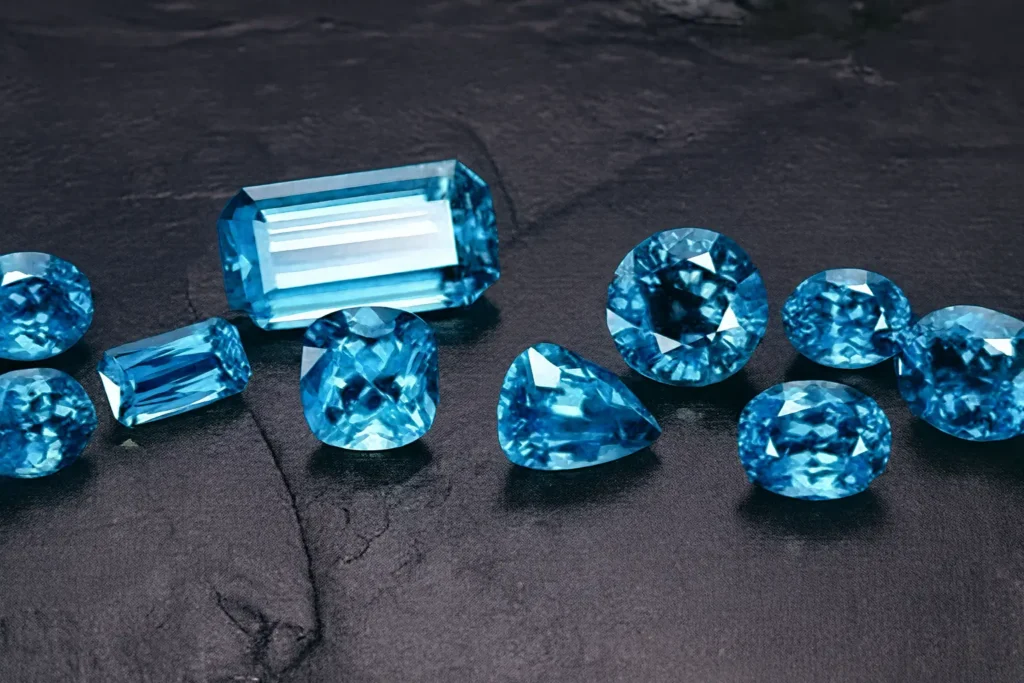
| Color | Colorless, Blue, Green, Brown, Orange, Red, etc. | Natural variety is broad. |
| Luster | Adamantine or Vitreous (Polished surface); Greasy (Fracture) | Its brilliance contributes to its appeal. |
| Dispersion (Fire) | Strong; this creates its dazzling sparkle. | 0.038 |
| Mohs Hardness | Fairly durable, but not as tough as diamond. | 6 to 7.5 |
| Specific Gravity | Noticeably heavier than diamond. | 3.9 to 4.7 |
| Special Optical Effects | Can occasionally display Cat’s Eye or Asterism (Star Effect). | Rare but highly valued. |
2. The Crucial Classification: High, Medium, and Low Zircon
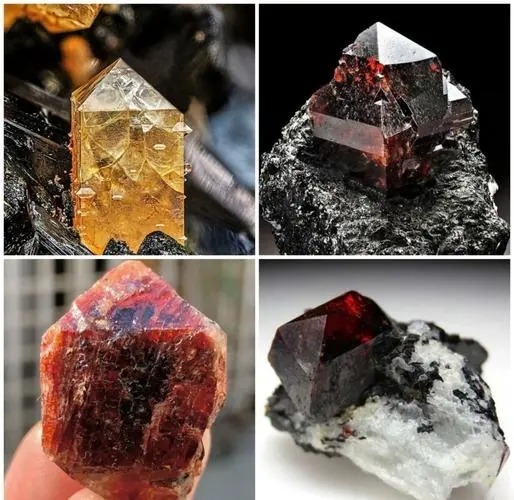
Zircon is uniquely classified into three types—High, Medium, and Low—based on its internal crystalline structure. This difference is caused by damage from trace radioactive elements (Uranium and Thorium) within the stone:
- High Zircon: Has minimal radioactive damage and a largely intact crystal structure. It is the most important gem variety, often featuring deep yellow, brown, or reddish-brown colors. Heat treatment (800C to 1000C)can transform it into the highly prized colorless or stunning blue gem, which often commands the highest value on the market.
- Medium Zircon: Exhibits some lattice damage due to decay. It is typically yellowish-green or greenish-brown, and Sri Lanka mainly provides it.Due to being less attractive and stable, it is less common in the market.
- Low Zircon: Contains significant radioactive elements, resulting in a nearly amorphous (non-crystalline) structure. These usually appear green, brown, or grayish-yellow, and the jewelry industry rarely uses them as gemstones due to their residual radioactivity.
Where is Zircon Found? Global Sources
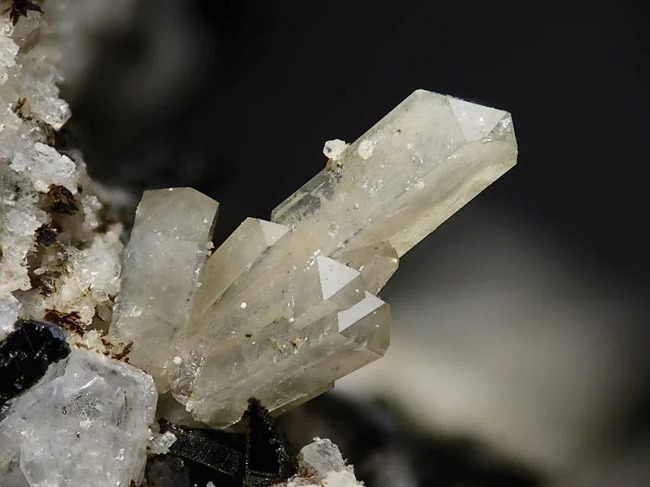
Zircon occurs widely as a mineral, but its gem-quality deposits remain limited.
The largest producers of Zircon globally are:
- Australia: Accounts for approximately 37% of the world’s annual production.
- South Africa: Follows closely, producing about 30% of the world’s annual output.
Other significant sources of gem-quality material, particularly the high-type Zircon favored for jewelry, include Sri Lanka, Cambodia, and Thailand.
Natural Zircon vs. Cubic Zirconia: The Key Distinction
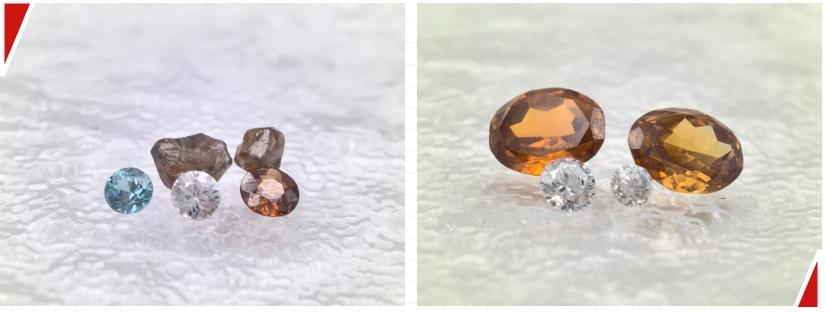
Here is the central point that clears up all the confusion! The widespread belief this gem is a “fake diamond” stems from people confusing natural Zircon(ZrSiO4) with synthetic Cubic Zirconia (ZrO2), often called “CZ” or “Cubic Zirc.”
| Feature | Natural Zircon (ZrSiO4) | Synthetic Cubic Zirconia (ZrO2) | Natural Diamond (C) |
| Origin/Nature | Genuine, natural gemstone | Lab-created imitation | Genuine, natural gemstone |
| Hardness (Mohs) | 6 to 7.5 | 8 to 8.5 | 10 (Hardest) |
| Chemical Formula | ZrSiO4 (Zirconium Silicate) | ZrO2 (Zirconium Dioxide) | C (Carbon) |
| Specific Gravity | 3.9 to 4.7 (Heavy) | 5.6 to 6.0 | 3.52 (Light) |
| Identification Tip | Can be scratched by Diamond/CZ. Heavier than Diamond. | Heavier than Diamond. Often shows rounded facet edges. | Passes the “Paper Test” (No line visible through the pavilion). |
The Verdict: Natural Zircon is a precious, rare, and durable natural stone with its own distinct place in the world of fine jewelry, fully meeting the criteria of beauty, durability, and rarity for a true gem.
Further Reading on Diamonds:
Since we’ve discussed how Zircon compares to diamond, you may be interested in a deeper dive into the world of diamonds itself. For a complete understanding of diamond grading and how to choose the perfect stone for an engagement ring, be sure to read our detailed PeonyJewels blog post: The Ultimate Guide to the 4Cs of Diamonds: Finding Your Perfect Engagement Ring.
Beyond the Bling: Zircon’s Critical Industrial Value
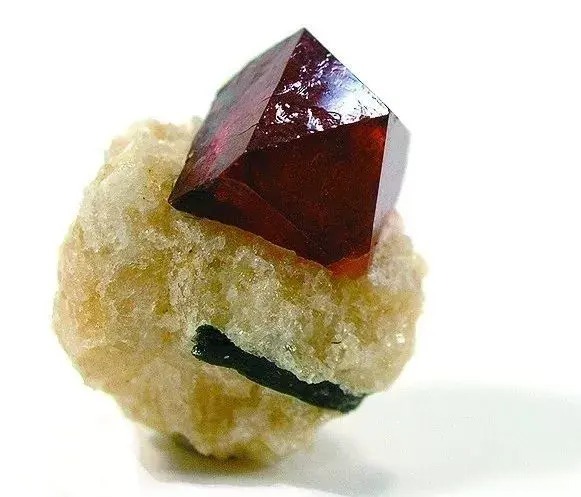
Zircon is not just a pretty stone; it is an incredibly vital material in high-tech and industrial applications due to its unique combination of properties: high hardness, high melting point, low thermal expansion, and excellent chemical stability.
- Refractory and Ceramics: It is widely used as an opacifier in the ceramic and glass industries and as a key component in high-performance refractory materials.
- Nuclear and Military: Zircon is the source for metallic Zirconium and Hafnium.
- Zirconium: Essential for the nuclear industry, used as a core structural material in reactors. It is also used in high-strength alloys for military vehicles, tanks, and artillery.
- Hafnium (Hf): Typically found in trace amounts (1% to 4%) alongside Zirconium. It is chemically similar, highly resistant to heat and corrosion, and is a critical alloying element in manufacturing aerospace engine components.
- Geological Chronometer: Its extraordinary stability allows it to survive millions or even billions of years of geological erosion. Geologists use the ratio of Uranium (U) to its decay product, Lead (Pb), within Zircon crystals to determine the precise formation date of rocks—a technique known as radiometric dating.
Caring for Your Zircon Jewelry
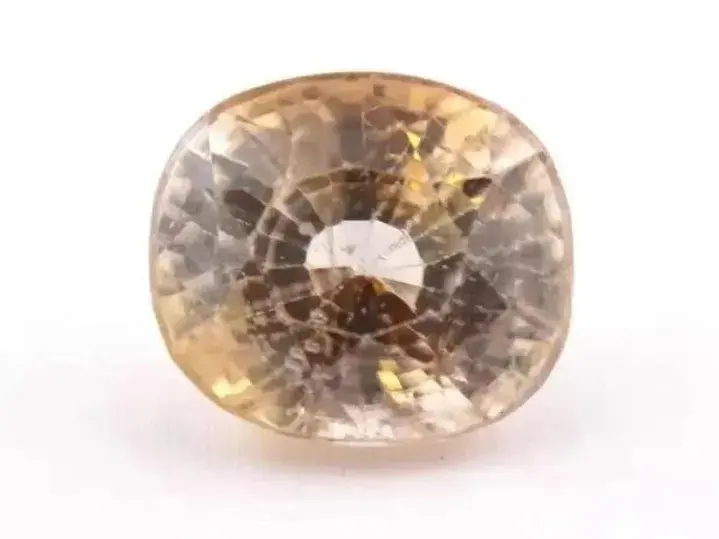
While its high brilliance is captivating, Zircon requires attentive care due to its moderate hardness and low toughness (brittleness). High-type Zircon exhibits its “paper-cut effect,” meaning even collisions while wrapped in paper can cause damage—a classic example of high hardness but low toughness.
Follow these tips to keep your gem sparkling:
- Avoid Oils: Zircon is lipophilic (oil-attracting). Keep it away from oily cosmetics and skin lotions, as these can dull its surface luster.
- Prevent Abrasion: Due to its hardness of 6–7.5, it is easily scratched by materials like quartz or other, harder gemstones. Store it separately from other jewelry and remove it when doing manual labor or chores.
- Temperature Sensitivity: High heat can fade the color of Zircon. Always remove your jewelry before cooking, soaking in hot springs, or sunbathing.
Conclusion: Zircon, a Gem of Victory and History
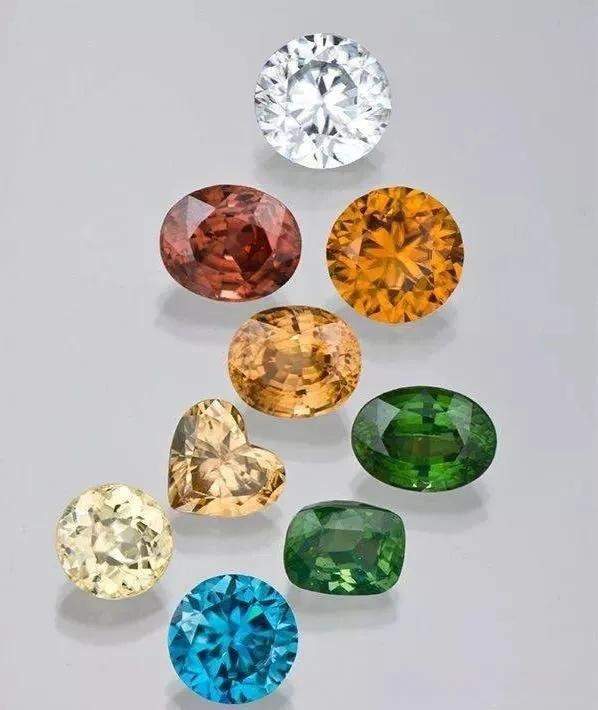
From being prized as a symbol of victory and good fortune (the December birthstone, also known as Hyacinth Stone for its beautiful, varied colors) to being the geochronologist’s most important tool, Zircon’s legacy is undeniable. It is an ancient, naturally radiant gemstone that deserves recognition for its unique beauty and indispensable industrial role, free from the label of being a “fake diamond.” Its strong dispersion gives it incredible fire, making it a spectacular and historically significant choice for any jewelry collection.
💍 Explore the Brilliance: PeonyJewels Custom Design Service
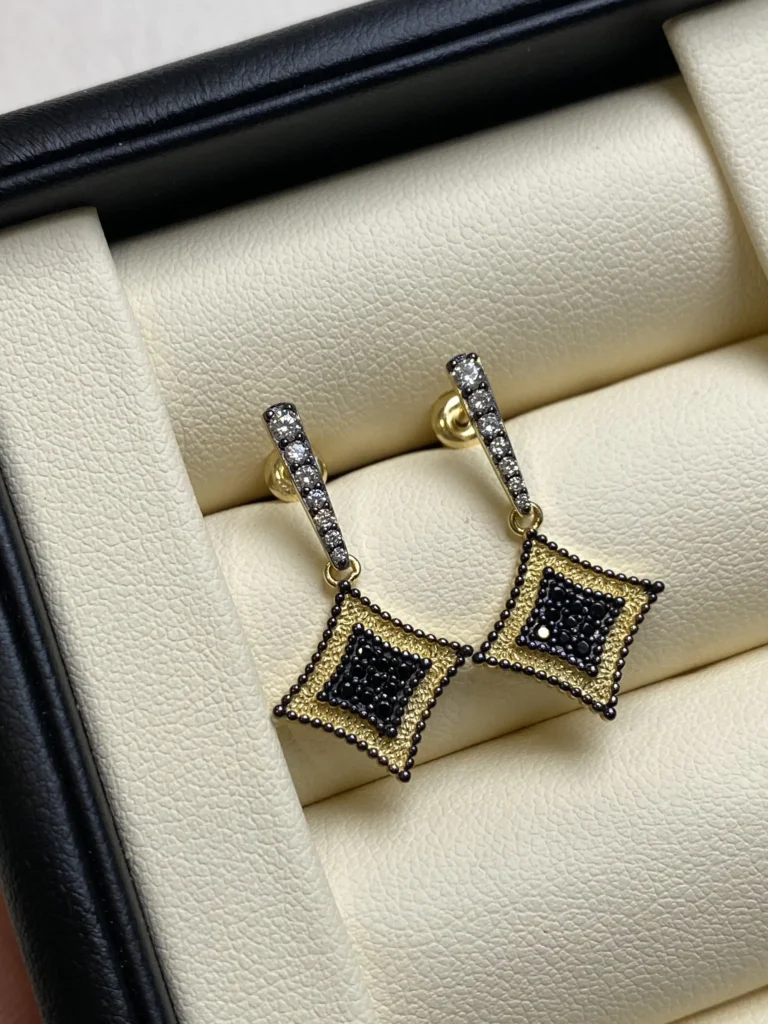
At PeonyJewels, we specialize in high-quality, ethically sourced natural gemstones. Let us help you design a bespoke piece featuring a dazzling Blue gem or a fiery Red one through our PeonyJewels Custom Design Service.
Explore our current collection of original, handcrafted vintage earrings that celebrate the timeless allure of authentic, natural stones like this ancient mineral.